


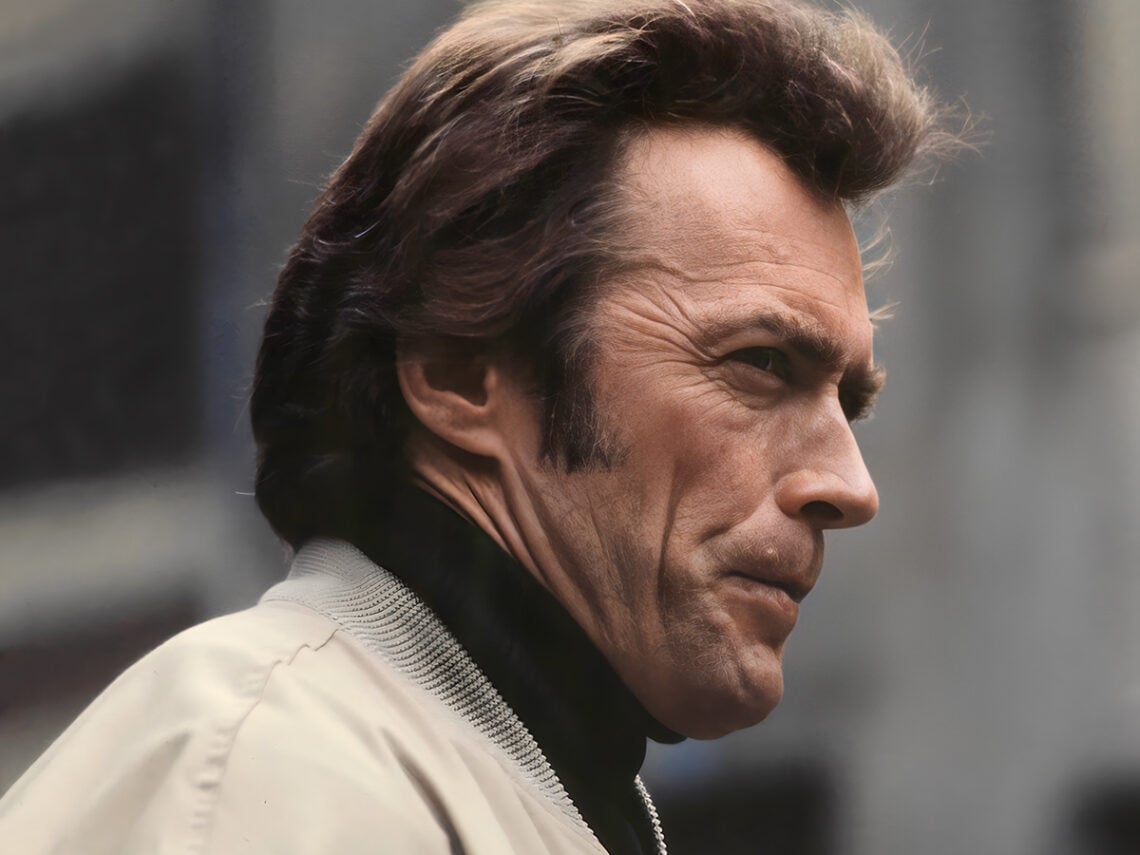
The Clint Eastwood movie that tragically killed a stuntman

In 1975, Clint Eastwood played art history professor Jonathan Hemlock in The Eiger Sanction. Of course, given that Eastwood has never exactly screamed “stuffy art professor”, the character was also a former assassin and mountain climbing expert blackmailed into one last job by the shadowy agency he once worked for. Unfortunately for Eastwood, the film was poorly received despite the huge amount of hard work he put into performing as much of his own rock climbing as possible. The consequences of the production were worse than a bruised ego for the tough guy icon, though, because a stuntman lost his life while performing one of the film’s many dangerous climbs.
To his credit, Eastwood was determined that The Eiger Sanction would be no phoned-in quickie job. When he signed on as the movie’s star and director, he took creative control over every aspect of production. He approached soundman Peter Pilafian with an idea – could they invent new, lightweight batteries to be used in cameras and sound equipment adapted especially for use on the side of a mountain? Of course, they could.
The 44 year old Eastwood then hired mountaineering legend Mike Hoover to teach him how to climb – and it was much, much more difficult than he anticipated. While ascending the 1,200 feet tall Lost Arrow Spire in Yosemite Valley, Eastwood reportedly told Hoover he didn’t think he could make it to the top – to which Hoover shot back, “Well, Clint, you really don’t have much choice, do you?” At that point, the star grimaced, gritted his teeth, and pulled his carcass to the top of the mountain out of sheer anger and spite.
Following his training, the determined star chose to shoot the most dangerous climbing stunts in the first two days of production. Sadly, though, tragedy struck on August 13th, 1974, when Hoover and fellow climber David Knowles had rappelled down the West Ridge of the Eiger mountain in Switzerland. The idea was for a barrage of foam rocks to fall from above, which Knowles would bat away from the camera Hoover was holding. It would look incredible on camera but, in theory, was a fairly routine stunt.
In 1975, Hoover explained what happened next in an interview with American Cinematographer. He revealed: “We were both laughing when we heard the sound of a big rock falling from above. It sounds real close and I instantly cover and crouch into the wall as close as possible. I hide my hands so as not to lose any fingers. Feel pretty good. It smashes into the small of my back and I almost black out as a smaller shower of rocks continues. I feel a weight on top of me. I can’t move my legs, so pinch them, and am so happy to feel the pain.” In the end, it turned out the experienced climber had cracked his pelvis.
Hoover was only momentarily relieved, though, because he then realized Knowles was hanging upside down on top of him – and he had died. He mused, “He must have looked up right into it,” before theorizing, “I’m sure he never felt anything and was happy when he passed away — and it was so quick that there was no fear at all.”
A wake was held for the fallen climber, and a distraught Eastwood seriously considered scrapping the production. Amazingly, though, it was the climbers themselves who convinced him the show must go on. As Hoover put it, “We all knew that serious accidents were a real possibility before we started”.
Author Richard Schickel added, “They knew the risks of their trade, ran them habitually and felt that moviemaking added nothing to them. For his part, Clint came around to the view that aborting the production would render Knowles’s death — not to mention all the hard and dangerous work that had preceded it — meaningless.”

Never Miss A Tale
The Far Out Clint Eastwood Newsletter
All the latest stories about Clint Eastwood from the independent voice of culture.
Straight to your inbox.