


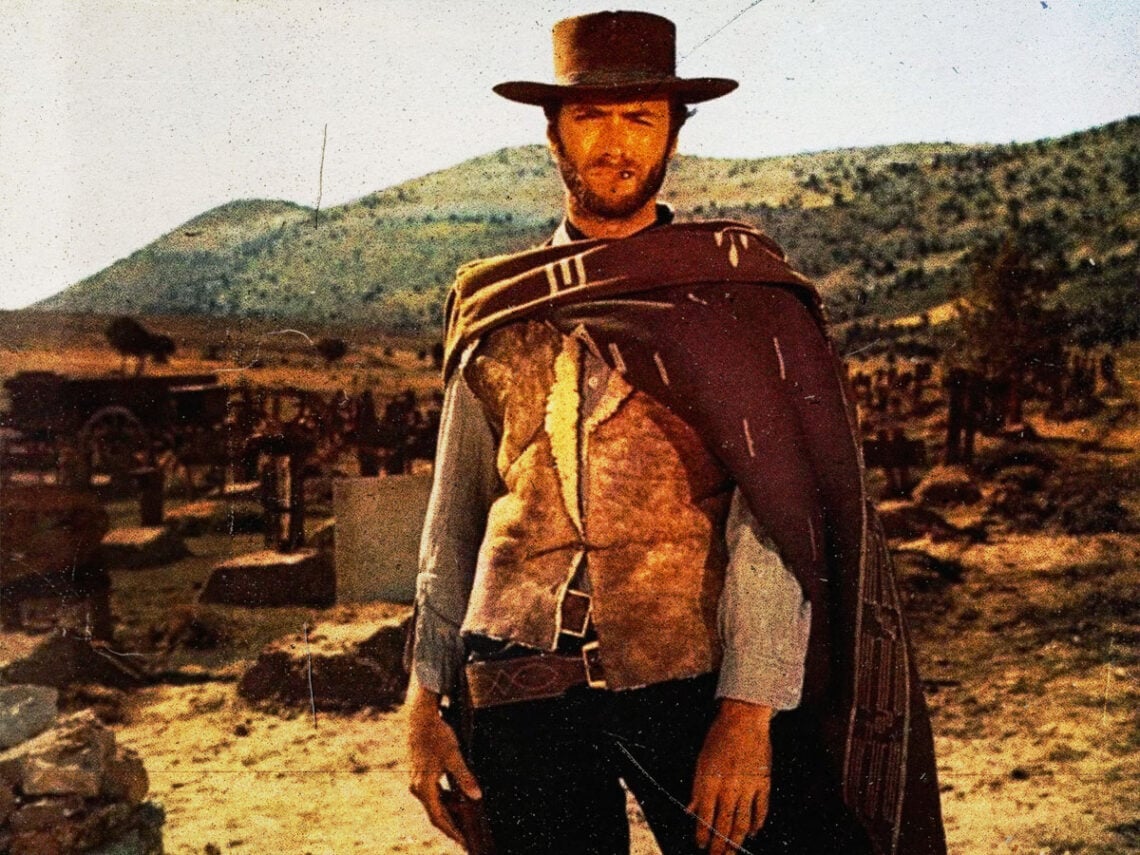
A personal favourite: why ‘Bronco Billy’ is Clint Eastwood’s own “definitive” western

To be even a footnote in the world of Hollywood is to have achieved more in the realm of acting than most studious classmates of your local branch of acting school can ever hope for. To achieve the incredibly impressive career that Clint Eastwood has is to rewrite the book on what it means to be a man of Tinseltown. But Eastwood hasn’t done it by simply sticking to what he knows — no, he has donned many hats throughout his illustrious career.
A legendary figure and perhaps the greatest living symbol of an old Americana type of man, Eastwood is often associated with rugged cowboys and stoic detectives. To this day, his most commercially successful venture isn’t one of the Dirty Harry films, nor his collaborations with Sergio Leone; it’s the 1978 effort Every Which Way But Loose, in which Eastwood formed an unconventional partnership with an orangutan.
However, in 1980, Eastwood made a film that saw him not only pushing boundaries but also reflecting deeply on his own image and legacy. The problem is, no one really remembers it. In the 1970s, Eastwood, already an established star, was mainly known for his roles in intense, action-packed thrillers. Venturing into directing while still acting, his choice of projects was diverse and always seemed to surprise his fans. And amidst this diverse lineup, Bronco Billy emerged, a poignant comedy-drama that had Eastwood not only behind the camera but also playing the titular role.
The story revolves around Billy, once a shoe salesman, now living his dream as a contemporary cowboy, leading an eccentric circus troupe of reformed criminals and alcoholics. The humour, heart, and occasional hijinks derive much from Billy’s interactions with his motley crew, such as the ever-entertaining emcee ‘Doc’, portrayed by Scatman Crothers. If you don’t know that name, you’ll know him as Richard Hallorann – the ‘other’ one with The Shining in Kubrick’s horror masterpiece.
But what makes Bronco Billy stand out is how personal it is to Eastwood. Speaking in Aim for the Heart, the 2009 book by Howard Hughes, the actor and director very candidly explained: “If, as a film director, I ever wanted to say something, you’ll find it in Bronco Bill“. Later, during a conversation with American interviewer Barbara Walters, he described it as one of the “definitive” Eastwood films.
The profound underlying message of Bronco Billy resonated with Eastwood’s own journey, drawing parallels between Billy’s fantasy of being a cowboy in a world that had long moved on and Eastwood’s experiences in the evolving landscape of cinema. Beyond its strong comedic strain, Bronco Billy subtly touched upon the juxtaposition of dreams with reality and the collective aspirations of a rag-tag yet endearing ensemble trying to find their place in the world. To top it off, the soundtrack even featured a duet with Ray Charles.
In a 1995 interview with Rolling Stone, the actor opened up about his love of jazz and why he never truly fell into the rock scene: “I’ve loved a lot of rhythm & blues and some rock & roll. When you go back and listen to the music of the ’60s, some of it is quite good. But I must say I never got drawn into the rock & roll generation. I just kind of missed it, growing up in the ’40s. For me, it was big band and bebop. In the ’60s, I sort of skipped by rock. It didn’t musically inspire me a lot. But I love rhythm & blues, which is sort of the inspiration for rock & roll. To me, rock & roll seemed like sort of a white version of rhythm & blues.” It suggests that the picture was a big win for Eastwood in a number of ways.
It’s a tribute to the bygone era of western heroes and a reflection on Eastwood’s legendary status in that genre. Despite earning decently at the box office, the film didn’t gain the popularity Eastwood had hoped for. Although it garnered some positive reviews, Eastwood felt it deserved more. Over time, its heartfelt sentimentality and unique tone have led to it being overshadowed by his other works.
Today, Bronco Billy stands as a testament to Eastwood’s introspective exploration of his own cinematic identity. A personal favourite of the actor-director, it invites fans and cinephiles alike to delve deeper into the psyche of one of Hollywood’s most iconic figures, which makes it all the sadder that Eastwood was disappointed with its reception. “It was an old-fashioned theme,” he said. “Probably too old-fashioned since the film didn’t do as well as we hoped.”

Never Miss A Tale
The Far Out Clint Eastwood Newsletter
All the latest stories about Clint Eastwood from the independent voice of culture.
Straight to your inbox.