


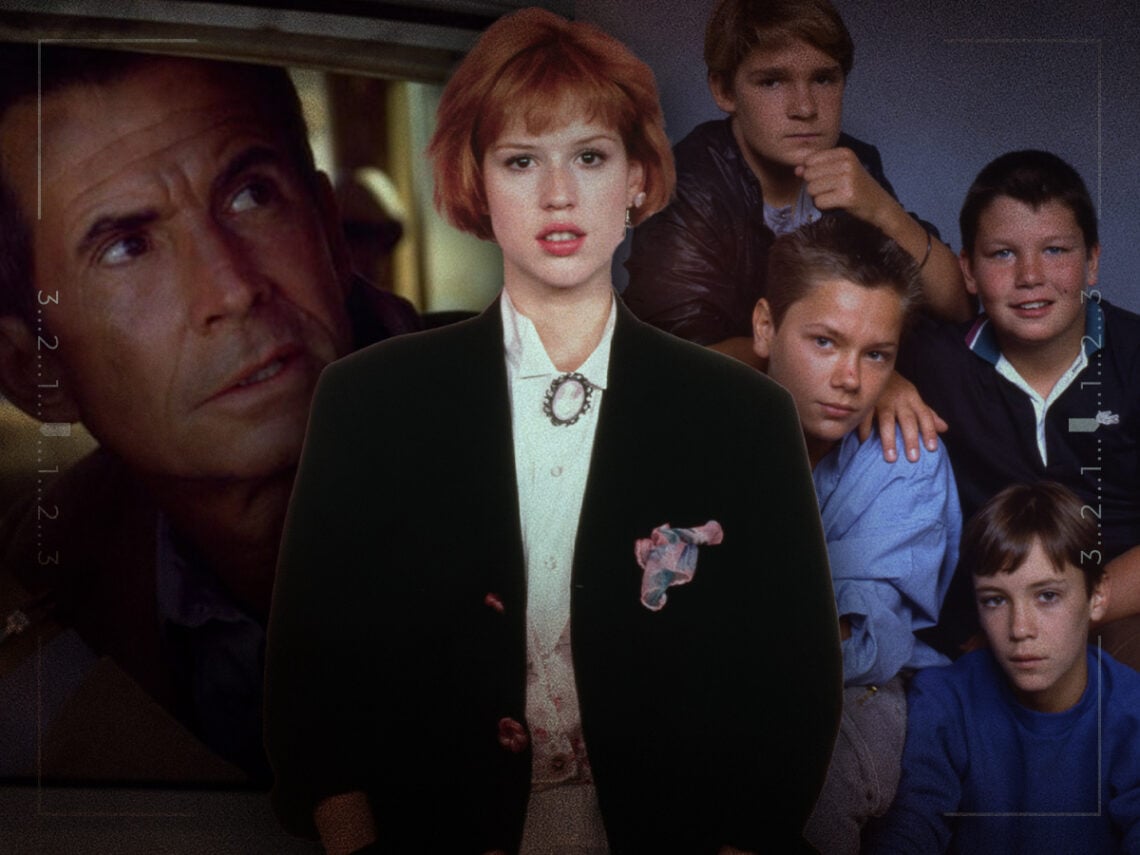
10 movies from 1986 that would never be made today

Certain years are held up as being among the most significant in cinematic history, such as 1939, 1956, 1977, and 1999, and while it’s not often that 1986 is named among them, it had a significant number of releases that proved to be incredibly influential for where Hollywood is today.
Platoon was a ‘Best Picture’ winner that stood definitely against the Vietnam War, Aliens raised the standards for what a sequel could accomplish, Ferris Bueller’s Day Off earned unprecedented success for a teen comedy, and Blue Velvet unlocked the potential of David Lynch, such that the world couldn’t look away.
It was also a year that came at a turning point in the way that the industry viewed itself, where the New Hollywood era of the ‘70s had officially died out, but there were still many filmmakers allotted significant creative freedom by the studios that employed them. In some cases, it’s unfortunate that contemporary filmmaking has become so risk-averse, but on the other hand, there are some trends that have thankfully stayed in the past.
The last decade has seen an unprecedented rise in nostalgia for the ‘80s, with Stranger Things, Ready Player One, and It all leading the charge, yet this reverence for the past should be selective, as there are some films from 1986 that would never be possible now, 40 years later.
10 movies from 1986 that could never be made today:
‘Cobra’ (George P Cosmatos)
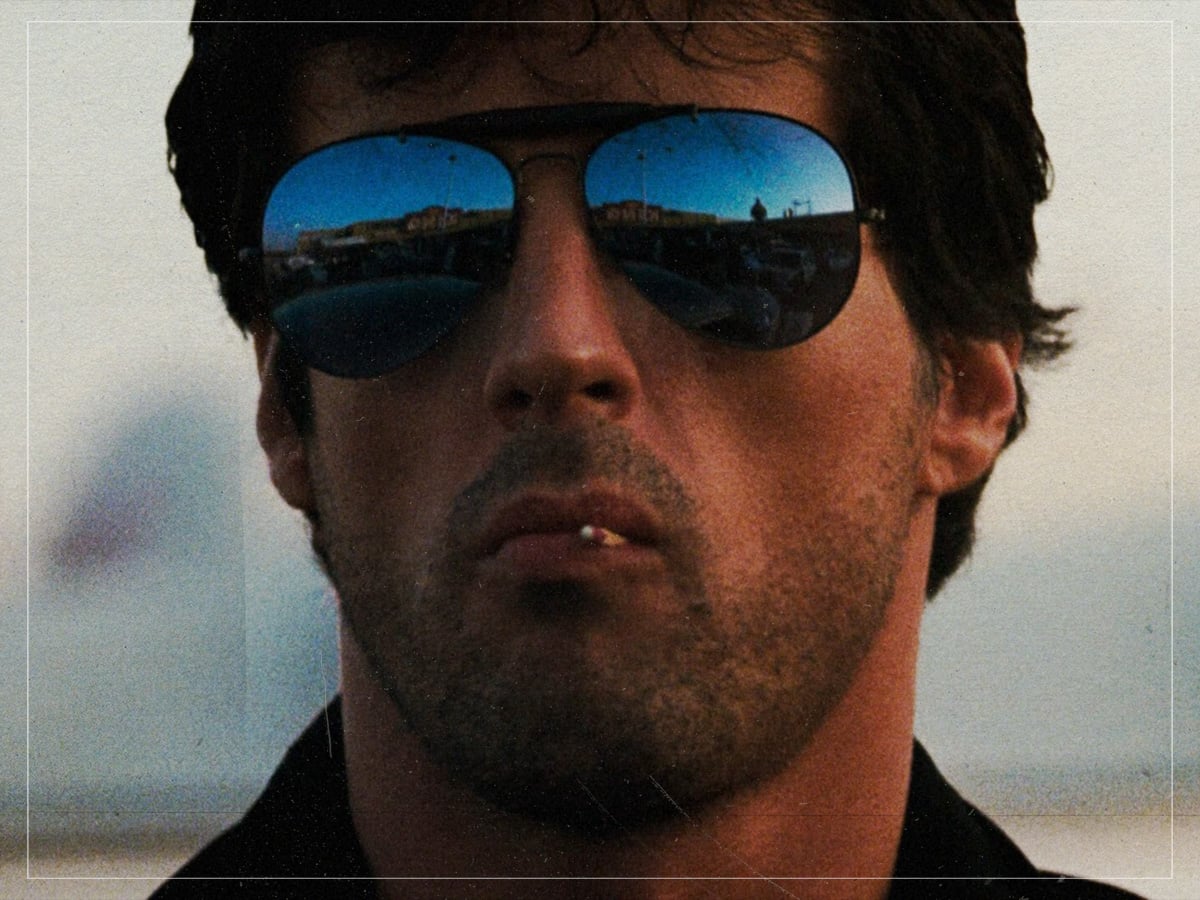
Sylvester Stallone had an unprecedented level of success in the ‘80s, as he was at the creative forefront of two major franchises with Rocky and Rambo. He was given significant control over many of the films that he wasn’t officially credited as a director on, including the absurdly violent cop thriller Cobra.
Even if there has been a resurgence in revenge thrillers thanks to John Wick, Cobra is a film so ridiculous that it could have only been made by Stallone at the height of his powers; there’s no other action flick that features the main character eating children’s pizza, yet also includes violent massacre scenes where many innocent civilians are killed. Stallone hadn’t quite been clued into the fact that people were watching his films semi-ironically, and Cobra was blisteringly sincere as both a vanity project and a potential kickoff to a franchise that never materialised.
‘Pretty in Pink’ (John Hughes)
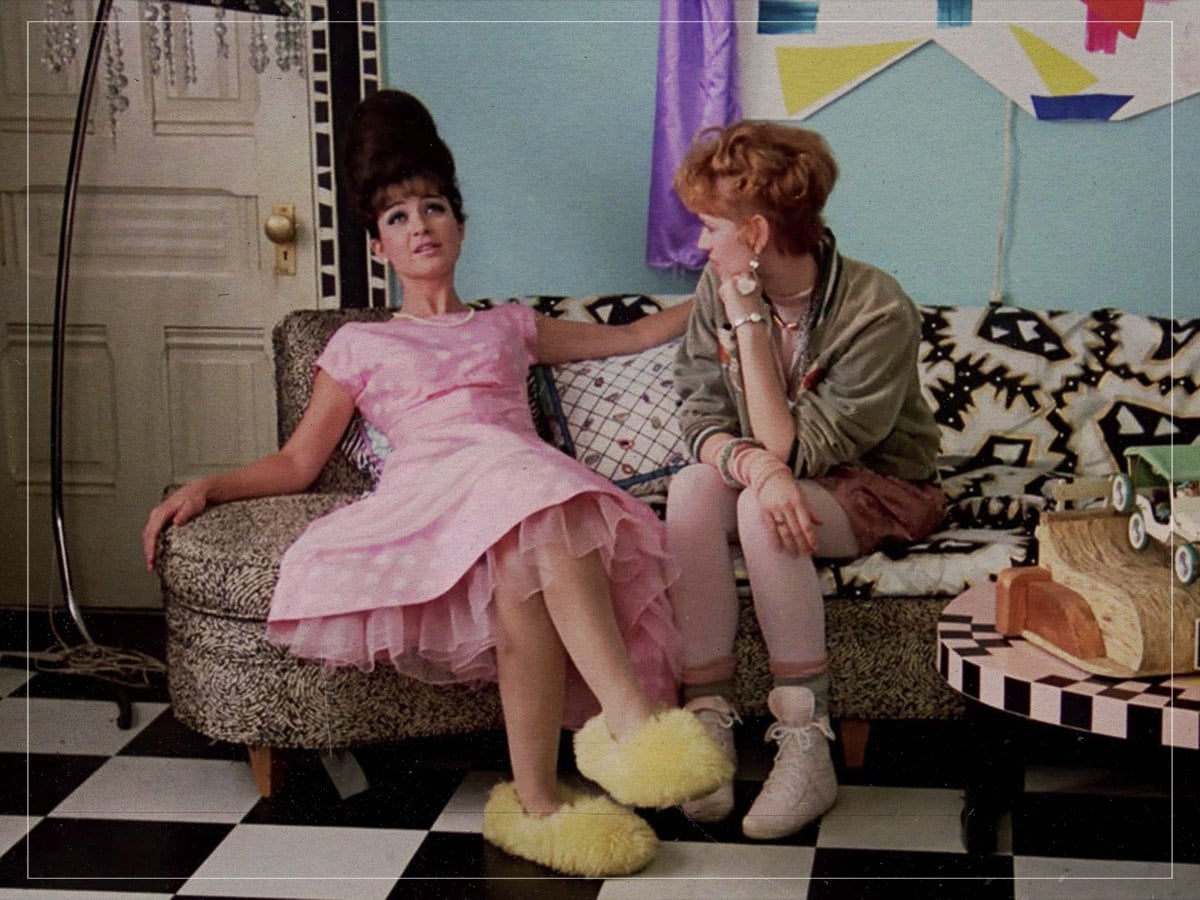
John Hughes is responsible for some of the best teen films of all time and became a significant influence on the future of coming-of-age stories. The unfortunate reality is that there isn’t a market for wholesome, high school dramedies on the big screen anymore, given that a majority of them end up as streaming shows or television films. A film like Ferris Bueller’s Day Off might still be greenlit in 2026 because it works as a broad comedy, but Pretty in Pink is a sensitive drama about friendship and class relations.
There are lighter moments, as Hughes never fails to add some sprinkling of comedy, but the film is also unabashedly sincere and treats its characters as being three-dimensional. It’s also hard to imagine a contemporary film assembling such a talented crop of young actors, as Pretty in Pink featured Molly Ringwald, James Spader, Jon Cryer, and Andrew McCarthy at the height of their powers.
‘Nomads’ (John McTiernan)
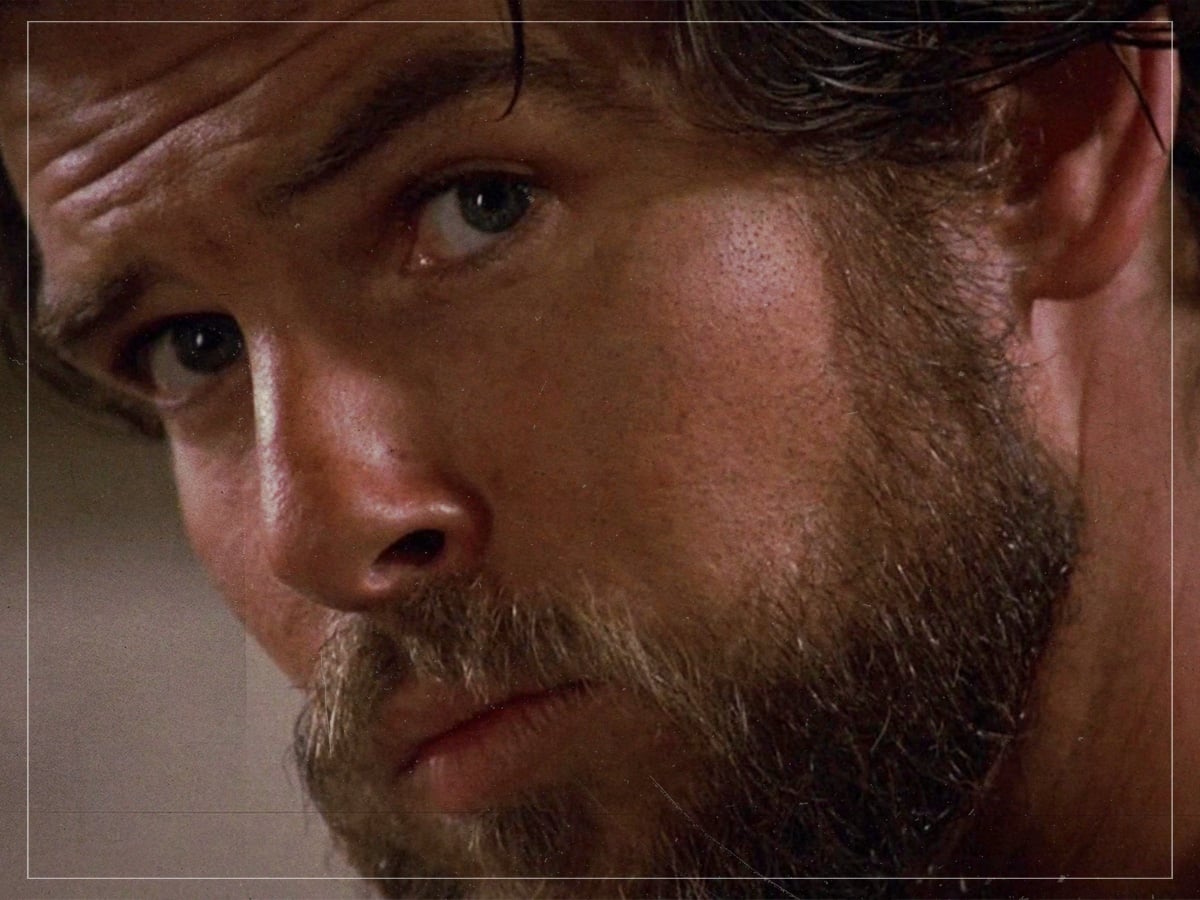
John McTiernan has an undeniably impressive legacy as one of the boldest, most influential action filmmakers of all-time thanks to his work on Predator, Die Hard, The Hunt For Red October, and Last Action Hero, but his debut film is so bizarre that it’s hard to believe that it came from the same person. Nomads is ostensibly a vehicle for Pierce Brosnan, who stars as a French anthropologist who is tracking a group of nomadic raiders, but the editing is so incomprehensible that it’s challenging to determine where the flashbacks begin and end.
Nomads is the type of disaster that would have never been released from a major studio, especially with someone as talented as Brosnan attached; this was around the time that his name was first floated for the role of James Bond. That McTiernan was able to move on to have a great career is a true miracle.
‘Psycho III’ (Anthony Perkins)
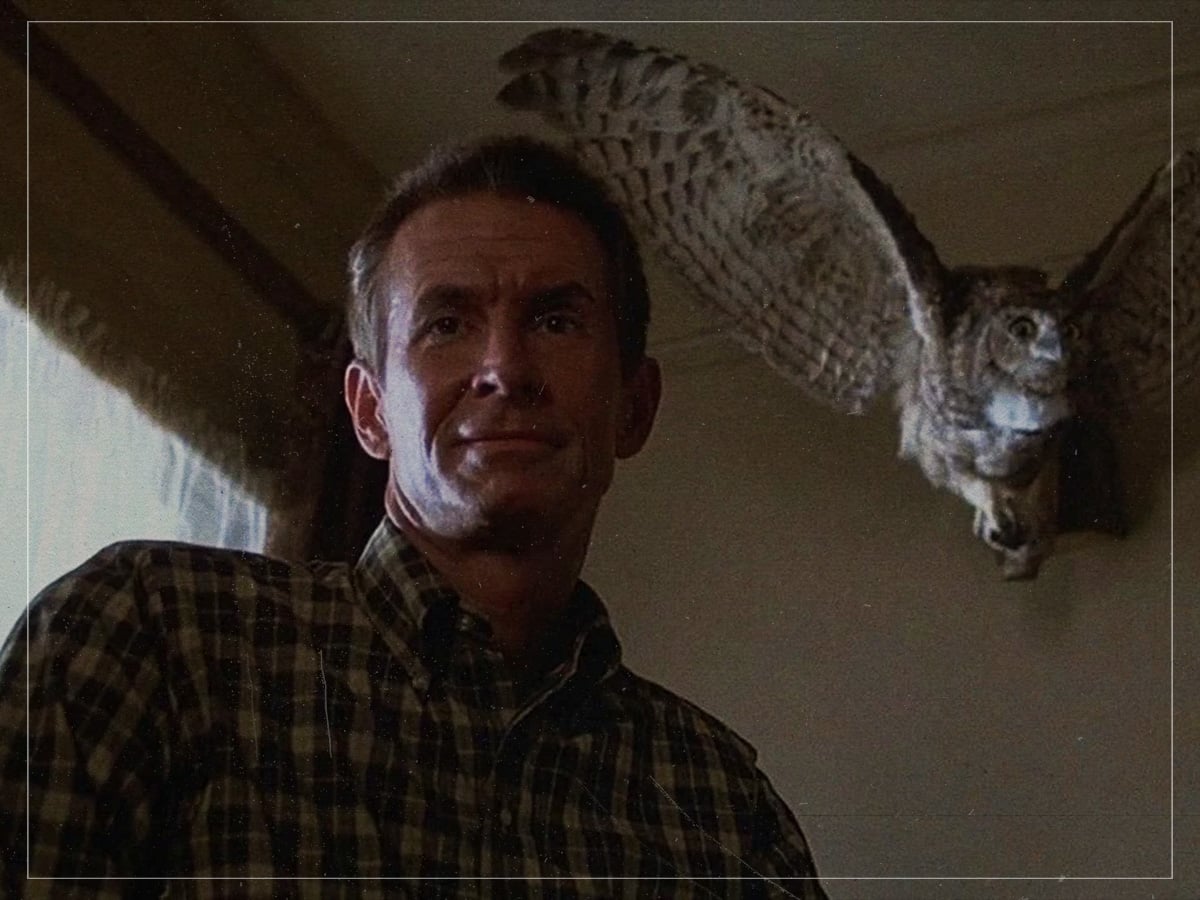
Psycho is both one of the greatest and most influential horror films ever, and the first entry in a bizarre franchise. After Psycho II was released 23 years after the original came out, Anthony Perkins both starred in and directed a third entry in the series, which saw Norman Bates falling in love with a suicidal nun and dodging an investigation by the authorities.
Contemporary slasher films tend to adhere directly to a formula that has been proven to be effective, and they rarely take any bold narrative chances. The Psycho franchise managed to transform Norman from being one of the scariest villains ever to a tragic anti-hero who was capable of both love and redemption. It’s also wildly different in tone, as Alfred Hitchcock’s original is a very grounded, realistic thriller, whereas Psycho III embraces all the absurdity of the ‘80s.
‘8 Million Ways to Die’ (Hal Ashby)
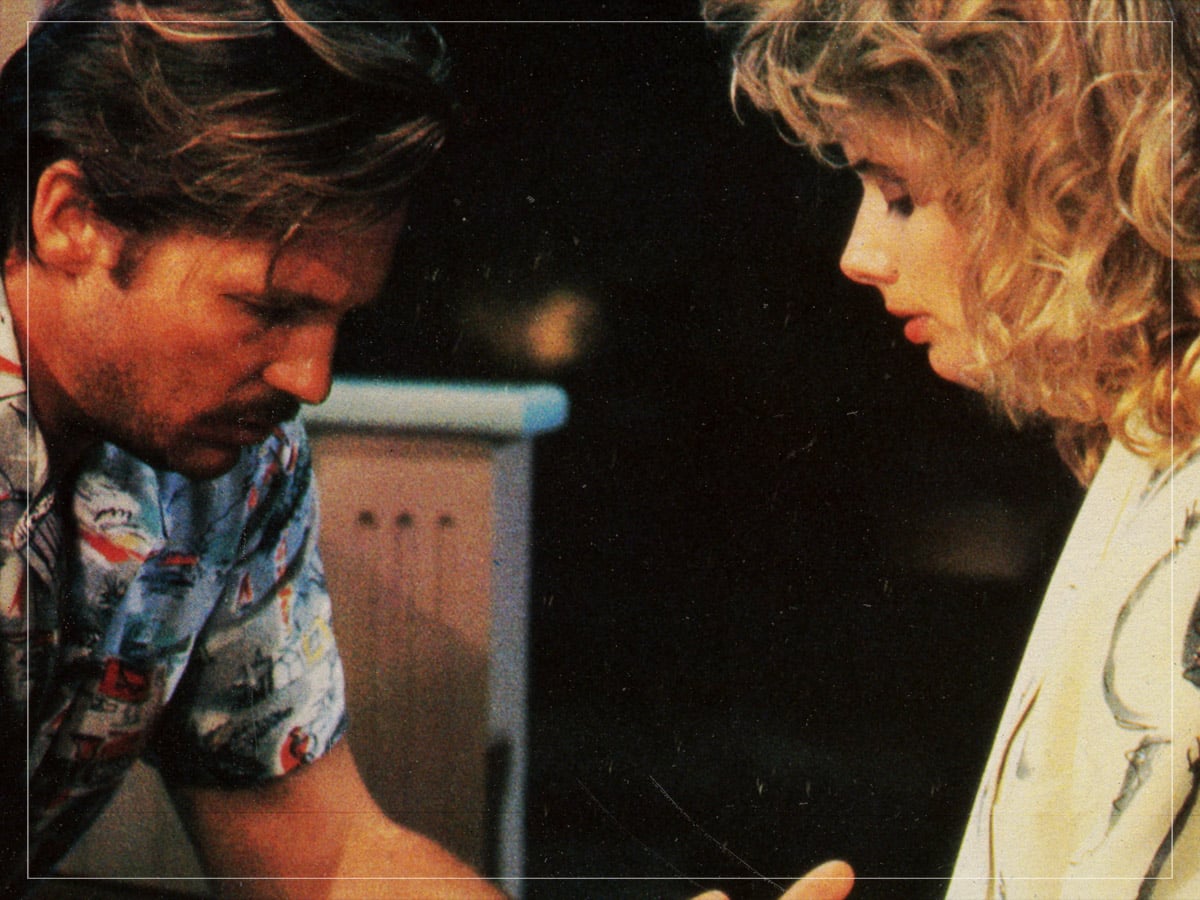
Hal Ashby was on an unfortunate cold streak towards the end of the ‘80s, which in today’s media landscape would be referred to as ‘director’s jail’. While he’s not the type of director who would have been trusted with a highly-anticipated disaster by today’s studios, Ashby was saddled with adapting a popular novel by Lawrence Block, with Jeff Bridges playing the role of the no-nonsense detective Matt Scudder.
One can only imagine the online outrage that would have emerged today had such an inaccurate adaptation been made, and despite the fact that Matt is defined as being a New York private eye, Ashby decided to move the film’s setting to Los Angeles. There was still an appetite for gritty neo-noir crime thrillers like 8 Million Ways to Die in 1986, but today, adaptations like this are more likely than not to be turned into television shows.
‘Hannah and Her Sisters’ (Woody Allen)
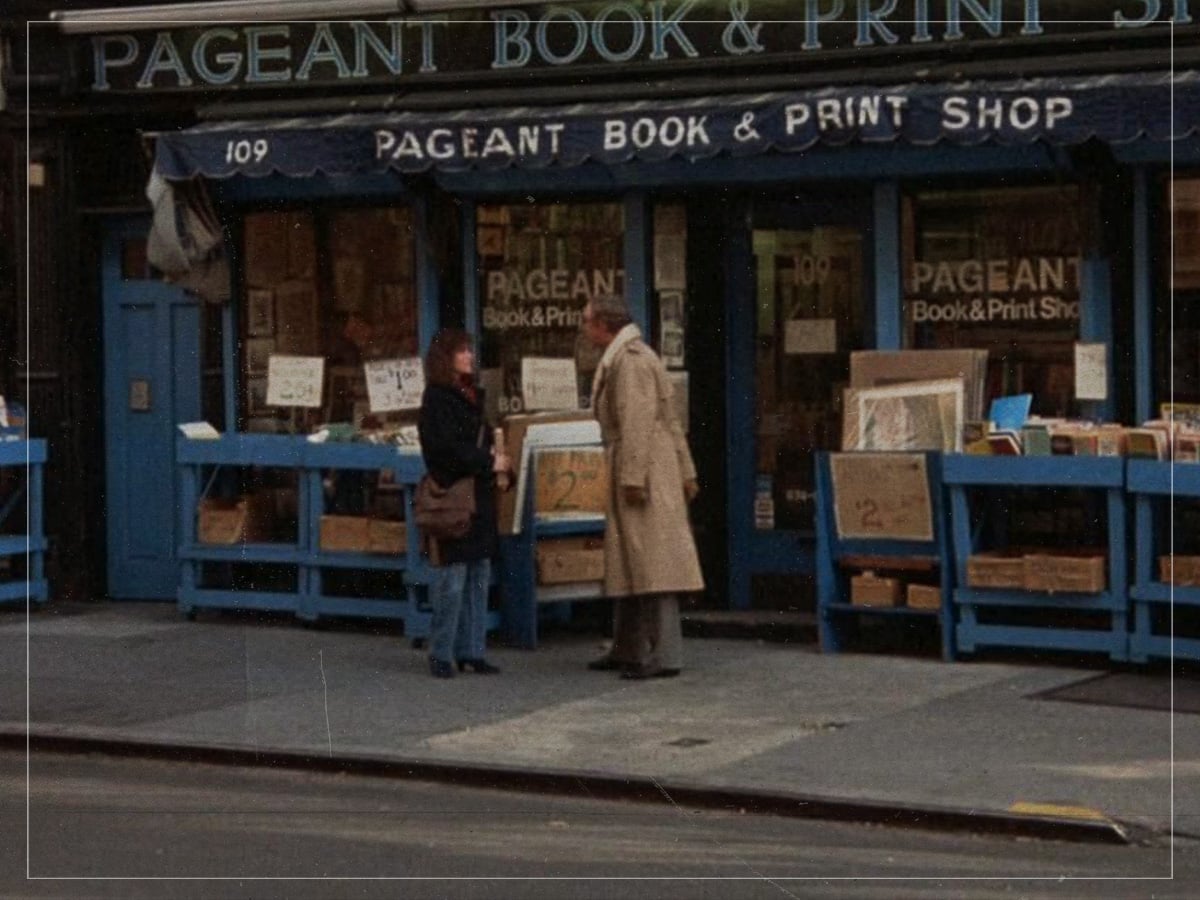
Woody Allen is a filmmaker whose Hollywood career evaporated soon after the #MeToo era emerged, even though he has had some success making films internationally. Despite the fact that there are some in the industry that still support Allen, there is no way that a film like Hannah and Her Sisters would be made today. Beyond the obvious complications involving Allen and his scandals, the film is a straightforward, original romantic drama that depicts flawed female characters in an honest way.
Grounded melodramas with prominent female characters have evaporated from cinemas and seem to only exist on streaming services like HBO and Netflix, as the only old-fashioned ‘weepies’ released recently tend to be those based on established novels, such as those by Colleen Hoover or Nicholas Sparks.
‘About Last Night…’ (Edward Zwick)
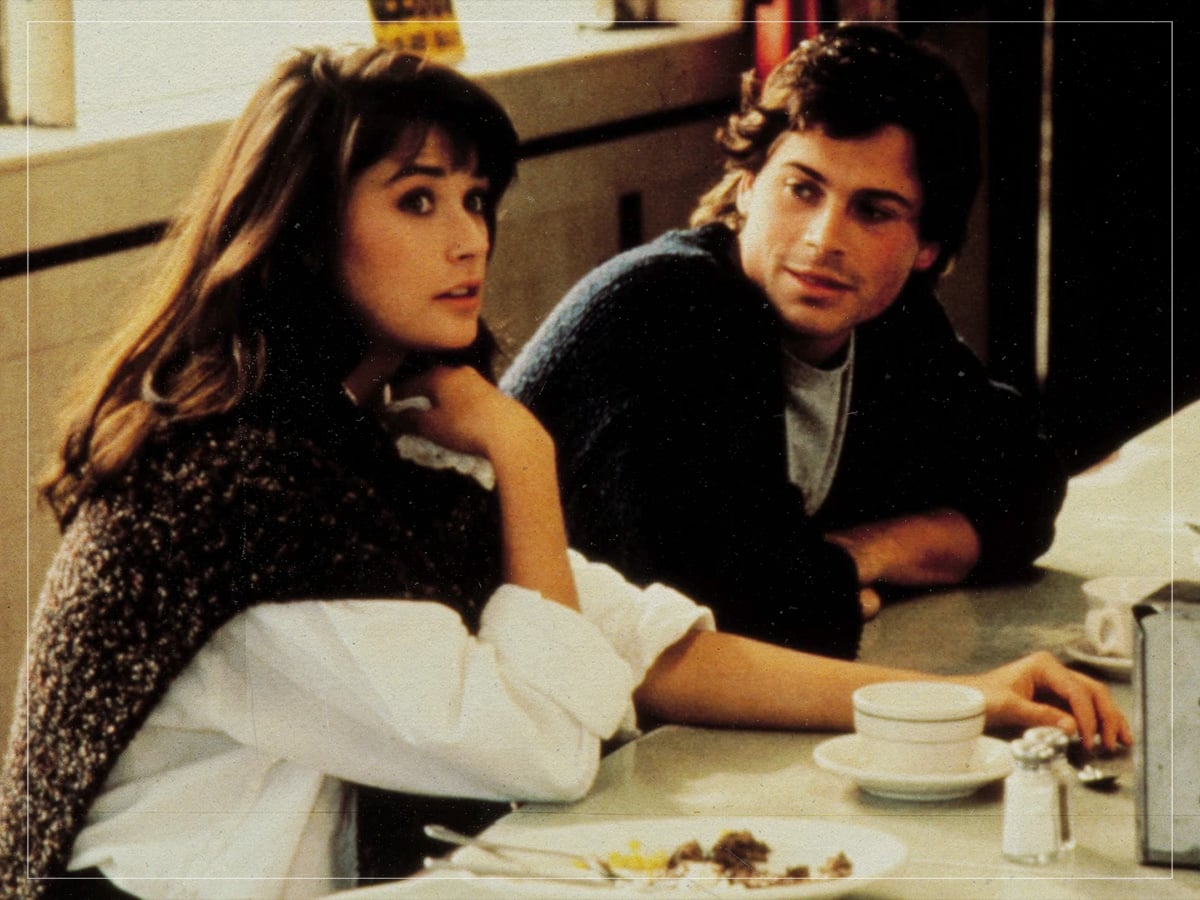
Multiple studies have shown that today’s audiences are averse to sex onscreen, which may explain why contemporary films are so tame. Even films that were promoted as being raunchy or outrageous, such as Wuthering Heights and The Housemaid, are fairly tame when compared to the plethora of erotic thrillers released in the ‘80s and ‘90s.
Author David Mamet‘s explicit content in his play Sexual Perversity in Chicago, on which the film is based, made for a purposefully uncomfortable story that explores taboo issues regarding intimacy, friendship, and longing, making for the type of film that is designed to make the audience uneasy and ask questions, and forces viewers to make their own decisions regarding the moral integrity of the characters. Mamet, as a filmmaker, has struggled to retain his popularity among younger audiences and has, even then, only been able to attract attention to scripts with commercially viable political elements.
‘Howard the Duck’ (Willard Huyck)
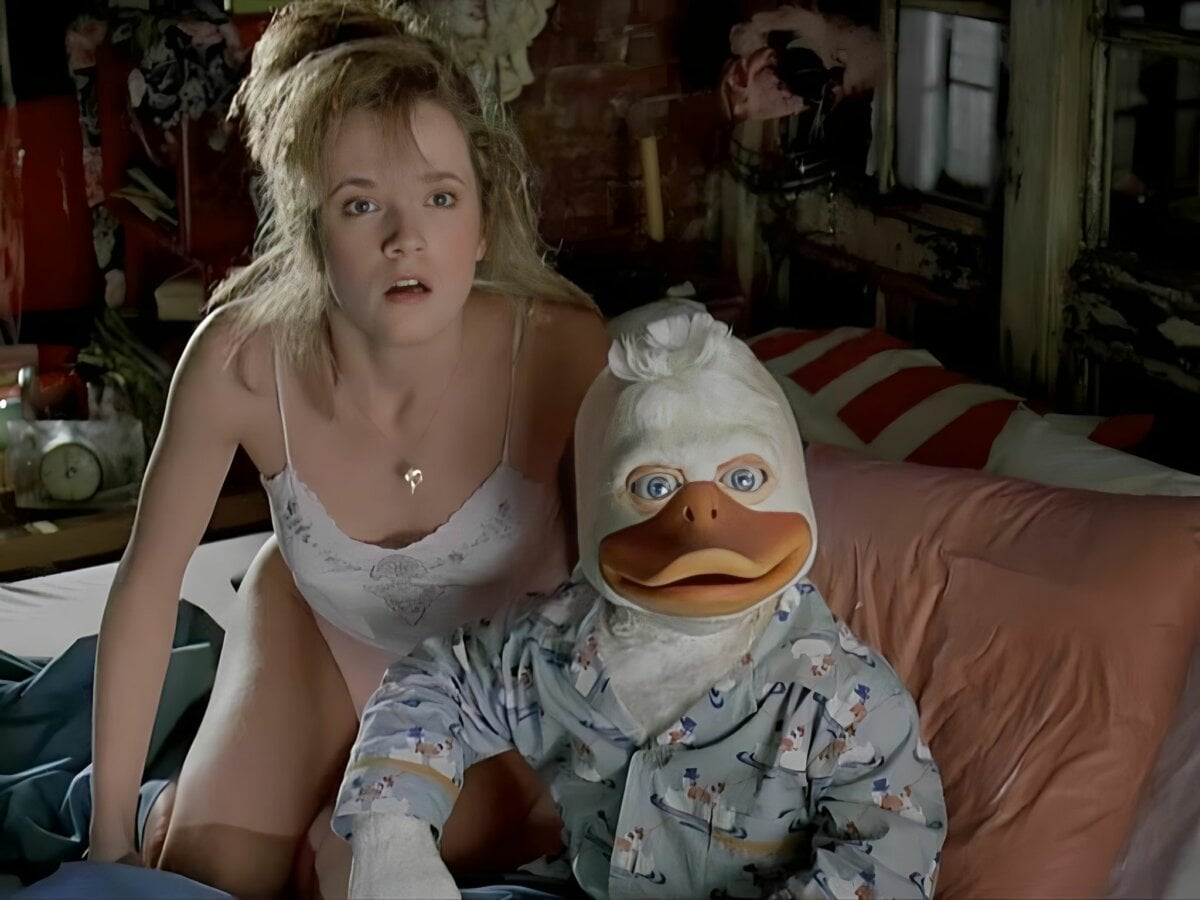
Marvel has had such a dominant grasp over popular culture for the last two decades that it is easy to forget that the first film ever based on one of the company’s characters was one of the biggest disasters in box office history. Howard the Duck was such a flop that executive producer George Lucas sold Pixar to Steve Jobs in order to make up costs, and Marvel was so frightened of putting its characters on screen that it took over a decade for Blade to be released.
Howard the Duck is a truly bizarre film with unusually raunchy elements, and would never be made by the studio as it exists under Kevin Feige, who has ensured that there is a sameness in tone within all the releases from Marvel Studios, and this 1986 venture would never make it past the development stage.
‘River’s Edge’ (Tim Hunter)
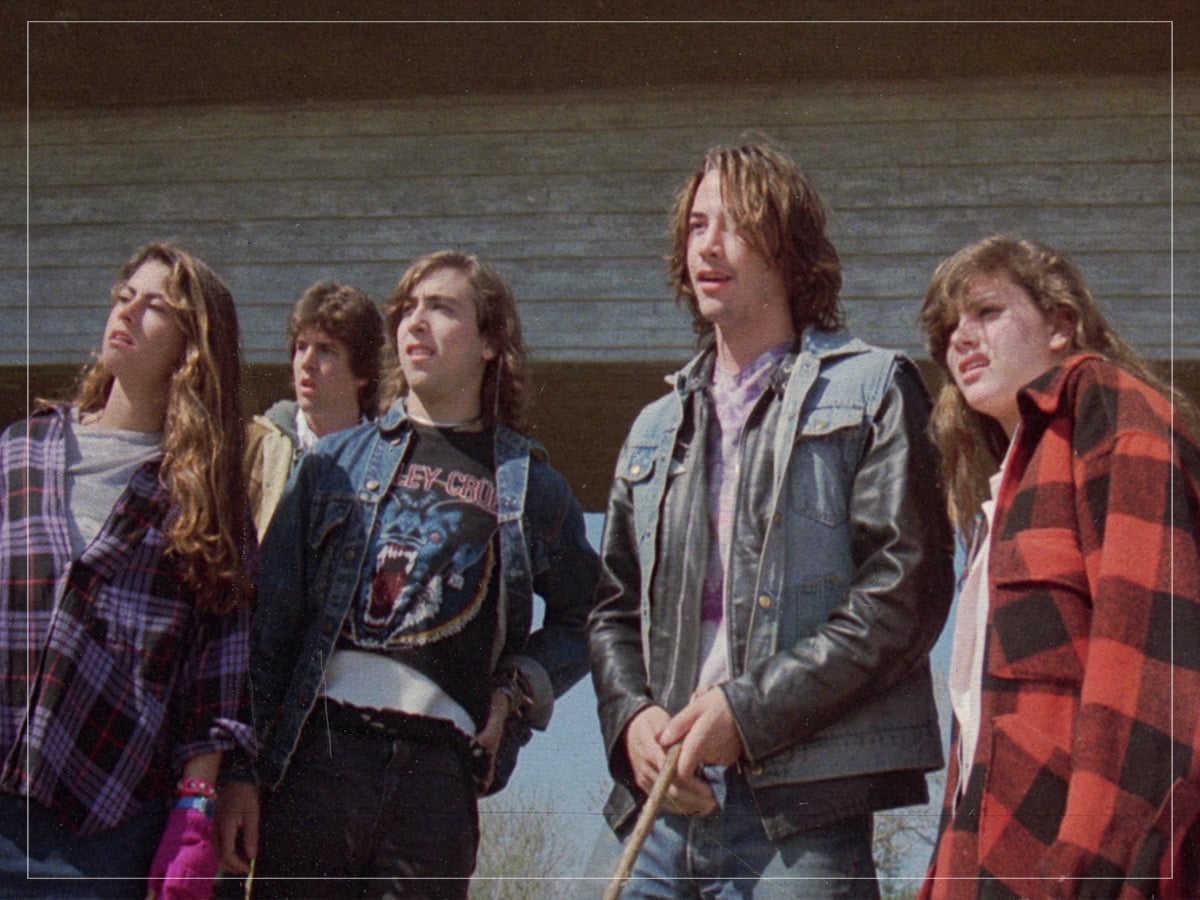
Keanu Reeves became both a massive action star and romantic heartthrob in the ‘90s, but one of his greatest performances to date was in the underseen crime thriller River’s Edge. The bleak coming-of-age drama is about a group of teenagers who discover that a mutual friend, played by Daniel Roebuck, is guilty of killing his girlfriend, portrayed by Danyi Deats.
There’s a reluctance to show any violence in films about teenagers today, and River’s Edge goes beyond graphic content to be a hopeless, harrowing story about being saddled to a life of misery, where there is no hope for the future. The rare films that take such a negative perspective on teenage life are rarely given a major release, and would never star talent as popular as that of River’s Edge, which included cast members like Crispin Glover, Dennis Hopper, and Ione Skye, in addition to Reeves.
‘Stand by Me’ (Rob Reiner)
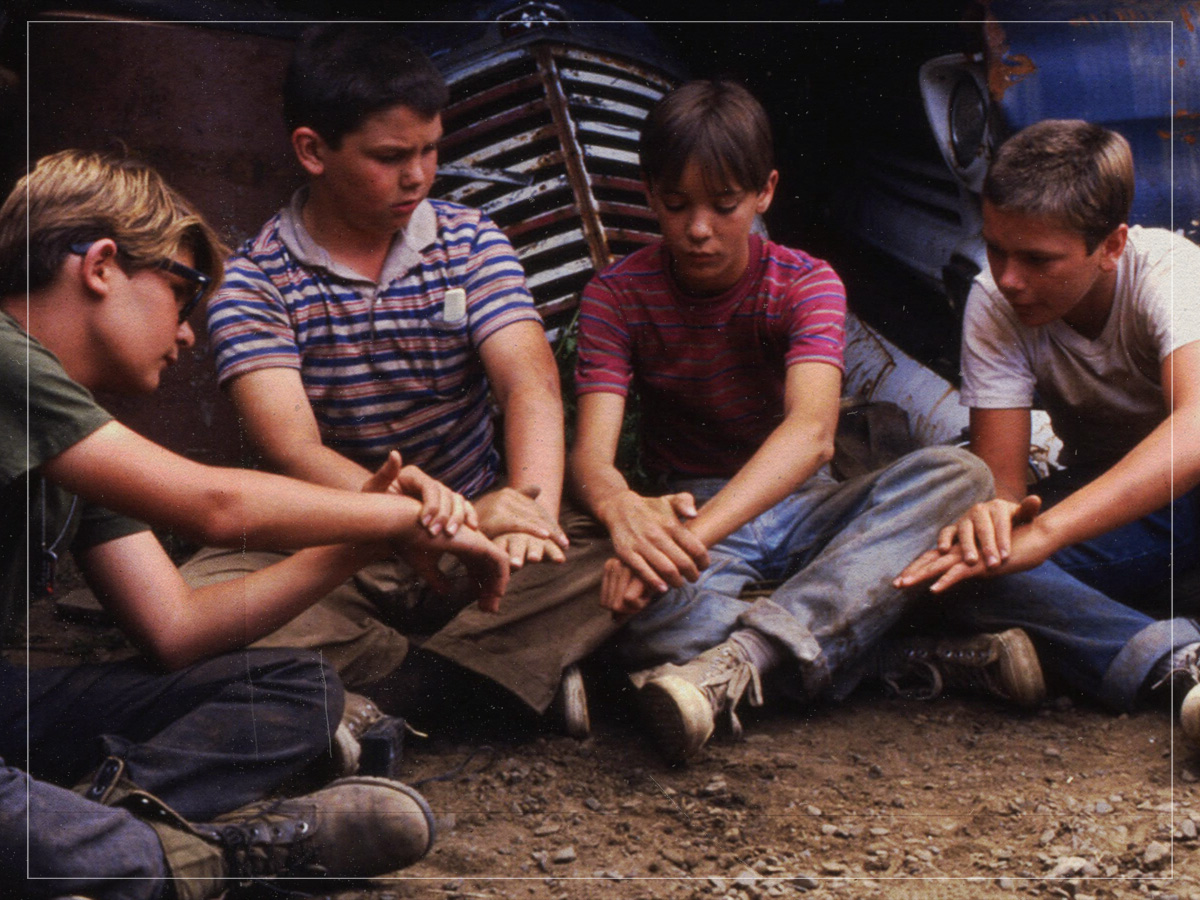
Rob Reiner made multiple films that belong to genres that simply don’t exist anymore, such as the comedy fantasy adventure with The Princess Bride, the music mockumentary with This Is Spinal Tap, the courtroom drama with A Few Good Men, and the political romance with The American President, but the Stephen King adaptation in the form of Stand by Me is completely singular as a film he made about the essence of childhood that is aimed at adults, which has an R-rating.
Stand by Me would have been hounded by innumerable controversies had it been released today, considering that Reiner was unafraid to look at the grief, depression, and loneliness felt by young people who felt abandoned by their parents, and that the film provided such a perfect encapsulation of what it was like to be 12-years-old, yet held the same resonance for adults, is a testament to the genius of Reiner that will never be seen again.
