


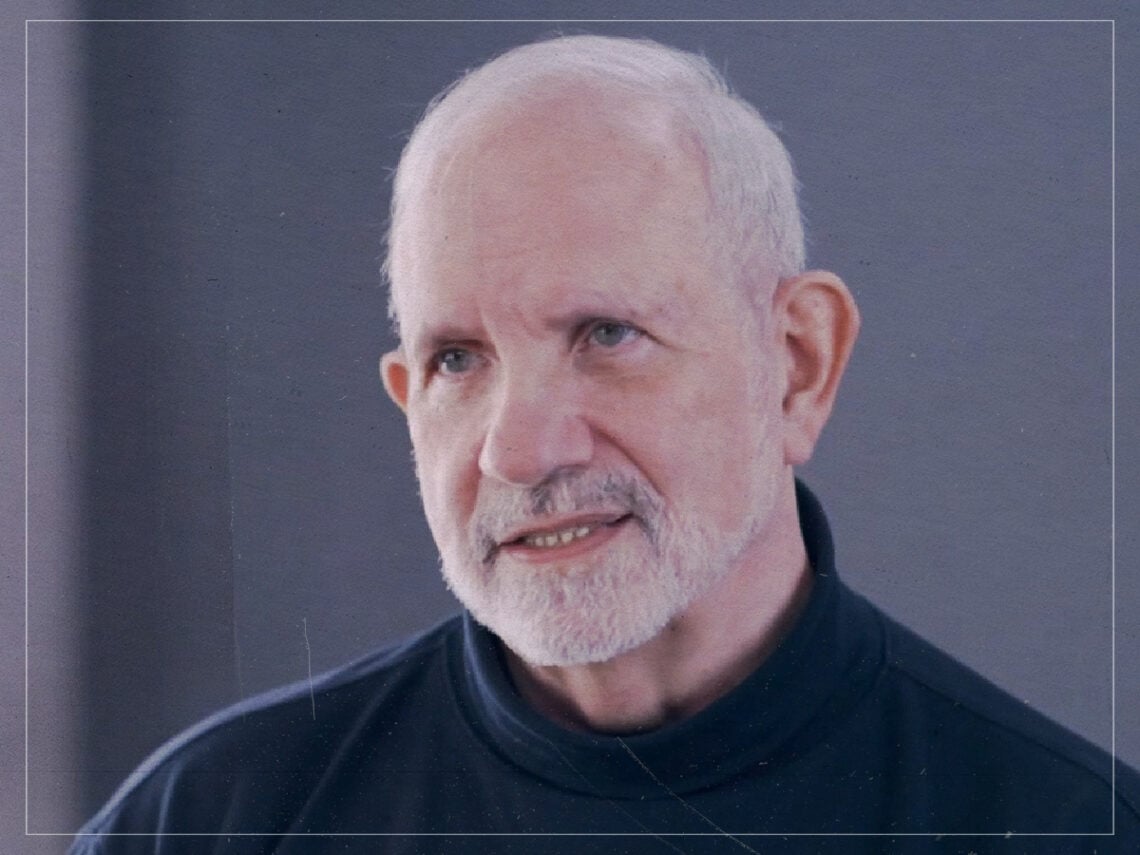
The “shallow and dumb” thing Brian De Palma always hated about directors

Genius steals, talent borrows; there are several variations on the theme, and it certainly rings true in the world of directing films, as each generation builds upon the techniques and the vision of those who came before them. For director Brian De Palma, the primary influence was Alfred Hitchcock, but then he himself has proved quite the inspiration ever since.
De Palma was a major force in the New Hollywood movement, almost more than any of his peers his movies were no holds barred, sexual, violent, gruesome, controversial, making the most of the new found freedom from censors of the 1970s while paying homage to his heroes, as his incredible remake of the 1930s Howard Hawks gangster classic Scarface would show all too well.
Sometimes these directors, Francis Ford Coppola, De Palma, Martin Scorsese, Sidney Lumet, and more, would be influenced directly by each other’s work, and a fine example of this is the way that De Palma’s Blow Out, the 1981 thriller starring John Travolta, built on the audio-visual masterpiece that is Coppola’s The Conversation from 1974.
Continuing the theme, Coppola himself had been influenced to make the Gene Hackman classic due to his love of Blow Up, the Michelangelo Antonioni landmark from 1966 about a fashion photographer who unwittingly captures a murder on film.
De Palma’s film is fantastic, an unusual movie in that it is definitely best experienced with headphones on to mimic Travolta’s movie sound guy as he captures the assassination of a presidential candidate while recording background noises. The director used an array of audio tricks in addition to some beautiful framing to produce an incredibly stylish slasher-cum-conspiracy film with early roles for John Lithgow and Robocop’s Nancy Allen.
Like many of his films the influence of Hitchcock was clear, and De Palma himself said back at the time that he felt his peers were perhaps not as erudite, or as well-watched as he was, a theatre and film obsessive who immersed himself in not just the great British director’s work, but Orson Welles’ Citizen Kane, the French director Jean Luc Godard and Italians like Antonioni.
He remarked, “It’s a terrible thing to say, but the problem with most film directors is that the process of becoming a film director does not necessarily make you particularly sophisticated. I’m not saying I know more than anybody else, but you’re not dealing with a lot of heavyweights in this business. They are not well-read, everything is a property, and they really don’t have many outside interests. So, when they give their statement about philosophy, life, politics, or whatever, it’s kind of, I guess, shallow and dumb for the most part.”
That may have caused some kerfuffle when it was published in the early 1980s, given the director had already built up a reputation for guns, sex and gore, but he had shown with the Stephen King adaptation Carrie in 1976 that, despite the oceans of blood, he could conjure up genuinely historic images.
Over a 20-year period, De Palma made some landmark films that will stand the test of time, including The Untouchables with Robert De Niro, in addition to some excellent genre movies like Casualties of War and Al Pacino’s Carlito’s Way. Although his career tailed off after the start of the 2000s with just three films in two decades, he is reportedly writing and directing a new project called Sweet Vengeance.
