


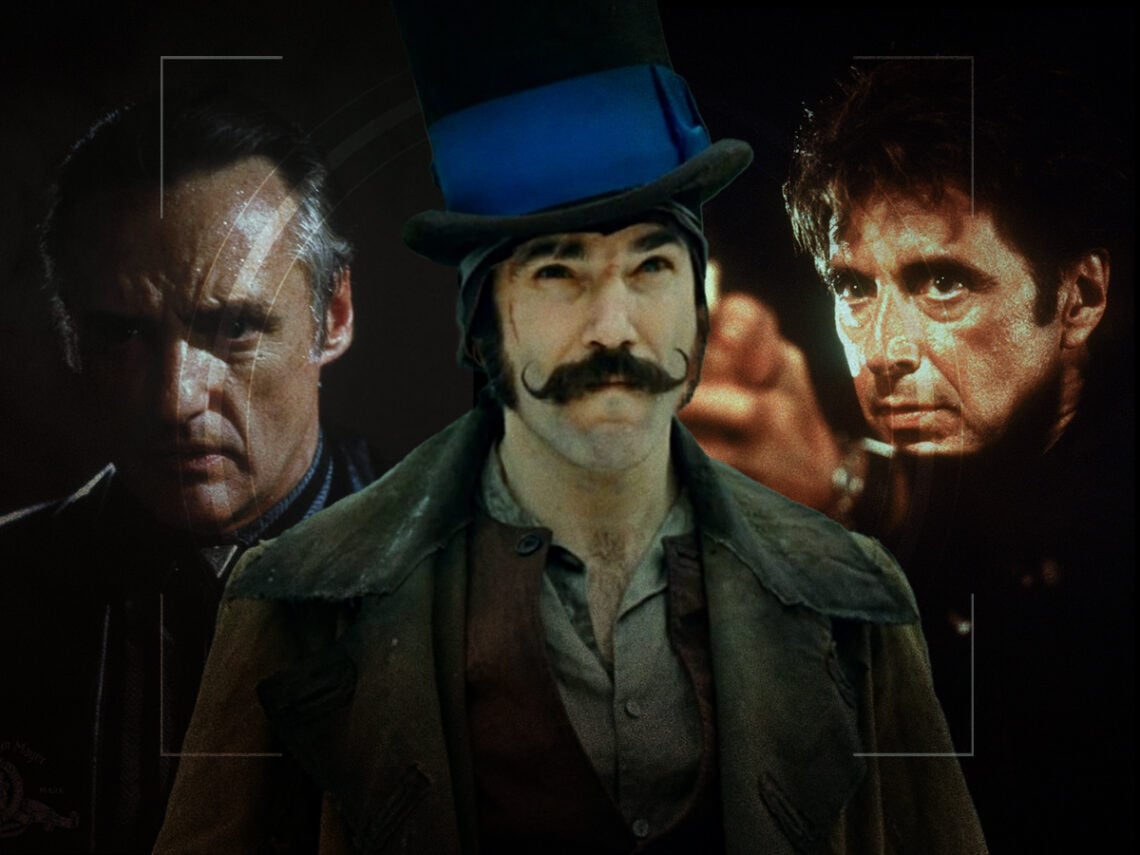
The 10 greatest overacted performances of all time

Not every actor needs to abide by the art of subtly.
What constitutes great acting is entirely subjective, as the desire of an actor is just as important as how they are perceived. Subtlety is often seen as a virtue, but it’s also a skill that’s best utilised by those who know how to wield it.
In some cases, making the most minor choices possible can feel lazy, as there is material that calls upon actors to be as over-the-top as possible. The medium of cinema can emulate real life, but a narrative presentation is not a documentary; if it’s more interesting to give a performance that is exaggerated, and perhaps a little bit goofy, it’s a risk that can be taken.
Of course, not every instance of over-acting pays off. While at its best, it can result in amazing characters that stand the test of time, it can also lead to strange performances that haven’t aged well. When big emotions are required, it’s up to the actor to conjure the humour, terror, or flamboyance required, and those types of swings can work if the director is on the same page.
It’s perhaps most impressive to see these instances of ‘overacting’ from those who have already proven that they can give more bottled, refined performances. Most great actors contain multitudes, and knowing when to rein oneself in (and when to completely let loose) is an attribute that should be celebrated. If nothing else, these performances end up being a lot more entertaining than they would be otherwise, and generally make their films more memorable as a result.
The 10 greatest overacted performances
Daniel Day-Lewis in ‘Gangs of New York’ (Martin Scorsese, 2002)
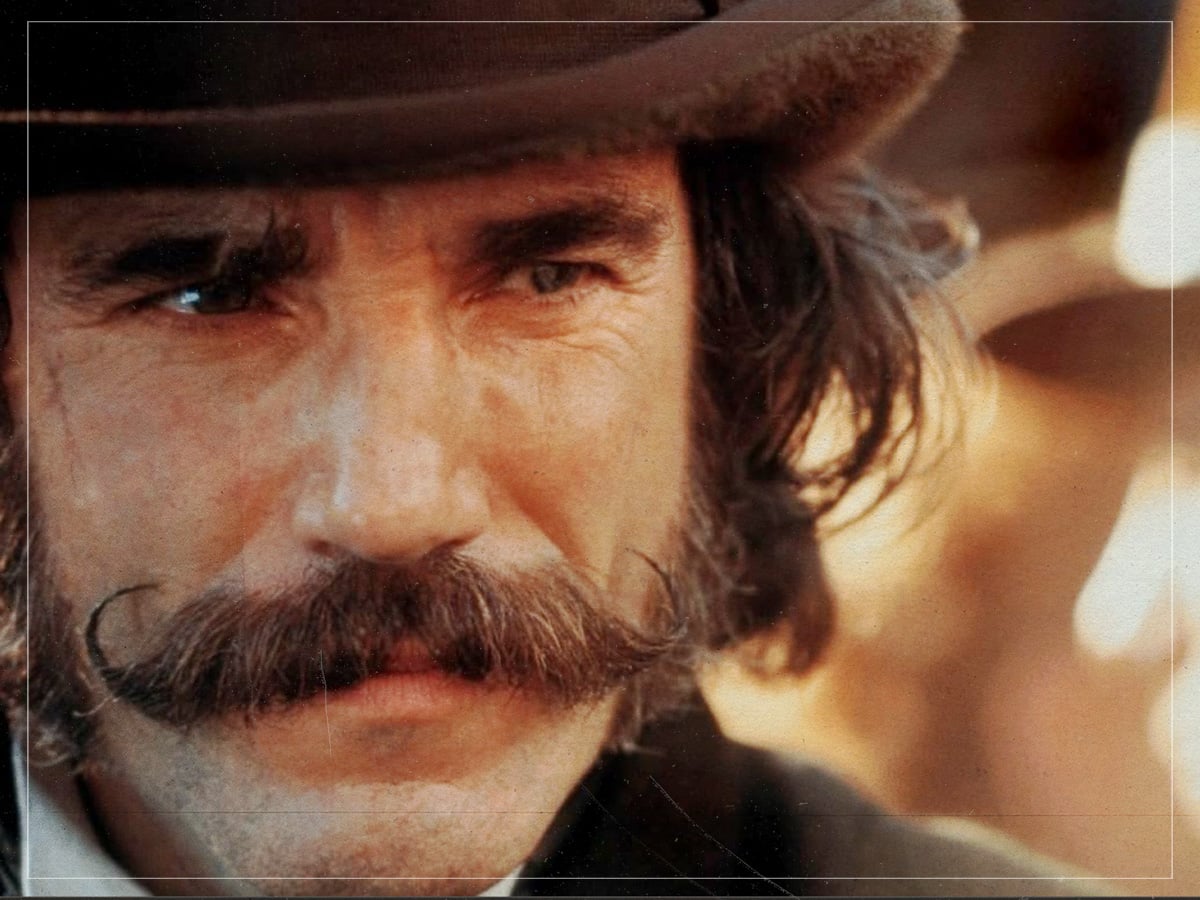
Daniel Day-Lewis is an actor renowned for taking a method approach of getting into character, making his first collaboration with Martin Scorsese highly anticipated. In recreating the gang wars of New York City in the 19th century, both Scorsese and Day-Lewis understood that the Protestant leader of the Confederation of American Natives would be a character of exaggerated savagery who used his brute strength and dark charisma to reign supreme among the city’s criminal bands.
Day-Lewis is more physically imposing than he has ever been in Gangs of New York, as there’s no way for a character named Bill the Butcher to be subtle, and his performance in the film is so good that it puts the rest of the cast to shame, as Cameron Diaz, in particular, feels completely miscast because she does not lend as much to the heightened tone of the original.
Al Pacino in ‘Heat’ (Michael Mann, 1995)

Al Pacino completely transformed from the quiet, subtle theatre actor he was in the ‘70s into an over-the-top, unhinged performer in the ‘90s, where he won an Oscar for one of his wildest performances in Scent of a Woman. Michael Mann understood that the actor playing Vincent Hanna in his crime masterpiece Heat had to be completely uninhibited by reason because of his obsession with tracking down the thieves responsible for the Los Angeles bank robberies.
Not only was Hanna professionally in trouble, but his marriage was failing, and he was suffering from a debilitating addiction to cocaine, a fact that Pacino would reveal he incorporated into his performance years later in interviews. Pacino’s scene of screaming at Hank Azaria has become one of the most widely circulated clips ever, meaning that there are massive expectations for what Christian Bale will do in the role of a young Vincent in Heat 2.
Robert De Niro in ‘The Untouchables’ (Brian De Palma, 1987)
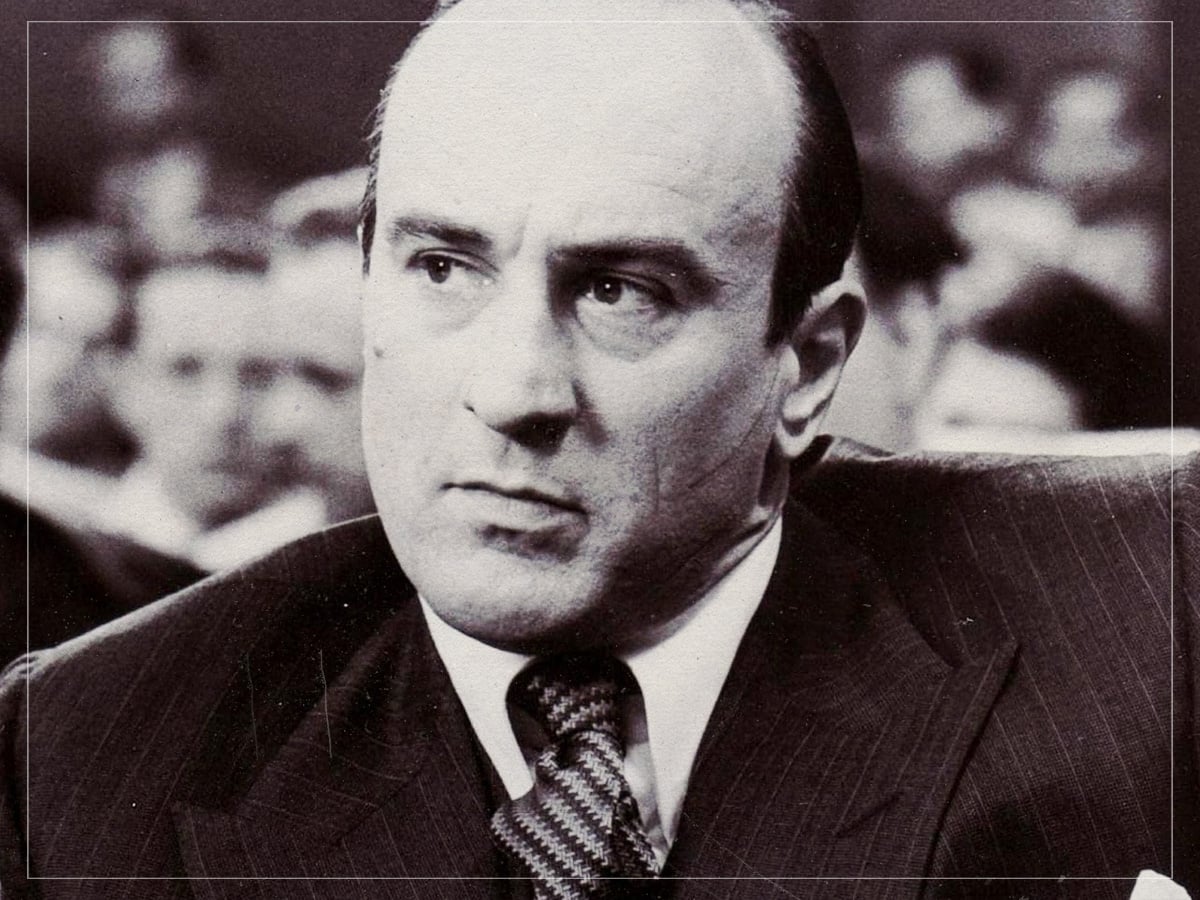
Robert De Niro played subtle, complicated Italian gangster characters in films like Mean Streets, The Godfather: Part II, and Once Upon a Time in America, but that wasn’t what Brian De Palma hired him to do when he cast him in The Untouchables. The film was inspired by the classic television show of the same name, and De Niro was cast to play a slightly fictionalised version of Al Capone, the most legendary American gangster in history.
De Niro’s version of Capone is so powerful and egotistical that he can commit any crimes without fear of being taken down, as he has bent the entire city of Chicago to his will through corruption. The exaggerated nature of his performance is the perfect counterweight to Kevin Costner, who has a much more subtle role as the police officer Elliot Ness.
Tom Cruise in ‘Tropic Thunder’ (Ben Stiller, 2008)
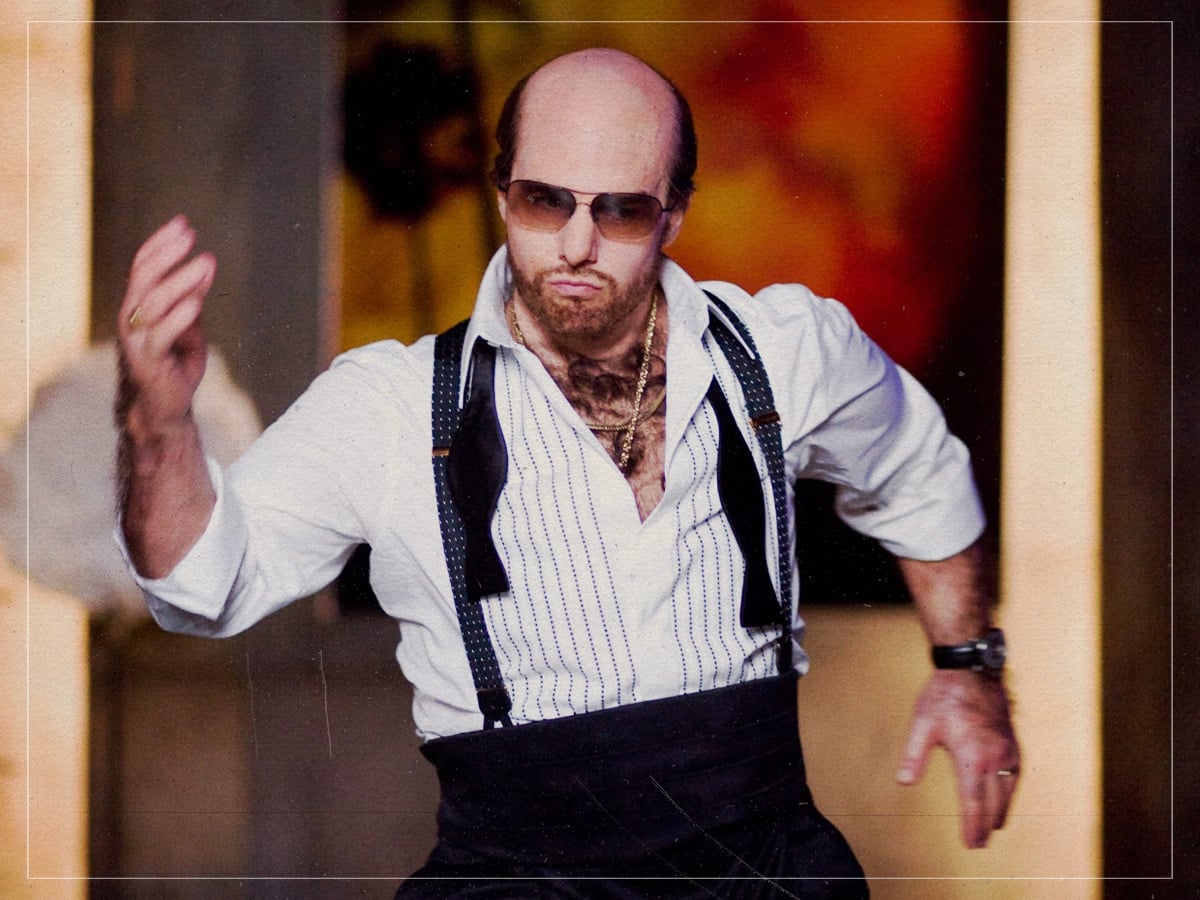
Tom Cruise was in a tricky position in 2008 after he had received bad press for his then recent outbursts, and he needed to give a ‘cool’ performance to get the audience back on his side. However, no one would have predicted that Cruise would don extensive makeup to play the inflammatory, vindictive studio head Les Grossman in Tropic Thunder, Ben Stiller’s satire about the frailty of Hollywood stars and their egos.
Cruise was intended to be an over-the-top parody of how ridiculously capitalistic and cruel studio heads were, but his performance has aged surprisingly well. In the light of the #MeToo movement that began in 2017, many found that Cruise’s performance was similar to the reported personalities of Scott Rudin and Harvey Weinstein, who Grossman even bears a slight resemblance to, given the inordinate amount of makeup he was wearing.
Dennis Hopper in ‘Blue Velvet’ (David Lynch, 1986)
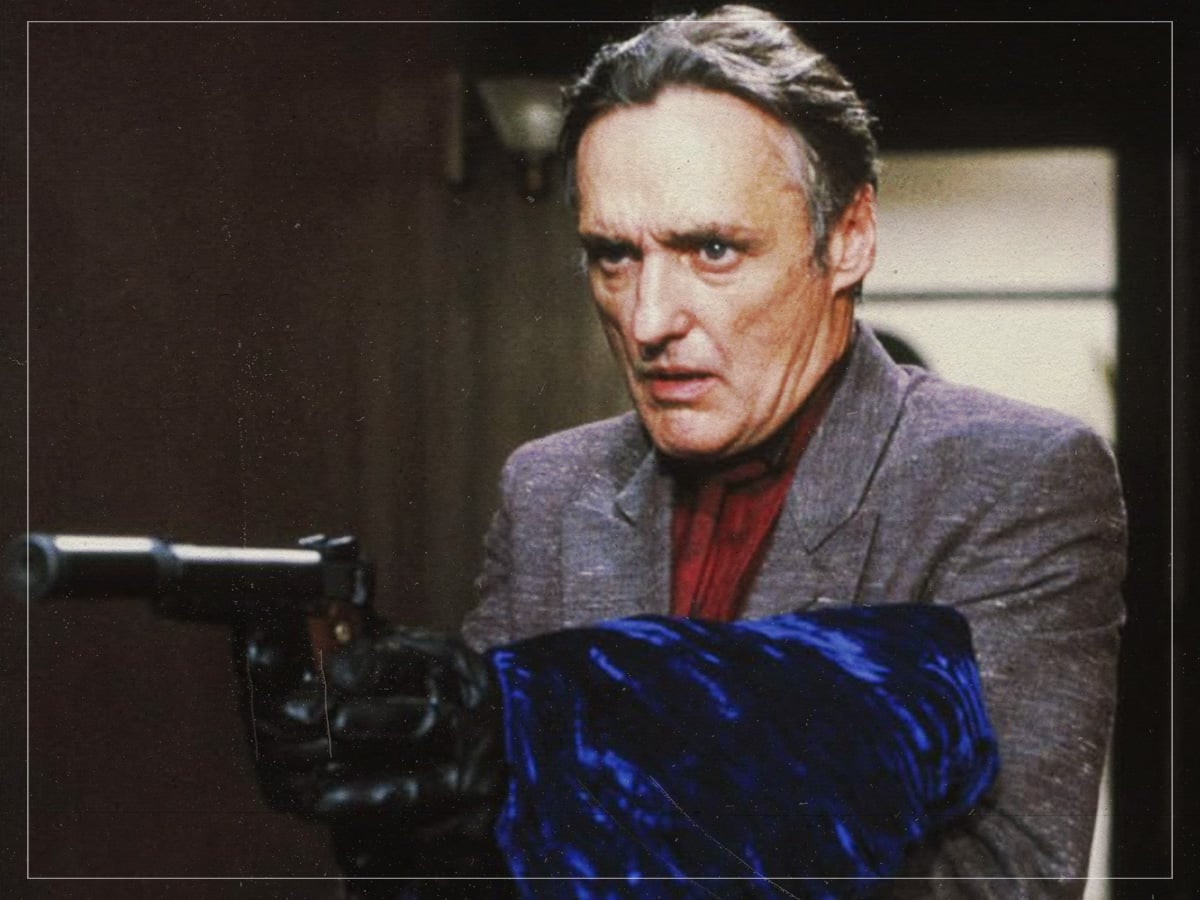
Dennis Hopper had one of the most tumultuous lives of any Hollywood actor, as he went through serious addiction issues before briefly cleaning up his act in the mid-1980s. In the same year that he earned his first and only Academy Award nomination for ‘Best Supporting Actor’ for playing the kind-hearted assistant coach in Hoosiers, he also appeared as the psychopathic villain Frank Booth in Blue Velvet.
There’s no such thing as being too weird when it comes to a David Lynch film, for Hopper’s performance as a ridiculously cruel criminal was perfect for the dark tale of Americana in Blue Velvet. Lynch has always had a healthy sense of humour, even in his darkest films, and one of the reasons that Frank works so well as a bad guy is that Hopper leaves room to laugh at how over the top he is.
Alan Rickman in ‘Robin Hood: Prince of Thieves’ (Kevin Reynolds, 1991)
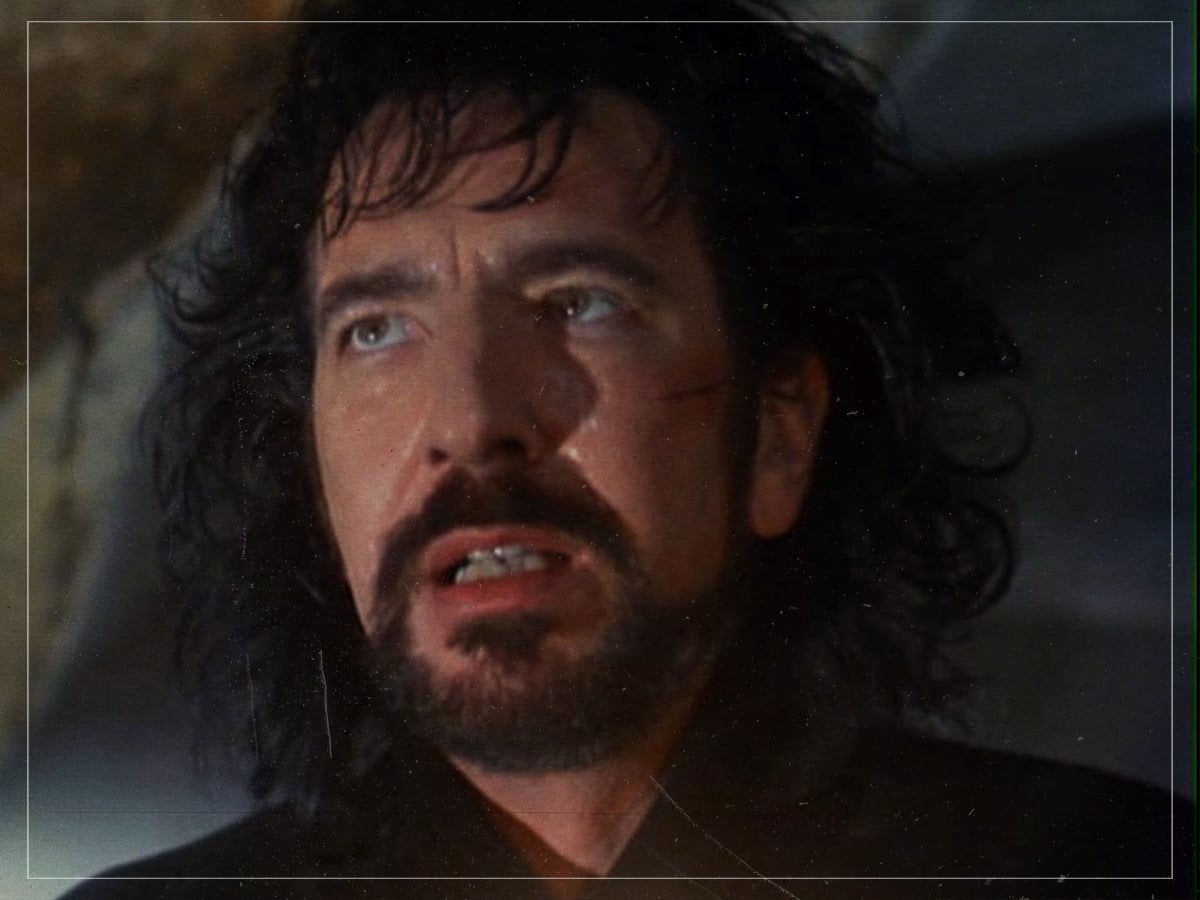
Alan Rickman was responsible for creating an all-time great villain with his debut performance in Die Hard as Hans Gruber, so it was no surprise that he got cast as another famous bad guy. Rickman could tell from a mile away that Robin Hood: Prince of Thieves was a mess, as there were many creative difficulties between director Kevin Reynolds and the film’s star, Kevin Costner, who was completely unable to do a British accent, so Rickman started to improvise his own dialogue to make the Sheriff of Nottingham a snarky, sadistic villain who takes pleasure in making his subjects as miserable as possible.
The performance was so good that it actually made Costner angry, who felt that Rickman was upstaging him in his own film, and although the latter sadly never received an Oscar nomination, he did win the BAFTA award for ‘Best Supporting Actor’ for his performance in Robin Hood: Prince of Thieves.
John Belushi in ‘Animal House’ (John Landis, 1978)
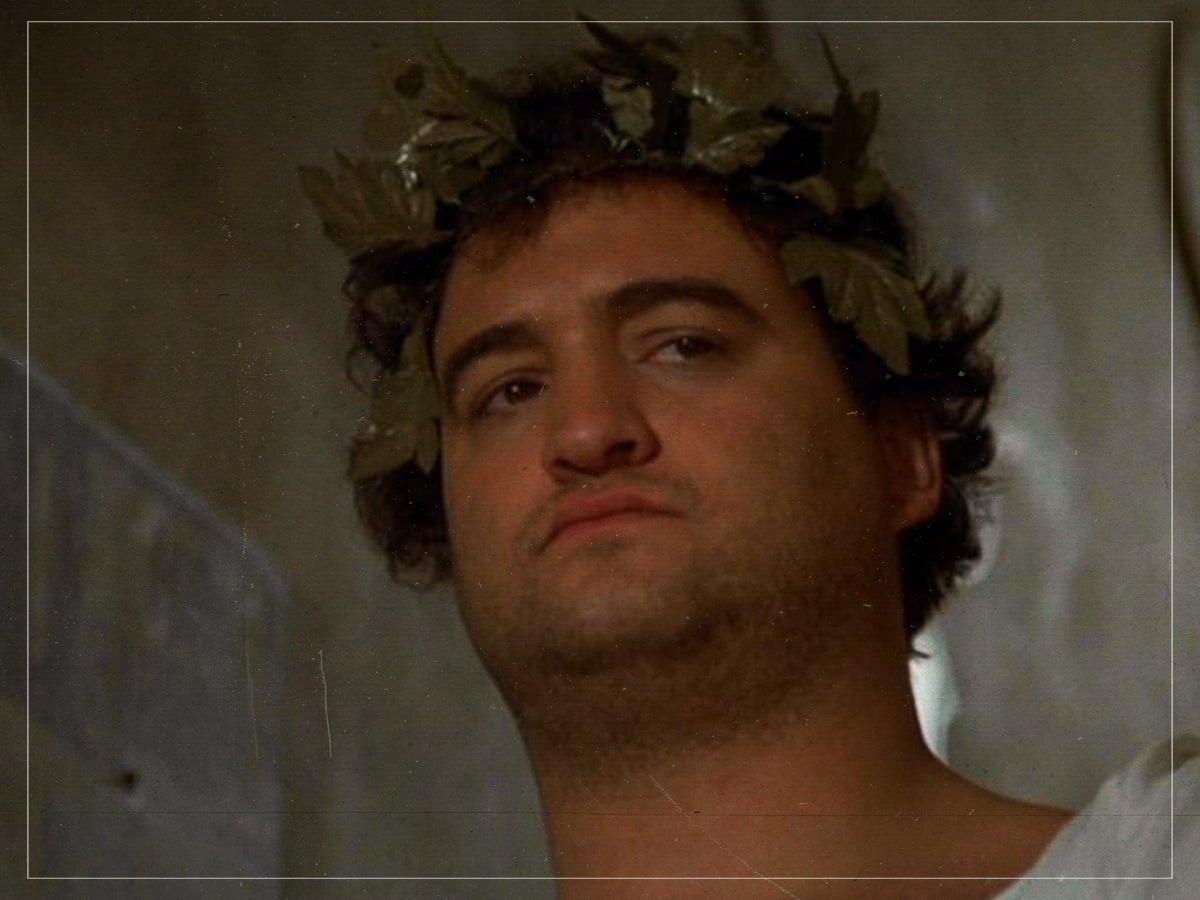
John Belushi was such an eccentric person in real life that it came as no surprise that this was reflected in his performances. Even in the early days of Saturday Night Live, showrunner Lorne Michaels had to rein in Belushi so that he could appear relatively sober and awake for the weekly sketches.
There were no inhibitions needed when he appeared as the fraternity member Bluto in Animal House, a film that celebrated the rebellious idiocy of college friends who do everything in their power to undercut anyone pretentious, mean-spirited, or prickly. Belushi’s willingness to play a hooligan with a heart of gold was unlike anything that the comedy world had seen before, and earned him the respect of all of his peers. Although his career was cut tragically short, Bluto is a character that will be preserved in comedy history forever.
Christopher Walken in ‘King of New York’ (Abel Ferrara, 1990)
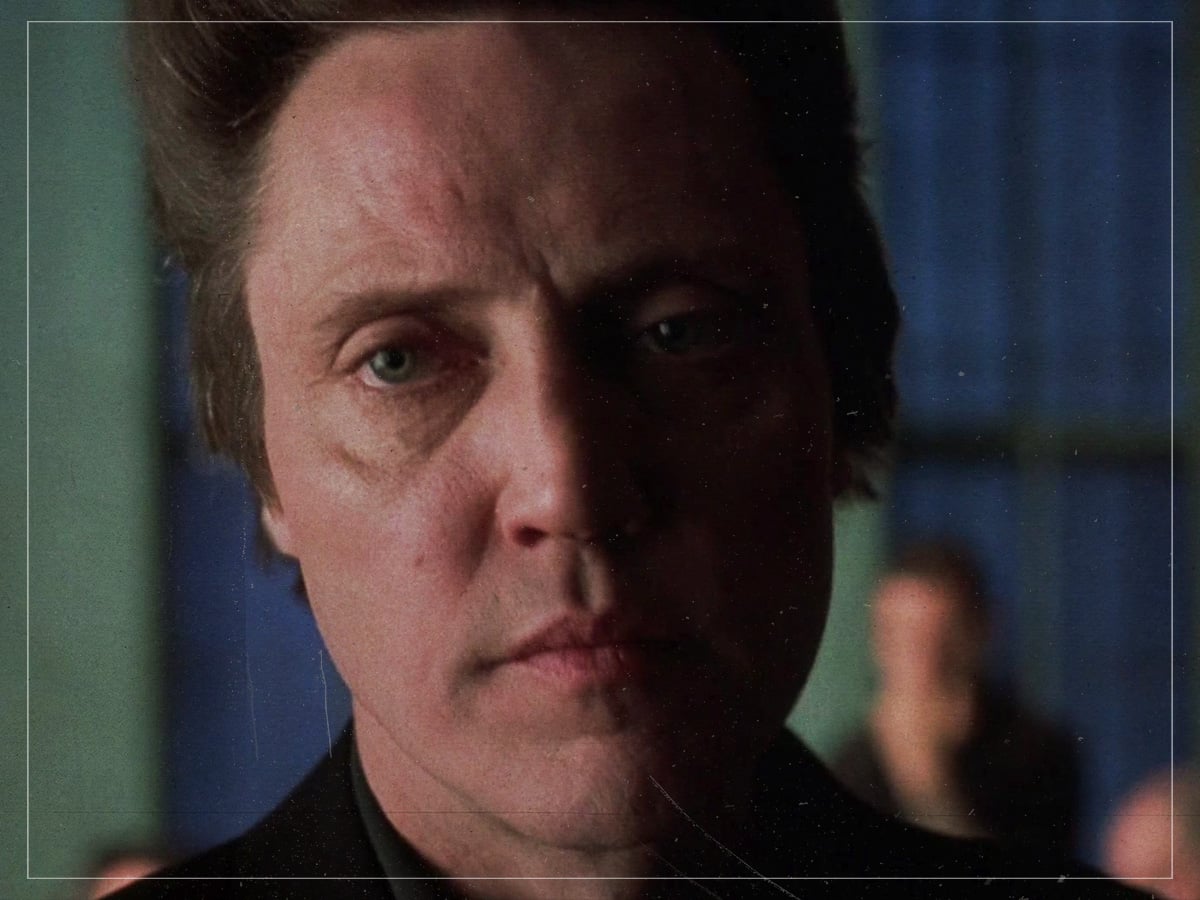
Christopher Walken had reached an interesting point at the beginning of the ‘90s, where he was still taken seriously as a dramatic actor but had begun to embrace his reputation of being a popular cult figure whose strange performances were celebrated for their idiosyncrasies. King of New York was directed by Abel Ferrara, a filmmaker who has never shown any interest in subtlety, and stars Walken as a New York gangster who deals with his life after being released from prison.
The performance allowed him to go ‘full Walken’ as well as gave him the rare opportunity to play the lead in a film, and while he would give other over-the-top performances in ‘90s films like Pulp Fiction, Wayne’s World 2, True Romance, and Sleepy Hollow, King of New York is a film that wouldn’t have worked with any other actor in the leading role.
Gary Oldman in ‘Léon: The Professional’ (Luc Besson, 1994)
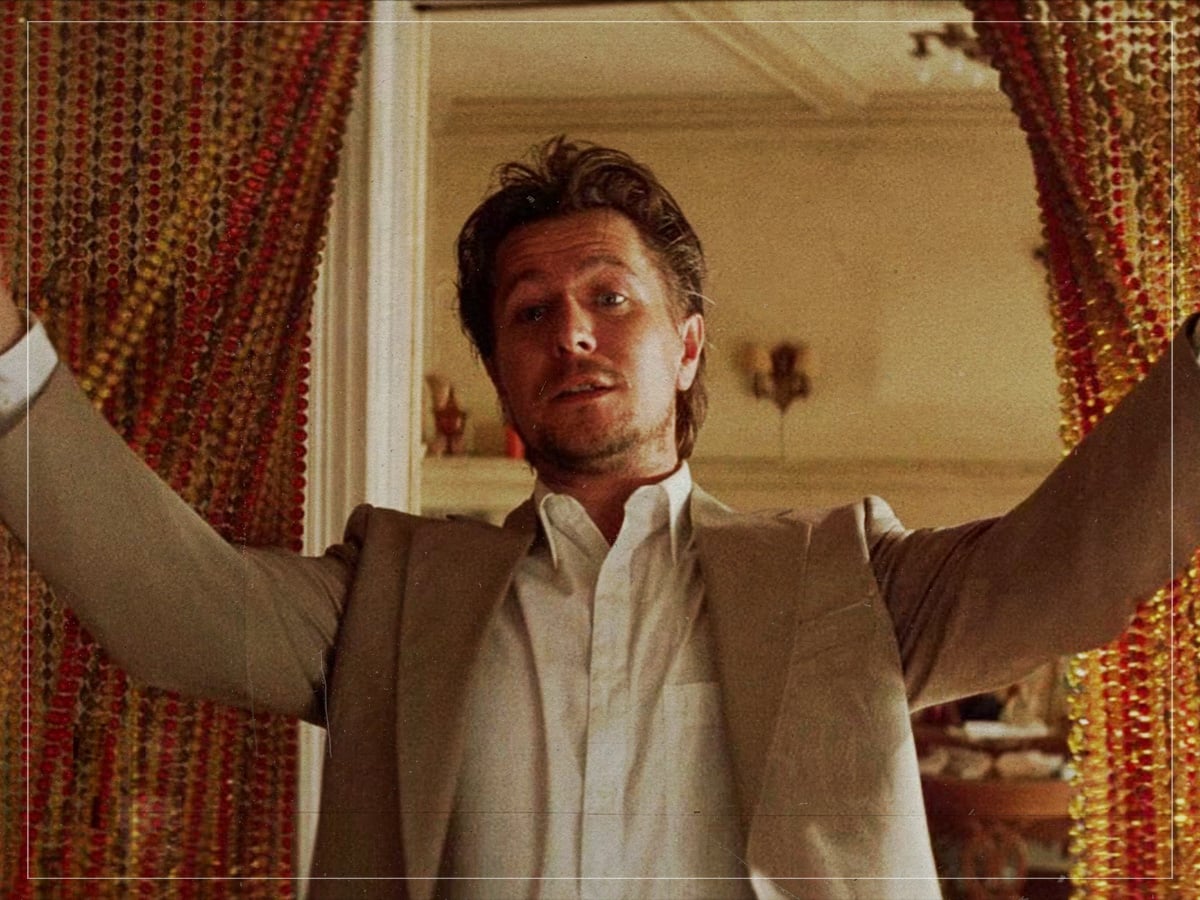
Gary Oldman has a monopoly on playing over-the-top villains, as The Fifth Element, Air Force One, Dawn of the Planet of the Apes, and Bram Stoker’s Dracula are just a few of the classics in which he got to chew the scenery as a shrewd antagonist, but he had never gotten hammier than he did as the corrupt cop Norman Stansfield in Léon: The Professional, the controversial Luc Besson thriller that became one of the most celebrated action films of the ‘90s.
Although the relationship between Léon (Jean Reno) and his young protege Mathilda (Natalie Portman) has always been questionable, especially in light of the allegations against Besson, Oldman perfectly embodies the spirit of a law enforcement officer who wages a campaign of terror, and seems to scream all of his lines. In the wake of the anti-police brutality rallies that took over the world in 2020, Oldman’s performance has aged quite well.
Nicolas Cage in ‘Bad Lieutenant: Port of Call New Orleans’ (Werner Herzog, 2009)
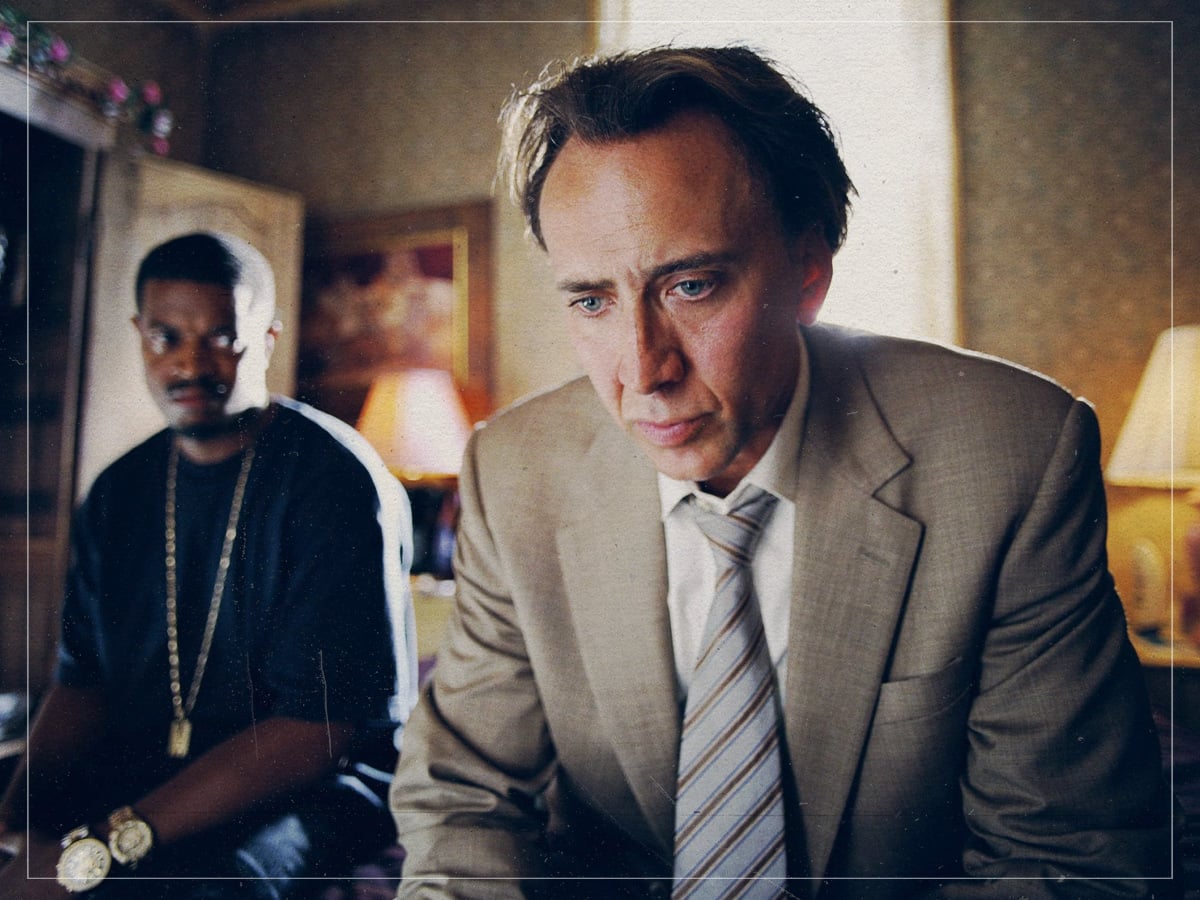
Nicolas Cage is a larger-than-life Hollywood icon who has developed his own style of acting that includes numerous eccentricities, and the list of his most memorable over-the-top performances could go on forever. However, there’s not a film that better represents the fearlessness of Cage’s acting style than Bad Lieutenant: Port of Call New Orleans, the unusual crime thriller from Werner Herzog.
Cage plays a police officer whose addiction to painkillers leads him to abuse hard drugs, which blurs the line between duty and indulgence when he gets in deep trying to take down smugglers in New Orleans in the aftermath of Hurricane Katrina. Although it’s easy to watch any clips from the film out of context to revel in the wildness of Cage’s performance, it’s impressive how he builds such a self-destructive anti-hero whose misfortune turns into an epic black comedy.
