


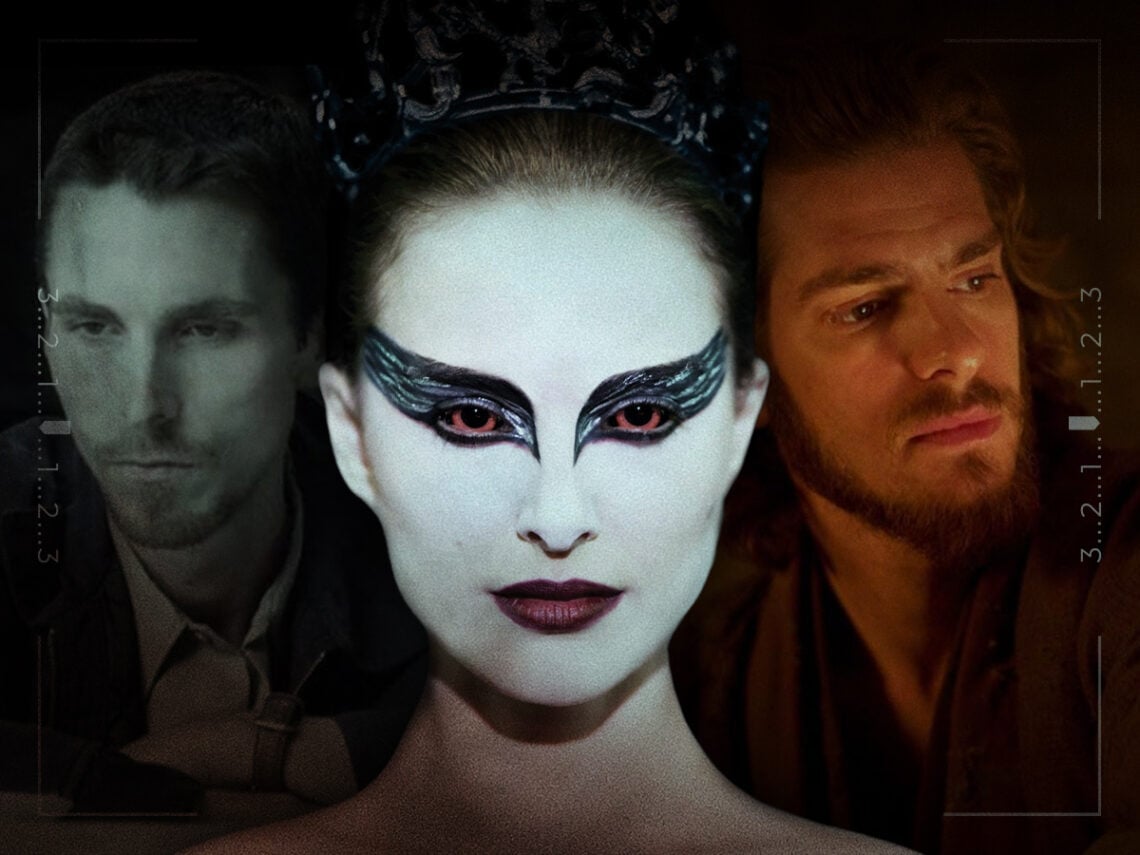
10 performances that prove method acting isn’t always a pointless ego trip

Method acting tends to get a bad rap, but it’s not always a destructive technique.
While it has existed in one form or another for decades, the term has begun to take on new connotations in recent years. It was once seen as a brave act of commitment on the part of an actor who wanted to truly get into character, but it has now become associated with obnoxious, self-important stars who make everyone they interact with miserable.
Method acting began to take off in the ‘70s when the New Hollywood generation led to even more ambitious films, but it always had its doubters; Laurence Olivier famously roasted Dustin Hoffman on the set of Marathon Man when he attempted to get into character, and asked him, “Why don’t you try acting?” The conversation only amplified when Jim Carrey refused to break character during the production of Man on the Moon while he was playing Andy Kaufman, which was captured in the documentary Jim & Andy: The Great Beyond.
If there’s anyone who is most responsible for giving method acting a bad name, it’s Jared Leto; after reports emerged about Leto’s disgusting actions on the set of Suicide Squad, in which he sent used condoms and dead rats to cast members while in character as the Joker, method acting began to be dismissed as performative and egocentric. However, there are many actors who take the method approach as a means to augment their natural abilities and show empathy for the people that they are portraying, proving that there’s a way to do it without being selfish.
10 instances in defence of method acting:
Christian Bale – ‘The Machinist’ (Brad Anderson, 2004)
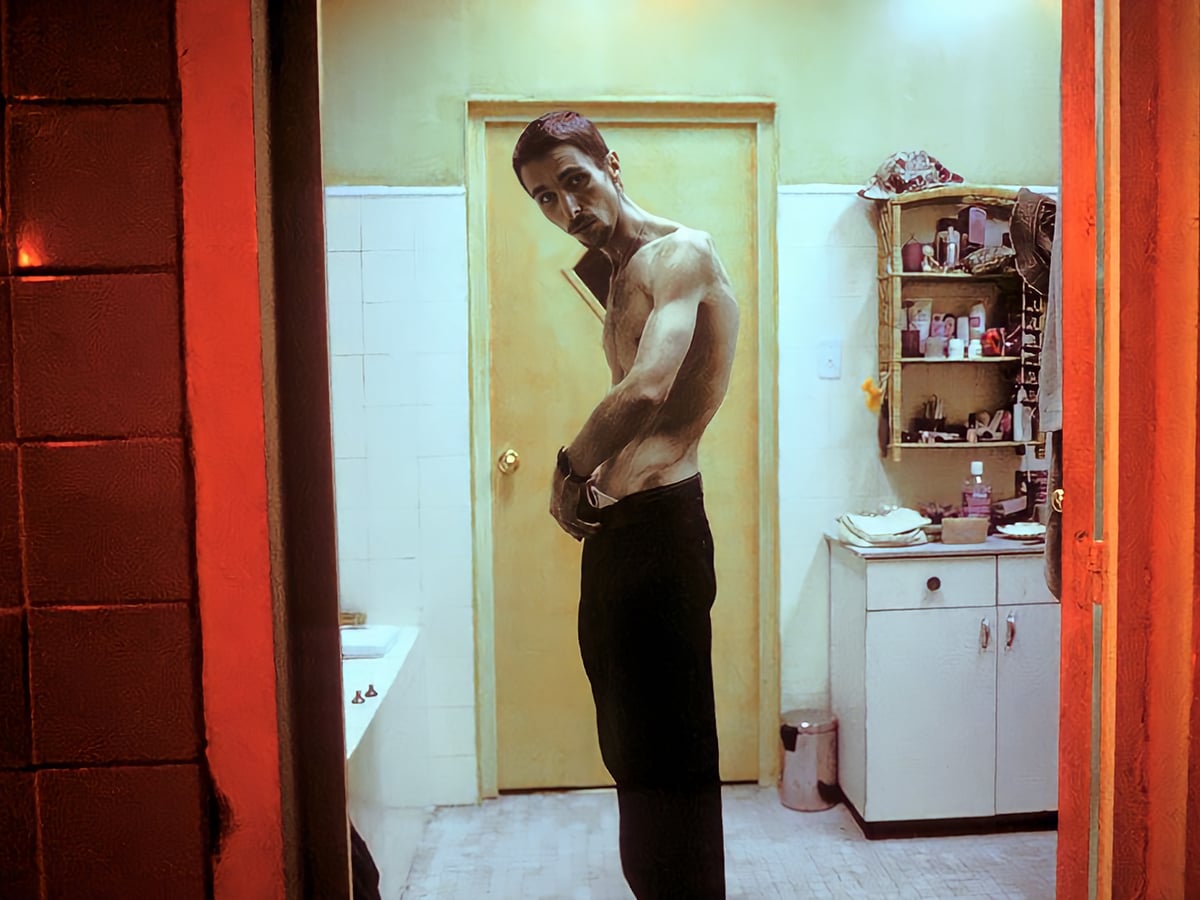
Christian Bale had to fight to be taken seriously, as he was best known for being a child actor who had to salvage his reputation when Newsies flopped, so in order to play a depressed, overworked blue-collar loner in the ambitious thriller The Machinist, he committed to the role by losing over 60 pounds, to the point director Brad Anderson had to prevent him from dropping below 110 pounds due of health concerns.
While Bale might have put himself in danger, the result was a transfixing performance that proved he was capable of being chameleonic. He also didn’t irritate his co-stars or force them to undergo similar transformations, as his decision to go method was informed by a desire to make the character’s plight more authentic. Bale thankfully managed to bulk up when he played Bruce Wayne in Batman Begins just one year later.
Val Kilmer – ‘The Doors’ (Oliver Stone, 1991)

Val Kilmer may have eventually gained the reputation of being somewhat difficult, but this was generally because of films like Batman Forever and The Island of Dr Moreau, where he simply wasn’t passionate about the material. Kilmer may have taken a method approach to the role of Jim Morrison when Oliver Stone cast him as the frontman in his biopic The Doors, but it resulted in one of his best performances ever, and one that captured the essence of a lost artist.
Kilmer asked to be referred to as Morrison and dedicated himself to doing as much research as possible. While musician biopics tend to be very generic, The Doors was able to take more creative risks and be more stylistically experimental because Kilmer nailed his performance as Morrison, who was himself an artist who didn’t want to be limited.
Adrien Brody – ‘The Pianist’ (Roman Polanski, 2002)
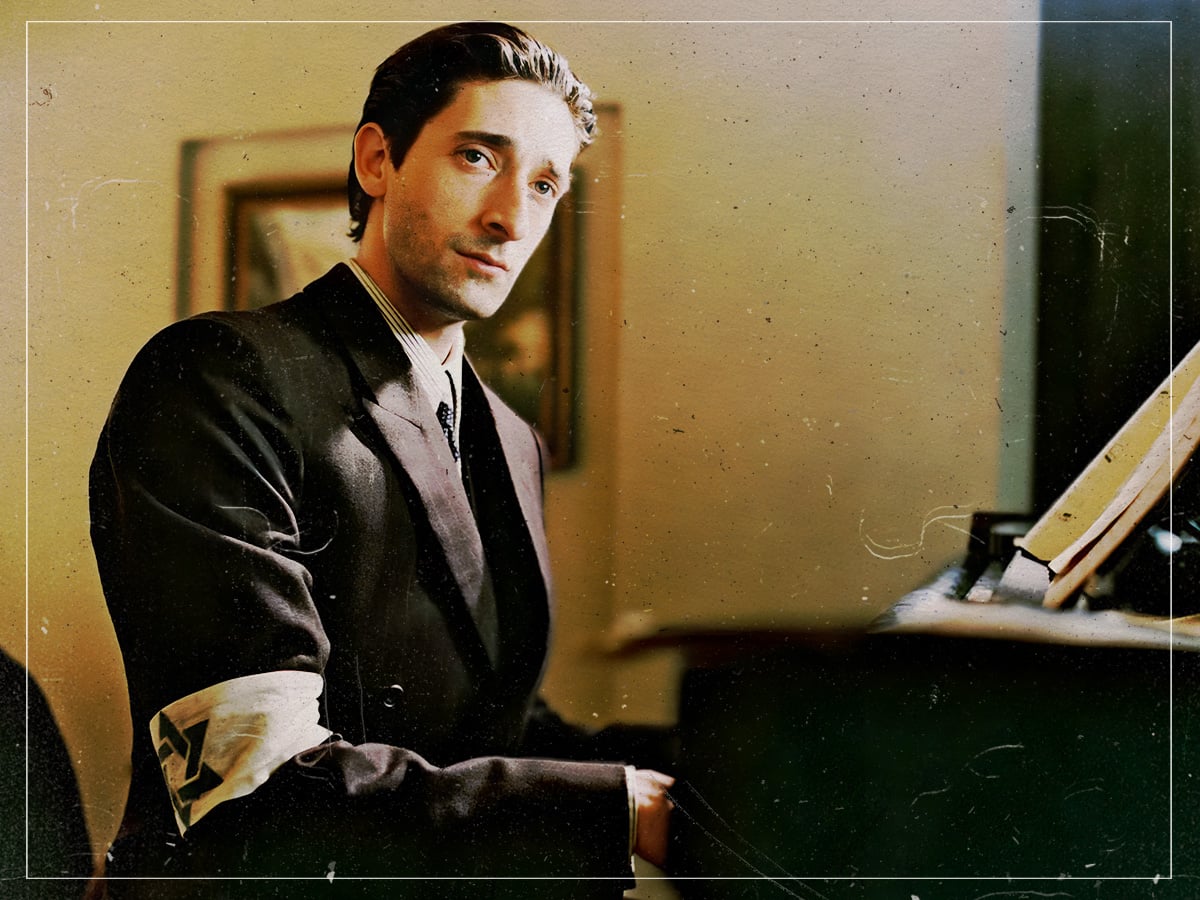
Adrien Brody was infuriated when he attended the premiere of Terrence Malick’s The Thin Red Line, a film that he had ostensibly starred in, only to discover that he had almost entirely been removed from the final edit, hence was determined to ensure that his next performance would be unforgettable, and lost an extensive amount of weight and learned to play piano for his role in the Holocaust drama The Pianist.
The strict regimen that Brody put himself under was successful in showing the true brutality experienced by Jews during World War II, informed by his dynamic with director Roman Polanski, who was himself a Holocaust survivor. Brody’s heartbreaking performance led him to become the youngest winner ever of the Academy Award for ‘Best Actor,’ beating the record that had previously been set by Richard Dreyfuss in The Goodbye Girl.
Jamie Foxx – ‘Ray’ (Taylor Hackford, 2004)
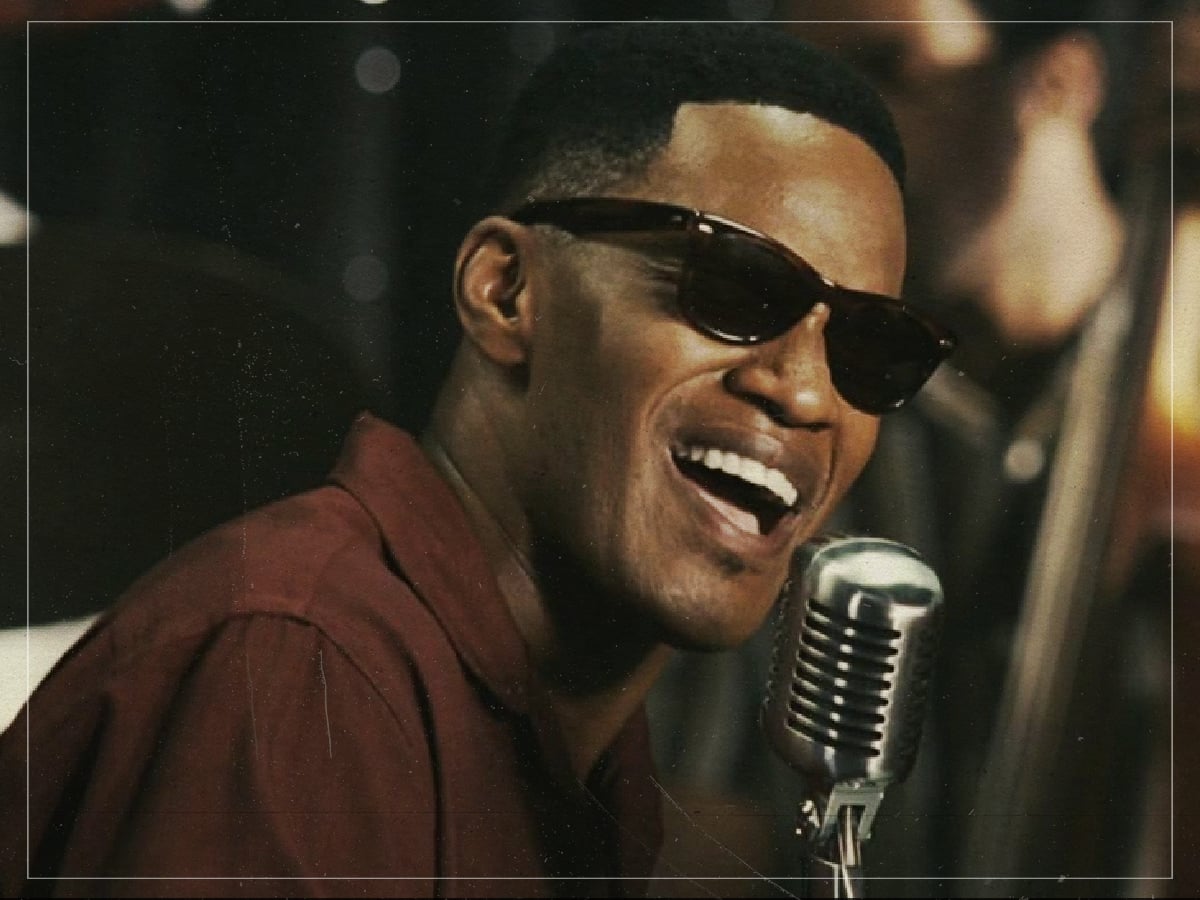
Jamie Foxx had gotten a boost of confidence after working with Oliver Stone on the ambitious football drama Any Given Sunday, but he was tasked with an even more challenging role when he was cast in the biopic Ray to play the titular Ray Charles, who was such a singular presence that it would seem impossible for any actor to encapsulate his persona, but Foxx committed to the role by blocking out his eyesight during filming to convincingly act blind.
Foxx was already a skilled musician, but he took it upon himself to learn how to play the piano in order to mirror Charles’ electrifying stage performances, which landed him the Oscar for ‘Best Actor’, and was a major reason why the film was so successful. While Ray is a fairly by-the-numbers biopic, it was elevated to a great film because of how amazing Foxx’s dedication to the role was, earning even his character’s approval.
Robert De Niro – ‘Raging Bull’ (Martin Scorsese, 1980)

Robert De Niro and Martin Scorsese have one of the most legendary partnerships in film history, and Raging Bull was a project that came around at just the right time for both, as Scorsese had been hospitalised for cocaine addiction when De Niro presented him with the opportunity to make Raging Bull, a complex sports biopic that had shades of the Shakespeare tragedy Othello.
The actor bulked up by gaining 60 pounds and learning to box professionally, resulting in one of the most extreme physical transformations ever, and while it’s hard to choose the best among their collaborations, Raging Bull was clearly a very impactful moment for both Scorses and De Niro, the latter of whom picked up the Oscar for ‘Best Actor’, and the film itself was included in Roger Ebert’s Sight & Sound list of the ten greatest films ever made.
Austin Butler – ‘Elvis’ (Baz Luhrmann, 2022)
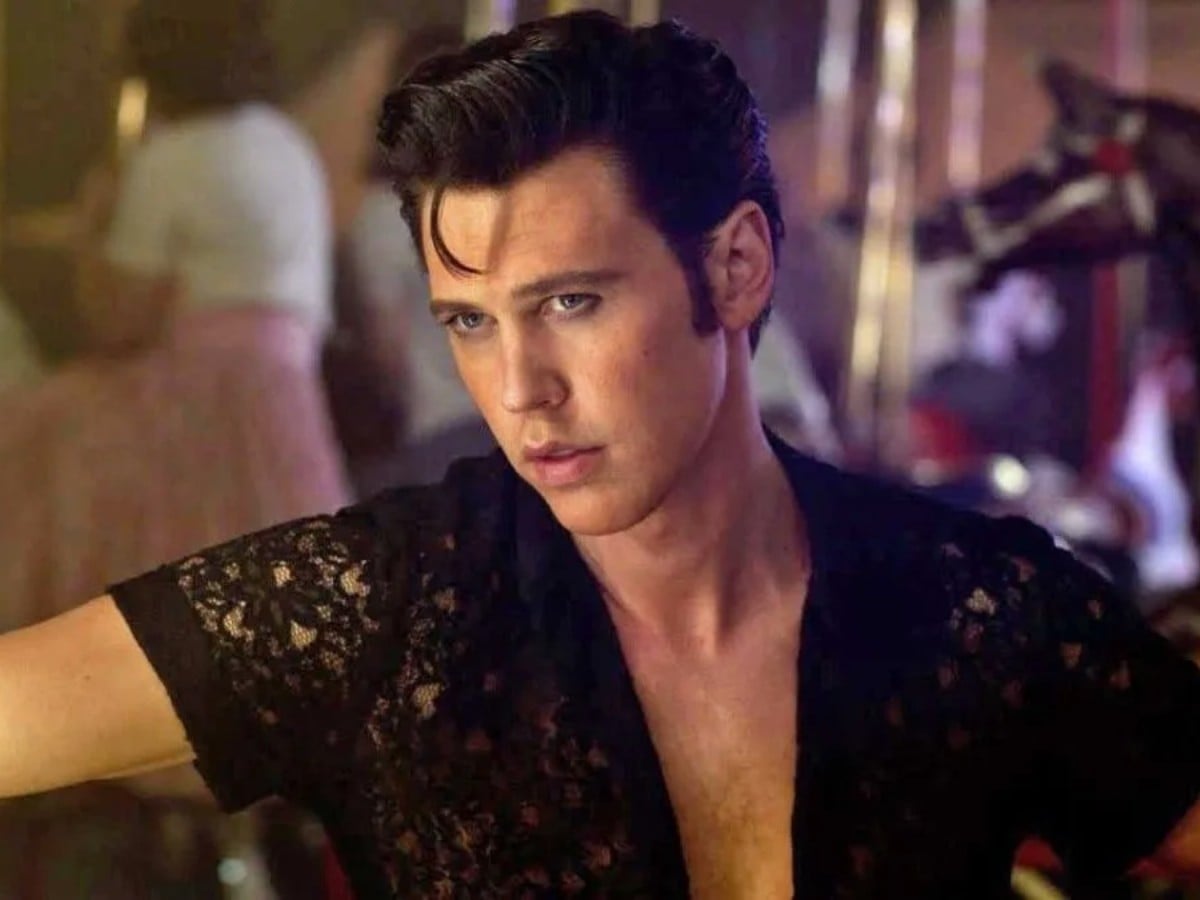
Cast as Elvis Presley in Baz Luhrmann’s highly ambitious biopic, Austin Butler landed the role of a lifetime, beating out more famous contenders for the role like Harry Styles, Miles Teller, and Ansel Elgort. While capturing the persona of the ‘King of Rock’n’Roll’ would have seemed like an impossible task, given that he might be the most famous artist of all time, Butler retained the singer’s voice while shooting and delivered his own renditions of the most iconic songs.
Even if Butler eventually got made fun of for keeping around the Elvis voice once the film was wrapped, the film was a smooth production that gained the endorsement of the Presley estate, who supported Elvis as being the best and most authentic depiction ever of the artist, which would essentially render any further films about his life completely redundant.
Natalie Portman – ‘Black Swan’ (Darren Aronofsky, 2010)
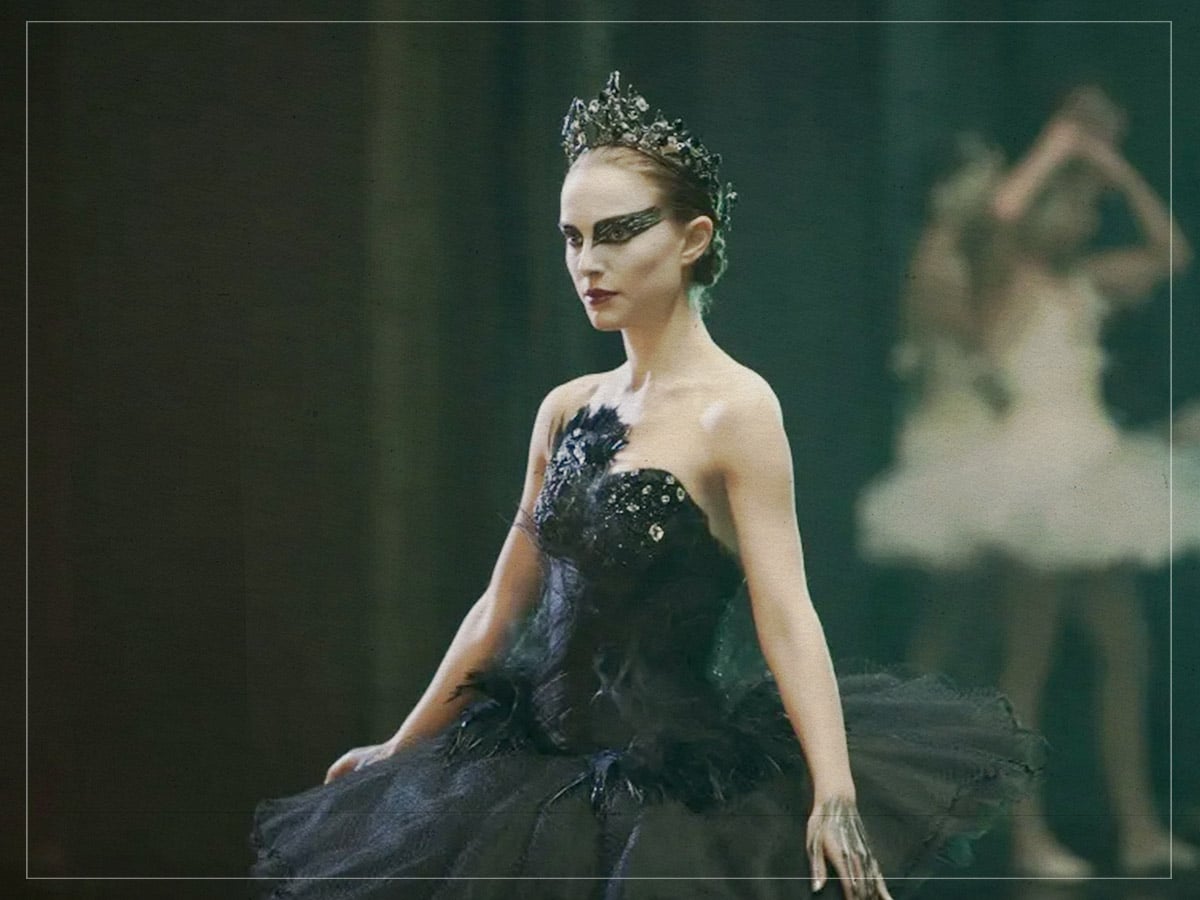
Natalie Portman trained for months to perfect her role as Nina in Black Swan, the Darren Aronofsky thriller about a dancer cast in a production of Swan Lake. The goal wasn’t just to show the endurance test that any ballerina goes through as part of their profession, but to tell a deeper story about the lengths to which artists can become inseparable from their performances.
Ironically, Portman had to indulge in some method acting in order to play a character who risks being too immersed in their material, and it paid off, as she won the Academy Award for ‘Best Actress’ and led Black Swan to become one of the highest-grossing horror films ever. Anyone who had doubted her abilities based on the Star Wars prequels was forced to sit down and concede that Portman was indeed one of the best actors of her generation.
Leonardo DiCaprio – ‘The Revenant’ (Alejandro González Iñárritu, 2015)
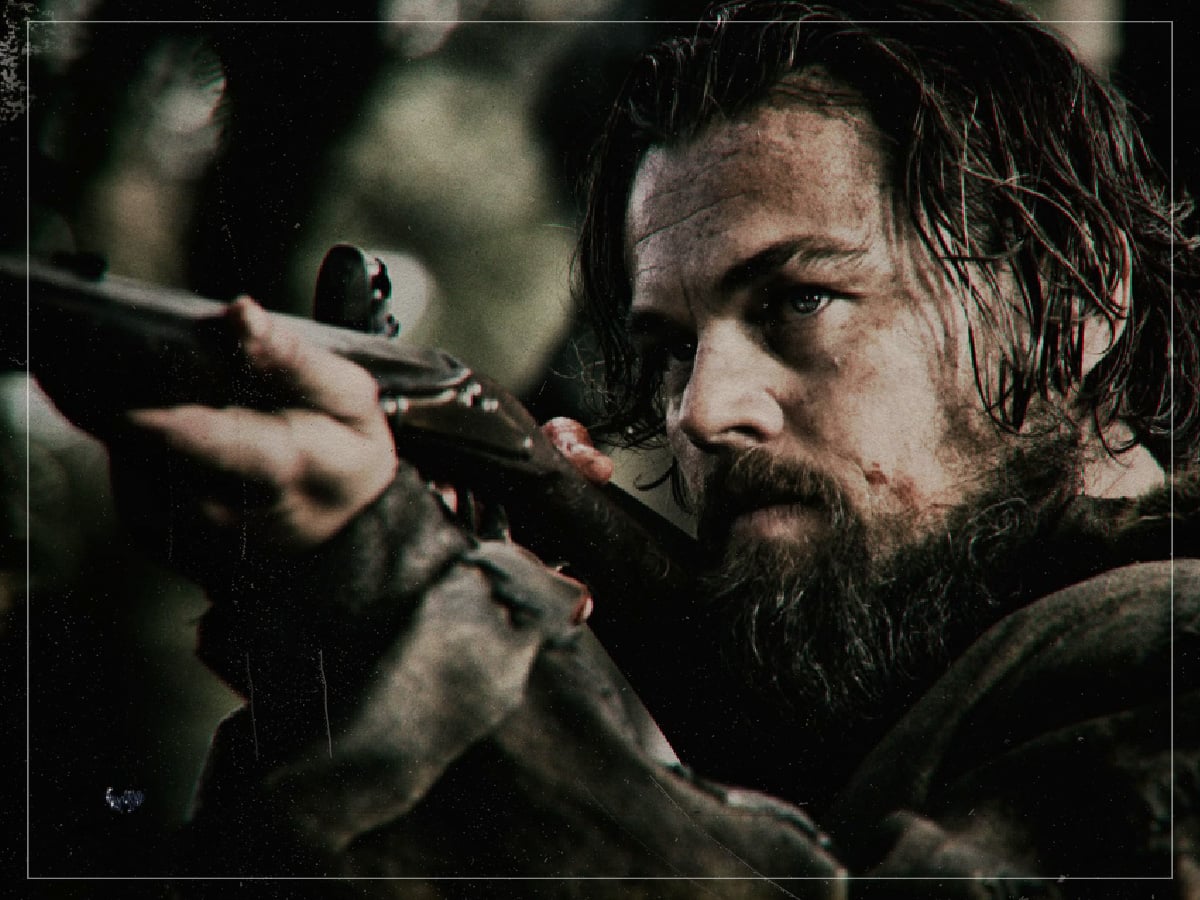
Leonardo DiCaprio may be occasionally criticised for how far he immerses himself in his roles, but it’s helped to create hype around whichever project he decides to commit to, which he is careful about choosing, and is one of the few actors who can sell a film based solely on his name, ensuring that anything he does feels like an event.
Thus, when DiCaprio slept in a raw animal carcass, ate bison liver, and starved himself to play Hugh Glass in Alejandro González Iñárritu’s revisionist western The Revenant, he finally won the long-overdue ‘Best Actor’ Oscar and the film became one of the highest-grossing R-rated titles of all time. DiCaprio has cited his personal beliefs as being a major reason why he made the film, as he saw it as a way to explore the beauty of the natural world in the wake of the devastation of climate change.
Andrew Garfield – ‘Silence’ (Martin Scorsese, 2016)
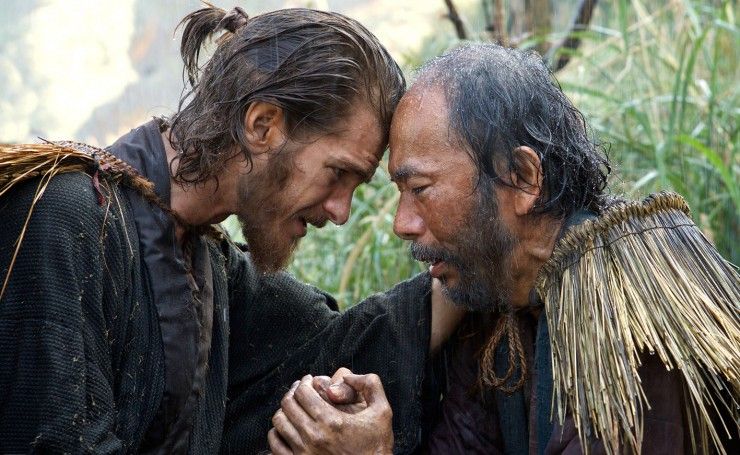
Andrew Garfield was given an amazing opportunity when he was selected by Martin Scorsese to appear in Silence, a passion project that he had been trying to make for decades, envisioning it as a very personal expression of his own relationship with faith, for which, in order to prepare for his role as a Jesuit priest, the actor lost 40 pounds and went on a silent retreat in Wales.
Garfield also took a year to shadow a real priest so that he could be immersed in the role, risking emotional consequences because of how dark the material was. While Silence wasn’t a breakout financial hit, it was the fulfilment of a lifelong conviction for Scorsese, and one that he actually presented to the Catholic Church when he was able to meet with the late Pope Francis in the Vatican.
Daniel Day-Lewis – ‘My Left Foot’ (Jim Sheridan, 1989)
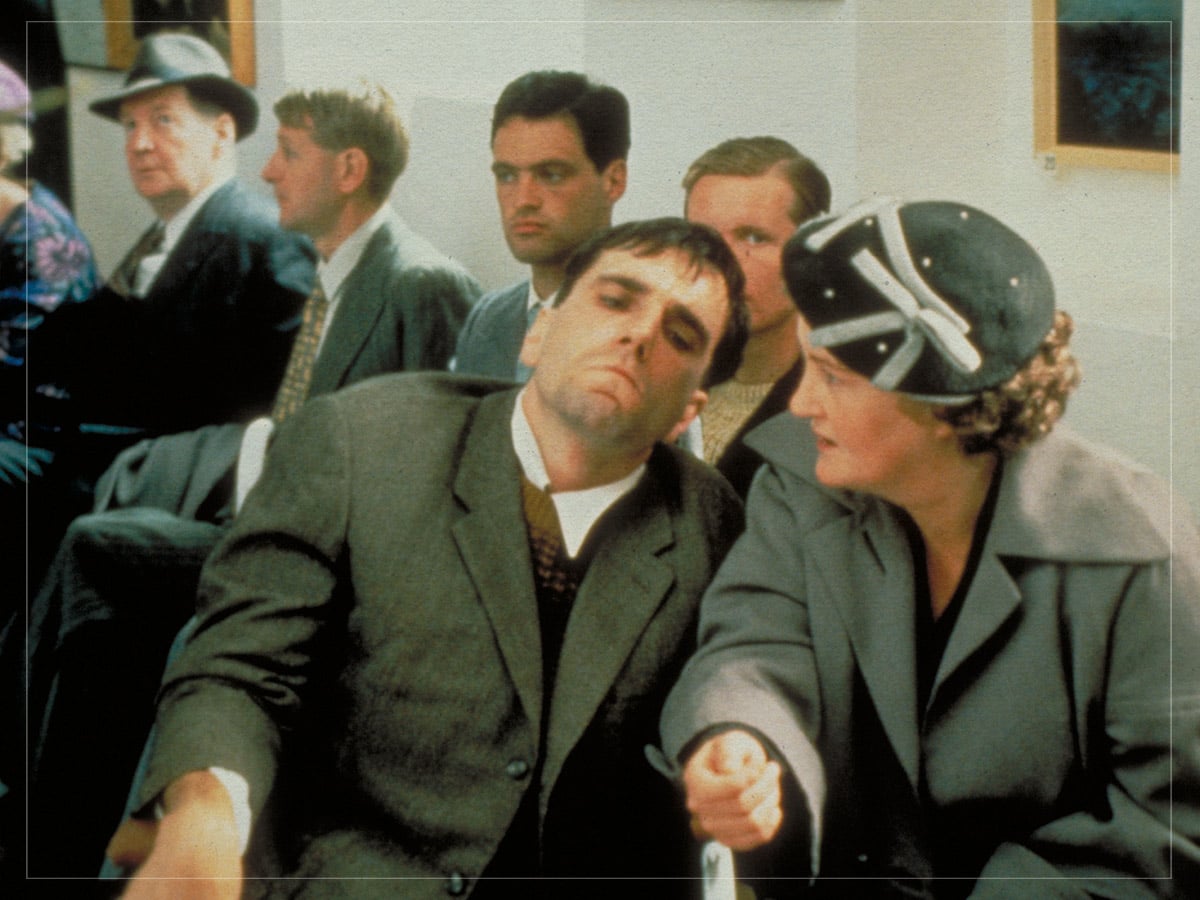
Daniel Day-Lewis is the de facto king of method acting, as he rarely appears in films because of how ridiculously intensive his process is, and in that he had been working for almost a decade when he was cast to play Christy Brown, a famed painter who had cerebral palsy, in Jim Sheridan’s biopic My Left Foot.
Day-Lewis learned to paint and write with his feet in the same way that Brown did, and had to be carried around and pushed in a wheelchair by members of the crew. It was such a radical transformation that he won the first of his three Academy Award wins for ‘Best Actor’, which started his legendary reputation. Following this, he would go on to use the method approach for other celebrated performances in Last of the Mohicans, In the Name of the Father, Gangs of New York, Lincoln, There Will Be Blood, and Phantom Thread.
