


Every ‘Best Actor’ winner of the 21st century, ranked from worst to best

The ‘Best Actor’ category is among the most important at the Academy Awards, even if the 21st-century winners have been a bit of a mixed bag.
Winning an Academy Award is always an honour, but there is a specific distinction of a victory in the ‘Best Actor’ race, as lead roles tend to be more acknowledged as important by the industry at large, and historically, there has been more crossover between films in the category with ‘Best Picture’ than there have been with ‘Best Actress’. Even if the Oscars are constantly evolving, the way that voters undervalue women and non-stars isn’t going to evolve anytime soon.
The Oscars have steadily become more accepting when it comes to the films recognised in acting categories, as the 21st century has seen both the youngest winner ever in Adrien Brody for The Pianist and the oldest in Anthony Hopkins for The Father. It also completed Daniel Day-Lewis’ amazing record of winning three times in the category, which isn’t likely to happen again anytime soon.
While this bracket is thought of as the crowning achievement of any leading man’s career, there are plenty of living legends who have never won the top prize, such as Tom Cruise, Harrison Ford, Samuel L Jackson, John Travolta, and Warren Beatty, and even others who have yet to be nominated, such as Jeff Daniels, Richard Gere, John Cusack, Steve Buscemi, and Matthew Broderick.
Merit is certainly involved in the chosen winner, but that doesn’t mean that luck and timing aren’t also important.
Ranking every ‘Best Actor’ winner of the 21st century:
Eddie Redmayne – ‘The Theory of Everything’ (2014)
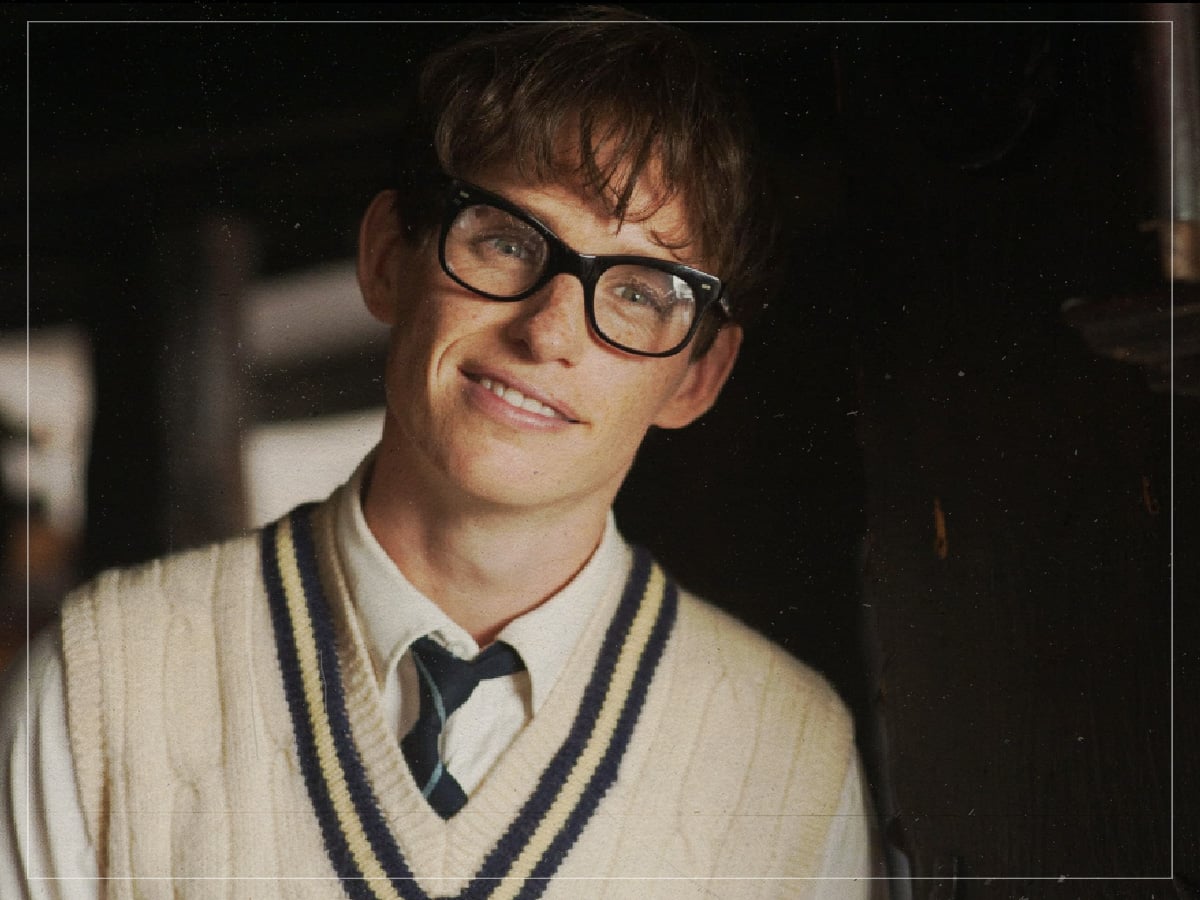
It’s become a cliché to accuse any biopic released during an award season as being ‘Oscar bait‘, but there’s no better description for Eddie Redmayne and his forgettable performance as Stephen Hawking in The Theory of Everything, standing as a classic example of awarding an important person and not the actor who portrayed them.
Although it’s not as regretful a performance as the one Redmayne gave a year later in The Danish Girl, The Theory of Everything doesn’t say much about Hawking that couldn’t have been assumed or read about. While the film itself is much better than its reputation suggests, and features a performance from Felicity Jones that would have been a worthy ‘Best Actress’ winner, Redamyne’s victory is the biggest head-scratcher of the century, especially because it cost a win for Michael Keaton in Birdman (or the Unexpected Virtue of Ignorance).
Will Smith – ‘King Richard’ (2021)
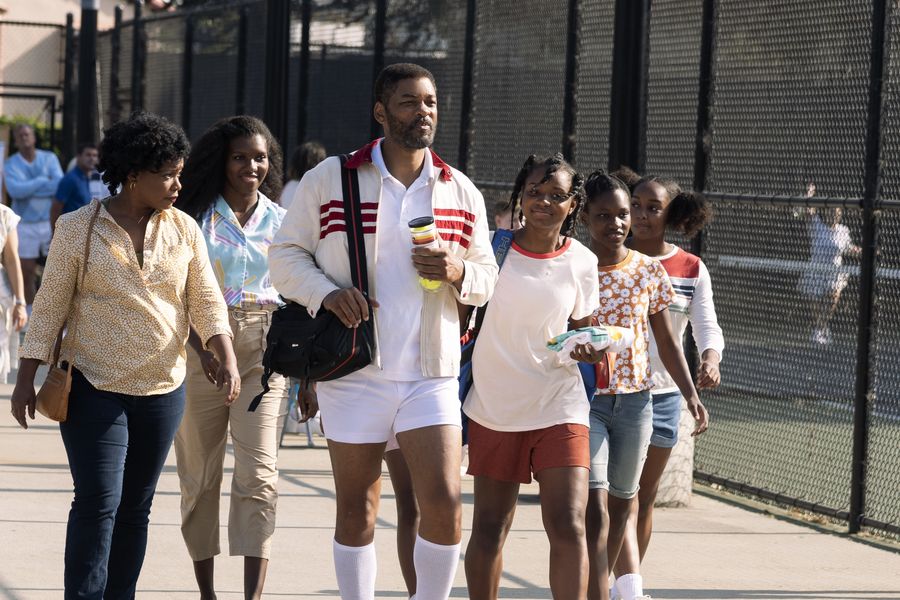
Will Smith has an Oscar victory that will always be tied to the controversy surrounding the ceremony, but what’s not talked about enough is how dull King Richard is, which seems so enamoured with the achievements of Richard Williams’ daughters that it doesn’t make time for any legitimate criticism of his behaviour, resulting in a biopic that feels incredibly slanted.
Smith does a lot of yelling and crying that might have looked good in short intervals, but he’s infamously been an actor who has refused to be viewed in anything less than a glowingly positive light. It obviously didn’t take long for the Oscars to regret giving Smith the victory, not least of all because of Benedict Cumberbatch’s much more subtle, challenging role in The Power of the Dog that is sure to stand the test of time.
Jean Dujardin – ‘The Artist’ (2011)
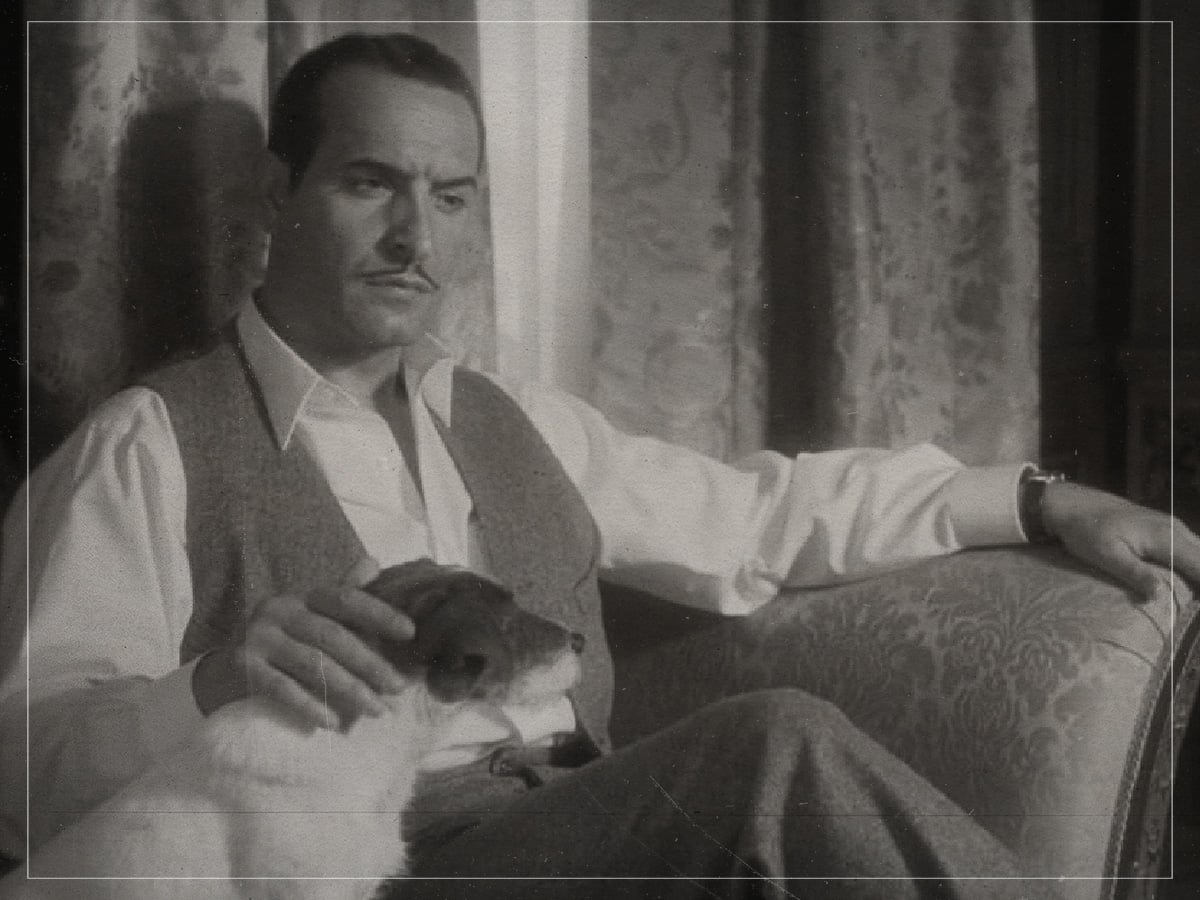
It is still pretty cool that the Oscars were willing to give the prize for Best Picture to a silent film in the modern era, but the love for The Artist went overboard. Jean Dujardin gives a fun performance in the film as a silent-era actor who is forced to adjust to the rise of the talkies, but he’s ultimately little more than a prop within Michel Hazanavicius’ loving recreation of the era.
Physical comedy is something that the Oscars rarely award, and it seems odd that Dujardin won for a fairly broad performance as a character that wasn’t particularly complex. Imitation may be an art form worthy of praise, but The Artist is a film far more effective for those just getting introduced to silent cinema for the first time and can’t point out the obvious ways in which the leading actor exaggerates his performance.
Brendan Fraser – ‘The Whale’ (2022)
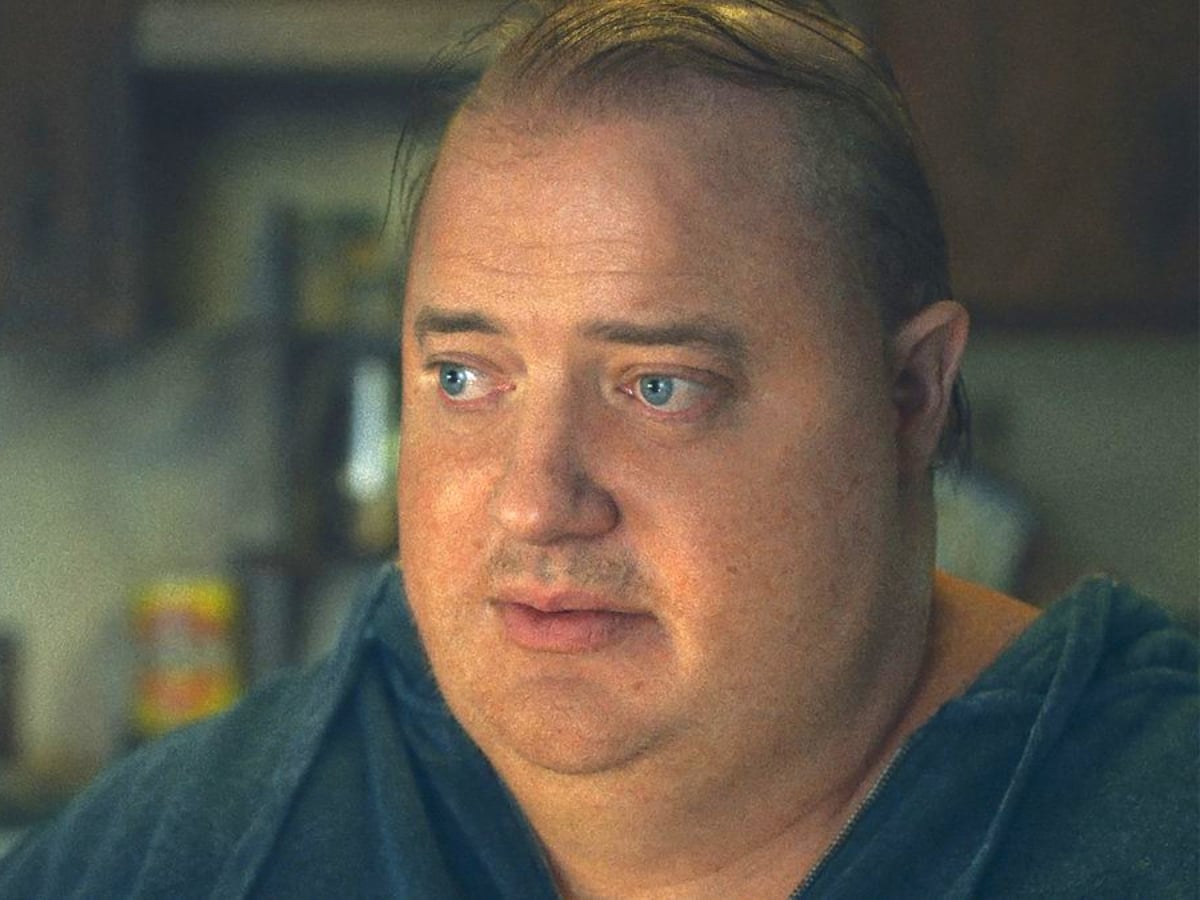
Brendan Fraser is an actor who it is hard not to root for, given that he has been open about the challenges in his career and the physical endurance he showed after years of dangerous work. However, The Whale is a film that was seemingly designed to win its lead actor an Oscar, and Fraser is more-or-less used by Darren Aronofsky to manipulate the audience into thinking that they’re watching something more profound.
It’s not that the makeup is doing the hard work in The Whale, but that Aronofsky treats the character as an unencumbered victim who suffers humiliation, pain, and depression over the course of an excruciating runtime. Fraser is such an inherently likeable person that he’s able to generate sympathy, and at times even elevate the material, but there hasn’t been a more obvious case of a ‘sympathy prize’ given out in the modern Oscars era than this.
Michael B Jordan – ‘Sinners’ (2025)

Even when it was clear that Sinners had become a cultural phenomenon that was adored by the industry, Michael B Jordan winning the ‘Best Actor’ prize is still odd. It’s a perfectly adequate feat of acting that relied upon Jordan’s status as a compelling movie star, but the most challenging and inventive work in Sinners was the social and philosophical ideas that Ryan Coogler developed in the subtext.
While playing two different characters was undoubtedly part of his late surge, his performances as Smoke and Stack aren’t uniquely distinct in the way that other ‘twin roles’ were, such as Jeremy Irons in Dead Ringers, Christian Bale in The Prestige, or even Lindsay Lohan in The Parent Trap. Jordan certainly delivered with what he was asked to do, but he was unambiguously the weakest in a lineup that included Leonardo DiCaprio, Timothée Chalamet, Ethan Hawke, and Wagner Moura.
Joaquin Phoenix – ‘Joker’ (2019)
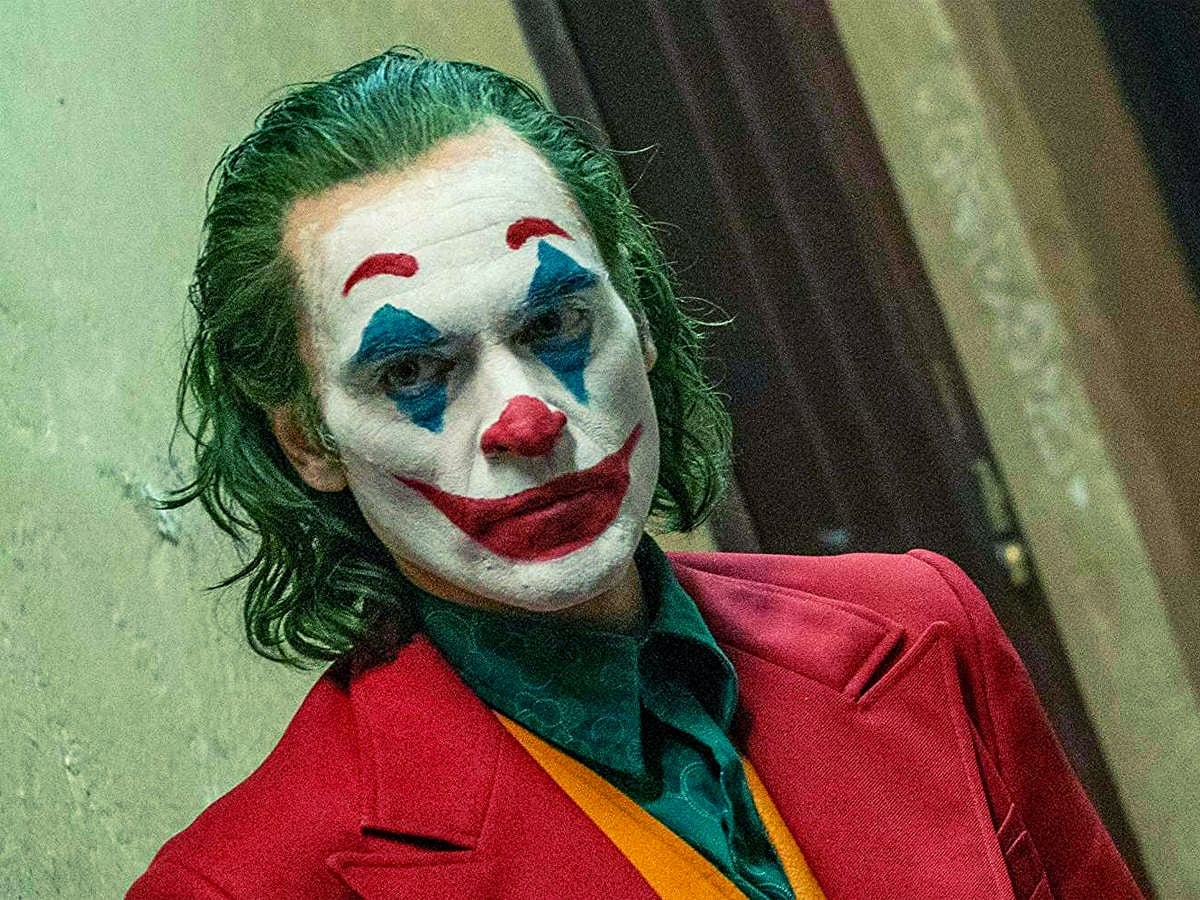
Joaquin Phoenix is one of the many actors who ended up winning his Oscar for one of the least interesting performances of his career, who once delivered a brilliant performance as a psychotic, deeply unwell man in The Master, but had the unfortunate challenge of having to compete against Daniel Day-Lewis. Joker had become such a phenomenon that the Oscars ate it up, especially since Phoenix managed to detect something tragic and surprisingly empathetic within one of the most famous villains of all-time.
It’s to his credit that he delivered a performance as the Joker that was wholly unique from those by Jack Nicholson, Mark Hamill, and Heath Ledger, but the film itself is so indebted to The King of Comedy and Taxi Driver that it feels like borderline plagiarism. It’s a showy performance that does elevate some of the less subtle aspects of the film, but it’s by no means the best representation of Phoenix’s talents as an actor.
Matthew McConaughey – ‘Dallas Buyers Club’ (2013)
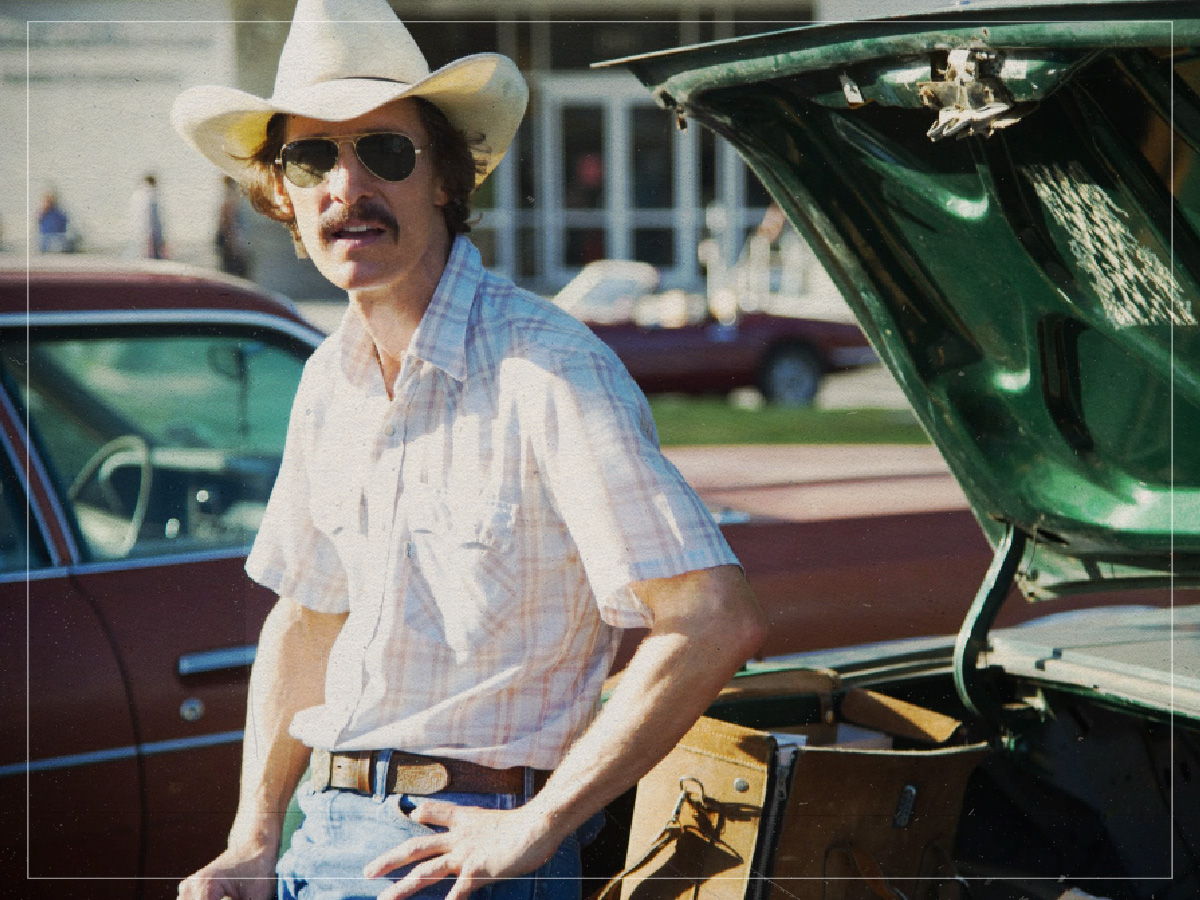
Matthew McConaughey had a tremendous comeback in 2013 that included a powerfully tragic performance in Mud, a scene-stealing supporting role in The Wolf of Wall Street, and the booking of parts in HBO’s True Detective and Christopher Nolan’s Interstellar. Given that he seemed to have genuinely opened a new chapter in his career after years of being in bad films, he was an irresistible Oscar winner.
Dallas Buyers Club is a fairly generic issue-based film that has already begun to show its age due to the dated depictions of HIV-positive characters and the fact that McConaughey is essentially playing a bigoted man who reverses his views. He lost a tremendous amount of weight and is impressively vulnerable when the character of Ron Woodrough is first diagnosed with Aids, but there are not many other distinctive characteristics to make it stand out as a truly great performance.
Colin Firth – ‘The King’s Speech’ (2010)
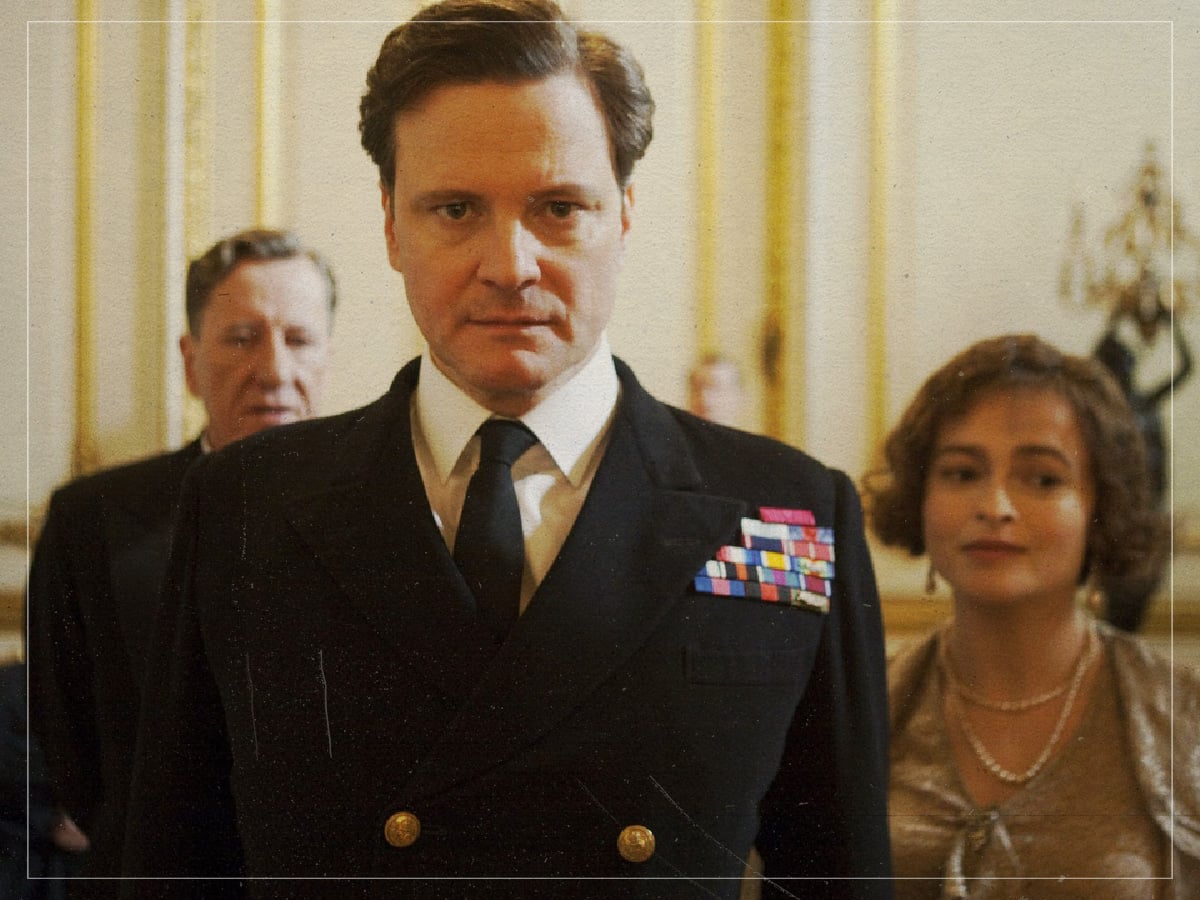
Playing a famous historical figure is a sure-fire route to winning an Oscar, as is giving a performance of a character with a disability, and when considering that the Academy has always been obsessed with British cinema and the Royal Family, in particular, it was basically impossible for Colin Firth to not win the ‘Best Actor’ award for his role as King George VI in The King’s Speech.
The film generalises the King’s dilemma and simplifies some of the more complex aspects of his leadership, but Firth does a remarkable job at capturing the stutter in a manner that does not feel exploitative. Ironically, it’s the more personal scenes in which George bonds with his speech therapist, played by Geoffrey Rush, that are far more impressive than the instances where he speaks in front of a crowd, simply replicating the real news broadcasts.
Jeff Bridges – ‘Crazy Heart’ (2009)
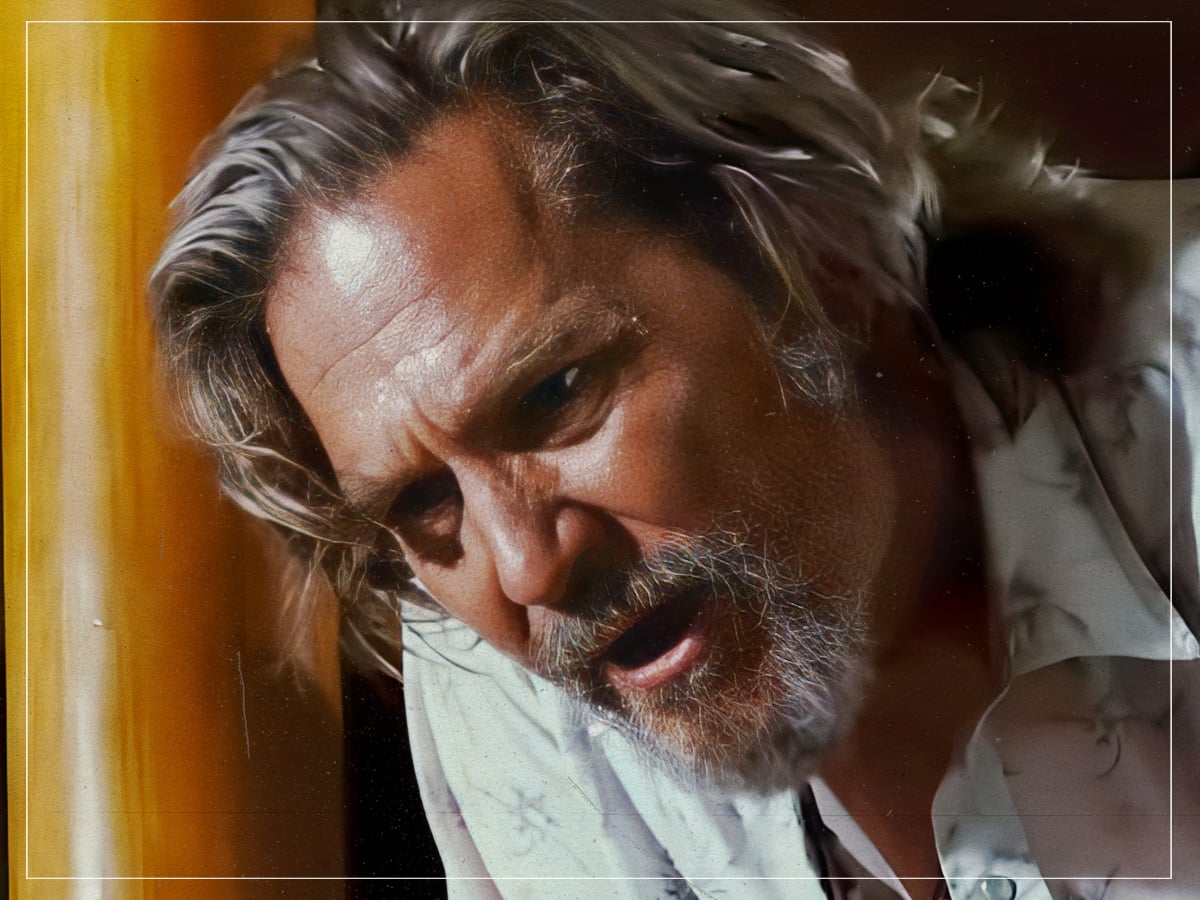
It was mind-boggling that it took until the sixth decade of his career for Jeff Bridges to finally win an Academy Award, given that he had been on the Oscars’ radar ever since The Last Picture Show announced him as a movie star. Crazy Heart wasn’t only the type of solemn, introspective character drama that the Oscars love, but a film that infused Bridges’ real affection for music, yet his win is an odd case in which the film itself feels like a greatest hits collection of the traits he embodied in better roles over the course of his career.
At the same time, it’s not something that any other living actor could have harnessed, so it is admirable that he was able to play to his strengths and give a genuinely moving performance that felt like the spiritual culmination of his best work.
Jamie Foxx – ‘Ray’ (2004)
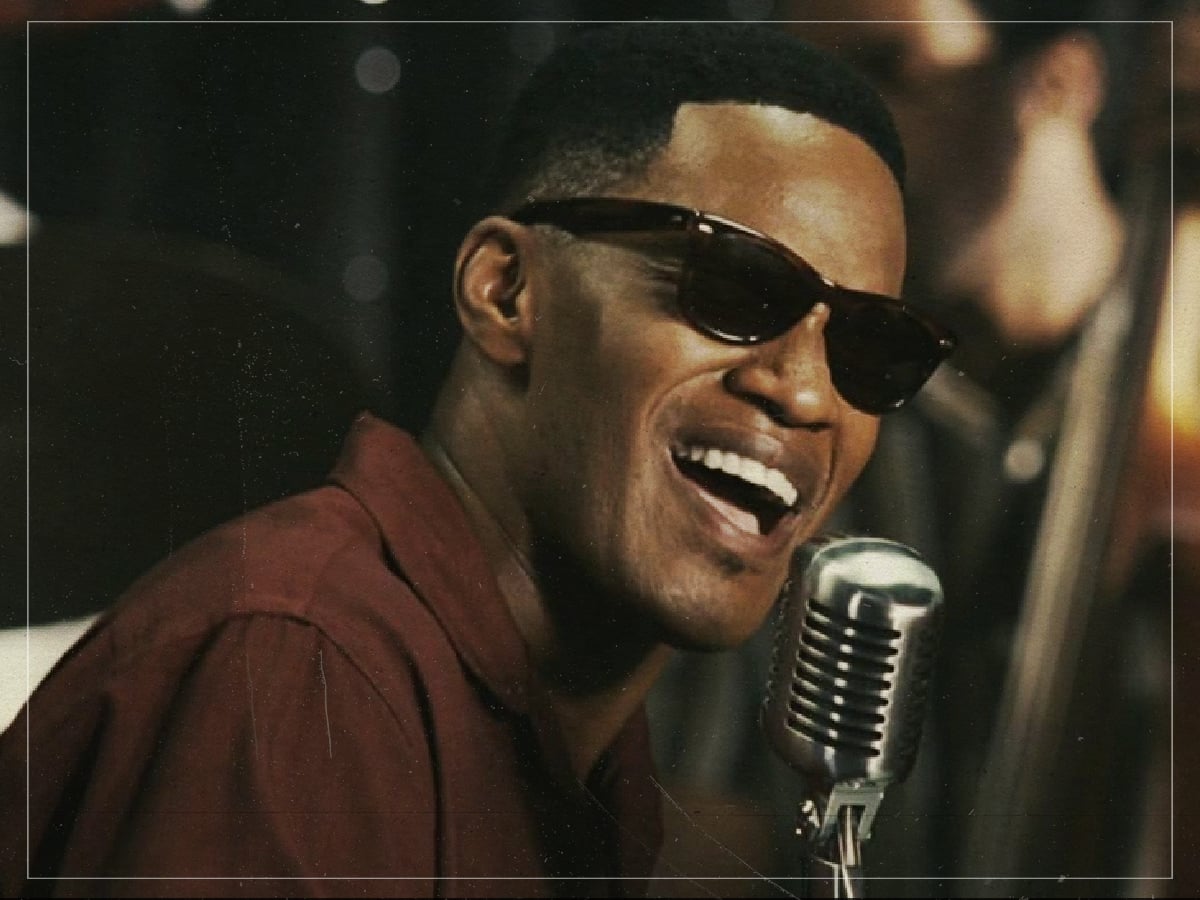
Jamie Foxx scored two nominations at the 2005 Oscars because he was also recognised for ‘Best Supporting Actor’ for his role in Michael Mann’s Miami Vice, which would have been an inspired victory, given how he played against type as a geeky, apprehensive cab driver, but he was instead awarded for his replication of Ray Charles in the biopic Ray, a film that has been completely forgotten otherwise.
Foxx is a music genius in his own right, but impersonating a figure as totemic as Charles was a risk that he managed to pull off convincingly. The film itself may not have offered him many opportunities to say something profound about what drove Charles, but learning to play the piano (while wearing contacts to convincingly appear to be blind) was such a laborious task that it was hard to doubt the actor’s effort.
Sean Penn – ‘Milk’ (2008)
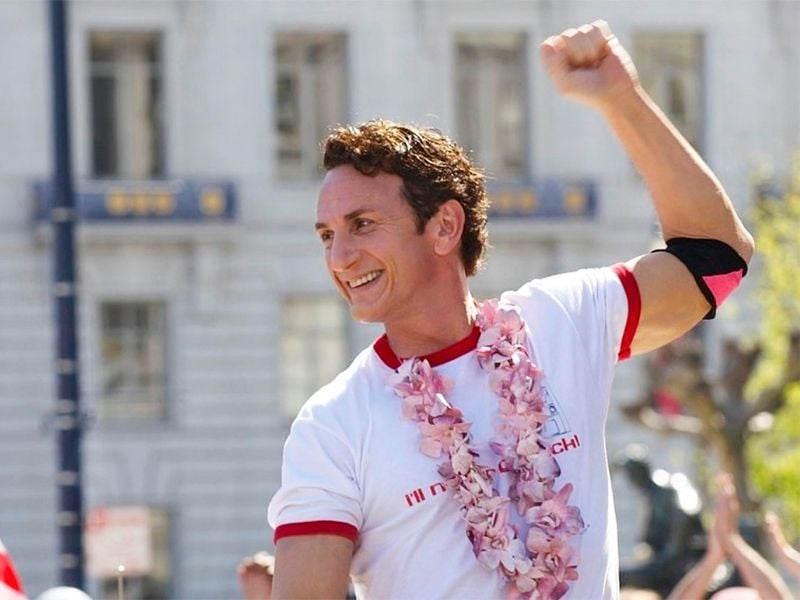
Sean Penn has tied an all-time record for most acting wins for a male performer, so it’s not a detriment to say that Milk is the weakest of the three, but what was most surprising was that he, who had developed a reputation for his intensity, was able to strip away his inherent gruffness to play a winning, charismatic version of the legendary politician and gay rights activist Harvey Milk.
When compared to other instances in which straight actors were awarded for playing gay characters, Penn was able to show the distinguishing qualities of Milk, while also noting how his identity became a lightning-rod issue. There are certainly moments in which Penn’s fame makes it somewhat distracting to buy into the realism of the historical reenactments, but Milk is the rare case of a topical awards film that was ahead of its time and continues to age well.
Rami Malek – ‘Bohemian Rhapsody’ (2018)
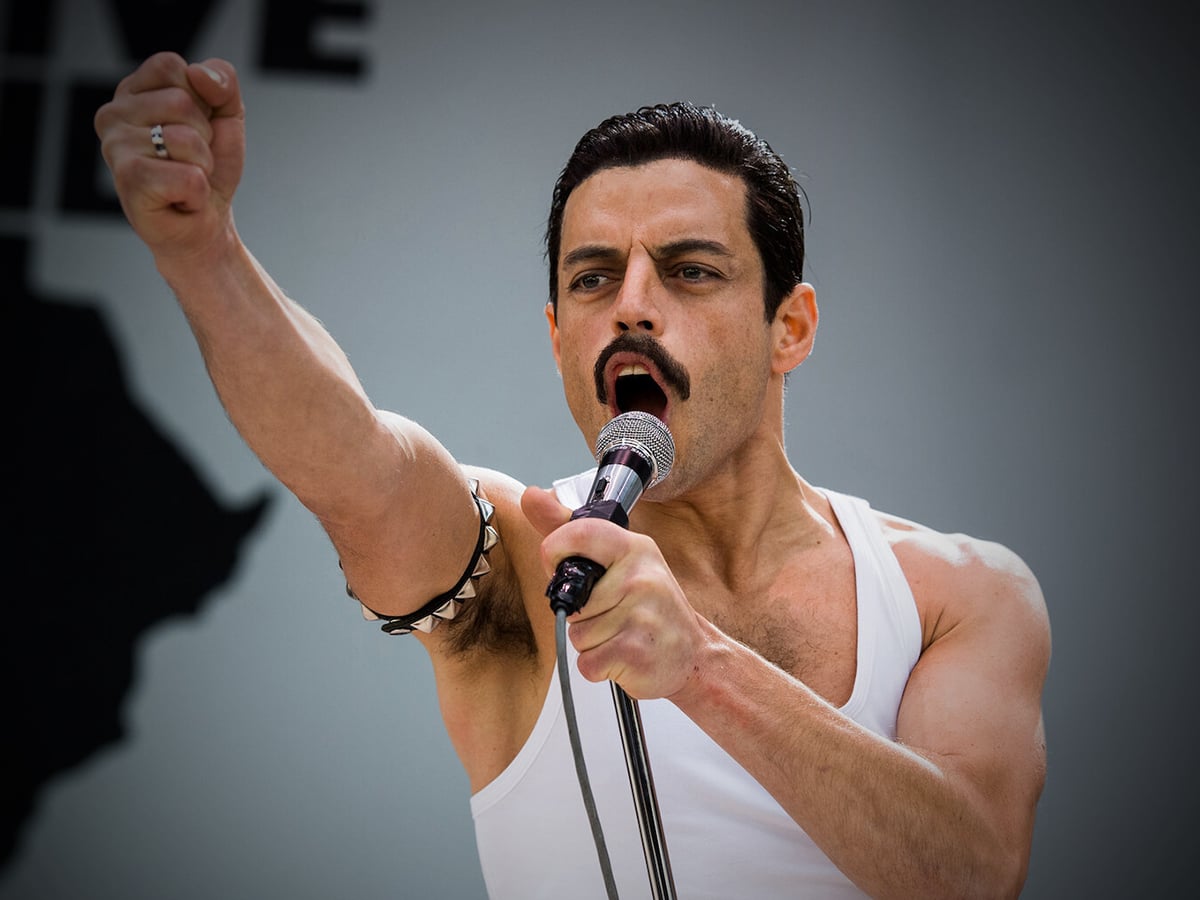
There haven’t been many Oscar-winning films as controversial as Bohemian Rhapsody, which earned some scathing reviews from select critics while also making nearly $1billion globally. That the film is misunderstood and better than it is given credit for is an argument for another time, but Rami Malek is undeniably what turned the troubled production into the most successful music biopic of all time. Bohemian Rhapsody tells the life story of Freddie Mercury in the style of a Queen music video, and it’s campy, takes big emotional swings, and emphasises its subtext to the point that it is impossible to ignore or deny.
That Malek is lip-syncing to the songs is in line with what Mercury did in any number of famous Queen music videos, where it was his charisma that elevated the eccentric productions. It may not be a popular opinion, but he pulled off a Herculean task that it’s hard to see any of the other actors rumoured to play Mercury being capable of.
Forest Whitaker – ‘The Last King of Scotland’ (2006)
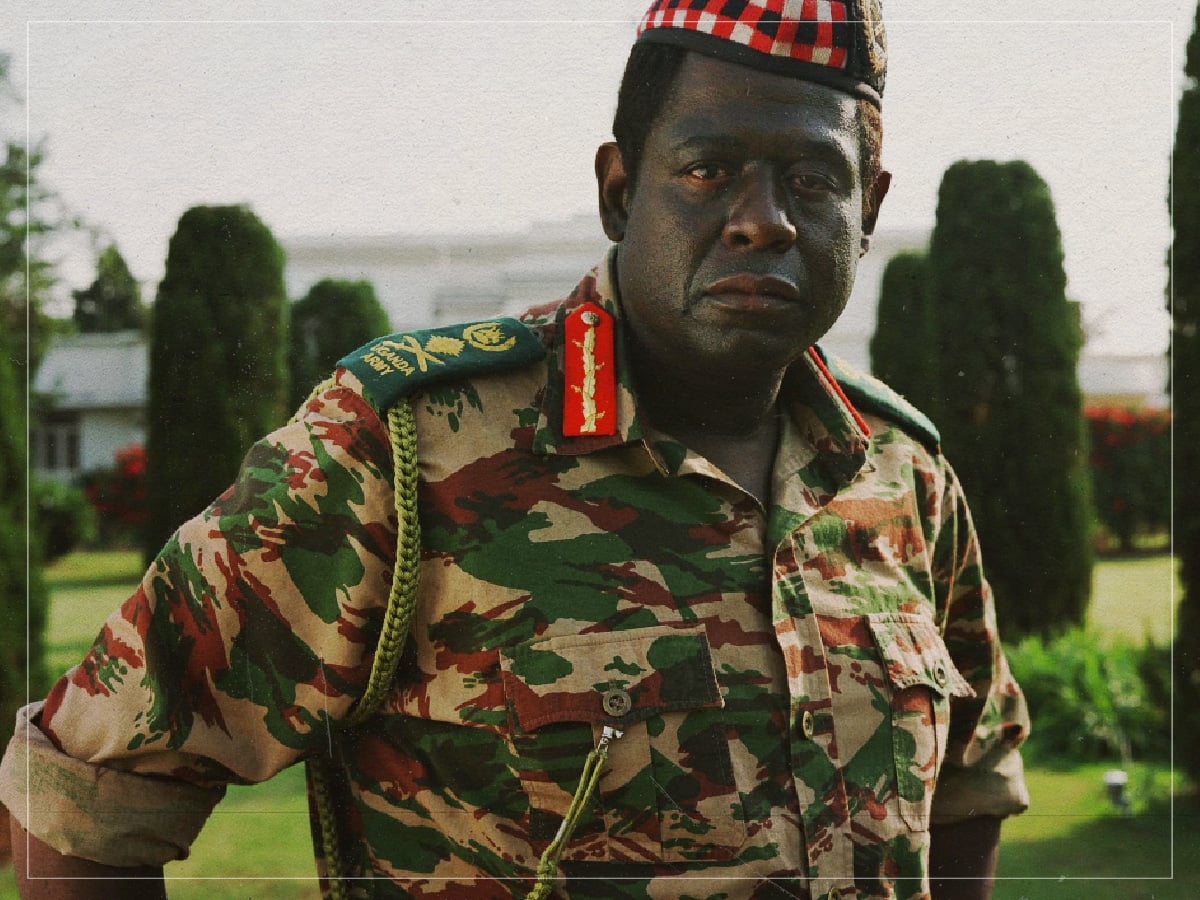
Occasionally, there will come a British film that factors heavily into an acting race without being recognised in any other categories, which was the case with Forest Whitaker and his performance in The Last King of Scotland. The biggest knock against the win is that Whitaker is really a supporting actor, as the main character is a fictional doctor portrayed by James McAvoy.
Looking at news footage of the real Idi Amin reveals just how brilliant Whitaker’s performance is; this was a dictator in complete denial about his own popularity and power, and his misunderstanding of reality was as ridiculous as it was terrifying. To capture the banality of evil is no easy feat, and the actor was able to offer dimensionality in his depiction of a historical villain whose real-life personality was fairly easy to gauge.
Gary Oldman – ‘Darkest Hour’ (2017)
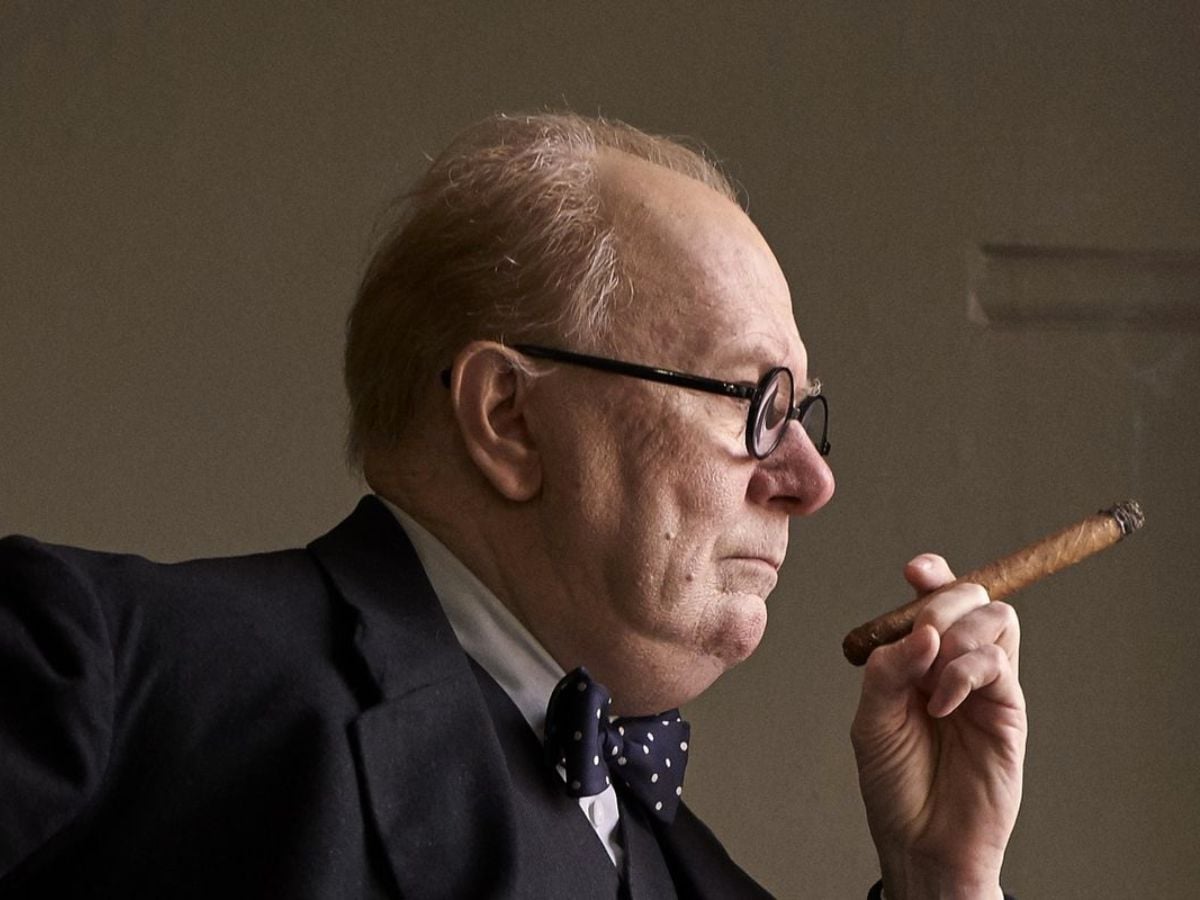
There are some roles that are so intimidating that they would destroy an actor’s career if they screwed it up, and Winston Churchill is one of them. Even though Gary Oldman was considered by many to be one of the greatest living actors, playing one of the most famous British leaders of all time called for immense dedication.
Darkest Hour is a film that is far more interesting, entertaining, and inspiring than it would seem, because, rather than tell a sweeping story of Churchill’s entire life, it focuses on a specific window of time when he faced both persecution from his own party and the impending doom of the Nazi campaign. Churchill was a larger-than-life figure who called for an actor who could convey the urgency of his mission, and Oldman offered a portrayal of selfless leadership that couldn’t have felt more vital.
Denzel Washington – ‘Training Day’ (2001)
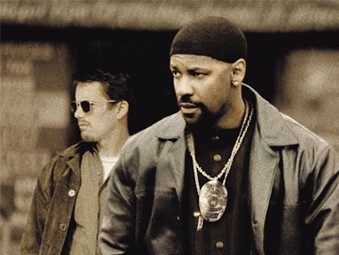
Denzel Washington had been one of the most respected, beloved, and consistent movie stars for over a decade, but Training Day offered him his most unorthodox role yet. Considering how often he had played inspirational figures and thoughtful heroes, his transformation into a ruthless, manipulative and corrupt cop was as big a risk as he could have taken.
Training Day isn’t a traditional ‘Oscar movie’ speaks to the brilliance of Washington’s performance, where he unabashedly chews the scenery, creating a memorable villain that is too compelling a presence to be completely detestable. It’s not necessarily a performance with a lot of interiority, nor is it Washington’s best work, but Training Day is exactly what solid studio entertainment should look like, and when considering how many corrupt cop films have tried and failed to replicate the same formula, his performance feels even more impressive.
Russell Crowe, ‘Gladiator’ (2000)
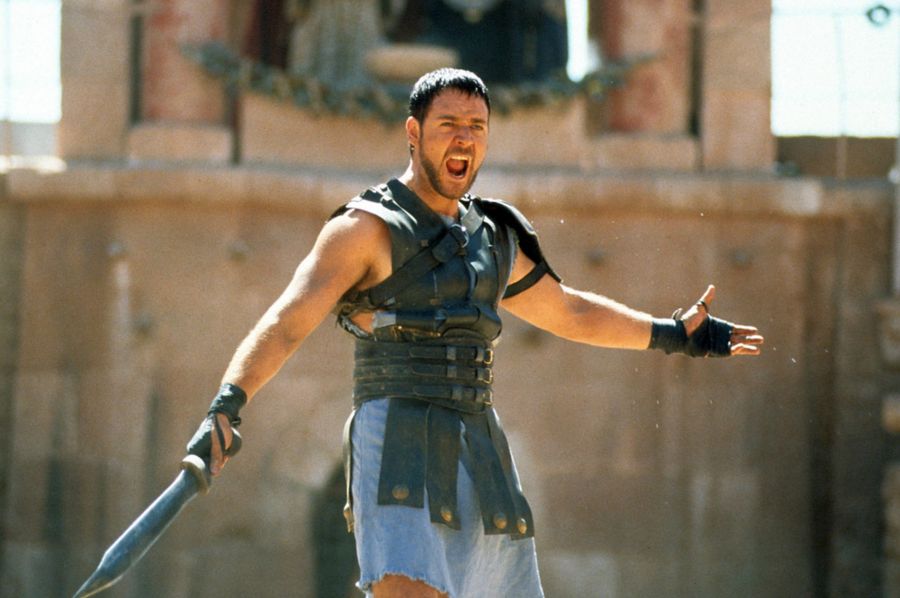
When it comes to definitive ‘movie star’ roles, Russell Crowe landed the part of a lifetime when he beat out Mel Gibson, Antonio Banderas, and Tom Cruise for the role of Maximus Decimus Meridius in Gladiator. It was a film of Shakespearean tragedy about a noble, selfless leader who seeks justice for the unthinkable crimes against his family, and it required an actor who could reach that level of mythic despair; at the same time, it was a massive epic that needed someone who could anchor the setpieces with their physical capabilities.
Crowe’s star power fueled Gladiator into being a box office juggernaut, yet he managed to imbue ethos, sensitivity, and humility into his performance. There’s no better argument as to why he deserved to win than the critical disappointment of Gladiator II, a well-directed film that simply felt off because it lacked the gravitas of his central performance.
Philip Seymour Hoffman, ‘Capote’ (2005)
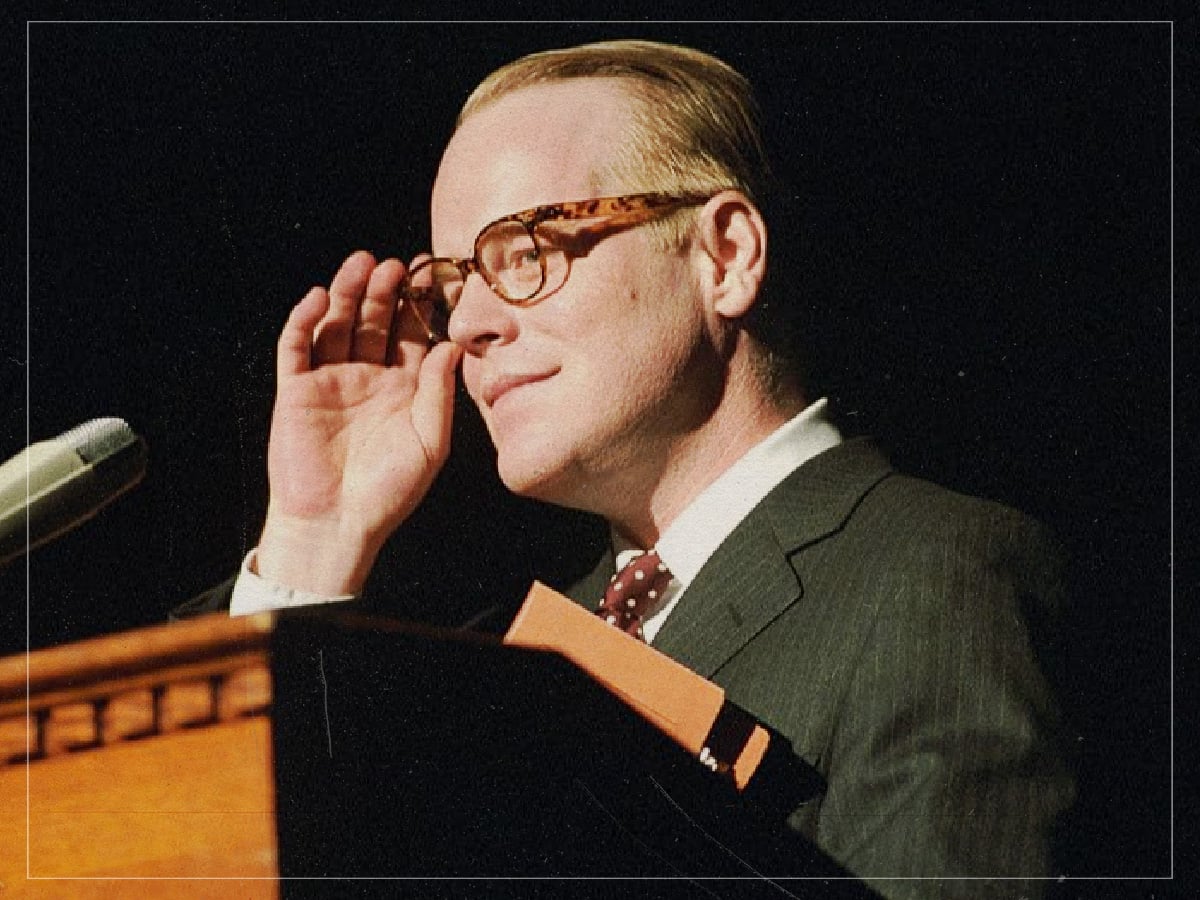
When compared to the other biopic roles that won Oscars, Philip Seymour Hoffman had a unique challenge in Capote. Truman Capote had become a notorious figure, subjected to impressions, parodies, and endless speculation, which made it more challenging for the actor to be taken seriously, and despite adopting a distinct accent and making a dramatic physical transformation, he managed to feel authentic, offering insights about the famous author that legitimately changed the way people thought about him.
Hoffman had been praised as a brilliant character actor by nearly all of his co-stars, but Capote was a true test of his abilities to carry a film on his shoulders. The film is so gutting in its observations about the morality of true crime culture, yet ambiguous about Capote’s personal ethics because of Hoffman’s magnetic ability, which allows him to completely embody his characters.
Adrien Brody, ‘The Pianist’ (2002)
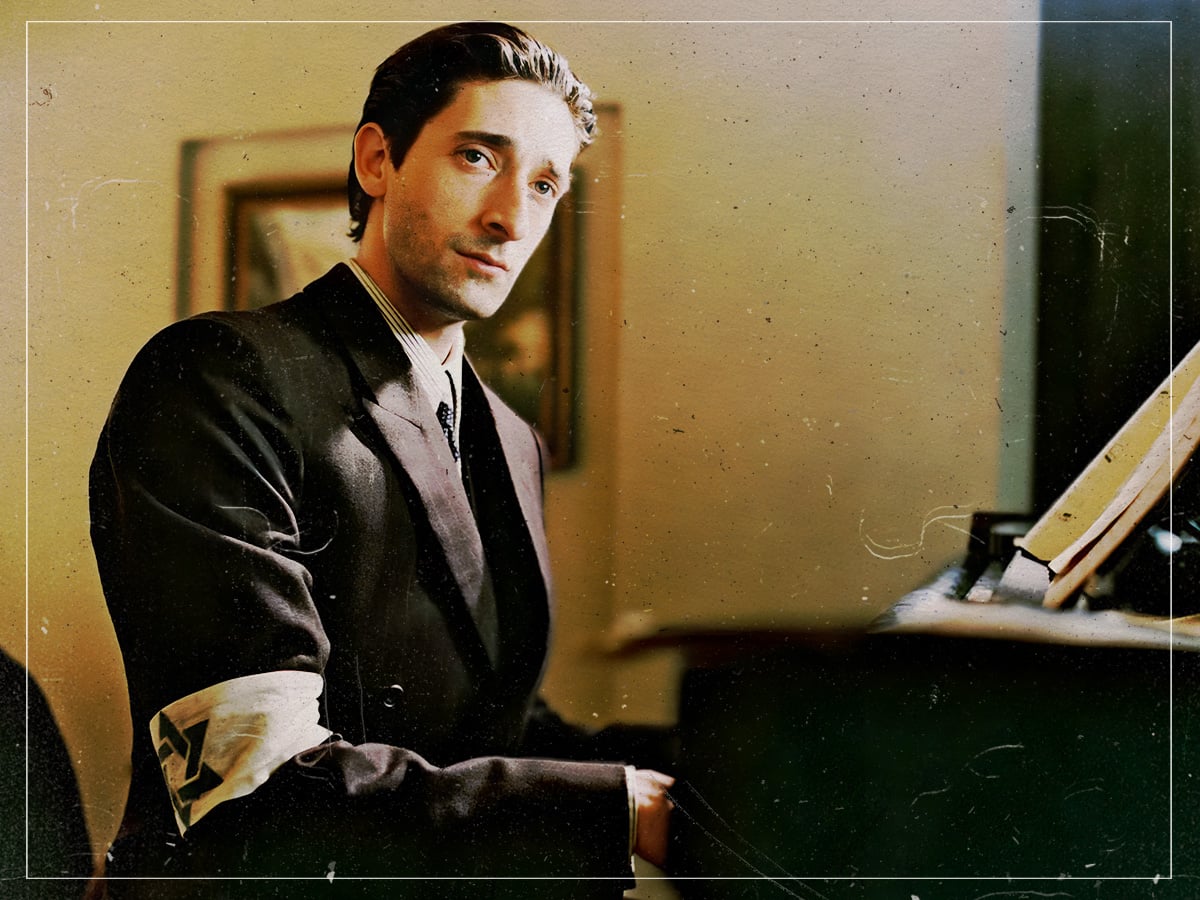
Adrien Brody became the youngest ‘Best Actor’ winner ever when he beat four Oscar-winning veterans with his performance in The Pianist, one of the bleakest and most oppressive ‘Best Picture’ nominees of the century. Directed by Roman Polanski, a survivor of the Holocaust, The Pianist questioned what role artistic genius had in the midst of a global tragedy, and called upon Brody to capture the pain of generational trauma.
Brody is vivid in his portrayal of a Jewish man wrecked by survivor’s guilt, a brilliant musician cursed by his own genius, and a young person finding their place within history. The imagery in The Pianist makes it a difficult film to watch, even for those who can handle the violent content, but it is Brody’s heartbreaking performance that makes the film such a monumental achievement, and although it’s been easy to criticse his choices in the aftermath, the film required such staggering dedication that it set unrealistic expectations for the rest of his career.
Leonardo DiCaprio, ‘The Revenant’ (2015)
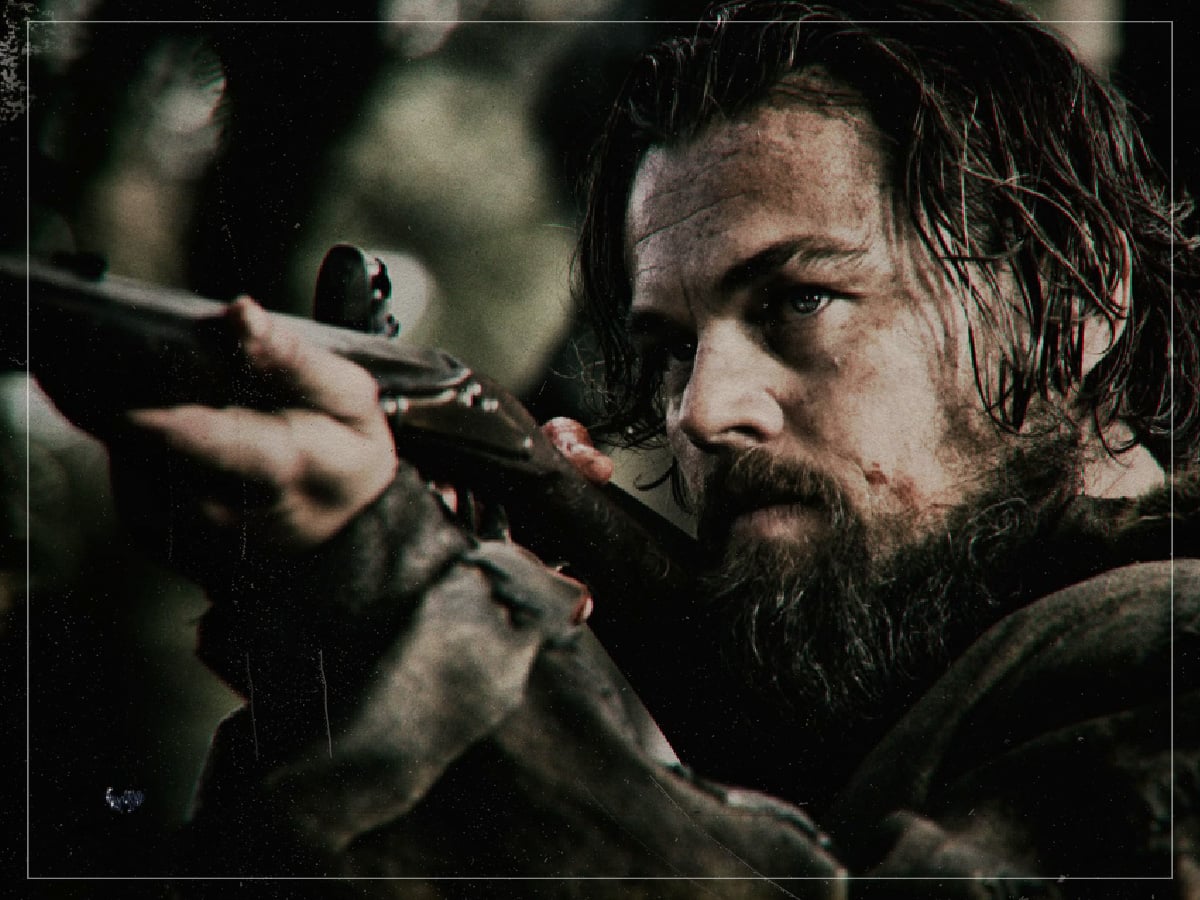
The question of when Leonardo DiCaprio would finally win his first Oscar had dominated the internet for years prior to The Revenant, and the physical burdens of Alejandro González Iñárritu’s revisionist revenge western certainly played a role in securing his victory. However, the fact that DiCaprio lost weight, ate raw meat, and slept in animal carcasses is only one of the reasons why his performance is so transfixing.
The film is a spiritual epic about a man who is given the will to live because of his desire for revenge, and DiCaprio found deep emotions within a character who had been whittled down to his most primal instincts. He is often compared to New Hollywood actors like Jack Nicholson, but there aren’t many stars who could disappear into a role like Hugh Glass in such a convincing manner.
Cillian Murphy, ‘Oppenheimer’ (2023)
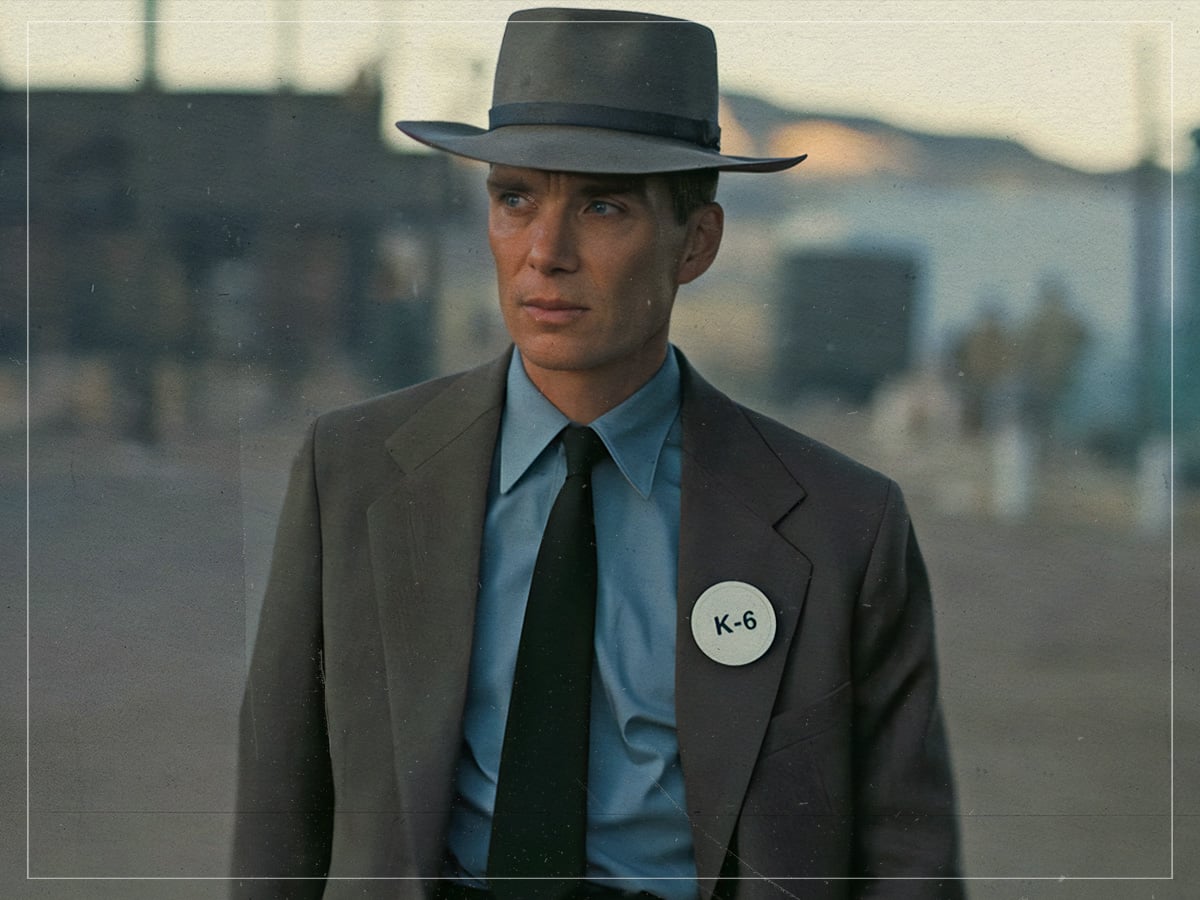
Cillian Murphy was tasked with carrying the weight of one of the most ambitious films of all time on his shoulders, which was an appropriate expectation given that he was cast as a man who literally reshaped the world. When considering that Oppenheimer required extensive historical recreations, massive sets, and stunning visuals, it’s remarkable that Murphy was able to show such quiet power with a subtle and internalised performance.
That J Robert Oppenheimer comes off as nearly divorced from his own creation makes for a thought-provoking twist as Christopher Nolan merges multiple timelines to show the way he was valorised, exploited, and perhaps betrayed by his nation. Murphy doesn’t depict Oppenheimer as being so narrow-minded in his convictions that he is ignorant of the chain reactions he causes, but he does unpack the unparalleled complications of a man who tried to save the world, only to potentially doom it. Oppenheimer is a masterpiece that instantly announced itself as a classic, but Murphy’s soulful performance has made it even more fascinating, fit for rewatches.
Sean Penn, ‘Mystic River’ (2003)
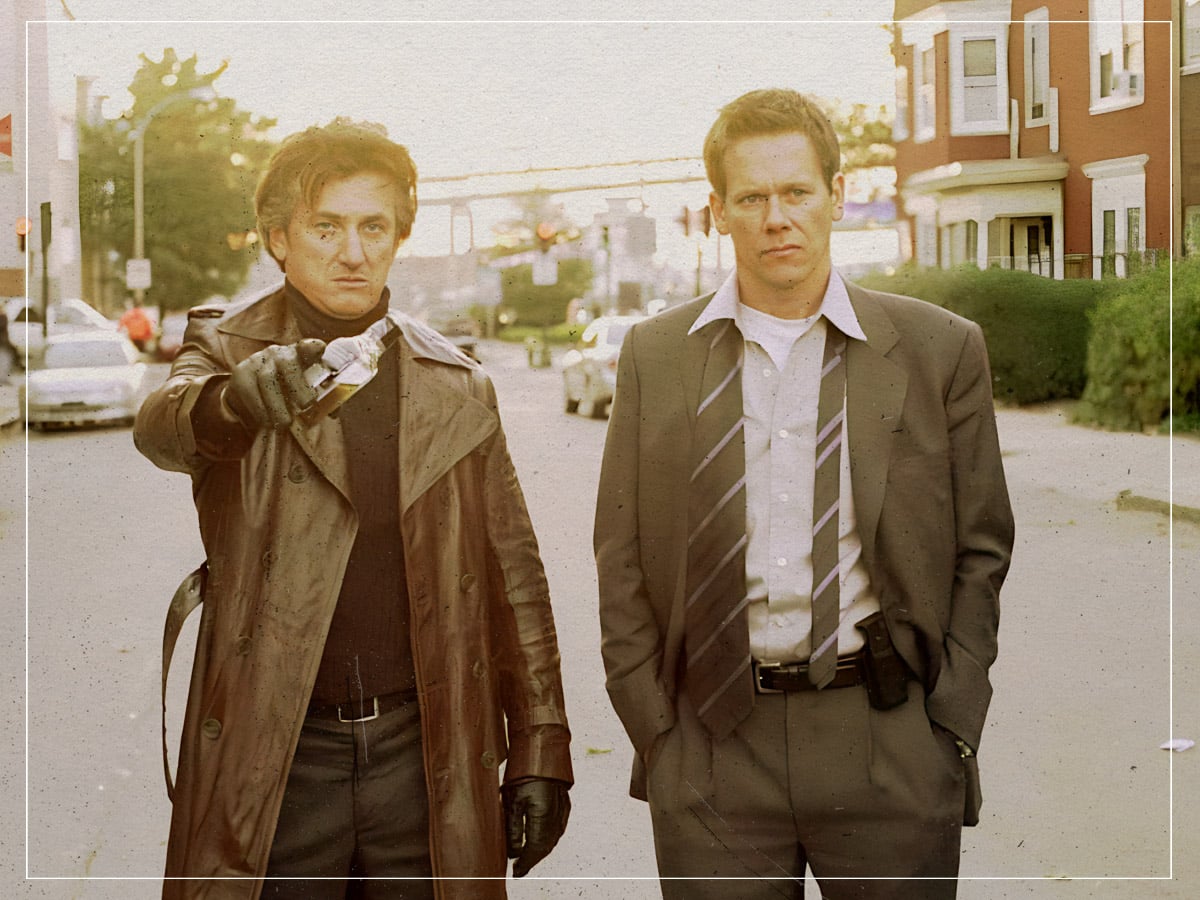
The dangerous, frightening intensity that Sean Penn had become renowned for was masterfully channelled by Clint Eastwood in a crime thriller that cut to the heart of human nature. The subtle, patient style of the director required an actor who could establish the immediacy of tragedy when his daughter, played by Emmy Rossum, is killed, and the anguish that Penn brought made the character’s dark turn even more effective.
Mystic River is a tragedy that isn’t as angry as it is solemnly observational, as it points to the selfish, yet true emotions that cause lapses in judgment. Whether Penn is playing a tragic hero or a sympathetic villain is a debate that can still be had over two decades later, but to be able to toggle between such extremes made it a very deserving first win within his string of Oscar victories.
Adrien Brody, ‘The Brutalist’ (2024)
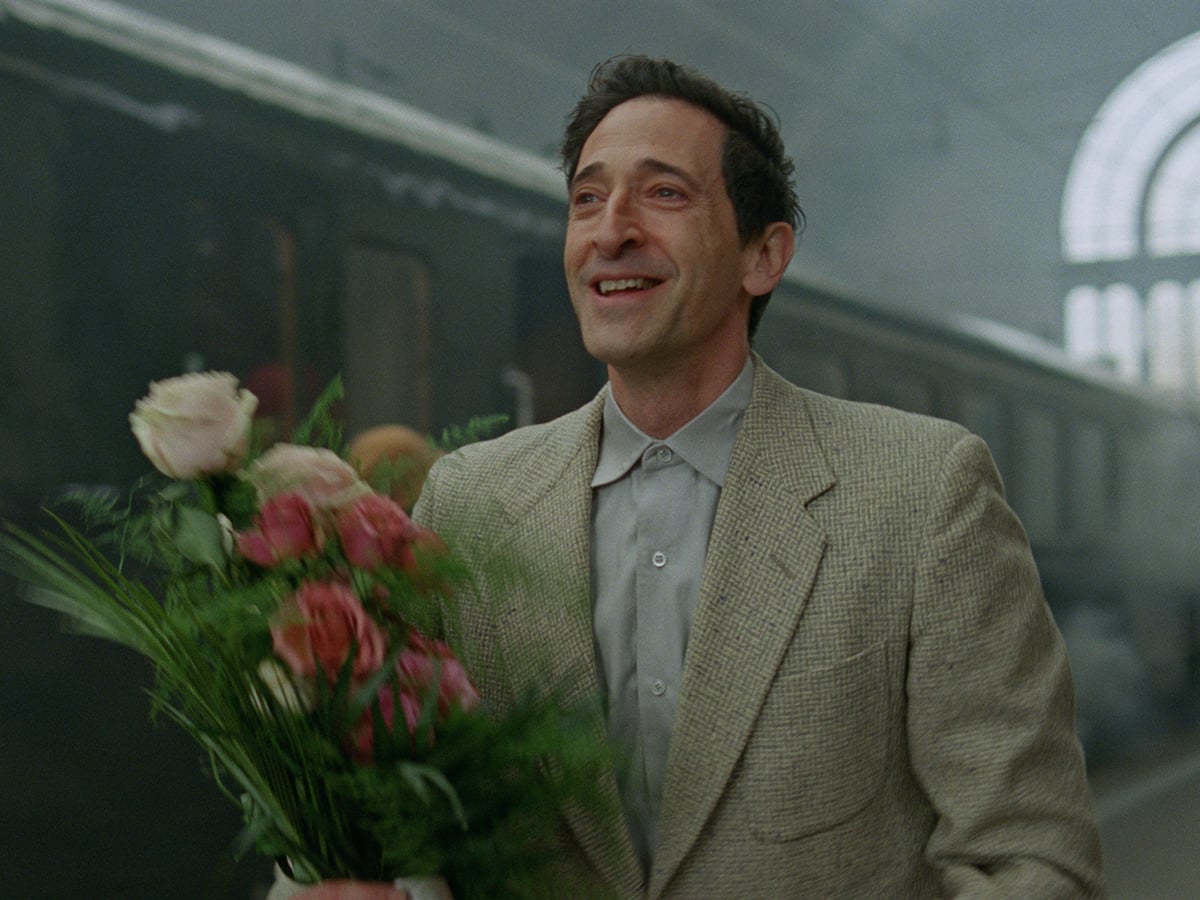
The Brutalist was a truly miraculous film that was produced independently by director Brady Corbet and his wife Mona Fastvold, and had the ambitions of being a future classic, with its bold score and massive scope as it confronted the reality of Jewish identity and the ‘American Dream’. This haunting story of an artist trapped in another institution of fascism saw Brody deliver an awe-inspiring depiction of a brilliant, traumatised man forced to question both his ethics and identity as he becomes butchered by the mundanity of capitalism.
As unflinching and occasionally mean-spirited as the film is, the actor identified such raw emotion within his performance as Lazlo that The Brutalist is an overwhelming experience. Although it has become easy to make fun of Brody for his excessively long acceptance speech, it’s a small price to pay for a titanic performance that will be remembered as part of the young decade’s few masterpieces.
Anthony Hopkins, ‘The Father’ (2020)
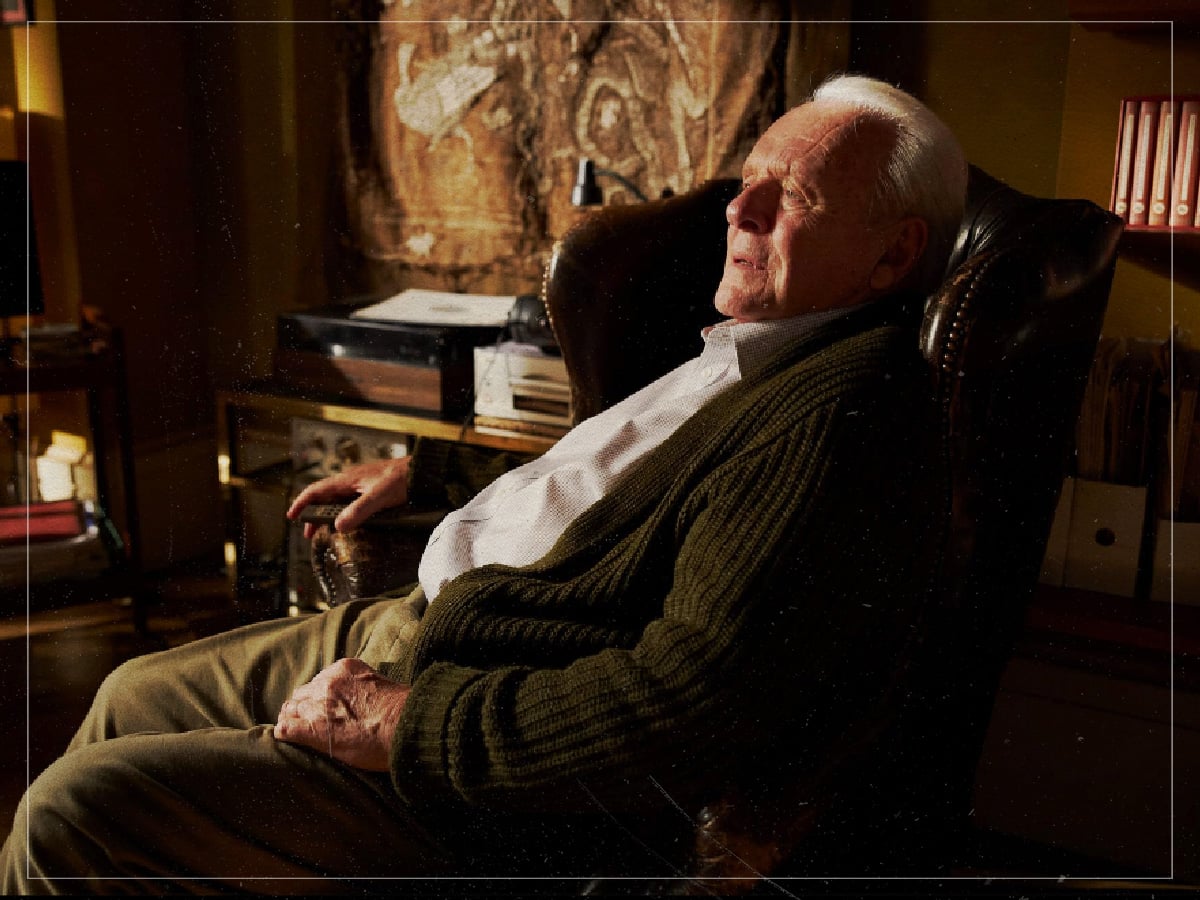
Anthony Hopkins became one of the biggest upset winners of all time when he took home the ‘Best Actor’ award for The Father, beating the presumed frontrunner in the late Chadwick Boseman for his role in Ma Rainey’s Black Bottom. It was clearly a shock to the Oscar producers, who had made ‘Best Actor’ the last award given that night in hopes of an emotional speech from Boseman’s family, and Hopkins wasn’t present at the ceremony due to health reasons related to Covid-19 and travel.
His win was only a surprise to those who hadn’t seen The Father; however, as in this immersive film about a man dealing with dementia, Hopkins deftly plays a mentally deteriorating man who struggles to settle his affairs as he becomes separated from his family. Anyone who has ever dealt with an ageing loved one would be moved to see the transformative, shockingly truthful performance Hopkins turned in, which made him the oldest winner in the category’s history, and quite well deserving.
Casey Affleck, ‘Manchester by the Sea’ (2016)
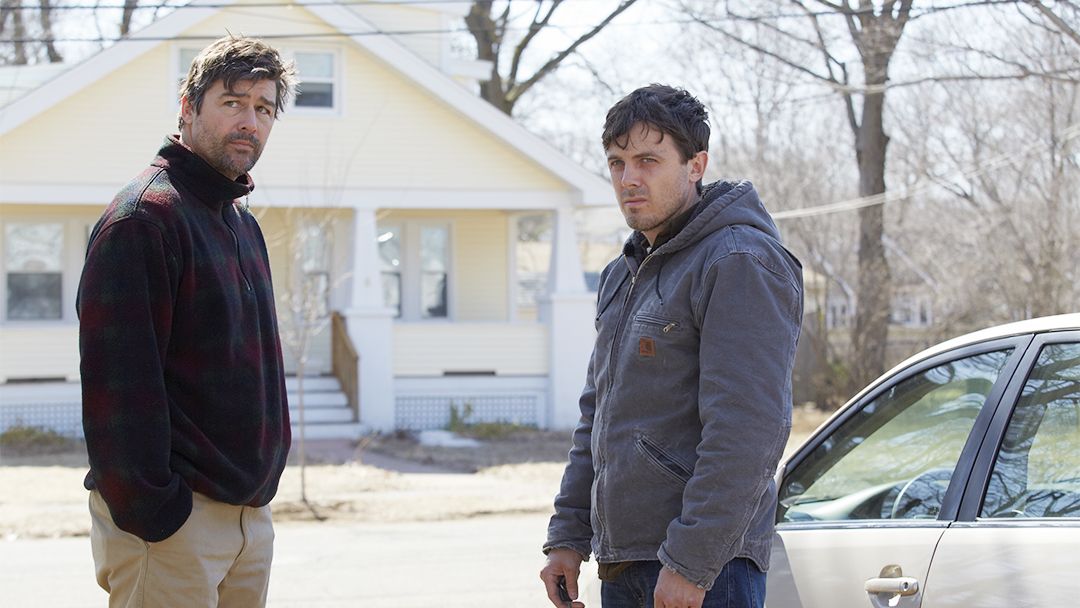
Casey Affleck earned his role in Manchester by the Sea after it was handed to him by his brother’s childhood friend Matt Damon, who had encouraged the playwright Kenneth Lonergan to direct his own script. As much as this speaks to Damon’s humility, Affleck was able to characterise solemn grief in a way that it’s hard to see anyone else mastering.
The film is a bleak and brittle story about a man who has had his heart turned to ice and is no longer able to even accept the responsibility of being loved, and Affleck is so restrained and contemplative that he identifies universal qualities in the way that men grieve, while also depicting the trauma of what survivor’s guilt can look like. Given that Lonergan got his start writing plays, it makes sense that he hired an actor like Affleck, who could deliver the authenticity that would normally have been reserved for stage productions.
Daniel Day-Lewis, ‘Lincoln’ (2012)
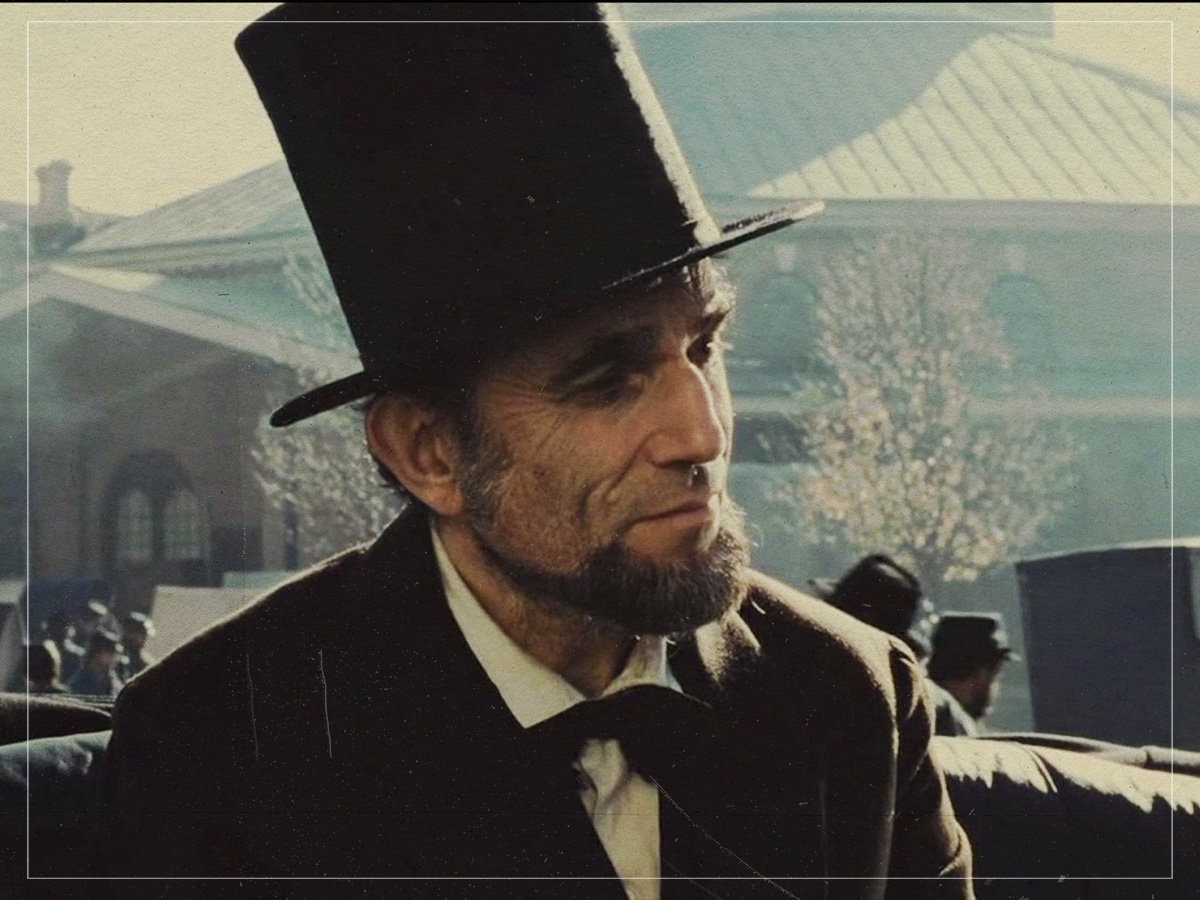
Daniel Day-Lewis had considered retiring multiple times because of how intensive his acting process is, but the opportunity to play the greatest president of the United States in history was too good to pass up. Steven Spielberg had developed the project for over a decade, once considering Liam Neeson for the titular role, and the research he put into historical accuracy ensured that Day-Lewis would be comfortable on set.
What he does isn’t just impersonation, because it is if he drew directly from history to identify a critical moment within the fight for liberty, wherein Spielberg’s film is tightly focused on the window at the end of the Civil War, in which Abraham Lincoln urged the Senate to ratify the 13th Amendment to ban slavery. It’s within declarative speeches, quiet moments of contemplation, and intimate moments of resolute purpose that Lincoln is immortalised by the greatest actor of his time.
Daniel Day-Lewis, ‘There Will Be Blood’ (2007)

Paul Thomas Anderson may have won three Academy Awards for One Battle After Another, but his defining masterpiece is still There Will Be Blood, a timeless tragedy about the consequences of greed. Daniel Plainview isn’t just the defining anti-hero of contemporary cinema, but a character so riddled with complexities that it would take innumerable viewings to pick up on all the subtle choices that Day-Lewis is making.
What There Will Be Blood takes an inherently corrupted character and drives him to his most extreme point, as the promises of wealth, the resistance to religion, and his own prejudices cause him to lose all sense of realism. It’s one of the most memorable character portrayals ever, brought to life by Day-Lewis with a performance that is terrifying, perplexing, and even occasionally hilarious, albeit in a very dark way. He just may be the greatest actor to ever live, and There Will Be Blood is easily his best work.
