


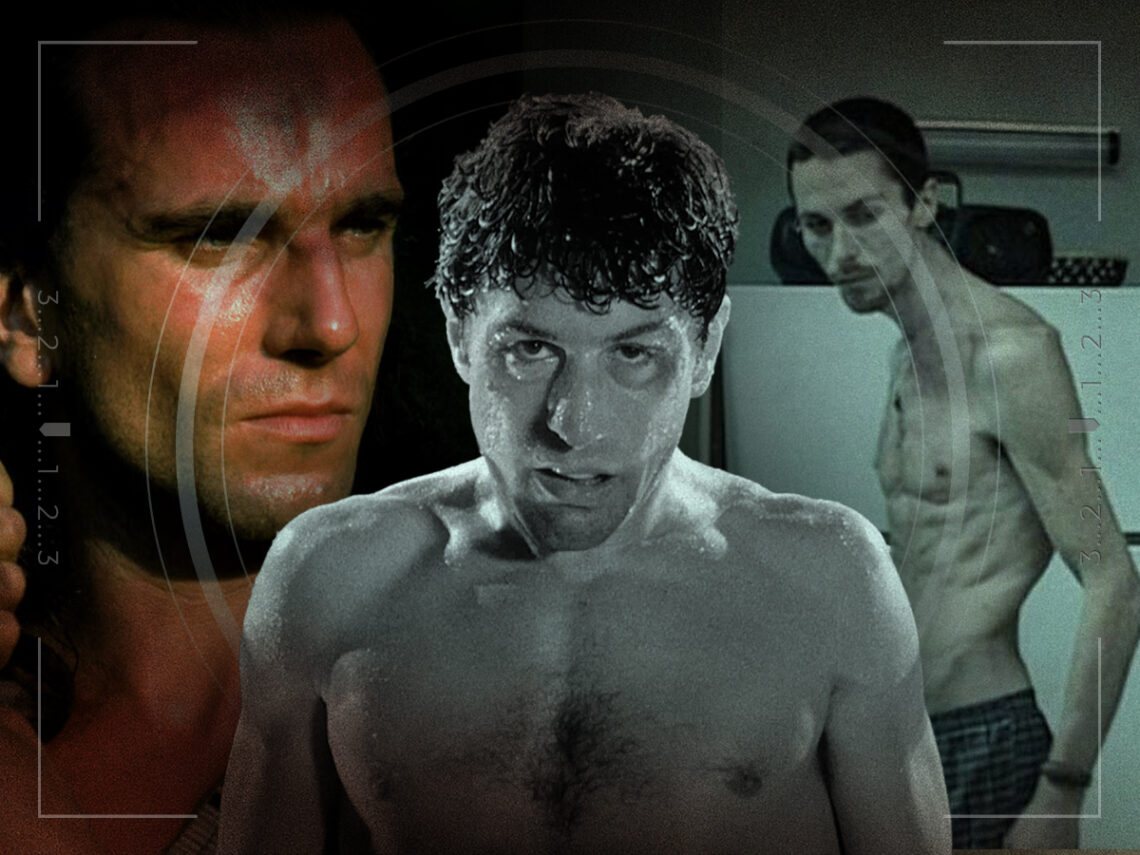
What is the most extreme method acting in cinema history?

The age-old art of method acting has been the fuel for some of cinema’s most celebrated performances, as well as the source of ire and bewilderment among many an exasperated film crew.
It’s hard to watch 2017’s Jim & Andy: The Great Beyond, the Netflix documentary exploring Jim Carrey’s perennial ‘in character’ approach to 1999’s Andy Kaufman biopic Man on the Moon, without feeling much sympathy for a fatigued film set and patience-tested supporting cast having to endure potentially schedule-delaying japery in Carrey’s efforts to capture the subversive comedian’s provocative spirit. Crossing major boundaries, Jared Leto reportedly sent gifts from a live rat to used condoms in his method shenanigans for Suicide Squad’s Joker, the latter tantamount to sexual harassment at best in any other profession.
Still, method acting has a long and storied history of coaxing unforgettable performances. Built on Russian theatre practitioner Konstantin Stanislavski’s system of artistic self-dissection, such personal groundwork would form the basis of New York’s Actors’ Studio and Stella Adler’s Studio of Acting, the pioneering drama schools that pushed research and social observations in preparation for any given role, producing the likes of Marlon Brando and Robert De Niro to later lauded stature.
While the method boasts its own differing schools of thought and practices, it’s the lengths actors go to to immerse themselves in the character that typically garners public fascination and attention. From David Suchet’s constant Belgian accent throughout ITV’s Agatha Christie’s Poirot production, to Daniel Day-Lewis spending months as a survivalist in the Alabama wilderness for his turn as frontier ranger Hawkeye in 1992’s The Last of the Mohicans, for many performers, such exercises are essential to understanding the roles they’re inhabiting.
Dedicated practice can often manifest in impressive physical transformation. Famously, Martin Scorsese’s 1980 biopic Raging Bull suspended shooting for nearly four months to allow De Niro to pile on 60 pounds to depict the middleweight boxer Jake LaMotta’s late-life descent into ill health. For her role in 2003’s Monster drama, Charlize Theron committed to a diet of fast food to add 30 pounds to better embody the American serial killer Aileen Wuornos.
Measures were taken to their most extreme for the 2004 psychological thriller The Machinist. Starring Christian Bale as the emaciated insomniac Trevor Reznik, Bale reportedly spent four months consuming nothing but water, an apple, some tuna, and one cup of coffee a day, with an occasional whiskey, amounting to less than a gobsmacking 200 calories. Losing 62 pounds to reach a weight of 120, the production team had to intervene and stop Bale’s weight loss efforts for fear of his health, initially trying to reach a dangerous 99 pounds.
Remarkably, Bale managed to build up enough muscle mass needed for Batman Begins’ screen test straight after, in just six weeks, allegedly throwing himself into a whirlwind of weightlifting, pizza, and plenty of ice cream. Bale would put his body through the wars again for 2018’s Vice, adding 40 pounds to realise the heavy-set physique of former Vice President Dick Cheney.
