


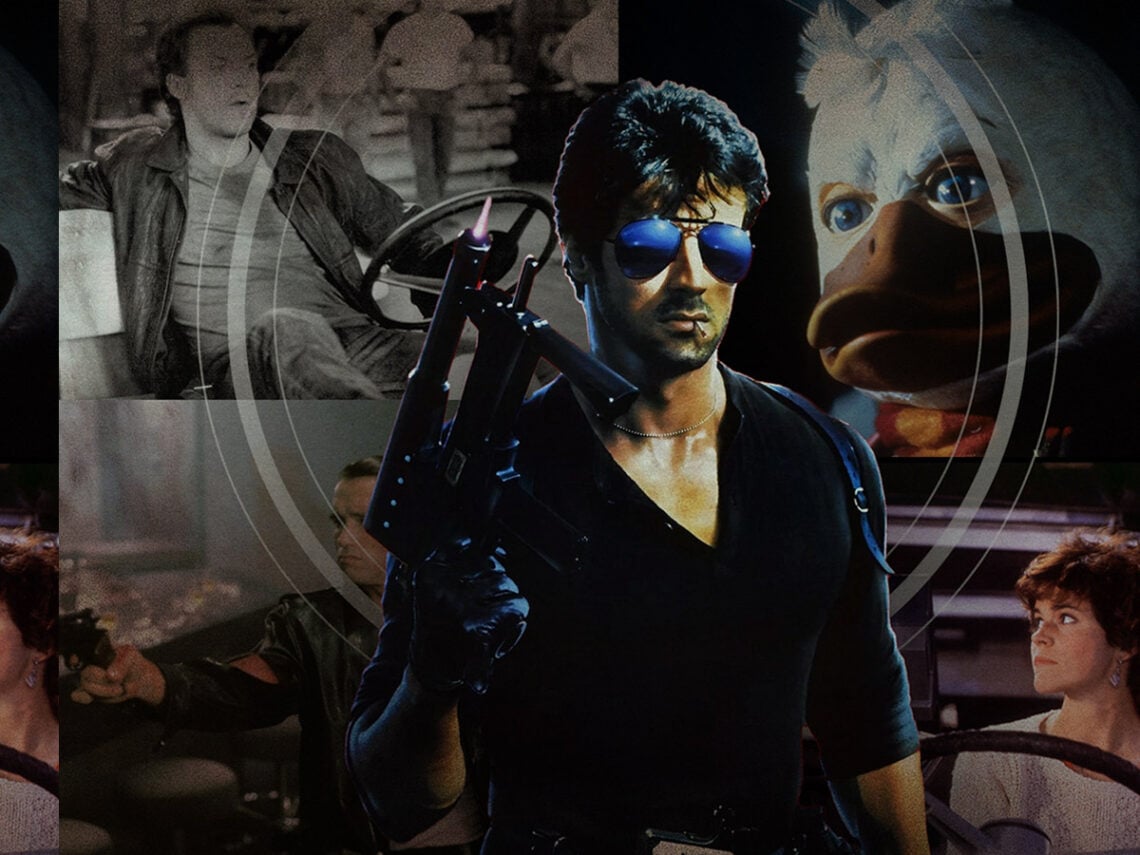
10 movie lines from 1986 that should be deleted from history

1986 was an iconic year for film, but not necessarily a great one.
Assessing the legacy of a year in film can always be a challenge, because it is hard to find a median quality when the releases vary so wildly in terms of success. 1986 was certainly not a year that was lacking in future classics; Oliver Stone’s Platoon was a Vietnam War masterpiece that won the Academy Award for ‘Best Picture’, David Lynch solidified his place among the great contemporary surrealsits with Blue Velvet, Aliens was the rare sequel that was better than the original, Hannah and Her Sisters marked a maturity for Woody Allen, and Martin Scorsese made his first ever sequel with The Color of Money.
Even the more ‘commercial’ films in 1986 had strong cultural legacies, like Ferris Bueller’s Day Off, which became one of the decade’s most iconic coming-of-age stories, Top Gun was a massively successful blockbuster, and Star Trek IV: The Voyage Home was arguably the most unique entry in its franchise.
Judging older films by contemporary standards can be tricky, as they can’t be expected to hold up in regards to the technical standards that are asked of today’s releases. However, the one thing that is always fair game when it comes to criticism is the script. There’s a reason behind the old Hollywood phrase, “If it’s not on the script, it’s not on the screen”.
In some cases, lines of dialogue should have been left out of both, because they’ve managed to hold up fairly poorly 40 years later.
10 movie lines from 1986 that shouldn’t exist:
‘Howard the Duck’ (William Huyck, 1986)
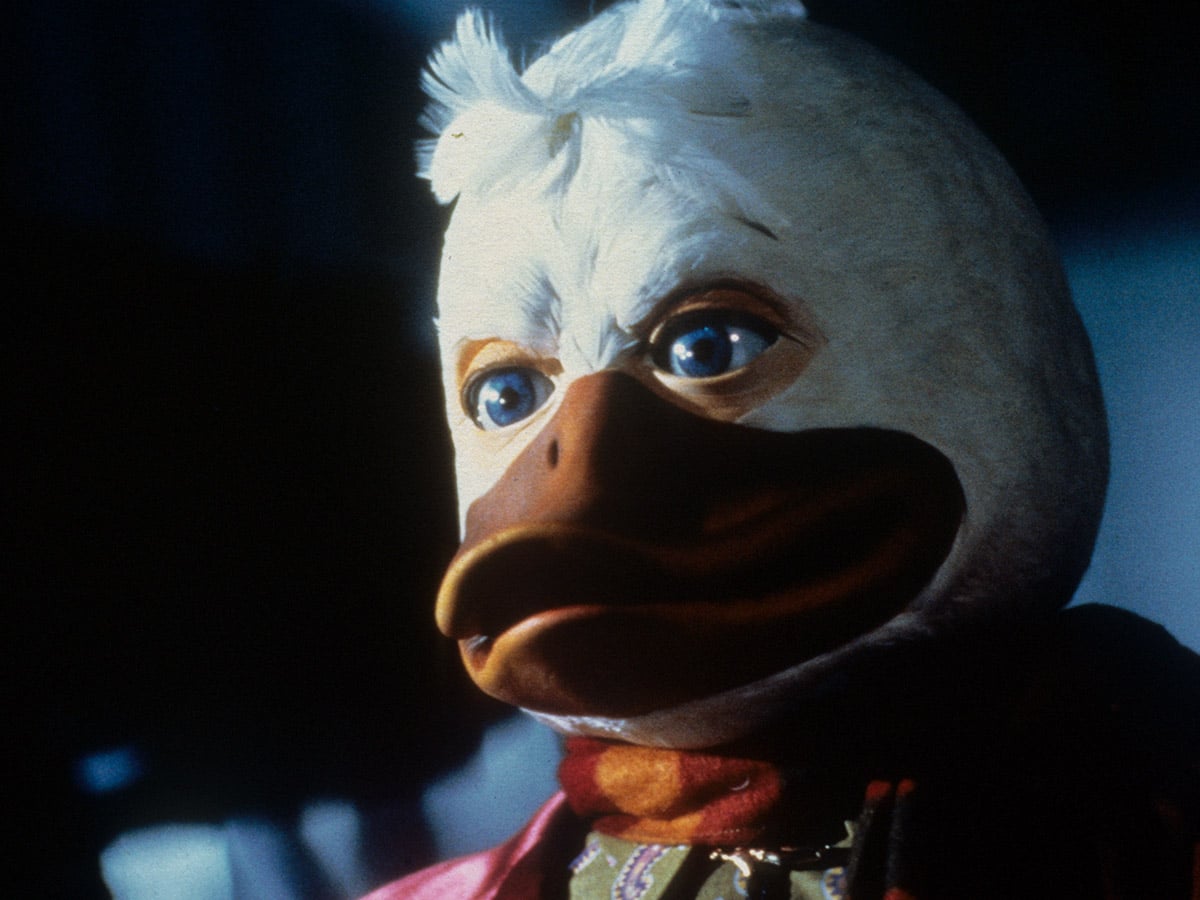
“That’s it, no more Mr Nice Duck!”
Marvel couldn’t have picked a worse comic series to make their first cinematic adaptation, because Howard the Duck was such a disaster that it took the distributor over a decade to recover. Although in hindsight it seems a bit odd to make a Howard the Duck film before The Incredible Hulk or Spider-Man, it was at the time one of the best-selling comics because of its sharp, satirical style.
Any of that inherent cleverness was entirely absent in the film, which seemed to have no respect for the character’s noir roots and instead drew on current popular culture references. Quotes like “No more Mr Nice Duck” epitomised what went wrong with the film’s approach to the character. While the comics were using a goofy hero to lampoon how self-serious the medium had become, the Howard the Duck film tried to turn its titular character into a genuinely awesome action star.
‘Nomads’ (John McTiernan, 1986)
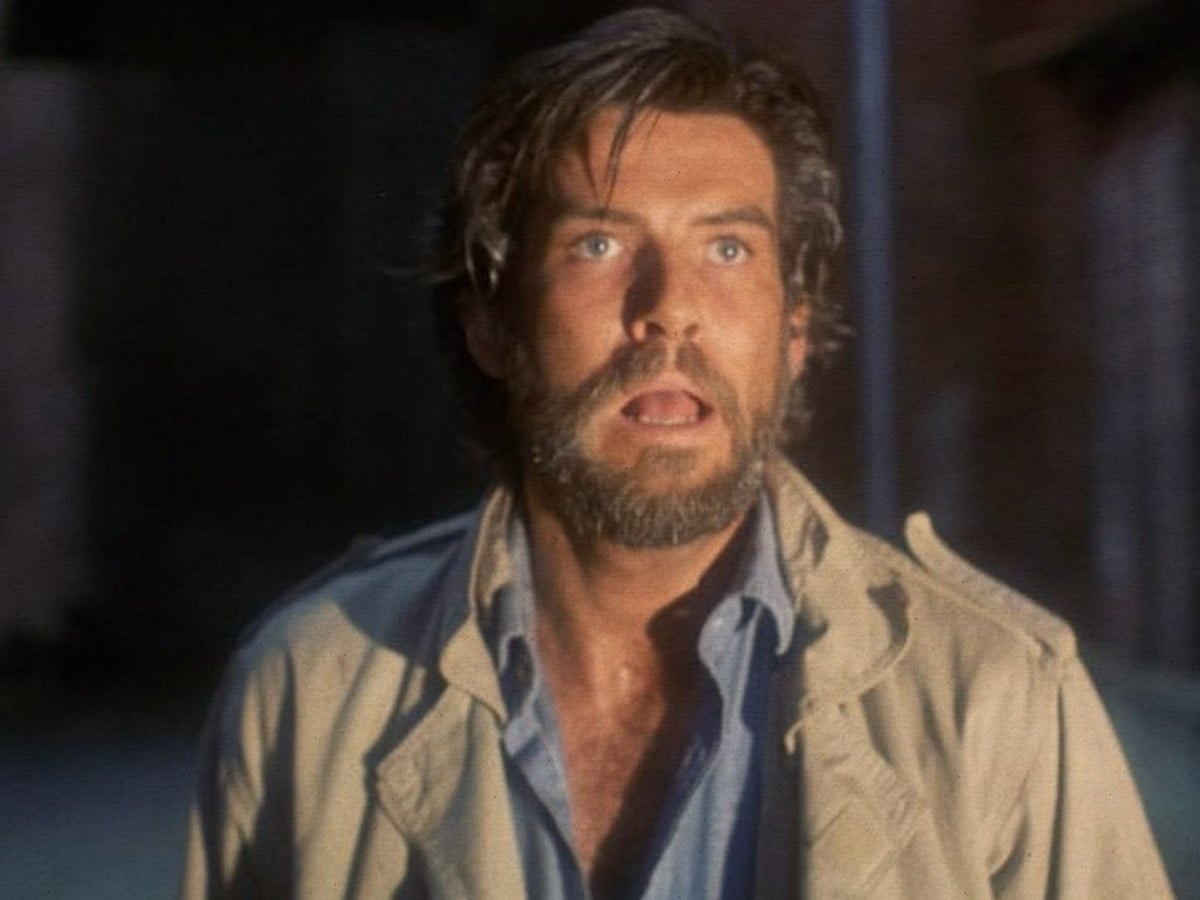
“How one might no longer know what was…real”
Pierce Brosnan was a popular television star thanks to Remington Steele in 1986, and the show had been so popular that it actually barred him from getting to play James Bond, leading EON producers to do two films with Timothy Dalton as 007. Brosnan instead got to be in the debut film of John McTiernan, the legendary director who would go on to make Predator, Die Hard, The Hunt for Red October, and Last Action Hero.
Nomads is an incomprehensible film that falls short of profundity, but doesn’t work as a guilty pleasure B-movie either. Brosnan plays a French anthropologist who wakes up in a Los Angeles city hospital, only to start issuing warnings about a supernatural threat. If Brosnan’s accent wasn’t bad enough, the script constantly asked him to deliver pretentious lines about the nature of reality that hold no weight because of how silly the rest of the story is.
‘Cobra’ (George P Cosmatos, 1986)
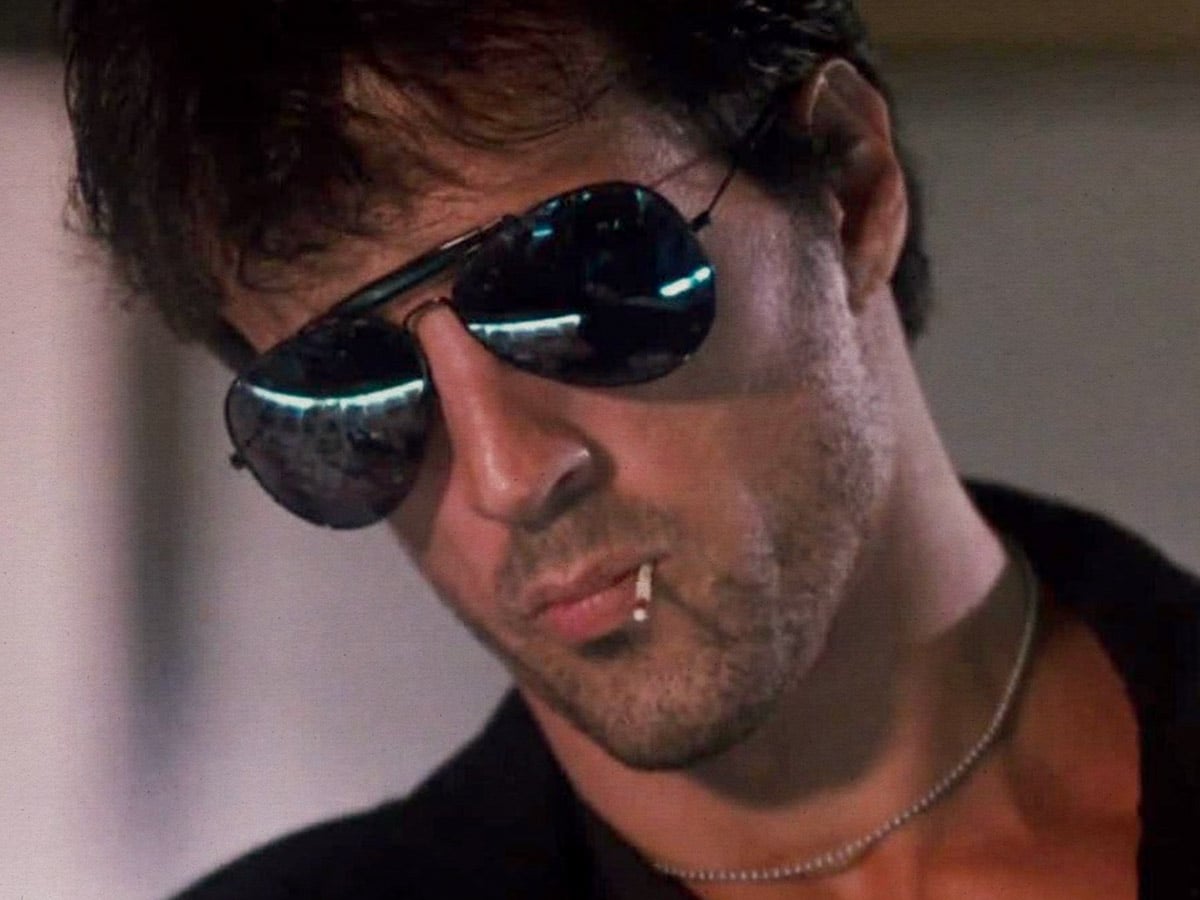
“Crime is a disease, meet the cure”
Sylvester Stallone didn’t technically direct Cobra, but he probably did; between starring, producing, writing, and composing the score for the 1986 cop film, he had almost complete creative control, making the role of director George Cosmatos mostly insignificant. Stallone’s talents as an actor can be debated, but his strengths as a writer are much less easy to defend. He’s not someone who can write convincing dialogue, and doesn’t seem to understand how cheesy his lines come across.
“Crime is a disease, meet the cure” isn’t just a line from the film, but one that was used as a tagline and as part of the marketing campaign. Although Stallone was clearly proud of it, his idealised version of a weaponised member of law enforcement who faces no repercussions for committing graphic violence hasn’t exactly held up very well in 2026.
‘Crocodile Dundee’ (Peter Faiman, 1986)
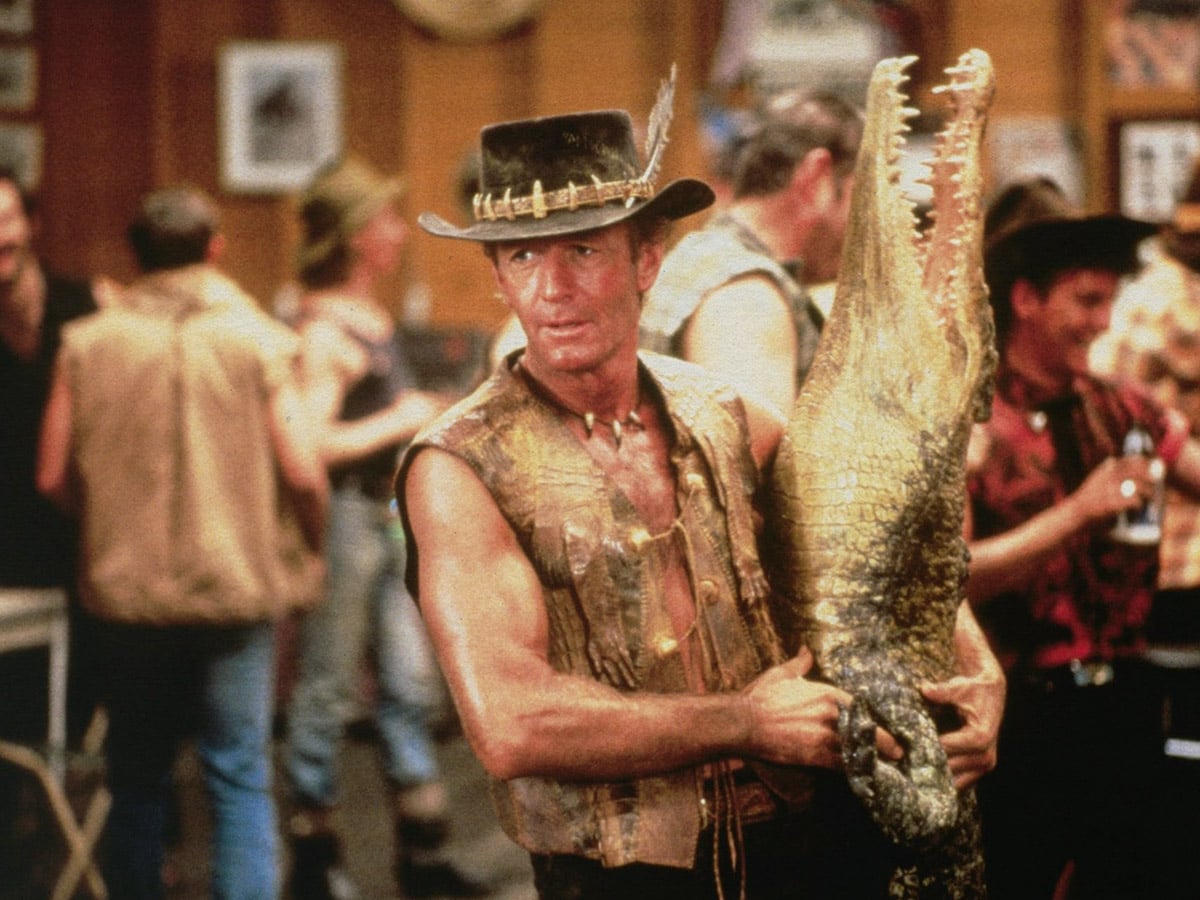
“One for your mate! Ya mad bugger!”
Australia, for better or worse, had its global reputation changed forever thanks to the success of Crocodile Dundee, a 1986 fish-out-of-water comedy that was written and starring Paul Hogan, who received an Academy Award nomination for ‘Best Original Screenplay’. Nearly every cliché and stereotype about Australian people that exists today has its origins in Crocodile Dundee, which presented a version of the Outback that Americans seemed to be completely enamoured with.
The issue with the film being a cultural touchstone for all of Australia is that it has some problematic moments, particularly one in which Hogan’s character is made fun of in an American bar after making contact with a trans sex worker. It’s one of the more blatant moments of transphobia within any ‘80s comedy, and unfortunately, the offensive humour was heightened even further when Hogan returned to reprise his duties in Crocodile Dundee II.
‘Short Circuit’ (John Badham, 1986)
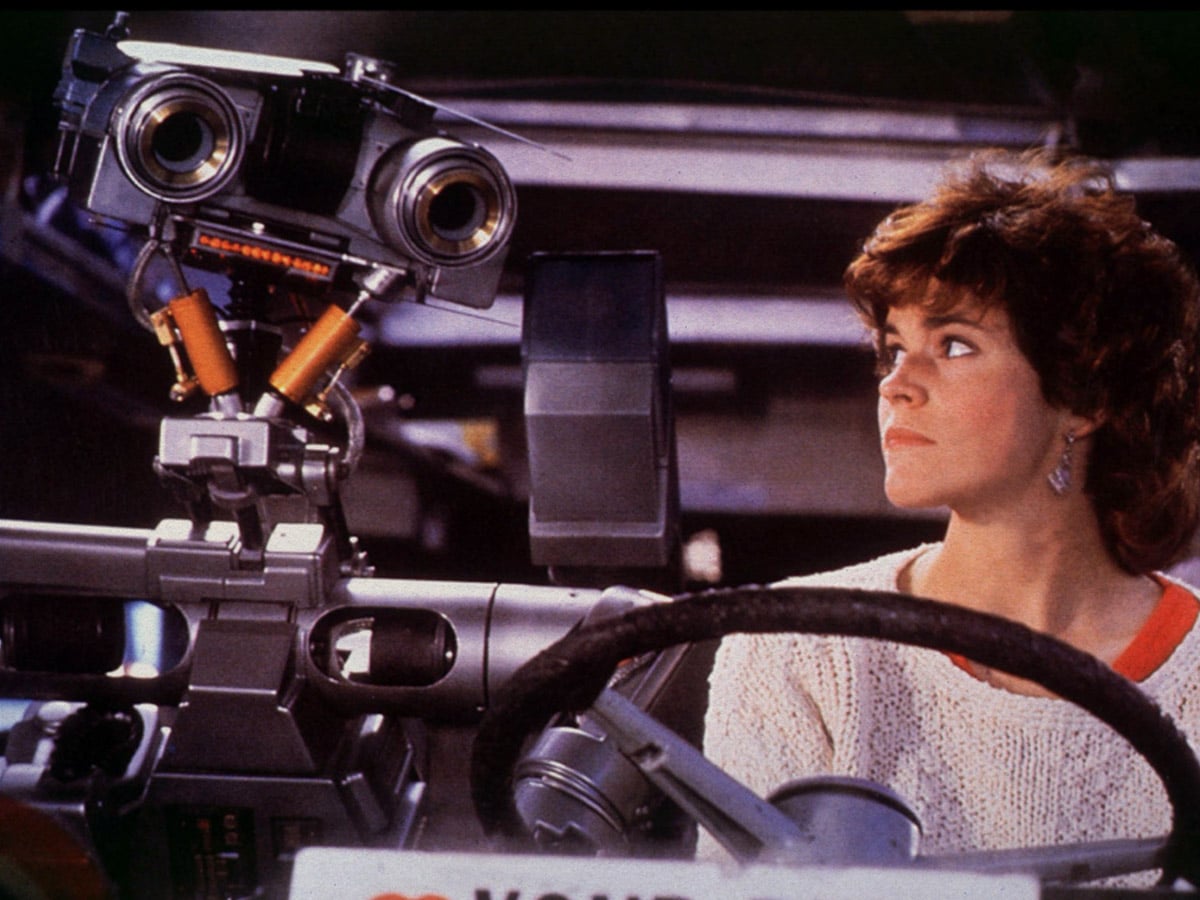
“Number five is alive“
The 1980s were all about chasing trends for studios, and no film inspired as many terrible knock-offs as ET the Extra-Terrestrial. Steven Spielberg had tapped into an elemental concept of childhood innocence with his poignant relationship between a kid and his alien best friend, and other filmmakers had the audacity to assume that they could do the same thing by slightly twisting the premise.
One of the most notable ET rip-offs was Short Circuit, a mostly boring film with an entirely obnoxious robotic protagonist that felt like a poor version of R2-D2 from Star Wars. The phrase “Number five is alive” was an inescapable line that was used constantly in the film and its marketing campaign, and even extended into its sequel. It’s one of the rare ‘80s hits that seems to have left no cultural impact.
‘Heartbreak Ridge’ (Clint Eastwood, 1986)
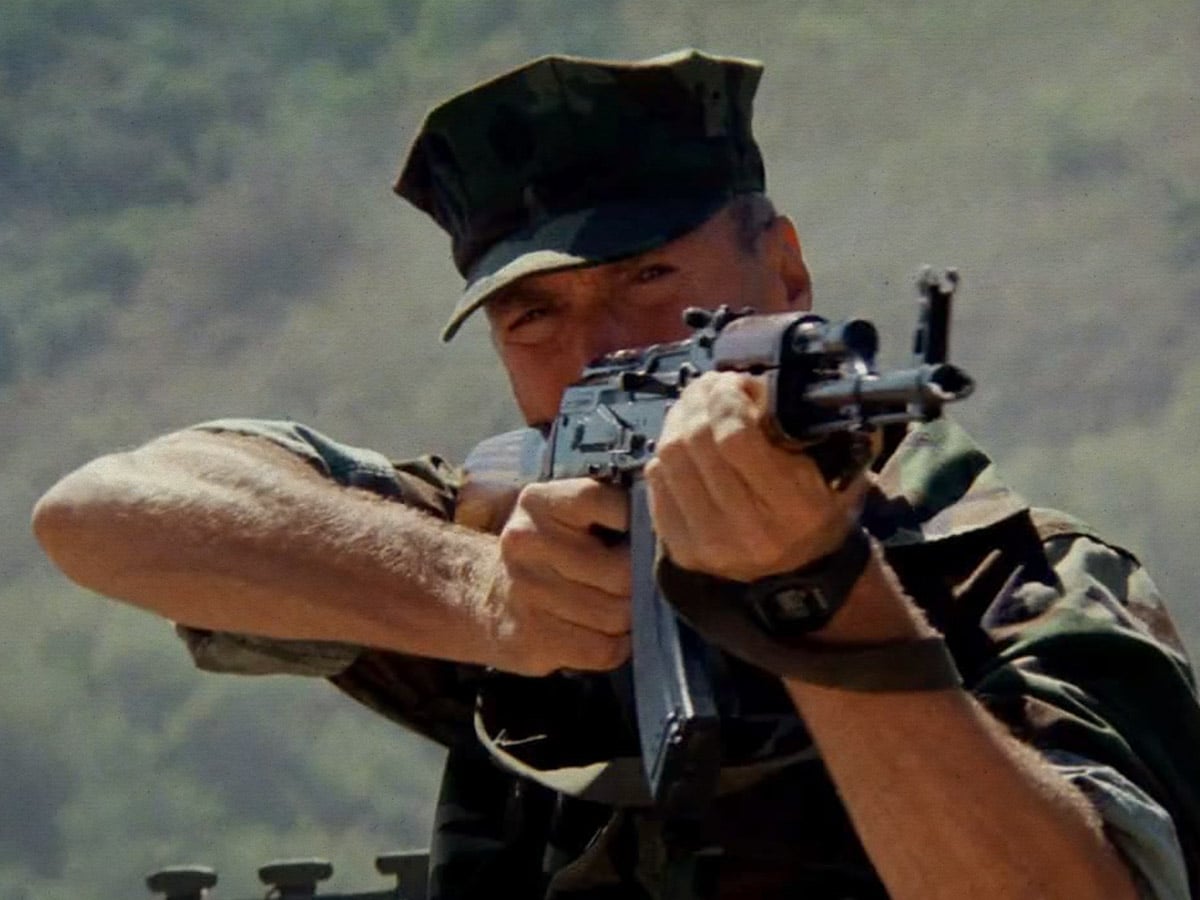
“That is until some suckhead writes home mama and says he dipped his wick in the Republic of South Vietnam”
Clint Eastwood is one of the greatest directors of all-time, but that doesn’t mean that he has a completely perfect track record. One of the more unusual misfires in his career is Heartbreak Ridge, a war drama in which he plays a Vietnam War veteran tasked with whipping a battalion of slackers and underachievers into shape.
It should seemingly be the perfect premise, but the supporting characters are all unusually obnoxious, and Eastwood’s protagonist can only connect with them using crude terminology as he barks orders. As a result, there are a lot of long speeches in which Eastwood screams about the perils of fighting overseas and having sexual relationships with foreign women. It’s not just bad comedy writing, but screenwriting that seems to fundamentally understand that the actor is best when cast as someone who holds moral and intellectual superiority over his peers.
‘Raw Deal’ (John Irvin, 1986)
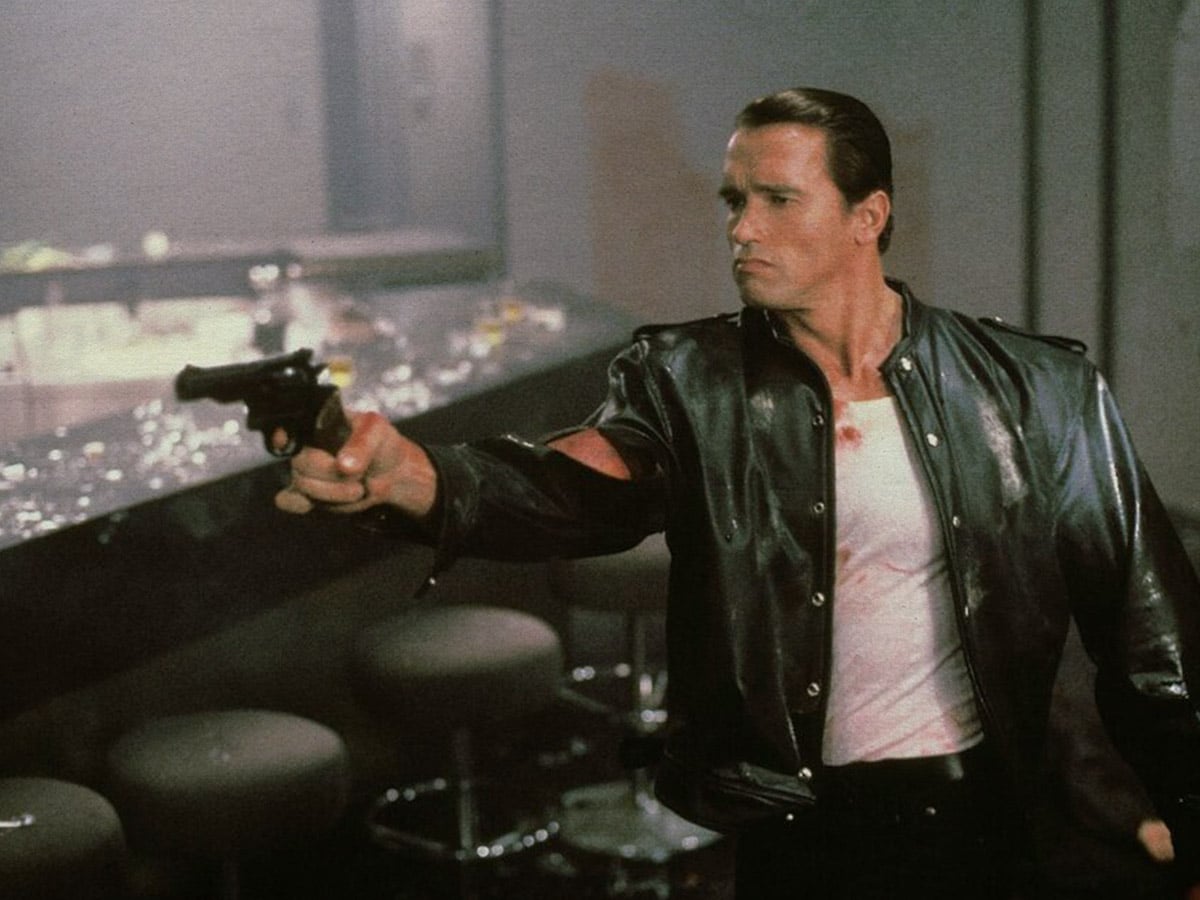
“You gave me a raw deal”
Arnold Schwarzenegger had a better ’80s than nearly any other actor, which is why Raw Deal is such an unusual misfire. It’s not a ‘bad’ movie, per se, and it’s certainly better than disasters like Junior and Batman & Robin he would make in the next decade. It’s just pretty bland and felt a bit too grounded, especially when compared to high-concept blockbusters like The Terminator and True Lies.
The worst thing that can be said about Raw Deal is that it doesn’t have any iconic Schwarzenegger one-liners in the vein of “Get to the chopper!” from Predator, “Let off some steam” from Commando, or “Consider that a divorce!” from Total Recall. When all the film can do is reference its own title as Schwarzenegger’s big one-liner, it’s a sign that the script needed some serious work in order to accommodate his star.
‘Pretty in Pink’ (Howard Deutch, 1986)
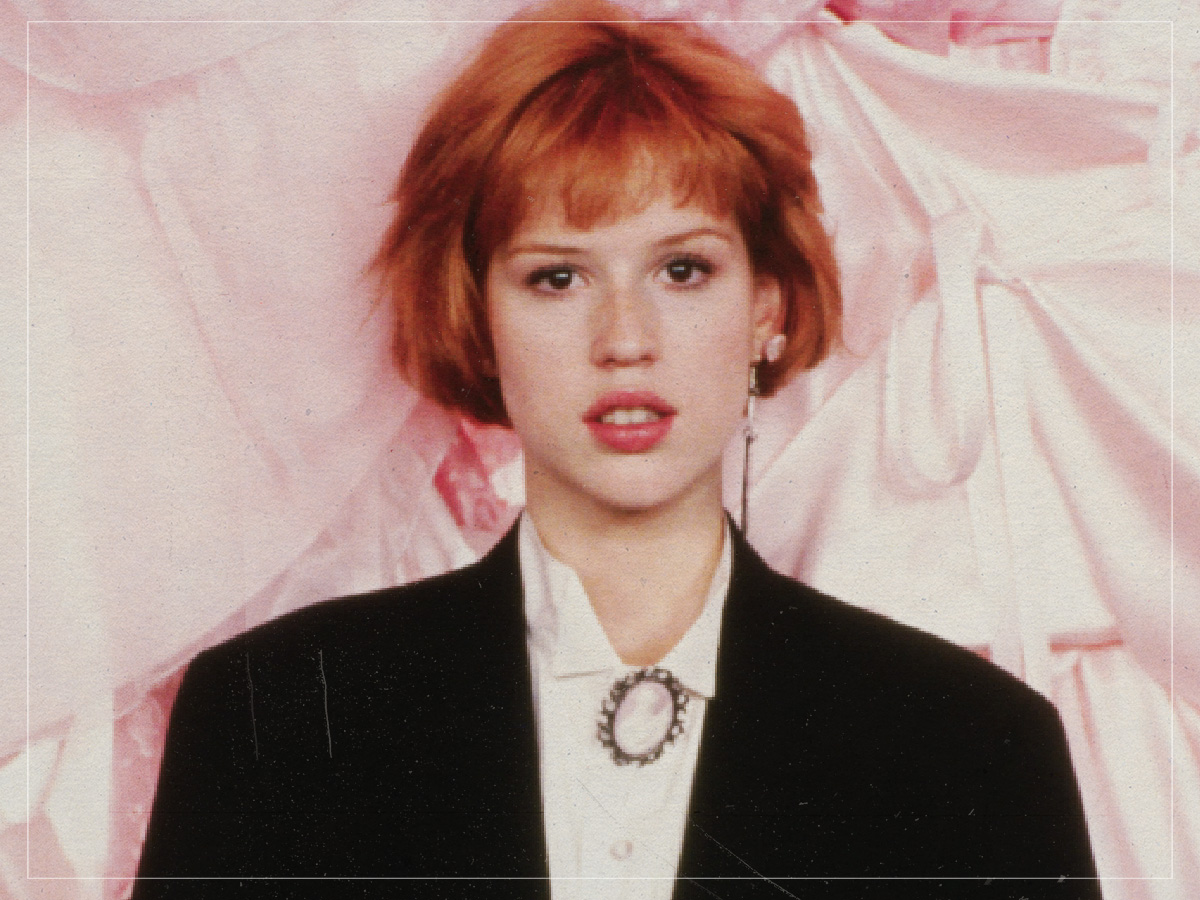
“How you doing?”
John Hughes was pretty good at selecting a young group of actors to regularly work with, which birthed the term ‘Brat Pack’. However, there wasn’t a member of the Brat Pack more obnoxious than Andrew McCarthy. Compared to the bad boy energy of Judd Nelson, the goofy charm of Anthony Michael Hall, or the sharp humour of Matthew Broderick, McCarthy was a bland leading man who seemed to suck the energy out of most films he appeared in, with Pretty in Pink being the most significant example of one that he completely torpedoed.
Even when acknowledging that the script doesn’t entirely flesh out its examination of class, Pretty in Pink falls apart by giving the actor the continued opportunity to say, “How you doing?” As hard as Hughes tried to make it work, it didn’t succeed in making McCarthy seem any cooler.
‘8 Million Ways To Die’ (Hal Ashby, 1986)
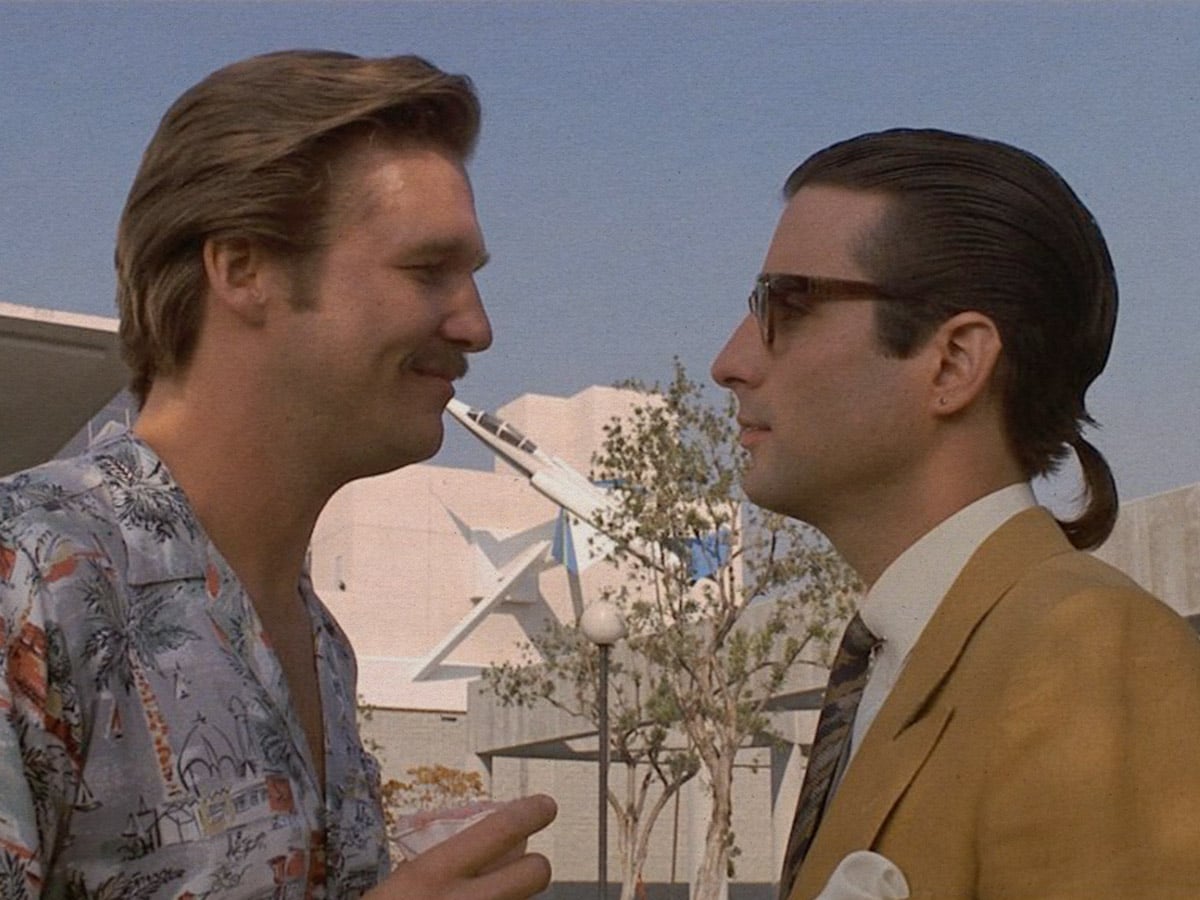
“The streetlight makes my pussy hair glow in the dark. Cotton candy, the glow…“
Hal Ashby had a disastrous time making 8 Million Ways to Die, the adaptation of a Lawrence Block novel, as the studio enforced significant changes and altered his cut, which resulted in Jeff Bridges being infuriated by the alterations, and Ashby retiring shortly thereafter. Although Bridges does a good job of portraying the character of Sheriff Deputy Matt Scudder, even if the film did move locations from New York to Los Angeles for no reason, the supporting characters in the film left a lot to be desired.
Ashby is known for writing male characters with sensitivity better than most ‘70s and ‘80s directors, but his female characters always felt underdeveloped and derived from existing clichés. Alexandra Paul is given more than a few lines as the call girl Sunny, which are simply uncomfortable to listen to, even if it was a satire of the noir genre that the filmmaker had in mind.
‘Gung Ho’ (Ron Howard, 1986)
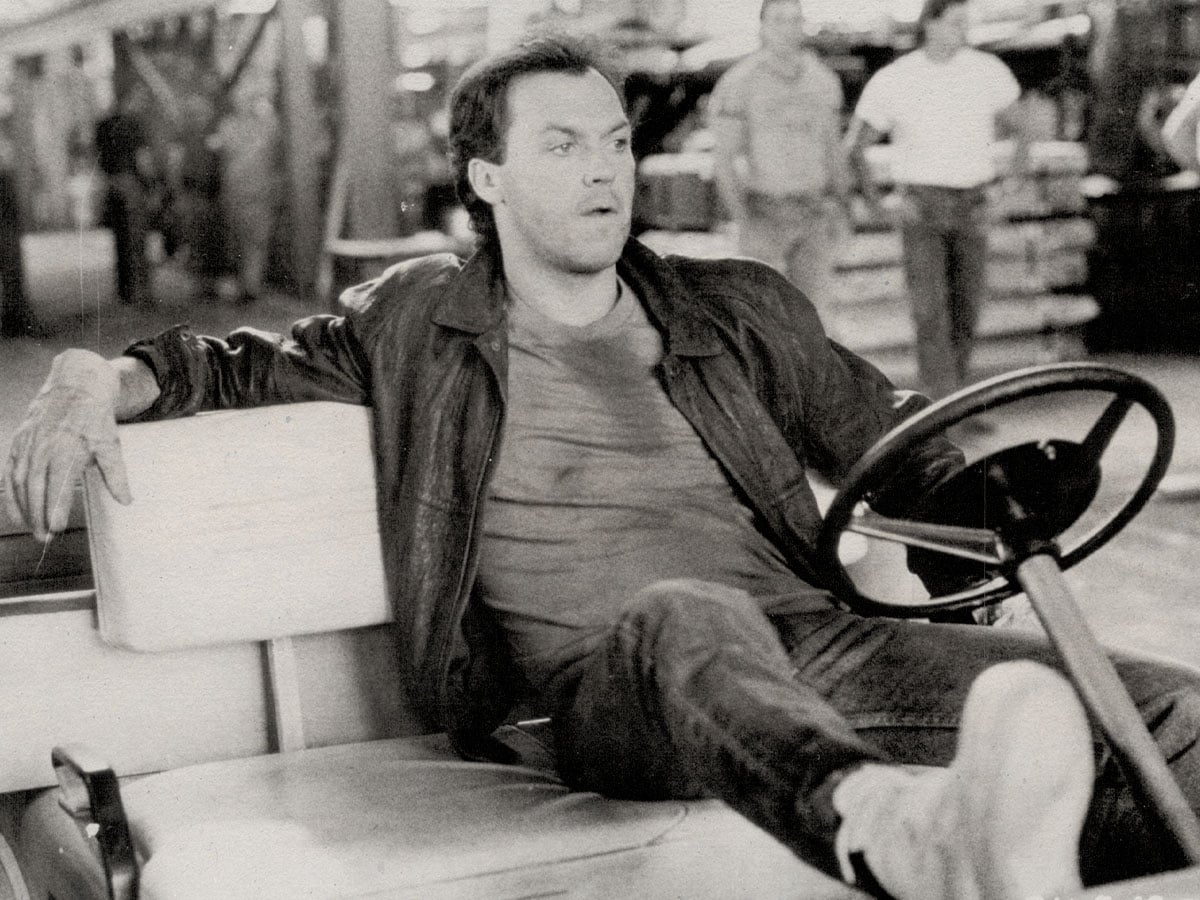
“Hey, did you guys decorate this place yourselves? Because it’s damn nice. It’s real oriental”
Ron Howard is a brilliant filmmaker and someone who is known for being one of the genuinely nicest people in the industry, and it’s easy to see that his heart was in the right place with the comedy Gung Ho. The film stars Michael Keaton as an auto plant manager who realises that his employer is going to be taken over by a Japanese company, and must save his workers’ jobs by showing that employees from both countries can work together in a shared warehouse.
Although there’s a nice message at the centre about cultural borrowing and the rights of workers, there’s a fair amount of racially insensitive humour that wouldn’t fly today. Even if the film is attempting to satirise how Keaton’s character is out of depth in trying to relate to the Japanese workers, some of the one-liners are pretty cringe-inducing.

Never Miss A Tale
The Far Out Clint Eastwood Newsletter
All the latest stories about Clint Eastwood from the independent voice of culture.
Straight to your inbox.