


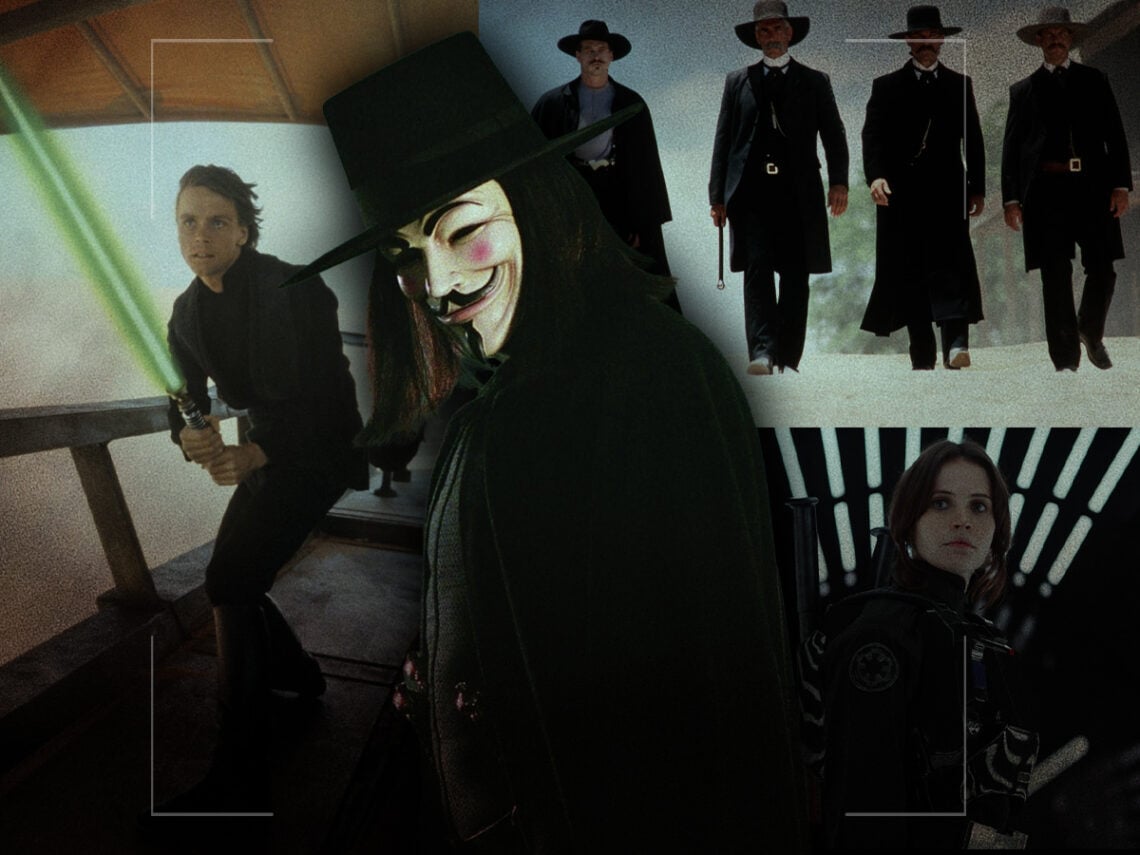
10 movies that were allegedly ghost-directed by somebody else

Credit among directors can be a murky subject.
The auteur theory in filmmaking claims that the director is the single most important person involved with the creation of a film, and that they take ownership of all of its flaws and virtues. In reality, filmmaking is a far more collaborative process that involves the contributions of many people, as the decisions can be made by various members of the crew, cast, and studio.
However, it is very hard for a film to be truly great if it does not have a competent director. When studios are concerned about the way that a film is headed, they might insert someone else to take over and take over creatively, even if they never end up getting the credit for it.
There are some cases in which the facts are revealed to the public; it was widely reported that Dexter Fletcher took over production of the last few weeks of shooting on Bohemian Rhapsody after Bryan Singer was fired, even if the latter still received the credit from the DGA.
Although it has often been alleged that Steven Spielberg took over directing films he is credited as a producer on, such as Tobe Hooper’s Poltergeist and Richard Donner’s The Goonies, it’s a disputed claim. The facts in these cases are often murky, as few people are willing to admit to being part of a con, but that said, the truth has a way of always coming out, and sometimes there’s so much evidence that it’s hard to miss that a ghost director was involved.
10 movies that were allegedly ghost-directed
Alex Garland – ‘Dredd’ (Pete Travis, 2012)
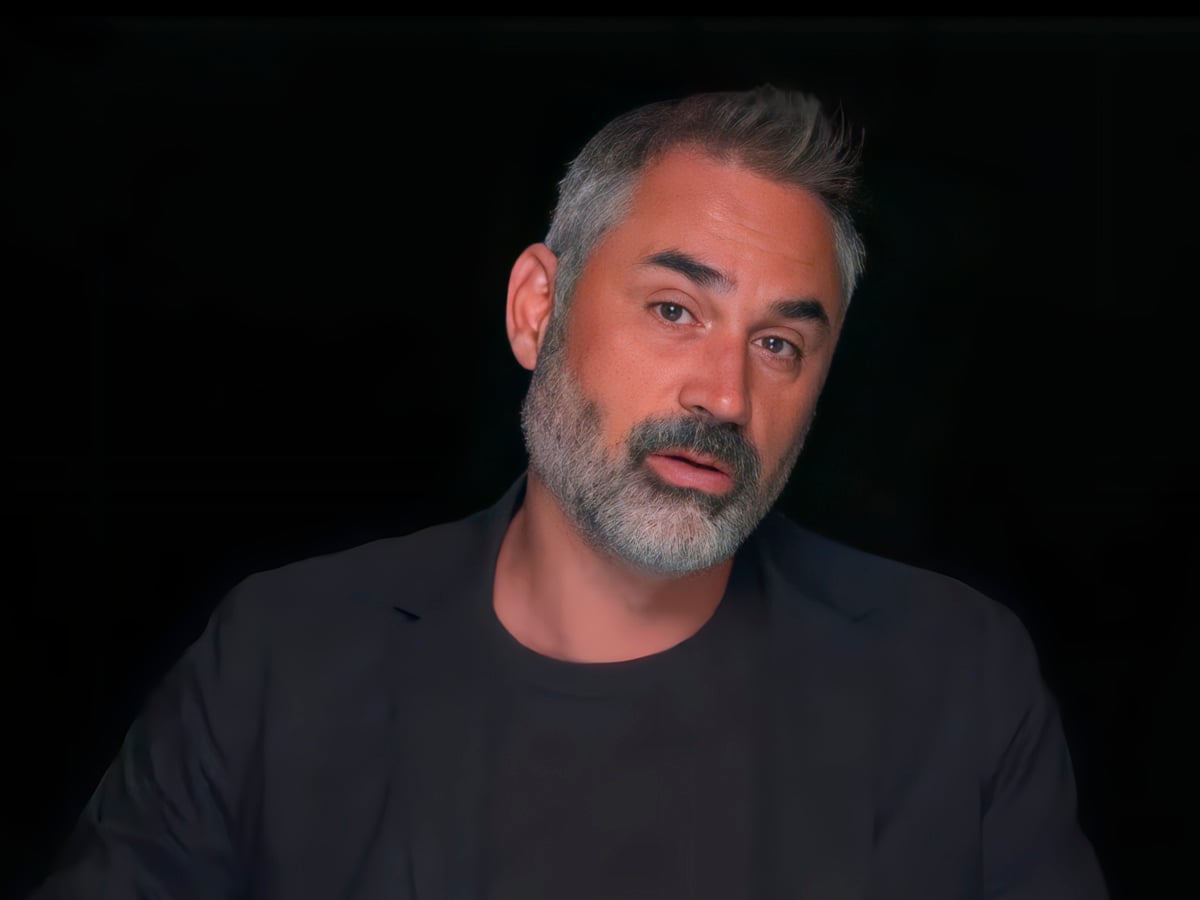
Alex Garland was hired as a screenwriter to adapt a new version of the Dredd comics, which took a far grittier approach than the 1995 film that starred Sylvester Stallone. Although Pete Travis was the credited director on the film, he was in over his head on an ambitious production, which led Garland to take up a more active role both on set and in the editing room. While this was kept under wraps at the time of the film’s release, both Garland and Dredd himself, Karl Urban, admitted that Travis’ credit was merely a formality.
Garland not only designed the look of the film but helped ensure that the worldbuilding was as precise as he had imagined in the script. Although Dredd sadly was not a commercial success (despite getting great reviews), it did inspire Garland to officially direct films, beginning with 2015’s Ex Machina.
Tony Gilroy – ‘Rogue One: A Star Wars Story’ (Gareth Edwards, 2012)
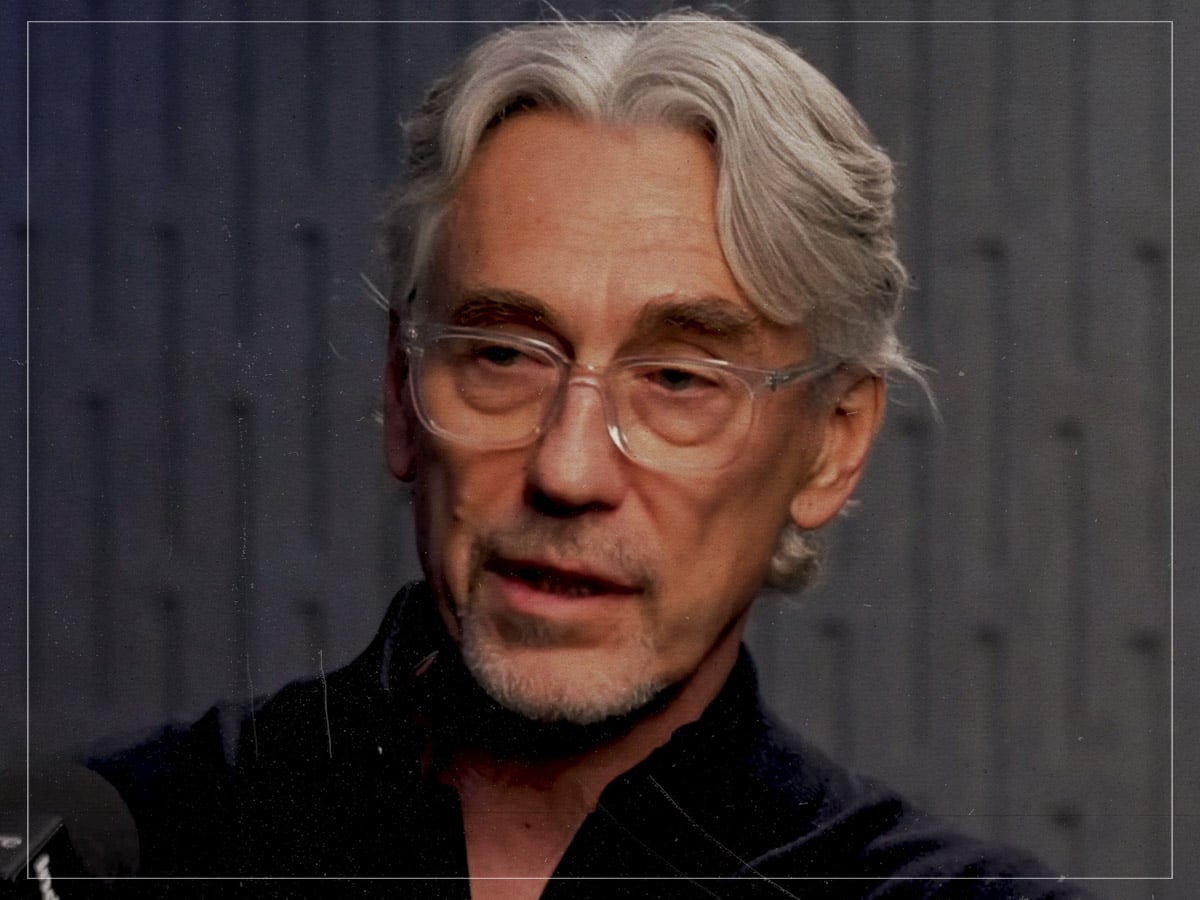
The Star Wars franchise faced production difficulties on nearly every film released under Disney, but Rogue One: A Star Wars Story was nearly a disaster. Months away from the film’s release, and after an initial teaser trailer was already out, Lucasfilm found the original cut to be incomprehensible, as Gareth Edwards hadn’t succeeded in making an emotionally gripping war film.
Although Tony Gilroy was hired to help refine and reconfigure the script, he ended up taking over the reshoots, adding a significant amount of new material and making the final editing decisions. Anything positive about the film can be accredited not to Edwards but Gilroy, who went on to create the acclaimed, Emmy-winning Star Wars spinoff series Andor for Disney+, whereas Edwards has proven to be a cowardly, pro-AI hack.
Kurt Russell – ‘Tombstone’ (George P Cosmatos, 1994)

Tombstone was one of the most successful westerns of the ‘90s, but it had to be rushed to theatres so it could be released before Wyatt Earp, another western epic about the same event. It was only a few days into shooting that Tombstone’s original director, Kevin Jarre, was fired, leading the studio to hire George P Cosmatos as his replacement so that it wouldn’t be usurped by Wyatt Earp.
Kurt Russell starred as Earp, but he revealed that his responsibilities were more complicated, for Cosmatos was merely hired as a guise to avoid arbitration disputes, and it was Russell who was actually making all the decisions on set. Although the film was released with the disputed directorial credit being claimed as a rumour, Russell eventually opened up about his involvement with Tombstone in 2006, just one year after Cosmatos’ death.
George Lucas – ‘Return of the Jedi’ (Richard Marquand, 1983)

George Lucas had such a negative experience making the original Star Wars that he hired his mentor, Irvin Kershner, to direct The Empire Strikes Back, requesting that he return to direct Return of the Jedi. However, Kershner didn’t want to be micromanaged and turned him down, and subsequently, Lucas was unsuccessful at getting David Lynch or David Cronenberg to take the job, eventually settling on Richard Marquand, who had only a few smaller credits, including the Donald Sutherland World War II thriller Eye of the Needle.
Lucas was involved as the co-screenwriter, on-set producer, and second unit director, where he quickly discovered that Marquand wasn’t experienced with visual effects. Unlike Kershner, Marquand wasn’t able to stand up to Lucas, and following Marquand’s death, Lucas even shot new scenes for Return of the Jedi that were added to the film’s 1997 ‘Special Edition’ re-release.
Joss Whedon – ‘Justice League’ (Zack Snyder, 2017)
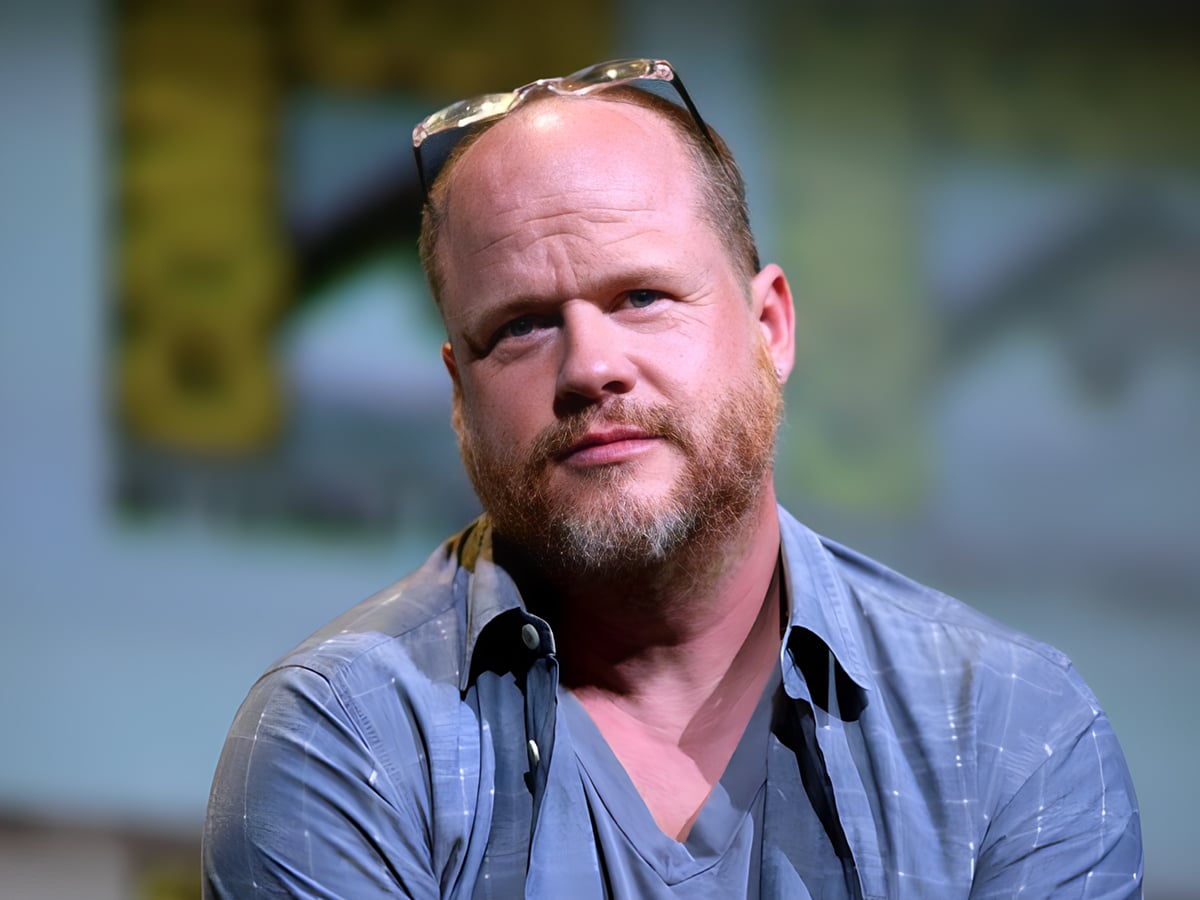
Zack Snyder was already in production on Justice League when Batman v Superman: Dawn of Justice was to sharp backlash, prompting serious concern from Warner Bros that they had hired the wrong guy to spearhead their cinematic universe. Although he officially left the film for family reasons after the death of his daughter, it was reported that the production house was already thinking about having someone come in to change the tone of the overly serious film.
It was widely reported that Joss Whedon had been brought in to simply shoot the necessary reshoots that most blockbuster films go through, but it was clear that he was tasked with significantly reshaping Justice League in order to fix the issues that had been brought about by Batman v Superman: Dawn of Justice. It’s clearly Whedon’s film, which is why Snyder became so adamant about releasing his director’s cut.
The Wachowskis – ‘V for Vendetta’ (James McTeigue, 2006)
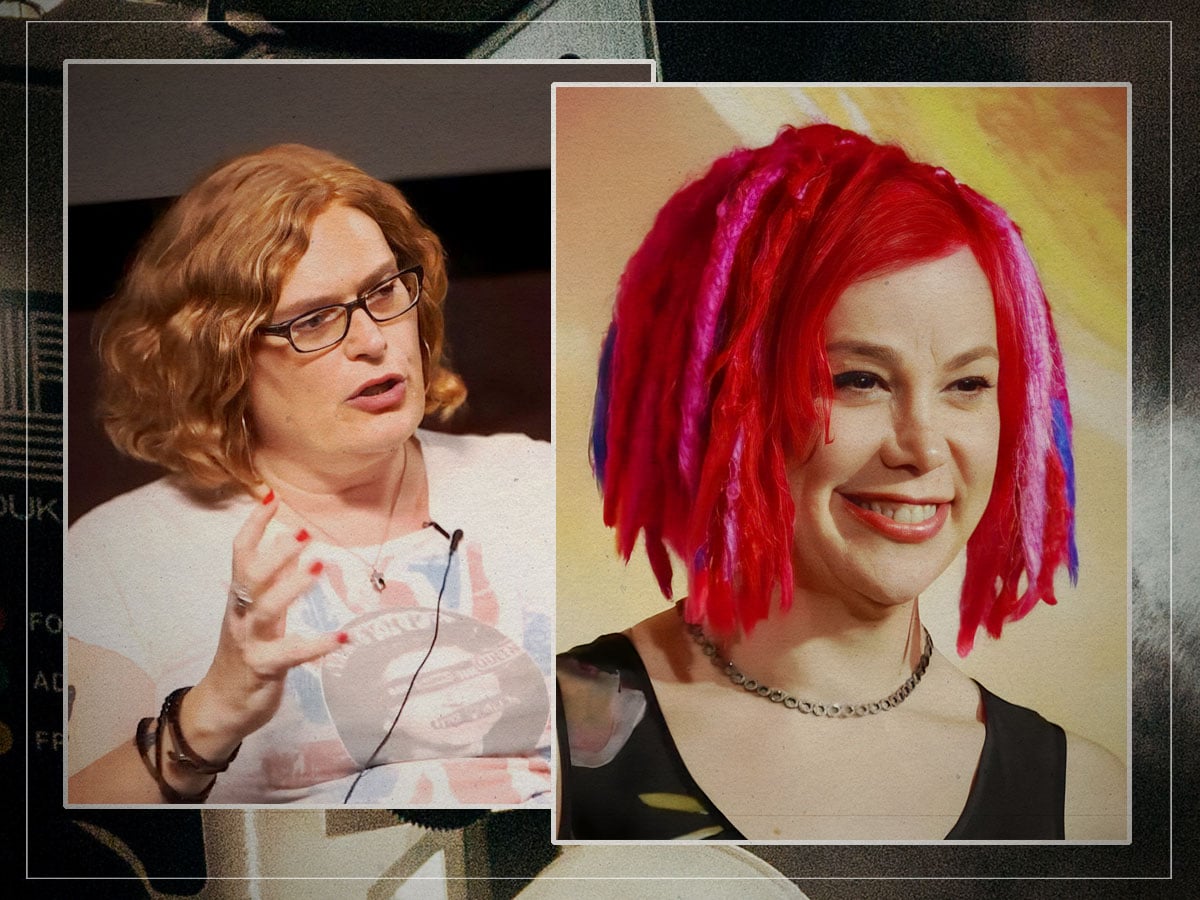
The Wachowskis had taken a critical beating for The Matrix sequels, so they moved away to be involved in the adaptation of Alan Moore’s graphic novel V for Vendetta as producers and screenwriters. Although James McTeigue was the credited director, he didn’t have nearly as much creative control as the Wachowskis did, and since he had no prior credits that would suggest his ability to handle anything on the scale of V for Vendetta, the Wachowskis, credited as second-unit directors, helmed nearly all of the film’s action sequences.
The Wachowskis were responsible for everything V for Vendetta was praised for, such as the sharp visual style and energetic setpieces, as well as its anti-authoritarian themes, which are also tied to their work on The Matrix trilogy. McTeigue’s credit may have saved the Wachowskis from having to go through another overbearing press cycle, but he hasn’t done anything of note since the film was released.
Paul Thomas Anderson – ‘A Prairie Home Companion’ (Robert Altman, 2006)

Paul Thomas Anderson has frequently cited Robert Altman as one of his greatest inspirations, which led them to develop a friendship after his career took off. Altman was suffering from health issues while he began production of what would be his final film, A Prairie Home Companion, and asked Anderson to observe shooting and serve as a ‘stand-by’ director so that he could take over in case of his death.
The veteran thankfully survived to see A Prairie Home Companion completed, and died only a few months after it made its festival career, but he was in a deteriorating state throughout the shoot, and Anderson ended up assuming many of his responsibilities prematurely in order to assist his mentor. Anderson’s involvement with the film explains why there is such a significant gap in his filmography, as he took five years between making Punch-Drunk Love and There Will Be Blood.
Sylvester Stallone – ‘Cobra’ (George P Cosmatos, 1986)

Sylvester Stallone is known for having a gigantic ego, clashing with directors left and right, and he was so protective of the character of Rocky that he took over as director on its sequels, and began to have more ownership over other films that he had written. Stallone first worked with Cosmatos on Rambo: First Blood Part II, which he had much more creative involvement with in comparison to its predecessor.
When Cosmatos was hired to direct Stallone’s action thriller Cobra, it was merely a formality as the actor was the boss on set and had very specific ideas about the way that he would look and act onscreen. The graphic violence, cheesy humour, and hyper-masculine shots of the lead character make it fairly clear that Stallone was calling all the running the show on Cobra, which might be why the film has become so inadvertently hilarious.
Kevin Costner – ‘Waterworld’ (Kevin Reynolds, 1995)
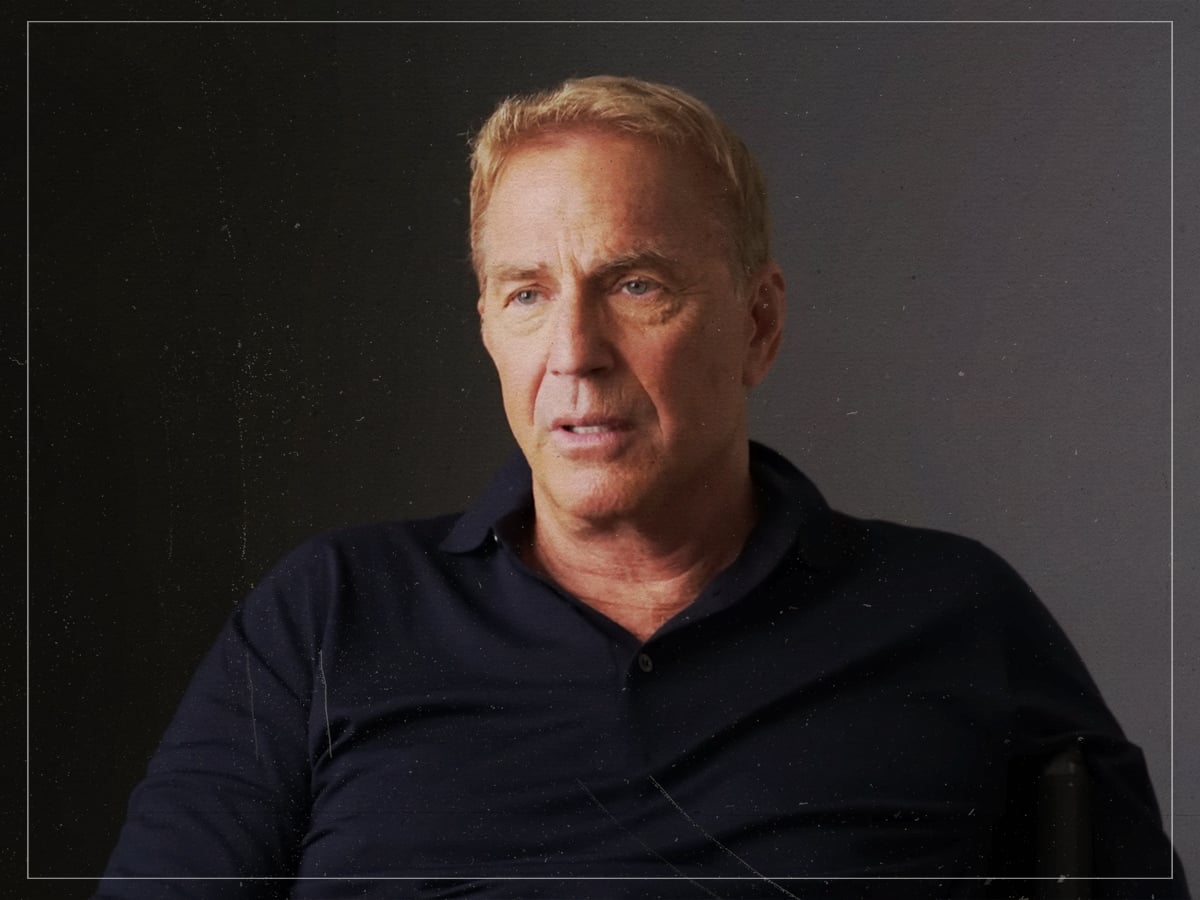
Kevin Costner had retained a close relationship with Kevin Reynolds, who assisted him on the production of his ‘Best Picture’ winning epic, Dances With Wolves, and would direct Costner in Robin Hood: Prince of Thieves, which resulted in more disputes when the actor felt that he was being upstaged by his co-star, Alan Rickman. Subsequently, both Kevins would have more bitter agreements during the making of Waterworld, the highly expensive science fiction epic that quickly ran over schedule and over budget.
Reynolds left the production early after the feud grew worse, and was locked out of the editing room when Costner put it together. It wasn’t the last time that the latter would assume the role of director on a film he starred in, as he allegedly did the same thing with Sam Raimi while they were making the baseball film For the Love of the Game.
Barbra Streisand – ‘A Star is Born’ (Frank Pierson, 1976)
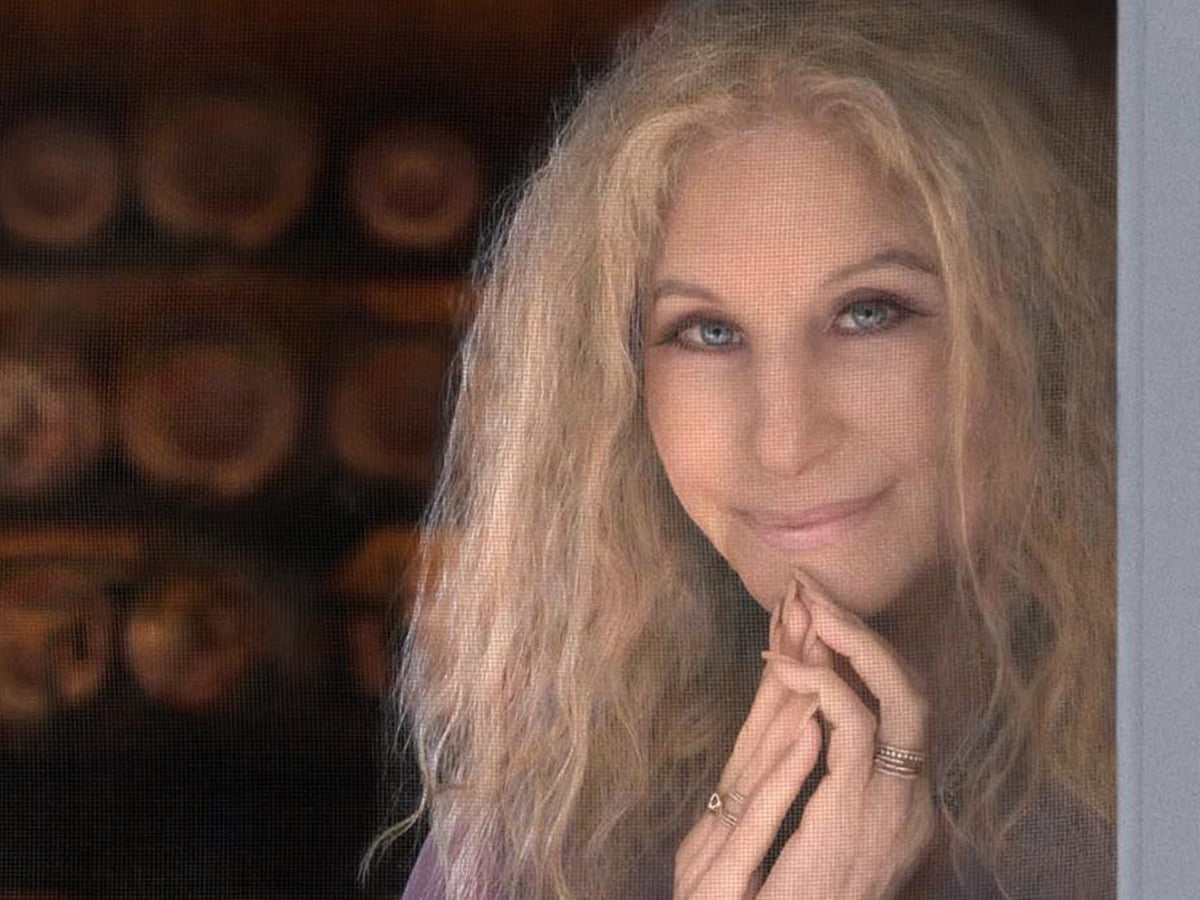
Barbra Streisand was one of the most powerful entertainers in the world when she decided to make a new version of the classic musical A Star is Born, which would differentiate itself from previous iterations by mirroring her own journey as a singer. Although it was Frank Pierson who was credited as the director, he had been brought in by the film’s producer, Jon Peters, who was Streisand’s partner at the time.
Since Kris Kristofferson had also been hand-picked by Streisand, she has significant say over the direction of the musical sequences, the trajectory of the story, and the romantic tragedy. Although it was a time when the notion of a female director was less common, Streisand would officially make her directorial debut nearly a decade later with Yentl. Amusingly, Bradley Cooper (who starred in and directed the 2018 remake of A Star is Born) made a cameo in Licorice Pizza as Peters.
