


10 failed directors who should have ruled the 1990s

The trajectory of cinema swung back toward experimentation and innovation in the 1990s, when a new wave of independent cinema challenged the blockbuster reign of the previous decade.
Although the ‘80s had seen every studio trying to chase the success of the ‘movie brats’, particularly George Lucas’ Star Wars and Steven Spielberg’s Jaws, the growing prominence of independent film festivals like Sundance made it a great opportunity for younger directors to make a name for themselves. Directors like David Fincher, Noah Baumbach, and Robert Rodriguez weren’t just accomplished artists, but minor celebrities in the world of cinema.
In addition to these smaller films, studio projects were growing stronger, as many of the biggest and best achievements of the decade also became major successes at the Academy Awards. Even though not every film was going to be an instant sensation, an ample home video market meant that those that weren’t immediately successful in theatres could find a second life and gain a cult audience as an underseen gem. Nonetheless, the highly competitive nature of the industry meant that some directors had their careers cut short and were never given the opportunity to maximise their potential.
Although it is easy to look at the ‘90s and think of the countless filmmakers who got their big breaks, there are just as many talented artists who never quite made it, despite showing obvious signs of talent. As with everything, Hollywood can often be a game of luck.
10 directors who should have ruled the 1990s:
Chris Noonan
George Miller and Chris Noonan worked hand-in-hand to make Babe, a family film that ended up becoming far more successful than anyone imagined. The film was released at the end of the summer and became a critical darling, ultimately earning an Academy Award nomination for ‘Best Picture’ and ‘Best Director’ for Noonan for his debut.
However, he had to wrestle for control of the film with Miller, who immediately began to regret not personally directing, and subsequently took over directing the sequel, Babe: Pig in the City, while Noonan failed to garner many opportunities in the aftermath. Although his last film was the well-received biographical romance Miss Potter, which featured strong turns from both Ewan McGregor and Renee Zellweger, it didn’t become a massive hit or receive any award attention, and Miller continued to dominate Babe‘s legacy, with some even misremembering him as the only one responsible for making the first film.
Alison Maclean
Prominent short film director Alison Maclean began attracting attention when her debut film, Crush, was screened at the Cannes Film Festival in 1992, which was successful enough that she was able to get a greenlight for Jesus’ Son, an unconventional adaptation of the acclaimed short story collection by Denis Johnson, but despite great reviews and a stacked cast that included Billy Crudup, Samantha Morton, Dennis Hopper, Denis Leary, Will Patton, and Jack Black, it was a flop that doomed her to television.
It was a respectable enough career pivot, however, and she spent years directing episodes of Sex & the City, Gossip Girl, and The Tudors, but since she had shown such emotional depth and creative adaptation skills with Jesus’ Son, it’s a shame that her career only resulted in a couple more films released decades later to no fanfare.
Kinka Usher
Kinka Usher was cursed by bad timing with Mystery Men, a superhero comedy about a group of characters with wacky powers. The film had a great cast that included Ben Stiller, Geoffrey Rush, and William H Macy, and perfectly satirised the clichés inherent to many comic book adaptations. Unfortunately, 1999 was a tad too early to get audiences excited about a parody of superheroes because of the state of the genre; 1997’s Batman & Robin had erased all interest in the genre, and 1998’s Blade was an R-rated film aimed at more mature audiences that wasn’t overblown with superhero tropes.
Mystery Men may have been a breakout success had it been released after Bryan Singer’s X-Men came out in 2000 and Sam Raimi’s Spider-Man broke many box office records in 2002, but it unfortunately never found its audience, and Usher never made another film.
Ted Demme
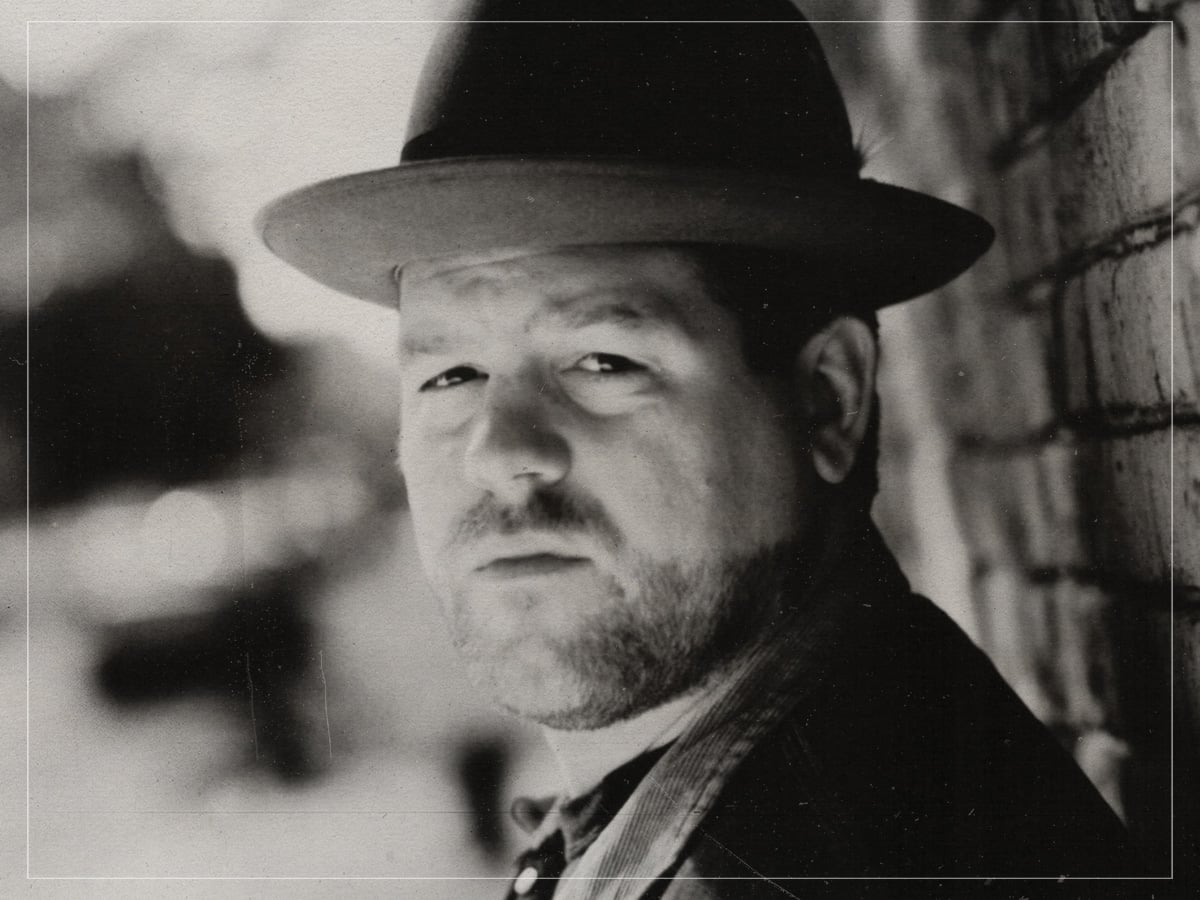
Ted Demme had begun a fairly successful career with comedies like Who’s The Man? with Ice-T and The Red with Denis Leary, and even tried his hand at drama with the ensemble film Beautiful Girls (even if it has not aged very well). Demme seemingly had a great opportunity ahead of him when he was hired to direct Life, a comedy starring Eddie Murphy and Martin Lawrence, and while it was well-reviewed and even earned an Academy Award nomination, it also became the first Murphy film to seriously underperform, and Demme got caught in the crossfire.
Although he managed to get Johnny Depp and Penélope Cruz to star in his crime thriller Blow a couple of years later, it was also a well-received box office disappointment that couldn’t be saved by its reviews. Demme sadly died in 2002, and Paul Thomas Anderson dedicated Punch-Drunk Love to his memory.
Alan Rudolph
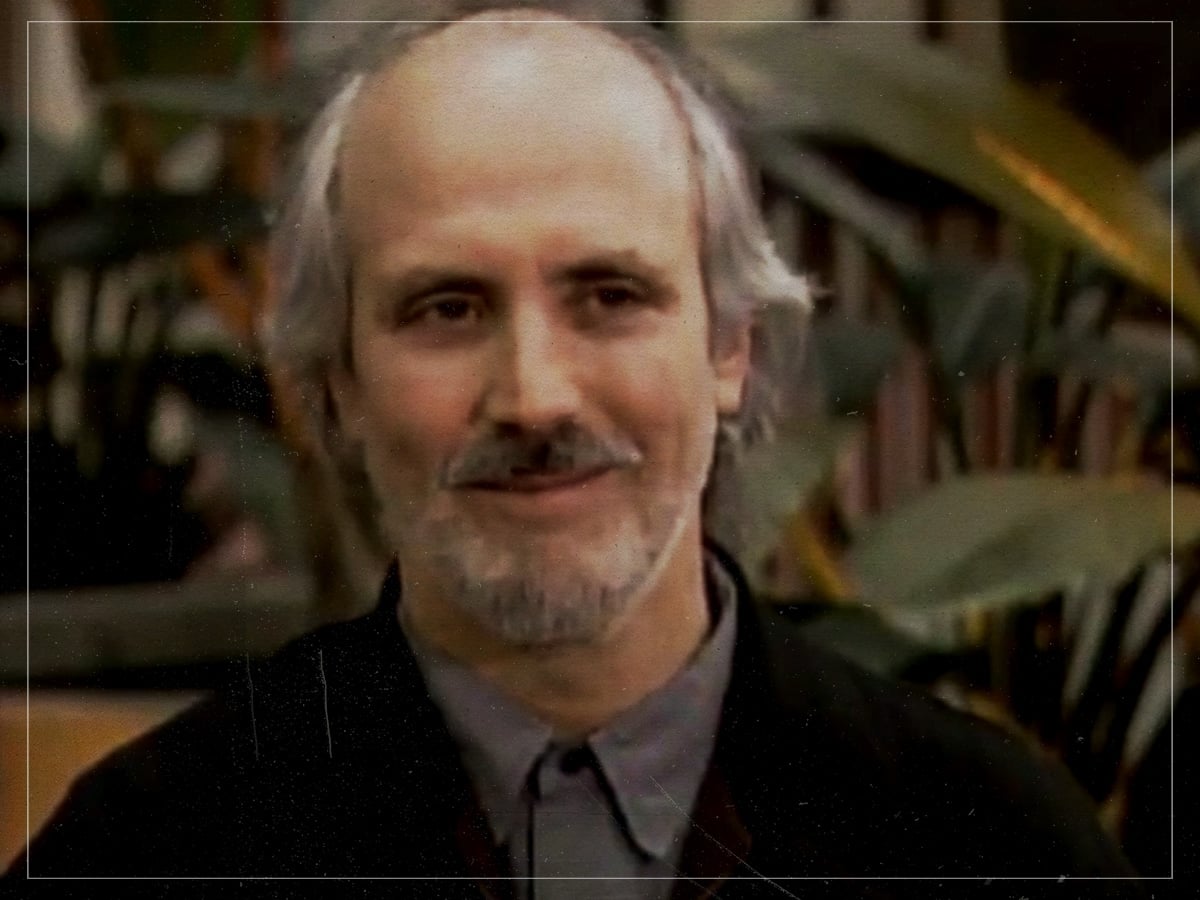
Alan Rudolph had been directing films since the ‘70s and was considered to be a respectable hired hand, but the ‘90s offered him the opportunity to potentially break out as a prestige filmmaker when both Mrs Parker and the Viscous Circle and Afterglow received rave reviews, earning him the respect of critics.
Rudolph next set his sights on an adaptation of the Kurt Vonnegut novel Breakfast of Champions, which had been a passion project for Bruce Willis. While the film is a work of genius, it repulsed general audiences who weren’t ready for the extreme satire of Vonnegut, and was pulled from theatres not long after being released. Although the film has enjoyed a critical resurgence after finally being made available on physical media and digitally, it does not seem likely that the 82-year-old Rudolph will ever direct another film.
Mark Pellington
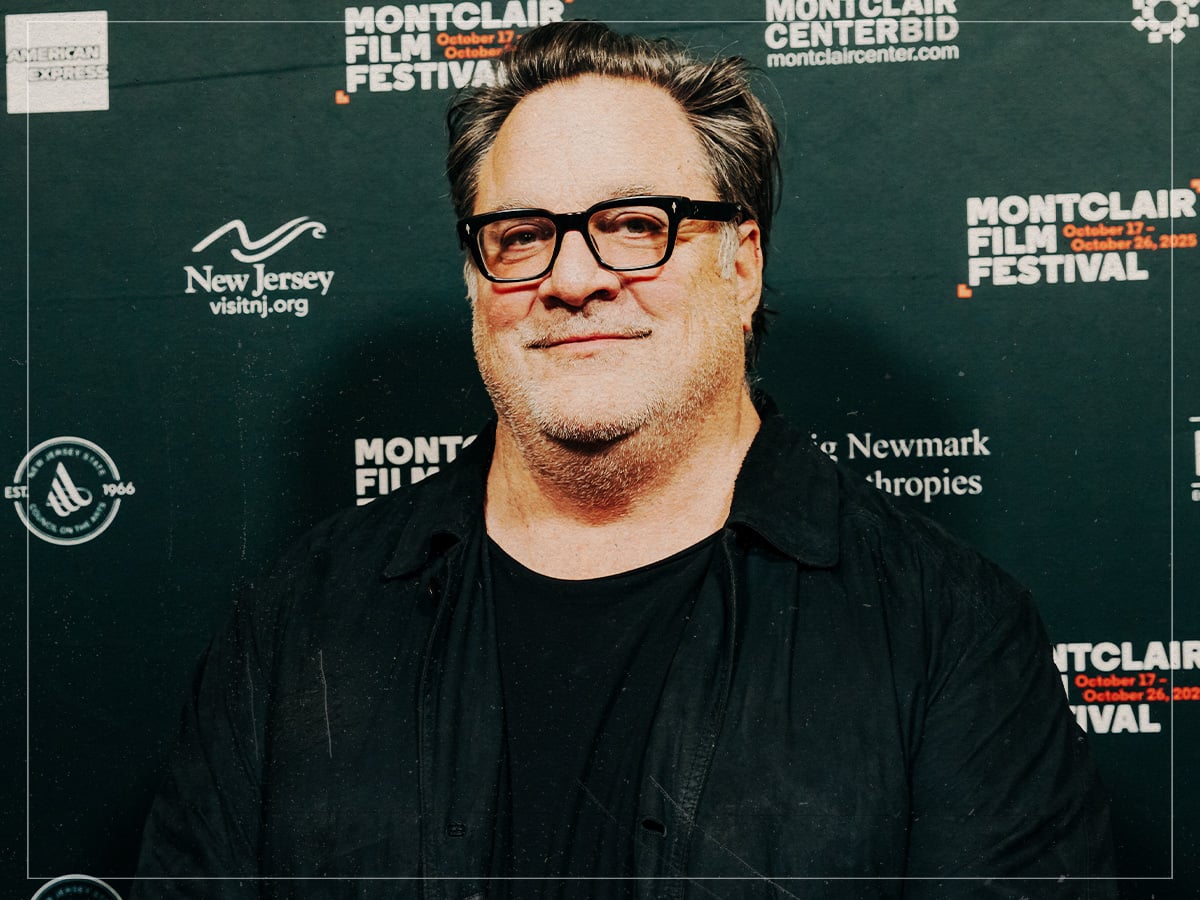
Mark Pellington was earmarked to be the next Sundance breakout in the vein of Richard Linklater or Steven Soderbergh when his debut film, Going All The Way, wowed critics at the 1997 festival, following which he took a much more ambitious approach with his second film, Arlington Road, a conspiracy thriller that explored sleeper cells and urban terrorism.
Arlington Road may have rubbed audiences the wrong way because of its proximity to the Oklahoma City bombing, the Ruby Ridge incident, and the Waco siege, but its uncompromising look at right-wing militia movements is more relevant than ever. However, Pellington seemed doomed to be a director who only made cult classics that are respected in retrospect, as his follow-up project, the horror thriller The Mothman Prophecies, was another ambitious conspiracy-based mystery that has benefited from getting a second life on home media and streaming.
Tony Kaye
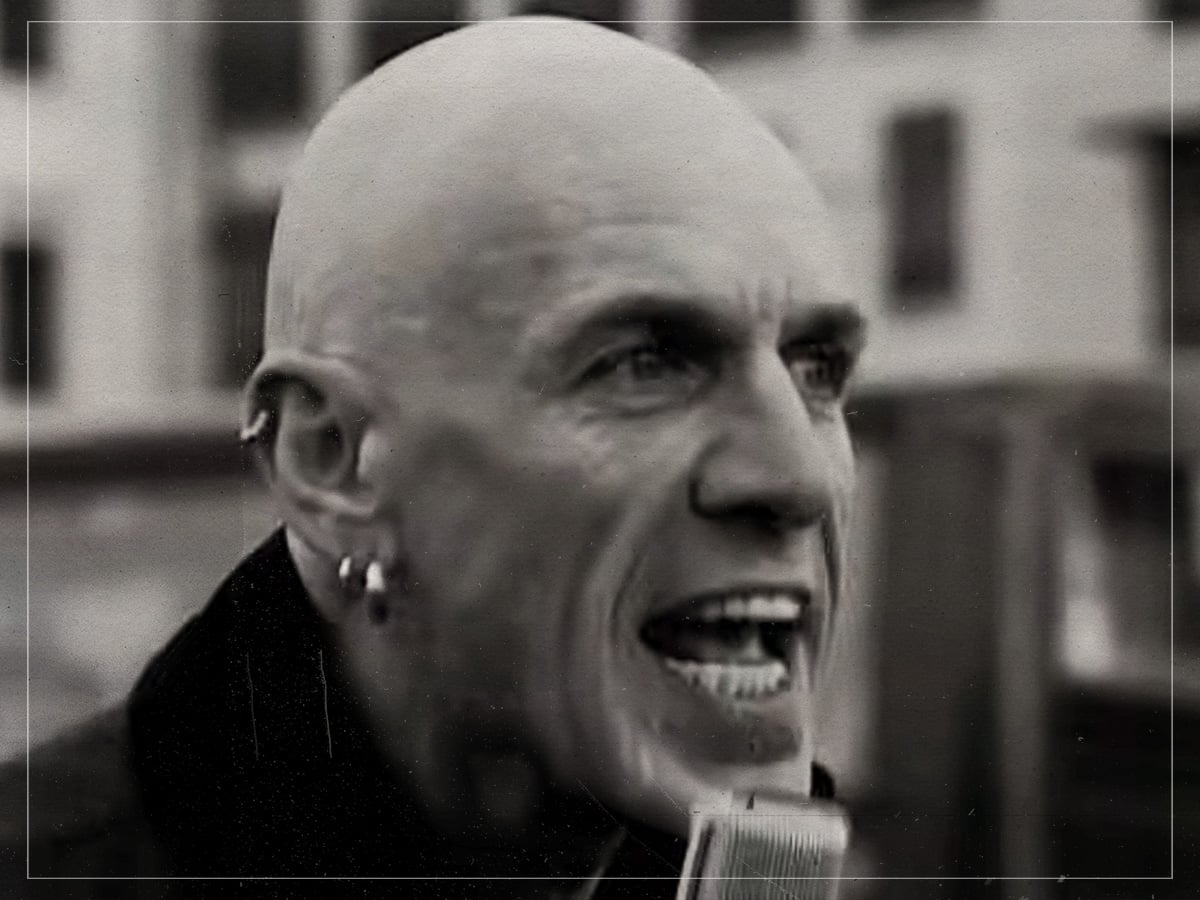
Tony Kaye is a talented director who had the unfortunate experience of working with Edward Norton, one of the defining actors of his generation, who demanded a huge amount of creative control on American History X and basically managed to hijack the film by making his own edit. While the film was received as a modern masterpiece, Kaye disowned it because it didn’t reflect what his original intentions were.
He subsequently took a backseat in the industry and struggled to get any of the projects realised for the next two decades. Although Kaye made another great film in 2011 with the teacher drama Detachment, which featured a remarkable turn from Adrien Brody, it was barely seen out of the festival circuit and didn’t end up sparking a career comeback for him.
Mimi Leder
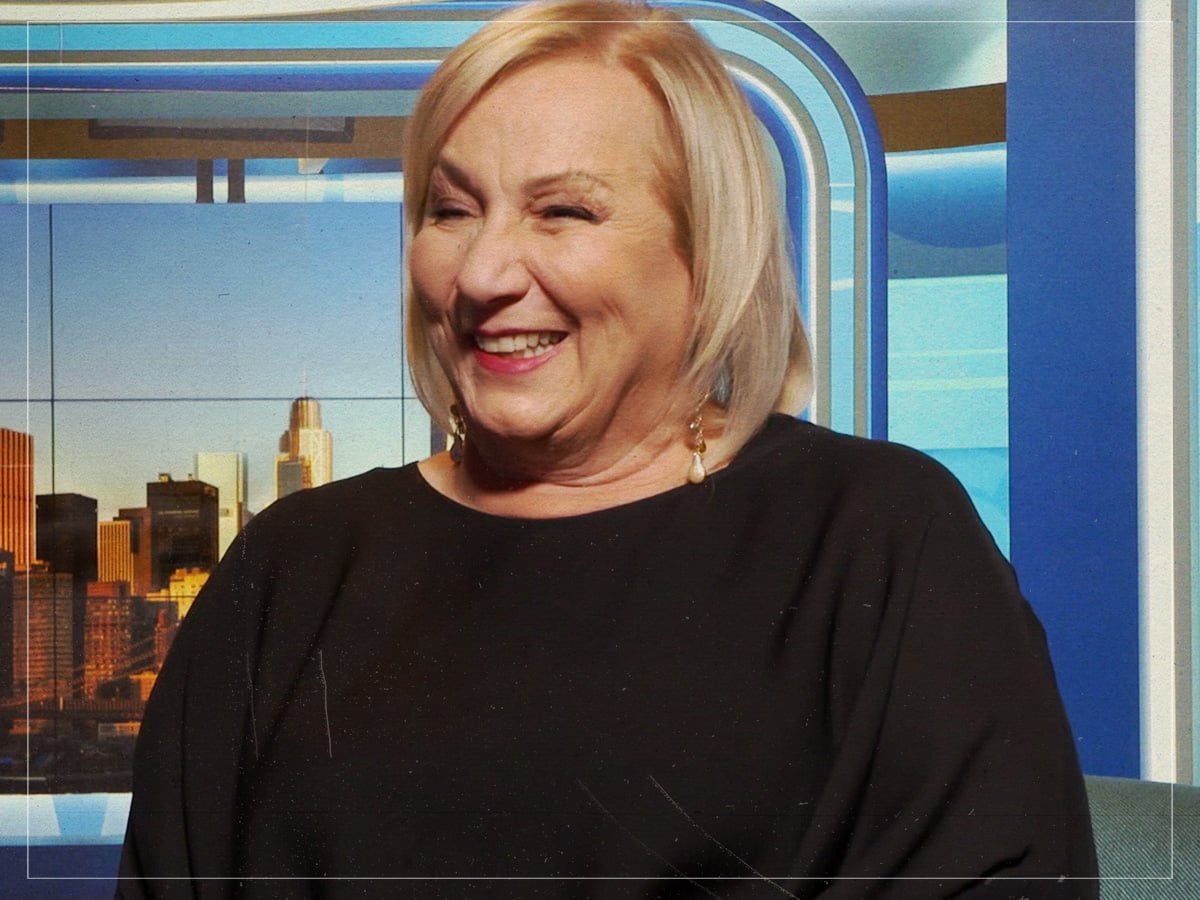
Mimi Leder has had a significant career as a director of television and is responsible for helming standout episodes of The West Wing, ER, The Leftovers, and, most recently, The Morning Show. However, she had the opportunity to be one of the few female directors to make massively scaled studio films if it weren’t for bad timing, which was beyond her control.
Leder helmed a solid spy thriller with The Peacemaker, which was unfortunately released right before George Clooney and Nicole Kidman had established themselves as stars, and then when she went on to direct a grounded, realistic science fiction drama about an impending asteroid strike with Deep Impact, it was unfortunately released the same year as Armageddon, which had a similar premise and was far more fun, so while her film earned better reviews, the Michael Bay phenomenon helped make Armageddon the highest-grossing release of 1998.
Peter Cattaneo

It’s easy to forget that The Full Monty was very briefly the highest-grossing British film in the nation’s history before it was outsold by Titanic, and became a major crossover hit in the United States, earning an Academy Award nomination for ‘Best Picture’. Although there was a tremendous amount of acclaim for the performances by Robert Carlyle and Tom Wilkinson, director Peter Cattaneo didn’t get the attention he deserved for making such a perfect crowd-pleaser, where even a ‘Best Director’ nomination at the Oscars wasn’t enough for him to be considered ‘prestigious’.
Cattaneo certainly hasn’t stopped working, but subsequent films like The Rocker, Opal Dreams, Military Wives, and The Penguin Lessons simply didn’t become successes in the same way that The Full Monty had, such that when the original cast reunited to do a spinoff series for Disney+, he wasn’t even involved.
David Mirkin
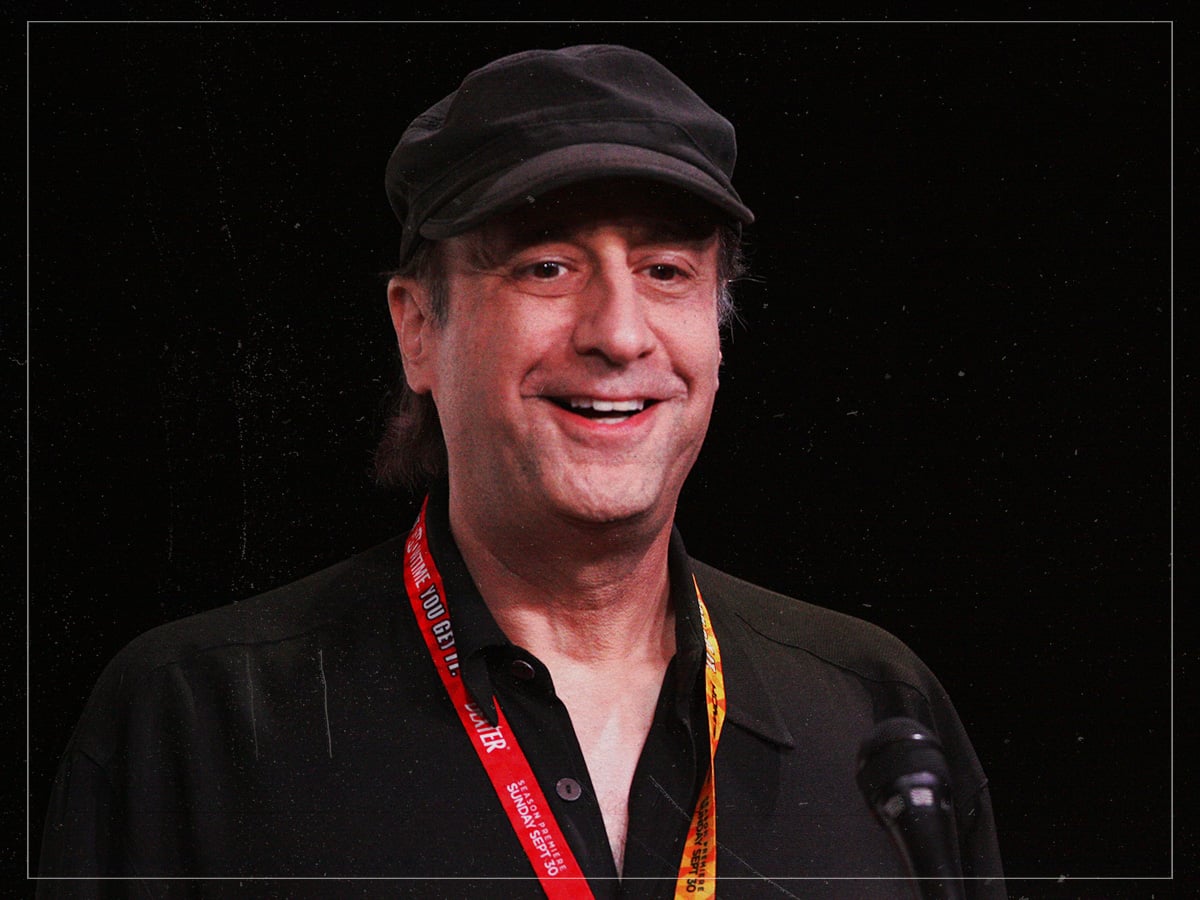
David Mirkin is a comedy writer and director who, for some reason, hasn’t been given enough opportunities as a filmmaker, despite the fact that most of his work has become surprisingly successful. Although he wrote for several classic sitcoms, his big break was writing some of the best episodes of The Simpsons, including ‘Deep Space Homer’ and ‘Treehouse of Horror VI’, which he followed up with his directorial debut Romy and Michele’s High School Reunion, a quirky comedy that gained a massive cult following.
Sadly, Mirkin hasn’t directed a film since 2001’s Heartbreakers, which was notably the last film to feature Anne Bancroft, and he certainly should have been given more credit for his role as one of the writers of The Simpsons Movie, which, despite the titanic expectations surrounding it, was a major critical and commercial success that actually revived interest in the show.
