


Five directors who made one great movie and then vanished off the face of the planet

Speak to any director worth their salt, and they will tell you that making a movie is one of the hardest things anyone can ever do. Making a great movie, though, is exponentially harder. In fact, it’s so difficult, so mentally and physically taxing, and so darn unlikely that most directors go their entire careers without making anything that can even approach great.
However, because creativity is a magical and unpredictable thing, people do manage to overcome the odds all the time to make brilliant motion pictures. No one bats a thousand, of course, but there are a pretty substantial number of directors out there who have several greats on their CVs.
Spare a thought, though, for the directors who accomplished the impossible, made a great film, and then seemingly disappeared off the face of the planet. This is a much rarer occurrence, naturally, but it has happened enough times over the years that it’s worth investigating.
What happened to these five helmers, for example? How did they achieve the goal of anyone who wants to make movies, only to vanish into obscurity afterwards, never to follow up on the promise that seemingly marked them as fierce talents to keep an eye on?
Five directors who made one great movie and then disappeared:
Tony Kaye – ‘American History X’
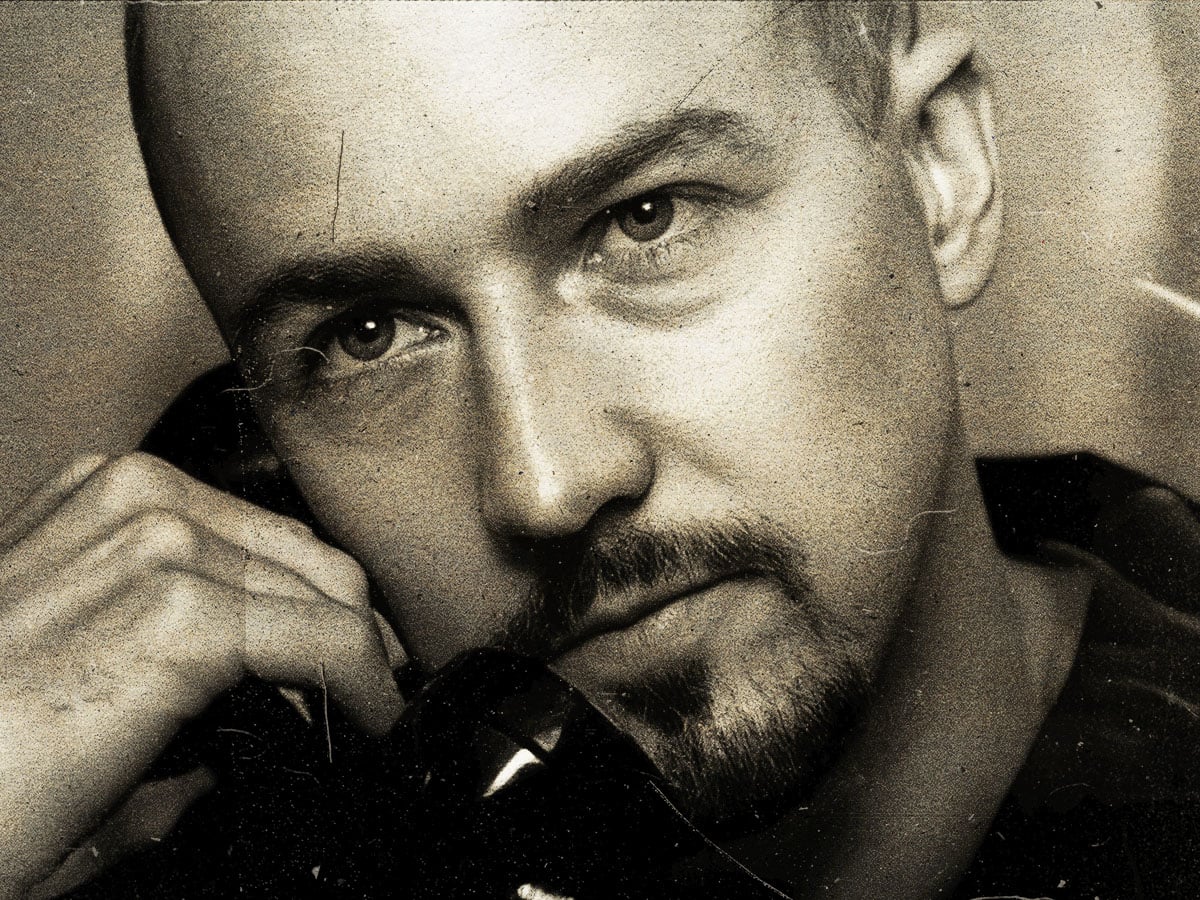
The cautionary tale of Tony Kaye is one still spoken about in hushed whispers in Hollywood circles, and for good reason. In 1998, his debut feature, American History X, an incendiary piece of filmmaking that attacked the dark heart of white supremacy, was released to rave reviews and an Oscar nomination for star Edward Norton.
Instead of being happy about this, though, Kaye proceeded to burn his promising career to the ground by waging campaigns against Norton and New Line Cinema, both of whom he blamed for obscuring his true vision for the film. In reality, he was so difficult to work with that, when the studio asked him to make cuts, he supposedly refused and said, “I’m fully aware that I’m a first-time director, but I need the same autonomy and respect that Stanley Kubrick gets.”
Ultimately, the movie was taken away from him and re-cut, leading to him paying $100,000 out of his own pocket to print adverts attacking Norton and the studio.
Unsurprisingly, Kaye didn’t become the new Scorsese or Tarantino after American History X, which seemed entirely plausible given the film’s quality. Instead, he became persona non grata in Hollywood and has only helmed two obscure independent features in the 27 years since it caused such a stir.
“My ego got in the way,” Kaye at least had the self-awareness to admit. “That was entirely my fault. Whenever I can, I take the opportunity to apologise.”
Kinka Usher – ‘Mystery Men’
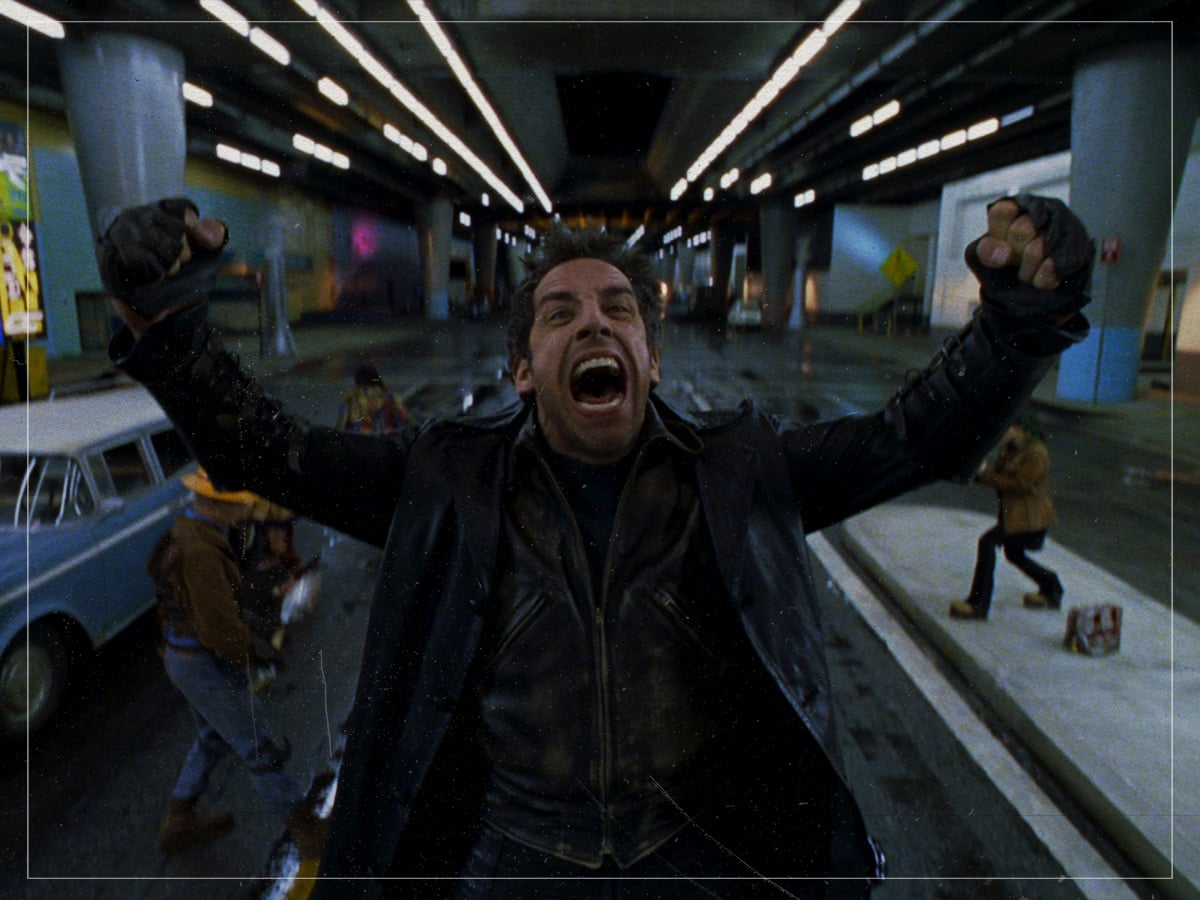
Several things seem bizarre about this entry, not the least of which is my contention that Mystery Men is a great movie. Despite flopping upon release in 1999 and receiving some truly horrific reviews, this superhero comedy has gained a cult audience over the years, and for good reason. For starters, the cast is incredible, with Ben Stiller, William H Macy, Janeane Garofalo, and Hank Azaria doing sterling work as the lamest superheroes in the land. I mean, come on, they’ve got names like Mr Furious, Shoveler, Bowler, and Blue Raja. What’s not to love?
However, the thing that bakes my noodle even more than Mystery Men failing to find an audience upon release is that its director, Kinka Usher, quite literally never made another feature film again. Maybe he was scarred by the critical vitriol he received, or perhaps he was blacklisted when the film lost so much money. Whatever the case, though, to only get one chance in Hollywood is extremely unusual.
Amusingly, the French helmer disappeared off the face of the Earth so thoroughly that, at one point, rumours swept the internet that ‘Kinka Usher’ didn’t exist at all, and was instead a funny-sounding alias for Tim Burton, who truly directed the movie. Naturally, this offended Usher hugely, because he is very much a real person, and he simply chose to return to directing commercials after Mystery Men, including a Bridgestone advertisement shown at the 2011 Super Bowl.
Paul Brickman – ‘Risky Business’

1983’s Risky Business introduced most of the world to the prodigious talents of a young whippersnapper named Tom Cruise. These days, the movie is viewed as one of the best teen films ever made, and Cruise’s grinning, charismatic, foul-mouthed turn is one of the most inarguably star-making performances in history.
Unfortunately for the movie’s director, Paul Brickman, though, the film’s critical and commercial success didn’t lead to a similar career trajectory for him. Risky Business was his first movie, and in the four decades since its release, he has helmed precisely one other film: 1990’s Jessica Lange dud Men Don’t Leave. What gives? Well, Brickman clashed with producer David Geffen throughout the making of Risky Business, but particularly about the film’s ending.
In a classic case of artistic integrity vs cold, hard commerce, Brickman pushed for an ambiguous, downbeat ending, but Geffen said, “Nuh uh” and insisted he shoot a happy denouement. “I felt the whole film was compromised by this cheesy happy ending,” Brickman told Variety magazine. “I came very close to walking off the film.”
In the end, instead of walking away, he chose to leave directing behind, and now his only contact with Hollywood is writing the occasional screenplay.
Daniel Myrick and Eduardo Sánchez – ‘The Blair Witch Project’
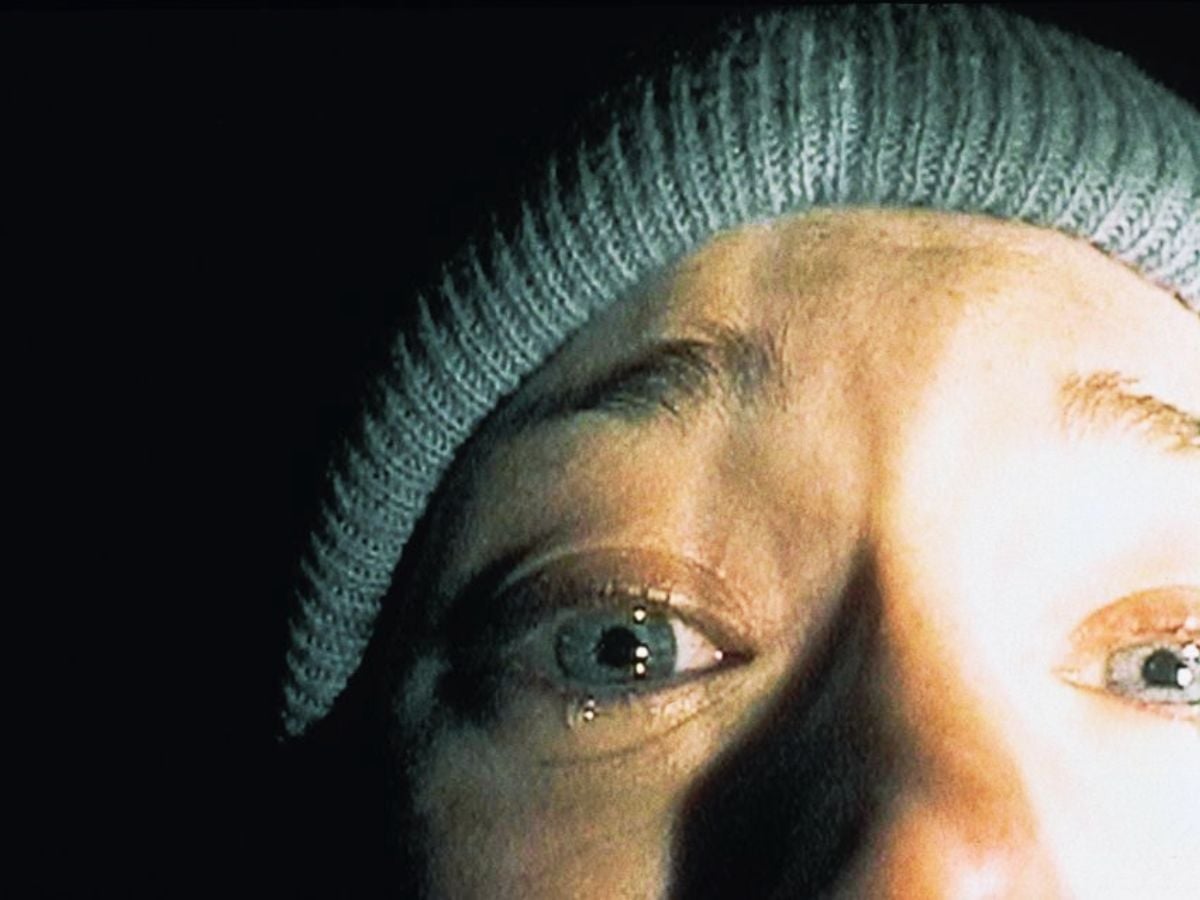
Technically, Daniel Myrick and Eduardo Sánchez didn’t quite vanish off the face of the Earth after they made The Blair Witch Project. After all, both men have several directing credits to their name in the years since it became a genuine cultural phenomenon in 1999. Sánchez is also one of Hollywood’s go-to television directors, having helmed episodes of Supernatural, Lucifer, Yellowjackets, and Star Trek: Strange New Worlds.
However, after Myrick and Sánchez created the found-footage genre with one of the most profitable films in history, most observers expected them to become a formidable directing duo. Who is to say they couldn’t have forged careers like the Coen brothers, Wachowski sisters, or Phil Lord and Christopher Miller after Blair Witch’s success? Instead, they never worked together again, and the movies they’ve directed separately have all gone straight-to-video and/or streaming.
Indeed, when the pair are interviewed these days about the legacy of Blair Witch, it sounds like the movie’s success became both their greatest gift and their most frustrating curse. “In our films after Blair Witch,” Sánchez told Starburst magazine, “there’s this thing of you want to use it because it’s the top thing on your resume, but also you need to say, ‘This film’s not going to be Blair Witch. You understand that, right?’ Blair Witch is an anomaly.”
Robin Hardy – ‘The Wicker Man’

In 1973, Robin Hardy’s The Wicker Man was released on an unsuspecting British populace. Over the years, it developed a reputation as the greatest folk horror motion picture ever made, and its influence has been felt in countless horror movies, TV shows, and novels in the 50+ years since its release.
It would stand to reason, then, that Hardy, who made his feature film directing debut with the movie, went on to become a force in filmmaking with many more classic credits under his belt. Unfortunately, reason has no place in this crazy world, and Hardy didn’t direct another film for 13 years. He then made two more pictures before passing away in 2016, one of which was a loose sequel to The Wicker Man, but even hardcore folk horror fans would struggle to name them, let alone claim to have seen them.
From a cinephile’s perspective, it looked very much like Hardy directed a classic and then disappeared into the ether, never to be heard from again. However, in addition to his three lesser-known movies, he kept busy by directing adverts, writing historical novels, and – most intriguingly – helping develop historical theme parks in Scotland and America under the auspices of his company International Time Traveller Parks.
