


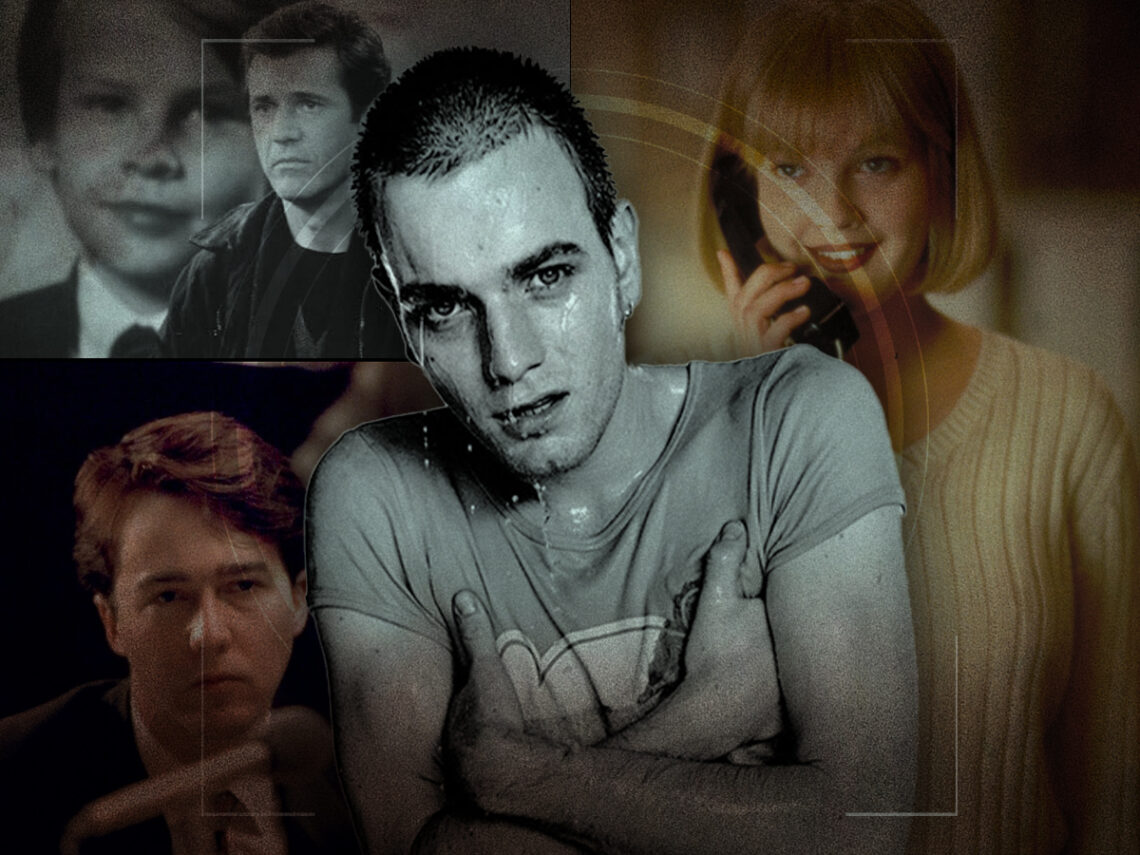
10 movie scenes from 1996 you’d never get away with today

The 1990s were a major step forward for cinema after the previous decade, in which commercialism had created an obsession with blockbuster culture.
When thinking about the most important years of the decade, 1994 is often held up for containing countless masterpieces, and 1999 is the year in which many major trends began, but 1996 was a fairly monumental year in its own right that served as a reminder of how good moviegoers used to have it.
It was the year that saw the release of The English Patient, the film that both won ‘Best Picture’ at the Academy Awards and became a surprising box office sensation, which is fairly novel considering that it is a very long, slow period romantic war epic.
Fargo has stood the test of time as the most influential film because it crystallised what made the Coen brothers geniuses and created one of cinema’s greatest heroes, thanks to the Oscar-winning performance of Frances McDormand. Tom Cruise solidified himself as the biggest star in the world, with Jerry Maguire being a smash hit that earned him an Academy Award nomination, and Mission: Impossible initiated one of the best franchises of all time. When it came to raw box office grosses, Independence Day gutted the competition by becoming the second highest-grossing film of all-time behind Jurassic Park.
There’s a lot of nostalgia that now exists for the films of 1996, but perhaps that’s because many of its best moments could never be made today.
10 movie scenes from 1996 that wouldn’t pass today:
The opening murder – ‘Scream’ (Wes Craven, 1996)

Scream was a defiant film from Wes Craven, who was so disappointed with the way that his A Nightmare on Elm Street franchise had been turned into slop that he created a satirical slasher thriller that showed self-awareness about the genre. Craven showed that he was capable of taking the audience off guard in a captivating opening scene in which Drew Barrymore’s character is violently murdered by Ghostface, even though advertising campaigns had made it seem like she was one of the main characters.
These sorts of twists can’t happen today as a result of Internet scoopers and leaks, as even Scream 7 recently suffered because fans managed to predict major plot points ahead of time and spread them across social media. It was also a very violent scene that nearly earned the film an NC-17 rating, which any distributor would find to be completely unacceptable.
“Can’t we all just get along?” – ‘Mars Attacks!’ (Tim Burton, 1996)
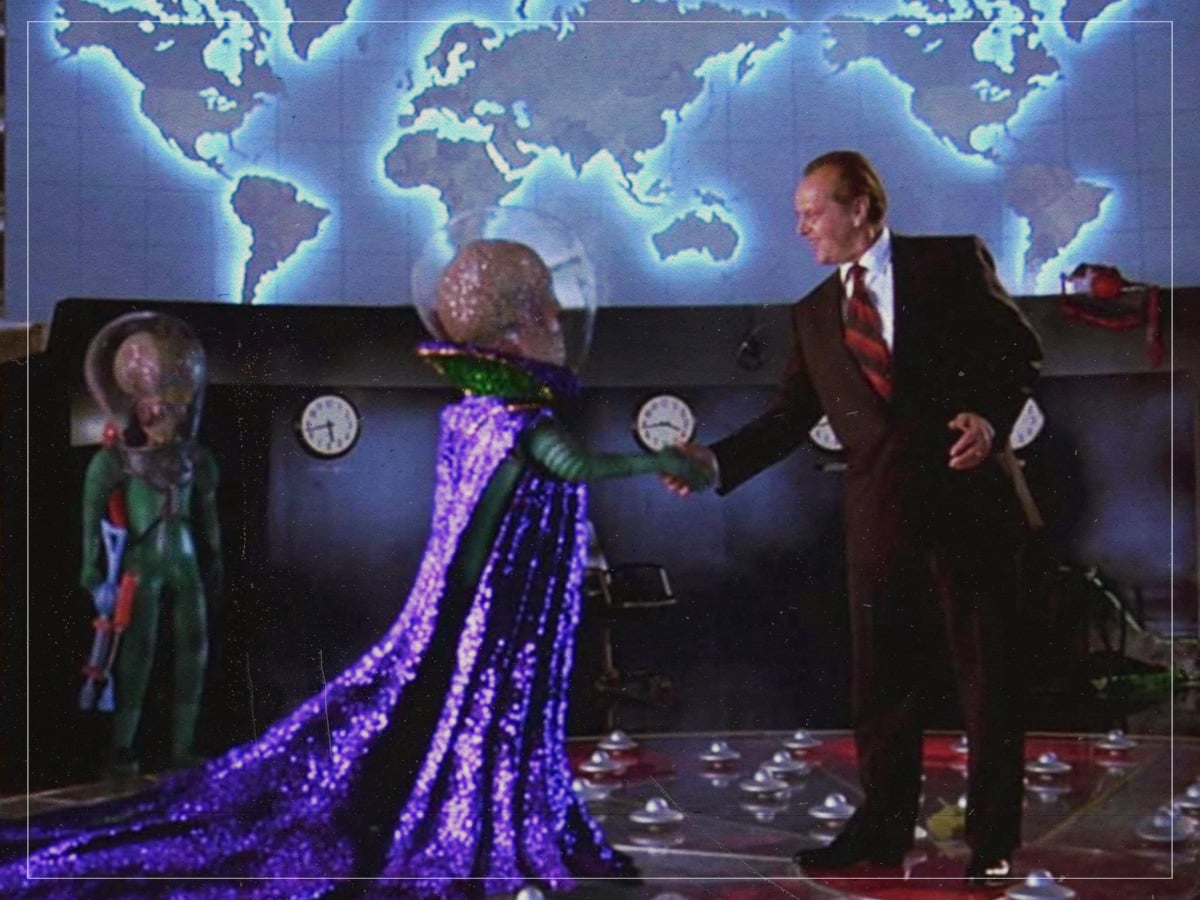
Tim Burton has earned a fair amount of backlash in recent years for his last few films, but it’s easy to forget that he was once considered to be a consistent commercial draw who audiences would seek out based purely on his name, similar to the way that Christopher Nolan and Denis Villeneuve are viewed now. Burton is also a director who was unafraid to include political messaging in his films; in his satirical alien invasion film Mars Attacks!, Jack Nicholson plays the cowardly, ignorant president of the United States, who desperately tries to win over the Martian invaders by asking them to make peace.
Unfortunately, such a discreet attack on the president has become almost impossible in today’s entertainment ecosystem because of the power that the Trump administration wields in terms of approving corporate mergers, including the upcoming acquisition of Warner Bros by Paramount.
The baby nightmare – ‘Trainspotting’ (Danny Boyle, 1996)
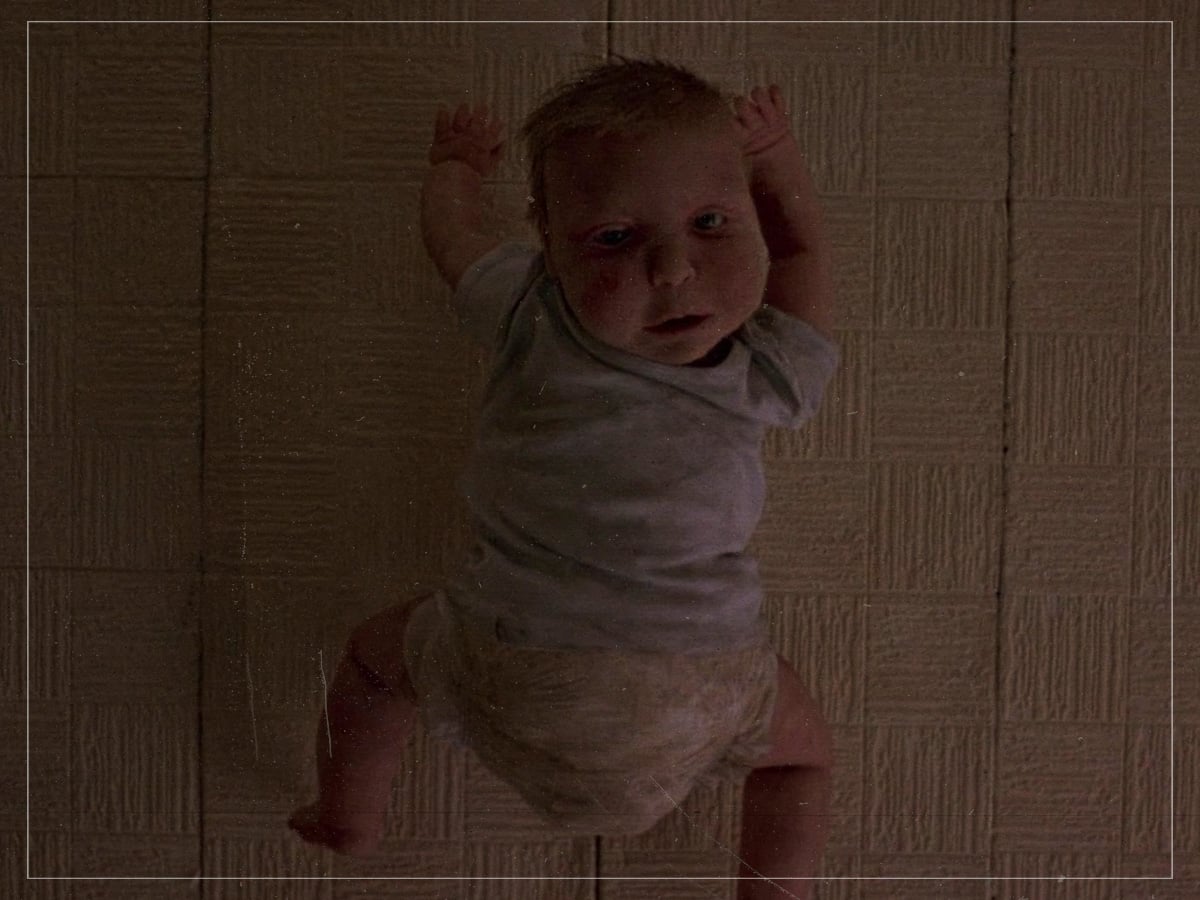
Trainspotting was a game-changing film in every way, as Danny Boyle managed to translate a seemingly “unadaptable” novel into a dark coming-of-age odyssey about characters that face devastating consequences for their drug addiction. It is the rare film that is both hilarious and disturbing at the same time, but no scene goes further than a horrific moment in which Ewan McGregor’s Renton deals with withdrawal effects from heroin and has a nightmare about a dead baby, representing the stillborn birth of a friend.
Although mainstream audiences have become slightly more adjusted to truly gross moments of body horror (as the successes of The Substance and Hereditary have proved), anything to do with children is almost guaranteed to initiate some sort of controversy, especially when more conservative groups have the power to protest and ban films that they view as immoral.
Willie kisses Marty – ‘Beautiful Girls’ (Ted Demme, 1996)
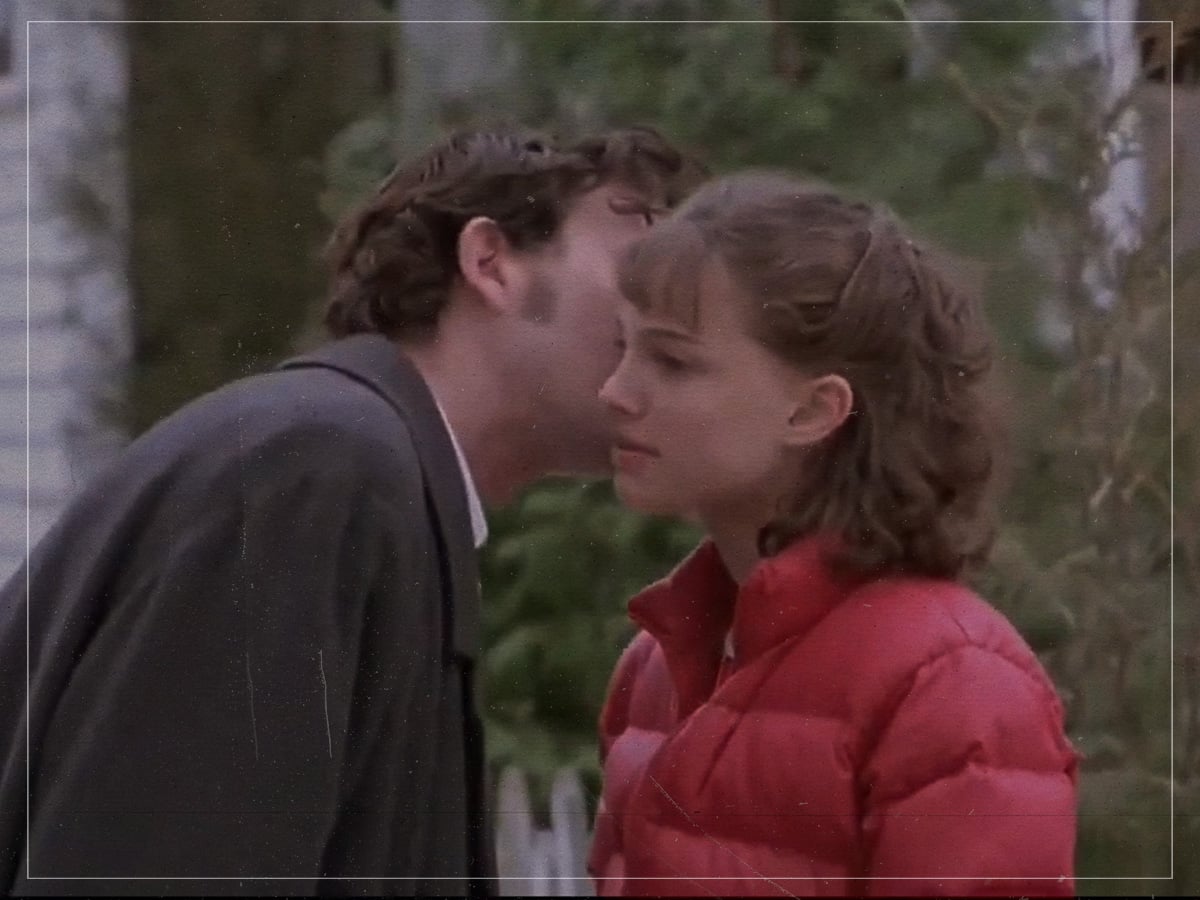
Natalie Portman became a star at a very young age, and unfortunately had to deal with a lot of creepy older men who sexualised her, but Beautiful Girls might be the only instance in which this sort of inappropriate behaviour is actually included within the text of the film, which follows a group of high school friends who reunite in their hometown, including Willie, played by Timothy Hutton.
Although Willie is in the midst of a challenging period in his romantic life, he strikes up a friendship with his next-door neighbour, Marty, a 13-year-old girl played by Portman, which leads to a lot of uncomfortable moments between them, one of which is Willie dreaming about connecting with Marty when she grows up, but the most extreme moment comes at the end of the film when he kisses her on the cheek that even by 1996 standards was pretty wild.
The assault scene – ‘A Time To Kill’ (Joel Schumacher, 1996)
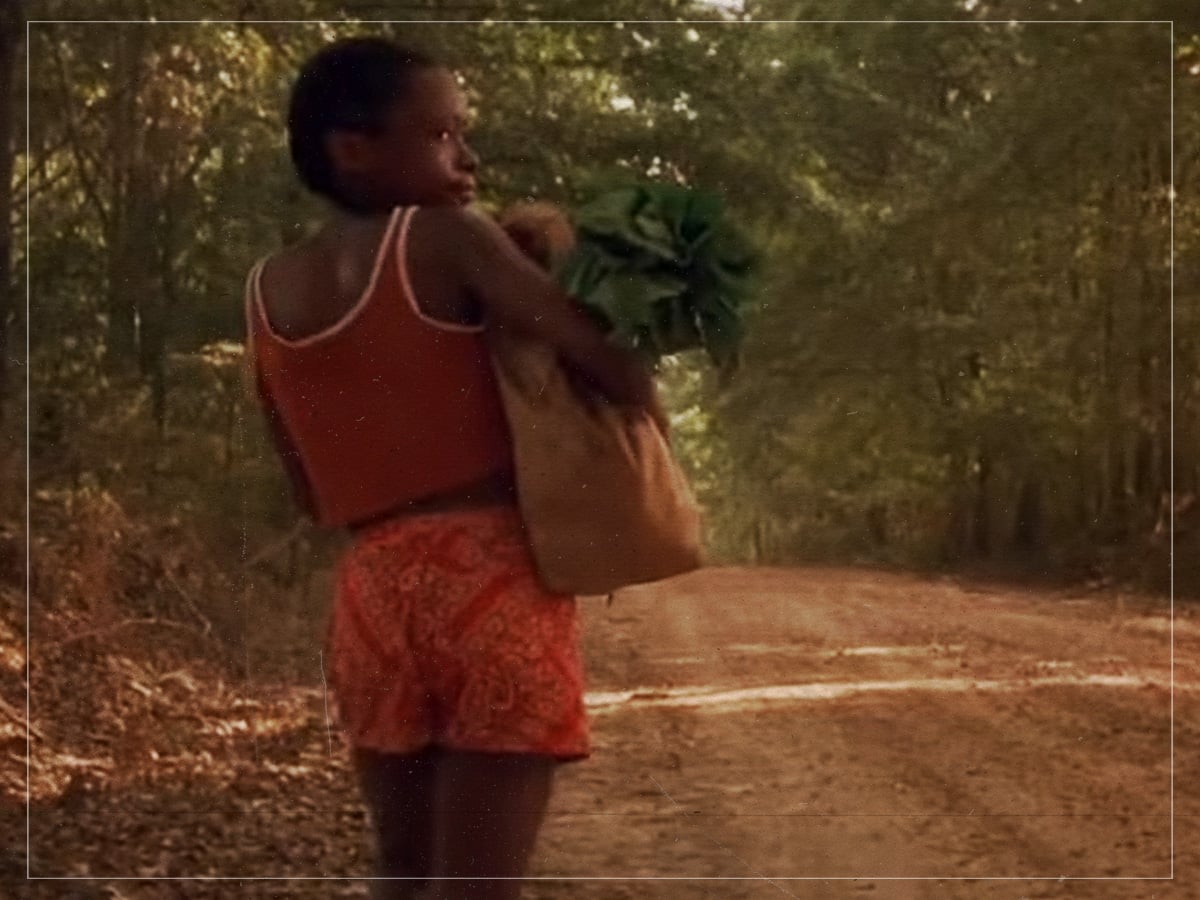
Joel Schumacher has never failed to be provocative, and he was given the opportunity to work with incredibly controversial material when he was hired to direct the adaptation of the popular novel A Time to Kill, which starred Matthew McConaughey as a young lawyer hired to defend an African-American man, played by Samuel L Jackson, who murders two racists who raped his young daughter.
This is a film that probably wouldn’t be made today because of its content, and even if it did would certainly not be directed by a white filmmaker or centred on white characters, with it going far enough to show the assault happening, which is pretty shocking, especially since Schumacher wasn’t especially known for making issue-oriented dramas, just coming off of the success of the blockbuster Batman Forever.
Tom Mullen’s tirade – ‘Ransom’ (Ron Howard, 1996)
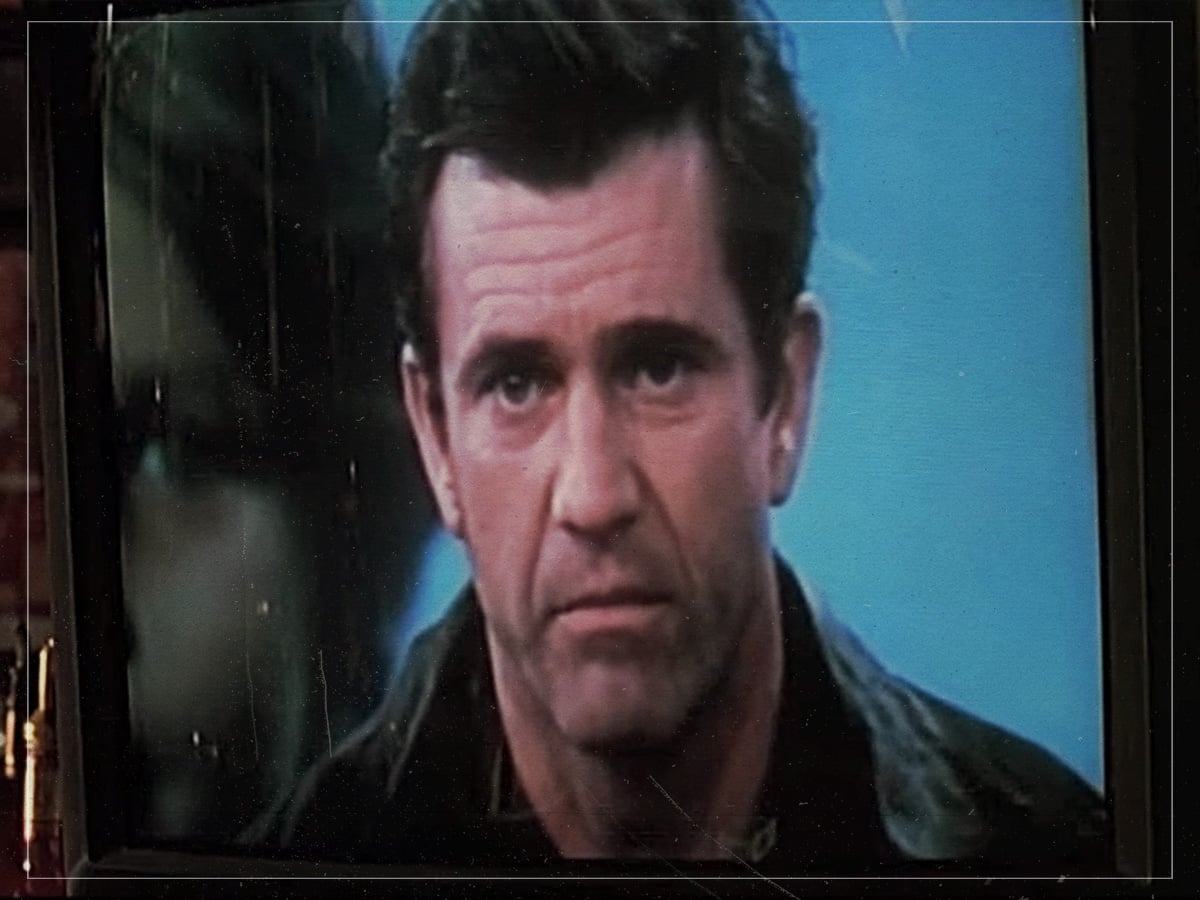
Mel Gibson is a celebrity who is viewed very differently today due to his slew of rants, but in 1996, he was a movie star who could sell an upcoming release based purely on his involvement, and it saw him starring in the Ron Howard kidnapping drama Ransom as a powerful businessman whose son is abducted by criminals, forcing him to negotiate with the police in order to stage a rescue.
In one of the film’s most shocking scenes, Gibson’s character goes live on television to threaten the kidnappers and demand that a price be put on their heads, and even ignoring the fact that live broadcasting doesn’t hold the same power today because of the influence of social media, Ransom is oddly sympathetic towards a privileged, wealthy character, which would be a much harder sell, given the ‘eat the rich’ sentiments that are rightly prominent in 2026.
Roy teaches Molly to golf – ‘Tin Cup’ (Ron Shelton, 1996)
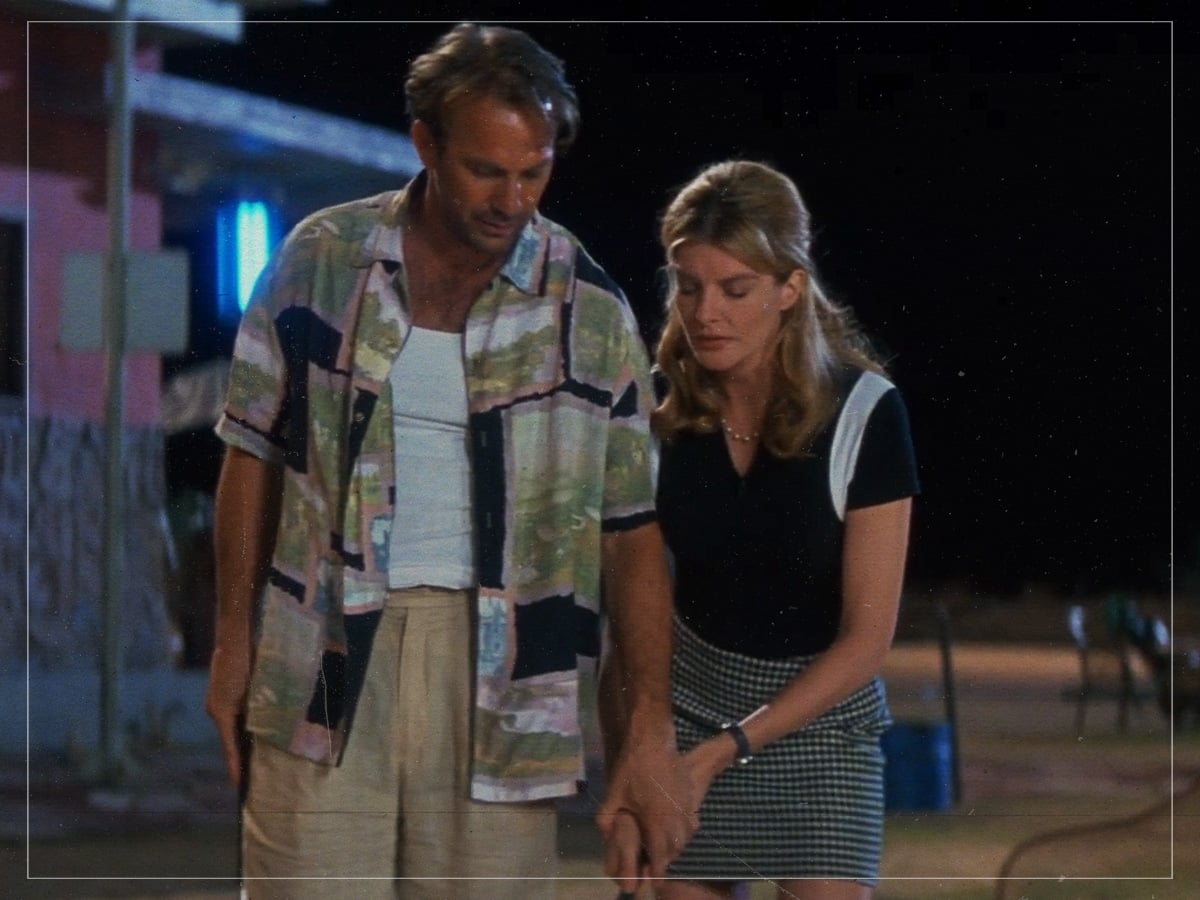
Kevin Costner is the undisputed king of sports movies, and after a string of ‘80s hits that included American Flyers, Bull Durham, Field of Dreams, and Chasing Dreams, Tin Cup marked his return to the genre, proving that Costner could make a movie about golf that people actually cared about, even though it’s not something that attracts a lot of attention today.
Costner is known for basically taking over the production of films that he stars in, and managed to get a prolonged scene in Tin Cup where his character Roy teaches Molly, played by Rene Russo, to golf in a flirtatious way, even though she is married to his friend David, played by Don Johnson. Unfortunately, it doesn’t appear that audiences have the same affinity for Costner’s romantic view on sports today, as his most recent entries in the genre, Draft Day and McFarland, USA, were both box office flops.
Alan defends Larry – ‘The People vs Larry Flynt’ (Miloš Forman, 1996)
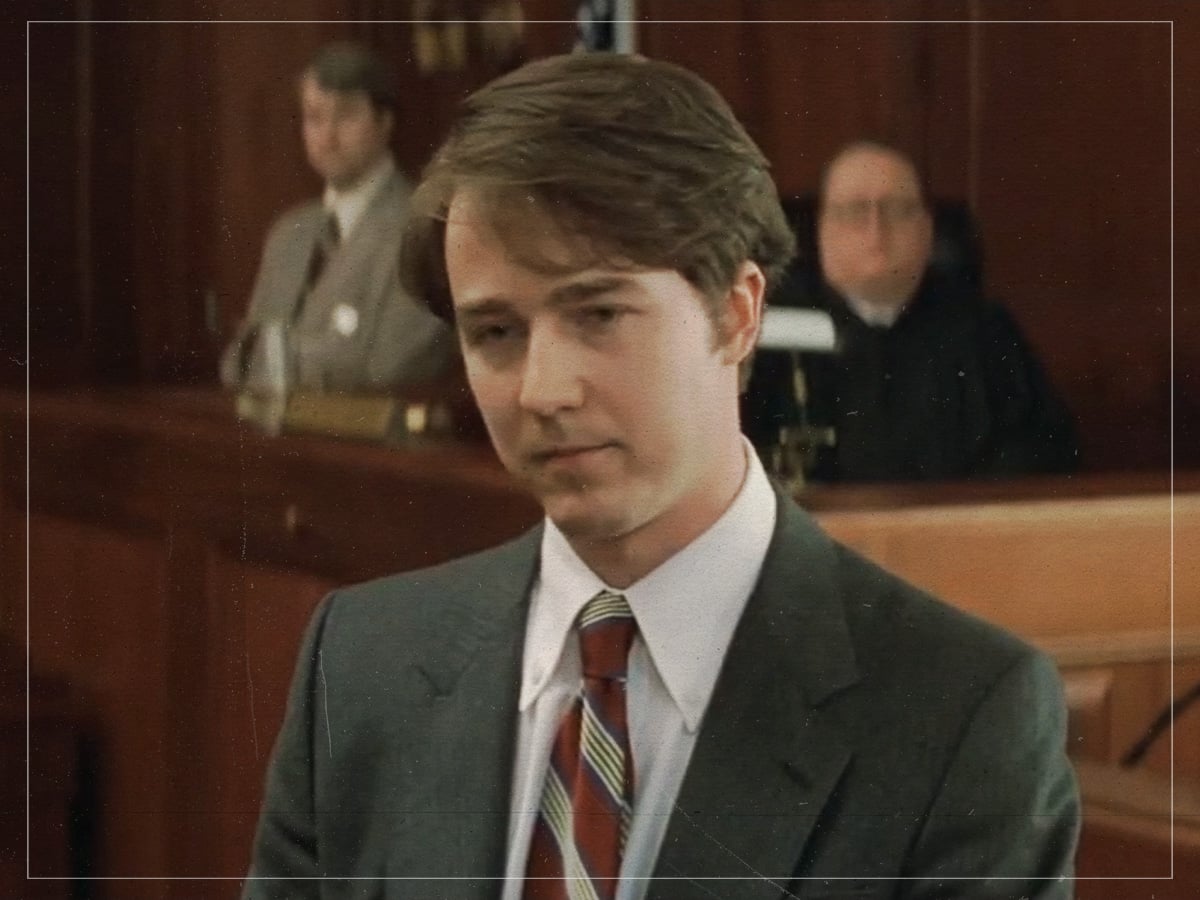
Woody Harrelson is such a strange, unconventional actor in real life that he was perhaps the only person who could have played Larry Flynt, the pornographic publisher who became the subject of various lawsuits. Although it’s unlikely that a film like The People vs. Larry Flynt would be made today (as these types of ‘ripped from the headlines’ stories are often made into limited series), Miloš Forman actually turned it into an oddly powerful film about free speech.
Forman made his point clear during a showcase scene in which Larry’s young lawyer Alan, played by Edward Norton, addresses the jury in court, where he discusses the importance of letting his client publish what he wants, even though he personally doesn’t agree with it, and given the era of outrage culture and immediately written think pieces, a scene as nuanced as this would have a hard time being included.
Myrlie approves of Bobby – ‘Ghosts of Mississippi’ (Ron Reiner, 1996)
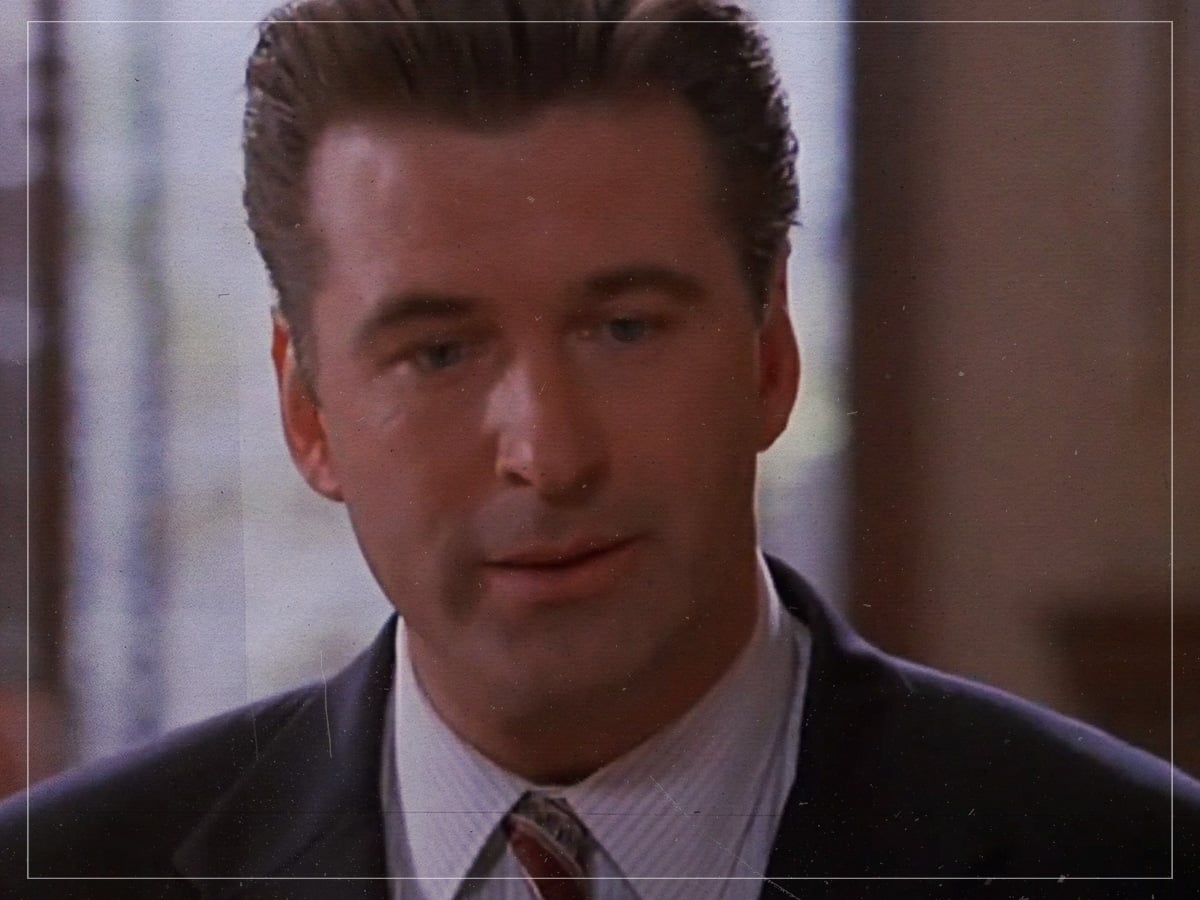
Rob Reiner was not only one of the best directors of his generation, but also someone who was well-known for being a nice person with the best of intentions, yet sometimes, good intentions can be obscured if a film doesn’t feel like it’s being told from the right perspective, which is what happened with the legal drama Ghosts of Mississippi.
The film is based on the true story of the civil rights lawyer Bobby DeLaughter, played by Alec Baldwin, who took on a case by the African-American widow Myrlie Evers, played by Whoopi Goldberg, after her husband was murdered by white supremacists. The film means well as an issue-based drama, but it ends up turning Bobby into a white saviour who has to prove that his approach to the legal strategy of the case is correct, which leads Myrlie to have to apologise to him.
The torture of Rizzo – ‘Sleepers’ (Barry Levinson, 1996)
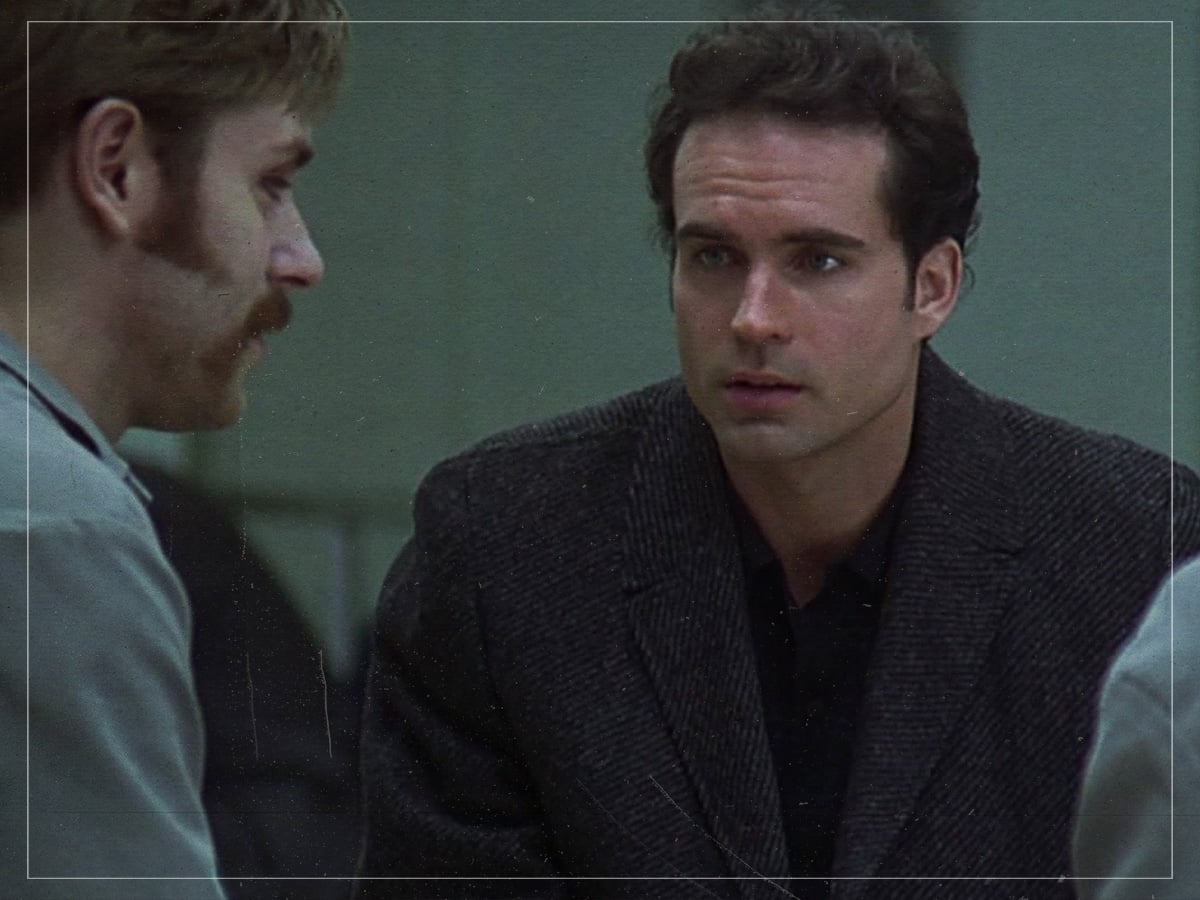
Barry Levinson has become a bit of a laughingstock in recent years, but there was a time when he was one of the industry’s most powerful directors, because it certainly took a degree of influence for him to make a film like Sleepers, a bleak drama about a group of former best friends who served at a juvenile detention center in Hell’s Kitchen, where they all suffered torture and sexual abuse at the hands of the guards.
The film is utterly unflinching in showing flashbacks that examine the trauma that the characters faced, and the most extreme moment occurs when their African-American friend Rizzo, played by Eugene Byrd, is killed after being targeted for racially-motivated torture. It’s one of the most disturbing scenes to ever be included in a major Hollywood release, which makes it all the more shocking that Sleepers was a massive hit that made over $165million.
