


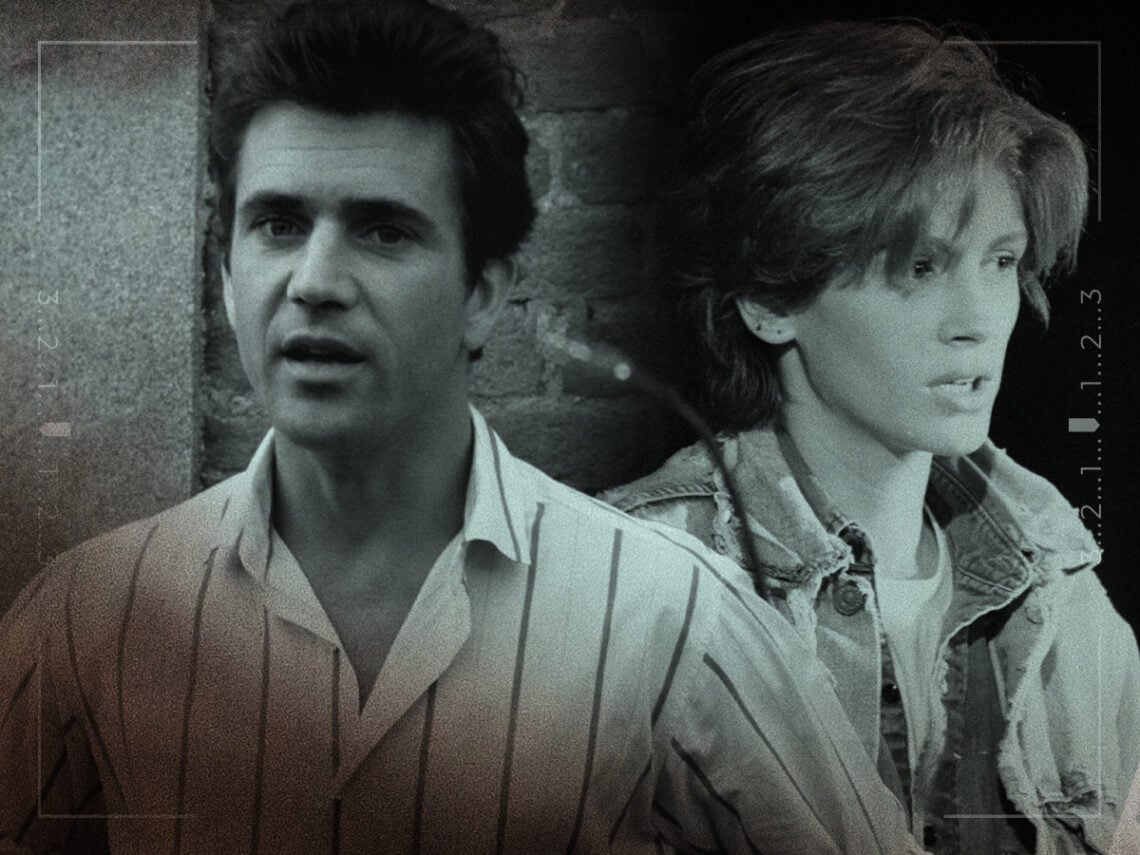
“I love to hear her scream”: Mel Gibson, a freeze-dried rat, and a traumatised Julia Roberts

Before he found himself blacklisted from mainstream Hollywood for saying and doing some despicable things, Mel Gibson had a reputation as a bit of a prankster, although your mileage may vary on what constitutes a prank and what veers into psychological torture.
On the set of Forever Young, he tested Jamie Lee Curtis’ latent Halloween scream queen credentials to the limit when he surprised her wearing a hockey mask and brandishing a massive knife, and on Hacksaw Ridge, he disguised himself as an old man and harassed his own cast while they were having dinner.
You could maybe write those off as harmless fun, but what he did to his What Women Want director, Nancy Meyers, was anything but. Gibson had fake notices printed, while wearing a mask that made him look like a “pissed-off lumberjack,” insinuating that there was a maniac loose on the Paramount lot.
Thinking this was absolutely hilarious, the disgraced actor then approached Meyers, who wasn’t only fully aware of the alleged madman lurking around the set, but promptly “stabbed me eight times with a blunt pencil” when he got close enough, until he revealed his true identity to the terrified filmmaker.
They don’t call him ‘Mad Mel’ for nothing, and not even Hollywood’s biggest stars are safe from his idea of a light-hearted gag. Take Julia Roberts, for instance, who co-starred with the two-time Academy Award winner in 1997’s Conspiracy Theory, and was greeted with a welcome present inside her trailer that almost made her hit the roof.
“I love her, and I love to hear her scream,” Gibson explained, definitely not sounding like a creep and/or weirdo. “I put a Norwegian freeze-dried rat that comes from a store in New York City in a parcel, and when she unwrapped it, she screamed.” He thought it was hilarious, but it’s unsettling more than anything else.
Beyond Gibson mistaking good-natured humour for traumatisation, Conspiracy Theory was a case of life imitating art in more ways than one. The politically-tinged thriller was predicated on the idea that the United States government is secretly being controlled and manipulated by a secretive deep state organisation, which was strictly in the realms of fiction back then.
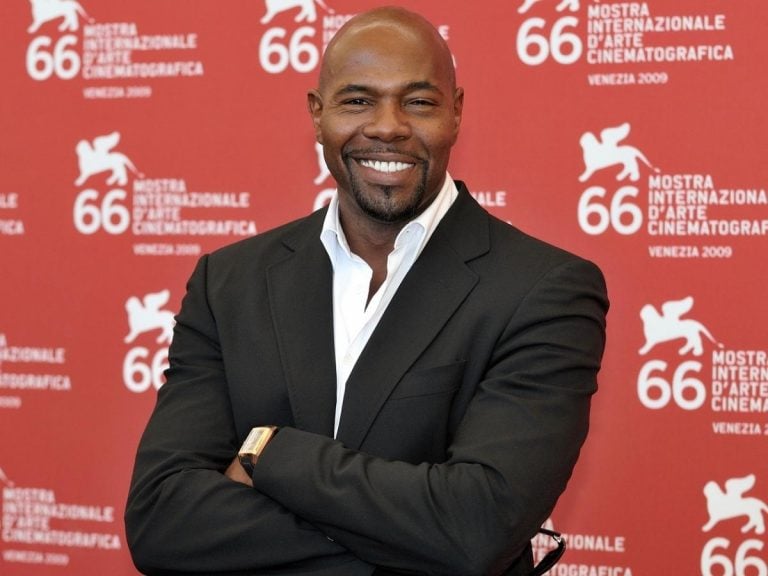
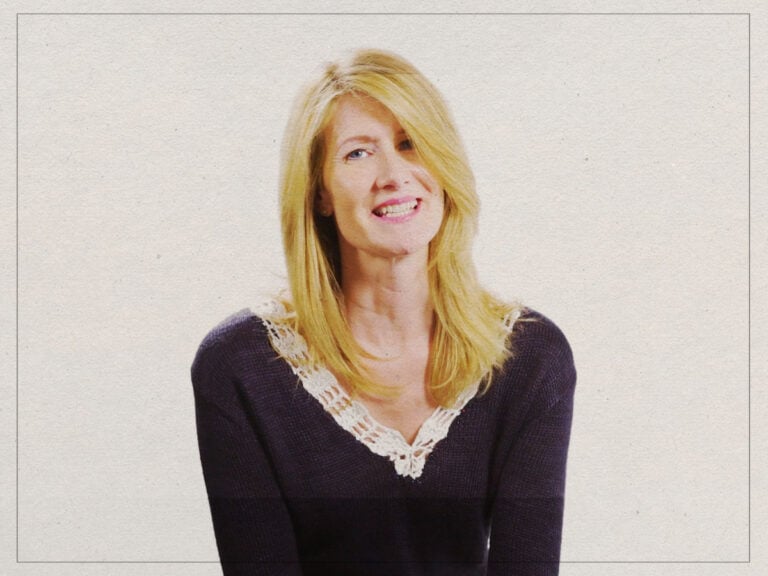
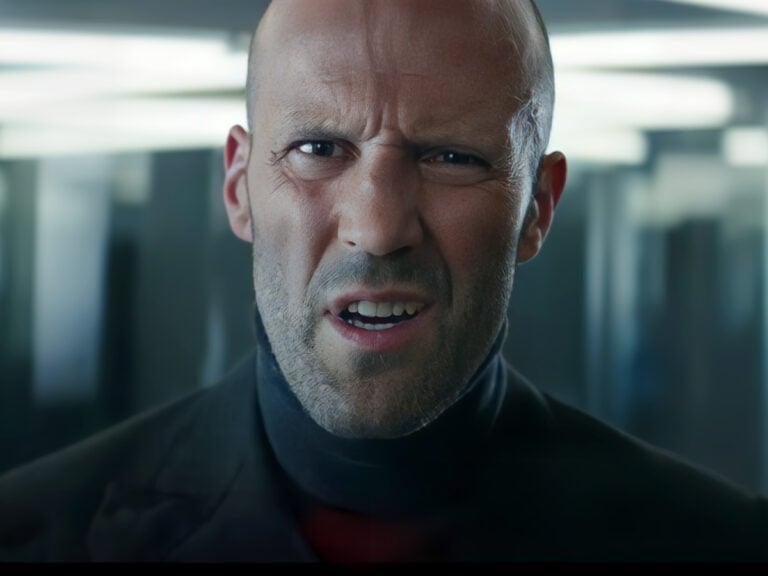
Obviously, more and more people have strapped on their tinfoil hats in the three decades since its release and come around to that preposterous way of thinking, but Gibson was ahead of the curve in that regard, suggesting years beforehand that a mysterious sect had been pulling the strings of political power in the background for decades, hand-picking future presidents while they were still in college.
Jared Leto, another one of Hollywood’s most outlandishly reviled fellas, made headlines when he sent Margot Robbie a dead rat when they were shooting Suicide Squad. As it turned out, Gibson had beaten him to that highly specific punch by a decade, which says a lot about both of their mindsets, for better or worse. Mostly worse.
