


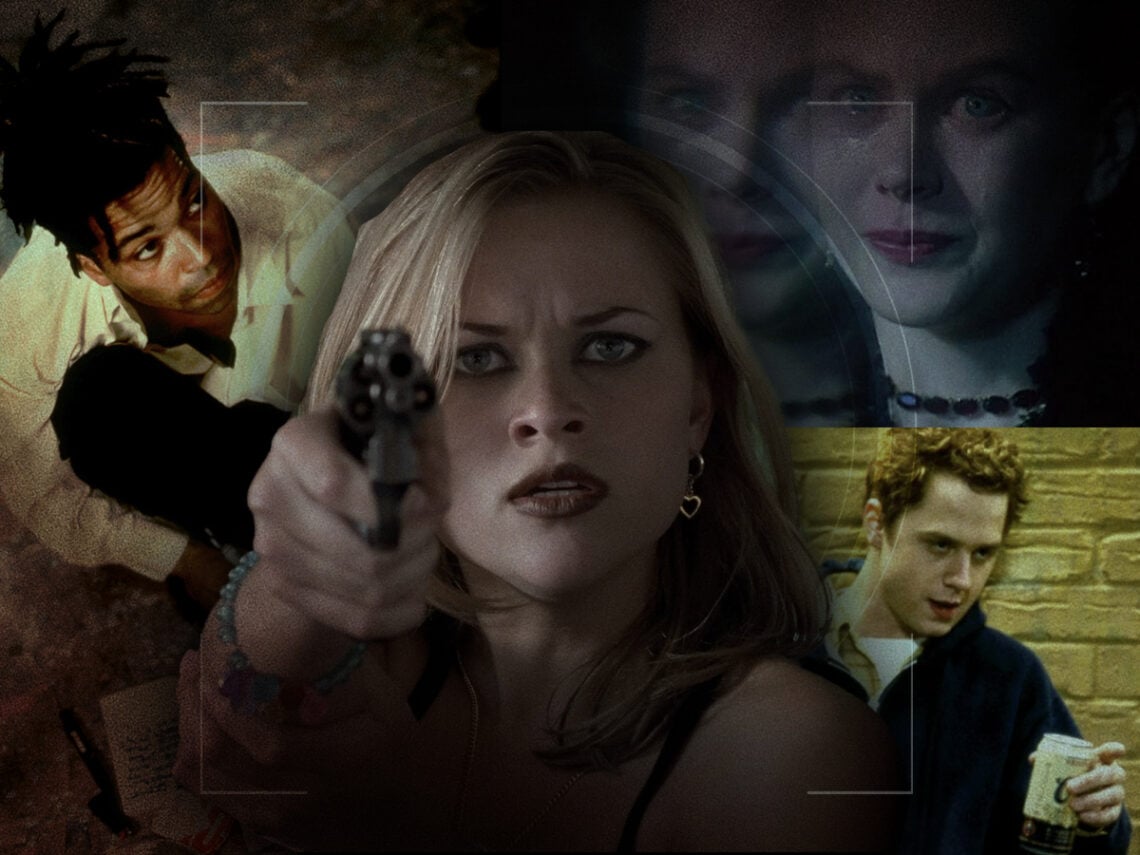
10 hidden gem movies from 1996 begging to be rediscovered

The 1990s were a renaissance decade for film history, but 1996 stands out as one of cinema’s greatest years.
While the ‘70s are often cited as the greatest decade in film history because it saw the rise of the New Hollywood generation, the industry faced a similar period of fruitful creation in the ‘90s. The equalisation of filmmaking technology led to a system where more independent filmmakers were getting a shot at working outside of the studios, and Sundance had taken off to give these indies a real platform to be released. At the same time, bigger conglomerates were also capable of making mature, interesting films for adult audiences. Even the blockbusters tended to be better crafted than the slop that studios release today.
1996 was a year that was quietly revolutionary in the number of trends it set. Anthony Minghella’s bold period epic The English Patient holds up much better than some may suspect, and won the Academy Award for ‘Best Picture’ after becoming a surprise commercial success, but the most remembered film of the year is still Joel and Ethan Coen’s Fargo, which remains a perfect embodiment of their unique gifts as storytellers.
Elsewhere in the year, Trainspotting became the ultimate Generation X film, Scream launched a new generation of slasher films, Independence Day became one of the highest-grossing blockbusters of all-time, The Rock created ‘Bayhem’, and Tom Cruise reached his career apex with both Jerry Maguire and Mission: Impossible.
There are so many unassailable, all-time classics that were released in 1996 that, naturally, there were also quite a few films that went under the radar.
10 movies from 1996 begging to be rediscovered
‘Trees Lounge’ (Steve Buscemi, 1996)
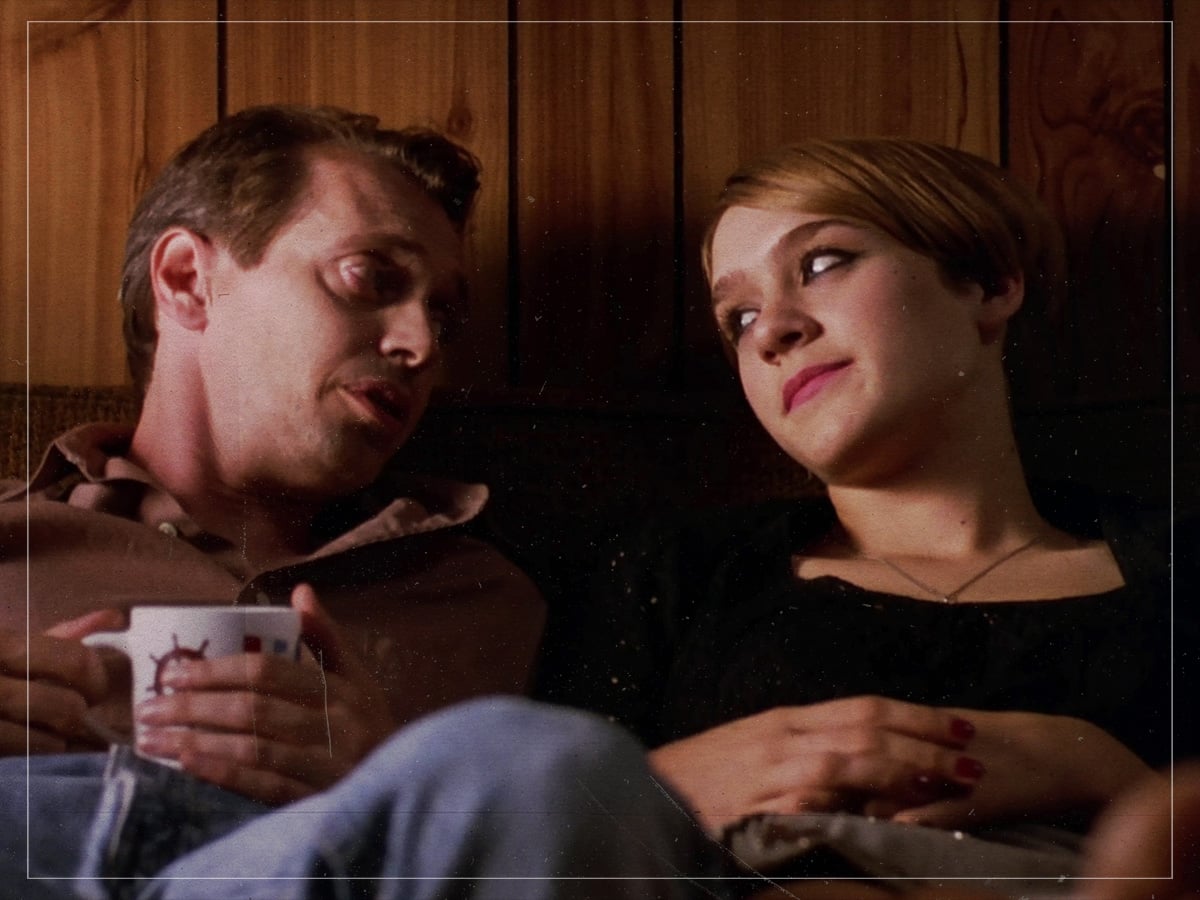
Steve Buscemi isn’t just an amazing character actor who always steals whatever film he is in, but a surprisingly talented director who has worked with many of the same genres as the directors he frequently collaborated with. Despite the fact that Buscemi is frequently cast as comic relief and villainous figures, he gave one of his most profound performances in Trees Lounge, an independent drama that he also wrote and directed.
Trees Lounge is a moving story about an alcoholic who is trying to reclaim his life, despite dealing with all the annoyances of his small community, making for a darkly funny, intimate study of Buscemi’s experiences growing up in New York. It also had a surprisingly stacked cast, and while the actor himself might be the standout, the film also featured a surprisingly subdued and thoughtful performance from Samuel L Jackson.
‘Basquiat’ (Julian Schnabel, 1996)
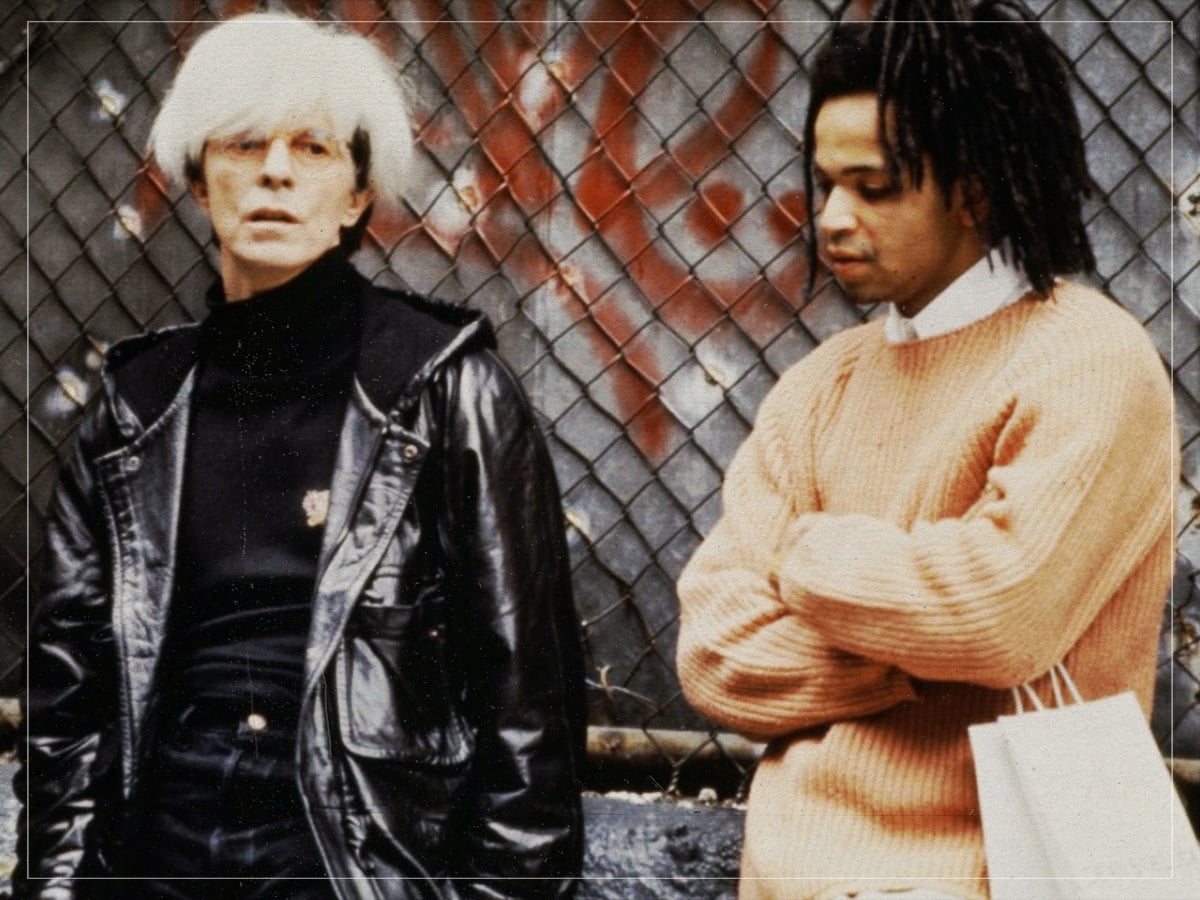
Gary Oldman had a standout role as Albert Milo, based on the director himself, in Basquiat, but Jeffrey Wright stole the film with his brilliant performance as the titular artist, whose neo-expressionist work redefined the parameters of ‘street art’. The film is particularly interesting as a personal statement on the part of director Julian Schnabel, who had developed a real-life friendship with Basquiat and tried to incorporate his own experiences into the story.
An artist as unique and groundbreaking as Basquiat demanded a biopic that was not flattened by conventions, and thankfully, Schnabel made a film that holds up on repeated viewings, which is not only a great introduction to both Basquiat’s career and what motivates Schnabel as a filmmaker, but a fascinating conversation starter about the role and responsibility of an artist when it comes to their involvement in social movements.
‘Lone Star’ (John Sayles, 1996)
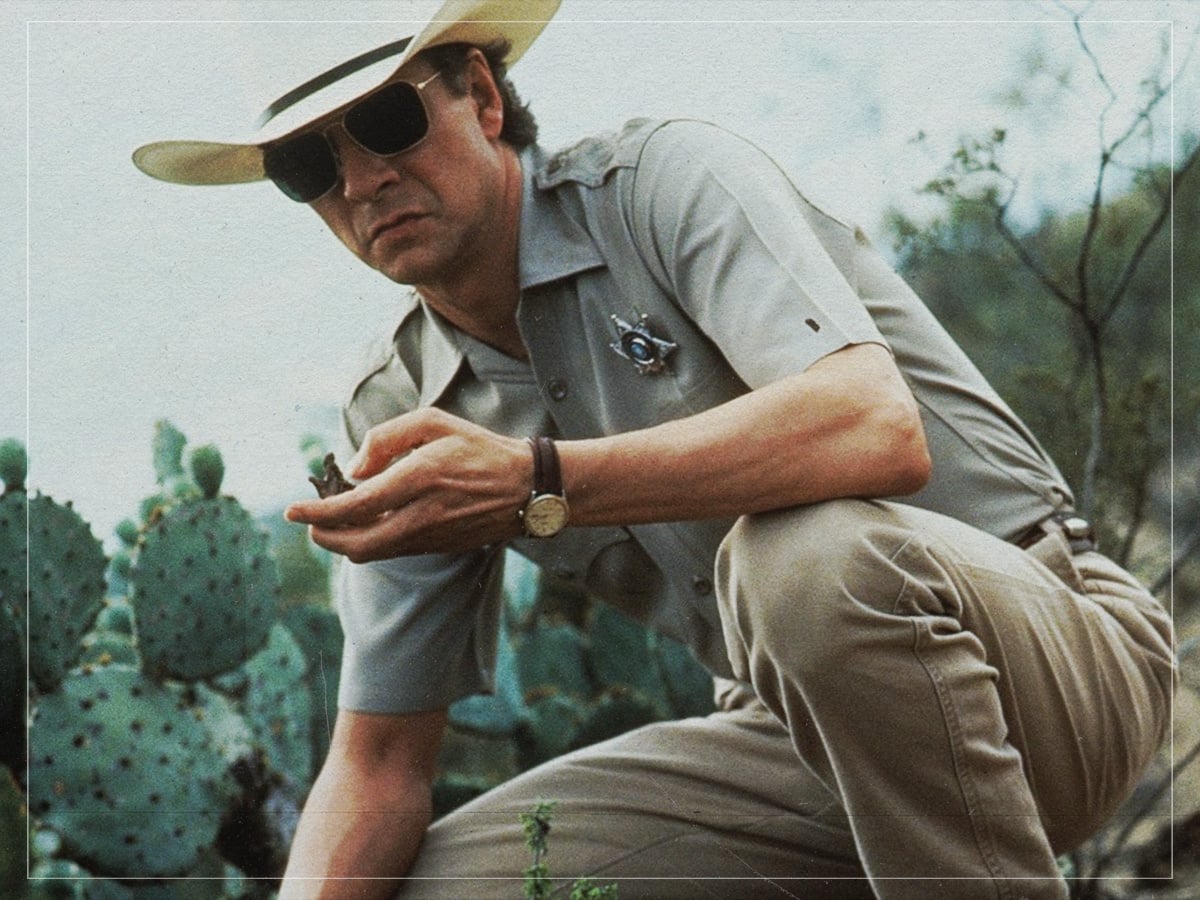
Matthew McConaughey is a very distinct actor who became synonymous with a unique form of Texan charisma, but he has rarely been better utilised than he was in Lone Star, a neo-western tragedy from the highly underrated writer/director John Sayles. The film is about a Texan sheriff played by Chris Cooper who struggles to live up to the legacy of his father, who is played by McConaughey in flashbacks.
It’s hard to get into the plot of Lone Star without unveiling any spoilers, but the film leaves an emotional wallop at the end that couldn’t be more heartbreaking, and with Sayles’ brilliant ability to tell deeply personal, intimate stories that feel realistic, yet still unfold with the literate prose of a Shakespearean epic, it stands as a great introduction to his body of work and doubles as a more subversive crime thriller.
‘SubUrbia’ (Richard Linklater, 1996)
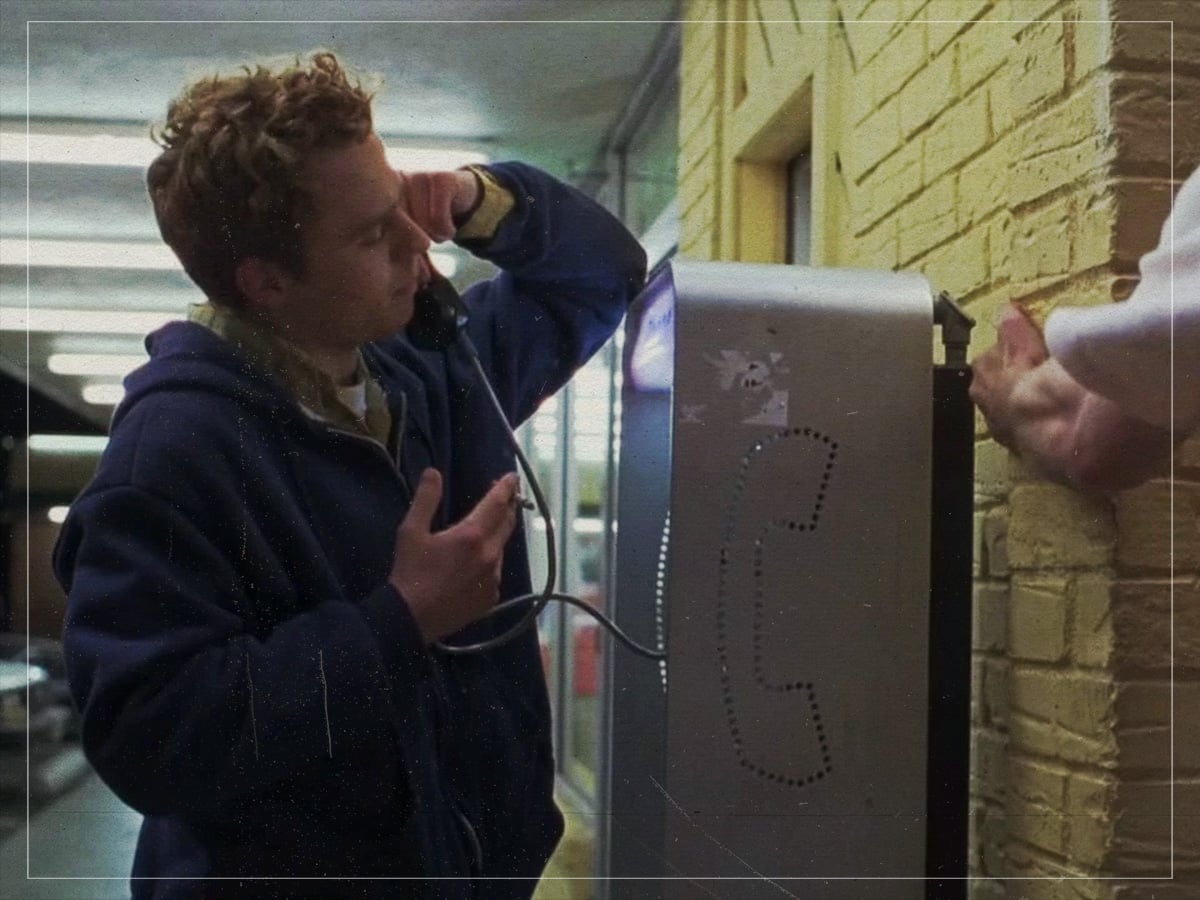
Richard Linklater has long been interested in the craftsmanship of the stage, but his exploration of Lorenz Hart in Blue Moon isn’t the first time he merged theatre and cinema, with SubUrbia being based on a play of the same name by Eric Bogosian that observed the menial, seemingly superfluous lives of various young people hanging out in front of convenience stores in Austin, Texas.
Given that Linklater grew up in Austin and knows the city better than almost anyone, SubUrbia felt like an even more authentic depiction of its culture than what Bogosian was able to accomplish with his play. The film feels like a maturation of the ‘hangout’ style of previous films by Linklater, such as Slacker and Dazed and Confused, but it also deals with darker themes of desensitisation that reflected his growth.
‘Flirting With Disaster’ (David O Russell, 1996)
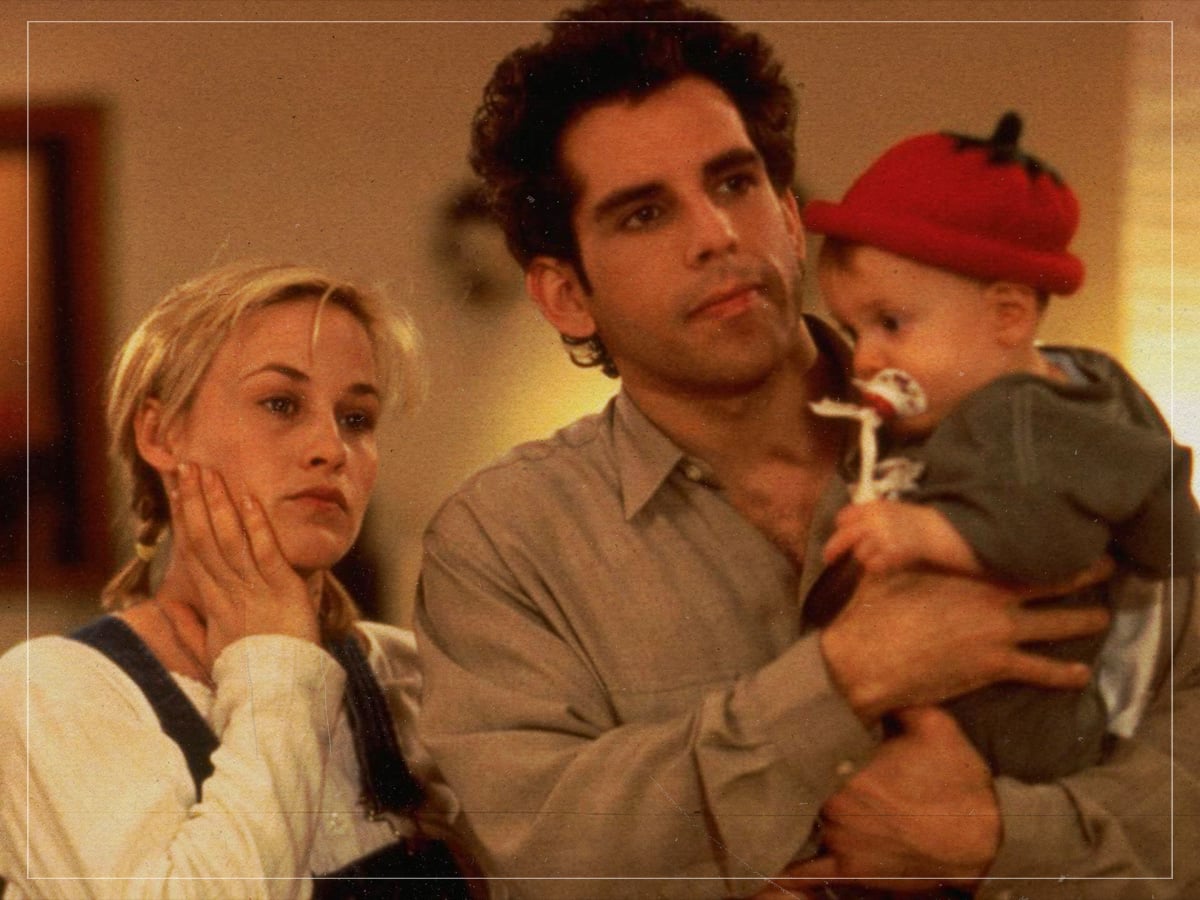
Ben Stiller had a major year in 1996 because he directed Jim Carrey to one of his greatest performances in The Cable Guy, but that doesn’t mean that he had given up working in films where he was only acting, and so came to be his partnership with David O Russell, a polarising director whose ‘90s comedies had a dangerous edge that made them wholly unique from anything else on the American independent scene.
Flirting With Disaster seems like it might be a traditionally awkward family dramedy, but it veers into a chaotic direction with its black comedy and complete absurdity. Stiller plays the role of a very uncomfortable, insecure man better than almost anybody, and Flirting With Disaster gave him one of his greatest onscreen partners, thanks to his strong chemistry with Patricia Arquette.
‘The Late Shift’ (Betty Thomas, 1996)
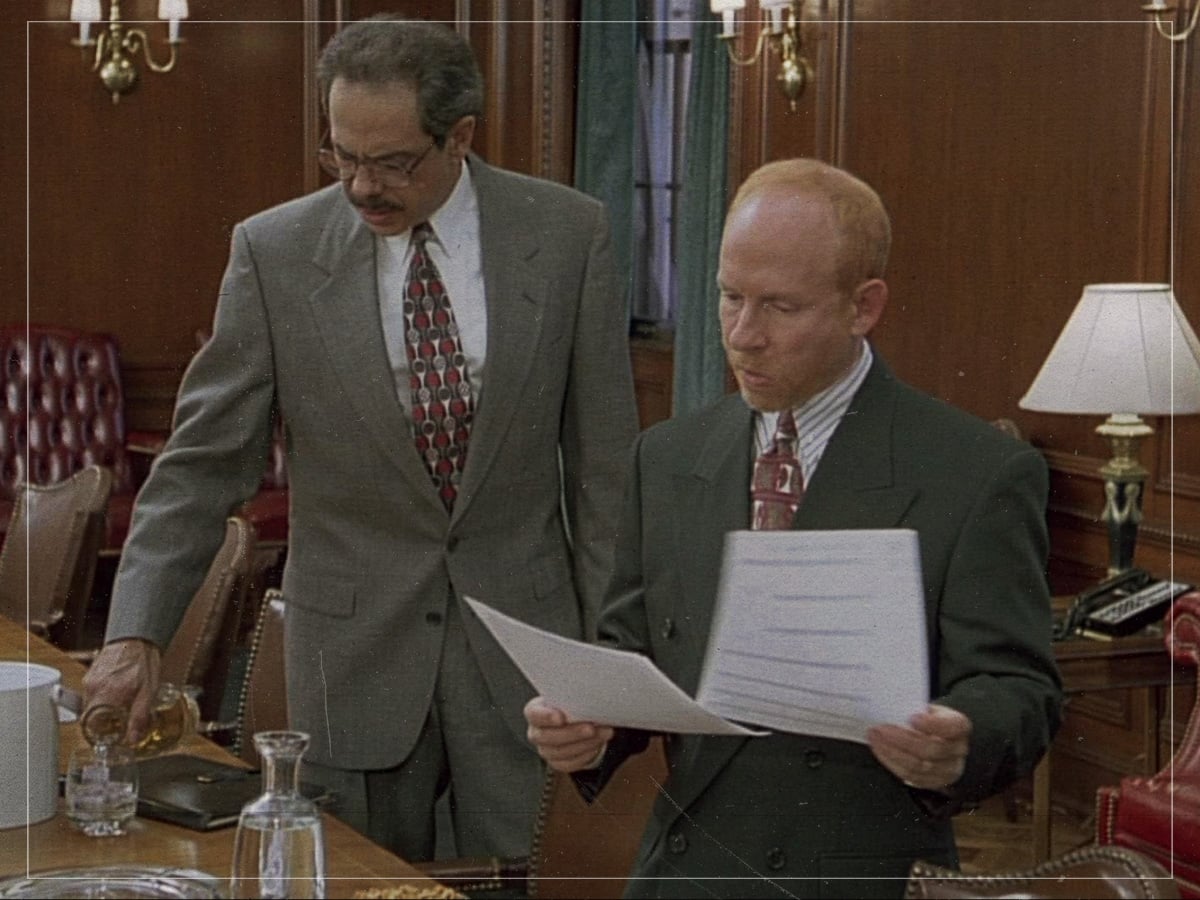
HBO became a serious distributor for great television in the ‘90s with the dawn of The Sopranos and Oz, but the network also developed a strategy of making original films, many of which were based on true stories. HBO originals tended to focus on important historical events, conflicts, and crime stories, but The Late Shift looked into a then more recent controversy by examining the famous late-night feud between Jay Leno and David Letterman.
That both Letterman and Leno were on the air when The Late Shift debuted made it even more groundbreaking, especially since the film did not hold back in the slightest in exploring the ruthlessness of the show’s producers. The only unfortunate aspect is that the film never got a sequel, because it would have been interesting to see another film that explored the feud between Leno and Conan O’Brien two decades later.
‘City Hall’ (Harold Becker, 1996)
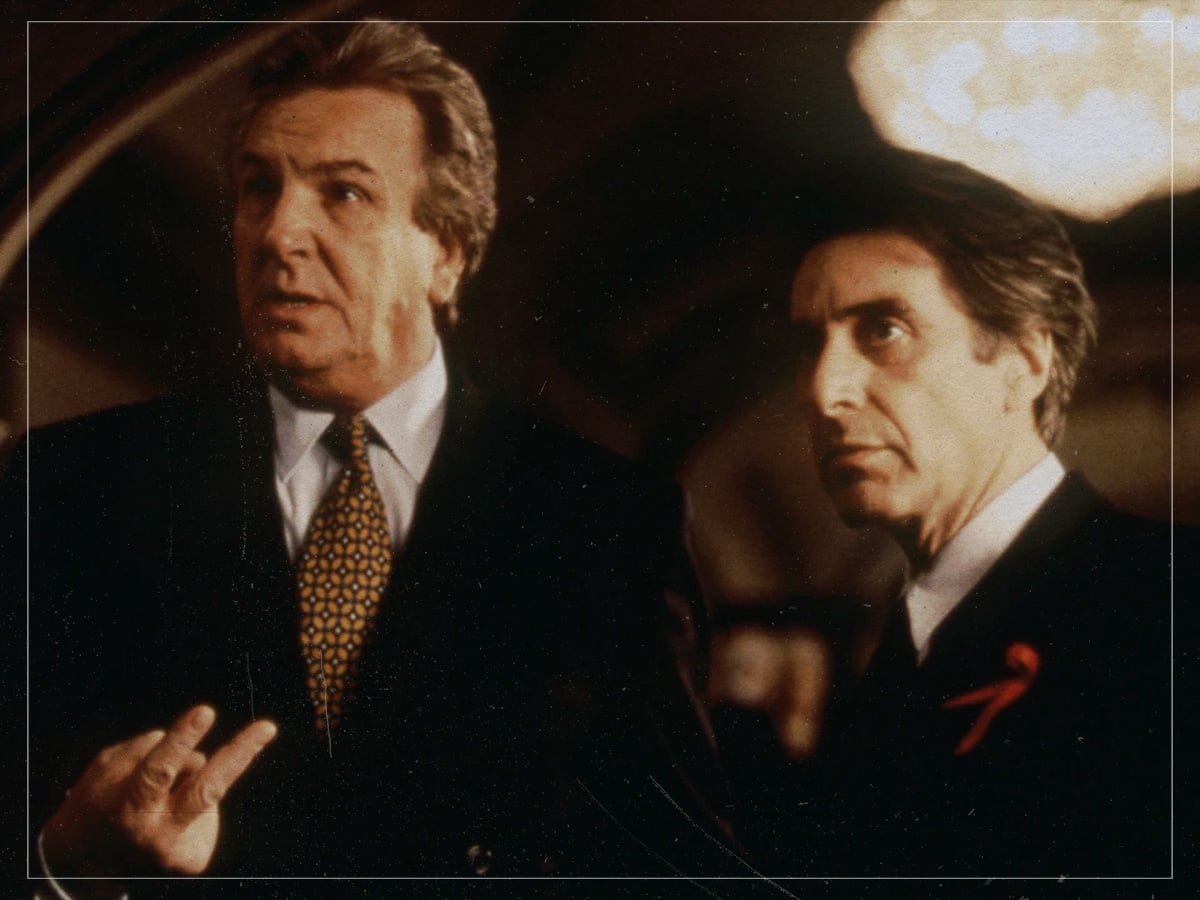
Al Pacino had begun to become a parody of himself in the late ‘90s, as he moved away from the more grounded, realistic performances of his early days to start taking on more over-the-top roles, and while there is something to admire about Pacino’s willingness to get silly, City Hall was a reminder of how he could still be taken seriously, as he plays a scandal-ridden politician in this New York-based drama.
Pacino made for a great screen partner to John Cusack, who was perfectly cast as a younger, more idealistic political worker who begins to doubt the sanctity of the institutions he had dedicated his life to. The film was a modern and completely unapologetic look at what New York had become and has aged even better because of how prophetic it was about the way that the city’s politics would evolve.
‘Freeway’ (Matthew Bright, 1996)
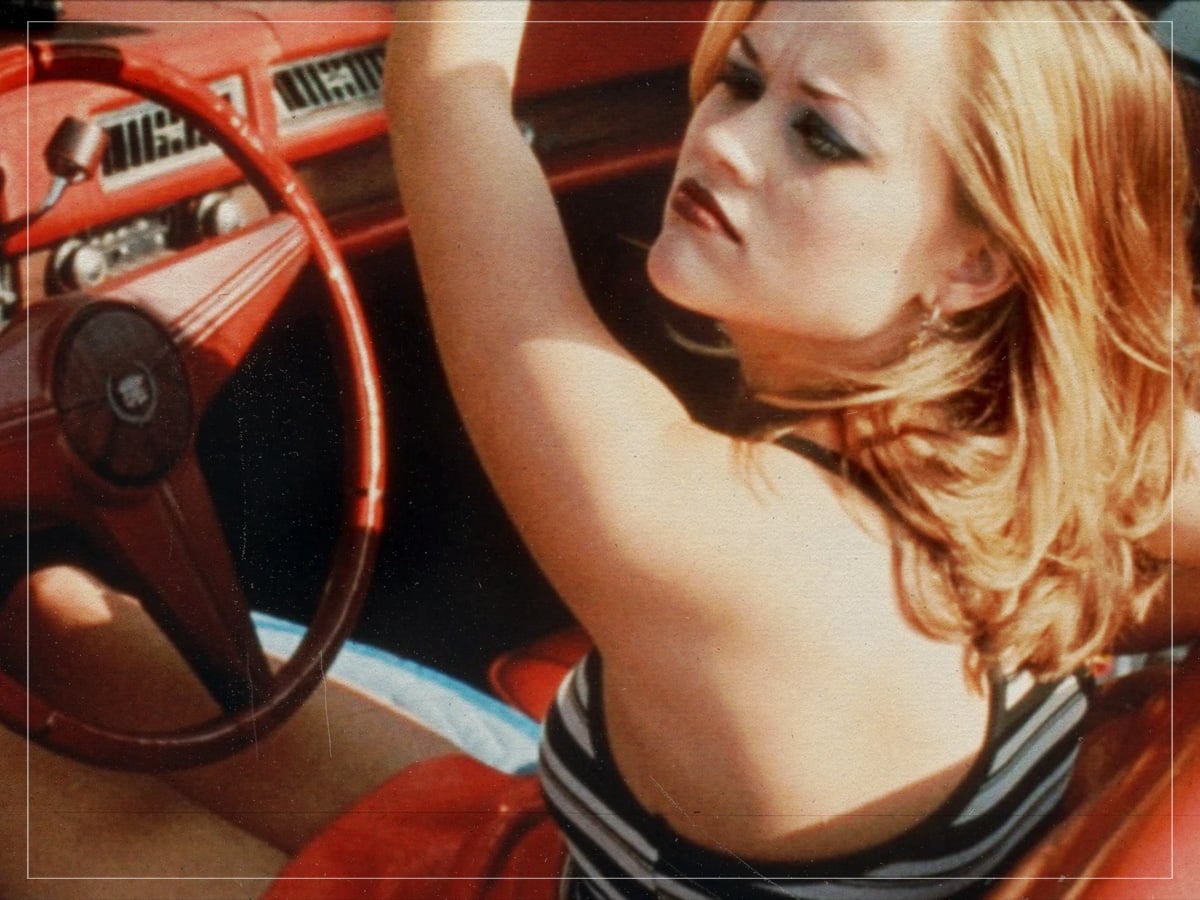
Kiefer Sutherland had a rough period in the late ‘90s in which he nearly destroyed his career, but the result was some fascinating films that were augmented by his offscreen controversies, especially when he was cast against type in Freeway, where he played a serial killer who encounters a teenage girl, played by a young Reese Witherspoon, and subsequently decides to sue her.
Although serial killer films had become increasingly popular in the aftermath of The Silence of the Lambs and Se7en, Freeway was outrageous and darkly funny in a way that perfectly fit within the media sensationalism of the ‘90s, which had only escalated in the wake of the OJ Simpson trial. While Witherspoon would eventually adopt the persona of the friendly, charming girl next door, Freeway was released in a period where she was willing to go outside the box with some truly strange, beguiling performances.
‘The Portrait of a Lady’ (Jane Campion, 1996)
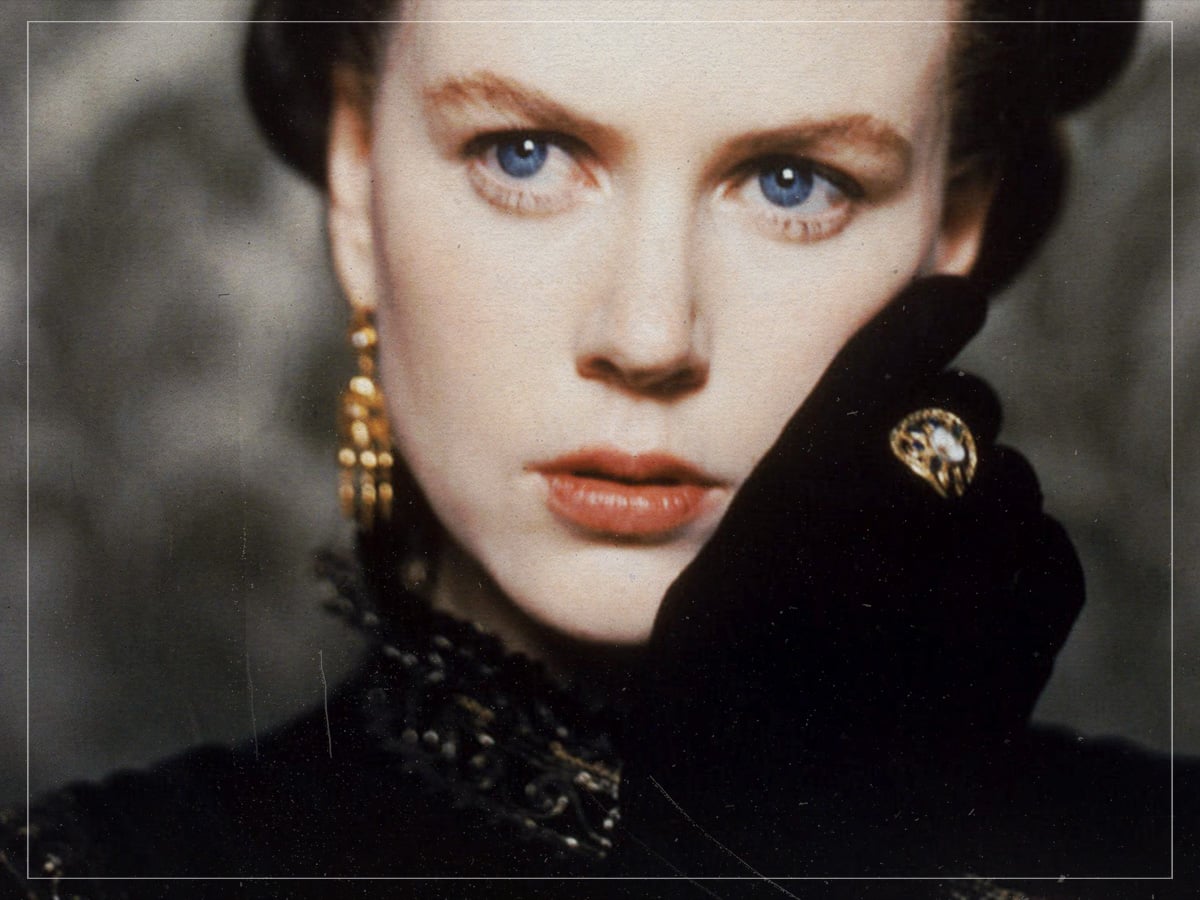
Jane Campion would briefly enter director’s jail in 2003 when In the Cut became a colossal misfire, but 1996 saw her coming off the surprising success of The Piano, for which she had won an Academy Award, and she followed it up with The Portrait of a Lady. The Henry James novel was long considered to be unadaptable, but Campion made an austere, pensive period piece that featured Nicole Kidman at the moment of her ascension.
Campion was able to subvert the language of costume dramas by telling a deep and tragic story of unreciprocated love, which was complicated even further by the strange, yet effectively cruel performance by John Malkovich as the husband of Kidman’s character. Although the director is known for being provocative with the graphic content in her films, The Portrait of a Lady managed to contain all of its sensuality in a PG-13 rating.
‘Everyone Says I Love You’ (Woody Allen, 1996)
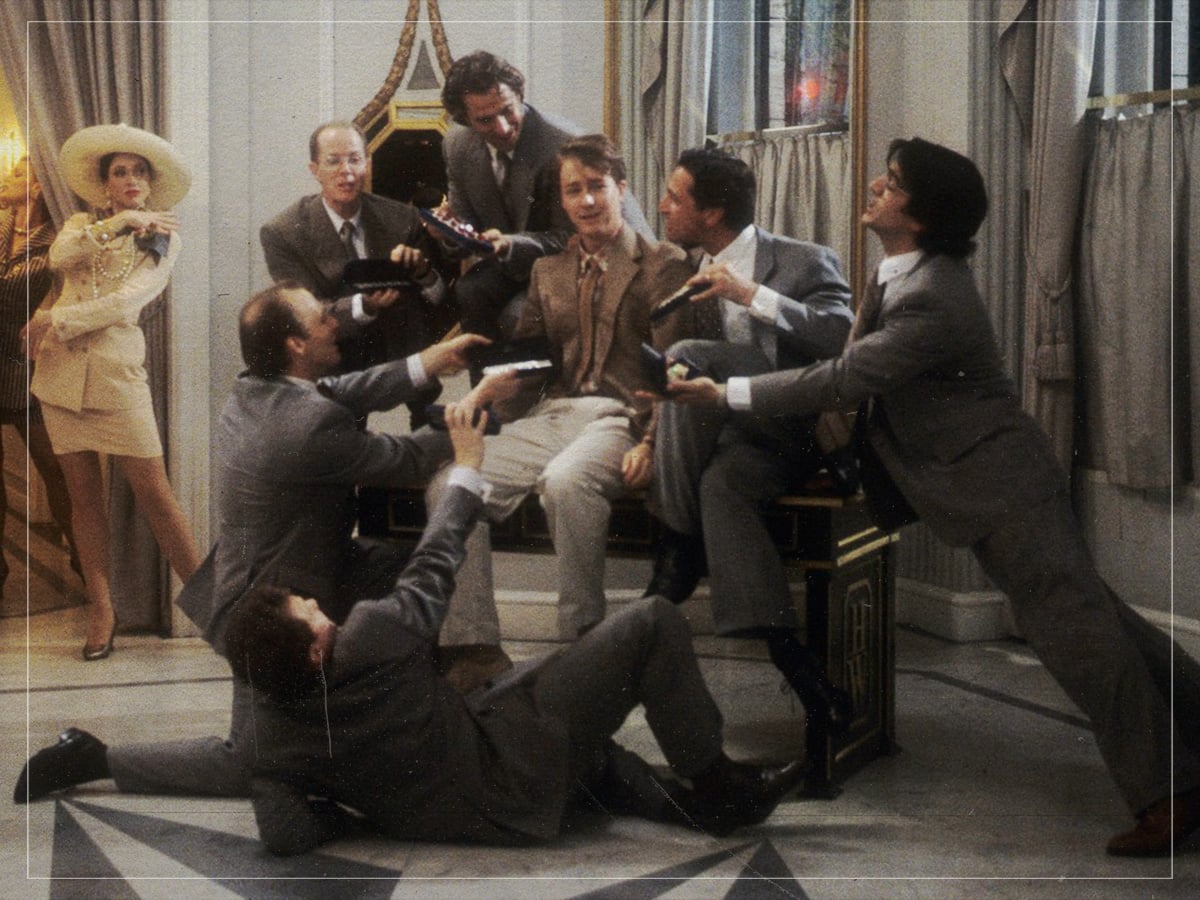
Woody Allen has been writing and directing films for so long that it’s a bit surprising that it took him until 1996 to make a musical, even if Everyone Says I Love You only used existing songs. While it was not successful at the time of its release, becoming one of Allen’s few box office bombs, the film was clever in its decision to cast actors who weren’t highly known for their musical abilities.
Although Everyone Says I Love You offered an early look at the inescapable screen presence of Natasha Lyonne, its real breakout was Edward Norton in one of his three major roles in 1996 films. It was in the same year that he earned an Academy Award nomination for ‘Best Supporting Actor’ for his transfixing role in the legal thriller Primal Fear, and appeared alongside Woody Harrelson in the controversial (yet acclaimed) biopic The People vs Harry Flynt.
