


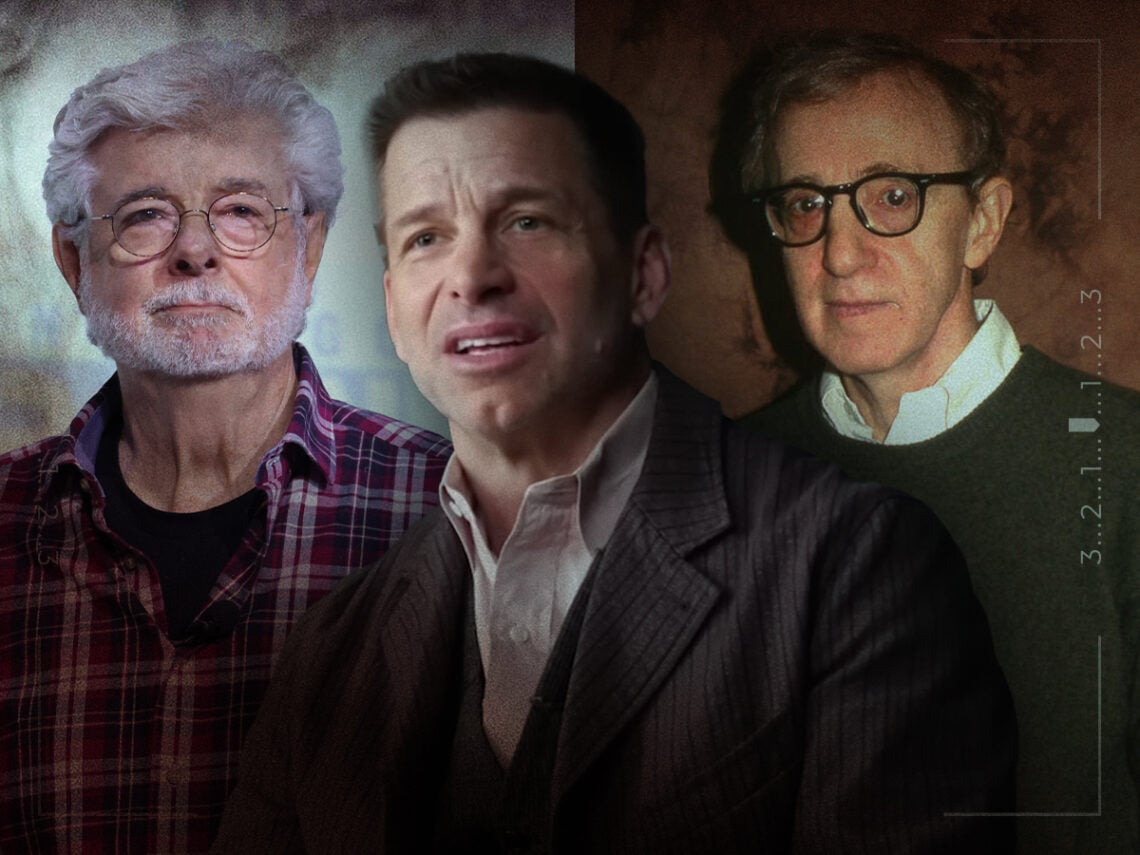
10 directors who destroyed their career with a single scene

Directors are often a bigger draw for audiences than movie stars, which means they’re often given full praise or blame for how well their films perform.
There is no better indication of whether or not a film is going to work than the person who is behind the camera. While an actor may be involved in any number of projects of varying quality, directors tend to be fairly consistent when it comes to output; if a director is good, they’re likely to get more opportunities, and if not competent, there’s less of an opportunity for them to be hired again.
Few directors have perfect track records, especially those who have been in the industry for a significant amount of time. Steven Spielberg made 1941, Ridley Scott made Exodus: Gods and Kings, Francis Ford Coppola made Megalopolis, and John Carpenter made Memories of an Invisible Man, but that hasn’t prevented them from being remembered as absolute geniuses of their craft. However, there are instances in which a director’s decisions are so disastrous that they end up having significant ramifications on the rest of their career.
Sometimes, what ends up screwing up a filmmaker’s trajectory isn’t just one film, but a scene that can be cited as the point at which they went wrong. These may be brief moments, but they represent an overarching creative issue that is unlikely to be improved with subsequent work.
10 directors who destroyed their careers with one scene:
Maggie Gyllenhaal – ‘The Bride!’ (2026)

It may be a bit premature to claim that Maggie Gyllenhaal’s career behind the camera is over, given that her first film The Lost Daughter scored three Oscar nominations, however, her second feature The Bride! is such a misguided attempt to turn Mary Shelley’s Frankenstein into a Bonnie & Clyde-esque romantic thriller that it’s hard to imagine any studio giving her a tremendous budget again.
Of all the egregious moments, what stands out is an odd framing device in which Jessie Buckley plays the ghost presence of Mary Shelley speaking to the woman Ida, who eventually becomes the bride of Frankenstein’s monster, played by Christian Bale. It’s a jarring, cringe-inducing means of exposition that seems to suggest that Shelley was not given the opportunity in her lifetime to tell her true story, and there’s no worse way to begin an adaptation of a beloved novel than to blatantly disrespect the source material.
Shane Black – ‘The Predator’ (2018)
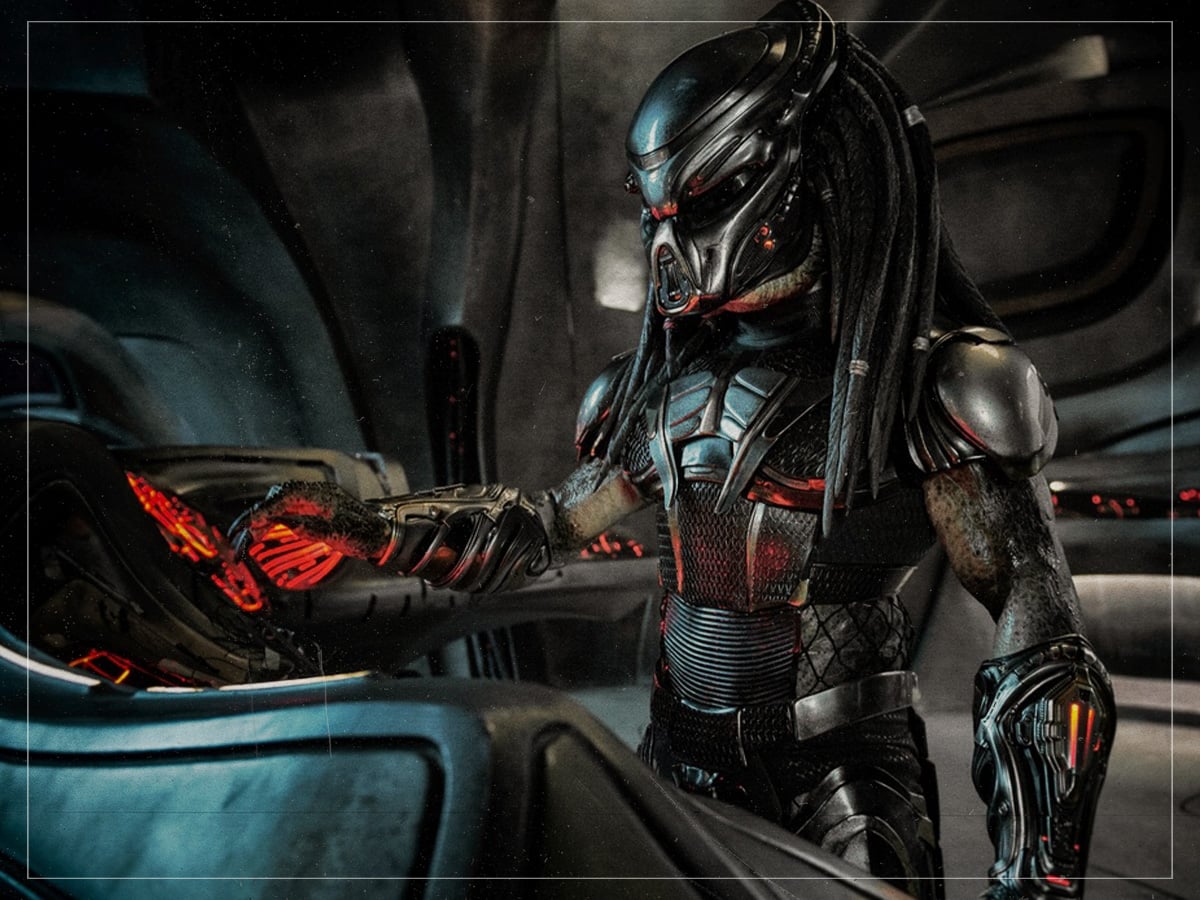
Shane Black was the preeminent screenwriter of action movies starting in the 1980s, when his script for Lethal Weapon helped kickstart the buddy cop genre, and his career as a director stayed relatively successful, with both Kiss Kiss Bang Bang and The Nice Guys, although box office disappointments, earned cult audiences, and Iron Man 3 is one of the highest-grossing superhero movies ever made.
However, it all got torpedoed when he directed The Predator, a reboot of the 1987 action classic that he actually had a small acting role in, and outside of the fact that the film was terrible, Black was heavily criticised for a deleted scene in which he had hired his friend, a convicted sex offender, to play a minor part, resulting in a scandal that essentially destroyed his viability as a filmmaker, with his subsequent film, Play Dirty, dumped on Prime Video with little fanfare.
George Lucas – ‘Star Wars: Episode III- Revenge of the Sith’ (2005)
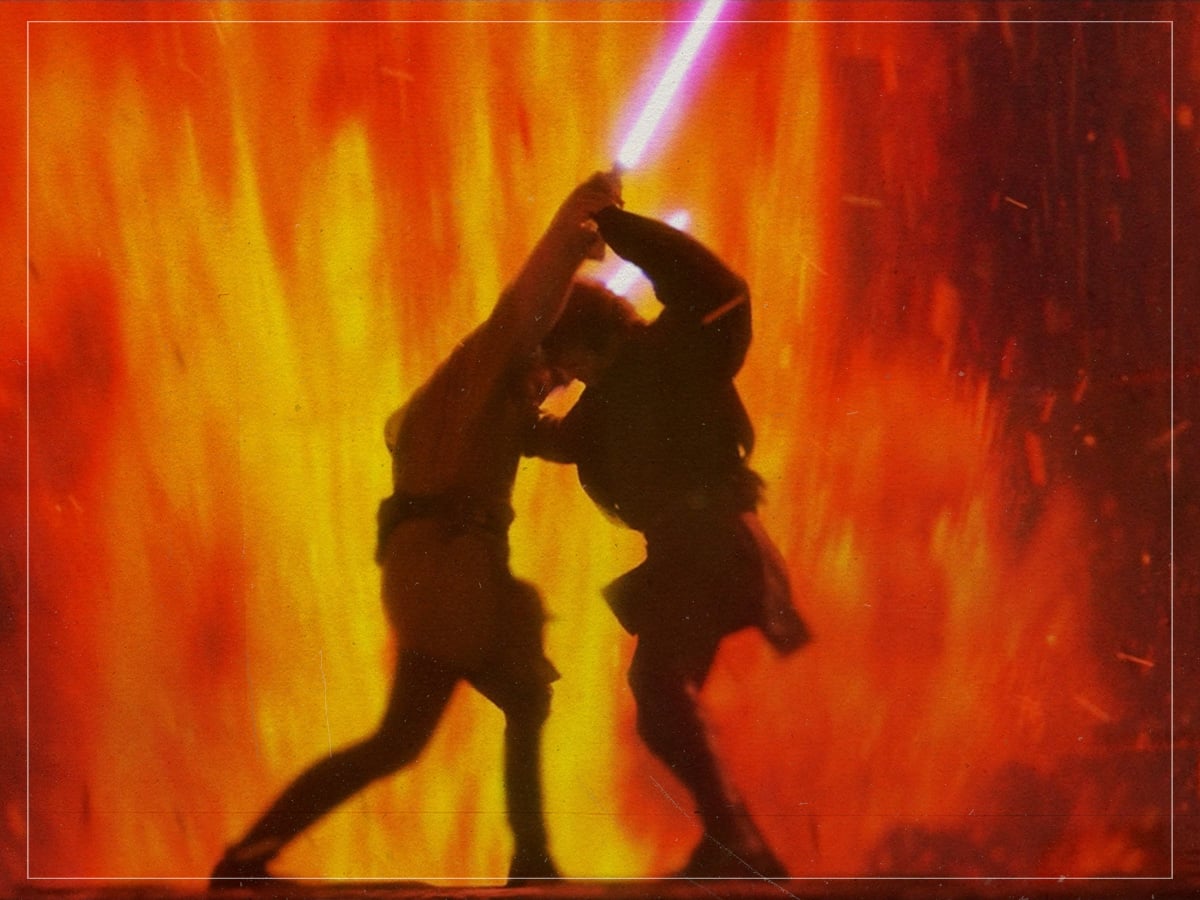
George Lucas may be immune to criticism, as his brilliant decision to retain marketing and merchandising rights over the Star Wars franchise made him a billionaire. While all of the Star Wars prequel films earned fairly negative reviews, it didn’t stop them from raking in significant box office sums, with Star Wars: Episode III- Revenge of the Sith promising to be the darkest chapter in the series because it would finally show how Hayden Christensen’s Anakin Skywalker became Darth Vader.
Unfortunately, that scene became inadvertently hilarious due to a moment when Vader, voiced again by James Earl Jones, wails in grief after learning that Natalie Portman’s Padmé Amidala is dead. It confirmed that Lucas’ dramatic instincts were all but lost, and when Star Wars was sold alongside Lucasfilm to Disney, there was never a suggestion that he would ever return to the director’s chair.
Woody Allen – ‘A Rainy Day in New York’ (2019)

Woody Allen had been the subject of controversy for years before the #MeToo scandal broke out, but that didn’t stop a majority of Hollywood’s A-listers from continuing to work with him, and his signing a deal with Amazon to release all of the films he made, which was promptly cut off at the end of 2017.
While Wonder Wheel had already screened at festivals, his subsequent film A Rainy Day in New York was dropped by the studio altogether, and since the latter eventually played in international markets, it’s not hard to see why Amazon was reluctant to release it. A scene involves a young woman, played by Elle Fanning, having an affair with a much older director in Liev Schreiber, which felt like a mirror to Allen’s own relationships, so unsurprisingly, none of Allen’s subsequent films have earned a significant distribution in America.
Joss Whedon – ‘Avengers: Age of Ultron’ (2015)
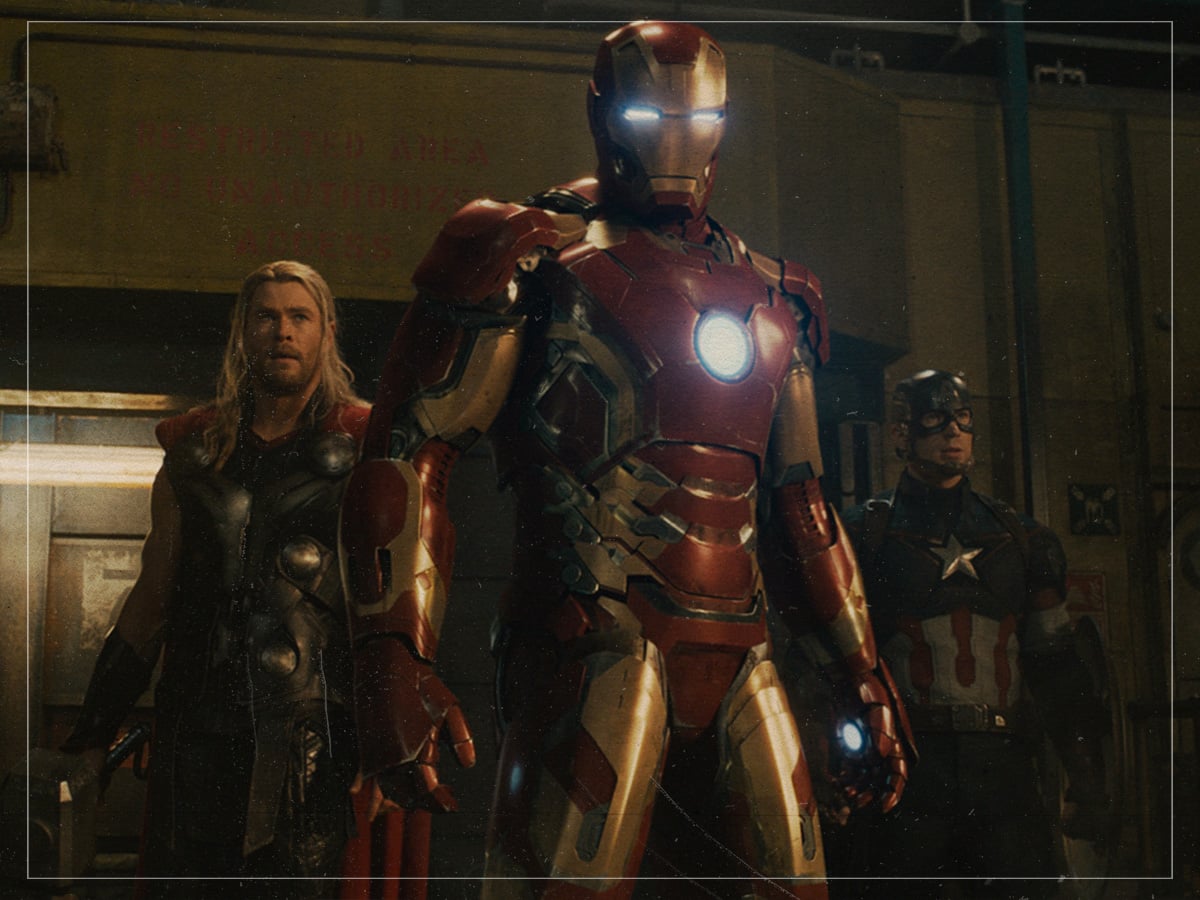
As the creator of cult classic shows like Buffy the Vampire Slayer, Angel, and Firefly, Joss Whedon essentially had an unassailable reputation among the geek community, his career only skyrocketing when he directed The Avengers, which fulfilled the dream of getting all of Marvel’s heroes together for one film, but he had a much tougher time writing and directing its sequel, Avengers: Age of Ultron, due to significant creative clashes with Marvel.
Although there were some glaring moments in the film where it’s clear the studio had mandated the inclusion of scenes that would set up future MCU projects, Whedon ended up getting blasted for a scene in which Natasha Romanoff reveals that she is infertile to Bruce Banner and refers to herself as a “monster”. This resulted in his never being hired as the sole director on a film again, his only job since being reshoots of Justice League, which brought in its own set of controversy.
Richard Kelly – ‘The Box’ (2009)
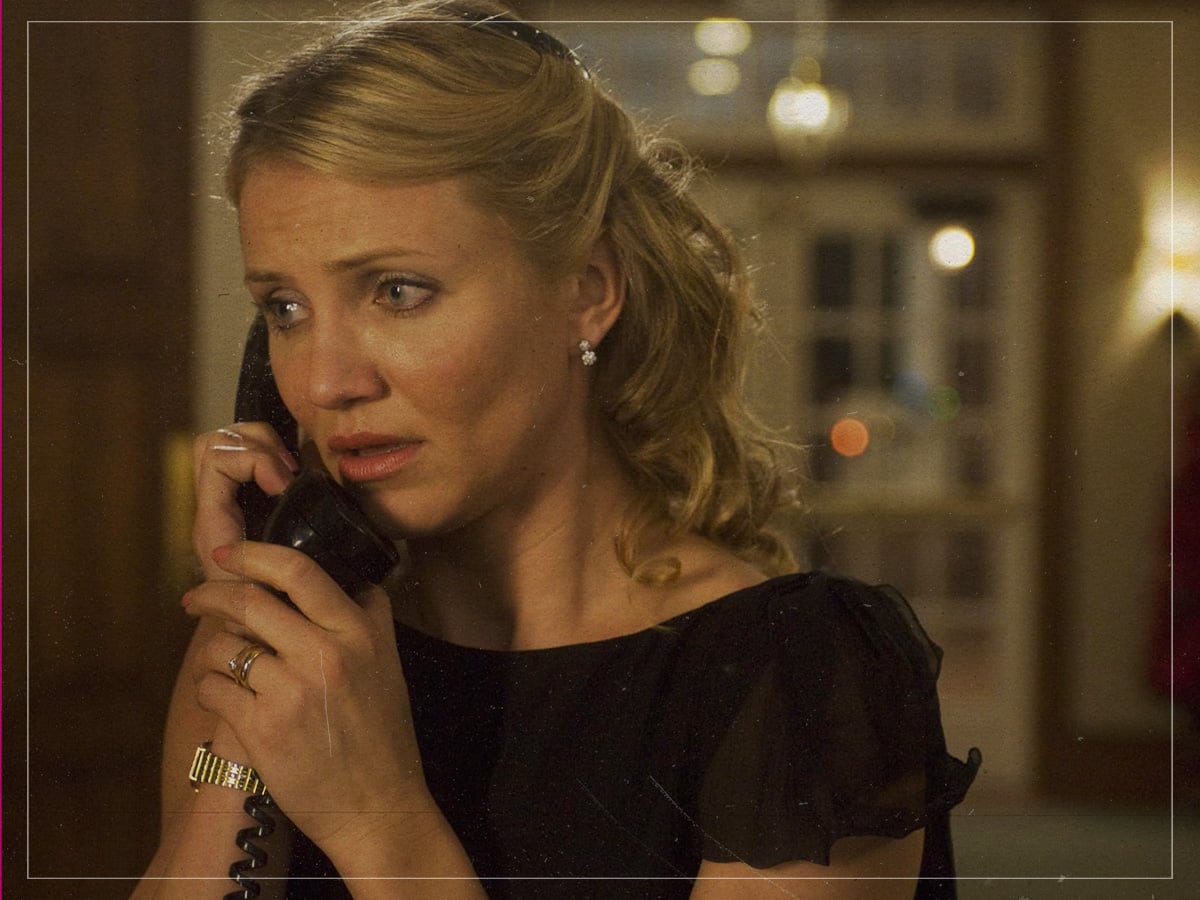
Richard Kelly struck gold when his science fiction mystery Donnie Darko became a cult hit, prompting studios to offer him a more significant budget to make future projects, and while his follow-up Southland Tales bombed at the Cannes Film Festival and sat on a shelf for over a year, there was still enough enthusiasm that he might be able to redeem himself by making something slightly smaller.
The Box was loosely inspired by The Twilight Zone, and ended with a twist conclusion so jarring that audiences rebelled, becoming part of the handful of films in history to ever earn an “F” CinemaScore from audiences polled on opening night, leading to one of the most disastrous box office performances ever for a wide release. Kelly has pitched and discussed other projects since, but he has yet to make another film since The Box disappointed in 2009.
Tim Miller – ‘Terminator: Dark Fate’ (2019)

Tim Miller seemed like Hollywood’s next wunderkind after the success of Deadpool, a low-budget superhero film that became the highest-grossing R-rated film ever made globally and earned a PGA nomination for ‘Best Picture’. When he was tasked with continuing The Terminator franchise, Miller seemed to have struck gold, but he unfortunately got into a feud with producer and creator James Cameron about the direction of the film, which revolved around one choice.
Miller began the movie with a twist in which a young John Connor, portrayed by Edward Furlong, is killed by machines while his mother, Sarah, played by Linda Hamilton, watches, completely negating the perfect ending of Terminator 2: Judgment Day, and it was so offensive to Cameron that he essentially called out Miller for his error when the film underperformed. Given that Miller also ran into issues with Ryan Reynolds when he tried to make Deadpool 2, the jarring Terminator: Dark Fate reveal may have sealed his fate.
Josh Trank – ‘Fantastic Four’ (2015)
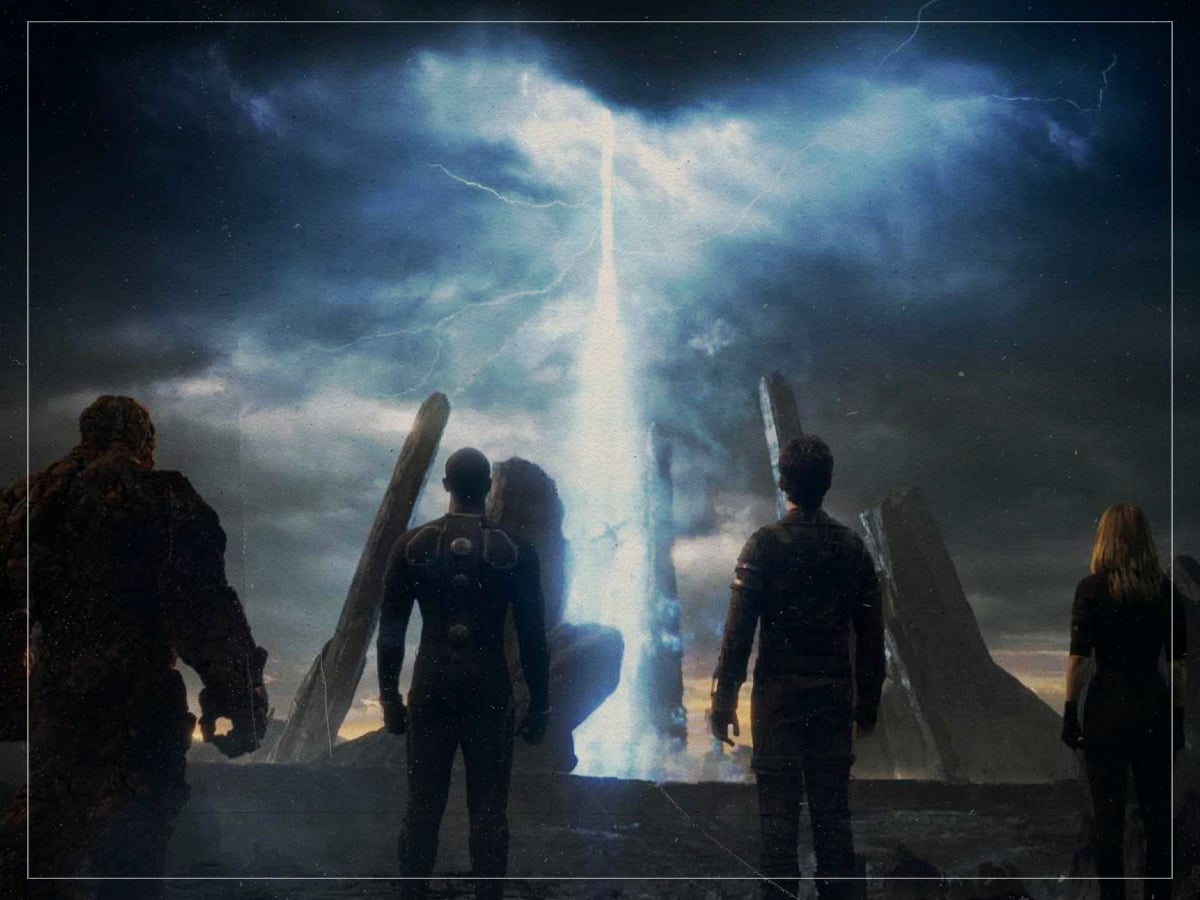
Josh Trank’s career couldn’t have gone any worse after the success of Chronicle than what happened when he was hired to direct the reboot of Fantastic Four for 20th Century Fox. In addition to creative clashes between Trank and the studio about the tone of the film, the director was reported to have been acting irrationally on set, forcing expensive reshoots to be done in order to salvage the footage.
Fantastic Four ended up feeling amateurish and unfinished for its theatrical release, with a nearly incomprehensible ending fight scene in which the heroes face off with Toby Kebbell’s Dr Doom. It’s not even clear if Trank had any part in directing the scene, or if it had been mashed together in reshoots, but it was emblematic of what type of nightmare any studio would face if they made the mistake of hiring him.
Stephen Norrington – ‘The League of Extraordinary Gentlemen’ (2003)
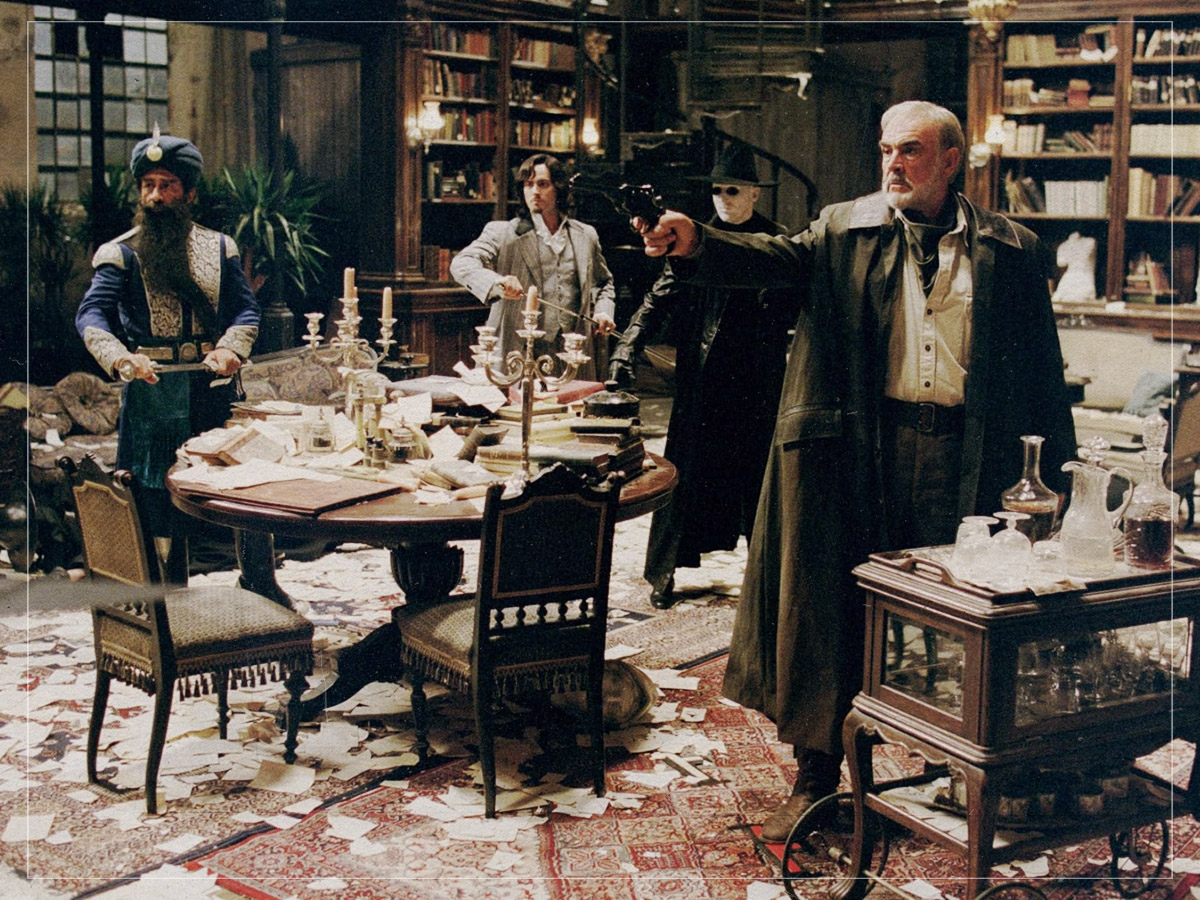
There isn’t a better way to end a career prematurely than to get on the bad side of Sean Connery, which is something Stephen Norrington found out. Once considered to be a hot talent thanks to his success directing Blade, which became the first Marvel film to become a massive success, he was later hired to direct The League of Extraordinary Gentlemen, another comic book adaptation about various literary heroes teaming up, where Sean Connery was cast to play Allan Quartermain, and it was evident that the filmmaker was in over his head.
The actor was reportedly miserable on the set, with the embarrassing use of CGI in the fight scenes on Norrington’s part being a significant reason why. The League of Extraordinary Gentlemen wasn’t just a box office disaster, but a calamity that convinced Connery to retire prematurely, even though he was coming off an acclaimed performance in Gus Van Sant’s Finding Forrester, and while he may have still retained a solid legacy, Norrington’s career blew up in his face.
Zack Snyder – ‘Batman v Superman: Dawn of Justice’ (2016)
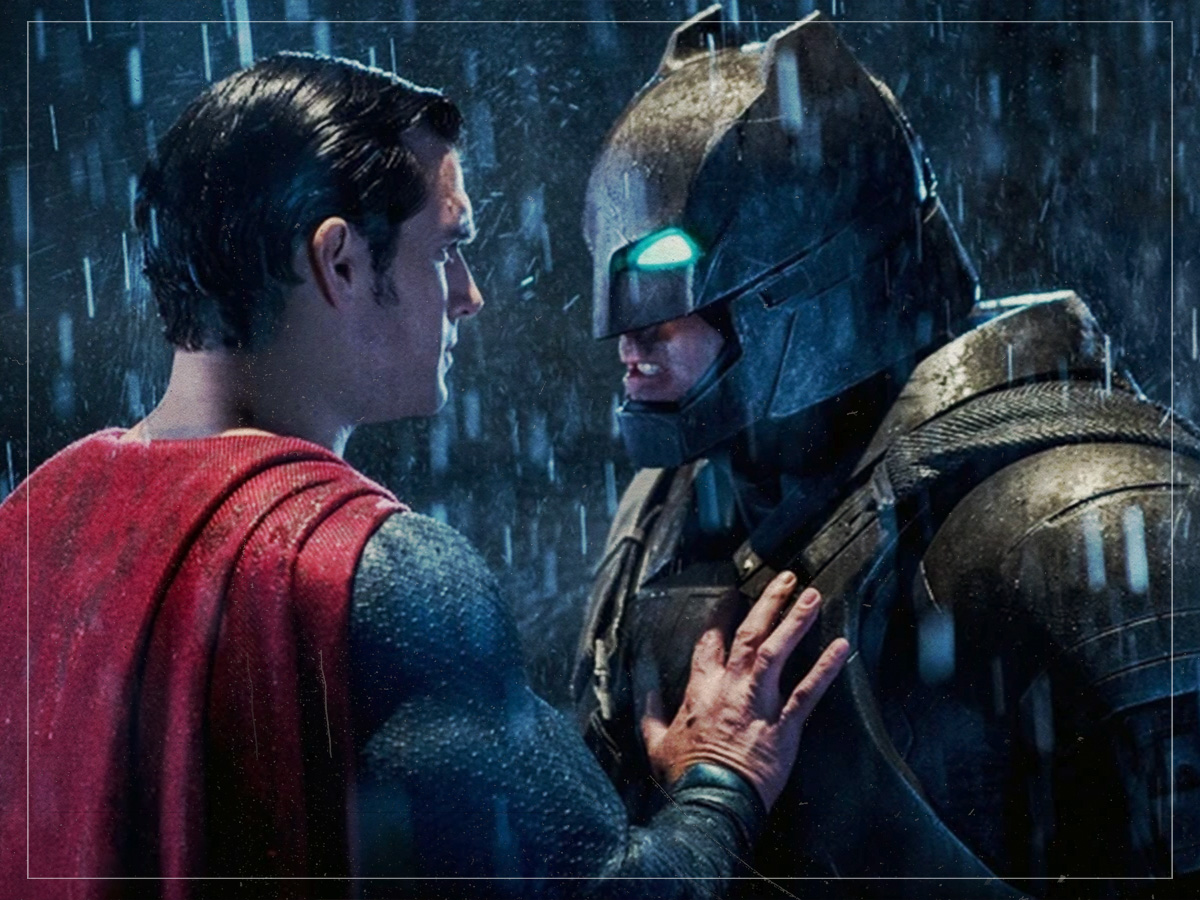
Batman v Superman: Dawn of Justice might have been the single biggest blockbuster calamity of the last several decades, as its performance altered the trajectory of the DC saga. Despite a mixed reaction to Man of Steel, Zack Snyder was brought back to direct a film that quickly became entirely incoherent, which really shows he should have known better than to make an R-rated, three-hour superhero film that spent a majority of its runtime teasing what he imagined his Justice League film to be.
The film had so much hype that it still performed well financially, but the reviews were so toxic that Warner Bros knew that they needed a change; this was a film intended to be DC’s The Avengers, but the “Save Martha” scene had turned it into a laughingstock. Snyder was later fired from Justice League and forced to turn his efforts to Netflix, where his films continued to bomb, and the legacy of “Save Martha” will stay with him forever, which may explain why he’s now seeking Saudi money for his next project.
