


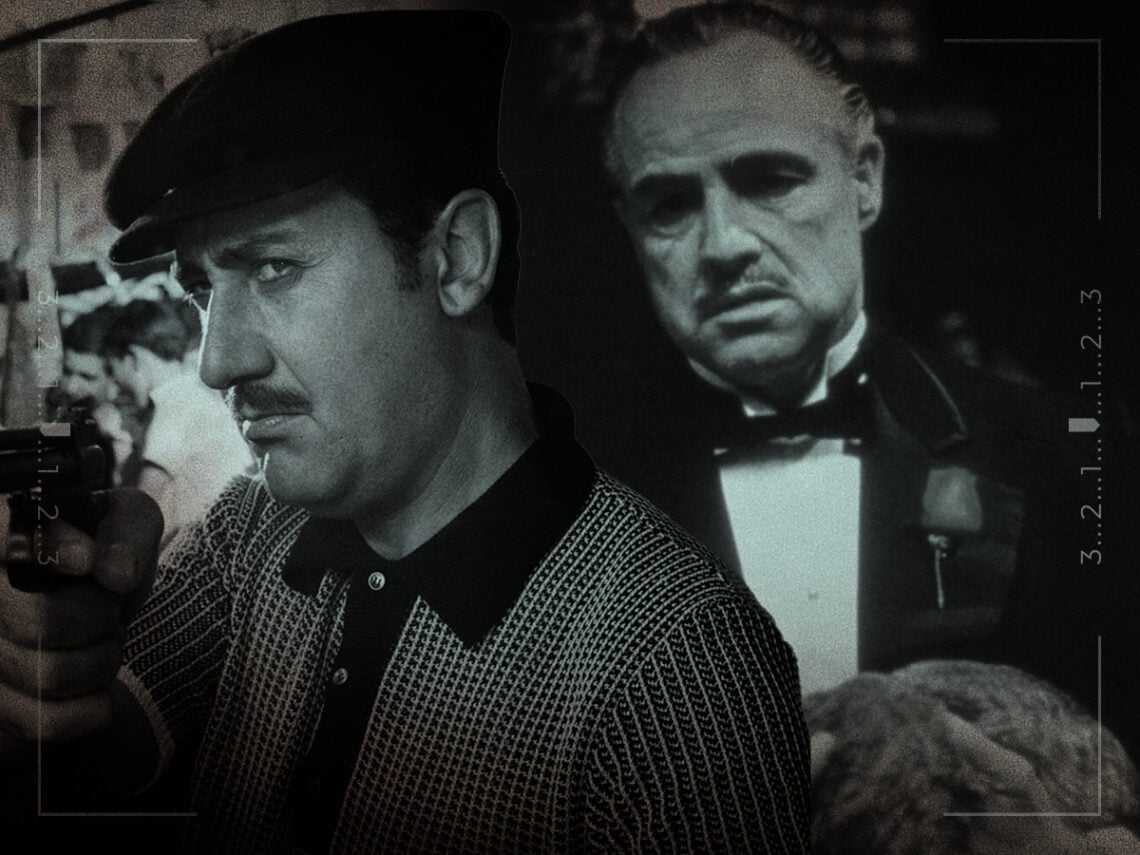
‘Mafioso’: The 1962 film that paved the way for ‘The Godfather’

When The Godfather was published in 1969, it wouldn’t be long before Mario Puzo’s novel would be greenlit for the silver screen – the author thus penned the screenplay, and after much strife, Francis Ford Coppola directed the film, which hit cinemas in 1972.
It fundamentally changed cinema, its epic narrative bringing the crime genre into new, critically-acclaimed territory… It seemed like, for the first time, a major gangster story had managed to succeed as a highly well-made piece of cinematic excellence that truly brought depth to a genre that had otherwise existed largely in B-movie territory. The gangster flick became something different entirely, one with great emotional weight, even in its most violent moments.
Coppola’s movie naturally scooped up a handful of Academy Awards, propelling actors like Al Pacino into the spotlight while reinvigorating Marlon Brando’s career, too. It has had such a mammoth impact on popular culture that entire studies centred around the movie have been made, like Tom Santopietro’s The Godfather Effect, which analysed how the movie came to have a significant impact on the way that Americans viewed their own cultural identities.
The New Hollywood era really peaked with The Godfather, which was followed by an equally successful sequel in 1974 (the third entry into the series in 1990 was much more divisive). Coppola changed Hollywood with his gangster movie, which subsequently inspired everything from Martin Scorsese’s Goodfellas to the hit TV show The Sopranos, both of which have become incredibly influential in their own right, too.
But The Godfather might not have found such success if Coppola hadn’t been inspired by certain old movies that came before it, like the pre-Code crime film The Public Enemy from 1931, or the Italian black comedy gangster movie Mafioso.
Directed by Alberto Lattuada, the 1962 movie was recently declared “terrific” by Robert De Niro, although it has long flown rather under the radar – the filmmaker, who initially trained to be an architect, began making movies in the 1940s, eventually championing the post-war neorealist style that became particularly popular within Italian cinema during the 1950s.
With Mafioso, he brought a darkly comic approach to the mafia movie, centring the story around Nino Badalamenti, who works in a car factory in Milan.

When he takes his wife and children back to Sicily, where he grew up, they discover a place far removed from the romanticised vision he’d tried to sell them, with much of the town overrun by gangsters. Soon, a mob boss named Don Vincenzo is asking Nino to carry out a hit, and he finds himself thrown in the deep end. Class differences come to play a huge part in the tensions that build within Mafioso, which is buoyed by a clever mixture of comedy and violence.
It’s dark, for sure, but the grit of Lattuada’s movie isn’t completely heartless. There’s a lot of humorous moments to be found within the film, which brought a well-rounded vision of gangsters to the big screen. This wasn’t just gratuitous violence – this was a really fascinating exploration of the more sociological side of the genre, paving the way for nuanced crime flicks that would ultimately result in the masterpiece that is The Godfather.
