


‘It Happened One Night’: the original rom-com

Romantic comedies have been historically lambasted and torn apart with much less consideration for their merits than other genres. There’s no secret reason for the rom-com’s precarious placement in cinema history; they’re seen as women’s films, full of clichés and tired old tropes that have been rehashed since the genre’s inception.
Yet, this thinking is so reductive because, for decades, the rom-com has delivered many beloved and relatable characters and charming stories. In many instances, it has acted as a conduit for wider thematic explorations in terms of everything from friendships to class divisions to female empowerment.
In fact, women have learned the power of self-worth from rom-coms, discovered the meaning of looking out for one another, or simply found enjoyment in watching a female-centric film that revels in the kinds of ‘feminine’ storylines and aesthetics that have so long been criticised and demonised in popular culture. While rom-coms aren’t as popular now as they were in the 1990s and 2000s, which was certainly their peak, the genre has existed since the 1920s, with Girl Shy, the 1924 movie, often considered the first of its kind.
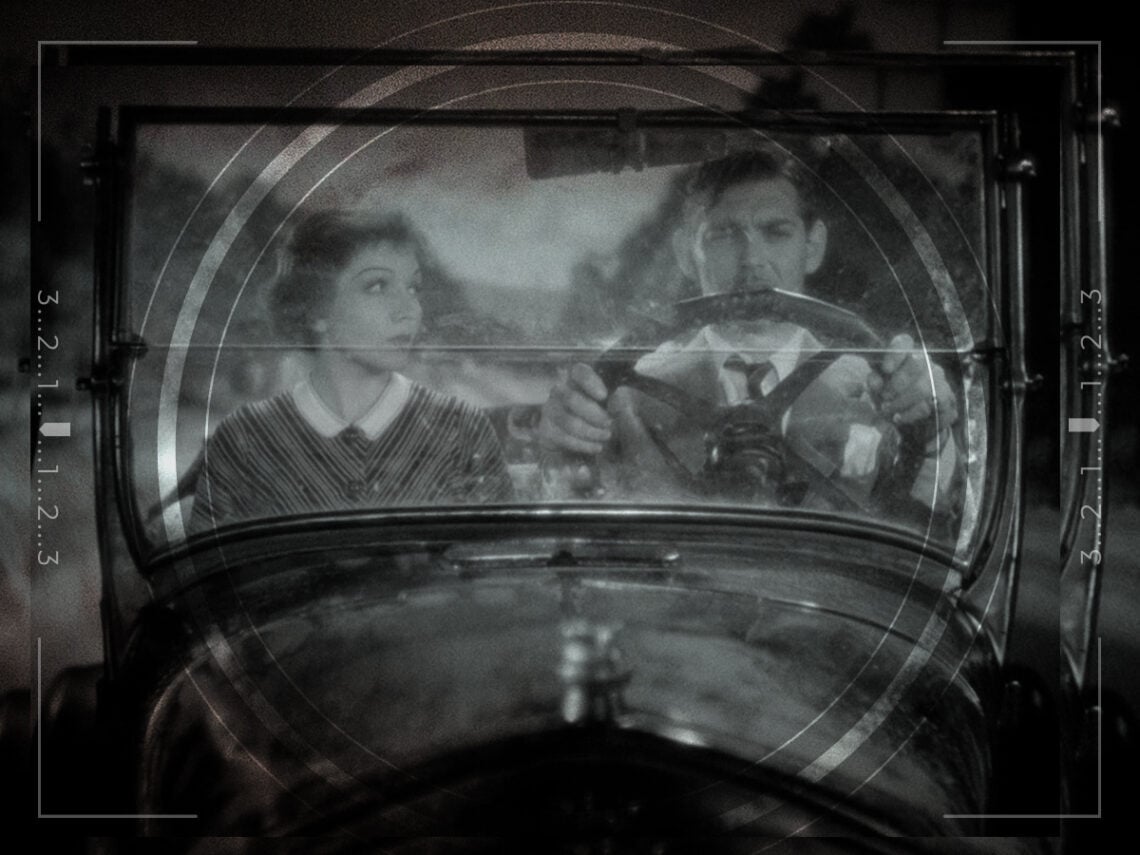
Yet, it’s 1934’s It Happened One Night—the multiple-Oscar-winning success that is widely classed as one of the greatest comedies of all time—that is arguably the prototypical rom-com, paving the way for the subsequent boom of the early 21st century. Starring Clark Gable and Claudette Colbert, the pair play strangers who meet on a bus after Colbert’s Ellie runs away from her wealthy father in order to be reunited with the man she eloped with.
Once she meets Gable’s Peter, a reporter, he decides to help her after a series of misfortunes in exchange for a juicy story about her predicament. However, the time they spend together as they travel to New York results in the pair falling in love—naturally. Hence, many tropes that are widely used today stem from It Happened One Night, as well as many movies that pay direct homage to Frank Capra’s film.

Let’s start with the most obvious trope that has permeated the genre ever since—the enemies-to-lovers set-up. When Ellie and Peter first meet, she simply isn’t sold by his attempts to talk to her or sit with her, only focussed on her goal to be reunited with her lover. However, as she is stuck with him on the bus, finding him more bearable than an irritating man onboard—and he offers to help her when her luggage is stolen—she increasingly grows fond of him. As the film progresses, they soon realise that they’re perfectly suited for each other, even if Ellie initially wanted nothing to do with him. This is a trope that can be found in everything from When Harry Met Sally to Clueless to the more recent Shakespeare play adapted to a modern rom-com, Anyone But You.
Then there’s the fact that the pair have no choice but to share a room, a device that is often used in the romance world. Forced into sharing a space that is meant to be private and intimate, tension grows as the pair hang up a sheet between their beds so they can get undressed and sleep without losing privacy. However, Peter quickly shatters this safety net by taking his shirt off in front of Ellie. During their stay in the motel, the pair also pretend to be in a relationship, a go-to trope in many rom-coms that allows more tension to build as the pair get a taste of what it would be like actually dating each other.
There’s also a clear divide in Ellie and Peter’s social standings, with the former coming from a very spoiled and privileged upbringing—which she is desperate to be freed from, even if that means jumping into the sea and swimming away from being mollycoddled and told what to do. Meanwhile, Peter is newly unemployed, and his experience of the world, compared to Ellie’s sheltered background, makes for a contrast between the two that teaches them things neither has experienced, like when he shows her how to hitchhike.
For the first time in her life, Ellie is humbled and exposed to new ways of living and seeing the world, and by the end of the film, her time spent with Peter makes her much more well-rounded. This idea of being changed—for the better—by a partner can be found in many romance movies, like Roman Holiday or even Harold and Maude, but It Happened One Night did it properly first.
The movie was a massive hit, inspiring many rom-coms in its wake, yet people are still critical of the genre. However, if Capra’s film proves anything, it’s that a good romantic comedy has the power to be incredibly influential, charming, complex, award-winning, and well-made. The genre has always existed, and none of the beloved ‘chick flicks‘ released during the ‘90s and beyond would exist without It Happened One Night.
