


Keeping Score: ‘Chariots of Fire’ and the race for immortality

We’ve all been there. Whether we’re on the treadmill at the gym or running for the bus, we’ve all played this song in our heads. The glistening synthesisers, the skittish drum pattern, that eternally recognisable motif. We are of course talking about the main theme from one of the greatest sports movies ever made – Chariots of Fire.
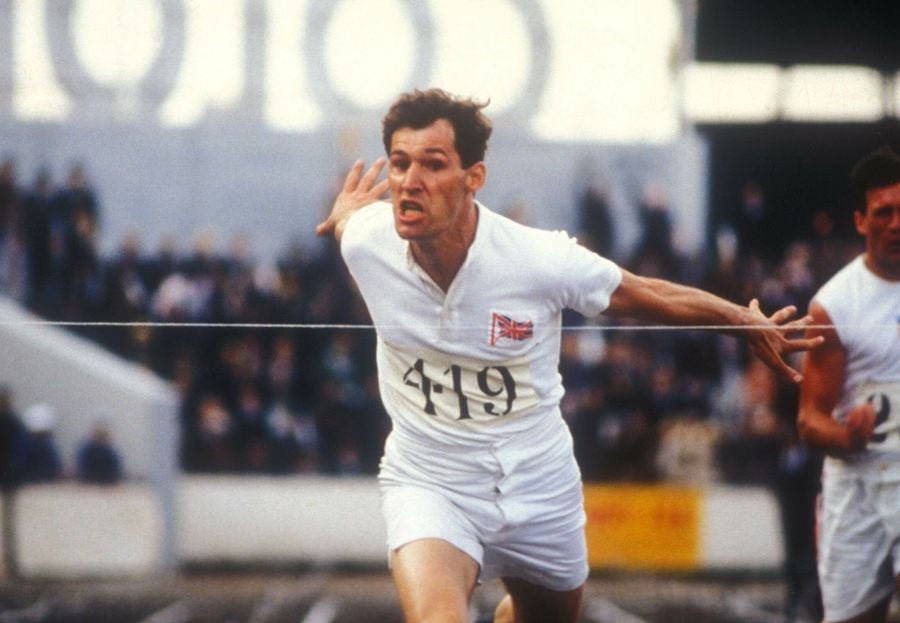
Directed by the late Hugh Hudson, this 1981 classic was inspired by the lives of two men who would compete at the 1924 Summer Olympics. Eric Liddell (Ian Charleson) and Harold Abrahams (Ben Cross) each have very different reasons for running, but each one is extremely valid. To soundtrack the two protagonists’ epic journey to the biggest sporting event on Earth, the producers needed somebody who understood the assignment. Luckily, they had just the man.
Evangelos Odysseas Papathanassiou, better known by the much simpler name ‘Vangelis’, had found success in his native Greece before moving to Paris in 1973. Previously a part of the rock band Aphrodite’s Child, Vangelis began his soundtracking career composing music for a number of French wildlife documentaries. This was where he first encountered Hudson, as well as producer David Puttnam, who had used some of his pieces in the movie Midnight Express.
Hudson not only decided on the composer, but also what sort of sound he wanted him to produce. Whilst Chariots of Fire is set in the 1920s, the director wanted it to sound contemporary. “I knew we needed a piece which was anachronistic to the period to give it a feel of modernity,” he told The Jewish Chronicle in 2011. “It was a risky idea but we went with it rather than have a period symphonic score.” Hudson was correct in this assessment.
There was a strong chance audiences would be turned off by a score that ‘didn’t fit’ the film’s time period. Vangelis would need to come up with something good to prevent this from happening. Luckily, that’s precisely what he did.
The original choice for the film’s iconic beach scene was a piece Vangelis had released in 1977 called ‘L’enfant’. However, the musician was convinced he could do better. “My main inspiration was the story itself,” he told The Guardian in 2012, one of his many sermons on the power of music. “The rest I did instinctively, without thinking about anything else, other than to express my feelings with the technological means available to me at the time.”
You can hear the similarities between ‘L’enfant’ and the instrumental that would become known simply as ‘Chariots of Fire’ (its name on the soundtrack is just ‘Titles’). The pulsing bassline is there, as is the gleaming piano. ‘L’enfant’ is much slower, however, more reflective. It doesn’t capture the joy of movement like its predecessor does; there’s no continuous throughline for the runners to latch on to. ‘L’enfant’ captures the dreamlike quality of Hudson’s most famous scene, but that’s all.
The song that eventually made it to the movie became a worldwide sensation. It became a number one single in America and charted in several other countries across the globe. It helped Vangelis net an Oscar for ‘Best Original Score’ and has been borrowed, sampled, and parodied by every great creative worth their salt. It has transcended cinema in a way only a handful of scores have ever managed, all because its composer backed himself to make something great.
