


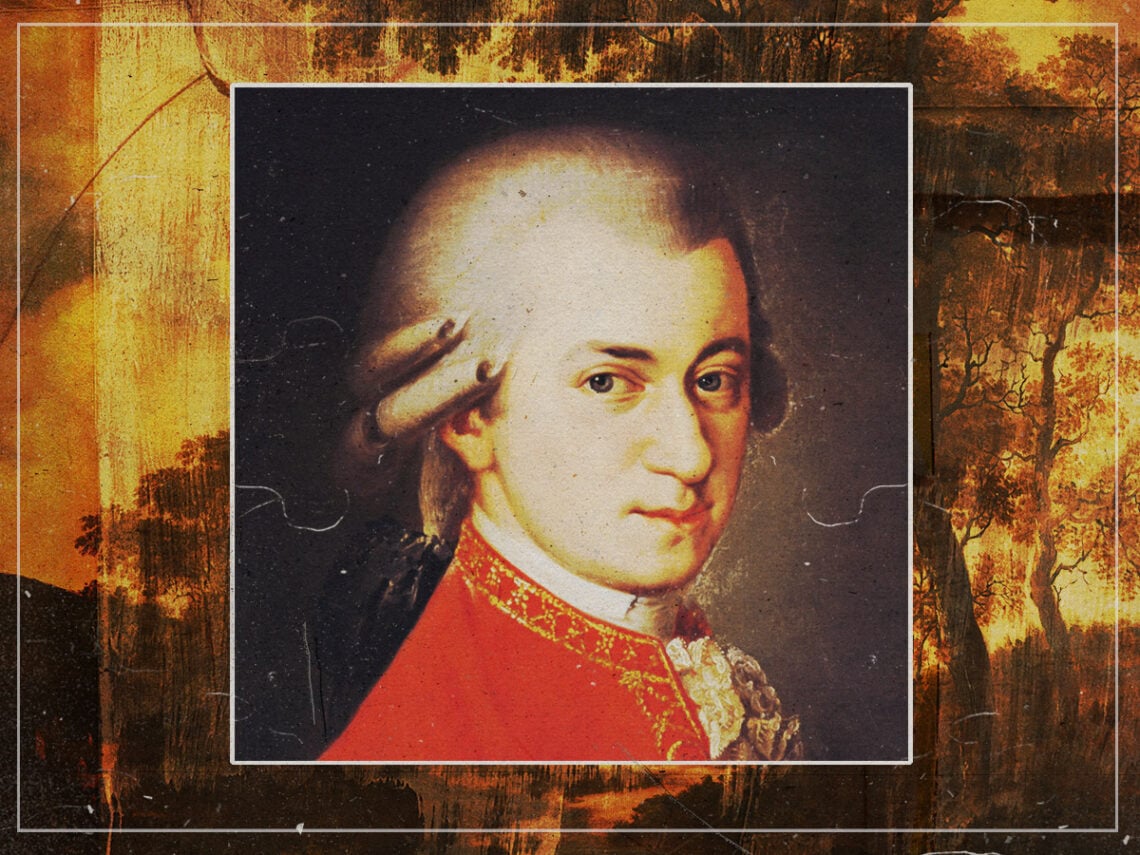
Was Mozart murdered?

Wolfgang Amadeus Mozart, one of the greatest musical geniuses in history, left an incredibly lasting mark on classical music. However, the circumstances surrounding his untimely death at the age of 35 have long fuelled speculation and conspiracy theories, shrouding his passing in mystery and intrigue.
Born in 1756, Mozart caused quite a stir among the elite with his unmatched talent at a considerably young age. By age five, he had already begun composing and performing across Europe, astonishing audiences and earning admiration from royalty and fellow musicians alike.
His compositions, characterised by their melodic richness, emotional depth, and technical intricacy, reflected an exceptional understanding of musical form and innovation. His works’ union of elegance and complexity remains a testament to his genius. Pieces like ‘Eine kleine Nachtmusik’, ‘The Marriage of Figaro’, and his final composition, the unfinished ‘Requiem’, stand as timeless jewels in the tapestry of classical music.
However, Mozart’s death on December 5th, 1791, came suddenly and unexpectedly. He was buried in an unmarked grave, and the cause of death was recorded as severe miliary fever — a fever accompanied by a rash — leading many to believe that he succumbed to a common illness of the time.
Yet, various theories and rumours have circulated, casting doubt on the official narrative. One of the most enduring theories revolves around the concept of foul play. Some suggest that Mozart was poisoned, pointing to potential enemies or rivals with motives to silence the prolific composer.
Conspiracy theorists have posited that rivals like Antonio Salieri, a fellow composer and contemporary of Mozart, might have harboured jealousy or resentment toward Mozart’s unparalleled talent. Although historically, no concrete evidence supports the idea that Salieri orchestrated Mozart’s demise, this theory inspired many tales, including the play and film Amadeus by Peter Shaffer.
Other hypotheses have surfaced over the years, ranging from poisoning by a rival musician to political intrigue, with some even suggesting Freemasonry involvement due to Mozart’s association with the secretive society. The circumstances surrounding Mozart’s burial also raised eyebrows. His rapid interment in an unmarked grave – an atypical practice for a composer of his stature – added to the air of mystery. This unusual burial choice fuelled suspicions of potential cover-ups or attempts to conceal the true cause of death.
However, while the truth behind Mozart’s death may never be fully uncovered, his music’s legacy and enigmatic demise continue to inspire curiosity and intrigue, ensuring that the maestro’s name remains eternally entwined with a tale of brilliance, along with mystery and speculation.
