


“Absolute rubbish”: The 2000 movie Russell Crowe thought was doomed from the start

When Russell Crowe took to the stage at the Academy Awards to accept the ‘Best Actor’ trophy for his seminal performance as Maximus in Gladiator, he likely couldn’t believe what was happening.
After all, on that night at the Oscars, the Ridley Scott-directed epic swept the board, winning five awards and receiving nominations for seven more. When Crowe shot the film a few years earlier, though, he was convinced it had the potential to be a disaster – even dubbing one aspect of the film “absolute rubbish”.
In truth, Crowe likely wasn’t the only person involved in Gladiator’s production who was surprised when it turned out as brilliantly as it did. For starters, when DreamWorks bought Daniel Franzoni’s screenplay, the historical epic was in a fallow period in Hollywood, and Scott hadn’t made a hit movie since 1991’s Thelma & Louise. In fact, he had two high-profile disasters in the 1990s in 1492: Conquest of Paradise and White Squall, both of which made a fraction of their budgets at the box office.
Given those circumstances, Gladiator was far from a guaranteed success. Big-budget historical epics had largely fallen out of favour with audiences, making the project an especially risky undertaking for a director attempting to revive a genre many believed had already run its course.
Worse still, the movie’s star thought the script was actively bad. In 2023, Crowe told Vanity Fair, “At the core of what we were doing was a great concept, but the script was rubbish. Absolute rubbish”.
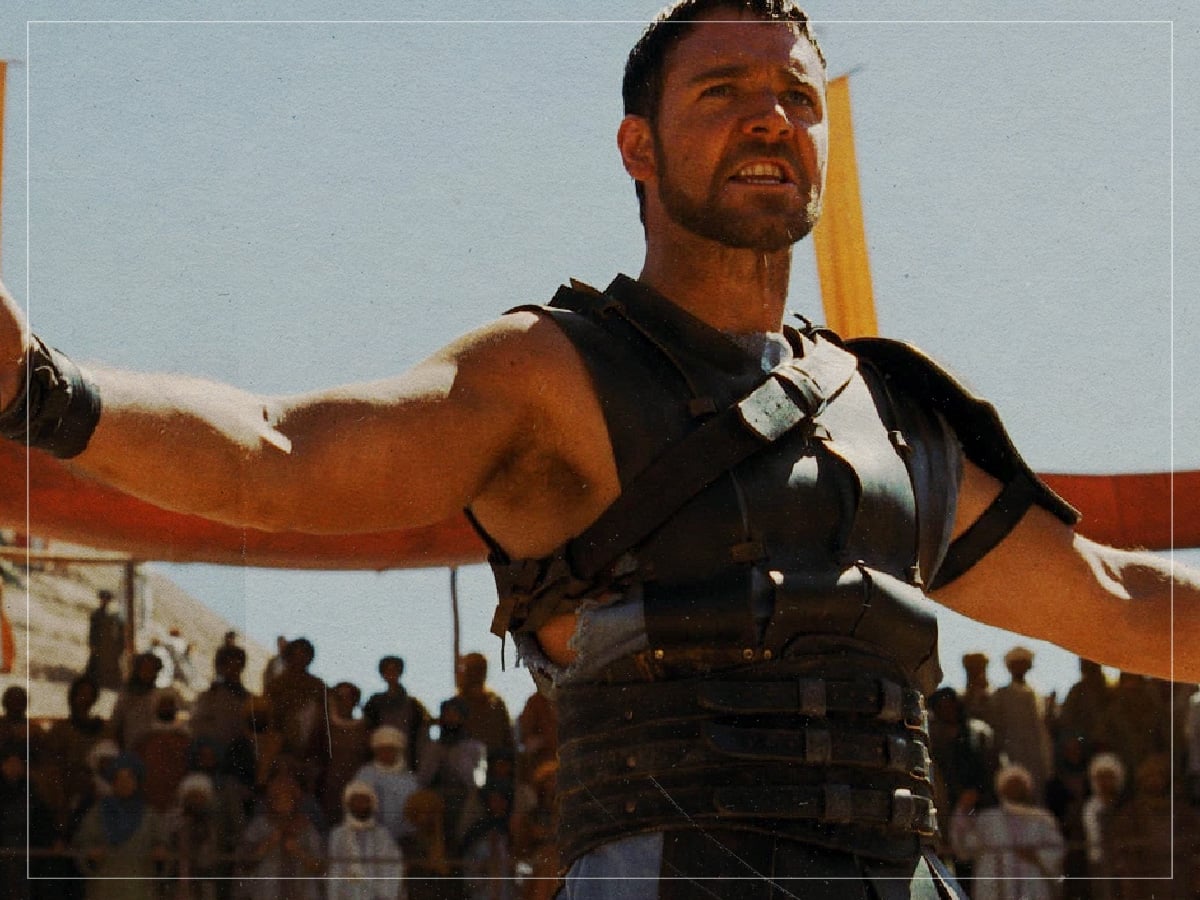
Crowe took particular umbrage with sequences in the screenplay that depicted the gladiators fighting in the Colosseum with sponsorships on their armour. He felt the idea was ludicrous and couldn’t be swayed from that opinion even when he was told it was historically accurate. The Insider star argued: “That’s all true, but it’s just not going to ring right to a modern audience. They’re gonna go, ‘What the fuck is all this?'”
Crowe’s dissatisfaction with the script was so severe, in fact, that he estimated he and Scott only agreed on 21 pages of it at the start of production. Considering that a script is usually at least 100-110 pages long, it should give some idea of how much re-writing John Logan was initially tasked with before third writer William Nicholson was drafted in to make Maximus more sympathetic to the audience. As Crowe admitted, “We basically used up those pages in the first section of the movie. So, by the time we got to our second location, which was Morocco, we were sort of catching up.”

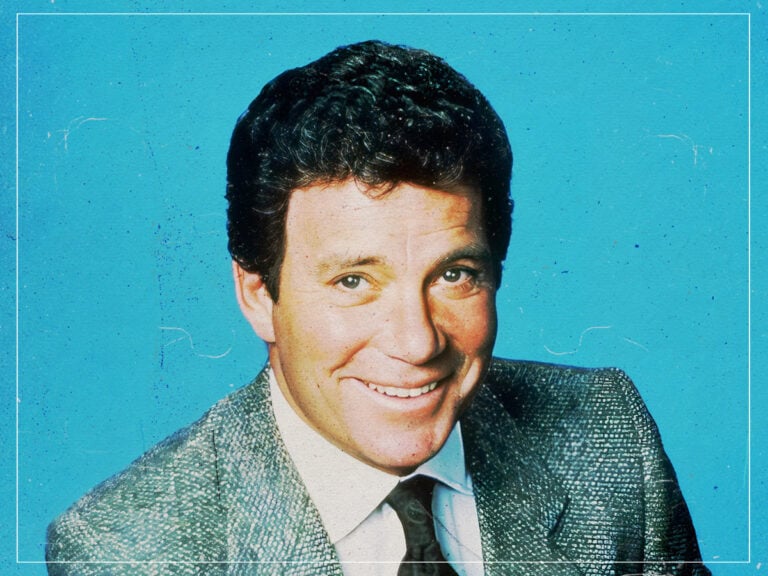
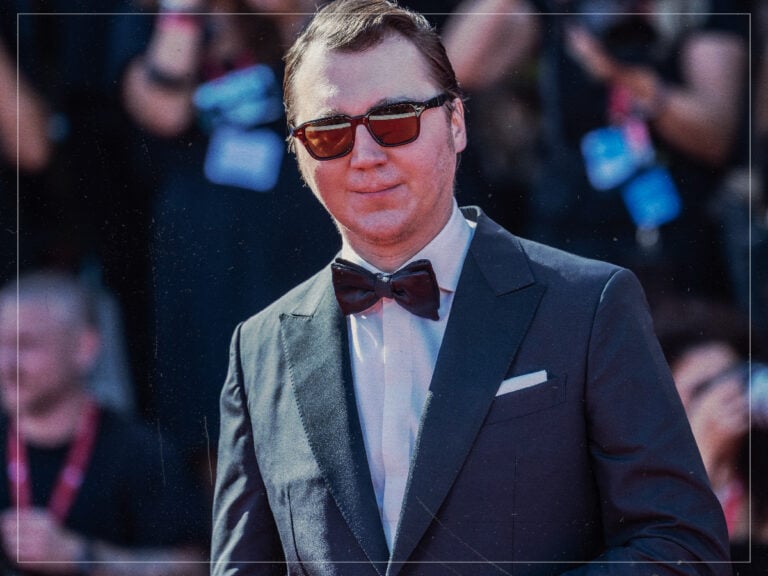
Scott admitted to The Men Who Would Be King author Nicole LaPorte that the constant script rewrites only served to make Crowe angrier and angrier as production dragged on. “Russell was getting his lines at such a late date that he had built up a real irritation factor,” he confessed. “So, at that moment, when you get that irritated, anything that comes through the door, he’s going to get pissed off with.”
Amazingly, Crowe was so frustrated with the constant script changes that he didn’t even recognise greatness when it was right in front of his face. When he was presented with Maximus’ stirringly iconic “I will have my vengeance, in this life or the next” speech, he was convinced it was overblown, overcooked, over-the-top nonsense that no man in his right mind would ever say.
Scott, however, knew the speech was the key moment in the movie and was guaranteed to bring the house down. So, he let Crowe film the scene the way he envisioned, but when it was a damp squib, he let the actor come back to the speech and read it again. At that point, he shrugged, “Well, we might as well try it” – and the rest is history.
Ultimately, embarking on a film as big as Gladiator without a finished script was a huge gamble – or, as Crowe once told the BBC, “It’s the dumbest possible way to make a film.” Somehow, though, the movie Gods shined on Scott’s masterpiece. Despite all its trials and tribulations, which included the death of co-star Oliver Reed, the film emerged as a true modern classic, and Crowe landed that prestigious Little Gold Man against all the odds.
Looking back, Gladiator stands as a remarkable example of how great films can emerge from chaotic circumstances. Despite script problems, production setbacks and creative disagreements, the commitment of everyone involved transformed an uncertain project into one of the defining blockbusters of its era, proving that sometimes the most troubled productions can yield the most enduring results.
