


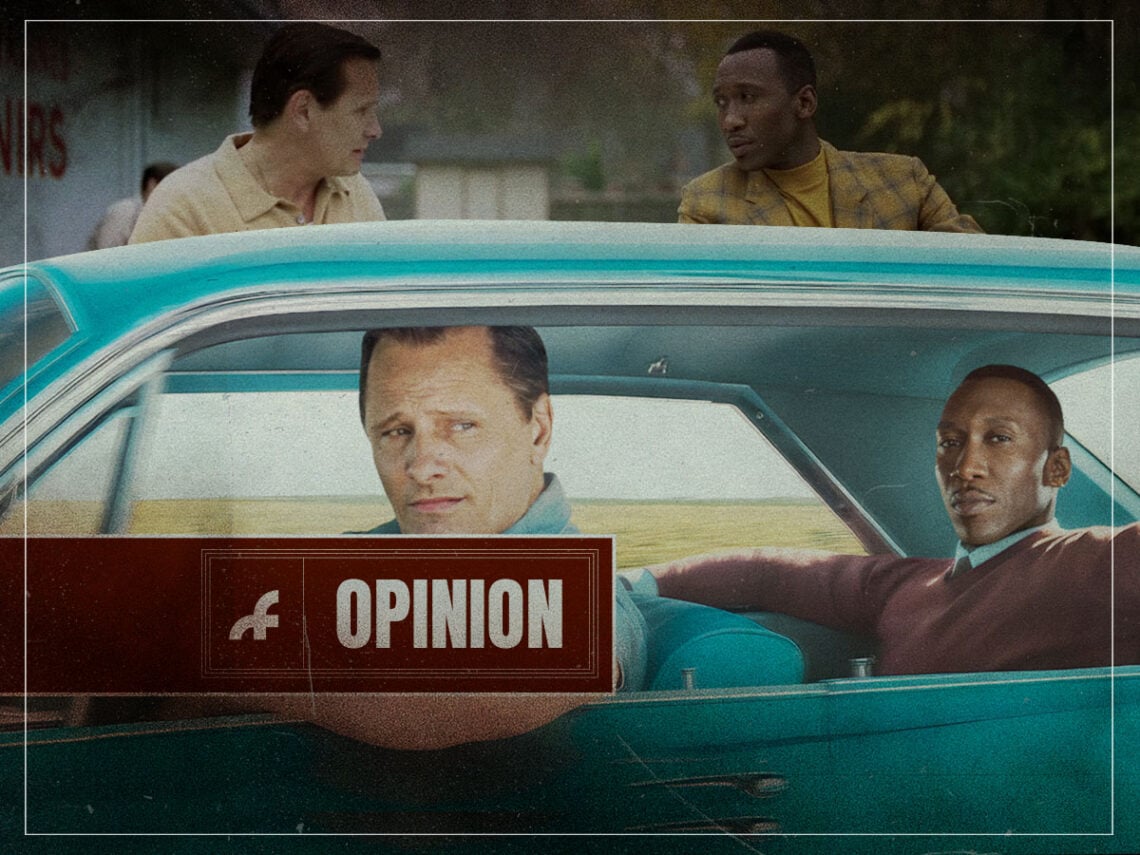
Hear Me Out: ‘Green Book’ is the worst ‘Best Picture’ winner in Oscars history

The ‘Best Picture’ category at the Academy Awards often serves as the pinnacle of the annual celebration of cinema, highlighting the defining film of the year. From blockbuster epics like Titanic to groundbreaking indie triumphs such as Parasite, the accolade has the power to catapult filmmakers into the spotlight. Winning this honour frequently grants directors the creative freedom to pursue future projects with heightened interest and anticipation, courtesy of the prestige that accompanies the recognition.
But do the Oscars always get it right? Taste is, of course, subjective; on occasion, the writing is on the wall from the moment a film is released that it’s a shoo-in, and occasionally the awards themselves get the wrong movie. Famously announcing La La Land as the winner in 2016 before having to correct on stage that it was, in fact, Moonlight that had secured the highest praise of the evening.
When it comes to selecting a film that felt like a misstep, a few options spring to mind, but none leave my head scratching as much as 2019’s winner, the Peter Farrelly-directed Green Book.
The film follows Viggo Mortensen’s portrayal of an Italian-American bouncer turned driver, Tony Vallelonga, who is hired to protect Dr Don Shirley, played by Mahershala Ali, a black pianist embarking on a tour of the racially segregated deep south of the USA during the 1960s. The two form an unlikely friendship as they travel in a tense environment.
The film itself drew a fair amount of criticism for its neatly veneered portrayal of race relations in the 1960s, offering a sanitised and unrealistic exploration of how small, personal acts can overcome more deep-rooted issues at the heart of structural and cultural racism. In the film’s attempt to create a feel-good atmosphere and a more optimistic ending, it feels almost as if the more brutal reality the story tries to display is glossed over in favour of something more palatable.
The movie was also criticised for its inaccuracy in portraying its two real-life protagonists, who Dr Don Shirley’s family say were never as close as Green Book shows. The Shirley family was never consulted during the production, which adds fuel to the fire of claims that the filmmakers were looking to tell a convenient story rather than an accurate one.
Arguments were also made that the film depicts a ‘white saviour’ narrative, centring a distinctly black story around a white character’s own personal redemption and perceived growth, a trope that is a long-time, problematic one when it comes to telling stories around the specific treatment of ethnic minorities throughout history.
If the Academy wanted to highlight a story that showcased the struggles of race relations in the US, then other options, such as Spike Lee’s BlacKKKlansman or Barry Jenkins’ If Beale Street Could Talk, could have been in contention, both films made by black filmmakers instead of Green Book’s white director and writers.
This isn’t to say that stories centred around black characters or race relations should exclusively be the work of black filmmakers, but rather, in the year when Green Book was celebrated, there were other films that trod similar ground in a more authentic, nuanced and accurate way.
The choice to award Green Book ‘Best Picture’ is widely seen as the ‘safe’ choice; when comparing to the films that preceded and succeeded its win (Moonlight, The Shape of Water and Parasite), the Academy showed a willingness to highlight the movies that existed more at the edges of safety, telling daring or outlandish stories and utilising interesting filmmaking methods to display their narrative.
With Green Book, however compelling the performances were, the movie itself fails to reach the heights of those that surround it on not only the overall list of winners for ‘Best Picture’ but also the films that it was up against in its own year of nomination.
