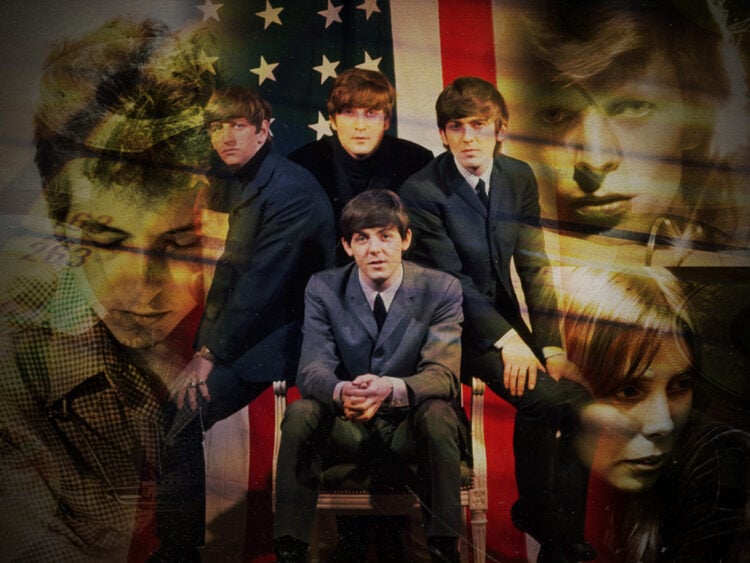
From humble beginnings in Liverpool, The Beatles went on to become the biggest band of all time. With Ringo Starr on drums, George Harrison on guitar and the legendary lead songwriting duo of Paul McCartney and John Lennon, the ‘Fab Four’ would change the culture at large forevermore. The English rock band arrived at this final line-up in 1962 when former drummer Pete Best was replaced. With sturdy management from the savvy Brain Epstein and the wizard-like producer George Martin signed on to help them out in the studio, things looked set for the scouse four-piece to get things moving forward. ‘Love Me Do’, their first single on EMI, soon followed in September 1962, but it took a while to reach lofty heights, initially peaking at 17 in the UK. However, a flurry of successful singles later led to the band heading over to the United States, where they were an instant success. Beatlemania became a frenzied cultural phenomenon, and the ‘Fab Four’ soon fronted the famed British Invasion movement. Over in the States, they rubbed shoulders with the likes of Bob Dylan and Joan Baez and soon their sound developed from their youthful pop-rock beginnings and took on an…
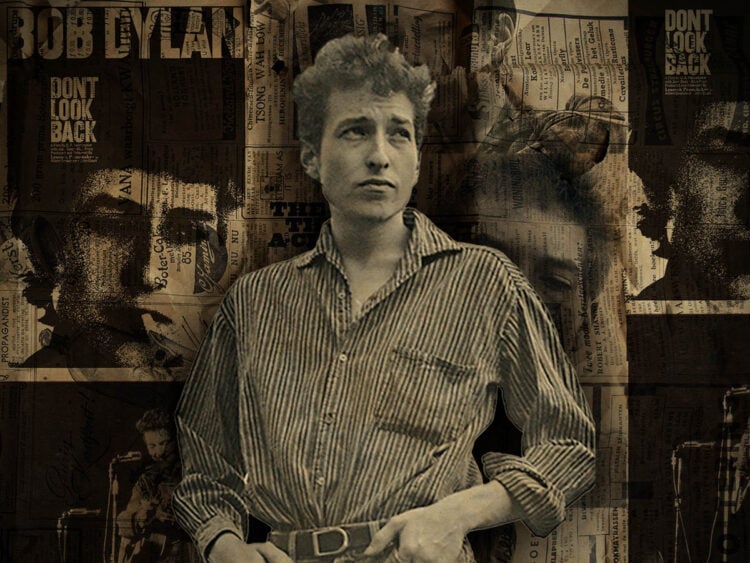
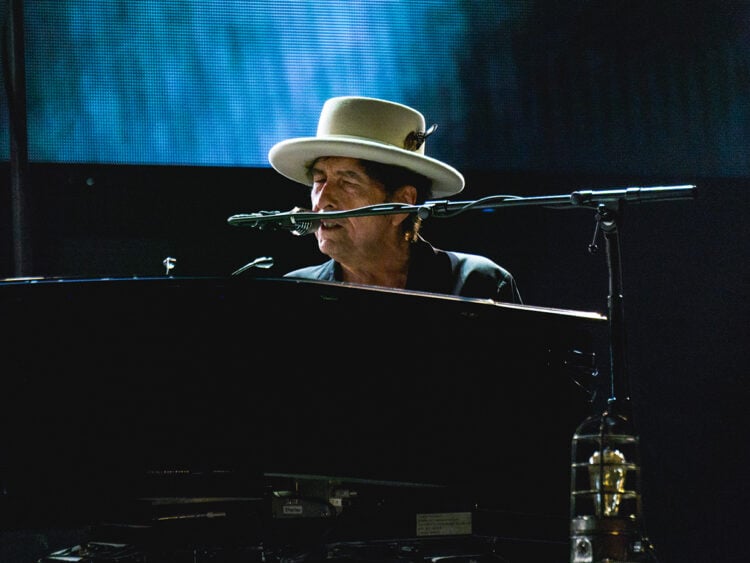
Born Robert Zimmerman on May 24th, 1944, Bob Dylan is undoubtedly one of the most influential songwriters of all time. Responsible for such iconic recordings as ‘Blowin’ In The Wind’, ‘The Times They Are a-Changin’, and ‘Like A Rolling Stone’, Dylan was one of the leading figures of the countercultural moment of the 1960s. Today, his influence on popular music is as tangible as ever. Dylan’s childhood was spent in the insular mining town of Hibbing, Minnesota, to where his grandparents emigrated in the early years of the 20th century. As a young man, he developed an affinity with the music of Hank Williams, Little Richard, Elvis Presley and Johnny Ray, an interest that convinced him to take up guitar in 1955. Over the next few years, he played in a variety of rock ‘n’ roll cover bands before deciding that he wanted to pursue a more stripped-back style. While studying at the University of Minnesota, Dylan got his first taste of Bohemia in the form of Dinkytown, the artist’s quarter of Minneapolis. After falling hard for the beat poetry of Allen Ginsberg and the protest music of Woody Guthrie, Bob adopted the last name Dylan (perhaps a reference to…
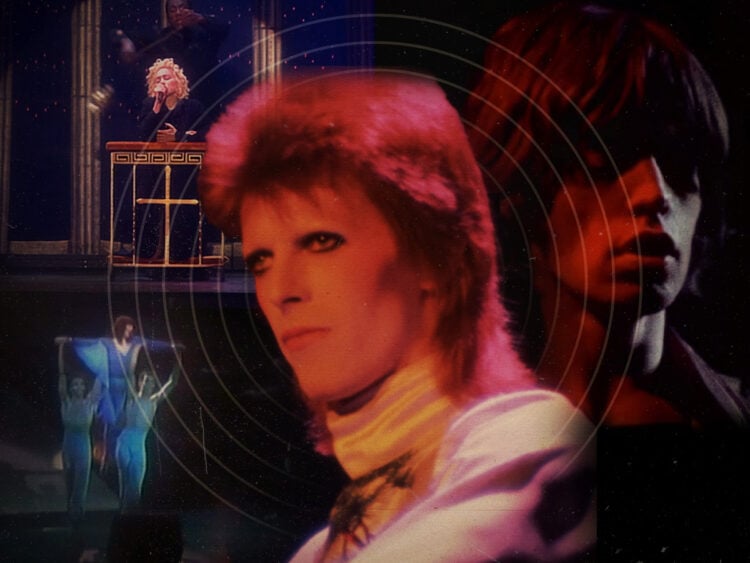
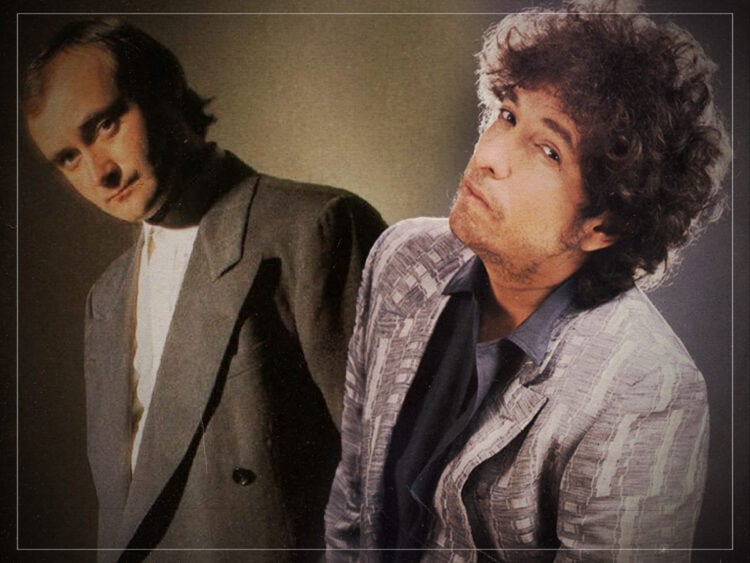
Under the Starman’s strained belt are 50 years of relentless creative metamorphosis and groundbreaking music. After a skyward launch in the early 1970s, David Bowie created a legacy that has gone largely unparalleled in popular music. Long before his experimental spell in Berlin with creative mastermind Brian Eno, or his humbly-admitted ‘Phil Collins era’ of the mid-1980s, Bowie was just a young whippersnapper, then-named David Jones, circling the streets of London that teemed with the creative energy the ’60s had to offer. Throughout the 1960s, Bowie would make regular earnest attempts toward public recognition beginning with small function gigs with his first band, the Konrads, whom he quickly moved on from to form the King Bees after feeling increasingly solitary in his ambitions and wary of his bandmates’ comparatively limited aspirations. After leaving school in his late teens, a wide-eyed Bowie told his parents of his aspirations to become a world-renowned rockstar. Bowie’s subsequent rise to stardom wasn’t as hasty as most of the other prominent acts emerging from the ’60s. He was limited by the nature of his early material, which was somewhat detached from the preconceived boundaries of pop music with its tongue-in-cheek nursery rhyme sound. Alas, Bowie’s…
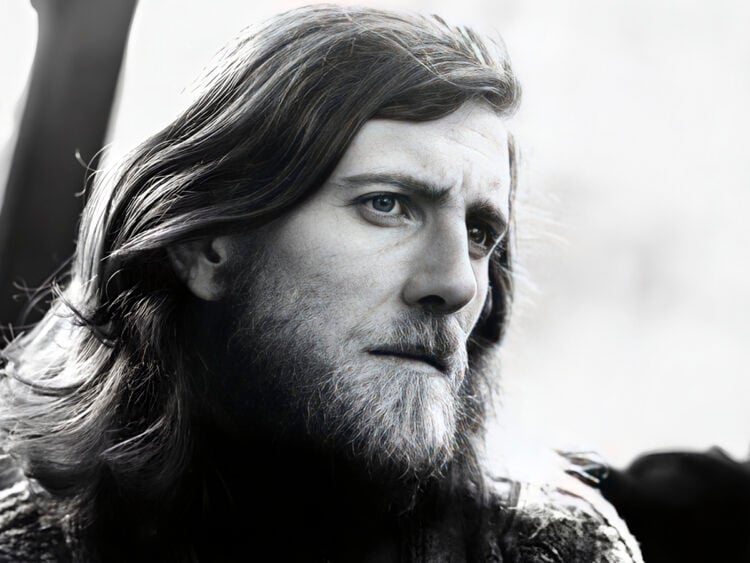
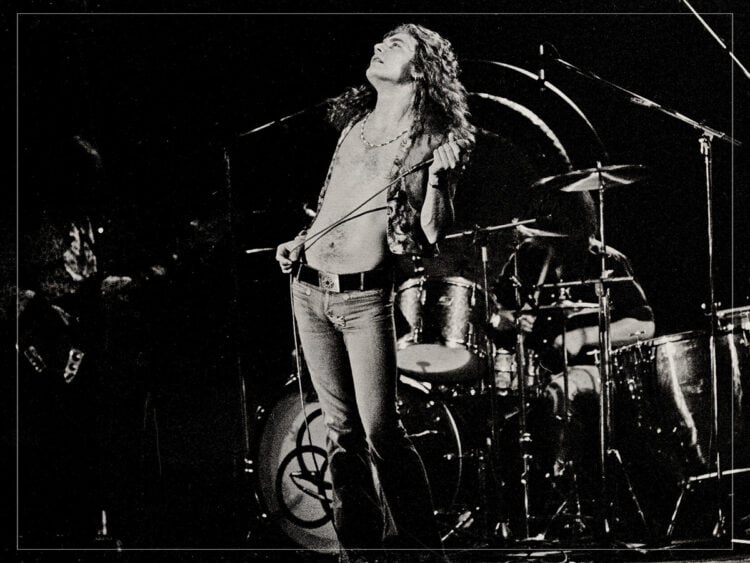
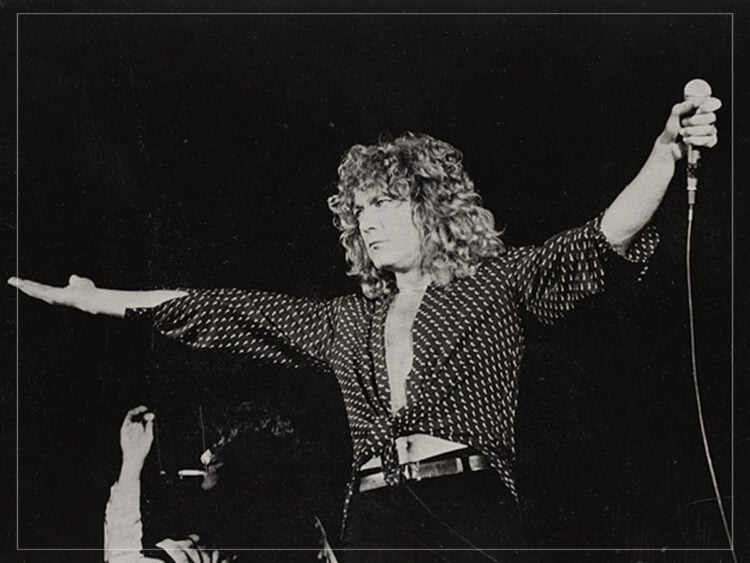
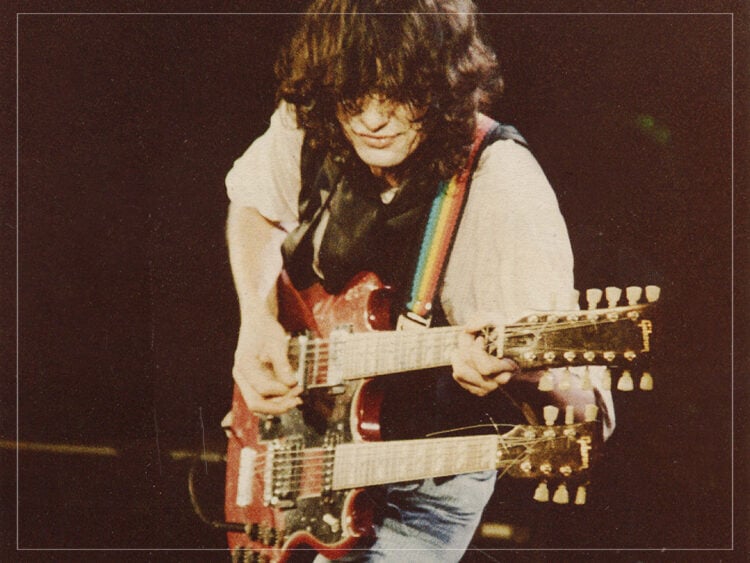
Led Zeppelin are the world’s greatest supergroup. They first took to the stage on September 7th, 1968, as The New Yardbirds. That night, at the Gladsaxe Teen Club in Copenhagen, fans were initially disappointed as they only recognised Jimmy Page. The legendary John Paul Jones, John Bonham and Robert Plant were unknown entities. However, what followed was the heralding of heavy metal, and pandemonium soon kicked in. The band were quickly snapped up by Atlantic Records, and given Page’s previous success as a songwriter and session musician for the likes of Marianne Faithful, Van Morrison and Nico, they were given profound creative license. Their self-titled debut album saw John Bonham thunder a new style of drumming to the forefront of rock, and Led Zeppelin became one of the heaviest acts ever to crack the top ten. With ‘Led Zeppelin II’, anthems like ‘Ramble On’ and ‘Whole Lotta Love’ launched them to the top. And this success continued further, with Led Zeppelin IV remaining one of the best-selling records of all time. There was a grandiosity to their music that shone on epic orchestral songs like ‘Stairway to Heaven’ that remain marmite rock – beloved by some and cast as ‘The…
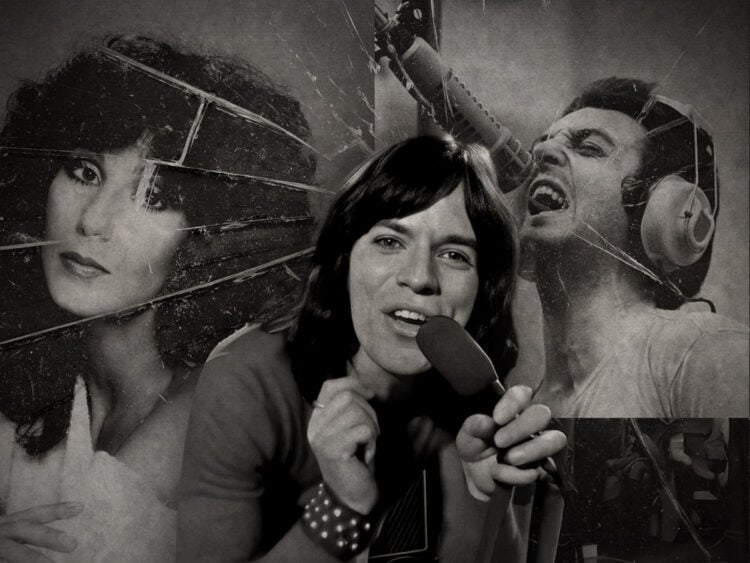
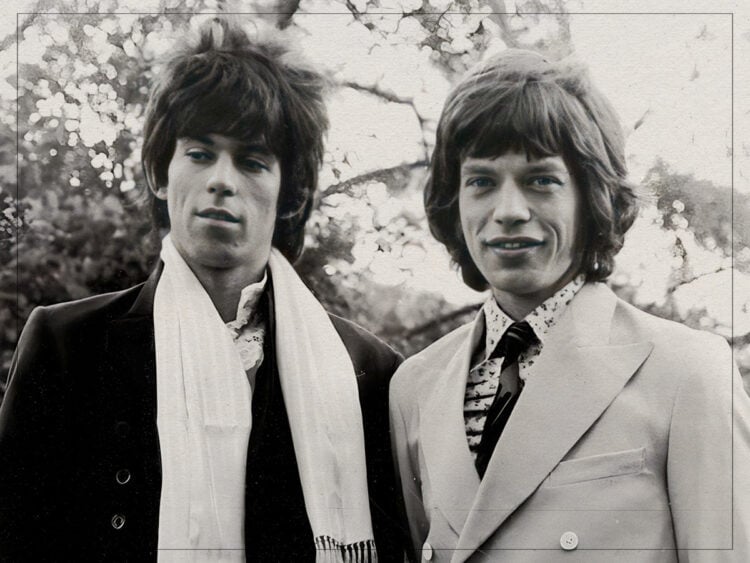
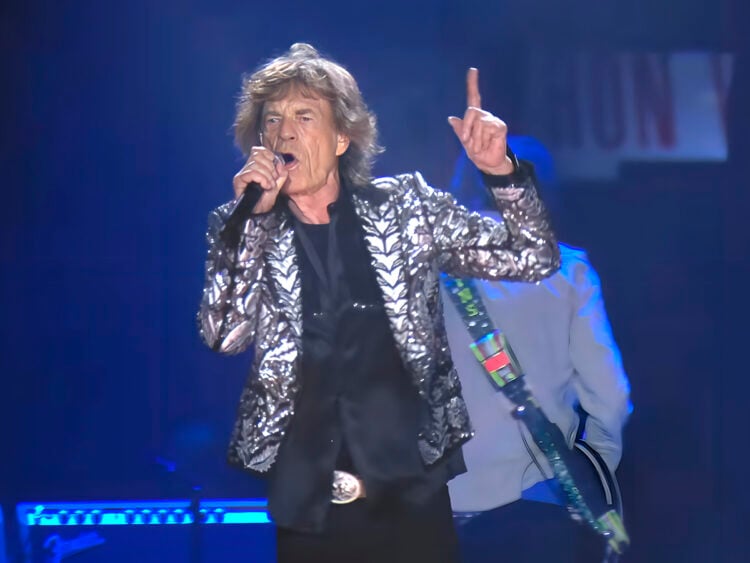
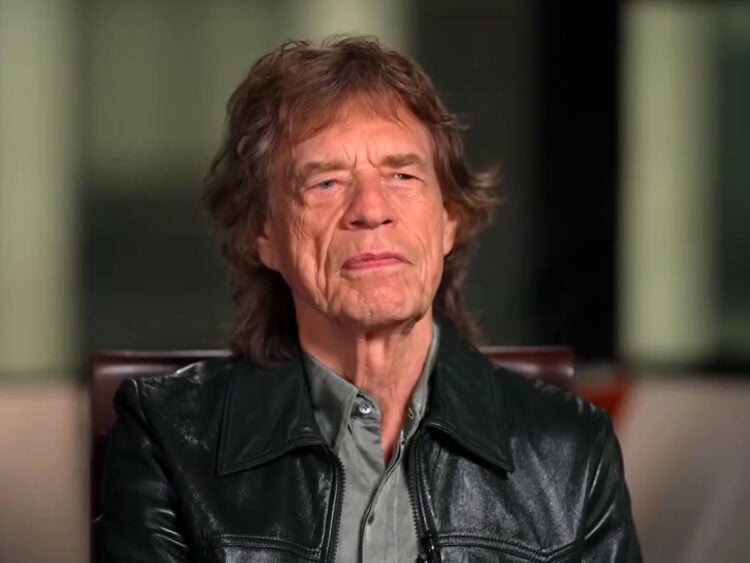
The Rolling Stones, perhaps the biggest rock ‘n’ roll band of all time, formed in 1962. The first stable line-up consisted of Mick Jagger, Keith Richards, Brian Jones, Charlie Watts and Bill Wyman, led initially by Jones, a blues fanatic who set his sights on bringing the traditional American genre to the UK charts. The band rapidly garnered the attention of the UK’s post-war youth as a class blues act, but their early albums lacked original material. Approaching the mid-1960s, the Jagger-Richards songwriting partnership began to take shape as Jones became increasingly detached from proceedings as he grappled with drug addiction. As far as Jones was concerned, The Rolling Stones peaked in December 1964, when their recorded cover of Willie Dixon’s blues standard, ‘Little Red Rooster,’ reached number one in the UK singles chart. The occasion marked the first time a traditional blues track had reached the top spot in the UK, and it remains the only one to this day. As the Jagger-Richards material began to take the limelight, the Rolling Stones became the biggest threat to The Beatles’ throne. At odds with Brian Epstein, the Rolling Stones’ manager, Andrew Loog Oldham, began to present his band as the…