


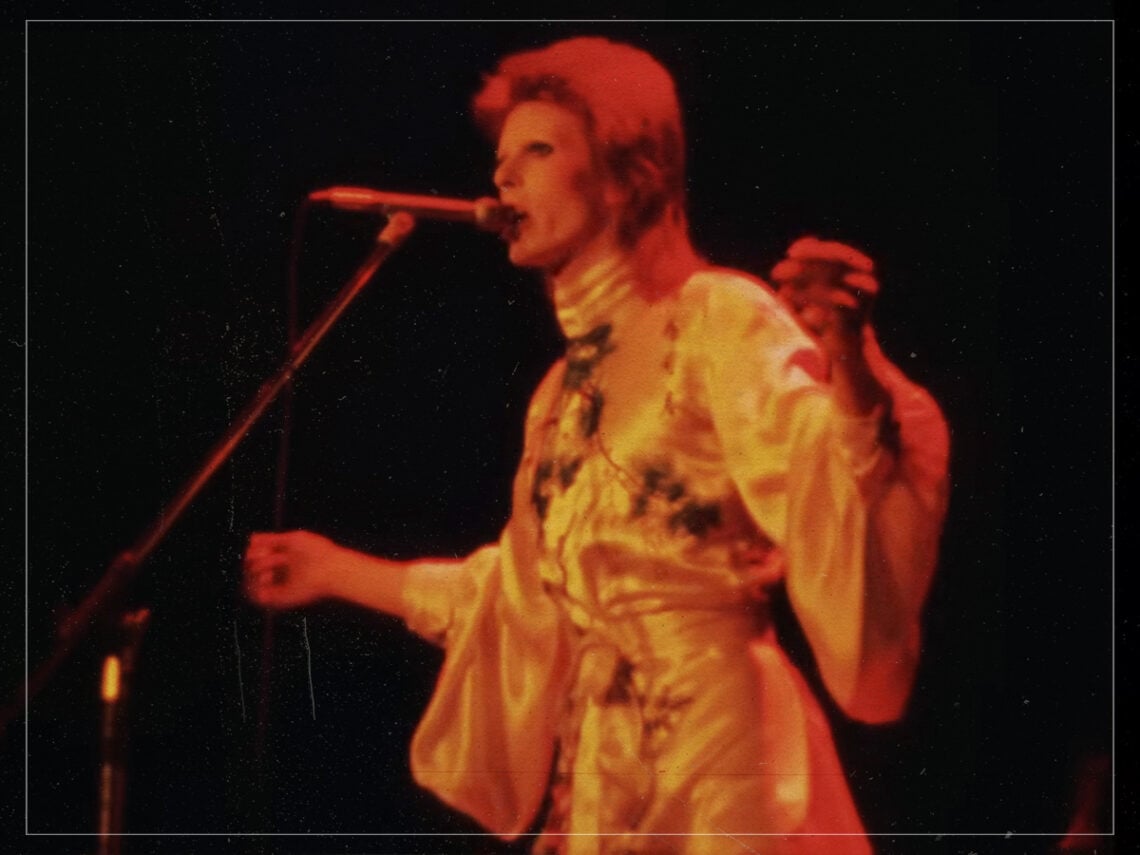
The 1993 album David Bowie called the start of his greatest work: “The best I could do”

The best part about getting a new David Bowie album was having no idea where he was going to go next.
The entire journey that he took us on over the years is still insurmountable, and compared to artists like The Beatles, ‘The Starman’ might be the only other person who had the same kind of impact as the Fab Four. But when looking through his own body of work, he felt that there were some periods that were better than others once he got his bearings on a particular sound.
Granted, no one’s going to blame you if the first thing you think of when it comes to Bowie is the lightning bolt across his face and the massive boots. He was a glam rock superstar for a good reason, and every single one of his records was another way of showing the world what androgyny looked like in rock and roll. Each of them was meant to be a new departure, but if Bowie truly wanted to experiment, he needed to go beyond rock and roll altogether.
Some of the biggest parts of his career came when he was going against the grain, and while people might not have understood what he was on about when making a record like Station to Station at the time, the next generation had no problem seeing the genius on display when he was ahead of the curve. It was all about trying new things for him, but that didn’t mean he couldn’t have some fun along the way.
He was more than ready to work in different styles, but Let’s Dance seemed like the first time that he reeled things in too much. The pop star angle did work for a few songs, but when you listen to the way that he was approaching so many of those songs, it’s easy to think of any other pop star singing those tunes rather than the guy that single-handedly dismantled pieces of rock history.
But after getting out of that haze, Black Tie White Noise was a great way for him to come out of that period of his career. Never had an album of his been so oxymoronic as the title of Never Let Me Down, so to see him back in full force working with Nile Rodgers again on a more ambitious project was the first time that he felt like he could express himself even better than he did in his prime.
Not everything sounded the same, but Bowie’s more ambitious approach to rock was a lot more interesting ever since Black Tie, saying, “I personally think my work in the ’90s has been the best that I could possibly do. It’s proved to have a lot of life, and it’s got some strong devotees. From Black Tie…, I think I’ve not put out a shoddy piece of work. I’m very proud of it all.” And while each record was ambitious, not all of them needed to work perfectly to be good.
The Buddha of Suburbia does have a lot of spotty pieces to it, but when looking through the rest of his catalogue, Earthling is one of the boldest genre switches that he has ever done, and he seemed to be right at home when working off of the new school of rock and roll stars like Trent Reznor when he began incorporating styles like industrial into his sound on records like Outside.
By nature, not everything was going to be one of the greatest moves in the world, but Bowie always preferred it that way. He was an artist in the truest sense of the word, and even if his masterpieces didn’t get the attention he thought they deserved, they all served to make up another piece of his musical journey every single time that someone discovered one of his lost gems.
