


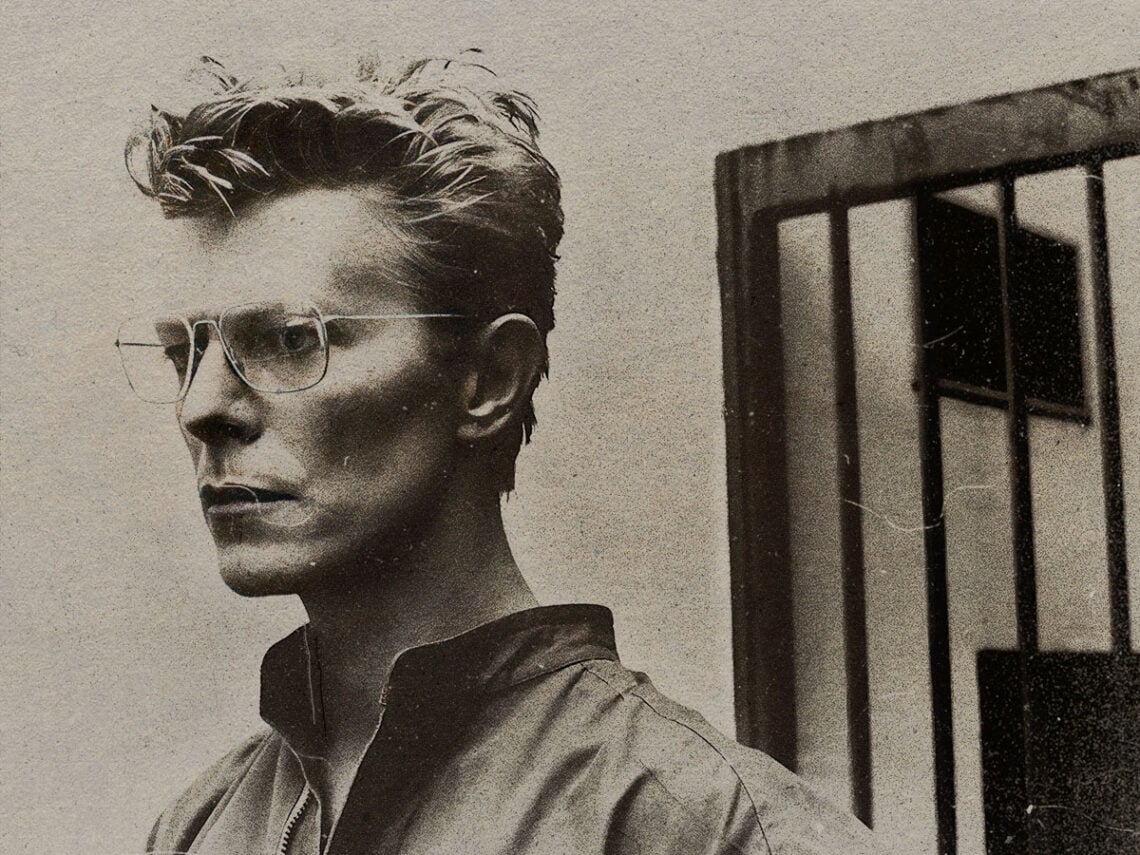
The record David Bowie wished he could delete from history: “It was such an awful album”

There is a game to be played if you want to make it in the music industry. You have to follow a set of guidelines to make it to the top, and most of the artists you see in the charts today have been given a blueprint and largely followed it to the letter. David Bowie was a musician who followed no set rules regarding his music.
The iconic ‘Starman’ was a unique individual who rarely let others dictate to him what he could and couldn’t do as an artist. He let his emotions dictate his sound, and he would never put out material he didn’t strongly believe in. Nonetheless, when reflecting on his extensive career, Bowie particularly disdained certain portions of his cherished discography.
Several songs incited Bowie’s displeasure over the years. ‘The Thin White Duke’ was an unwavering advocate for never remaining artistically static, and he frequently found himself oscillating between admiration and frustration for his earlier work. While it might seem detrimental, it actually fosters a behaviour in an artist that means that person is always looking to improve on what they have done, and make their future project the most important one. This pattern involved Bowie initially revisiting some of his greatest hits during tours before growing weary of them and veering into new experimental territory.
‘Space Oddity’, one of Bowie’s most universally cherished songs, was a track that, at least for a while, irked the star, despite its iconic status as one of his most artist-defining songs. Interestingly, Bowie wasn’t the only one who despised the work. While he might have changed his heart since then, upon its initial release, even the typically optimistic Tony Visconti held a negative view of it, stating it was “a cheap shot – a gimmick to cash in on the moonshot”.
Bowie also expressed dislike for the song ‘Young Americans’, even considering its intense fan following. However, the unique aspect of his indifference to this song is that most people seem to concur with him. While he appreciated ‘Win’ from the album, the title track grated on his nerves significantly. He even went to the extent of permanently retiring the song from his repertoire after the 1990 Sound + Vision tour.

During the 1980s, Bowie emerged as one of the most visually appealing rock stars worldwide, making him the ideal candidate for a transition to television. Collaborating with peers such as Nile Rodgers, Bowie achieved his most substantial pop success with Let’s Dance, a project encompassing some of the finest songs in his career, including the title track and ‘Modern Love’. However, as Bowie pursued this path, he eventually grappled with what he would later refer to as his “Phil Collins years”.
Despite being a major star at the time due to his previous accomplishments, Bowie believed that he had faltered while creating albums like Tonight, as he later recalled to Rolling Stone: “It didn’t make me feel good. I felt dissatisfied with everything I was doing, and eventually, it started showing in my work. The next two albums after Let’s Dance showed that my lack of interest in my own work was really becoming transparent.“
In Never Let Me Down, a record widely disliked by Bowie’s devoted fanbase as well as most critics, the artist aimed to pay tribute to the sounds of 1950s musicals. He succeeded in this endeavour, but the LP falls short of capturing the usual poise you associate with a Bowie album, causing it to be considered one of his lesser works. Most of the album’s content is forgettable, but one particularly tragic moment on the record is the track ‘Too Dizzy’.
Although Bowie may not have been closely involved in the making of Tonight, he considered Never Let Me Down a complete disaster. Bowie went as far as to call it his “nadir” and expressed strong regret about recording it, stating: “It was such an awful album. Even if it’s a failure artistically, it doesn’t bother me in the same way that Never Let Me Down bothers me. I really shouldn’t have even bothered going into the studio to record it. [laughs] In fact, when I play it, I wonder if I did sometimes.”
Speaking about his hatred for the track, Bowie also told Music & Sound Output in 1987. “It’s a throwaway! I always thought it was better for Huey Lewis [laughs]! I was unsettled with that song, but it’s on the album anyway. It’s one of the first songs that Erdal Kızılçay and I wrote together, a sort of try-out to see how we sparred together as writers. I thought a real Fifties subject matter was either love or jealousy, so I thought I’d stick with jealousy because it’s a lot more interesting [laughs].”
It can be easy to assume that an artist as wonderful as David Bowie has so few missteps that his pathway to greatness was simply littered with gold, but things couldn’t be further from the truth. You have to kiss a few frogs before you find your prince, so the saying goes, and if you gave Never Let Me Down a voice, it would only be able to “ribbit” over and over, which might be just as good as the record itself.
