


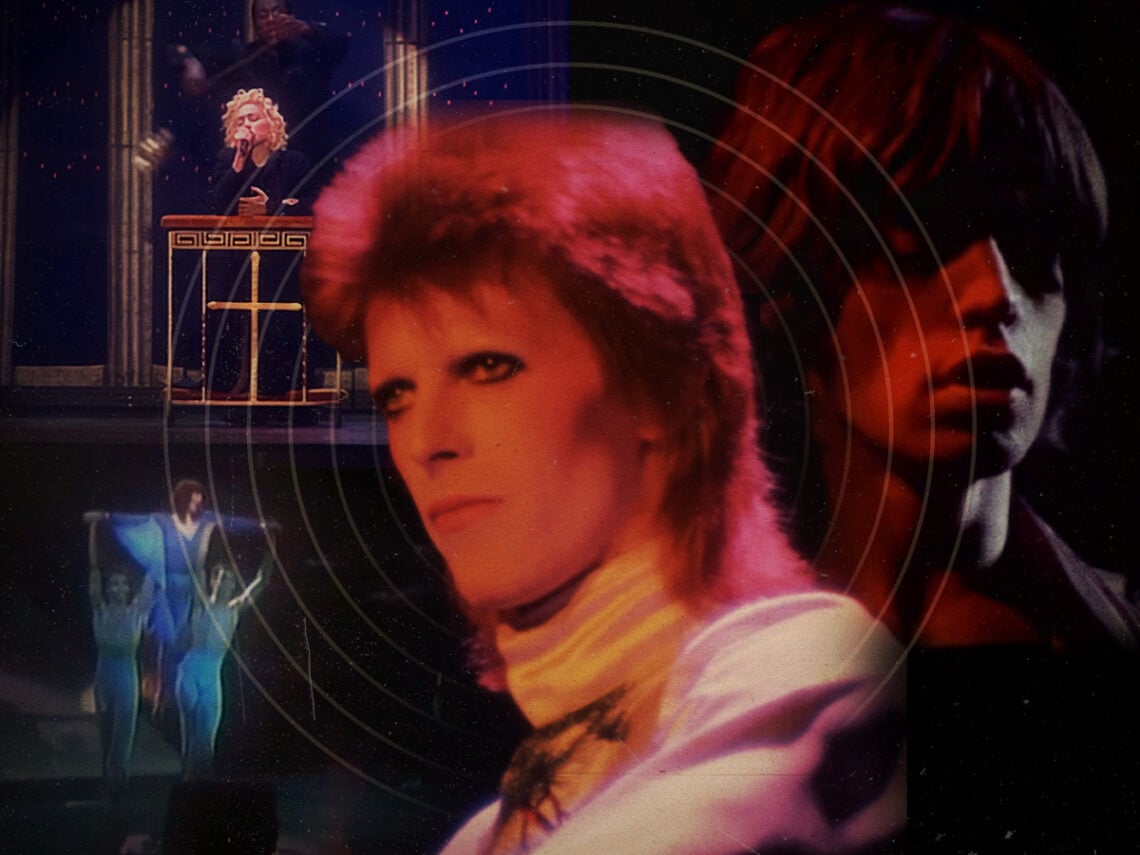
Tours of life: Five of the most truly innovative tours of all time

It’s not just the greatest albums and messiest nights that get written into rock and roll history, but the meeting point of music and mayhem that comes with spending night after night on the road, out on tour, that can become the stuff of legend, as well.
And tours can even define entire cultural eras, like The Beatles’ tours of America that sparked the British invasion, or the rock and roll package tours of Britain and Europe, which inspired those early Beatles performances in the first place. Subsequently, the jump to stadium-sized shows in the 1970s, from groups like Led Zeppelin and The Rolling Stones, took rock and roll out of dingy bars and clubs and into cavernous (read: soulless, atmospherically flat, oversold and overblown) arenas.
Then there were tours from people like David Bowie, Pink Floyd (the first group to start bringing their own light show around with them from gig to gig) and Kiss, which added aspects of theatricality and grand, choreographed staging, characters and storylines to their nightly offering, giving way to spectacular displays from artists like The Flaming Lips or Gorillaz, in more recent times. Moving into the then-futuristic 1990s, groups like U2 equally captured and satirised the MTV zeitgeist by incorporating a staggering amount of screens, cameras and video footage into their shows. Each tour had to outdo the last, and bigger always meant better. Rock and roll is nothing, after all, if not an exercise in excess.
We’ve reached a point in time where every tour seems to need to come with a built-in concept. Sinatra and The Beatles might have popularised the idea of concept albums, but it was Bowie, the Stones and Pink Floyd who expanded that into concept tours (and who could forget Spinal Tap taking Smell the Glove around North America in 1982). Beyond a certain point in time, it seemed that standing in line to see your favourite band play your favourite songs was no longer enough. Each new tour needed a name, a theme, an elaborate and changing stage set-up, pyrotechnics, dancers, actors and extras, a light show, and just about anything you could dream of.
Harry Styles is back on tour now, although the schedule looks to me more like a series of residencies, with a new production he’s calling the Together Together tour. From the outside, it all looks just like the last production, Harry’s House, where the stage set up felt like an underfunded and underloved version of the mansion-esque staging with the ’60s sleepover-themed Short n Sweet tour from America’s sweetheart, Sabrina Carpenter.
Hayley Williams has just wrapped up the Hayley Williams at a Bachelorette Party, and Bob Dylan is now calling his Never Ending Tour schedule the Long Hot Summer Tour and taking it around America at the minute (playing much the same setlist as he did with his long-running Rough and Rowdy Ways World Wide Tour). Also going round the world in recent times was Taylor Swift, whose Eras Tour set attendance and financial records everywhere it went, and gave a boost to the local economies of any city it came to over the course of its 149-date jaunt.
But though the Eras Tour might be one of the highest attended and highest grossing of all time, I don’t think it’s going to have as much of a lasting cultural and musical legacy as some of the more seminal series of shows from acts like Elvis Presley, the Stones, Michael Jackson, Madonna, Talking Heads, Bruce Springsteen or Prince. Sure, the memories will last a lifetime for all those who were there in attendance, but Swift didn’t innovate any new concepts out on the road, nor did she introduce any radically reinvented ideas of what a show could be expected to look like on the Eras Tour.
Other concerts and tours have been as long in duration, as dramatically choreographed (and more!), and drawing from as wide a repertoire from across an artist’s career before Swift, but none ever generated as much revenue. Who needs innovation, anyway, when you’re worth over $2billion? However, below we have five tours from history that genuinely broke new ground in terms of stagecraft.
Five historic tours that were genuinely innovative
The Rolling Stones’ 1969 US Tour – The Rolling Stones, 1969
Elvis Presley’s manager, the infamous Colonel Tom Parker, innovated a lot of things in his time, not least of all the mass merchandising and establishing of a brand around his artist to open up additional revenue sources, but he might also be credited with booking Elvis to perform the first-ever stadium tour in popular music. Elvis had too many fans to play in small rooms, even at the very start of his career, so the only way to keep everybody happy was to play to as many people as possible at once. Beginning on August 30th, 1957, at the Memorial Stadium in Spokane, Washington, Elvis was booked to play five shows across a four-date mini tour of massive outdoor venues.
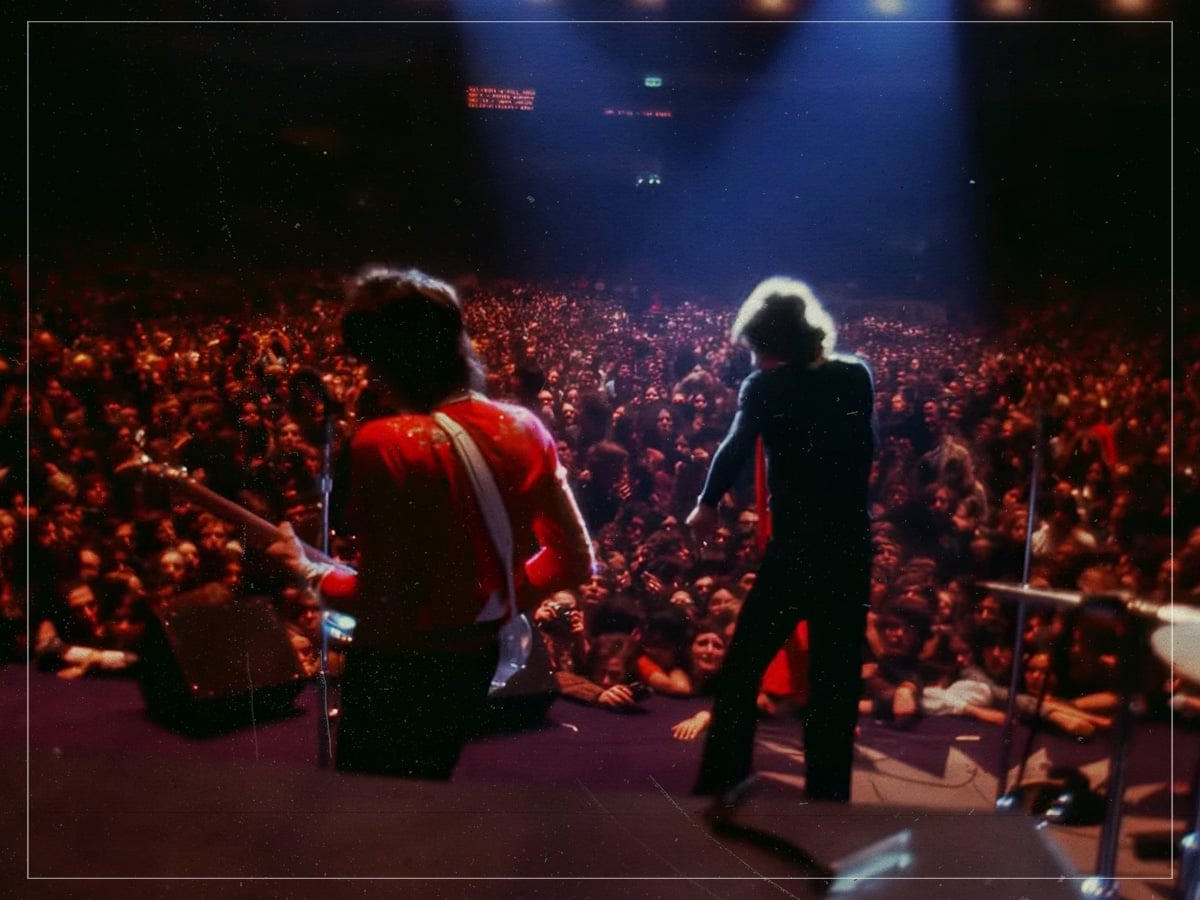
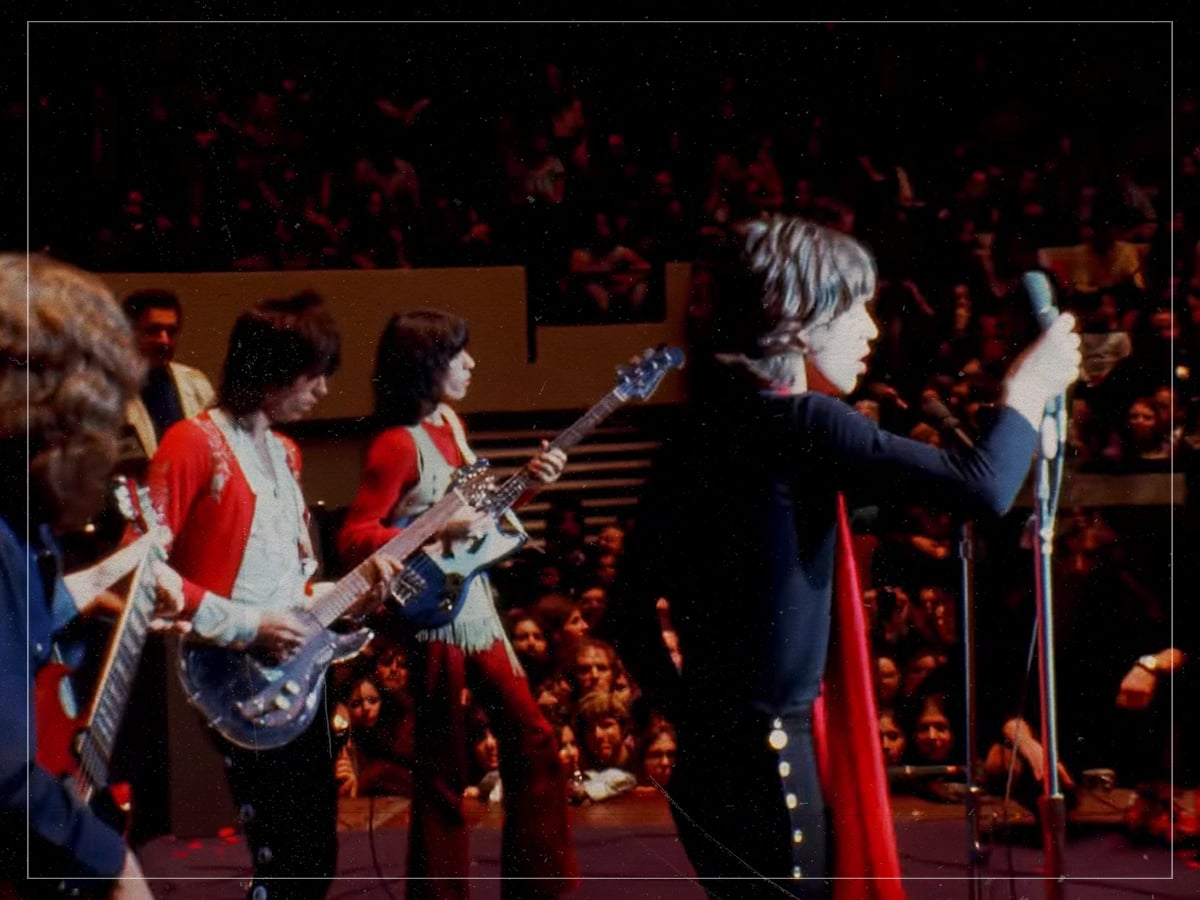
It took just over a decade for anybody else to take the idea to its natural conclusion and book a full tour of such oversized venues. Ironically, it was The Rolling Stones, who had made their name by mesmerising crowds in tiny clubs and rooms, paving the way for arena tours when they embarked on a 24-date run across North America in 1969. They brought an expanded set-list, elaborate stage set-ups and lighting shows, as well as incorporated grander production into their presentation. Though the tour is arguably the time where the Stones cemented their title as the ‘Greatest Rock ‘n’ Roll Band in the World’, it’ll always be overshadowed by the tragic events on the final night, at the Altamont Speedway.
From here, with bigger spaces to play with and the massively increased budgets that came with the increase in ticket sales, the Stones never looked back and only ever sought to make their tours bigger and better. Huge inflatables, enormous screens displaying specially recorded video content, pyrotechnics and other elaborate production elements would be ever-present in all their future tours, and on the back of their influence, almost everybody else’s tours, too.
The Tour of Life – Kate Bush, 1979
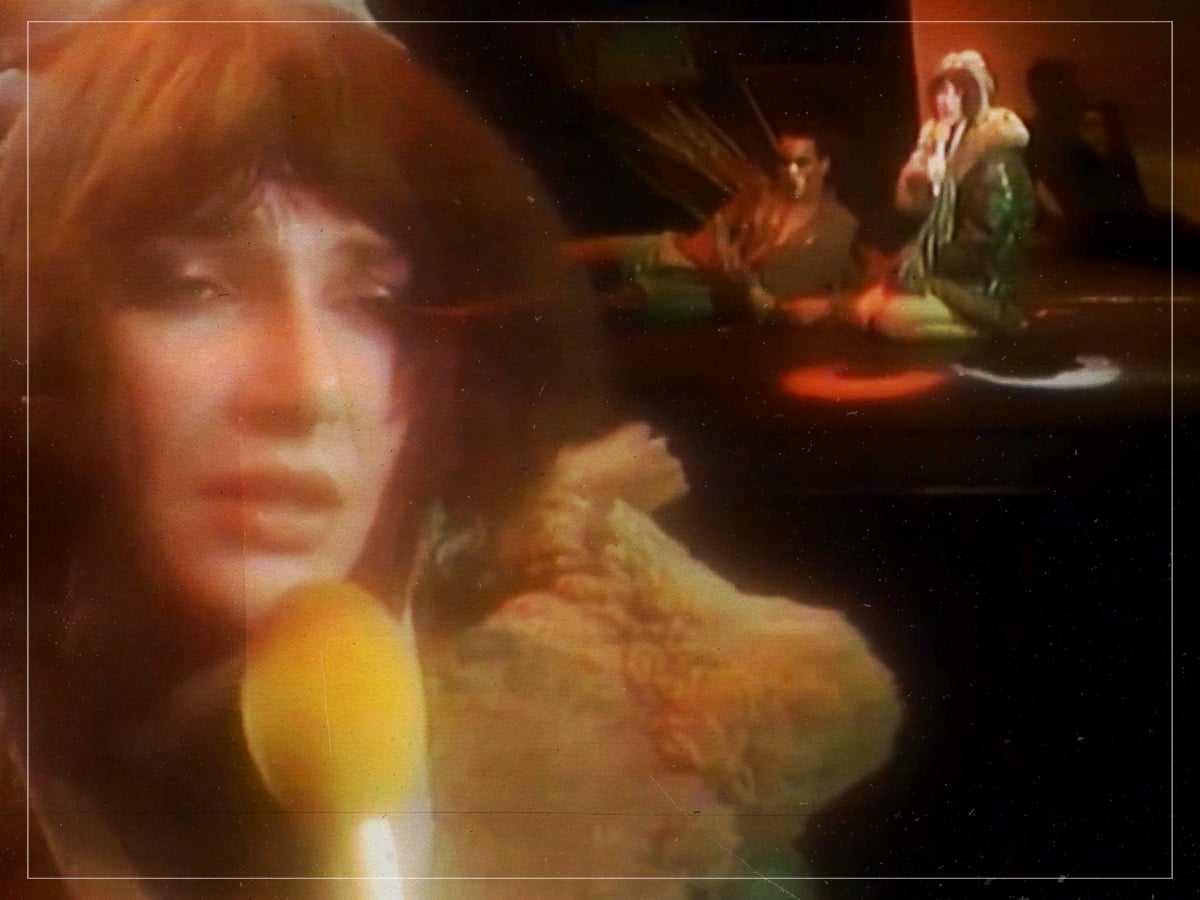
Kate Bush hasn’t performed live very much in any capacity throughout her long career, let alone gone out on tour, but the one time she did, she didn’t disappoint, and even changed the world of live music in the process.
The Tour of Life ran for just over a month, spanning 28 shows across Great Britain and Europe, and was filled with all the kinds of magical and creative eccentricities that we all love so much about Kate Bush. High, conceptual art and theatricality powered each show as much as any of the music did, and the performances were more akin to a dramatic musical theatre production than a concert. With costume changes and elaborate lighting displays, evocative stage design, smoke and fog machines and, naturally, Bush’s own legendary choreography, the shows placed equal importance on the visual elements of the production as anything else.
And it was that choreography that led to the most revolutionary element of the tour. Being unable to move her hands in the way she wanted to when dancing and singing into a microphone at the same time, Bush became the first ever artist to use a wireless headset microphone in a concert setting, and paved the way for future use by everyone from Bowie and Madonna to Brittney Spears, and even people like Sammy Hagar and Neil Young.
Ziggy Stardust & The Spiders From Mars – David Bowie, 1972–’73
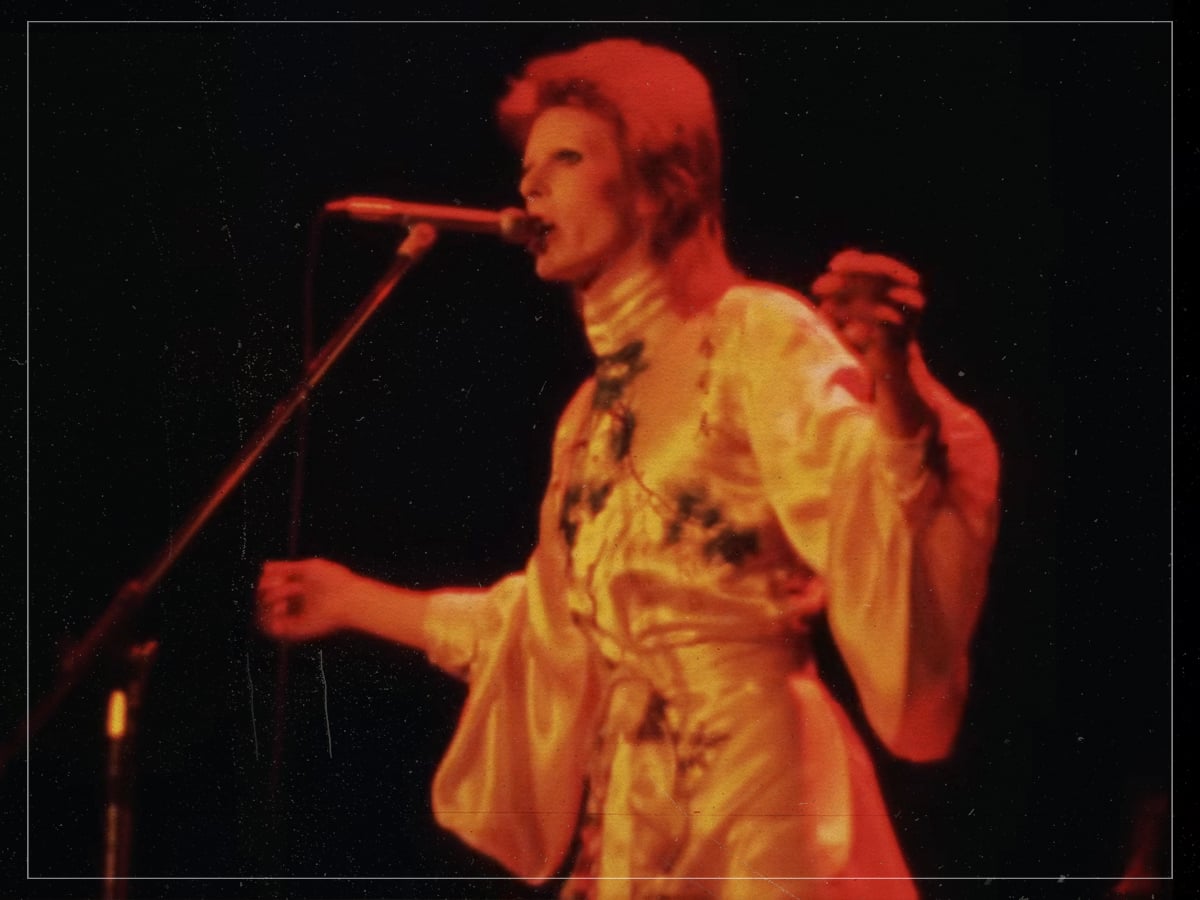
Maybe the most famous moment from Bowie’s Ziggy Stardust tour came right at the very end, when he announced to the audience at London’s Hammersmith Odeon that it would be the last show he ever performed under the influence of his alter ego Ziggy Stardust, and in the process, told his band that they didn’t have a steady gig anymore.
The tour had started a year earlier and taken them around the world, mesmerising, shocking, electrifying and delighting audiences with the extraordinary make-up and famous golden forehead patches, the skimpy, wild and glittering costumes, alter-egos and characters and daring, risqué movements (especially those between Bowie and lead guitarist Mick Ronson).
If the studio release was a concept album, then this can be considered the first ever concept tour, an idea that Bowie only ever elaborated as years went by, as he sought to outdo himself time and again when later staging the Diamond Dogs Tour in 1974, the Serious Moonlight Tour in 1983, and the extravagantly gauche Glass Spiders in 1987.
Blonde Ambition World Tour – Madonna, 1990
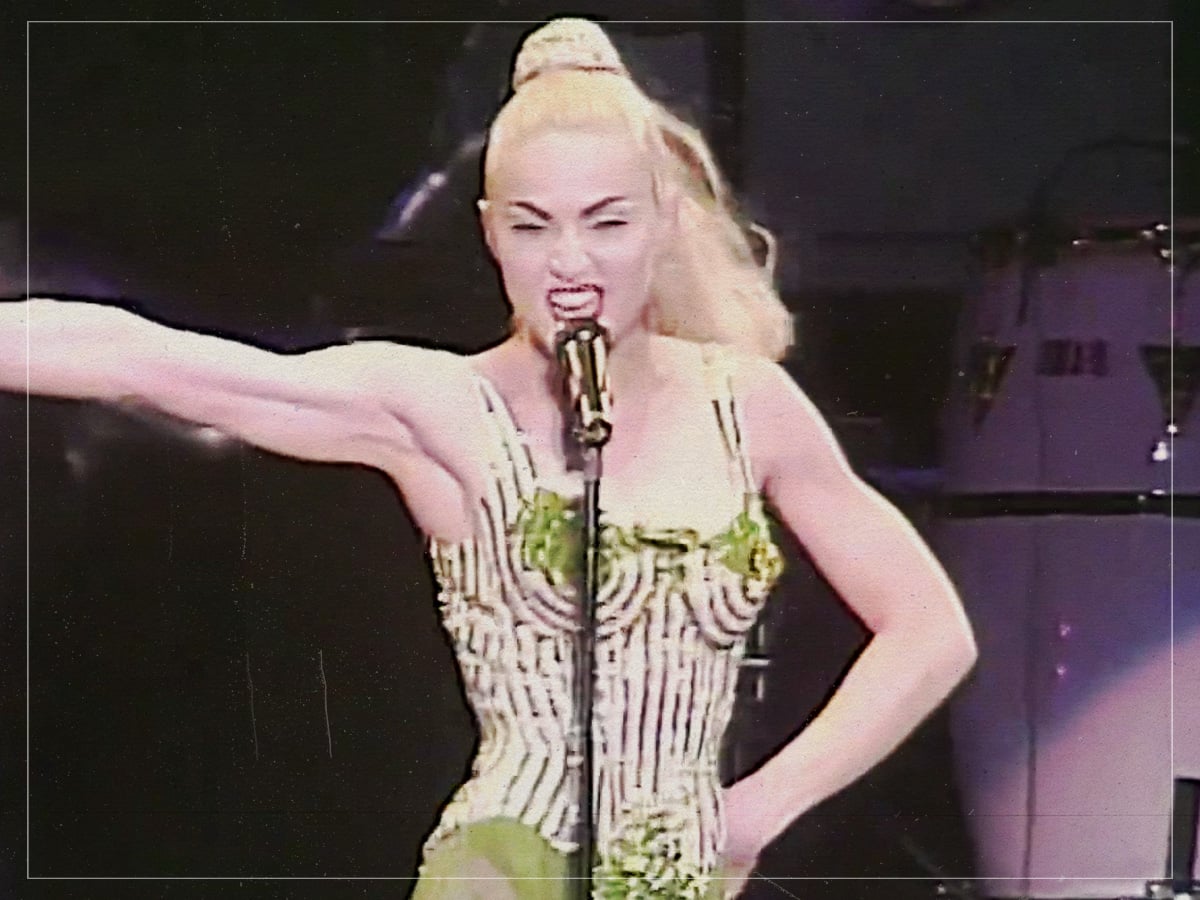
Though Bowie opened the floodgates for theatrical and daring stage costumes and characterisations, and Kate Bush introduced the hands-free microphone set-up that allowed for more inventive choreography, Madonna put both together and took each to the next level.
Even if you’ve never seen any clips or heard any performances from Madonna’s Blonde Ambition tour, you’ll know the iconography and imagery of her stylised hair-do and make-up, cone-bra and provocative persona that were all hallmarks of the showing.
Exploring the limits of music’s age-old battle between religion and sexuality, tradition and progress, the 57-date Blonde Ambition tour built on everything that had gone before Madonna up to that point, and laid out the blueprint for all the future tours from superstar women artists.
The Biggest Rock ‘N’ Roll Show of 1956 – Various artists, 1956
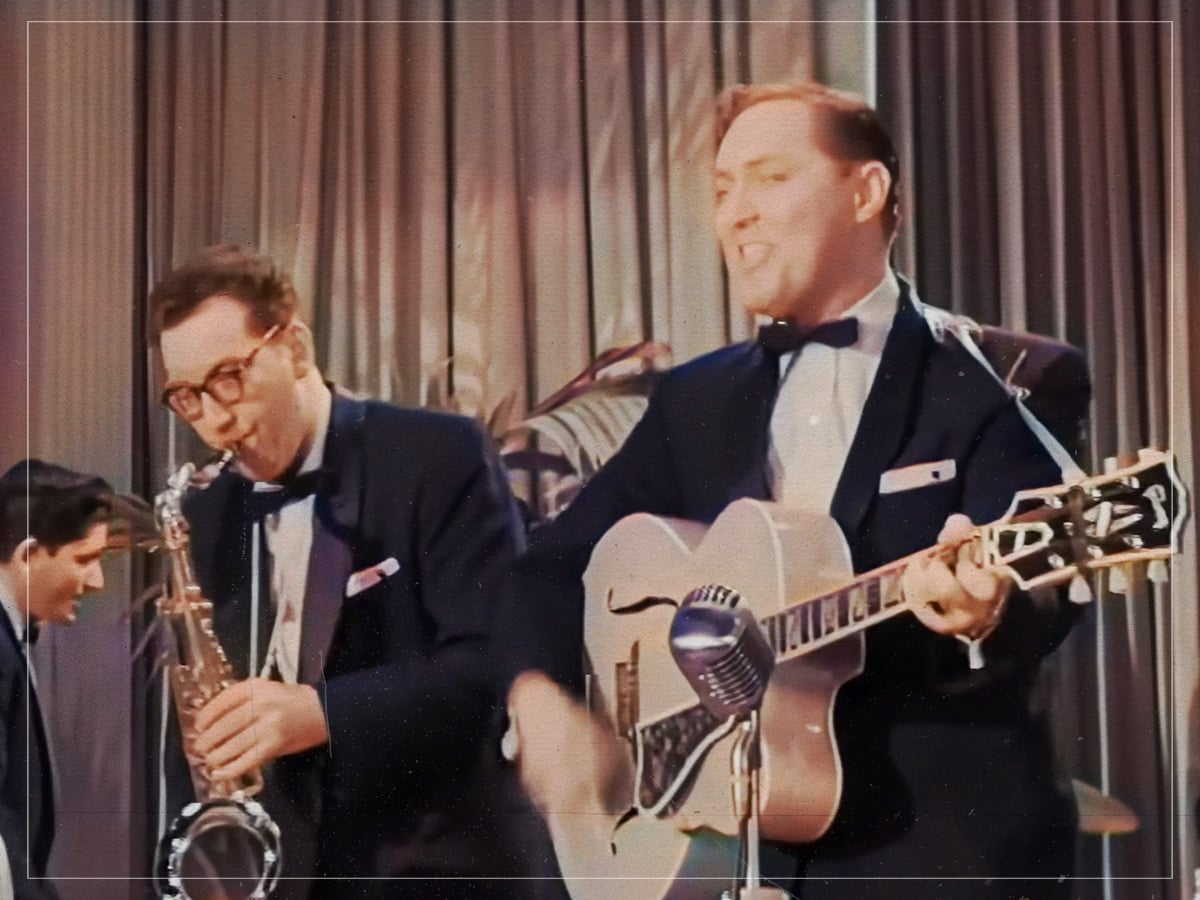
What’s better than seeing your favourite artist in concert? Seeing all of your favourite artists in one night, of course.
That’s just what the youth of the 1950s got to do on a regular basis, thanks to the popular rock and roll package shows of the time. The first and most influential was The Biggest Rock N Roll Show of 1956, which was, despite the name, actually 45 shows. Headliners Bill Haley & Comets were joined on the bill at various points by The Platters, Bo Diddley, The Drifters, LaVern Baker, Clyde McPhatter, Big Joe Turner, Red Prysock, Shirley & Lee, Roy Hamilton, The Five Keys, The Turbans and Frankie Lymon & Teenagers. The tour went on to inspire future package tours across North America and Europe, including tours that featured Little Richard, Elvis Presley, The Beatles and more, with Rick Nelson writing his hit song ‘Garden Party’ about an infamous night on one such tour in 1971.
But perhaps the most influential and important element of The Biggest Rock N Roll Show of 1956 was nothing to do with the music on the bill, but more so the musicians on the stage and the members of the audiences, as the tour was the first to feature a mixture of Black and white artists sharing the same bill, and also attracted integrated audiences as it wended it’s way across the then-still segregated American landscape.

Never Miss A Beat
The Far Out Beatles Newsletter
All the latest stories about The Beatles from the independent voice of culture.
Straight to your inbox.