


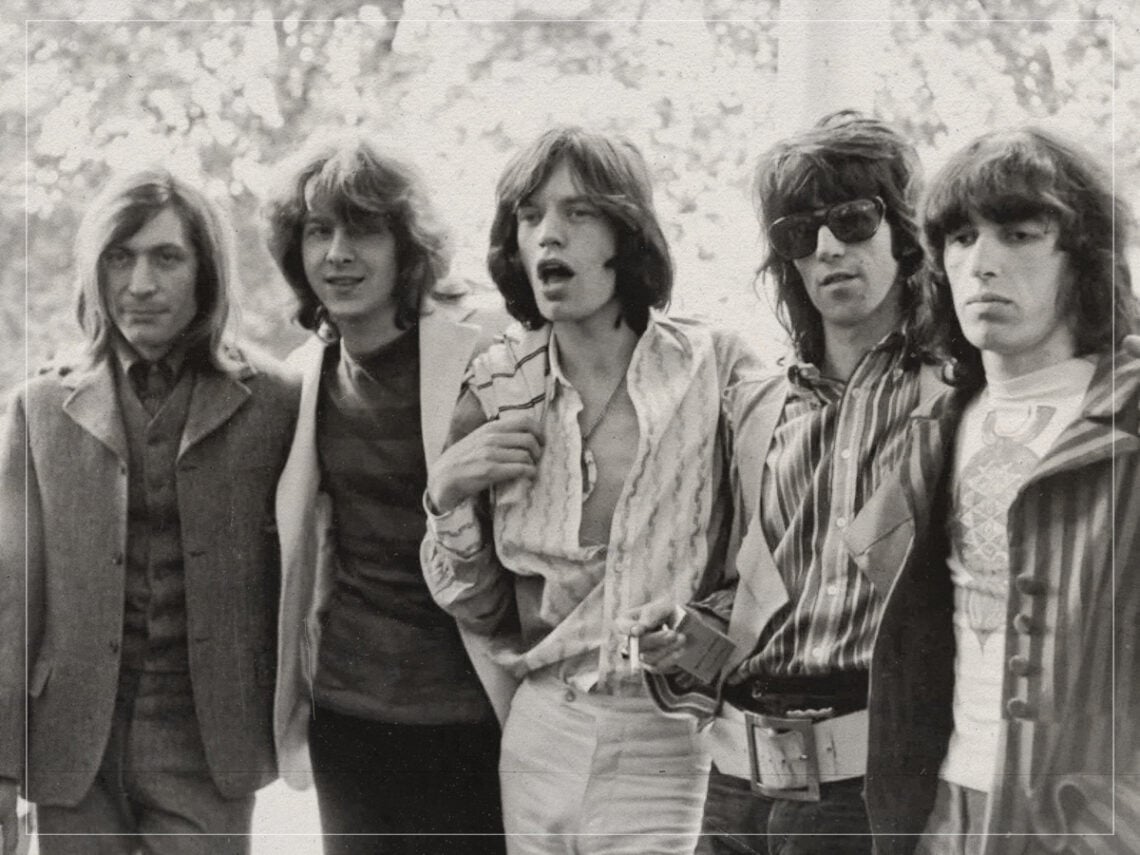
The Rolling Stones in 1969: Was this the birth of the arena rock tour?

Arena tours are dime a dozen these days in music. But whether you love them or loathe them, the reality is that all roads lead back to The Rolling Stones.
The band’s 1969 American tour went down in history for a whole bunch of reasons – it was the first time Mick Taylor performed within their ranks, and they had support acts in the form of Ike and Tina Turner, Terry Reid, BB King, and Chuck Berry. Basically, it was a piece of rock and roll legend that went down in history for the rest of time.
While obviously the spectacle seen on stage was a major part of the allure, it also undeniably helped that you could actually hear the performance as it happened. Sounds obvious, but you’ve got to remember that this was almost 60 years ago now, and the technology and infrastructure simply didn’t exist back then to create the type of shows we’re used to today.
Take The Beatles as the prime example of that. They’d stopped touring and performing live as a whole three years prior, not just because of inter-band tensions but due to the fact that they largely couldn’t hear themselves on stage. At the end of the day, a few measly speakers were no match for the thousands of screaming fans out there.
But the Stones saw an opportunity. They wanted the hordes of fans to keep flocking, singing, and screaming their hearts out – yet they could still overpower them. And so the duty fell to the unsung heroes of every touring production, the backstage workers, to find a solution. The man of that hour was the excellently-named Chip Monck.
Monck had previous prestige, having served as the lighting designer and impromptu master of ceremonies for Woodstock. In this regard, it might have been his sense of whimsy and intrigue which sealed the deal, as he was subsequently roped in to design a lighting and sound board beyond the wildest imagination for the Stones and their Stateside tour.
In one sense, Monck had no option but to well and truly deliver. Fans wanted to see a show for the ages, and the band were expectantly tapping their feet, impatiently waiting to change the world. But through the development of new and improved systems and technology, the designer created something that not only let the Stones storm the stage, but left its mark on live music forever.

Without that pivotal tour in 1969, a great many of the favourite shows you’ve ever seen live simply wouldn’t have been possible. Yet in even the most regional of arenas, there is always a morsel of the music and a hint of the history of The Rolling Stones lacing the sound of those momentous moments.
After all, the momentous moments in question would never have happened if it weren’t for The Rolling Stones being hellbent on bringing the live space into a whole new dimension. But behind the vision were people like Monck who were tasked with actually making the dream come to fruition. That was no straightforward challenge, but the fact that they delivered it proved that the arena of rock and roll was, once and for all, truly limitless.
