


From OMD to Harry Styles: The return of the corporate synth-pop anti-image

In the 1970s and 1980s, when fashion was becoming more integrated into musicians’ images as a tool for both creativity and rebellion, Italian fashion veteran Giorgio Armani connected the two in a way that ruffled the feathers of the entire industry.
The Armani suit, as it were, emerged as a bastion of gentle androgyny, a symbol of quiet confidence, elegance, and gentle defiance against the norm, while for rockers, this was the perfect reimagining of the corporate aesthetic.
“My first suits were a response to what was happening in society in that moment, the late ‘70s and early ’80s,” Armani told GQ a couple of years ago, “Women were climbing up the workplace ladder, men discarding rigidities and opting for a softer masculinity. These simultaneous movements merged into a single vision of soft tailoring that could work both. It was all quite radical.”
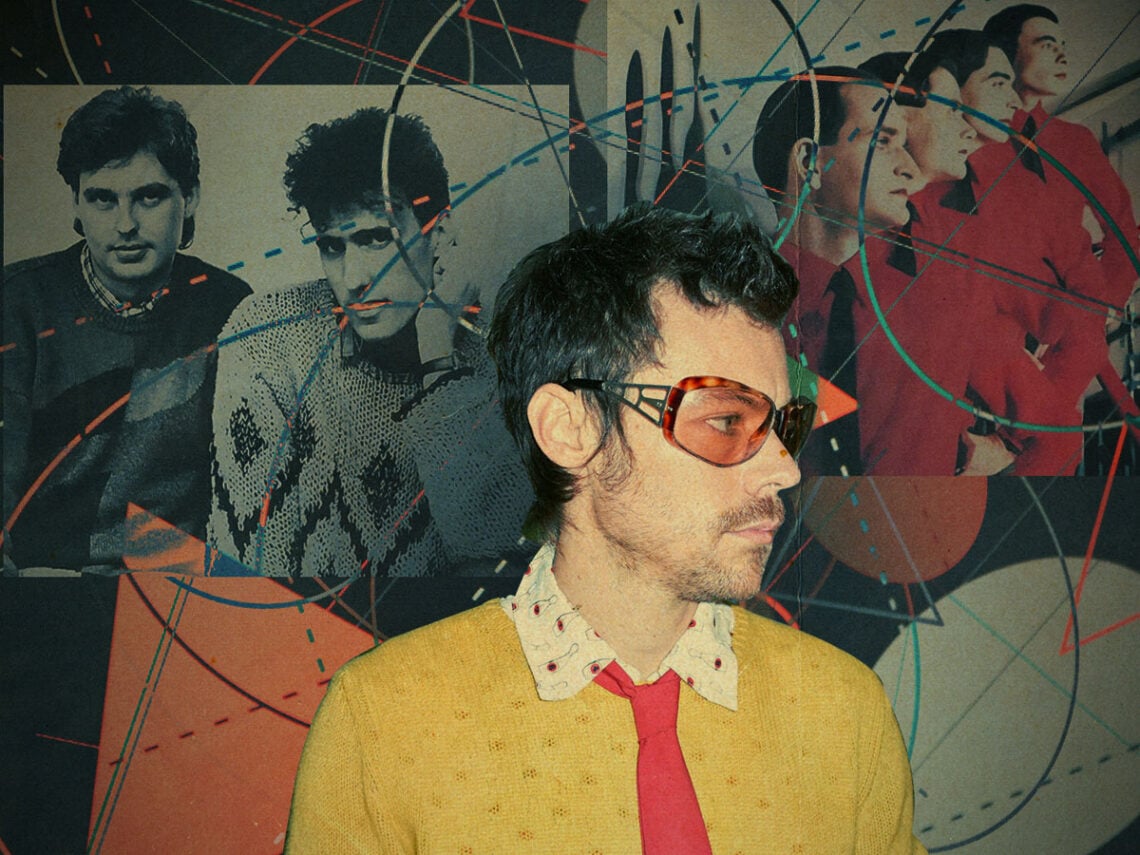
Radical in the sense that, where before, suits were essentially treated as one thing only, they were now grand statements that reflected minimalism and simplicity, presented among musicians as a sort of anti-image that rejected the type of over-the-top fashion worn by rockers before them. Synth-pop musicians like Orchestral Manoeuvres in the Dark, Depeche Mode, and Kraftwerk took an especial liking to the trend as a means to purposefully appear ordinary, vapid, and in some cases, a boring contrast to the music itself.
This was understandably met with hostility in some spaces, with some accusing certain musicians of unintentionally dulling themselves or of pandering to whatever it is they thought they should be doing. Eric Clapton, for one, ditched the nonsense rock ‘n’ roll aesthetic of the previous decade and welcomed the sharpness of the ‘80s suit, giving him an edge that made his more die-hard fans long for his more casual attire.
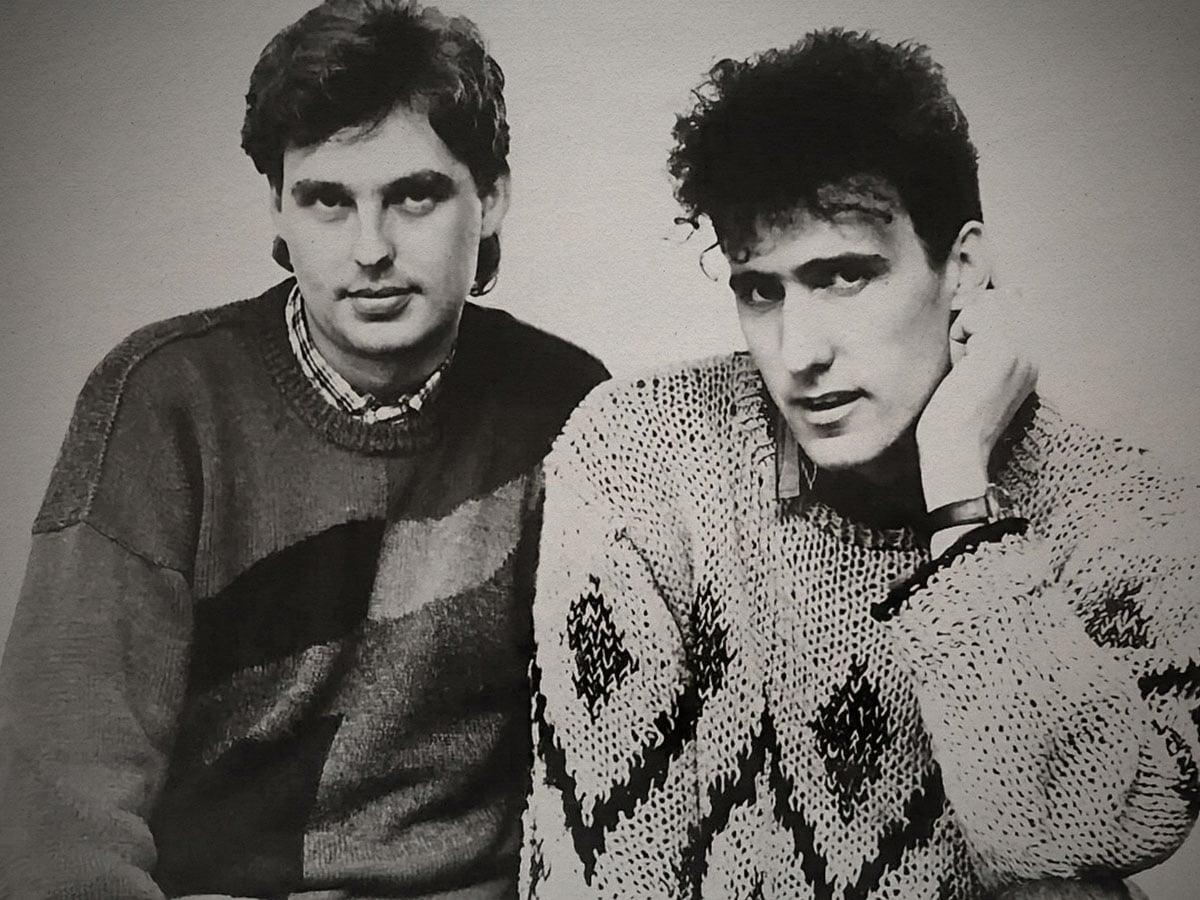
But that was the point: As Armani said, aside from the fact that it got people talking, the not-so-subtle shift towards a straight-looking luxury suit was a radical statement about individualism without being a statement about individualism at all. And in music, it served to achieve everything and nothing, providing a literal blank canvas for people to apply their own theories, or not, about how such clean lines might bear any connection to the music itself at all.
In reality, though, it had everything to do with the music. In the ’80s, OMD used suits in the context of post-punk Britain, standing out within the broader chaos of physical, metaphorical, and stylistic excess to represent something cleaner, more controlled and respectable. This was already a trend among synth-pop musicians, but here they served as an extension of why that began in the first place, emphasising tech advancement, credibility, modernity, and a subtle rejection of dated norms. It also placed music in a business setting, shifting it to something more serious and boundaried, albeit still fun and escapist.
This is also why it was and still is one of the most provocative images a modern pop star can lean into. Pop stars, many of whom immediately generate some sort of aesthetic-based connotation whenever you say their name, rely fairly heavily on image and fashion to build their marketing offering and enhance their musical creativity in ways that are often fun and easy to digest, while often using it to create or build an emotional connection with their audience.
“When you think of the great pop stars, what immediately comes to mind is an outfit,” fashion stylist Harry Lambert recently told The Observer, using Britney Spears, Elvis Presley and Madonna as prime examples of fashion as influential pop culture touchpoints. Lambert, who has helped to curate Harry Styles’ image for the past 12 years, also said neutrality in fashion is criminal, saying, “If there’s no debate, you haven’t done anything”.
Apply that same logic to the suit; if you add that visual barrier, that context of business-like attire, then pop stars can suddenly feel closed off. Which, in today’s parasocial world, where people are used to that emotional proximity and instant access, is often like cutting off someone at the bar just as the night’s starting to get good.
And Styles, who everybody fell in love with as the fresh-faced star of One Direction and then even more so across his solo endeavours, was always the perfect poster boy for flamboyance, excessive fashion, and over-the-top image that worked because he could actually pull it off and because it felt like people could feel closer to him that way. Enter Kiss All The Time. Disco, Occasionally, with Styles wearing that familiar ‘80s-esque synth-pop corporate attire, and people suddenly had a whole lot to say about his sudden lacklustre appearance.
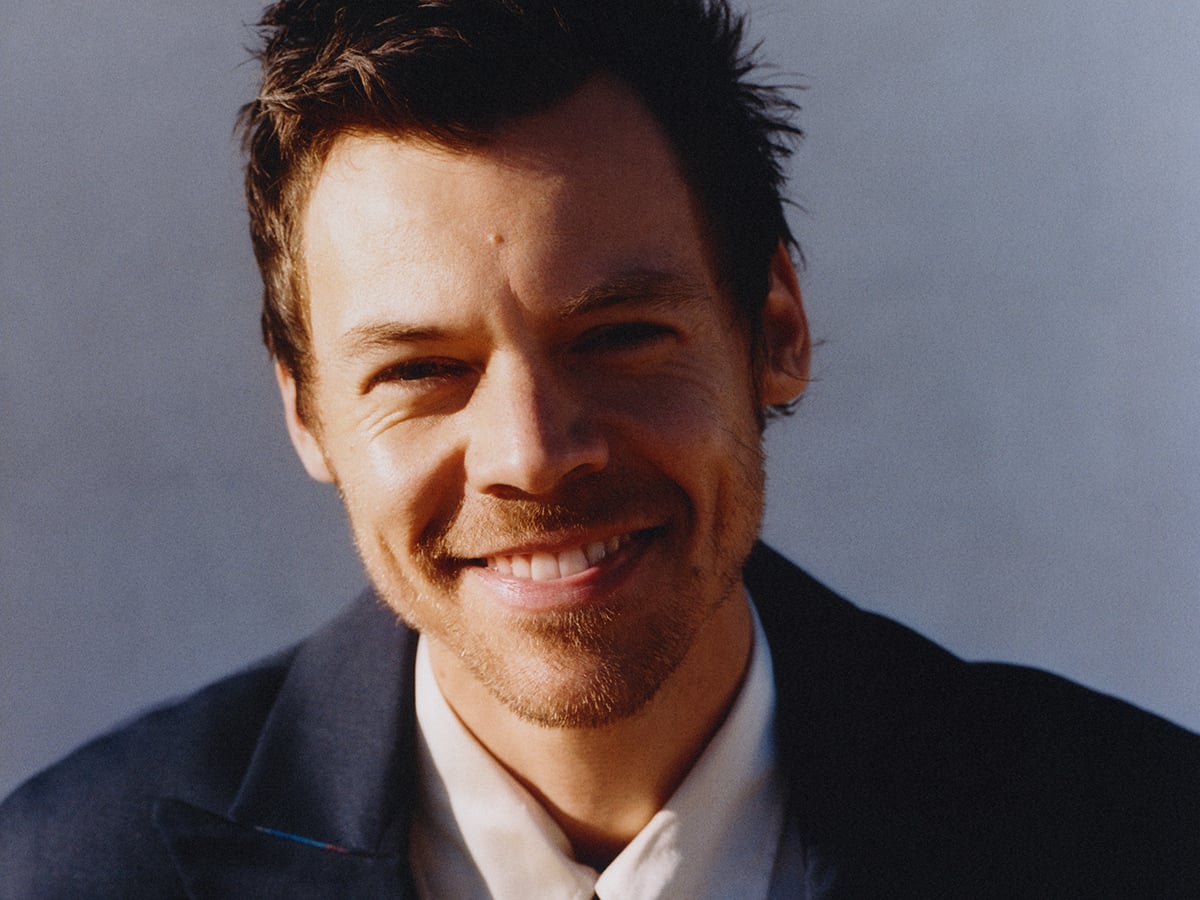
When you look at Styles’ patterns across previous eras, this shift is possibly the most unpredictable and provocative thing he could have done, mostly because it also goes against everything people thought he was as a pop star and makes people feel less connected to him as an artist. But…does it? When you look at the history of the suits and business fashion in music, especially how it became a tool to kick back against certain expectations in quietly rebellious ways while also symbolising the type of music, it actually makes complete sense.
The record is his most synth-heavy yet, with subtle references to Styles’ own eclectic influences and encouragement for listeners to engage with the music more than the musician himself. For instance, there are the cultural habits of community and rebellion itself (“If you must join a movement, make sure there’s dancing” in ‘Are You Listening Yet?’), Styles’ own attitudes towards fame, celebrity, and expectation (“Aren’t you for sale if you’re cashin’ in cold?” in ‘Season 2 Weight Loss’), and the proactive nature of finding meaning in life for yourself (“It’s all waiting there for you” in ‘Carla’s Song’), all of which have direct links to the connotations of Styles’ fashion choices in the current era.
And at first glance, that big, explosive stadium pop sound mixed with Styles’ restrained corporate attire also seems like a clash of archetypal pop-star tendencies. But when you look at the core messaging of music existing to bring people together and serving as the backdrop for memory-making live music settings, it’s less ambiguous and more symptomatic of music that allows space for the listener to thrive in whichever way they want to.
This is where, as Lambert alluded to before, the fashion becomes a cultural touchpoint in itself. Unlike previous decades of rock, which relied on casual authenticity, the synth-pop ‘look’ generates connotations through a series of aesthetics. And while it generates a barrier between the audience and the artist, which can be frustrating, it ultimately urges the listener to do the work, gatekeeping that direct line of connection in favour of something far more powerful: a means to create your own interpretations, have fun, and engage in endless debate about what the hell it all means.
