


Debbie Harry on the 1977 tour that gave Blondie a career: “The rest is history”

From their origins as a down-and-dirty punk rock outfit in the ramshackle world of CBGBs, to their subsequent stardom as harbingers of new wave pop, Blondie pulled off a near-impossible transformation back in the 1970s, and it was all down to one tour.
Blondie never truly fell in line with their contemporaries in New York’s blossoming punk rock realm. For starters, Debbie Harry was already rapidly approaching her 30s – with pre-existing careers as an actor, secretary and, for a while, a Playboy Bunny – when she first formed the group, in contrast to the youthful angst of the other groups in that scene.
As they developed, too, it became clear that their musical sensibilities were at odds with the rest of the rapidly developing scene, too.
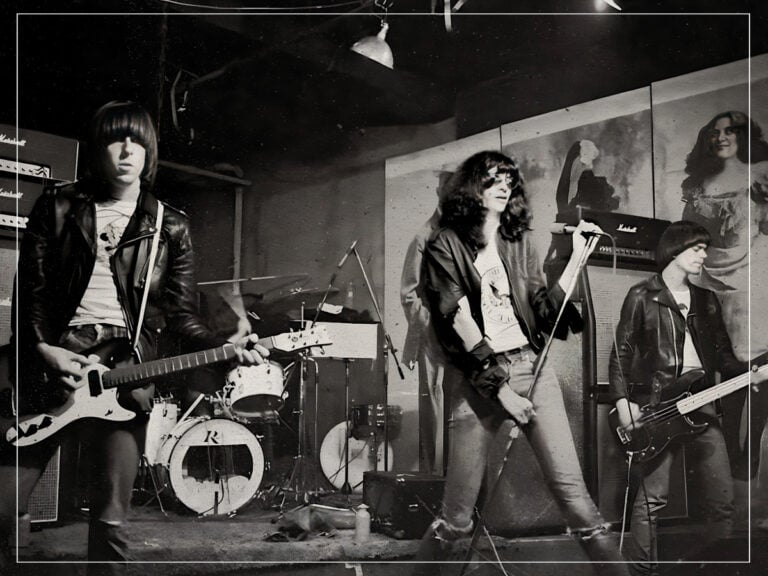
Punk’s prevailing enemy in those days, at least in the US, was the emergence of disco. Viewed by this new generation of abrasive musicians as commercialised dross that masked the struggling nature of US society, groups like The Ramones were ardent haters of the genre, but Blondie never wrote it off entirely. In fact, they made the punk cardinal sin of incorporating disco elements into their sound, culminating in a greater degree of mainstream attention and accusations of ‘selling out’ from their punk comrades.
One of the most important people who took note of Blondie’s diversifying sound was David Bowie, who altered the course of the band’s existence forevermore. Back in 2016, speaking to Rolling Stone, Harry recalled, “I can’t say enough things about David Bowie to show how much I love him. When the Low album was out and Iggy Pop was about to tour, David played keyboards in Iggy’s band.. They asked Blondie to open for them, and, as they say, the rest is history.”
During a pivotal point in Bowie’s career, when he was arguably at his creative peak during the Berlin era, Blondie’s supporting slot was essential in getting word of the band out to mainstream audiences outside of the CBGB punk scene in New York City. What’s more, it exposed the group to a litany of different sonic influences without the degree of elitism and accusations of ‘selling out’ that typified every change in sound within the punk realm.
“Without this visionary and his friend Iggy Pop, where would Blondie be today? Silly question and one that can’t be answered really,” Harry continued. “But there is no doubt in my mind that Bowie played a big part in our future successes.”

If you explore the timeline of Blondie, that tour certainly coincides with an uptick in their commercial success, spurred on by albums like Plastic Letters and Parallel Lines that arrived the year after that Bowie tour.
From there, of course, the group became a regular fixture of the transatlantic pop charts, with colossal hits like ‘Heart of Glass’, ‘Atomic’, and ‘Call Me’ seeing them elevated beyond the grassroots origins of their CBGB upbringing, ushering in the age of new wave pop in the process. According to Debbie Harry, though, all of that might never have occurred if they weren’t plucked from obscurity for that David Bowie tour.

Never Miss A Beat
The Far Out Punk Newsletter
All the latest Punk content from the independent voice of culture.
Straight to your inbox.