


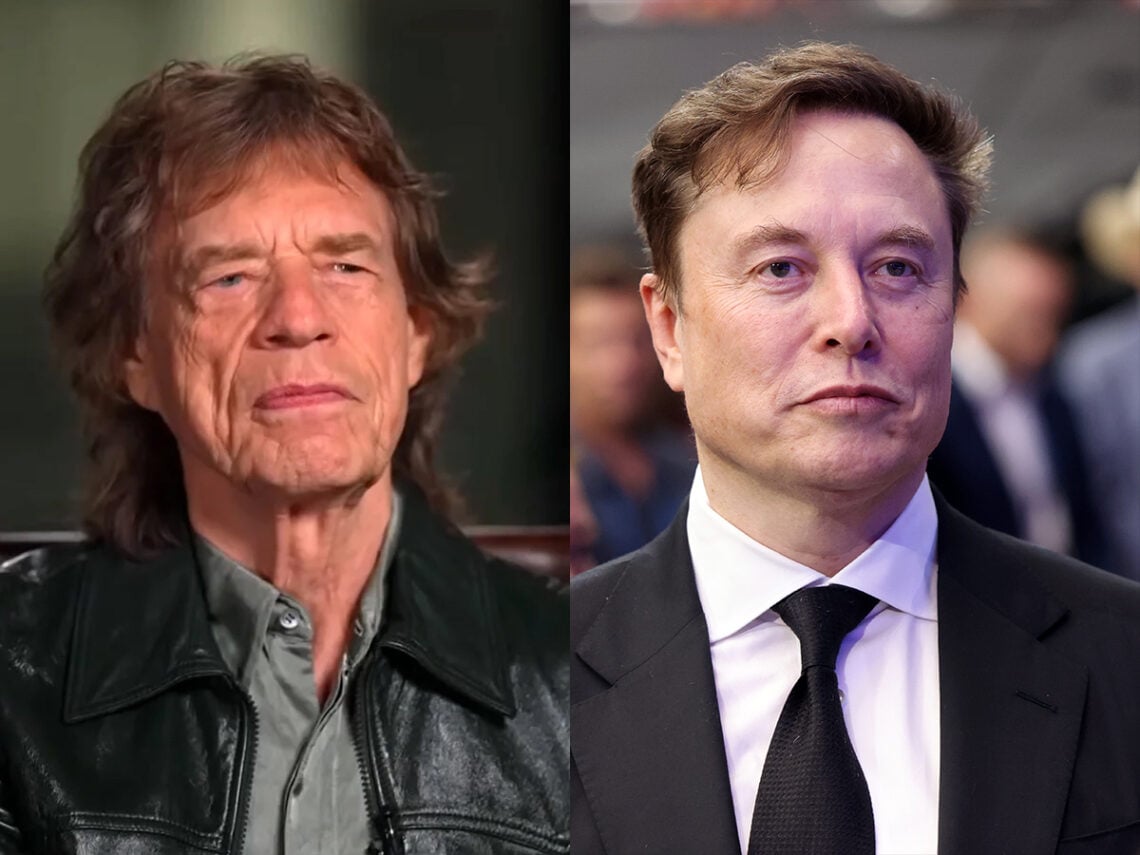
Mick Jagger clears up “mad mogul” lyric about Elon Musk on The Rolling Stones’ new album

Mick Jagger has claimed his lyric about Elon Musk on the new Rolling Stones album is “a sidewinding compliment”.
Across Foreign Tongues‘ 14 tracks, Jagger takes a swipe at the state of America in 2026 on ‘Ringing Hollow’, but the Tesla trillionaire is the only person directly name-checked on the album.
On ‘Mr Charm’, Jagger sings, “When I was oh-so-young, I used to want to go to Mars, And burn the rubber on the road, And drive around in fancy cars, And who would take you into space? Who would you really trust? Is it Boeing, is it NASA, is it mad mogul Mr Musk?”
Due to Jagger calling Musk a “mad mogul” in the song, the lyric has been interpreted as a slight at the tech figure, which The Stones frontman has now suggested wasn’t meant to be viewed in that way.
Speaking to The New York Times, Jagger bemoaned of reviews of the album, “They hear one word, and they don’t really listen to the line, ‘Mick Jagger has a go at Elon Musk’, you’re not listening to the line. You’re just listening to Musk. That’s all you’re hearing.”
Jagger then said that people instinctively hear it and think he “must be having a go at him”, before admitting “I do call him mad”.
The Stones frontman continued: “The funny thing is, when I wrote it, I was thinking because of him they were able to get those astronauts back that were stuck because he provided the transportation because NASA couldn’t provide the transportation.”
He then explained how the line of the song was about him wanting to go to Mars “as a kid” and “who would you trust to get you into space”, clarifying, “It’s really a sidewinding compliment, because he was the one that I remembered was able to do that when the others couldn’t”.
Nevertheless, Jagger does understand that his choice of words weren’t the most complimentary, adding, “Mogul doesn’t always go down well either”.
In the same interview, Jagger also spoke about his lyrical approach to Foreign Tongues, sharing, “I wouldn’t have written any of these songs when I was 30, honestly. And I’ve also gotten into this habit of doing songs that are about personal relationships and then I throw a verse about politics in there.”
He then added in regards to the sprinkling of politics into the songs, “That’s a trick that I’ve learned from other songwriters, because nobody wants to hear a whole song about politics or social comment.”

Never Miss A Beat
The Far Out Music Newsletter
All the latest music news from the independent voice of culture.
Straight to your inbox.