


The 1970s band Sammy Hagar wanted to be “the American Led Zeppelin”

Any ambitions to front “the American Led Zeppelin” would have been quietly parked by Sammy Hagar the moment he joined Pasadena’s biggest musical export.
It’s one of the most successful frontman swaps of all time, after AC/DC’s jump from Bon Scott to Brian Johnson’s Back in Black duckwalk. At the peak of their powers, Van Halen’s acrobatic frontman, David Lee Roth, decided to call it quits while the mammoth ‘Jump’ was still enjoying MTV rotation. Enter Hagar. Bringing a little brawnier ‘Red Rock’ to Eddie Van Halen’s tapping pop metal, the ‘Van Hagar’ era would last 11 years and boast four number-one albums in a row from 1986’s 5150.
Yet, Zeppelin, it ain’t. While certainly orbiting the world of hard rock in even their synth-laden moments, Van Halen’s glossy escapism was too gleaming, produced, and manicured to ever dwell in the gusty, exotic heft of Jimmy Page’s heavy stadium behemoth. When examining the band Hagar felt could have been a contender to Britain’s 1970s heavyweights, we have to reach back into his pre-Halen career.
Hagar didn’t come out of nowhere. He counted eight solo records under his belt before stepping onto the 1985 Farm Aid stage for his first-ever performance with the band, jumping from the covers group circuit as a young and hungry rocker to opening for Boston in the late 1970s, plus joining forces with Journey guitarist Neal Schon for the Hagar Schon Aaronson Shrieve supergroup. It was already a respectable CV. But one band along his road to Van Halen stands as the most pivotal for his path to rock stardom.
“Montrose – we were about to explode,” he reflected to Guitar Player. “We were gonna be the American Led Zeppelin, and he couldn’t take it. I don’t know what it was. He was afraid of success. He’d sit there in the studio holding his face like, ‘Oh God, what are we gonna do?’ I’m like, ‘Fuck, let’s jam! Let’s make some music.’”
Ronnie Montrose was one of the most in-demand session men in rock, having laid down guitar parts for the likes of Van Morrison, Edgar Winter, Herbie Hancock, and Boz Scaggs. Fancying his own project, he formed his namesake band in 1973 with a young Hagar behind the mic, cut the Montrose and Paper Money LPs before Hagar was fired, precipitating his solo career. Such fraught relationships with his band members and the routine dismissal of new recruits would scupper whatever momentum Montrose had enjoyed.
“I’ve never seen a guy like that,” Hagar added. “He fired everybody. The second you had one smidgen of success with him, he broke up the band.”

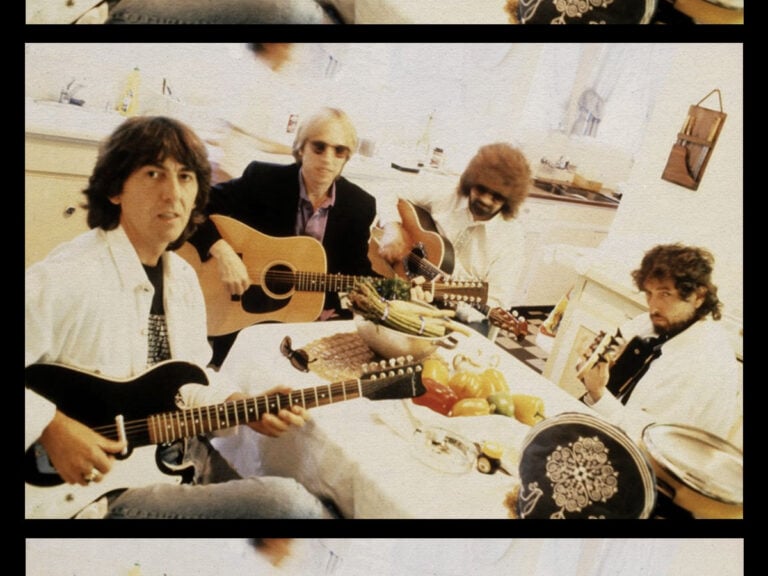
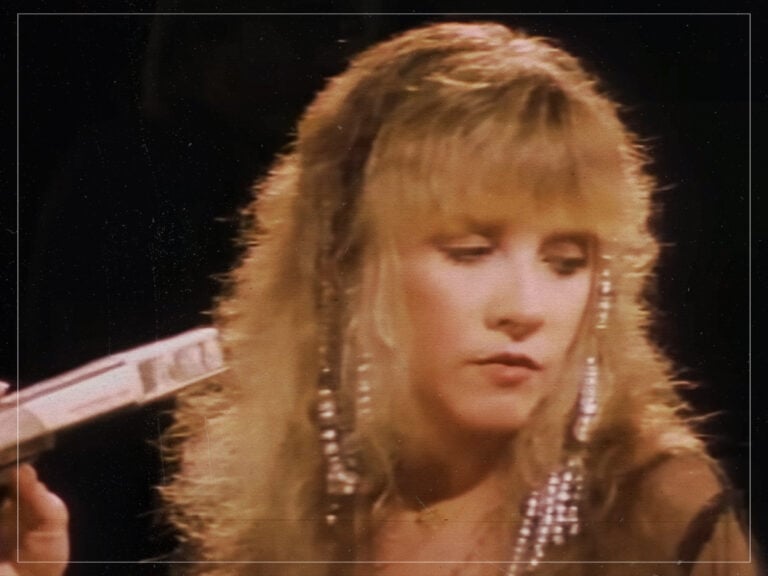
Montrose would continue without Hagar, but the hard rock explosion they promised was never realised, their founding guitarist smoothing the sound to a funkier direction with Bob James fronting the new style while Van Halen was conquering the Billboard charts. A string of solo albums would follow across the 1990s before he sadly took his own life in 2012.
Hagar never nabbed the “American Led Zeppelin” mantle he was after, but he was catapulted to the rock A-grade after ten years going it solo. He had Montrose to thank. When Roth called it quits from his Van Halen day job, Eddie was such a fan of Hagar’s old band that the band offered the former frontman an audition for the singer and a swift offer of the role soon after. Hagar can’t have ever looked back.

Never Miss A Beat
The Far Out Led Zeppelin Newsletter
All the latest stories about Led Zeppelin from the independent voice of culture.
Straight to your inbox.