


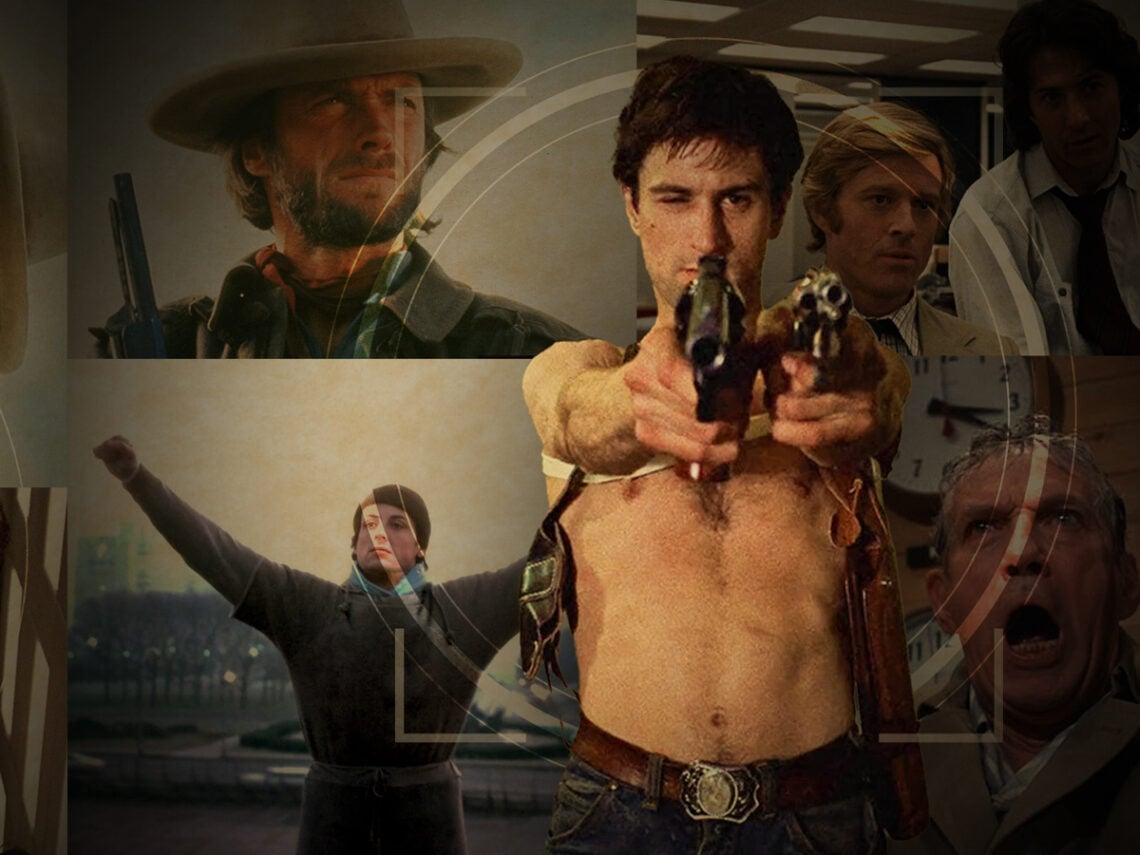
The 10 most rewatchable movies of 1976

50 years is enough time to determine the lasting legacy of the films of 1976.
There is a hesitation to claim that any recent film is an “instant classic”, given that a reputation of that calibre cannot be determined in the immediate aftermath of its release.
Films need time to show that they have lasting power and that they hold up, which is why any lists reporting on the greatest of all-time tend to be populated by older titles. When it comes to the movies of 1976, there are certainly some titles that seemed significant at the time, but have shown their age in the years that followed.
However, the cream of the crop represents some of the finest work in cinematic history; like 1939, 1954, and 1999, 1976 is a year known for producing an abundance of classics. Even in an exceptional decade, it was a standout year.
The sheer number of remarkable titles released in 1976 ensures that there are many great films that don’t reach the threshold of being among the most rewatchable. Harlan County, USA is among the most influential American documentaries ever made, The Bad News Bears is a hilarious sports comedy, The Shootist gave the perfect sendoff to John Wayne, The Omen kickstarted a horror phenomenon, Robin and Marian was a new spin on a classic folk story, The Man Who Fell To Earth was exhilarating original science fiction, and Silent Movie is perhaps the most underrated film that Mel Brooks ever made.
To say that there was an embarrassment of riches would be a significant understatement.
The 10 most rewatchable movies of 1976
‘The Outlaw Josey Wales’ (Clint Eastwood, 1976)
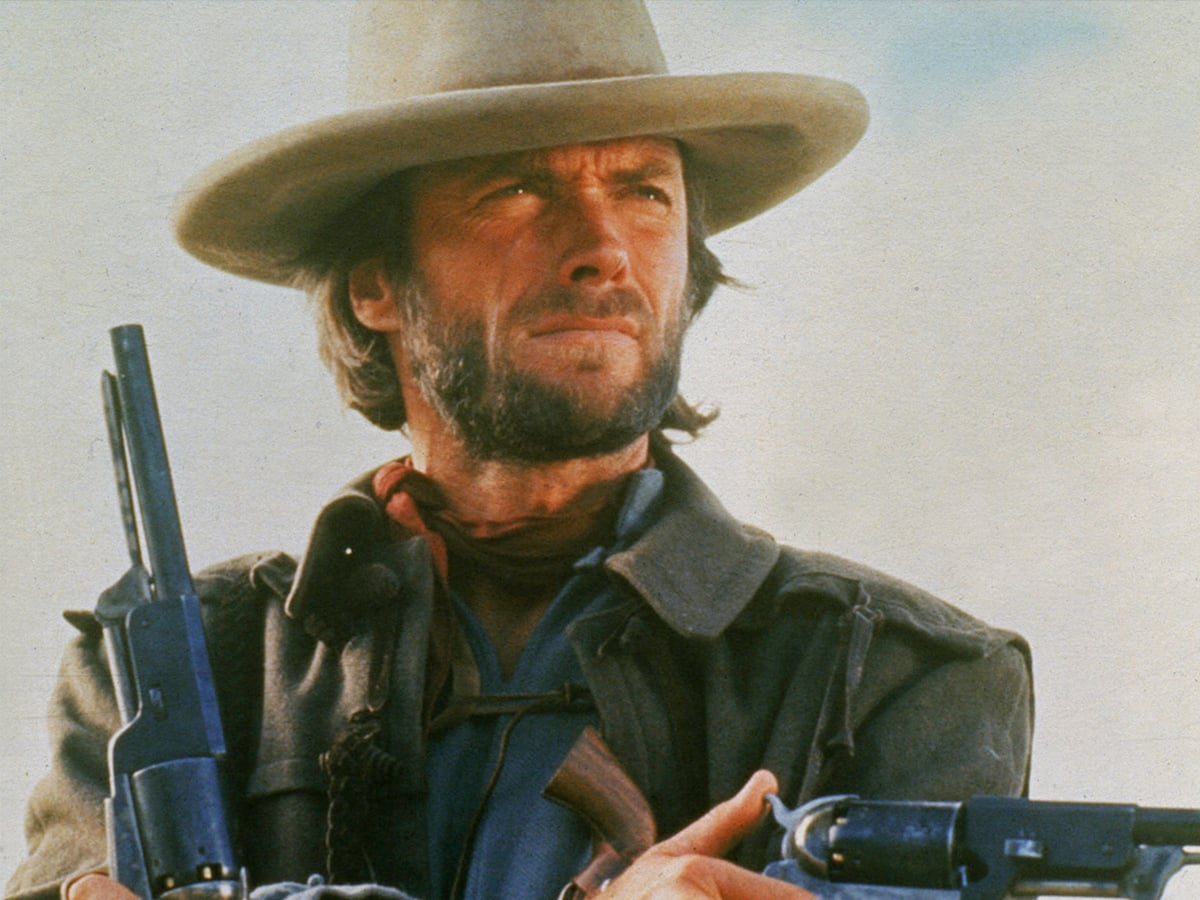
Clint Eastwood was developing his identity as a filmmaker in the ‘70s, and he took over the production of The Outlaw Josey Wales to make one of his greatest films. The post-Civil War revenge thriller perfectly embodied the revisionist take on the western genre that Eastwood would make his own, as he was able to explore the futility of conflict with how innocent people are caught within the crossfire.
Eastwood took a risk in casting himself as a ruthless anti-hero, but it was a risk that paid off, and laid the groundwork for what he would later do in films like Pale Rider and Unforgiven. It’s also among the best action filmmaking he’s ever done; while Eastwood is known for his methodical patience and attention to detail, The Outlaw Josey Wales showed that he could create challenging works of provocative suspense and violence.
‘Marathon Man’ (John Schlesinger, 1976)
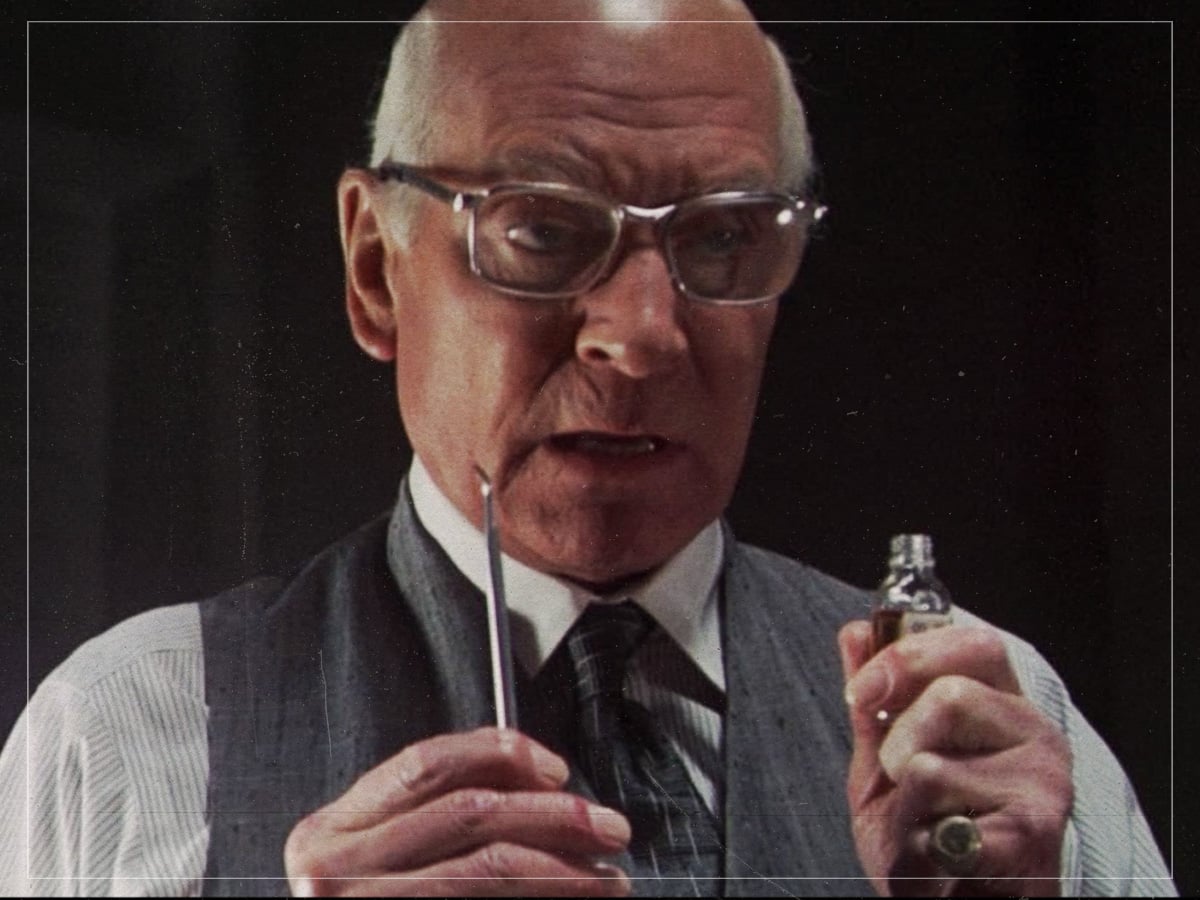
Marathon Man is a perfect example of a film, based on a paperback hit, that was elevated into a true work of art thanks to director John Schlesinger’s incorporation of political anxieties that felt extremely relevant amidst one of the most tumultuous periods in American history.
Dustin Hoffman isn’t necessarily someone who would be thought of as an “action hero”, but he more than proved himself with a performance that evoked the “ordinary man caught in extraordinary circumstances” archetype coined by Alfred Hitchcock.
Of course, Hoffman was owned both on set and in the film by Sir Laurence Olivier, who stole the film with his terrifying performance as a Nazi survivor of World War II. It was impressive that someone so well-known for playing dashing leading men could play such a nasty, despicable character, which easily ranks among the most memorable villains of the entire decade.
‘Mikey and Nicky’ (Elaine May, 1976)
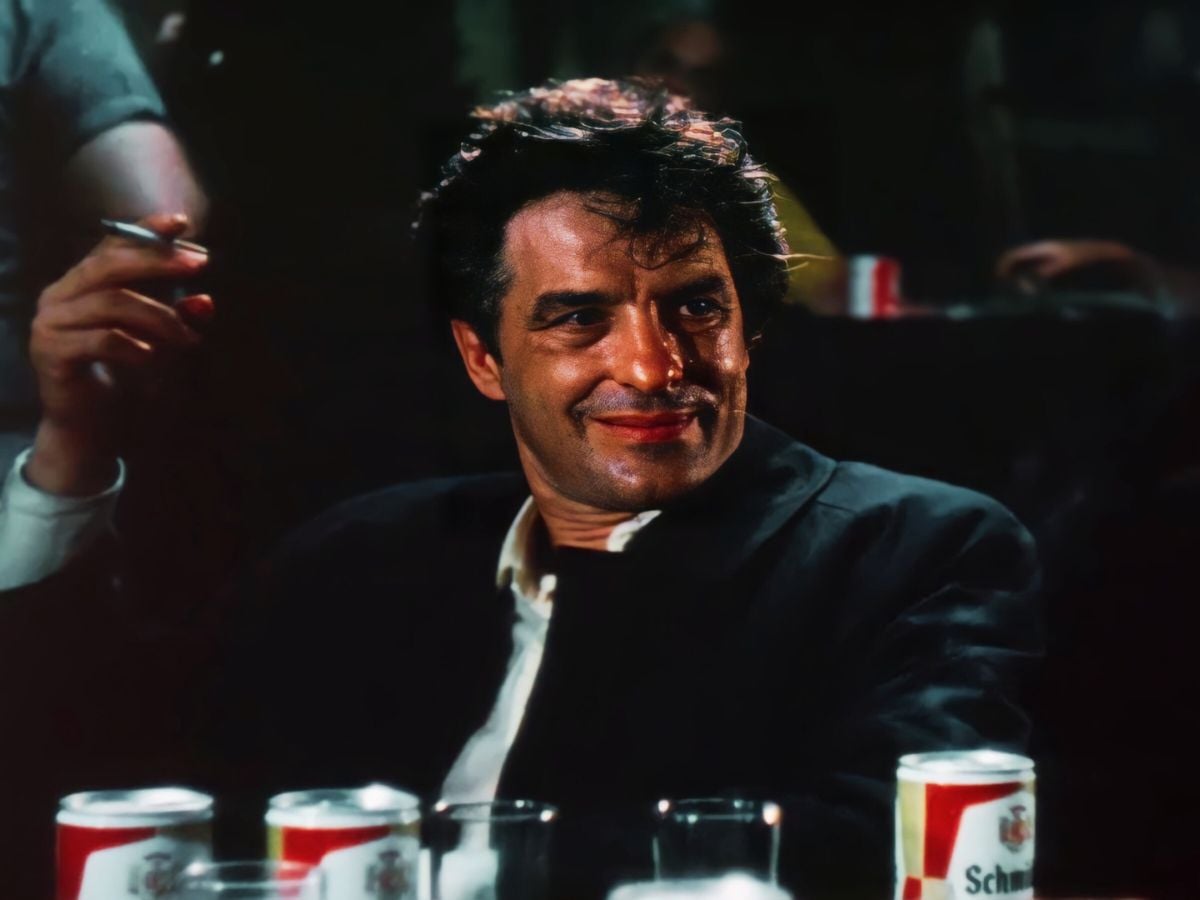
Elaine May is a genius filmmaker who wasn’t given nearly enough opportunities to tell her complex, darkly comedic stories, but Mikey and Nicky was a subversive follow-up to her comedy hit The Heartbreak Kid.
The Philadelphia-set crime drama featured amazing performances from Peter Falk and John Cassavetes, and offered a subversive perspective on what a gangster film could be; lacking the grandiosity and epic scope of The Godfather, Mikey and Nicky was a more intimate story of a faded friendship that’s hijacked by a betrayal.
It’s by far May’s darkest film, and the fact that the moments of humour feel so human makes it even more heartbreakingly authentic. Falk, in particular, was an actor who tended to get typecast, but May asked him to step outside of his comfort zone for a performance that has stood the test of time.
‘Carrie’ (Brian De Palma, 1976)

Brian De Palma had made a few low-budget thrillers and exploitation films in the early ‘70s, but Carrie was an announcement that he’d be a defining voice in cinema for the next 50 years.
As the first film ever adapted from a Stephen King novel, Carrie set the tone for what future page-to-screen translations would look like, as it blended grounded emotion with horrifying psychological terror.
The violence in Carrie is just as shocking today as it was in 1976, but De Palma showed a true delicacy in crafting a coming-of-age story, in which Sissy Spacek showed the consequences of religious seclusion and bullying with her tragic performance as a misfit teenage girl. Although there have been many attempts to go back to the material (including an upcoming Amazon Prime Video series from Mike Flanagan), the original Carrie set a high bar that may be impossible to clear.
‘Assault on Precinct 13’ (John Carpenter, 1976)
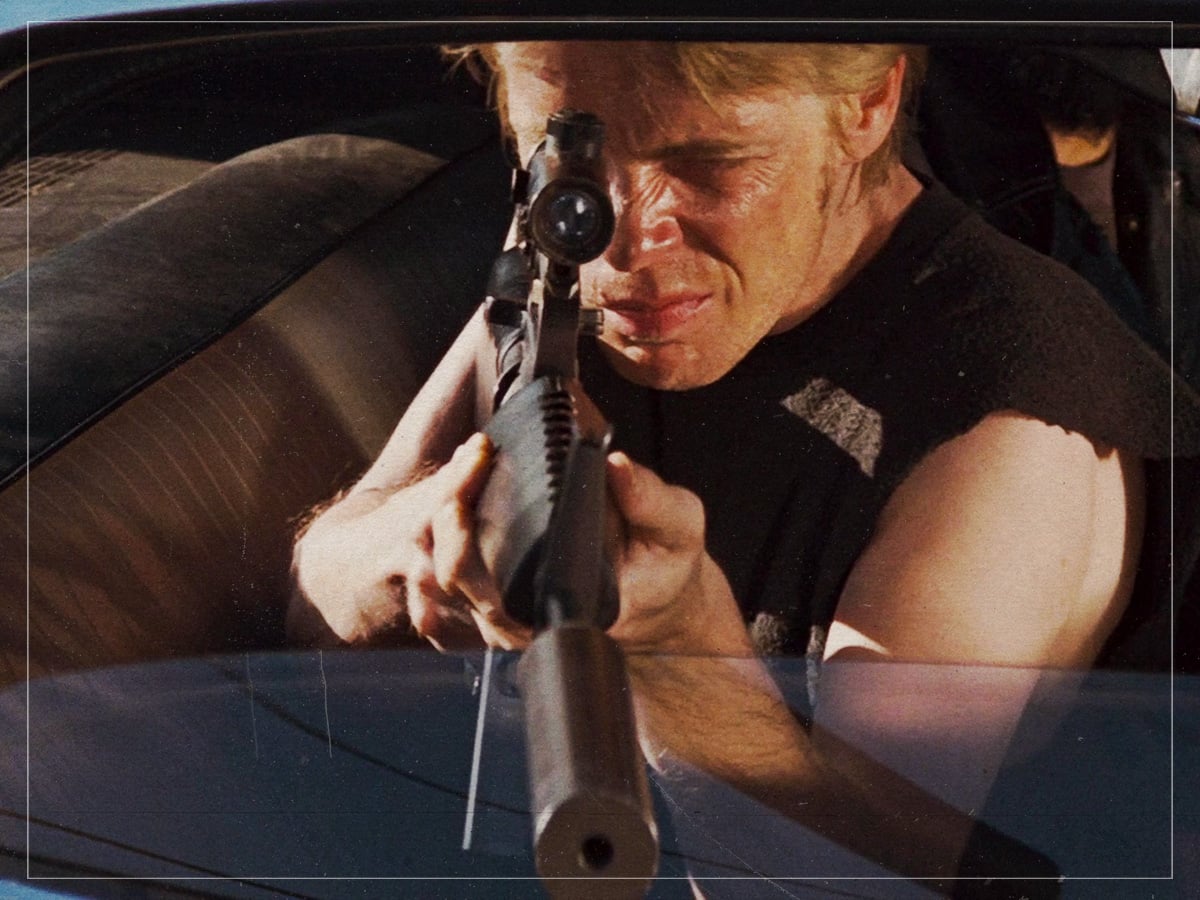
John Carpenter is typically thought of as a filmmaker behind science fiction, dark fantasy, and horror stories, but Assault on Precinct 13 was an early effort that showed his merit as a bare-boned action director.
Carpenter has made it no secret that he is a massive fan of classic Westerns, most notably the films of Howard Hawks, and Assault on Precinct 13 is an unambiguous homage to the 1954 classic Rio Bravo, set in modern times.
Assault on Precinct 13 is Carpenter at his most primal, as he was able to get away with a tremendous amount of ultra violence that was shocking, even compared to his later work on Halloween and The Thing. Carpenter has made so many classics that everyone seems to have a different all-time favourite, but Assault on Precinct 13 deserves to be remembered as one of his best.
‘The Killing of a Chinese Bookie’ (John Cassavetes, 1976)
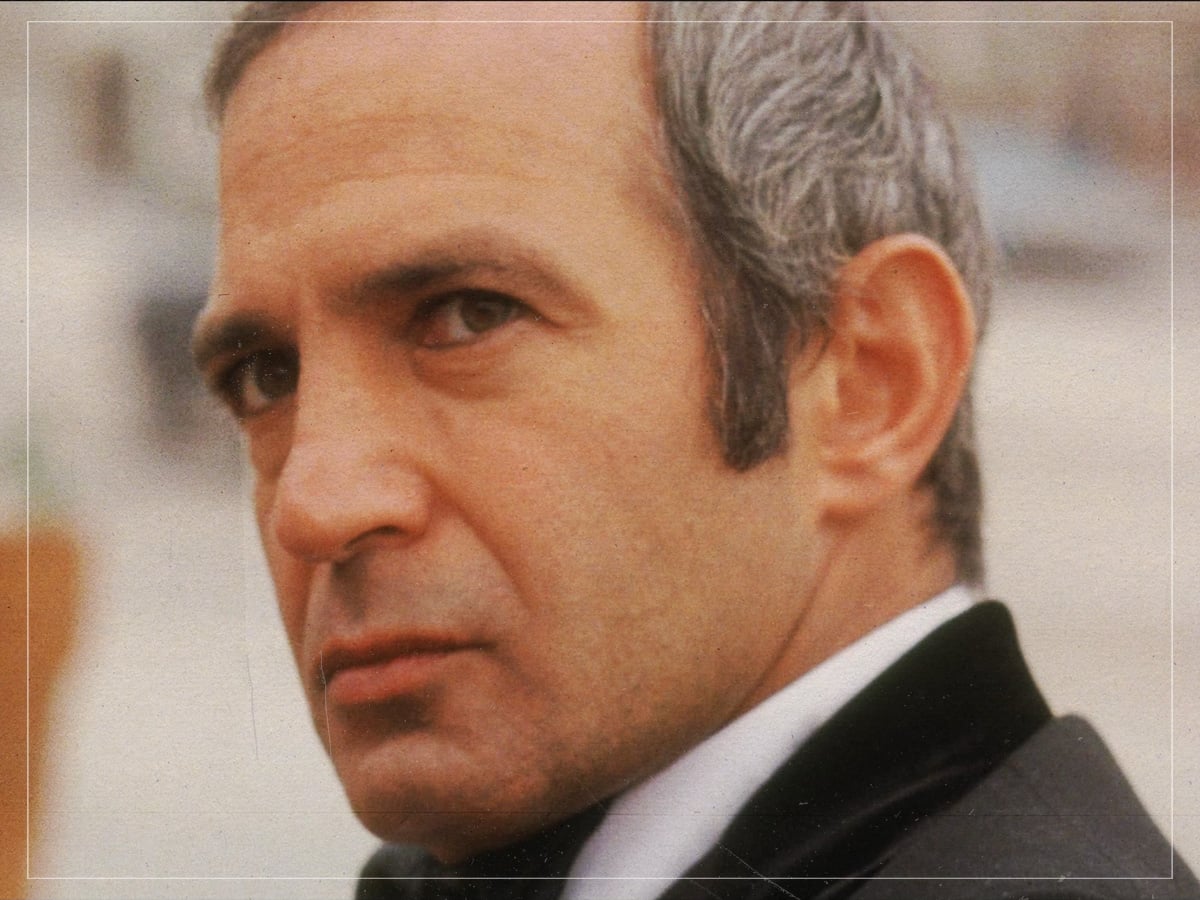
John Cassavetes was best known for making social dramas about relationships, mental health, and performance art, and so the notion of him doing a stylised crime thriller was exciting.
As it turns out, the emotional authenticity and unsympathetic realism Cassavetes had always perfected was just as electrifying when telling the story of a sleazy nightclub owner (John Gazzara), who is forced to pay off his debts to the mob by performing an assassination.
There’s a debate among cinephiles as to which version of the film is better; Cassavetes has a director’s cut that is ironically shorter and tighter than what was released in theatres, even if it does cut out some of the mundane grittiness that makes the film such a twisted embodiment of the banality of evil. Either version is a masterpiece and ranks among the most polarising and unique entries in the entire canon of a great filmmaker.
‘Rocky’ (John Avildsen, 1976)

Rocky was both the biggest hit of 1976, the Academy Award winner for ‘Best Picture,’ and the start of a massive franchise that continues to this day, as Prime Video is developing a new chapter within the Creed universe.
Rocky can’t be labelled as being overrated because it remains the perfect underdog sports story that crystallised the genre in a way that spawned countless imitators; even then, most people forget that Rocky is a relationship drama with a melancholy aura of sadness, and one that takes its time in building a romance, exploring relationships, and developing the identity of an entire city.
Sylvester Stallone’s insistence on starring in the film that he wrote is one of the smartest gambles in cinematic history, as it both launched his career as a massive star and created a lovable hero who spoke to generations of moviegoers.
‘Network’ (Sidney Lumet, 1976)

Sidney Lumet has never been sharper, smarter, or more politically-charged than he was with Network, a film that satirised the influence of the media in a way that has become increasingly relevant with each passing year.
Not only did Network chastise audiences at the time for looking at the news as a means of confirming their own beliefs, but it warned media developers about the influence that their programs had, and what could result from it.
Few films have dialogue as iconic as Network, as Peter Finch’s famous “mad as hell” speech is among cinema’s greatest monologues. Finch’s performance is brilliant and deservedly won him the first posthumous Academy Award in history, but he’s only a component of an all-time great ensemble that included Faye Dunaway, William Holden, Ned Beatty, Beatrix Straight, and a very underrated turn from Robert Duvall.
‘All the President’s Men’ (Alan J Pakula, 1976)
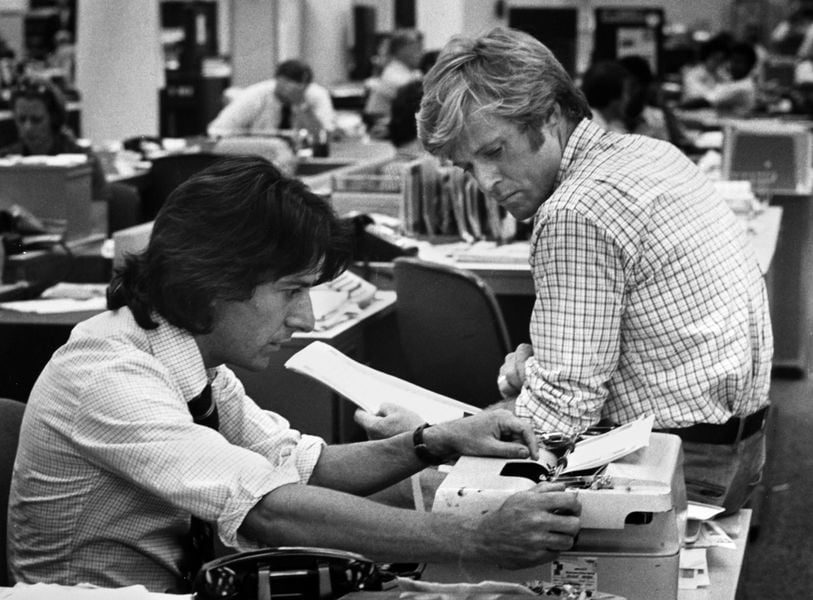
Alan J Pakula knew how to develop politically-charged anxiety thrillers like no other filmmaker, and All the President’s Men saw him looking to the recent past to explore how the reporting of Woodward (Robert Redford) and Bernstein (Dustin Hoffman) led to the breaking of the ‘Watergate scandal’, which resulted in United States President Richard Nixon resigning from office.
Given that it is a film about the meticulous nature of the reporting process, it makes sense that All the President’s Men displayed the utmost attention to detail in recreating all aspects of the actual reporting to show the rigorous process that these reporters go through.
All the President’s Men isn’t just a film that is watched by nearly every journalism student to learn about what professional excellence looks like, but a feat of entertaining, mature cinema that is as exhilarating as it is informative.
‘Taxi Driver’ (Martin Scorsese, 1976)
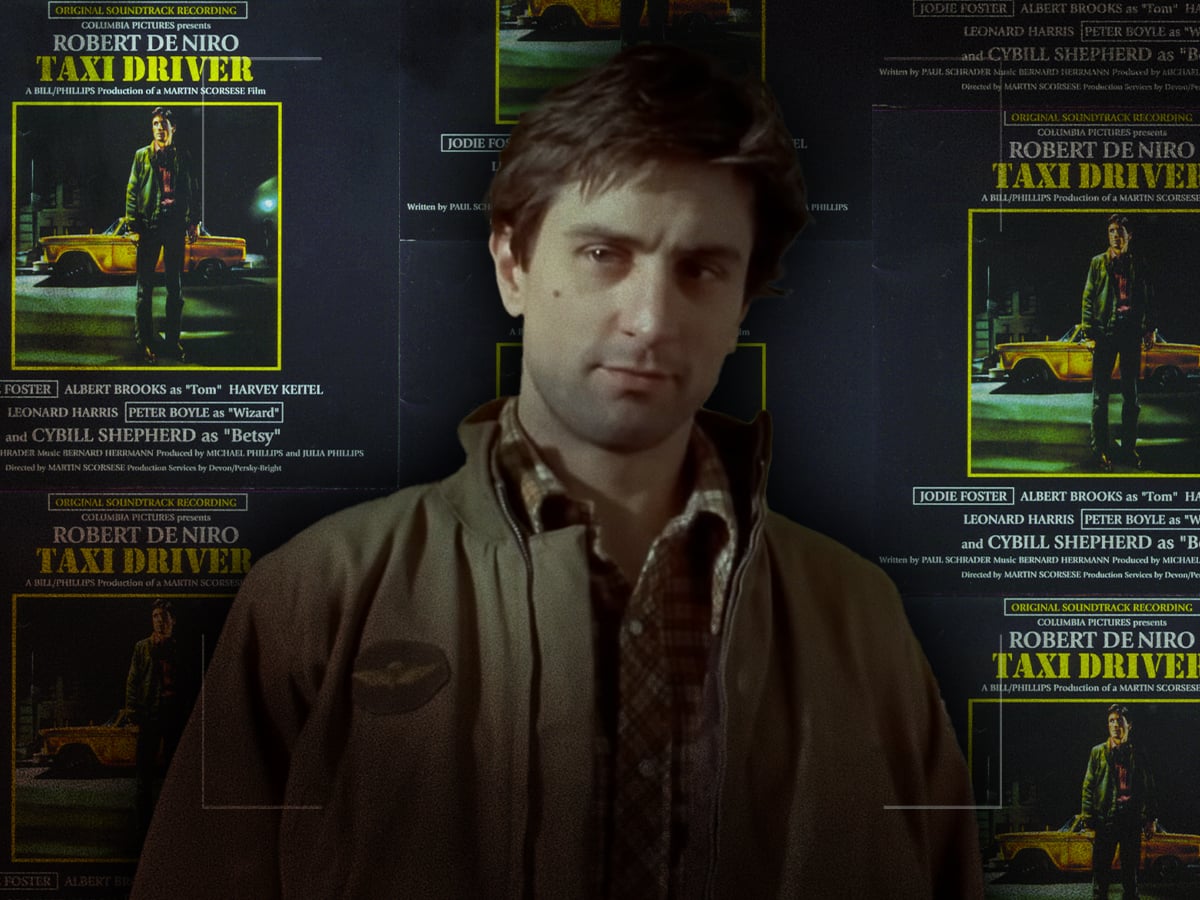
Martin Scorsese has made many films that have changed the scope of cinematic history, but Taxi Driver calcified the anti-authoritarian sentiments brought upon by the Vietnam War to create the ultimate anti-hero protagonist in Travis Bickle, played by Robert De Niro in one of his greatest performances.
De Niro portrayed a psychopathic character who felt like he could exist in real life as a person who was dismissed, ignored, and even trampled on by society, which made the threat he posed seem even more palpable.
Taxi Driver’s depiction of New York influenced how many films set in the city were shot, and involved many memorable lines of dialogue, with “you talking to me?” being the most famous. That a film made so modestly can still spark discussions, different interpretations, and influence contemporary storytellers is a sign of the lasting legacy that Taxi Driver leaves behind.

Never Miss A Tale
The Far Out Clint Eastwood Newsletter
All the latest stories about Clint Eastwood from the independent voice of culture.
Straight to your inbox.