


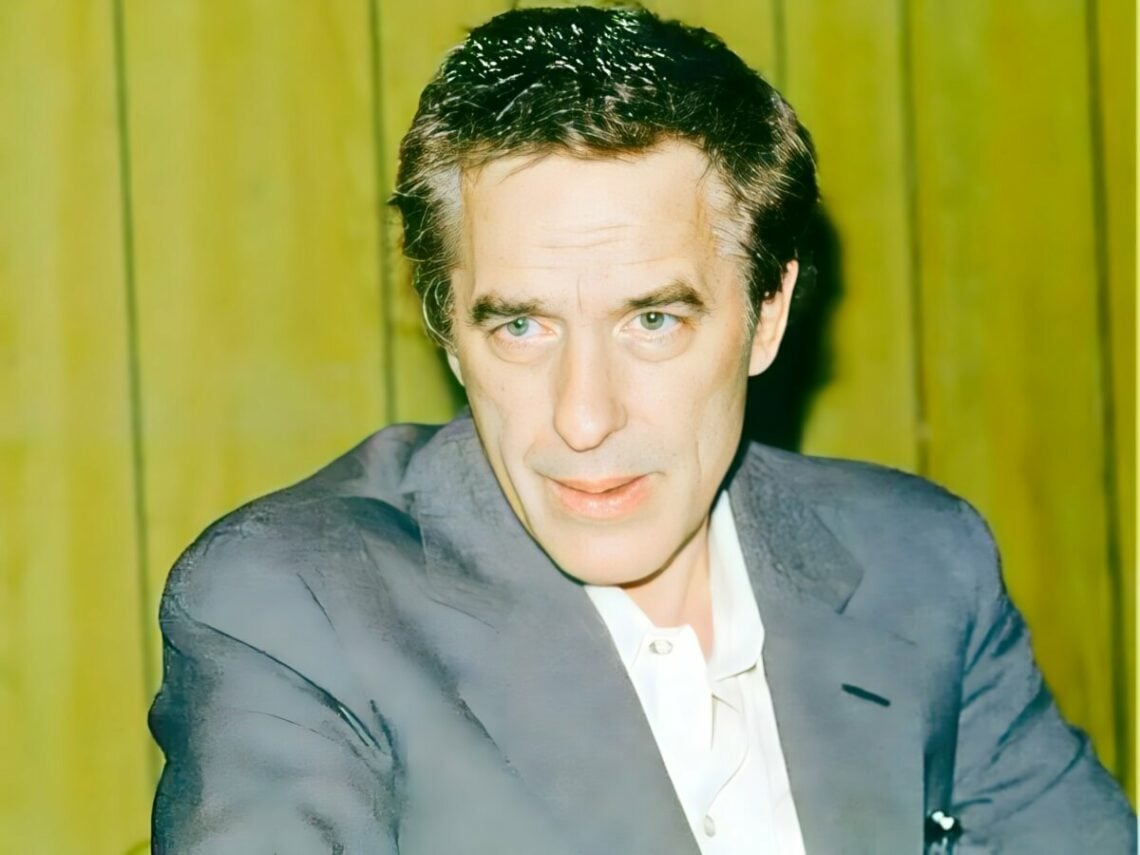
The classic movie John Cassavetes hated every second of making: “Not art”

Ask most film fans to name the most important horror film of the modern age involving the devil, and there’s one answer you’re likely to get again and again: The Exorcist. And while it’s undeniably a masterful piece of work and hugely influential, there is a movie made five years earlier, without which it probably wouldn’t exist – Rosemary’s Baby starring John Cassavetes.
If anything, it could be argued that Rosemary’s Baby has actually aged better than The Exorcist; shorn of the head-spinning pyrotechnics of William Friedkin’s horror you’re left with something most pregnant women will have feared at some point (what’s it going to look like!) and an unbelievably creepy, claustrophobic, haunted house atmosphere, coupled with the all-too familiar feeling that your neighbours might be evil.
Directed by Roman Polanski who had made his name in the mid-1960s directing films like the anti-swinging sixties, black and white descent into madness thriller Repulsion, Rosemary’s Baby was a book adaptation that, like The Exorcist, had a production full of slightly worrying events, not least of which was the combining of two men in Polanski and the male lead Cassavetes who were never likely to get on.
Cassavetes was already an Oscar-nominated actor and director of four films by the time he signed on to Polanski’s horror, and the same year, 1968, he had written, produced and directed Faces, the movie that showed a married couple in a very different stage of life to the optimistic Rosemary and Guy Woodhouse in Polanski’s effort. Faces would go on to be nominated for a ‘Best Screenplay’ Oscar, and Cassavetes directed his own film about a woman’s battle with sanity in the incredible Woman Under the Influence in 1974.
The highly problematic Polanski, meanwhile, was known as a perfectionist with a fearsome temper, described by Jack Nicholson as a ‘dictator’. Immediately, and like The Exorcist some years later, the production was tinged with either bad decisions or inexplicable occurrences, with Polanski making outlandish choices like making lead actor Mia Farrow walk into live Manhattan traffic “because nobody will hit a pregnant woman” and eat raw liver despite her being a strict vegetarian.
Farrow was also served divorce papers from Frank SInatra on set in the middle of filming, a producer was taken seriously ill and was convinced the film was cursed, later going into hiding for years, Polanski’s wife Sharon Tate appears in the film and was later murdered by Charles Manson, filming took place at New York’s Dakota building where John Lennon was murdered and despite no prior knowledge, one of the main characters in the original novel is called Roman Castavets; the first name matching the director’s and the second almost matching Cassavetes.
The combination of satanism, black magic and all-around bad vibes was accompanied by Polanski and Cassavetes’ predictable falling out, as Farrow recalled in her autobiography, saying of one scene: “John became openly critical of Roman, who yelled, ‘John, shut up!’ and they moved toward each other.”
While they never came to blows, the pair sniped at each other for years afterwards, Polanski dismissing Cassavetes’ acting by saying: “He knows how to play himself best”, and Cassavetes responding: “You can’t dispute the fact that he’s an artist, but yet you have to say Rosemary’s Baby is not art.”
The film was a global hit on release, earning $33m from a budget of just $3m. It won two Oscars, one for Polanski’s screenplay and another for Ruth Gordon as ‘Best Supporting Actress’.
