


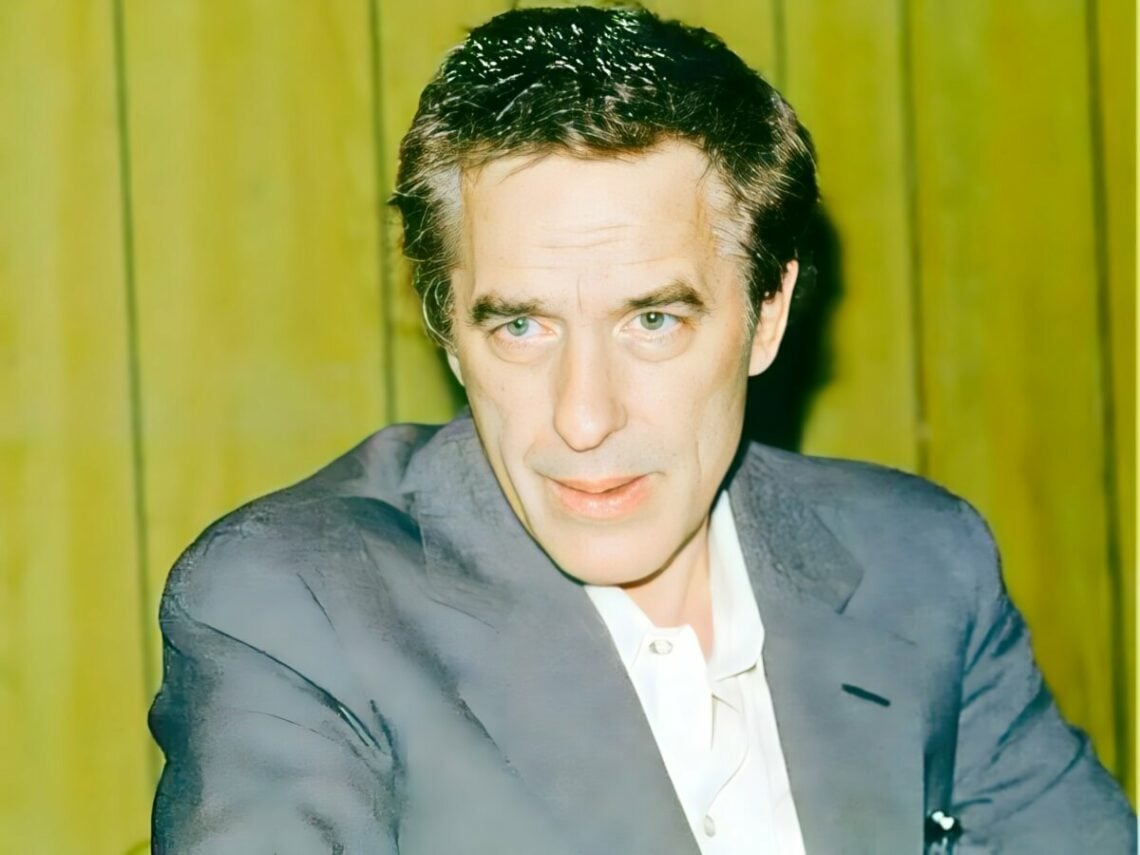
Why John Cassavetes always despised directors: “Most directors are full of shit”

Plenty of top-tier actors have tried their hand behind the camera, and some have absolutely smashed it. But let’s be honest, it doesn’t always go to plan… remember On Deadly Ground? Yeah, Steven Seagal might wish we didn’t.
While the likes of Robert Redford, Greta Gerwig, Jordan Peele, and many others have proven that you can be good at both, one name that’s often overlooked in this category is John Cassavetes, who, as a performer, appeared in some huge movies across the 1950s and 1960s, including The Dirty Dozen and Rosemary’s Baby.
After deciding he preferred shooting movies to acting in them, the Greek-American superstar made the brave leap into directing and never looked back, his impressive filmography including comedies, dramas, satires, musical tales, and more. He would often collaborate with his wife, Gena Rowlands, making for one of the most formidable partnerships in all of cinema, a legacy that continues to this day through their son Nick, who introduced his mother to a whole new generation of fans when he cast her in The Notebook.
During his stint as an actor, Cassavetes worked with some stellar directors, such as Roman Polanski, Elaine May, Brian De Palma, the list goes on, and one would think he surely borrowed from some of these visionaries when it came to his own career, but not according to an interview he gave to Playboy in 1971, in which he passed some pretty harsh judgement.
“Most directors are full of shit,” he declared, “They’re concerned with nothing more than their own ambitions and pleasing a studio and an audience. And if it’s not an audience they’re concerned with, it’s some personal problem that really has nothing to do with their work.”
He clarified this point of view by talking about how most directors exist solely to shut down creativity rather than encourage it, explaining, “They decide this must be this, that must be that. There’s no reason to be in the business except to express something, and directors are the only people who disallow that.”
When Cassavetes was coming up in Hollywood, studios were still the all-powerful behemoths that ran the industry, and directors and actors were on big contracts, which meant they had to toe the company line, so if you pissed off the wrong people, you could find yourself blacklisted in a heartbeat.
This hatred for the Hollywood system is partly why Cassavetes took more control over his own output, becoming sick of making films to satisfy other people and producing his own work to ensure that he had the last word. With the widespread release of Shadows in 1959, he proved that it was possible to finance a high-quality movie without input from a faceless studio, which is widely accepted as a breakthrough moment in the history of independent cinema.
Regardless of whether or not you agree with Cassavetes’ take on directors at large, the impact that his opinion on the craft had on film as a whole cannot be disputed. If he’d simply rolled over and accepted studio dominance, independent cinema would look very different today, so thank God for his grumpiness and gumption.
