


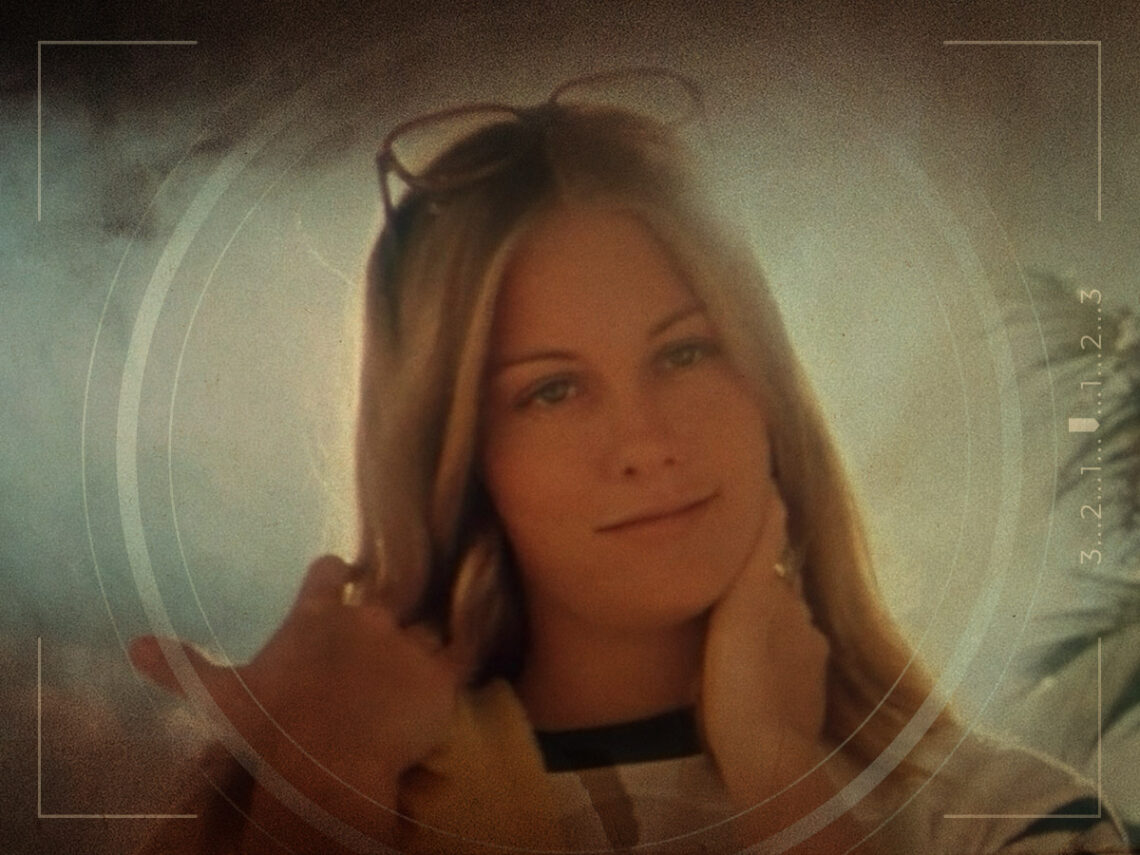
Elaine May and the scathing genius of ‘The Heartbreak Kid’

There used to be nothing more unlikeable than a difficult woman, especially in the film business. Being assertive, intelligent, or head-strong was a sure-fire way to be punished or ostracised, with the likes of Maria Schneider, Angelina Jolie and many more being ridiculed for daring to confront the misogynistic infrastructure of the industry or advocate for change.
While women were allowed inside Hollywood, the roles available were extremely reductive, being taught to settle for less and be grateful for being accepted at all, pining for more and being met with backlash for outwardly expressing this.
When working in any world ruled by men, you learn to speak a new kind of hidden language. You become familiar with the cadences and insinuations behind every word, gleaning a coded meaning from this invisible dialect that only women can understand. You learn how to tell when a man is feeling threatened, how not to upset the fragility of their ego, what they really means when they awards certain compliments and how to find the balance between holding your ground and not being labelled as ‘difficult’.
It’s an age-old rhetoric that has ruled the business for many years and a label that Elaine May has both struggled against and revelled in, eventually finding humour and comfort in being disliked by men in Hollywood and leaning into this in her art. May was one of the most intriguing and complex artists of her generation and someone that the industry was inexcusably unkind to, with producers who rendered her directing career obsolete and created friction at all stages of her projects, unwilling to make space for a woman in a role historically occupied by men and treating her with hostility for daring to do so.
There is no doubt that May was a genius, something that endlessly bothered the men around her who could not fathom that a woman could be capable of standing on equal footing with (and outsmarting) them, viewing her as some kind of biological anomaly that separated her from other women and made her ‘difficult’. She was known for her assertiveness and strong creative vision, fiercely advocating for herself and her stories at a time when it was practically unheard of for any woman to do so. After shooting her 1976 masterpiece Mikey and Micky, May was the only woman in the Directors Guild of America, and despite the widespread critical acclaim of the film, it took many years before she was trusted to direct another film.

Due to her experience in an industry dominated by men, May was undoubtedly fluent in the nuances of masculinity and the male ego, a subject that became the focus of many of her films. Often as the only woman in a room surrounded by men, it is unsurprising that May used her renowned comedic flare to poke fun at their weak points and flaws, highlighting their often-inflated sense of superiority, power and talent, creating a unique brand of humour that was both scathing and deeply empathetic, finding a way to evoke pity when observing the futile attempts of somewhat pathetic men and their disillusioned sense of entitlement.
As a well-versed expert in this particular breed of men, her sophomore feature film revolved around this particular delusion. It follows a man called Lenny Cantrow who, on his honeymoon, sees another woman and instantly falls in love with her. This leads him on a desperate goose chase to end his marriage and pursue this other woman.
Expertly played by Charles Grodin, who captures the sheer madness of Lenny’s painfully exaggerated hubris, May mocks a man whose ego is so inflated that he convinces himself of impossible truths to fulfil every fleeting impulse and desire. It is both hilarious and painfully awkward to watch, witnessing the extreme lengths that this man will go to to convince himself that his outlandish dreams are possible and his infatuation is reciprocated.
May is witty and incisive in her deconstruction of Lenny, both making fun of him and making us pity the world he has created for himself, living in a bubble that revolves around a false image of himself and his effect on women, something that everyone can see through apart from him. The other characters are borderline disgusted by his hollow attempts to justify his objectively insane behaviour, living in this state of blissful ignorance that has been brainwashed into so many men to convince them that they can have/do anything they want.
While the film explores this through comedy, there is a dark undertone to May’s commentary that in many ways, predicts the rise of incel culture and entitled alt-right men who have convinced themselves that they can ‘have’ any woman they want. When looking back on The Heartbreak Kid, you can see why male studio executives would not have taken well to the tone within her work at the time, with her films being criminally overlooked despite later being heralded as ahead of their time.
But when looking at the film now, we can see the clear and unflinching perspective of a woman who was deeply in tune with the delusional self-importance of the men around her, with her finger right on the pulse as she dissected an issue that would only grow in urgency over the following years. Elaine May was simply ahead of the curve, criticising the men she had become so familiar with and doing so right under their noses while creating a space for all the other ‘difficult’ women.
