


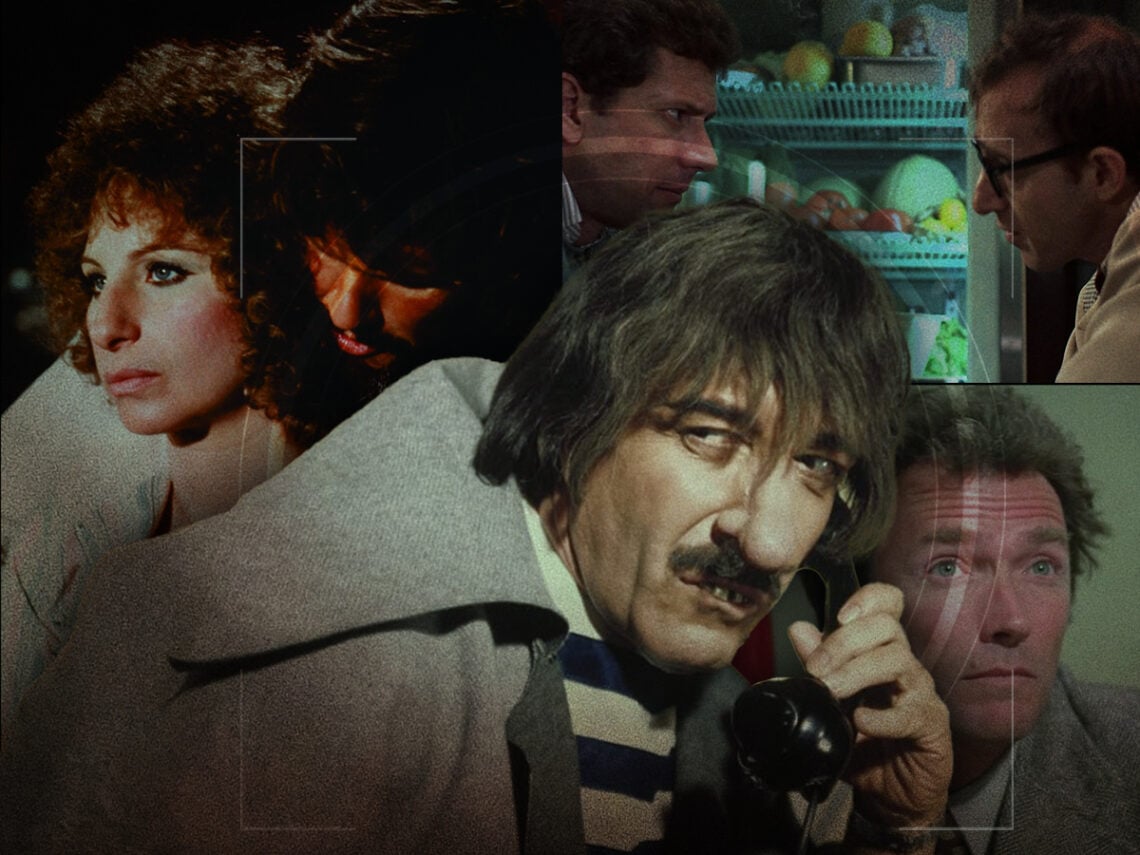
10 movies from 1976 that have dated horrendously

The New Hollywood era is perhaps remembered too fondly.
There are many years in cinematic history that are singled out for having a high number of certified classics. 1939 might be the most foundational year in Hollywood history, but 1999 was an apex moment for the modern landscape that saw several emerging talents proving themselves with ambitious projects.
However, 1976 isn’t just remembered as being a year with a number of great films, but a point at which several trends were crystallised. The films released 50 years ago set precedents that the industry is still following.
Rocky was both the ‘Best Picture’ winner at the Oscars and the highest-grossing film of the year; not only did it spawn a franchise that continues to this day, but it created a subgenre of inspirational sports films of which there are countless examples.
Taxi Driver solidified Martin Scorsese as the standout director of the New Hollywood era and created a template for what a cinematic anti-hero looked like with the character of Travis Bickle. Both Network and All the President’s Men proved to be insightful films about journalism, and they feel more relevant today than they have before.
These films are so timeless that they can still speak to contemporary audiences, but the same can’t be said of the many others released the same year. Just because something hasn’t aged well doesn’t mean that it’s bad (even if that is often the case), as it simply implies that the industry has made progress and now holds itself to a different degree of standards.
10 movies from 1976 that have aged like milk:
‘A Star is Born’ (Frank Pierson)
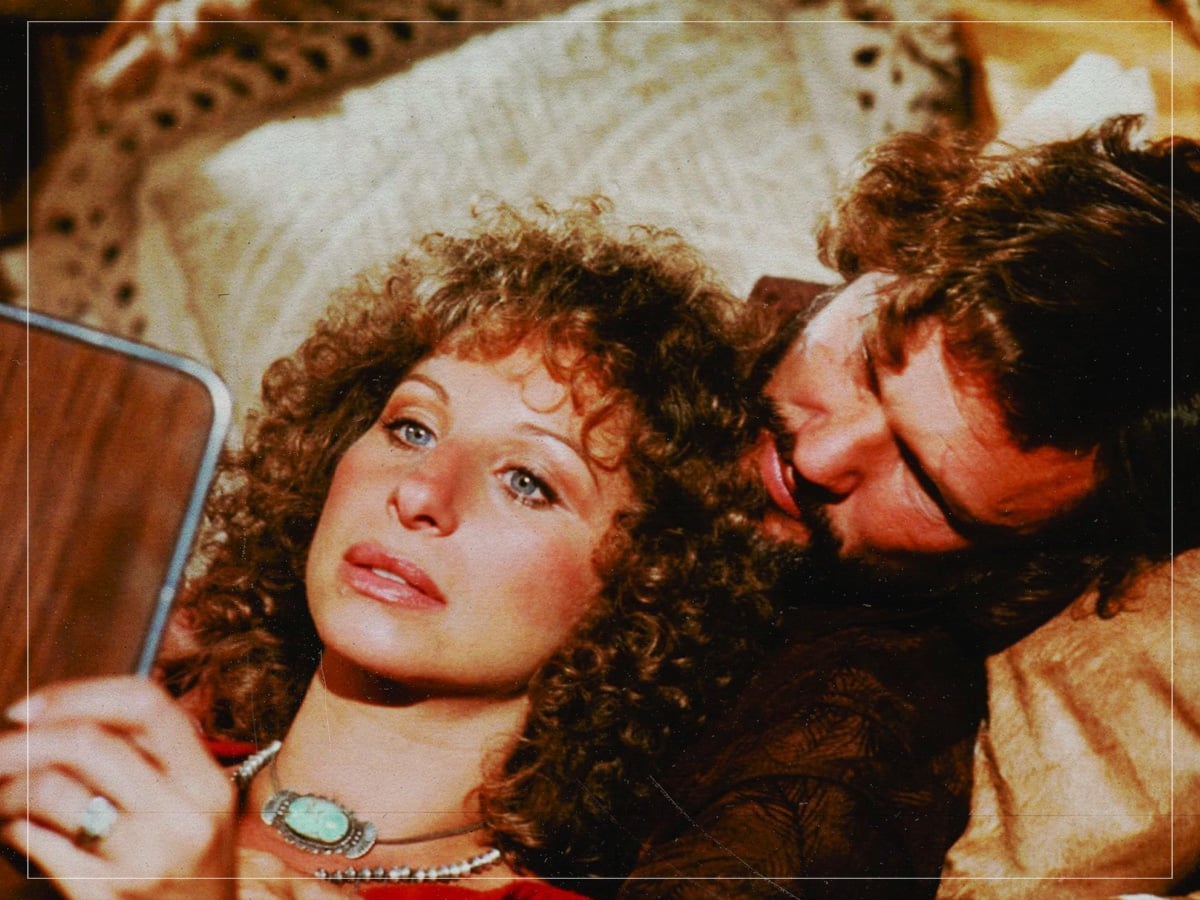
A good rule of thumb in any romantic drama is finding two leads that have chemistry, which is something that A Star is Born messes up immediately because of the unbelievable love story between Barbra Streisand and Kris Kristofferson. While they are both talented in their own right as singers and actors, their romance is without any spark, and the biggest reason why it doesn’t hold up is that it is by far the worst adaptation of the story.
While there have been disputes among cinephiles on whether the 1937 original, 1954 remake, or 2018 version from Bradley Cooper is the best, no one would ever advocate for the overlong, dull 1976 film. Remarkably, the 1954 and 1937 films have actually aged better because they felt more authentic in their explorations of the dynamic between artists and muses.
‘King Kong’ (John Guillermin)

King Kong is another remake that feels completely unnecessary, given how many better versions there have been of the same story. The 1933 original is one of the greatest films ever made, which changed the way special effects were utilised forever. There is little that the 1976 film does to distinguish itself, other than changing a few small details about why the humans go to Skull Island; while the 2005 film from Peter Jackson was even closer to the 1933 version, it did offer something new with the motion-capture performance by Andy Serkis, which made the titular creature feel more lifelike.
Enough time has passed that there is room to tell different stories about Kong that aren’t the classic ‘beauty killed the beast’ tragedy. While the Monsterverse films are divisive, they at least featured a radically redesigned Kong who operates on a completely different scale.
‘The Tenant’ (Roman Polanski)
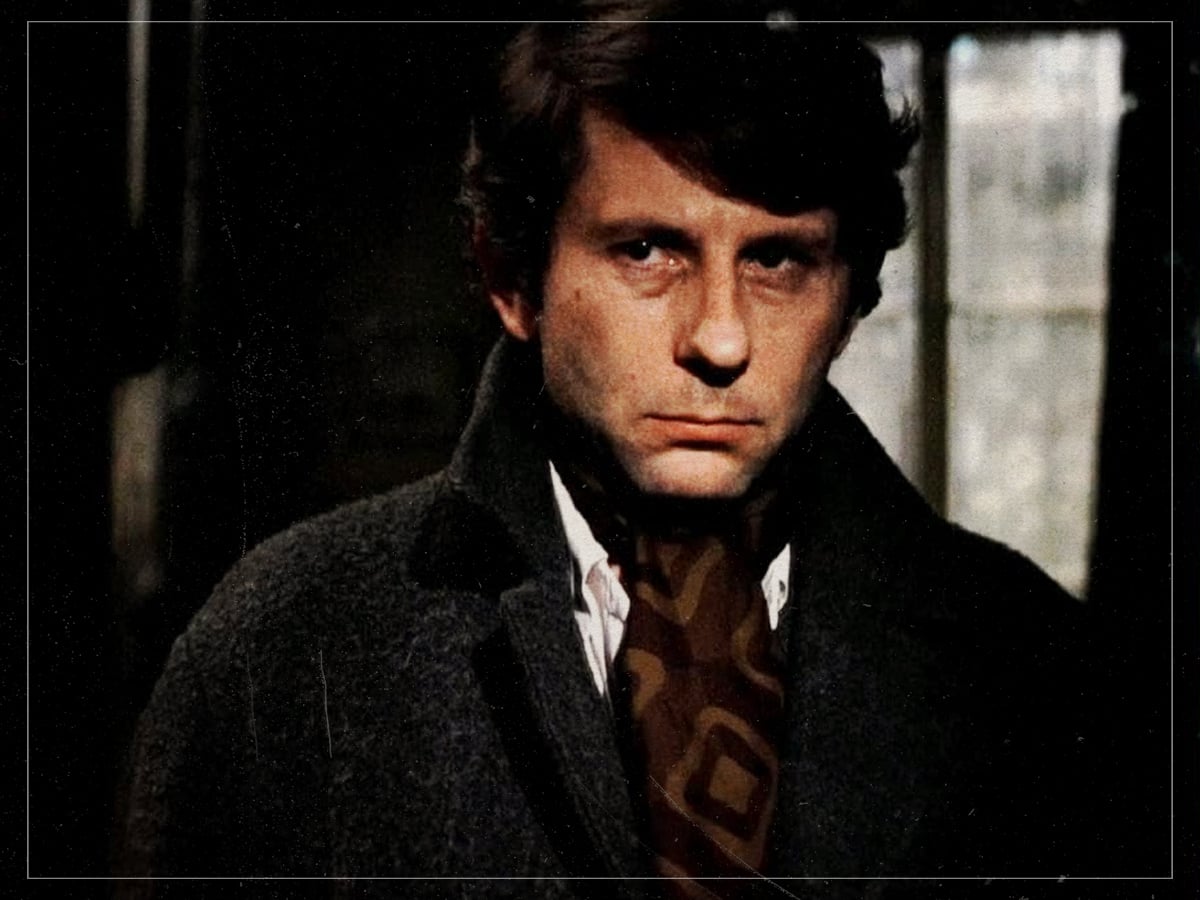
Roman Polanski presents a challenge for cinephiles because he is undeniably a genius who has also committed crimes that are unforgivable. His films are particularly prickly because many of them deal with loaded subject material, such as assault, abuse, and gaslighting. Chinatown, Rosemary’s Baby, The Pianist, and Repulsion can at least be remembered fondly because of the other collaborators involved, but The Tenant is all Polanski’s doing, as he writes, directs, and stars in the film.
Beyond the uncomfortable aspect of seeing Polanski as a sympathetic protagonist who is maliciously persecuted, The Tenant was an early entry in the confined supernatural horror subgenre. There have now been countless films that tackle the exact premise, and anything that stood out as being scary about The Tenant back in 1976 is now far less impressive in the cinematic landscape.
‘The Enforcer’ (James Fargo)
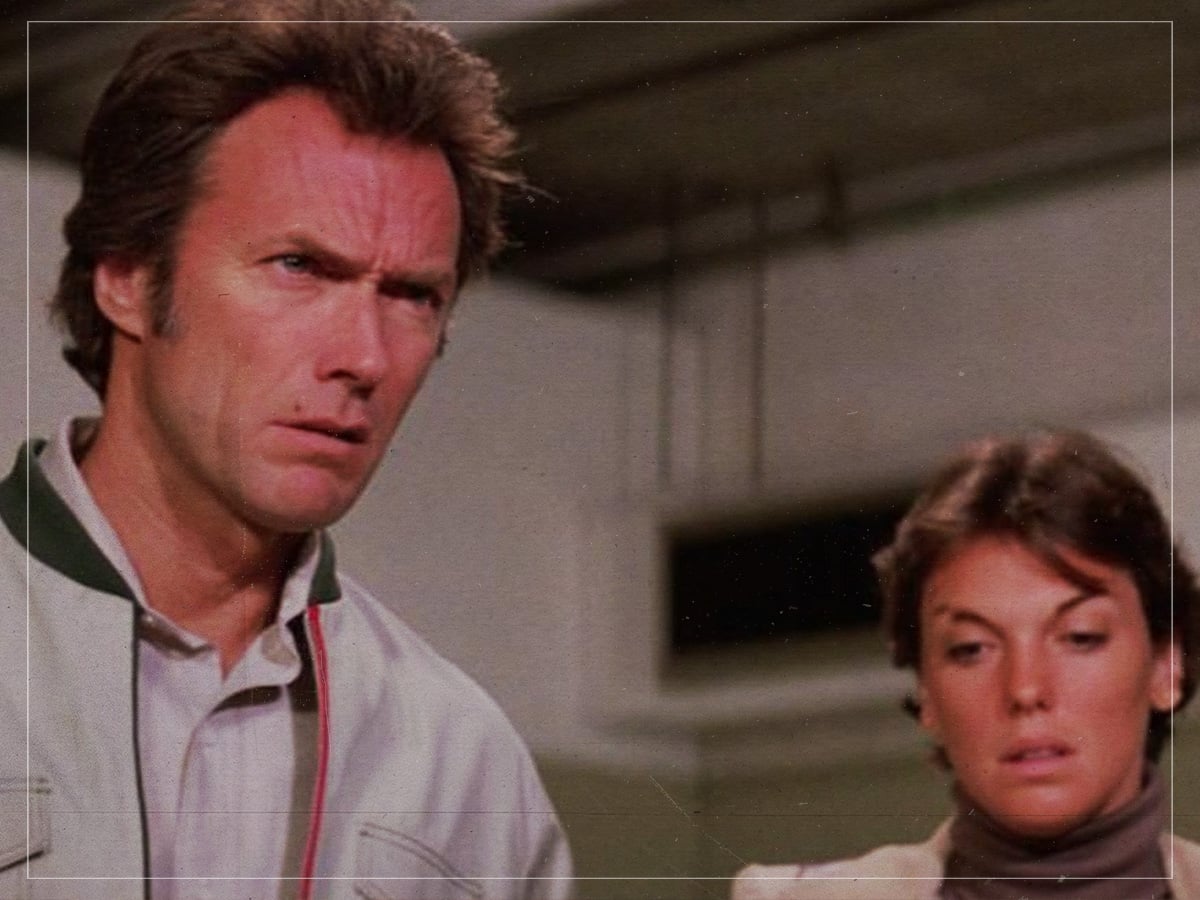
Clint Eastwood made one of his best films ever in 1976 with The Outlaw Josey Wales, but he also made time to do the third entry in the Dirty Harry franchise, which was a case of sequels offering diminishing returns. The original Dirty Harry is a downright classic that ranks as one of the best serial killer thrillers of the ‘70s, and the second film Magnum Force was a subversive conspiracy drama that offered criticism of law enforcement that was ahead of its time.
The Enforcer felt like a retread, and it reduced Eastwood’s character into a generic, grizzled gunslinger who just barks one-liners. Eastwood must have been aware that the film didn’t hit like it was supposed to, as he decided to personally direct the fourth film, Sudden Impact, which ended up bringing the franchise back to its former glory.
‘The Eagle Has Landed’ (John Sturges)
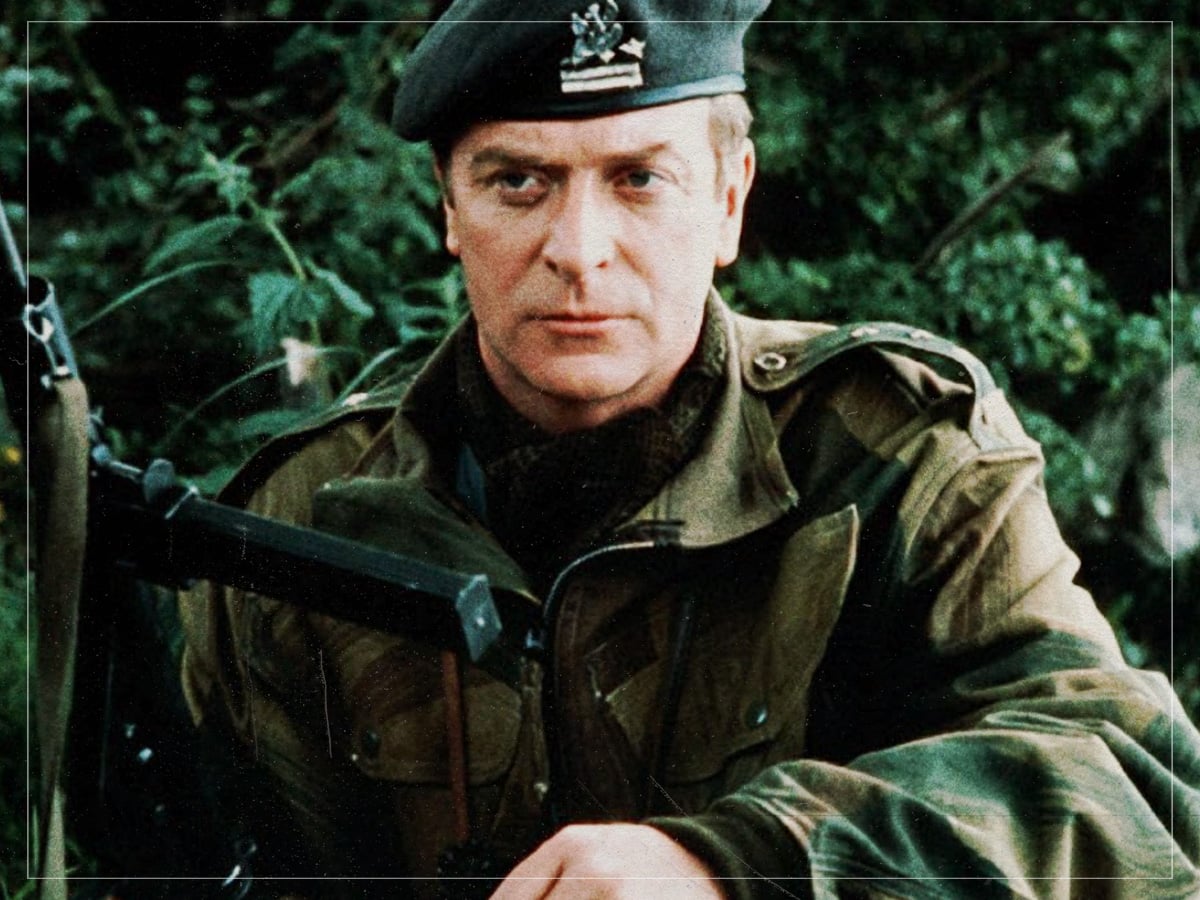
The era of old-fashioned World War II adventure films had mostly disappeared by 1976, as filmmakers had turned their attention to the ongoing conflict in Vietnam. The rare World War II films that were released tried to do something to shake up the formula, but The Eagle Has Landed made the strange decision to offer a sympathetic depiction of the Nazis by telling a story about German spies trying to kidnap Winston Churchill.
It’s a morally gross approach that is never wrestled with in the context of the film, as Sturges doesn’t even attempt to explore his characters’ motivations. The fact that the film starred English and American actors meant that the accent work was terrible across the board; Michael Caine, Robert Duvall, and Donald Sutherland are all acting geniuses, but they deliver some of their worst performances ever in The Eagle Has Landed.
‘The Pink Panther Strikes Again’ (Blake Edwards, 1976)
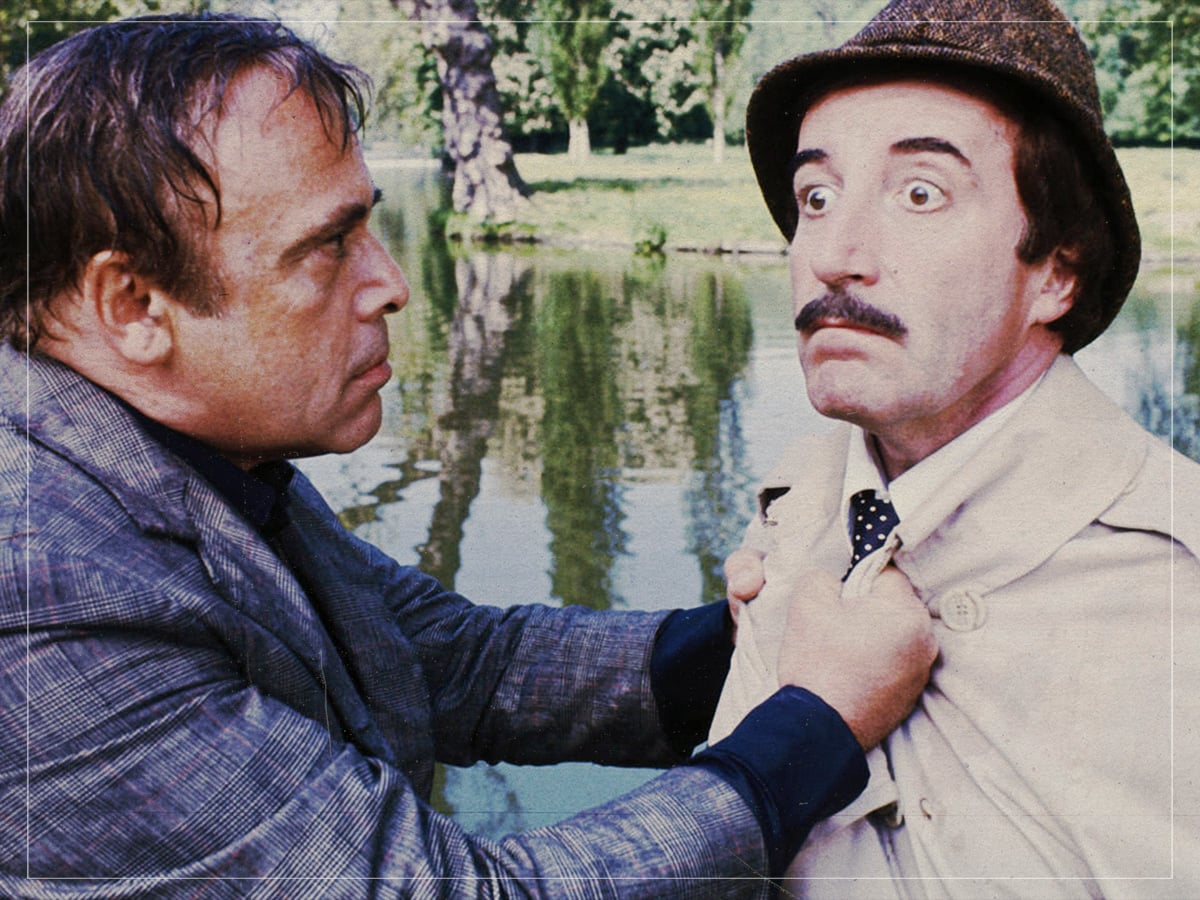
There is no genre in which sequels are more difficult than comedy, as it can be a massive challenge to retain the same sense of humour without feeling derivative. The Pink Panther franchise had actually managed to retain a degree of quality, but it was in the fourth instalment that the Peter Sellers series finally began to fall flat. The Pink Panther Strikes Again does have a few homophobic jokes that are tougher to watch in 2026, but its biggest issue is that it’s boring and feels like Sellers is playing a parody of his greatest character.
While Inspector Clouseau’s incompetence is one of the reasons that he is such an endearing character, The Pink Panther Strikes Again makes him stupid to a degree so ridiculous that it is impossible to imagine that he’s ever been responsible for any acts of heroism.
‘The Missouri Breaks’ (Arthur Penn, 1976)
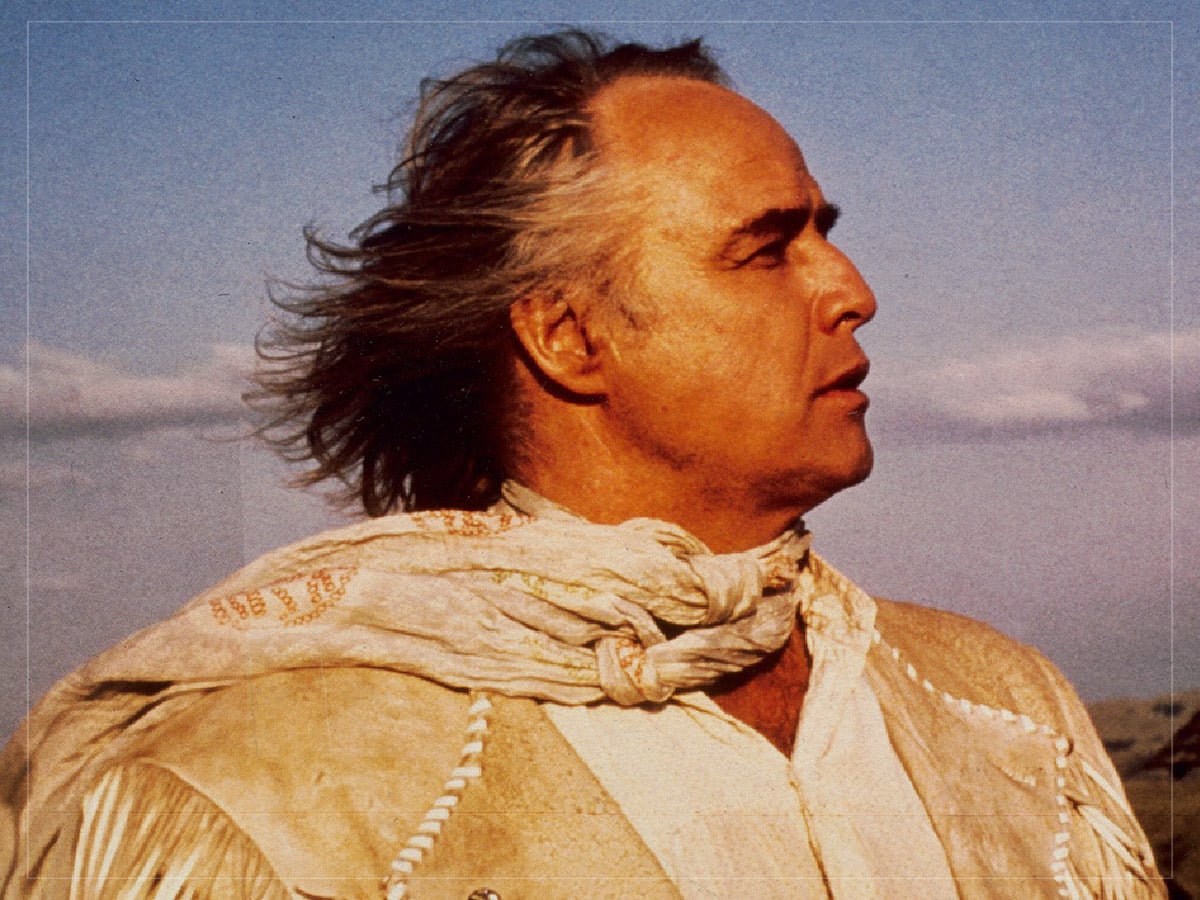
Marlon Brando is both a great and frustrating actor, as it was in the mid-70s that he essentially decided to give up taking acting seriously and became a nuisance on every film he worked on. The fact that he could slip back into genius ensured that Hollywood kept giving him chances, but it was nonetheless disappointing to see him waste opportunities.
The Missouri Breaks has aged particularly badly because it had the potential to be a generational revisionist western, given that director Arthur Penn had previously made Bonnie & Clyde, which is credited as kicking off the New Hollywood era. Despite the inclusion of Jack Nicholson in his first performance after winning an Academy Award for his amazing work in One Flew Over The Cuckoo’s Nest, The Missouri Breaks is a slog to get through because Brando seemed to treat the entire production as a giant farce.
‘The Bad News Bears’ (Michael Ritchie, 1976)
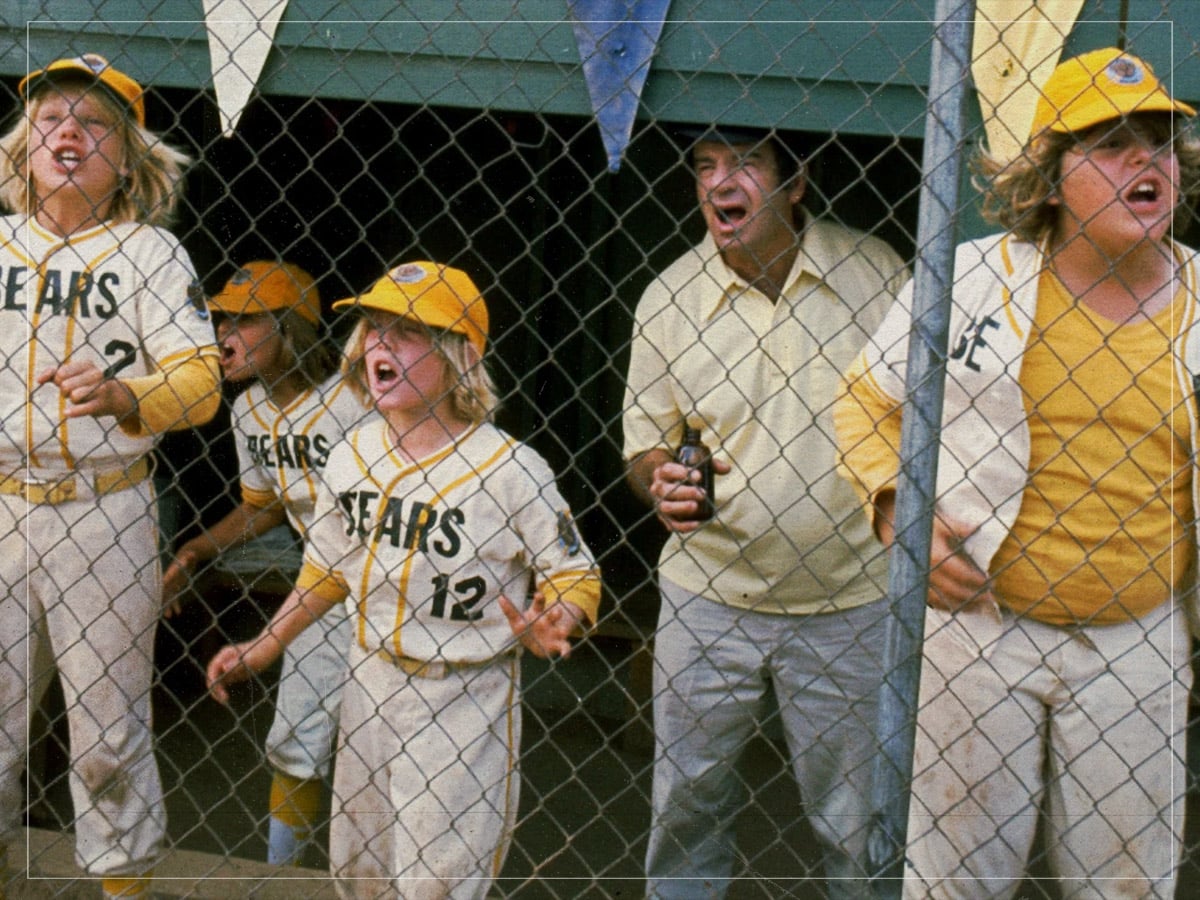
Sports films didn’t just benefit from the success of Rocky in 1976, as The Bad News Bears also told an inspirational underdog story and produced an all-time great performance out of Walter Matthau. It’s a hilarious film that was surprisingly authentic in capturing how kids talked, and that’s also why it hasn’t aged well; the language and slurs that were commonplace in 1976 (yet still offensive) feel even more extreme 50 years later.
While it’s unfortunate that kids of this generation don’t have the chance to appreciate a thoughtful film like The Bad News Bears (as the 2005 remake from Richard Linklater was nowhere near as good), it would be downright irresponsible to show the 1976 versions to young audiences today because of how extreme the slurs are. It’s not a film that can’t be appreciated, but it has lost value for its intended audience.
‘The Front’ (Martin Ritt, 1976)
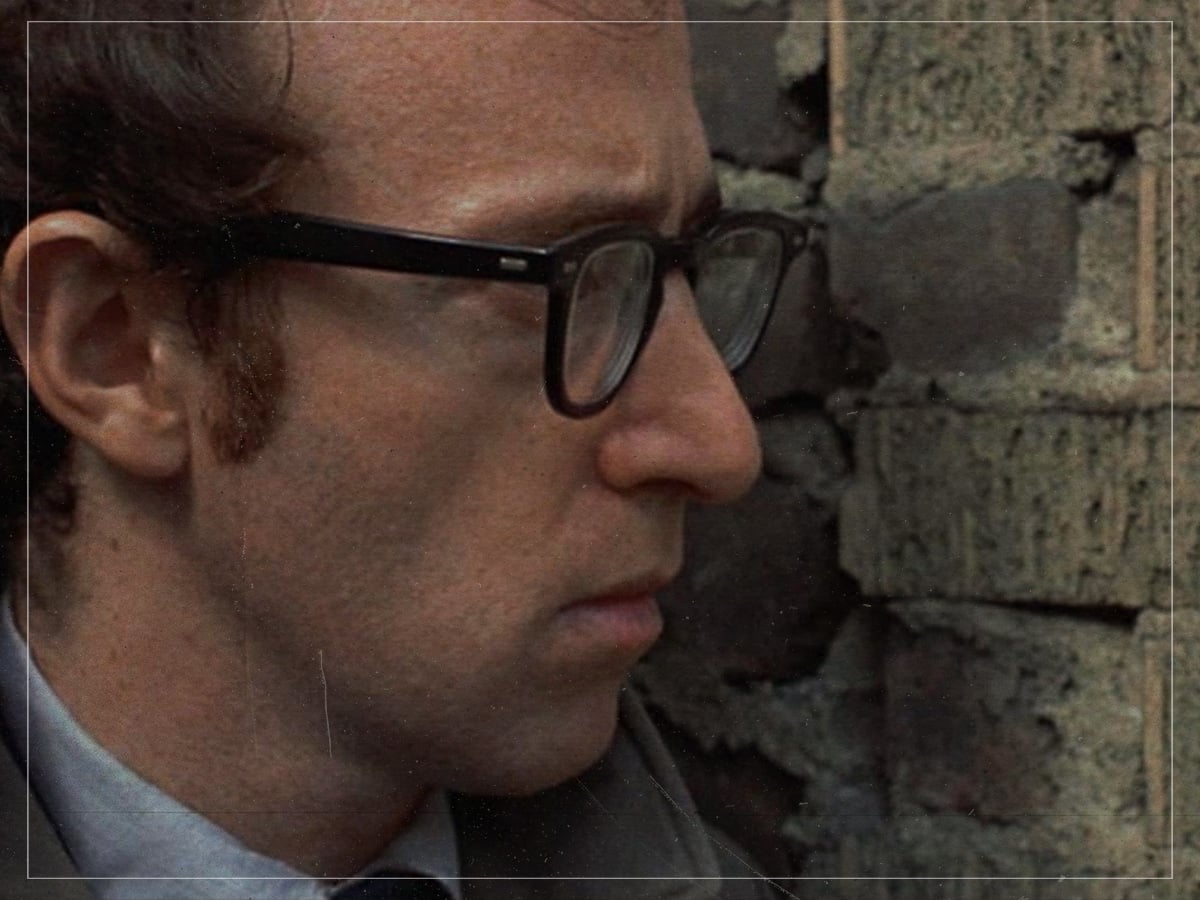
Woody Allen tends to incite controversy within any of the classic films that he starred in, and The Front is similarly uncomfortable, even if he didn’t write and direct it. Even when setting aside the fact that Allen’s career continued without any meaningful consequences for over 50 years, The Front has aged poorly because of how naive it is about blacklisting in Hollywood.
The notion that writers finding ways to get their scripts made under pen names was a whimsical farce does not properly depict the genuine political strife in the industry, in which those who spoke up for freedom were demonised by an administration that opposed artistic expression. When considering that Hollywood would soon become much more thoughtful in its depiction of communist sympathisers, as Reds was released only five years later, The Front feels like a product of its time that is hopelessly out of touch.
‘Buffalo Bill and the Indians or Sitting Bull’s History Lesson’ (Robert Altman, 1976)
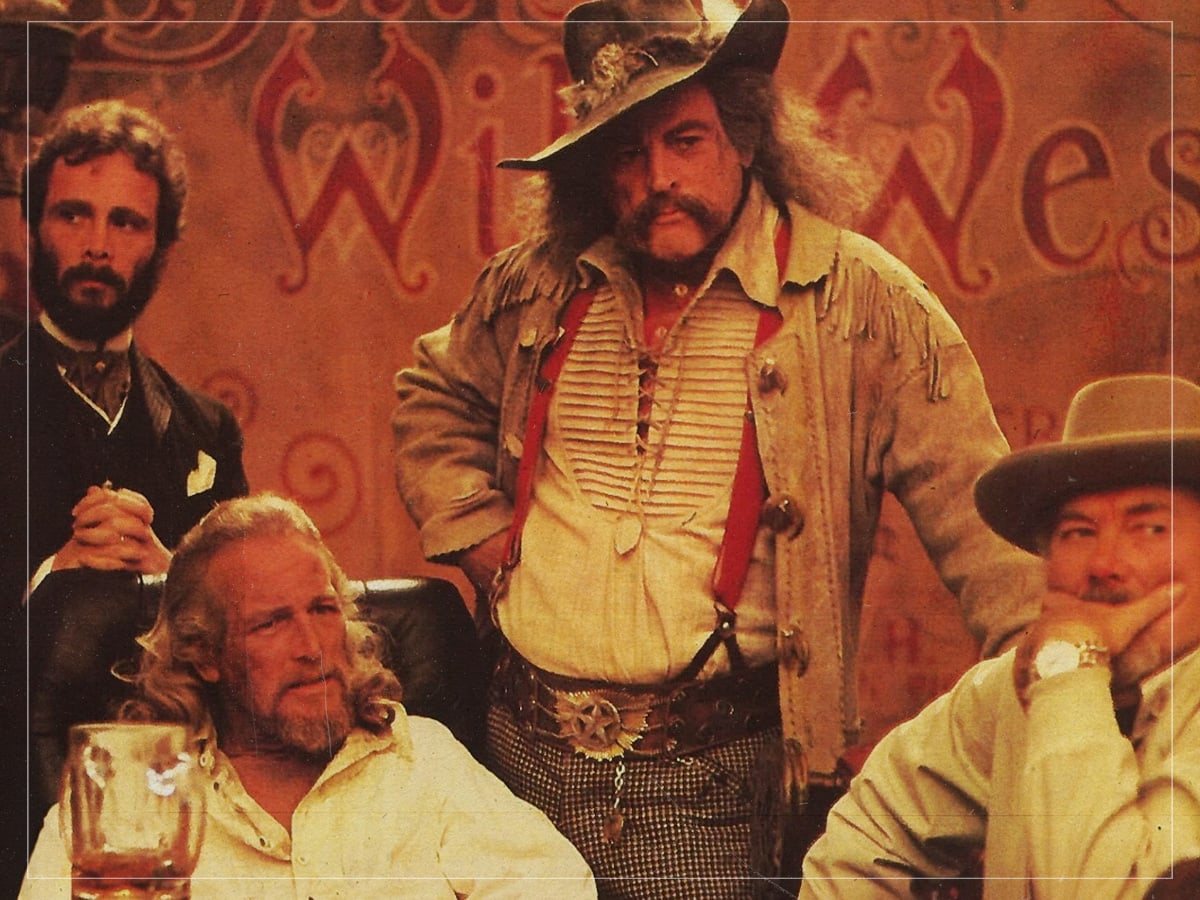
Robert Altman made some of the best films of the ‘70s, but he also had a few strange misfires that never connected. Buffalo Bill and the Indians or Sitting Bull’s History Lesson is a revisionist western satire in which Paul Newman stars as the showman Buffalo Bill, as he tries to convince Chief Sitting Bull, played by Frank Kaquitts, of the Lakota tribe, to depict his life’s story in a travelling show.
While the intention was to satirise the plasticity of show business and explore how it became a tool of colonisation, Altman does not follow through with his own thesis because Sitting Bull is largely sidelined. Instead, Buffalo Bill and the Indians or Sitting Bull’s History Lesson becomes yet another Altman film about groups of performers who become families; it’s better to just rewatch Nashville than sit through this history lesson.

Never Miss A Tale
The Far Out Clint Eastwood Newsletter
All the latest stories about Clint Eastwood from the independent voice of culture.
Straight to your inbox.