


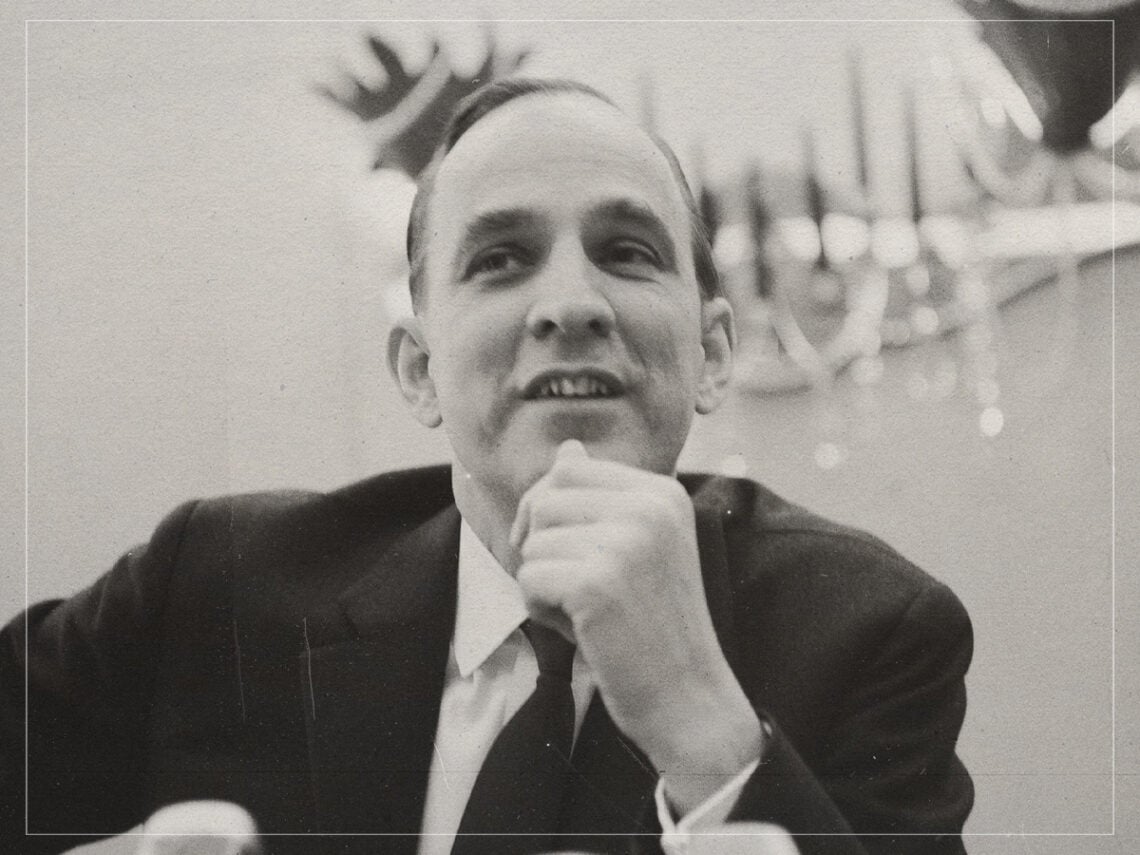
“He was a Nazi sympathiser”: The 1970s director who can’t stand Ingmar Bergman

The concept of being able to separate art from the artist is doing some very, very heavy lifting this year, what with the success of the Michael Jackson biopic and his mass popularity with a new audience off the back of it, and it’s something the Swedish director Roy Andersson identifies with due to the somewhat suspect nature of his nation’s most famous auteur, Ingmar Bergman.
While he hasn’t had anywhere near the international recognition that The Seventh Seal director Bergman enjoyed between the late 1950s and early 1970s, Andersson has similarly been critically feted, with films like his 1970 debut A Swedish Love Story, the 2000 black comedy Songs from the Second Floor and 2019’s About Endlessness held up by critics as modern masterpieces.
His career began just as his legendary compatriot’s was beginning to tail off, and their paths did cross in the late 1960s in Stockholm, where Andersson was learning his trade at the Swedish Film Institute, where Bergman, who by that point was a hugely influential name in global cinema, would occasionally take up residence in order to play his part in shaping the young talent coming through.
But it wasn’t a time that Andersson remembers fondly, nor was Bergman someone that he admired, going against the grain of many at the time. Andersson spoke about the veteran director some years back, saying, “In my opinion, he’s a little overrated. He made in the beginning of the ’60s I think there were four movies that are excellent, brilliant, good art and cinematography, but there are so many bad movies he made.”
He also pointed towards his politics, noting, “And he was also very right-wing politically. He was almost a fascist, he was a Nazi sympathiser, and when he grew up, he was very coloured by fascistic values. He never left that himself, and it also coloured his person.”
Bergman’s history with the right wing in Germany was certainly problematic to say the least, although there is perhaps some mitigation in that the majority of it came before he was an adult. As a teen in the 1930s, he was sent away to stay with a Hitler-obsessed German family, where he attended Nazi rallies, later writing that “for many years, I was on Hitler’s side, delighted by his success and saddened by his defeats”.
Bergman said that his opinion changed when the Second World War came to an end, and the true horrors of the concentration camps were exposed, admitting that the truth about what the Nazis had been doing was a shock to him and that he didn’t want to believe it.
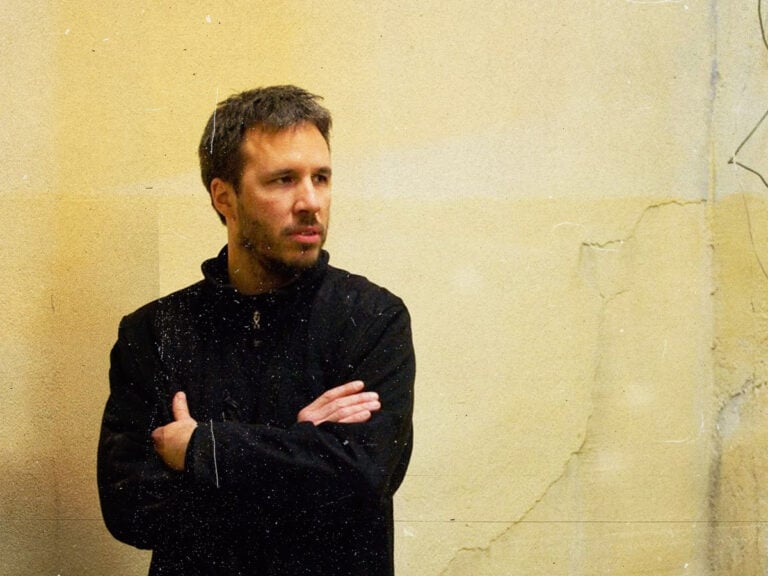
However, Andersson doesn’t think his nature and beliefs ever really changed, adding, “He [Bergman] was not a nice person. He was a so-called inspector of the film school that I attended, and each term we were called, and we had to go to his office, and he gave some advice, or even some threats, and he said, ‘If you don’t stop making left-wing movies…you will never have the possibility to make features. I will influence the board to stop you’.”
Bergman’s final film was the 2003 drama Saraband, after which he retired the same year and then died four years later at 89 years old. Andersson, meanwhile, is now 83 and is likely to have retired himself, given it has now been seven years since About Endlessness, the comedy drama that was described by many as a parting masterpiece and that won the award for ‘Best Direction’ at the Venice Film Festival.
