


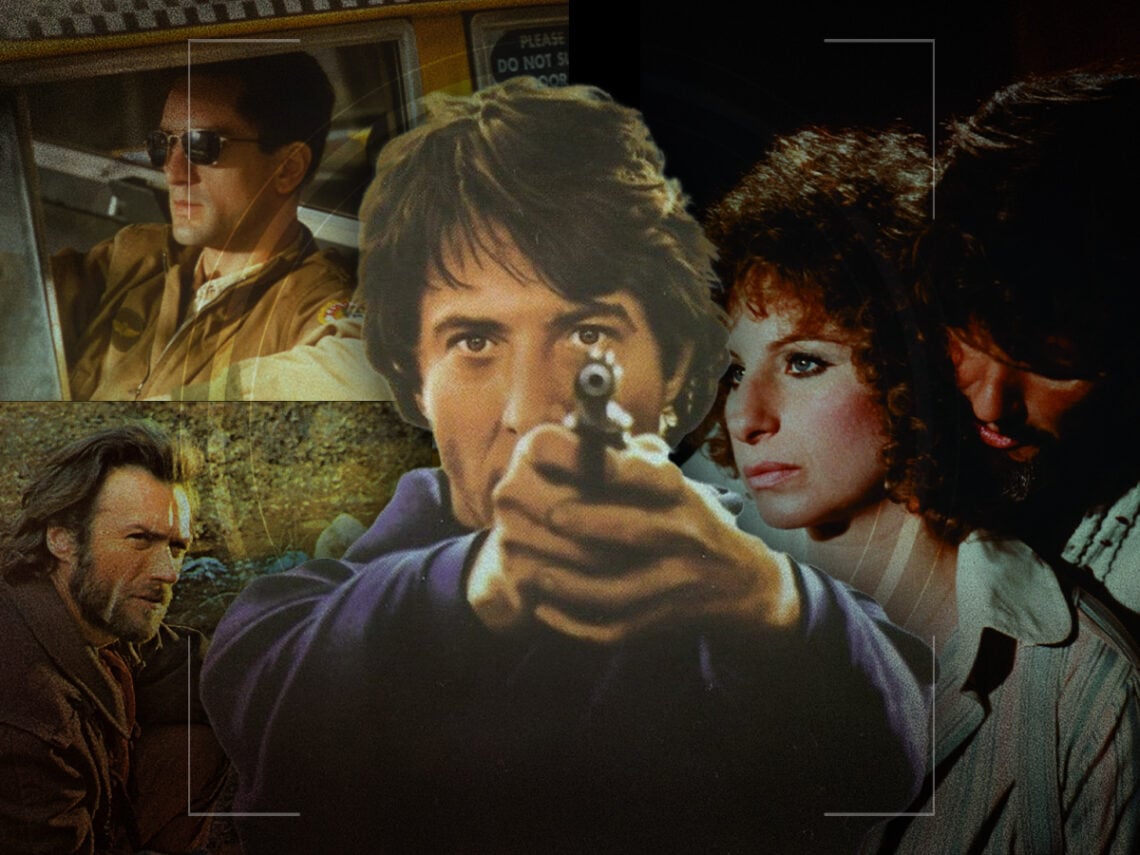
10 movie scenes from 1976 that you’d never get away with today

The films of 1976 indicate Hollywood has changed, and not always for the better.
Although there have been leaps forward in the last 50 years in terms of representation, innovation, and democratisation, it is hard to say that cinema is in a better place. Currently, filmmakers can be abandoned by studios if they don’t satisfy the whims of their corporate partners, and the dominance of AI has suggested that many artists will go out of work.
There were many faults within the Hollywood system that existed in the ‘70s, but it could be said that those making decisions about the future of the business actually cared about the art form. Today, it would be challenging to determine the ‘taste’ of studio heads like Bob Iger, David Zaslav, David Ellison, or Ted Sarandos.
The blame should be squarely put on the business tyranny that has infected the art form, but it’s also true that audiences have become less curious. When compared to the ‘70s, in which the year’s highest-grossing films were often among the most acclaimed, the contemporary box office is dominated by sequels, prequels, adaptations, and remakes. It’s hard to keep the attention span of a modern audience in line, as phone usage and disruptive cinemagoing have become an increasingly significant issue.
This is a result of a change in the status quo, given that films are not at the epicentre of culture in the way they were in 1976. 50 years ago, directors were empowered to make statements and take risks that they aren’t encouraged to make today, as business tends to triumph over artistry.
10 movie scenes from 1976 that would never work today
Hecky Brown’s communist admittance – ‘The Front’ (Martin Ritt, 1976)
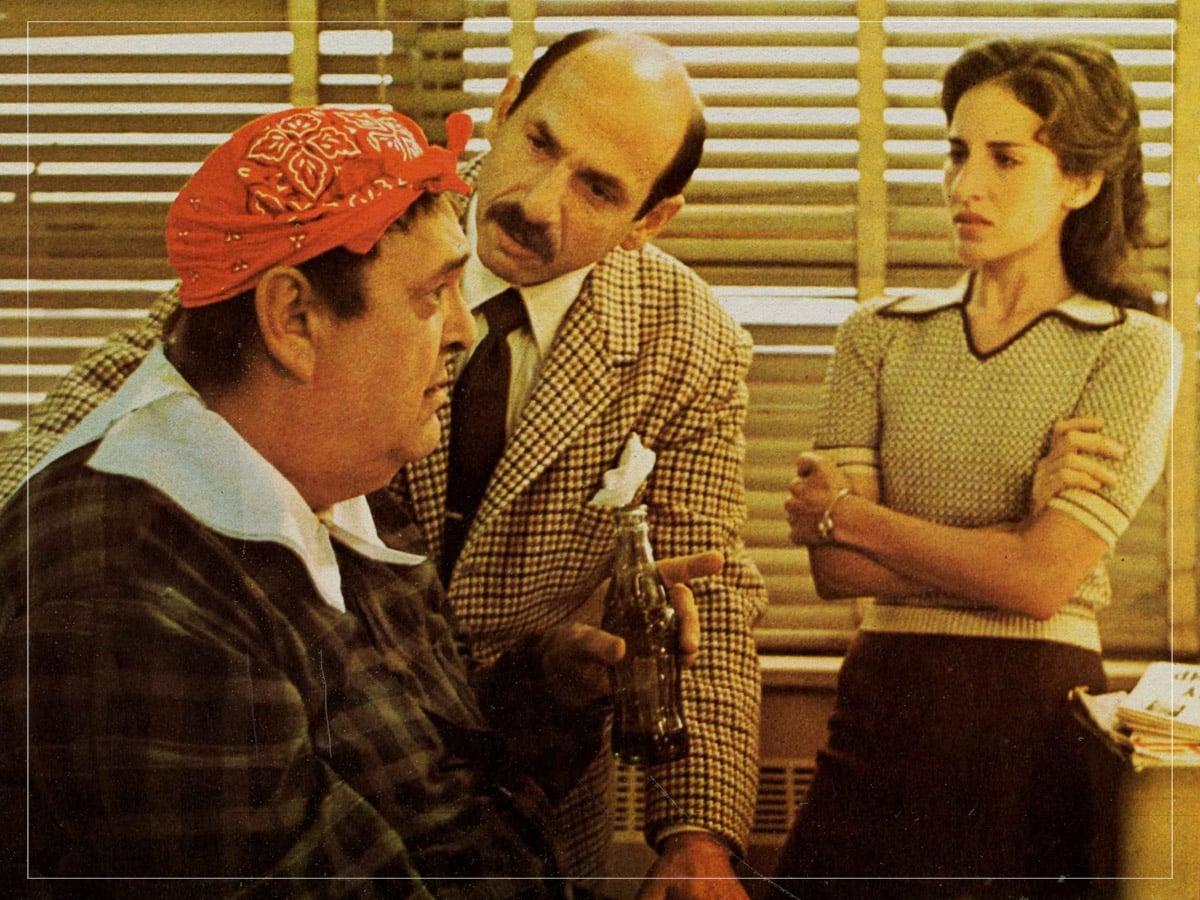
Woody Allen actually isn’t the most controversial aspect of The Front, because Martin Ritt’s 1976 dramedy explored the tangible effects of the Hollywood blacklist on actors, writers, and other filmmakers who had expressed sympathy for the Communist Party. The film sympathised with those who were out of work because of their political leanings, but the depiction of the actor Hecky Brown by Zero Mostel was controversial for completely different reasons.
During a scene in which Hecky is interrogated about why he was involved in a communist rally, he makes comments about an attractive woman who was lured into the movement. To present the character in a redeeming light when he makes such abrasive and sexist comments would be impossible today, especially when considering that there actually might be a new Hollywood blacklist made up of those who have expressed distrust of the new management of Paramount Pictures.
The opening montage – ‘The Pink Panther Strikes Again’ (Blake Edwards, 1976)
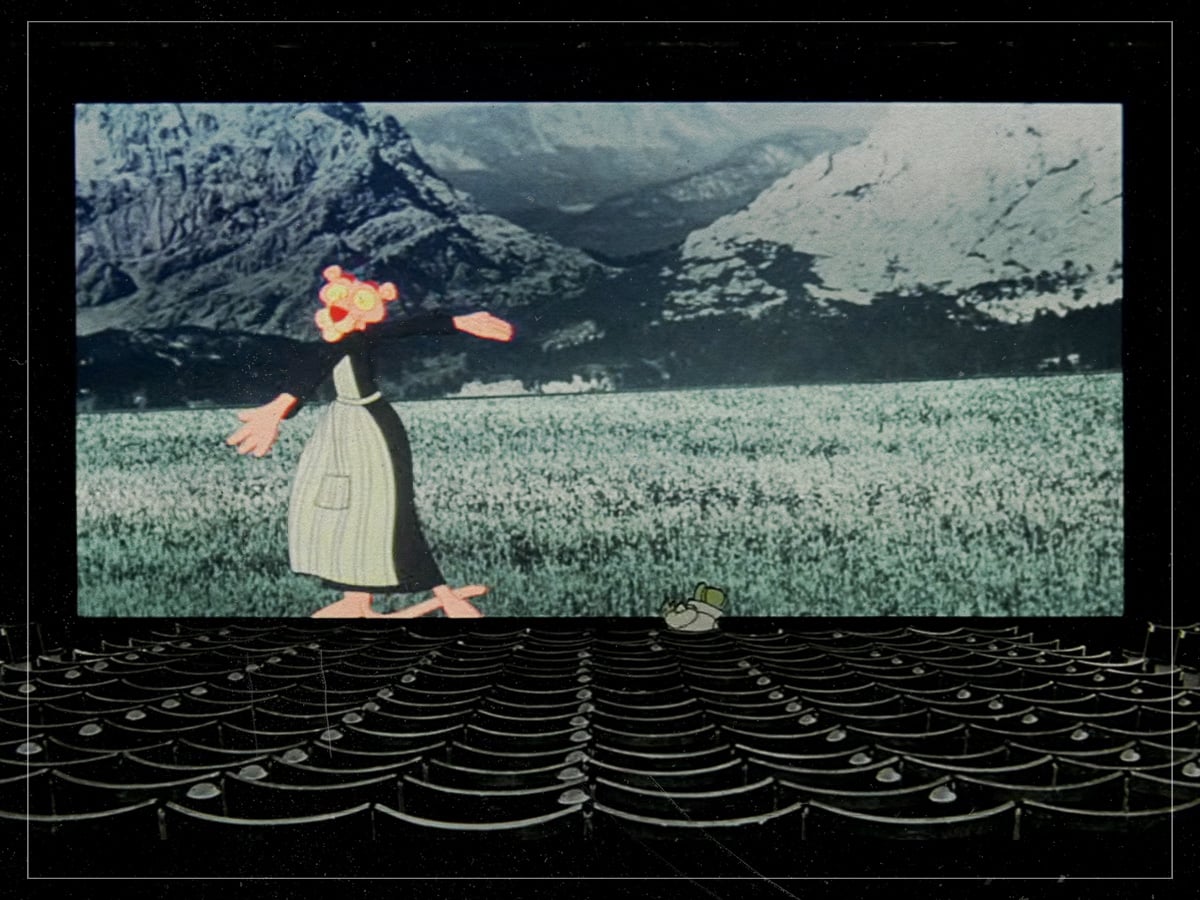
Peter Sellers was idolised for his range by many great filmmakers, and he was able to take artistic risks because he could always fall back on The Pink Panther franchise as a reliable guarantee of hits. It was a series that was remarkably consistent, as the fourth instalment, The Pink Panther Strikes Again, is just as good as the films that preceded it.
The animated segment that opened each The Pink Panther film would get more elaborate with each sequel, and The Pink Panther Strikes Again included an extended montage in which the animated panther appeared in parodies of Gone With The Wind, Singin’ in the Rain, Batman, Jaws, Sweet Charity and Dracula. Given that all of these films belong to different studios, parodying them all by including clips would be a nightmare of rights agreements, and no studio would go through with that effort.
The opening massacre – ‘Assault on Precinct 13’ (John Carpenter, 1976)
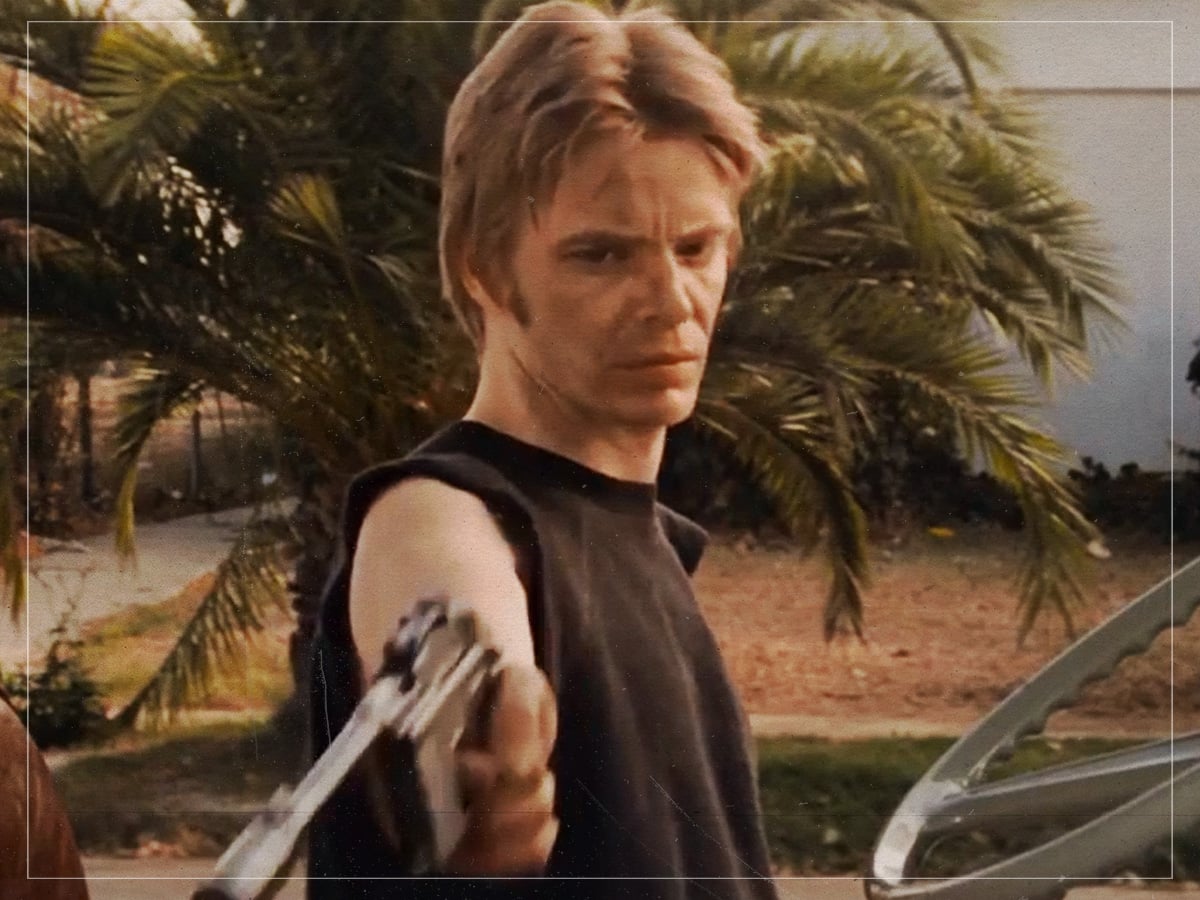
John Carpenter never considered himself to be part of the Hollywood establishment, due to the fact that he often had fewer resources, almost always fighting for budget approvals, and few people overseeing him, but it also allowed him to make transgressive choices in his films that would have stoked controversy otherwise.
For instance, the opening of Assault on Precinct 13 includes a graphic massacre in which the villains gun down passersby in a neighbourhood, including children, and since gun violence has become an even more controversial issue, especially in the United States, within the past 50 years, with the abundance of real-life tragedies, Hollywood is trepidatious about what they show.
Considering how films like Death Wish and Gangster Squad had their releases altered after mass shooting events, Assault on Precinct 13 probably wouldn’t have been able to include child murder.
The movie theatre scene – ‘Taxi Driver’ (Martin Scorsese, 1976)
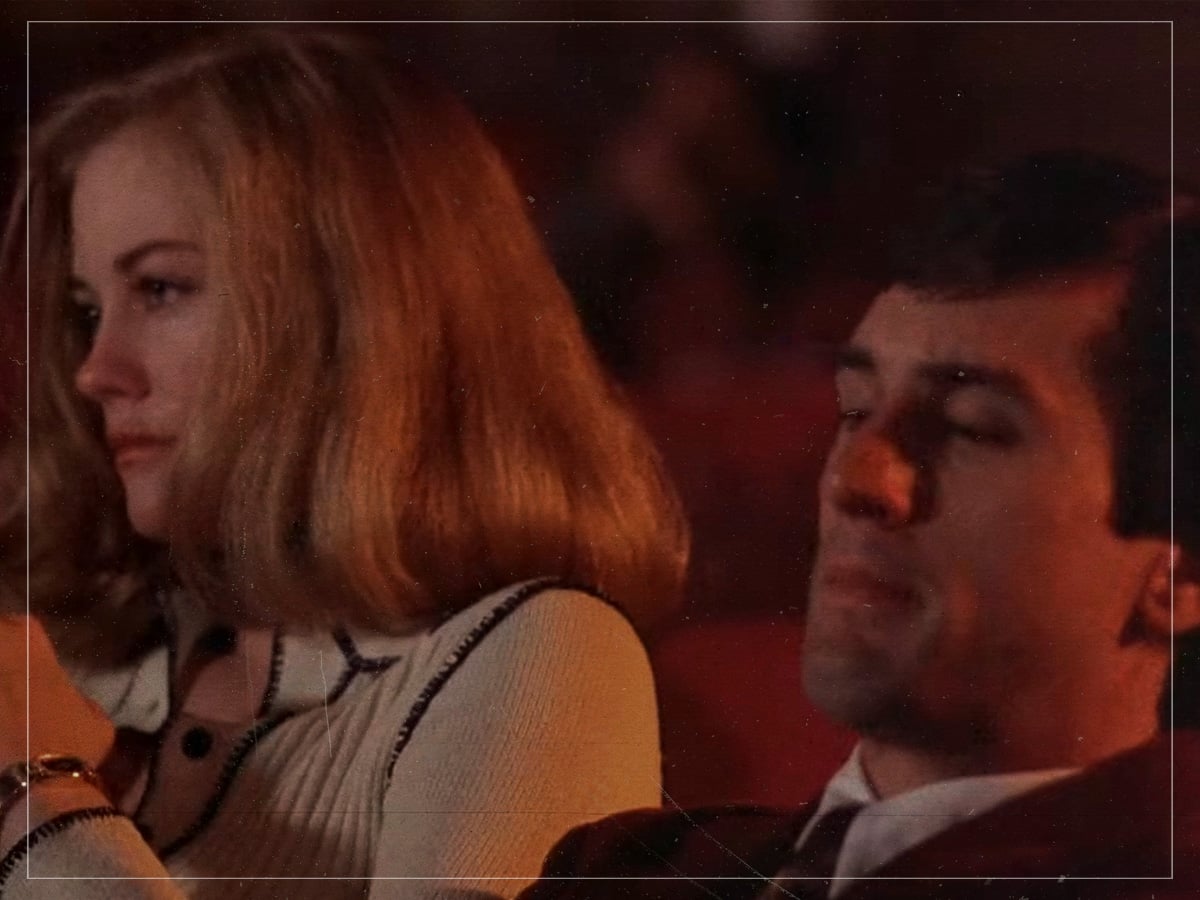
Martin Scorsese was dealing with real substance abuse issues and mental health problems when he made Taxi Driver, an unassailable masterpiece that created one of the most iconic anti-heroes of all time in Robert De Niro’s Travis Bickle, and an early sign that Travis is a deeply disturbed person is when he takes his date, Betsy, played by Cybill Shepherd, to an adult movie theatre, where she abandons him after becoming uncomfortable.
Such an awkward moment would have been tough to include today, given that it qualifies as a form of sexual harassment on Travis’ part because Betsy didn’t know what she was signing up for. However, the more practical reason it wouldn’t happen is that pornographic theatres simply don’t exist anymore, and thus the idea of attending one would be completely lost on younger audiences.
Kelly Leak is recruited – ‘The Bad News Bears’ (Michael Ritchie, 1976)
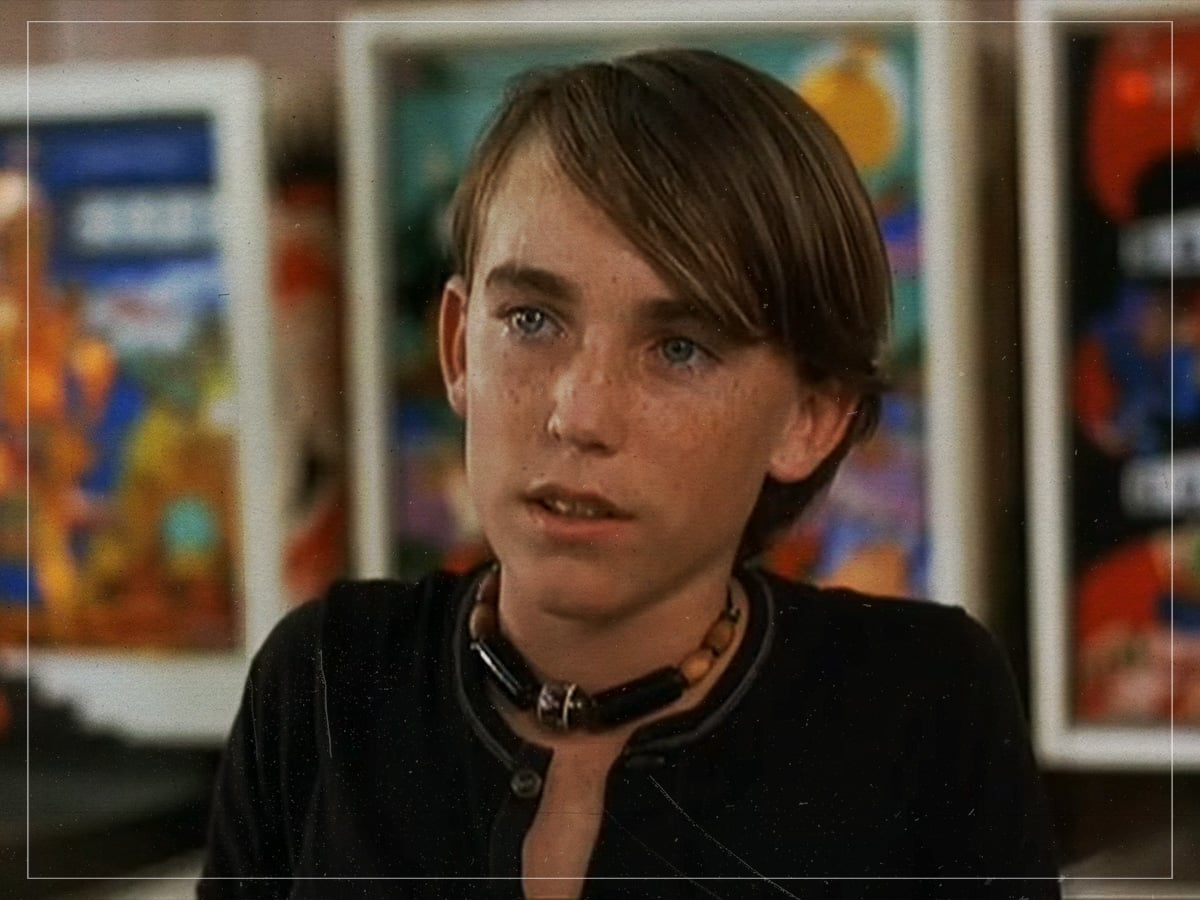
Sports films hit a high point in 1976 when Rocky won the Academy Award for ‘Best Picture’, but the year also saw the debut of another classic of the genre with The Bad News Bears, which saw Walter Matthau star as an alcoholic coach who has to lead a team of youths who can’t play baseball to save their lives.
The Bad News Bears was unique among the family sports comedies of the era because it actually took a look at how kids actually talked, specifically when it came to the highly profane troublemaker Kelly Leak, played by Jackie Earl Haley. When he is first recruited for the team, Kelly spews out all sorts of offensive comments that probably wouldn’t show up in any film today, much less one aimed at families, an aspect of the character that was absent in the 2005 remake from Richard Linklater.
The torture scene – ‘Marathon Man’ (John Schlesinger, 1976)
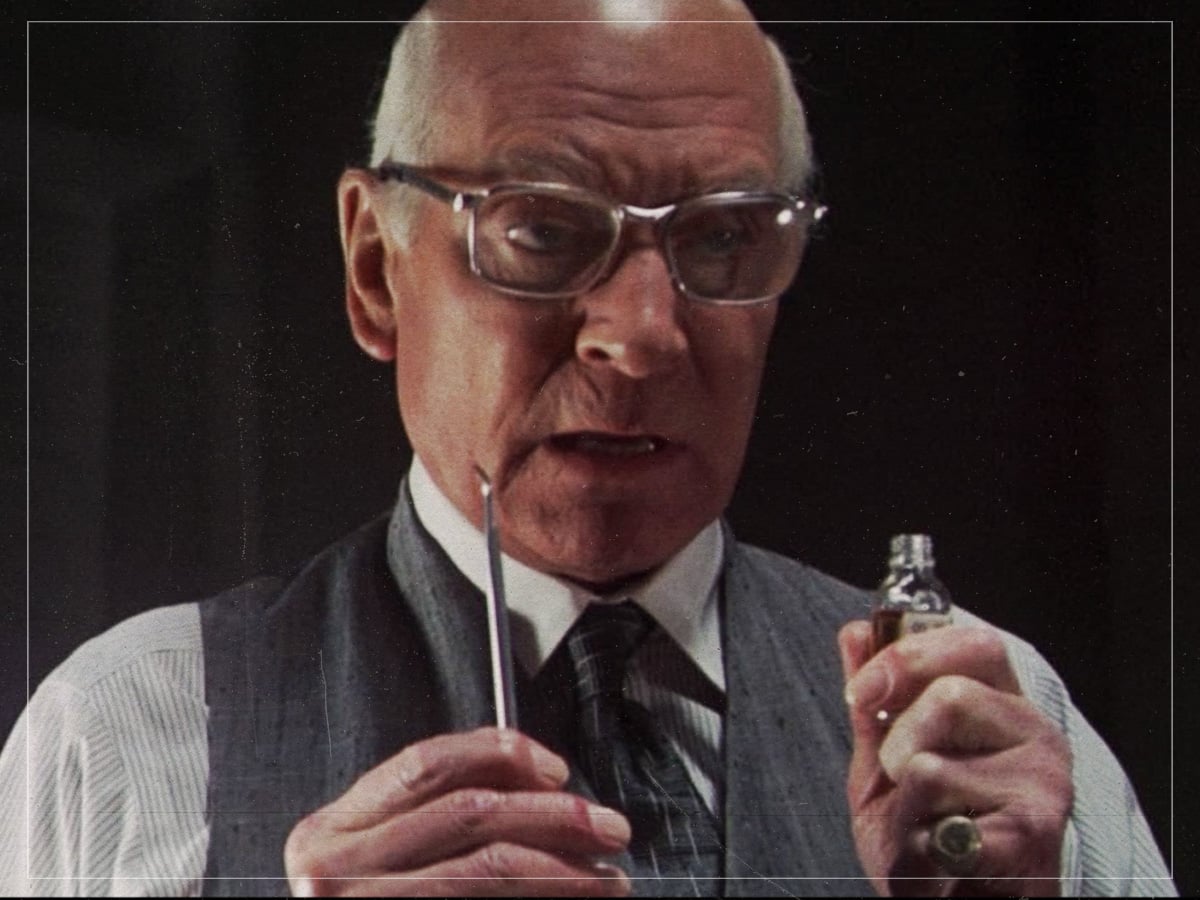
Dustin Hoffman was infamously lampooned by Sir Laurence Olivier for taking himself way too seriously on the set of Marathon Man, but John Schlesinger’s spy thriller wasn’t just a standard commercial adventure flick. The film includes one of the most graphic torture scenes ever greenlit within a major Hollywood film, and it is made all the more shocking because a respected actor like Olivier was playing a Nazi.
Hollywood has skewed away from showing torture in films, especially after the controversy that resulted from the release of Zero Dark Thirty in 2012. Although there’s occasionally the chance that a graphic torture scene will pop up in an independent title like Nicolas Winding Refn’s Only God Forgives, it certainly wouldn’t be part of a mainstream hit like Marathon Man, which was one of the year’s biggest successes and received Academy Award nominations.
John interrupts Esther’s show – ‘A Star is Born’ (Frank Pierson, 1976)
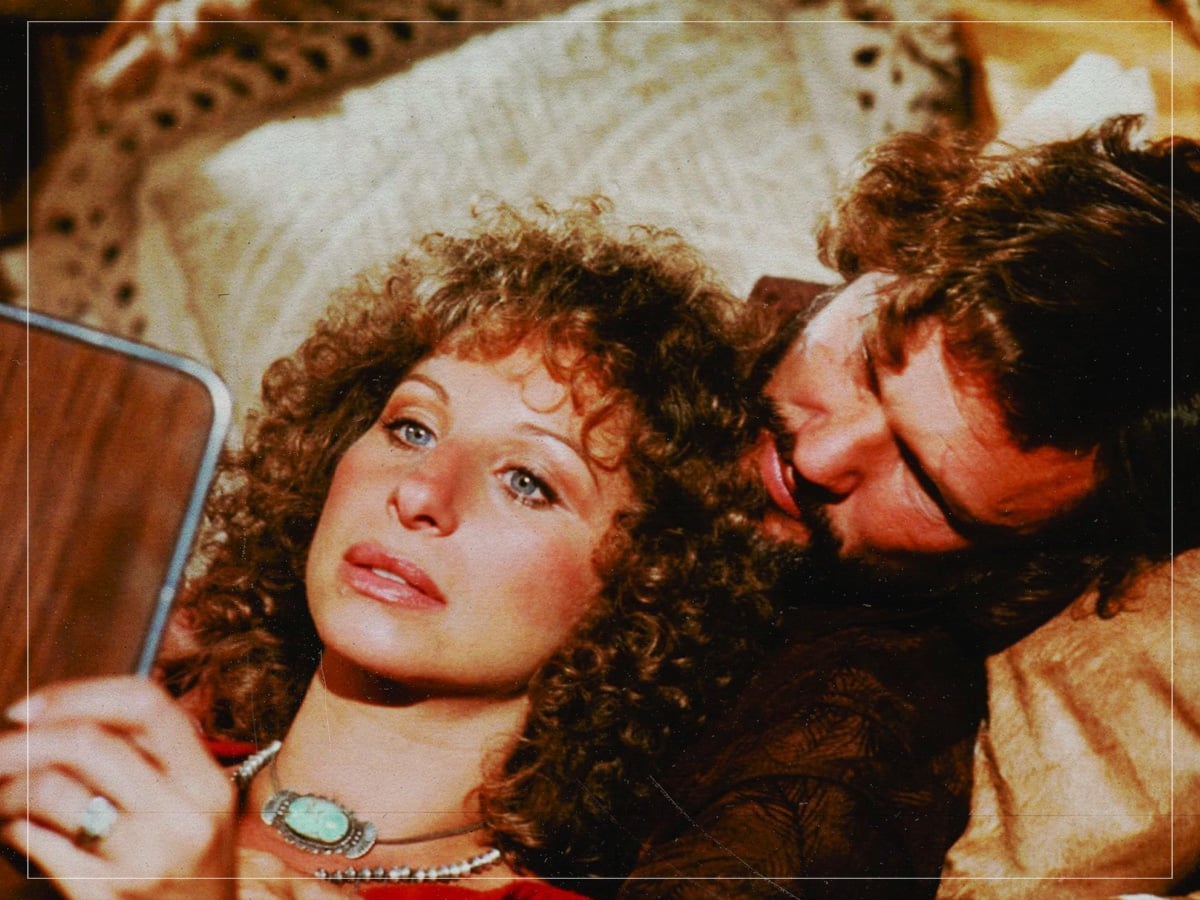
Barbra Streisand had so much power over the remake of A Star is Born in 1976 that she basically directed the film, as she and her husband Jon Peters (the film’s producer) were able to overpower director Frank Pierson. That Streisand had total control over the way she would be depicted meant that the film couldn’t account for her lack of self-awareness, wherein Streisand’s character, Esther, is introduced singing in a bar, where she is the only white performer in an African-American act.
The language used to describe the trio hasn’t aged well, and it doesn’t reflect too well on Streisand. Additionally, the disruption of the show by Kris Kristofferson’s John, the alcoholic country star who falls in love with her, is a graphic portrayal of the mental strain of drinking that is much darker than anything that was in the 2018 remake from Bradley Cooper.
Harry deals with affirmative action – ‘The Enforcer’ (James Fargo, 1976)
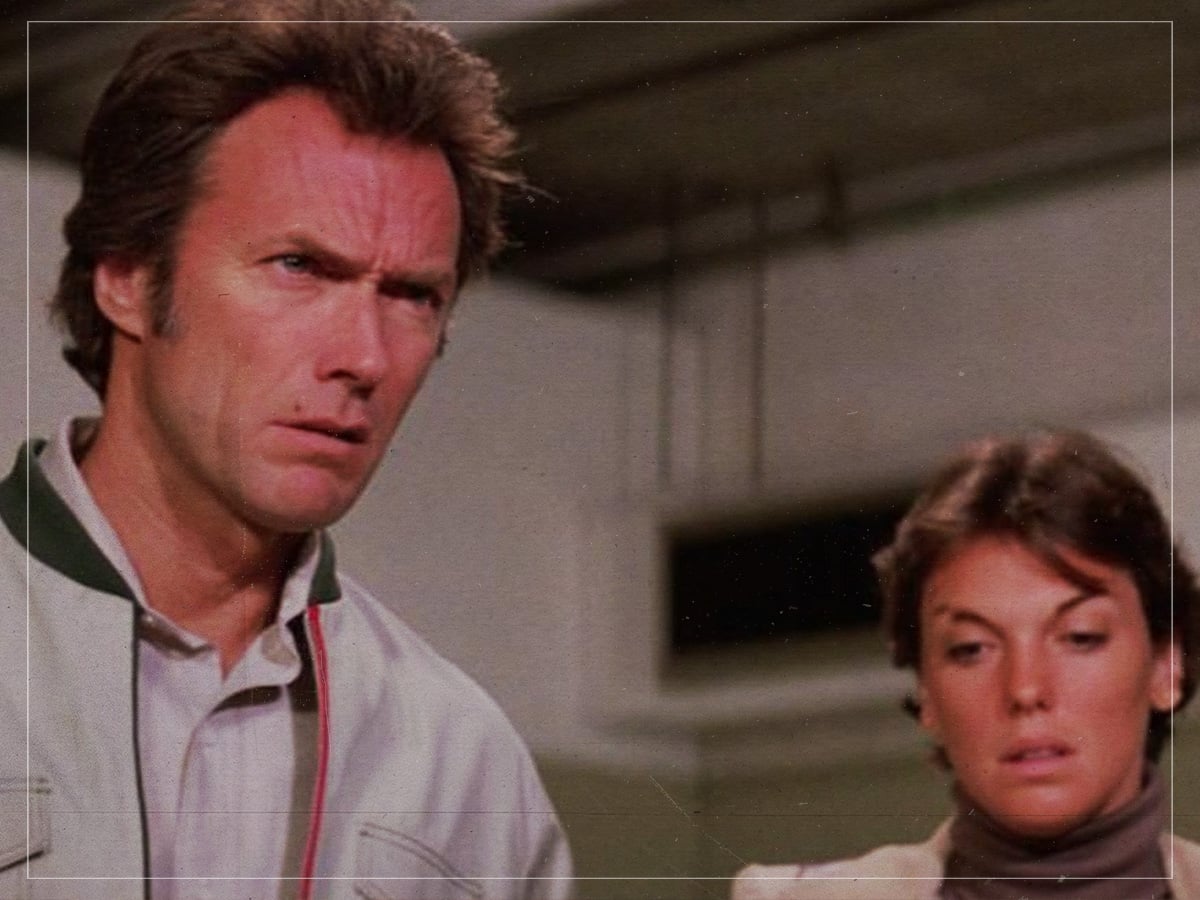
Clint Eastwood was still making Dirty Harry sequels in 1976, and the third instalment in the series attempted to challenge the character’s viewpoints. Although the first two films had attracted some controversy for their lionisation of law enforcement, The Enforcer sees Harry Callahan faced with taking on a female partner as a result of an affirmative action programme initiated by the city government to save public face.
The film is able to show how Harry changes his mind, but questioning and debating the role of experience versus representation might be considered too challenging a debate to be had in a modern franchise instalment, especially when the discourse that surrounds these major releases tends to get so toxic. Audiences are less likely to gravitate towards heroes like Harry, as they prefer comic book characters who can be unflappable in terms of their integrity.
King Kong’s death on the World Trade Centre – ‘King Kong’ (John Guillermin, 1976)
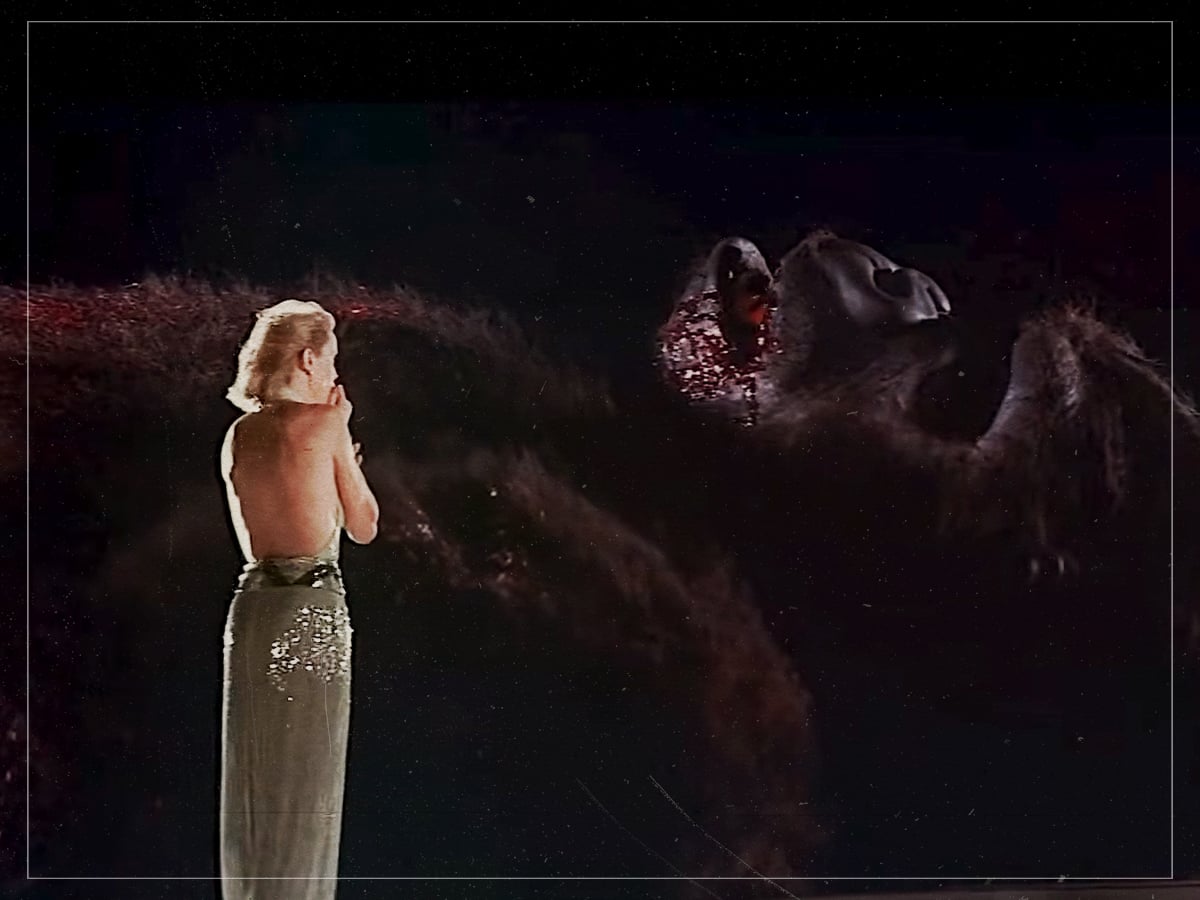
King Kong is still one of the most famous movie monsters of all time, and there had been a long enough gap since the release of the 1933 original that the 1976 remake felt like a big deal. Before the days of motion-capture and computer-generated imagery, the 1976 King Kong featured makeup wizard Rick Baker doing the movements for Kong. Although the original film had featured Kong climbing to the top of the Empire State Building, the remake reset the location to the World Trade Centre.
This obviously wouldn’t occur today because of how quickly Hollywood moved to erase any imagery of the Twin Towers in the aftermath of 9/11, which caused significant changes to Spider-Man and Men in Black II in 2002. In fact, none of the recent instalments in the legendary Monsterverse has even had Kong wreaking havoc in New York.
Josey Wales’ family is murdered – ‘The Outlaw Josey Wales’ (Clint Eastwood, 1976)
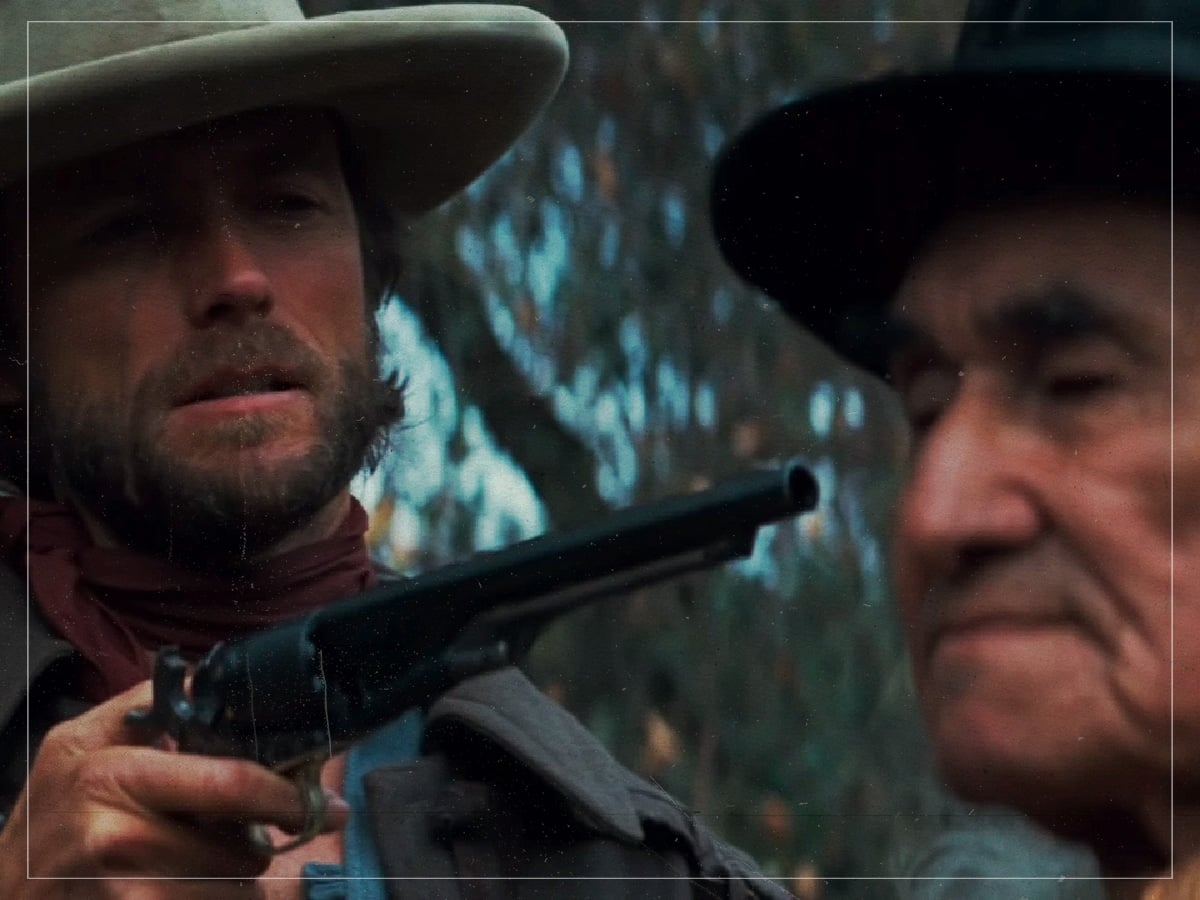
The western was where Eastwood made his name as an actor, so it was unsurprising that he made them a focus within his early work as a director. Although the genre was far past its peak in 1976, Eastwood made one of the great revisionist westerns with The Outlaw Josey Wales, which opens with a shockingly violent scene in which the titular character’s family is massacred by Union officers.
Hollywood films may have arguably become more violent since 1976, but the focus and brutality with which Eastwood constructed the scene in The Outlaw Josey Wales is particularly disturbing. Even though the film tries to make the point that those on both sides of the Civil War didn’t exactly know what they were fighting for, it would be hard to see Hollywood releasing a film with a Confederate protagonist that doesn’t cope with slavery.

Never Miss A Tale
The Far Out Clint Eastwood Newsletter
All the latest stories about Clint Eastwood from the independent voice of culture.
Straight to your inbox.