


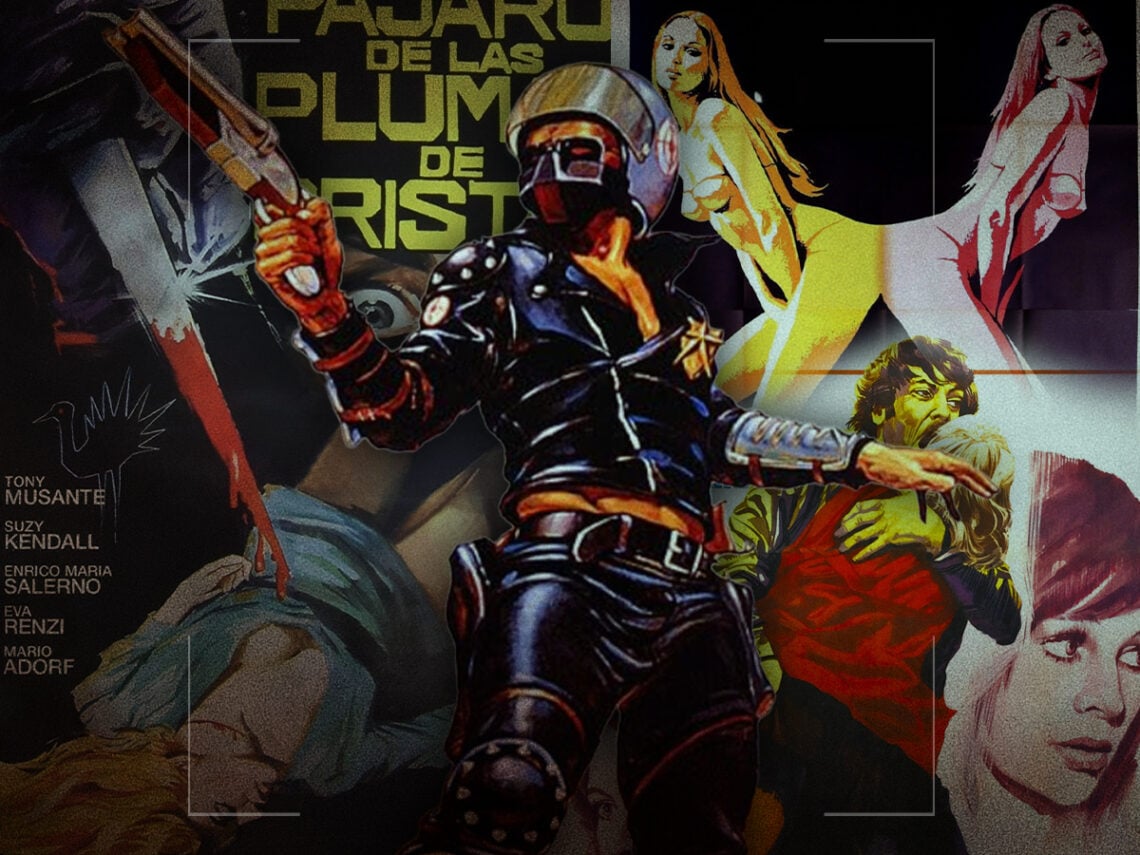
The 10 gnarliest exploitation movies of the 1970s

The 1970s were a fruitful era for edgy, low-budget filmmaking.
When the 1970s are referred to as the greatest decade in cinematic history, it is not just because of the renaissance on the studio level. While there was a successful string of commercial films like The Sting and Rocky that even preceded the blockbuster era of Jaws and Star Wars, the decade also saw a democratisation of filmmaking technology that made low-budget cinema more appealing.
Many of the directors who would go on to shape the next generation of cinema got their start working on exploitation films, which were cheaply made productions that took advantage of their transgressive content. There was a formula that shaped many of these films, but there was also an artfulness that emerged when directors elevated the material to make it something more interesting.
There was a surprising degree of creative freedom that came with these films; directors who could include the necessary content could be wildly inventive and take the sort of risks that they would never have been able to do when meeting studio expectations. Exploitation films emerged as early as the 1960s, but the sun setting on the previously existing Hollywood Production Code allowed for more R-rated, X-rated, and unrated films to be even more potentially controversial.
It is a given that a vast majority of these titles would include some sort of graphically violent moment that was intended to take the audience by surprise. However, they also had the potential to work in social, political, or moral criticisms, which could hit even harder.
The 10 gnarliest 1970s exploitation movies:
‘Black Christmas’ (Bob Clark, 1974)
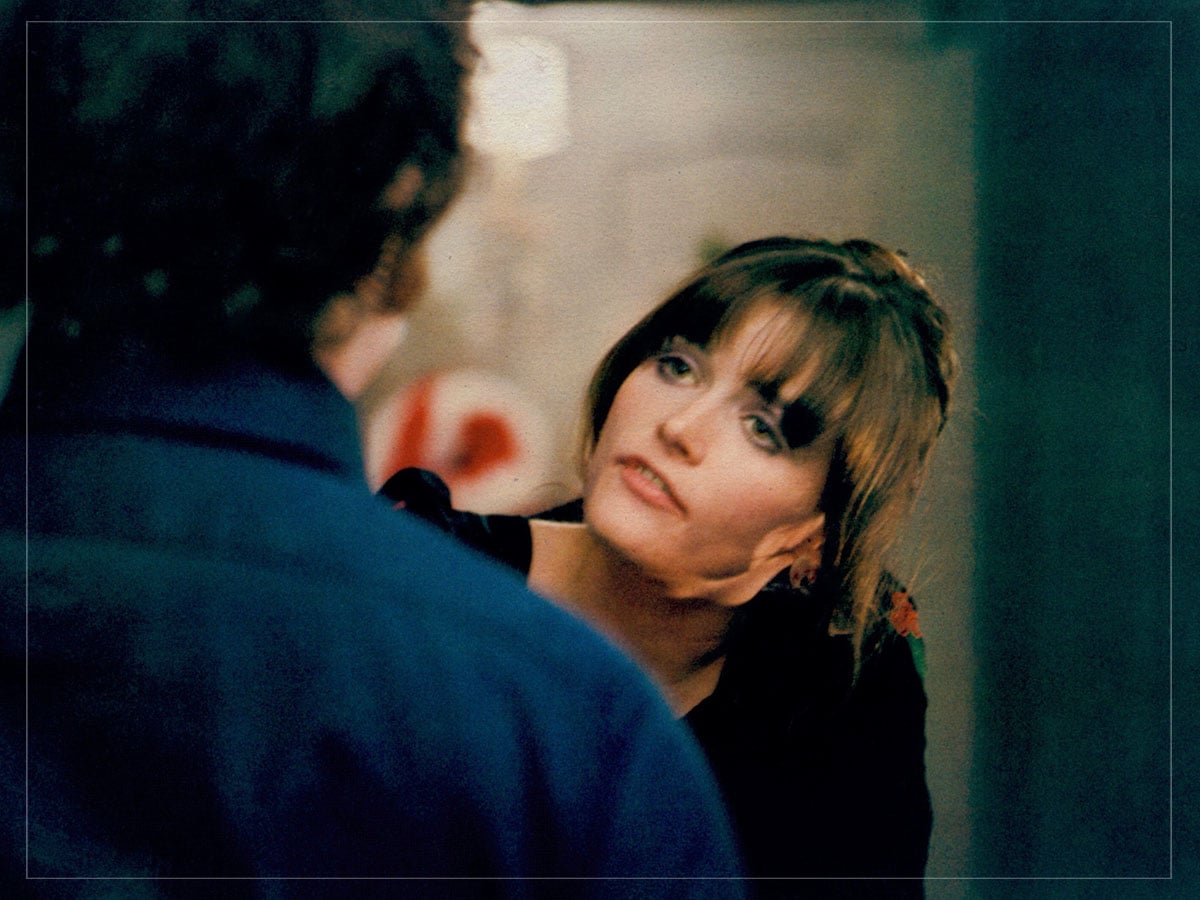
Slasher films grew quite popular towards the end of the ‘70s, but the genre didn’t begin with Halloween. Black Christmas was one of the first examples of a serial killer thriller about a mysterious, masked antagonist, and it felt particularly terrifying during an era where headlines about Ed Gein and Ted Bundy had scandalised the nation.
The film created an archetype for a twisted killer who targets college-age women, and included sexual undertones that made it feel like an even more disturbed takedown of the American nuclear family.
It was a film that stoked genuine fear and featured uncompromising violence, which couldn’t have been more different from the goofier use of gore in the B-movies of the ‘50s and ‘60s. Ironically, it wouldn’t be the last time that director Bob Clark made a holiday classic, as he would direct the family film A Christmas Story a decade later.
‘The Crazies’ (George Romero, 1973)
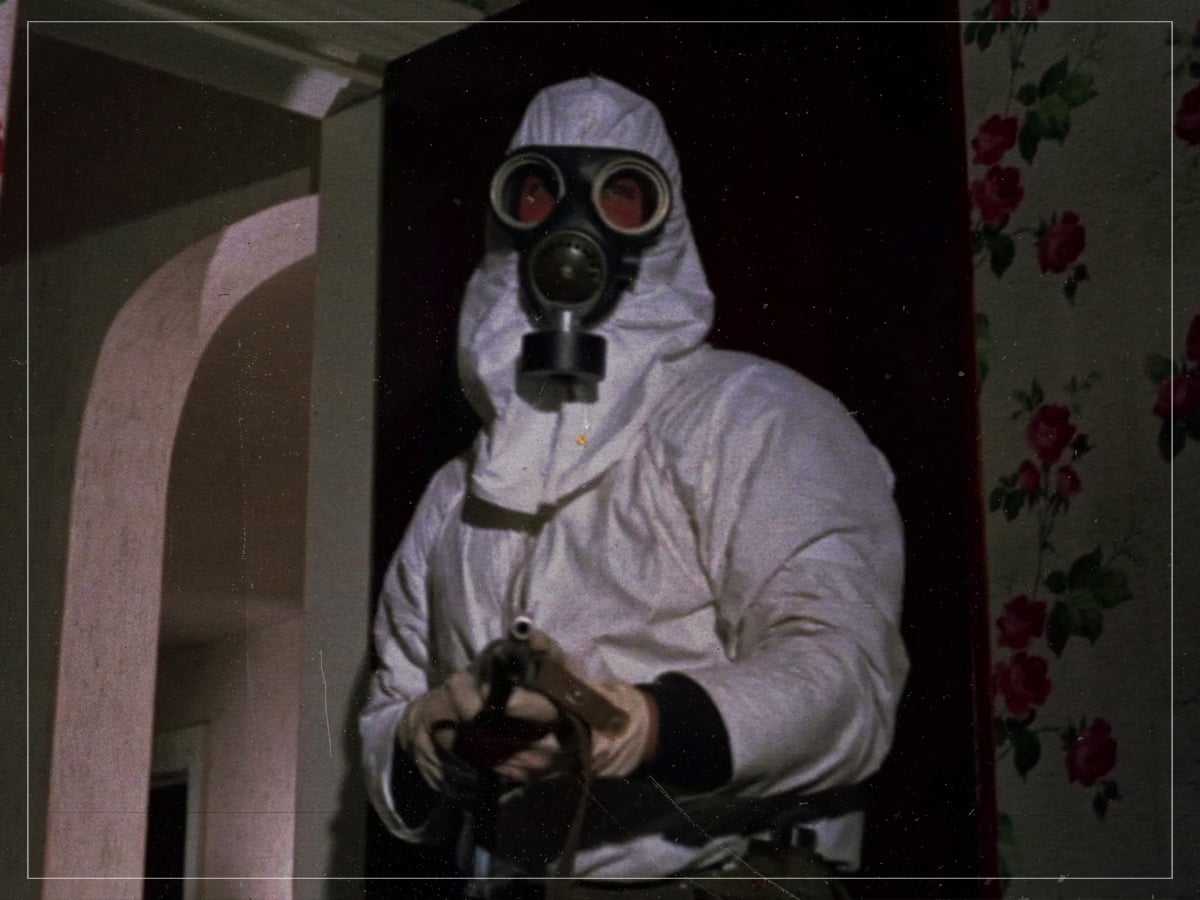
George Romero had already helped to kick off Hollywood’s obsession with zombies thanks to his 1968 classic Night of the Living Dead, but The Crazies took the subtle political satire within his undead premise and made it textual.
The film is set amidst the release of a bioweapon in a small American town that turns its population into homicidal maniacs with carnal instincts, reflecting the terror of government secrets, the mundanity of small-town life, and the ineffective treatment of mental health issues with its cunning portrayal of society on the brink of collapse.
As was the case with Night of the Living Dead, Romero succeeded at bringing emotional authenticity to his high-concept premise because he focused on average characters who saw their reality being corrupted, and it remains one of his most underrated films, thriving as a cult classic after its initial box office failure.
‘Don’t Torture a Duckling’ (Lucio Fulci, 1972)
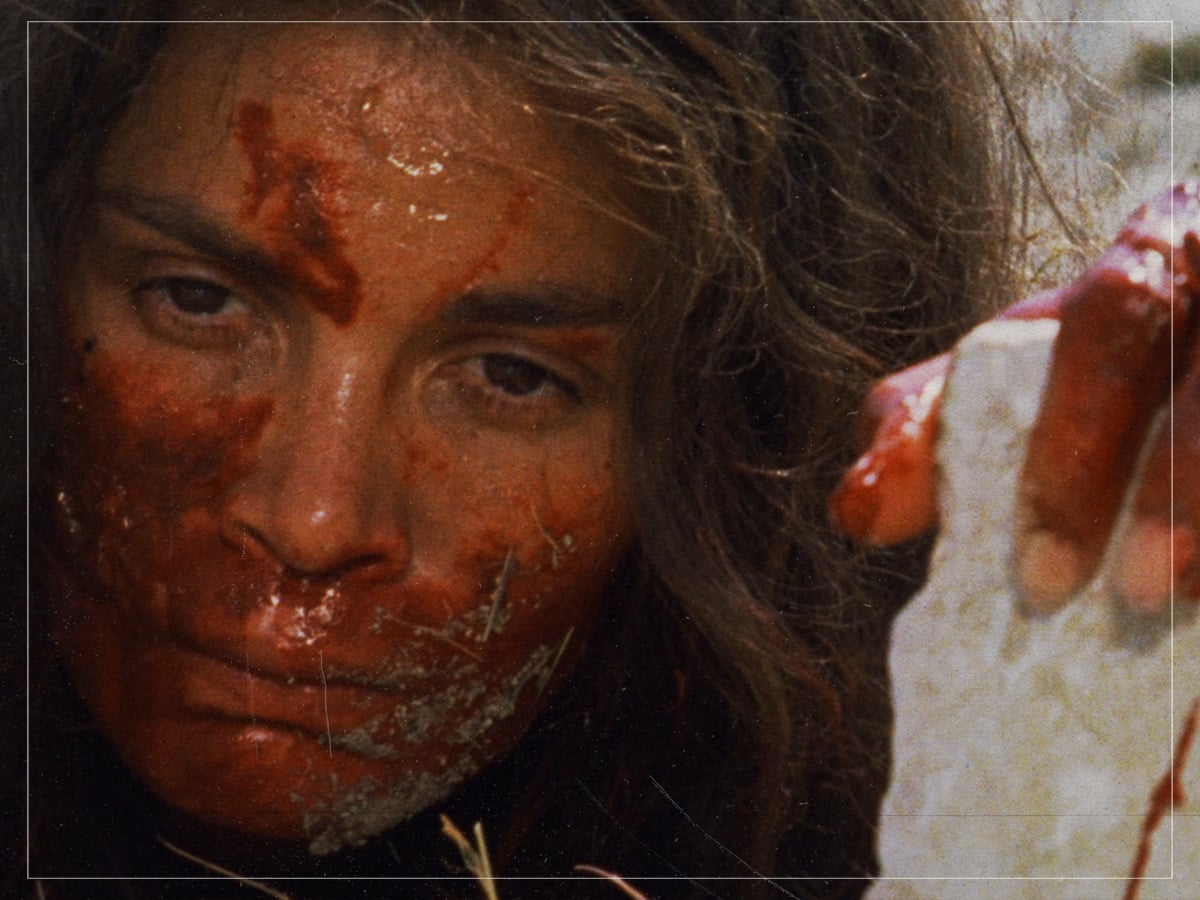
Italian cinema had developed the giallo subgenre of horror films in the ‘70s, and Don’t Torture a Duckling is one of the best entries in the eclectic filmography of Lucio Fulci, who earned the nickname ‘The Godfather of Gore’. Although most slasher films of this era focused on young women in peril, Don’t Torture A Duckling offered a challenging view of masculinity with its story of adolescent boys winding up dead in a small Italian village, causing the community to turn in on itself in a search for the elusive killer.
Don’t Torture A Duckling, like many of Fulci’s films, was particularly gnarly because it features a questionable depiction of the supernatural, as the characters must determine if they are dealing with grounded threats or an all-powerful force of supreme evil. It’s not only one of his most shocking films, but among his best.
‘Joe’ (John Avildsen, 1970)
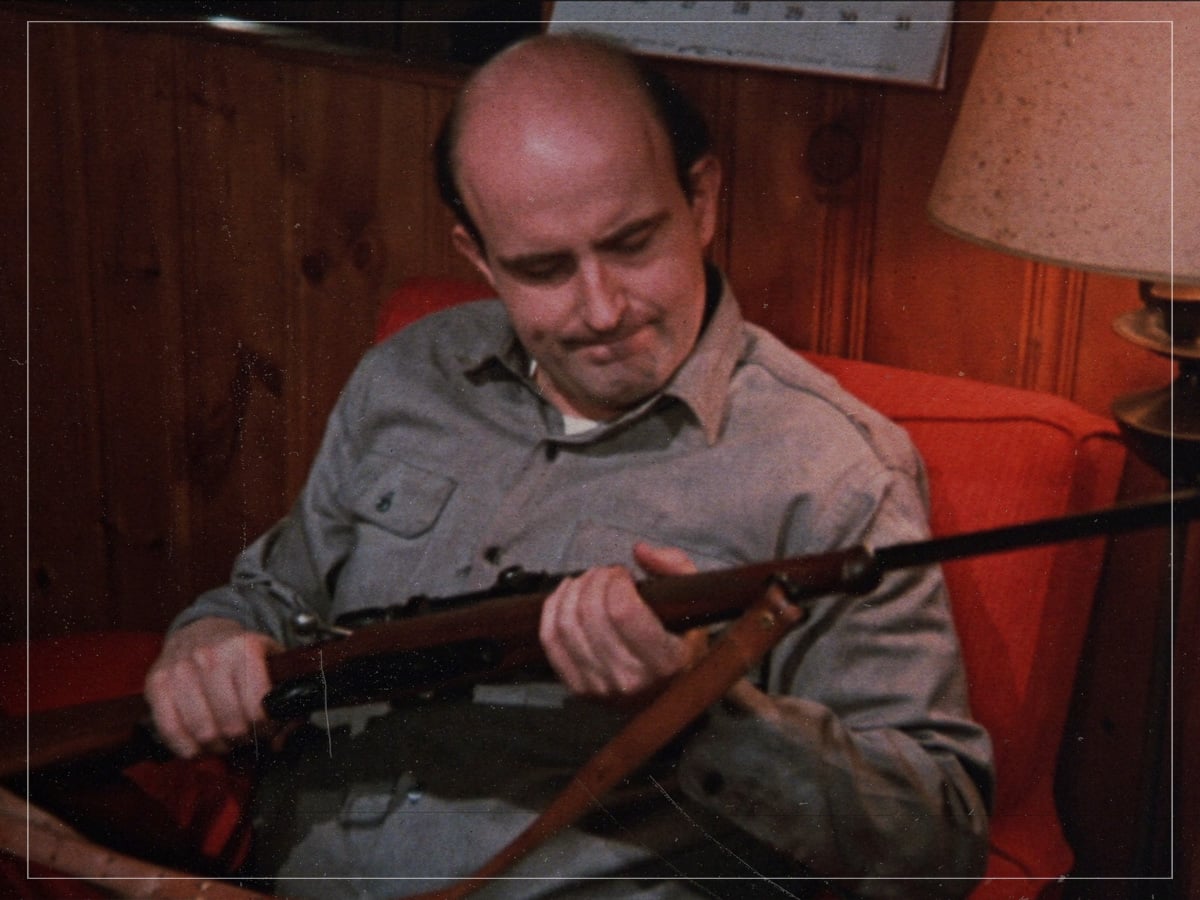
Joe was one of the most controversial and politically-charged films of the decade, as it captured the tension within American communities better than anything else.
Directed by future Oscar-winning filmmaker John Avildsen, it stars Dennis Patrick as a businessman who finds that his daughter, played by Susan Sarandon, has overdosed, leading him to confront and kill her boyfriend, played by Patrick McDermott; it’s in the midst of this crime that he befriends Peter Boyle’s Joe, a factory worker with a similarly dim view of humanity.
Joe offered a scandalous notion that two men on opposite sides of the economic divide could find fellowship within their endorsement of violence, as the film both stoked fears about drug-related crimes and suggested that there was something twisted at the centre of the nuclear family. Few films have ever captured the uncertainty of the moment with such unflinching banality.
‘Boxcar Bertha’ (Martin Scorsese, 1972)
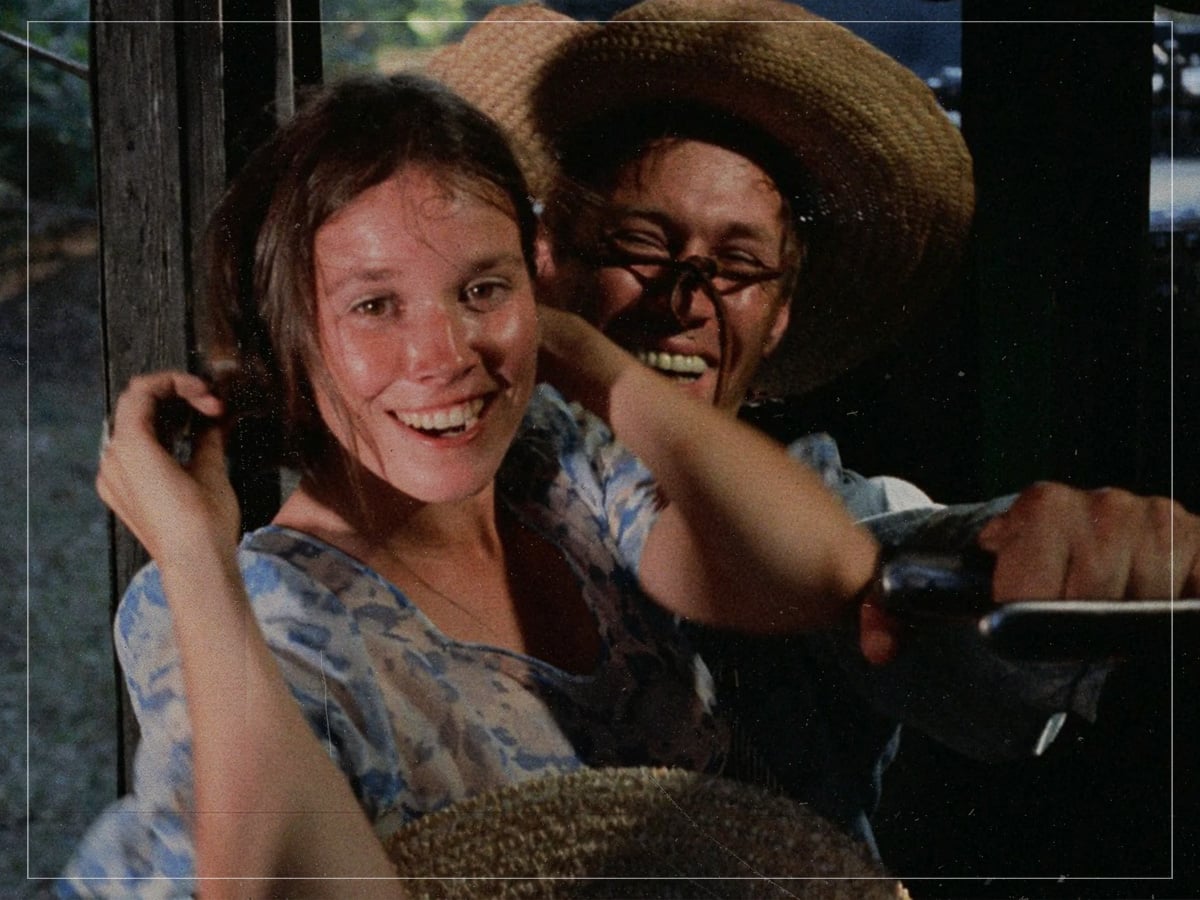
Martin Scorsese had included an X-rated sex scene in his directorial debut, Who’s That Knocking At My Door, in order to sell it as an exploitation film, but he fully embraced the genre in his second feature when Roger Corman hired him to direct Boxcar Bertha. Barbara Hershey played the titular role of a poor Southern girl who falls in love with a union organiser, played by David Carradine, leading them to both go on the run as they are hunted down by the railway company for freighthopping.
Although there is an almost sweet and innocent depiction of romance, Boxcar Bertha was surprisingly graphic in its violence and felt like a particularly dismal depiction of poverty. While it had not been remembered as one of the classics in Scorsese’s résumé, it did give him the skills to push the boundaries of edgy content further when he made Mean Streets a year later.
‘Mad Max’ (George Miller, 1979)
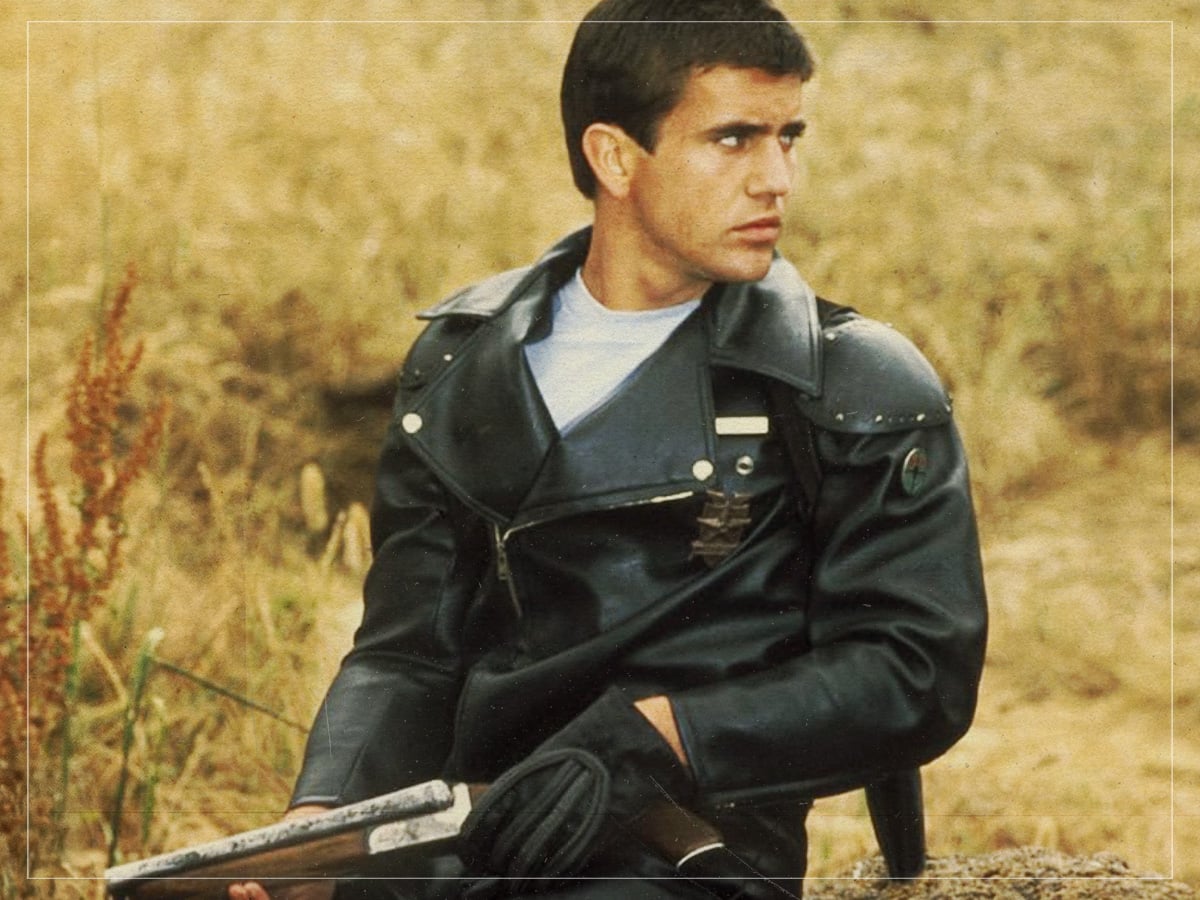
George Miller turned the Mad Max franchise into a massive blockbuster property that was embraced by the Academy Awards, making it easy to forget how humble its origins were. The original Mad Max came out amidst the rise of the Australian New Wave movement, and took a small-scale approach to showing the emergence of an apocalyptic era after biker gangs threaten the peace of a small town.
The subsequent Mad Max films would become epics and chases, but the original film is a revenge thriller where Mel Gibson’s grizzled cop seeks vengeance on the gang members who murdered his wife. Although it contained only a smidgen of the vehicular spectacle that would become the franchise’s defining component, the film was pulpy, nasty, and surprisingly gripping on an emotional level, as few actors can convey grief with more conviction than Gibson.
‘Sisters’ (Brian De Palma, 1972)
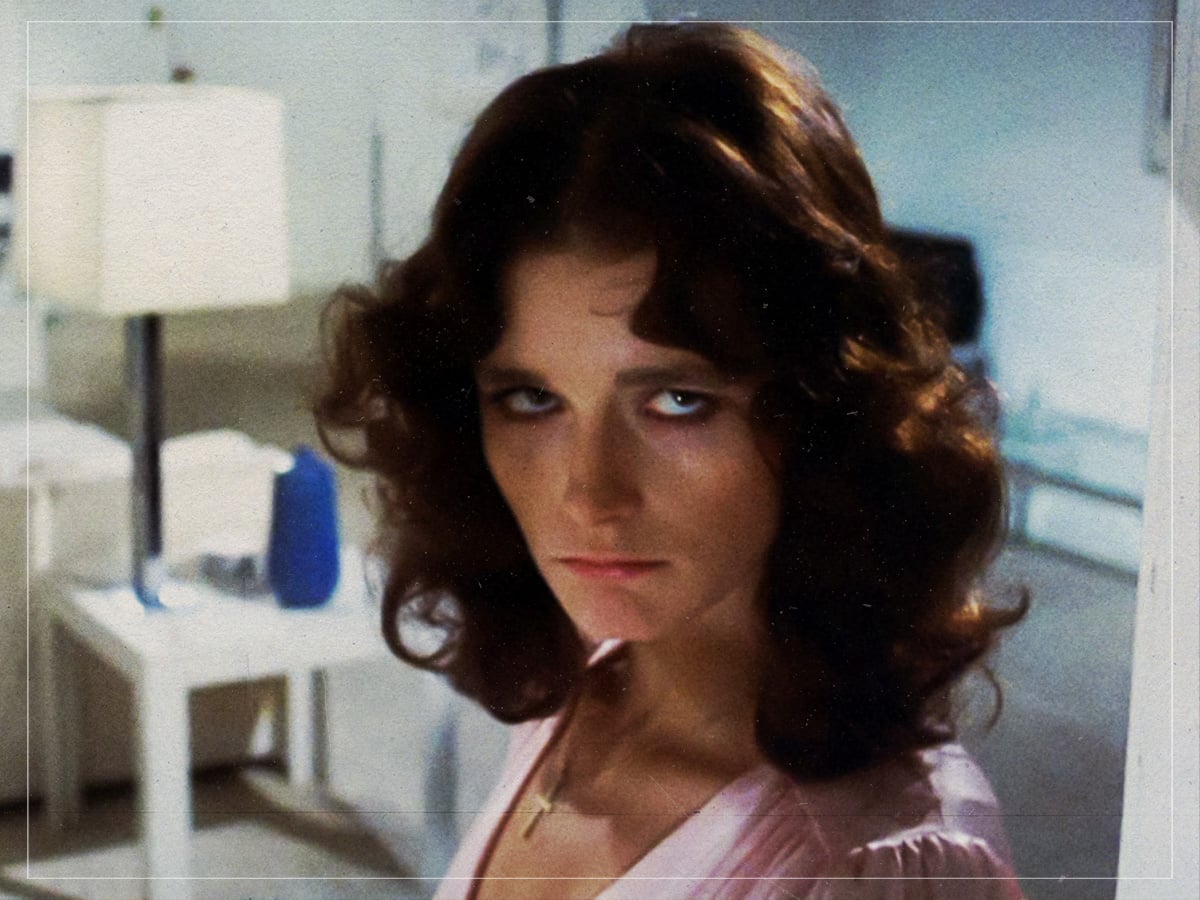
Brian De Palma has always been clear that he was inspired by Alfred Hitchcock, and wanted to take on the same sort of thriller premises, while including the sort of nasty violence that the ‘Master of Suspense’ never would have been able to, due to the restrictions of his time.
Sisters is perhaps the most discreet embodiment of all of De Palma’s interests into a single feature: it has a twisty premise involving secret identities, explores feminine anxiety, deals with controversial depictions of mental health, and finds the right mix of being a neo-noir and a straight-up slasher.
Although it was loosely based on the true story of two Soviet conjoined twins who had been separated, Sisters pushes its premise to the absurd, and is only able to ground itself thanks to the terrific performance from Margot Kidder. De Palma would become more ‘respectable’ when Phantom of the Paradise and Carrie were received as prestige pictures, but Sisters caught him at his most dangerous.
‘The Bird With The Crystal Plumage’ (Dario Argento, 1970)
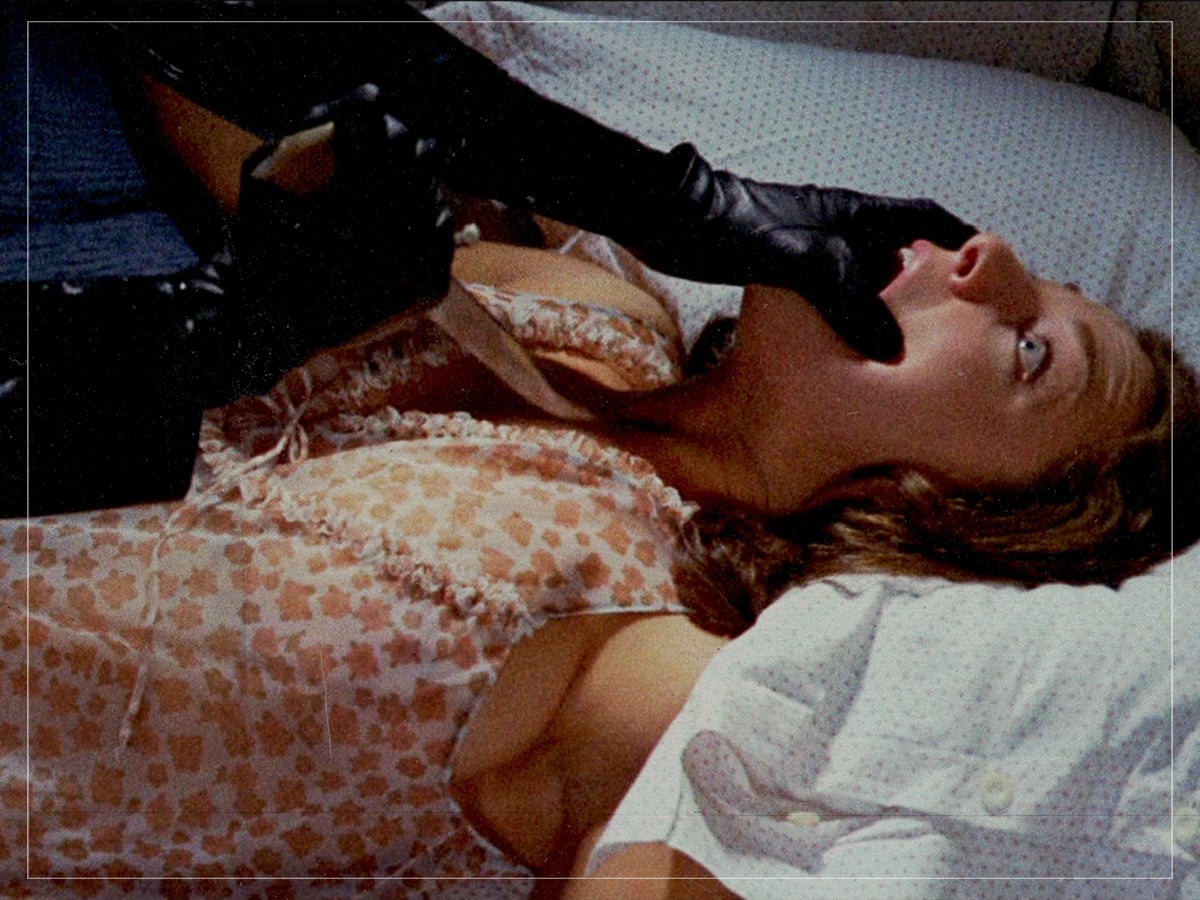
It would be impossible to talk about the exploitation era without mentioning Dario Argento, the Italian ‘Master of Horror’ who generated worldwide interest in the development of the giallo genre. The Bird With the Crystal Plumage was the first in his spiritual ‘Animal trilogy’, which continued the following year with The Cat o’ Nine Tails and Four Flies on Grey Velvet. The Bird With The Crystal Plumage was not only one of Argento’s most effective depictions of psychopathy, but among his most provocative works of avant-garde storytelling.
The film’s opening art gallery murder showed how he could manipulate audience perception through the use of both lurid violence and puzzling mysteries, as he is able to involve them in the desperate pursuit of the serial killer and their secret identity. Although all of Argento’s films contain some degree of black comedy, they’re certainly not for the faint of heart.
‘Don’t Look Now’ (Nicolas Roeg, 1973)
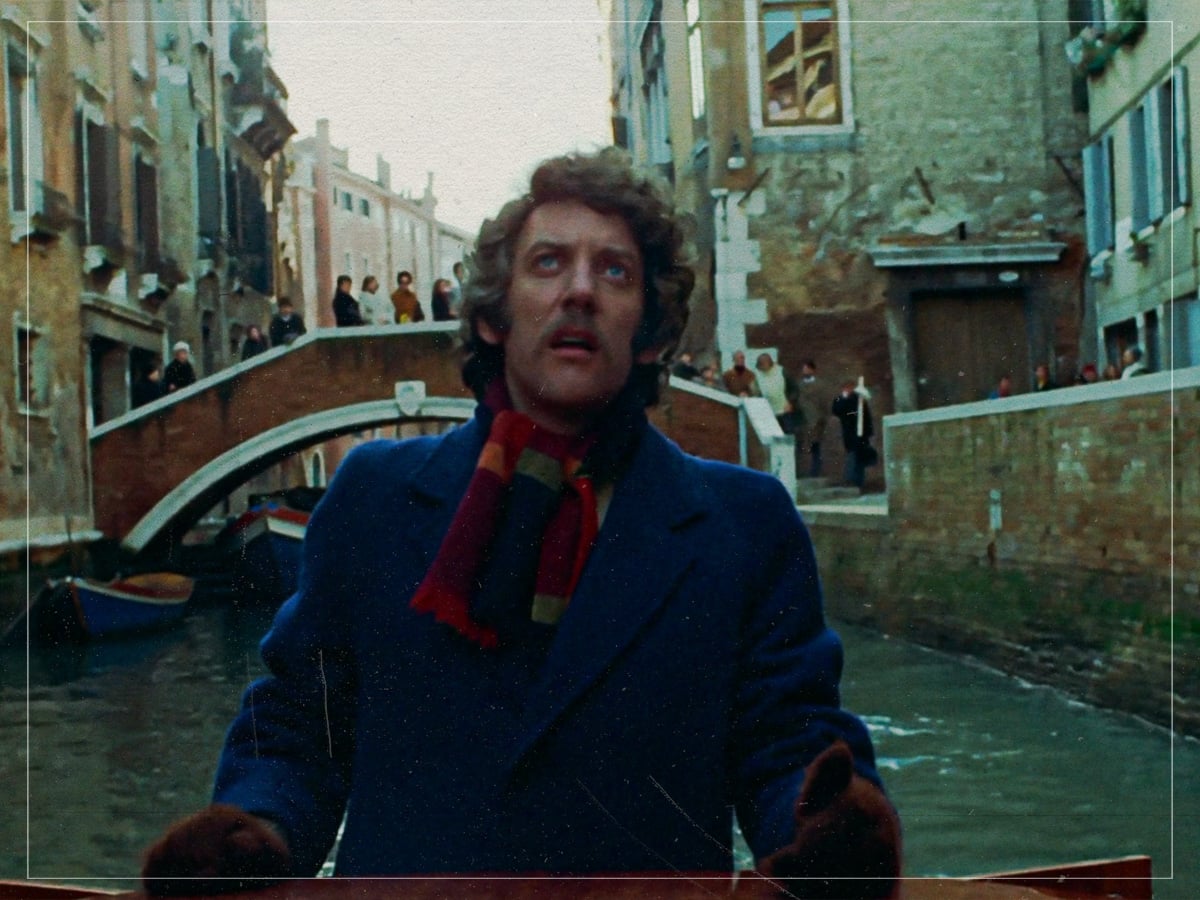
Although exploitation films are often thought of as trashy, superficial B-movies, Nicolas Roeg took the opposite approach with his masterpiece Don’t Look Now. The supernatural horror film starred Julie Christie and Donald Sutherland as grief-stricken parents who take work in Venice after the death of their child, only to be tormented by a mysterious elderly woman who may or may not be related to the occult.
Don’t Look Now is slow and methodical, creating a sense of uneasiness and dread that leads to devastating moments, including what may be the most traumatising scene for any parent to watch. The film is so dizzyingly frightening and emotionally grounded that it almost isn’t even considered to be a work of exploitation, despite its heavy violence, low budget, and a controversial sex scene that has continued to stoke analysis decades after its release.
‘Rolling Thunder’ (John Flynn, 1977)
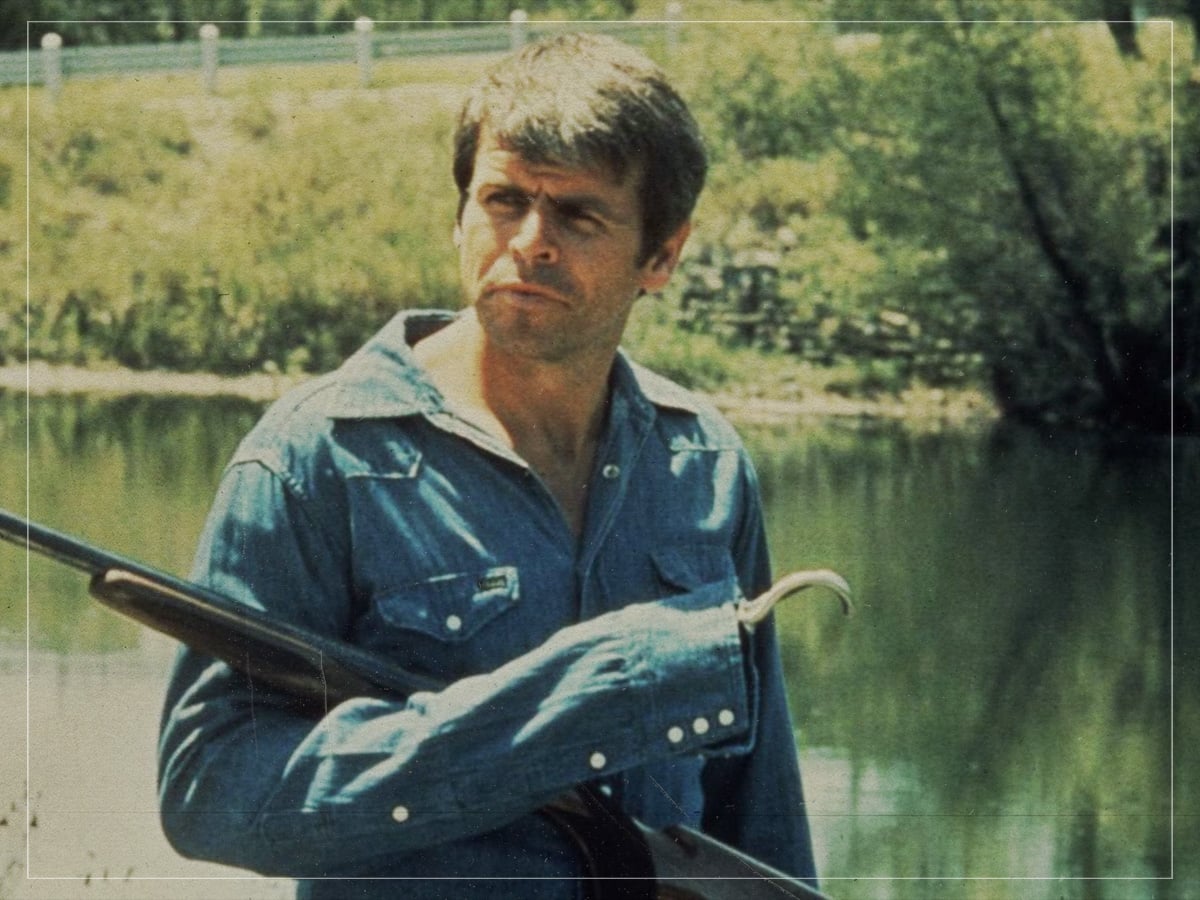
Directed by John Flynn, Rolling Thunder saw screenwriter Paul Schrader use societal fear to craft an airtight revenge premise that exploded into ultra-violence, making audiences squirm. Starring William DeVane as a Vietnam War veteran who witnesses his entire family being murdered, leading him to seek revenge on the thugs by teaming up with a fellow ex-soldier, played by Tommy Lee Jones, the film is the platonic ideal of what an exploitation film could be.
It’s not for the weak of stomach, as there are both ghastly moments of gore (DeVane’s character loses his hand) and the scary notion that not even military heroism could offer protection from the seedy underbelly of the American underworld. It’s been cited as a favourite by Quentin Tarantino, and pushed exploitation cinema into more interesting territory by testing how much violence an audience would be able to tolerate from their heroes if their vengeance was seen as justified.
