


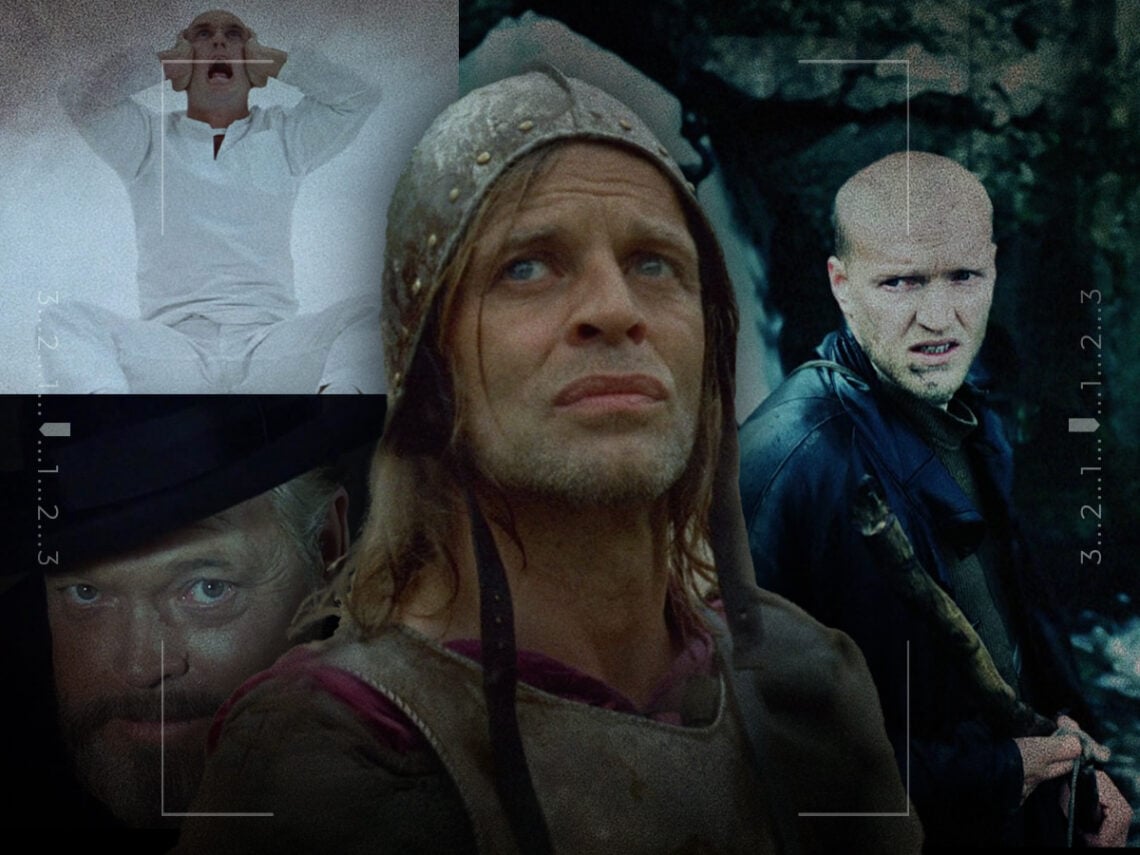
The 10 most eccentric experimental movies of the 1970s

Cinema never got weirder than it was in the 1970s.
When looking at the historical reasons why the ‘70s were considered to be such an important decade in film history, there are multiple factors to consider. The decline of the previously existing ratings board ensured that audiences were more willing to seek out cinema with explicit and confrontational content, especially after the X-rated Midnight Cowboy won the Academy Award for ‘Best Picture’ in 1970.
It was also an era in which international cinema was becoming more broadly accessible, thanks to arthouse cinemas and film festivals, with film students getting the opportunity to draw upon cinema that voiced different perspectives beyond the parameters of Hollywood. It was also the decline of the traditional Hollywood ecosystem, which was buried by the collapse of several high-profile flops in the late ‘60s, that allowed for a new generation of younger filmmakers to have unprecedented power.
‘Experimental cinema’ is not a catch-all term, even if it is most often associated with the surrealist movement. It can refer to any style of filmmaking that pushes boundaries and dares to buck convention, and often involves an artist trying to search for some sort of truth that they feel is personally relevant.
There were certainly ‘70s films that were intent on being provocative, such as Faces of Death and El Topo, and attracted attention because of the controversy they inspired. However, the best of the decade tended to be sincere statements from artists who viewed the world in a completely unique way.
The 10 most eccentric movies from the 1970s
‘Eraserhead’ (David Lynch, 1977)
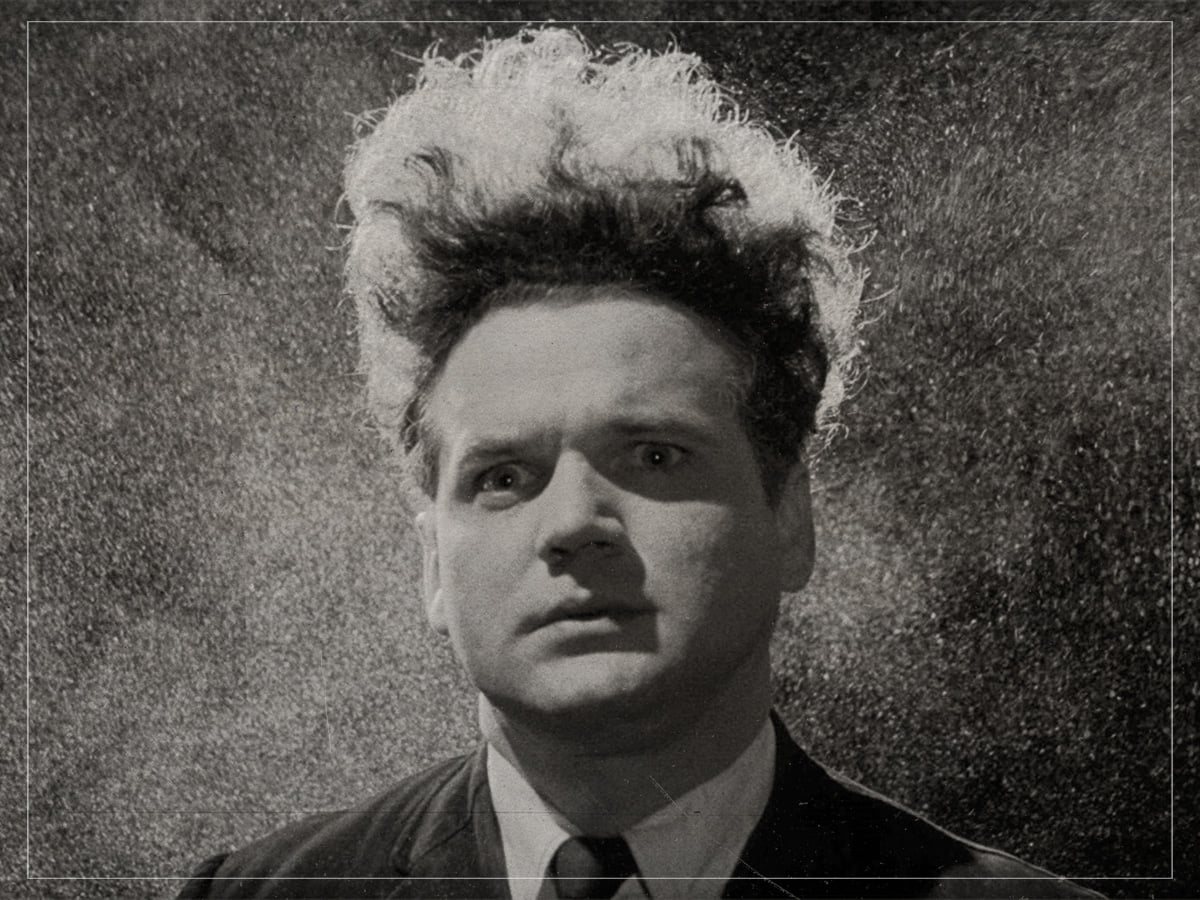
David Lynch is one of the most important experimental filmmakers of all time, and rarely does a directorial debut show so much originality. Eraserhead can be seen as a satire of industrialism, a work of bodily horror, an exploration of male anxiety, and a metaphor for the perils of parenthood, and the differing readings of Lynch’s brilliant filmmaking make it even more worthy of consideration.
The film wasn’t crafted with the self-seriousness that many self-professed ‘arthouse’ films claim to abide by, as Lynch is more than willing to poke at the weirdness of the situation, something made even more effective due to the terrific physical comedy in the performance by Jack Nance. Although the director had already been experimenting with visual art and music during his time as a university student, Eraserhead was the culmination of all of his interests into a complete and standalone package.
‘F for Fake’ (Orson Welles, 1973)
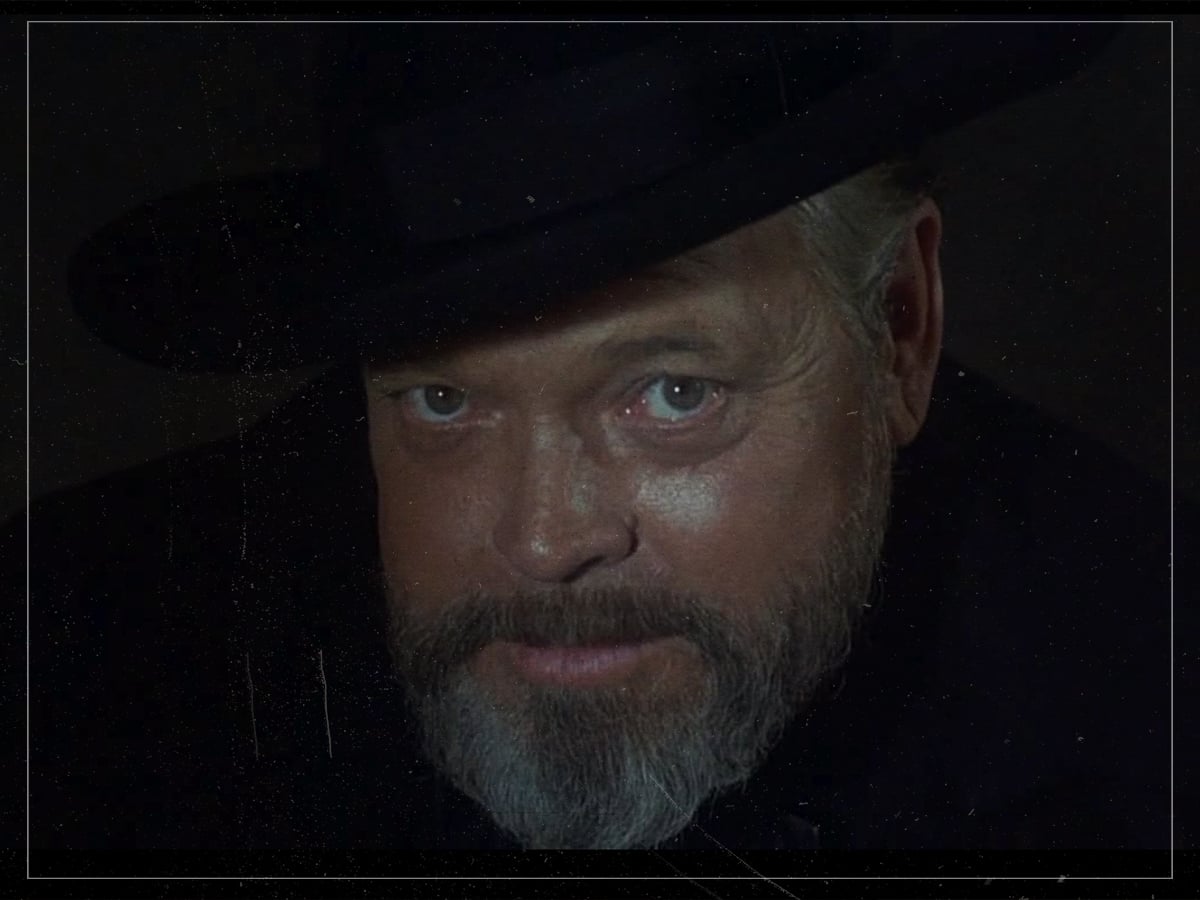
Orson Welles didn’t have the career some may have expected after Citizen Kane, as he went through numerous financial setbacks after refusing to abide by Hollywood rules. F for Fake isn’t just an experimental cross between documentary storytelling and narrative art, but a film that takes advantage of Welles’ inherently compelling screen persona.
It’s within a film about trickery that he distils his identity as a director into that of a personality trait, as he implies that every viewer enters a movie theatre with the expressed purpose of wanting to be deceived. The playful lies, dramatic readings, and visual poetry in F for Fake make for a captivating experience where things don’t add up for a good reason; Welles seems to tip towards providing actual insight to his creative process before revealing it to be yet another ruse.
‘Stalker’ (Andrei Tarkovsky, 1979)
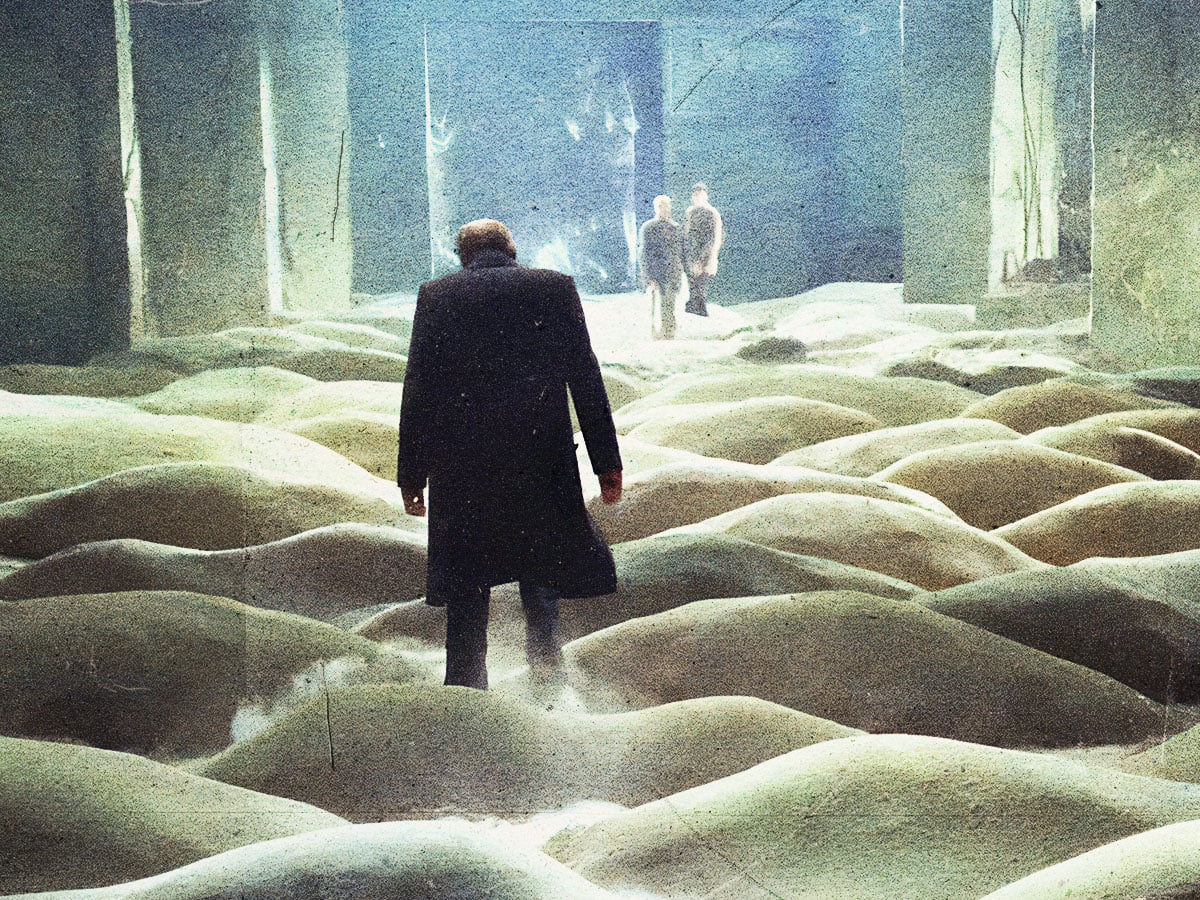
Andrei Tarkovsky made many experimental films in the ‘70s that have been regarded as masterpieces, but Stalker stands out as a brilliant exercise in slow cinema that provided an alternative perspective on how the science fiction genre had evolved. Whether the quest to reach ‘The Zone’, a mythic area that grants true wishes, is intended to be real or metaphorical, Stalker paints an impactful portrayal of mankind’s resilience and quest for answers, regardless of what the results are. It stands out among Tarkovsky’s best works because it involves the audience in its themes.
The film questions whether the journey will be more powerful than the destination, which is something that the viewers will have to confront as they reach the conclusion of Tarkovsky’s nearly three-hour epic. Beyond its dense subtext, Stalker is uniquely staged, and one of the rare films where the phrase ‘every frame is a painting’ actually applies.
‘Jeanne Dielman, 23, quai du Commerce, 1080 Bruxelles’ (Chantal Akerman, 1975)
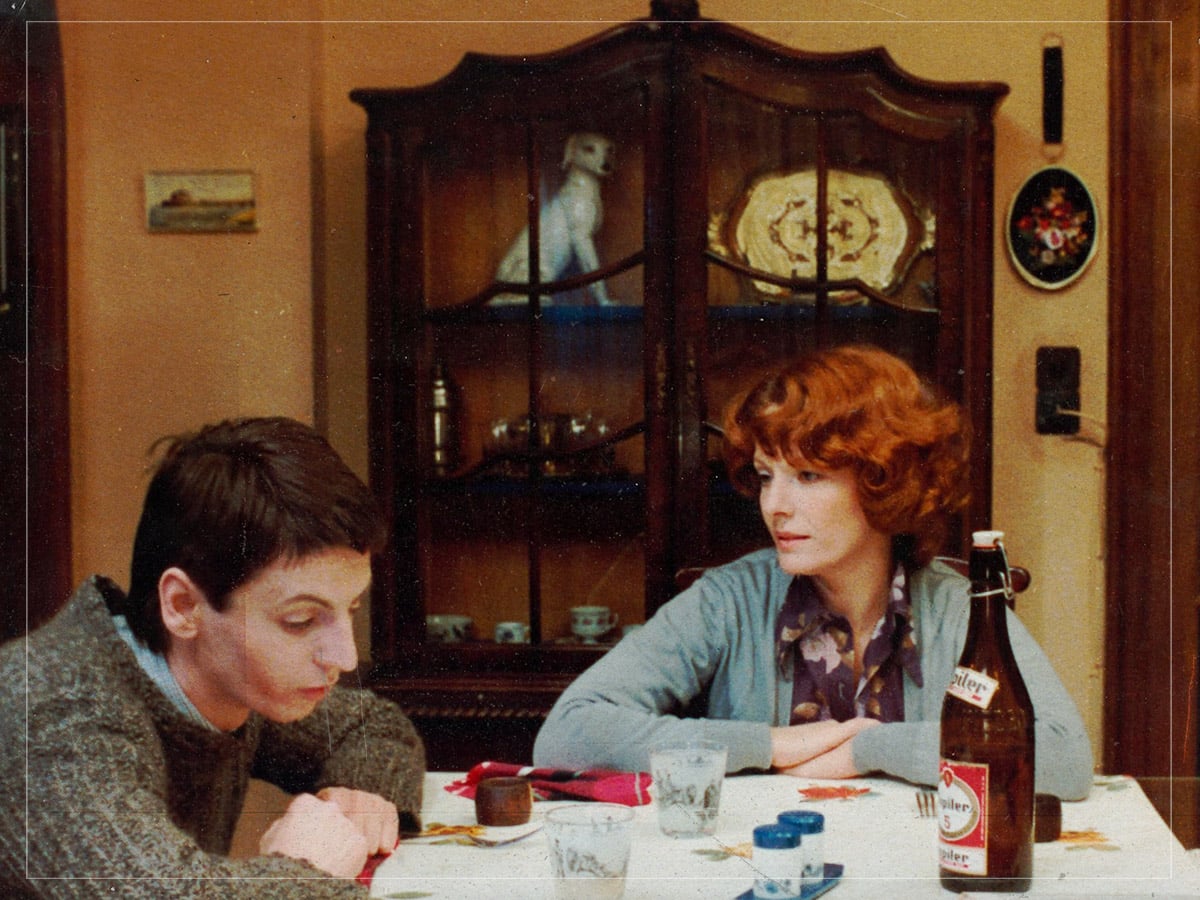
Chantal Akerman made a groundbreaking film with her directorial debut Jeanne Dielman, 23 Commerce Quay, 1080 Brussels, which was voted as one of the greatest films of all time in 2022’s edition of Sight & Sound. While this might have been an attempt to subvert the male-dominated list that had been topped by Vertigo, Tokyo Story, and Citizen Kane in the past, Jeanne Dielman isn’t a film that can ever be replicated because of Akerman’s tight focus on a specific approach.
The film is centred on the titular character, played by Delphine Seyrig, during a static three days in which she experiences the mundanity of domestic life and reflects upon being a young widow. It’s an absorbing experience that lasts for over three hours, forcing the audience to actually sit with the uncomfortability of real life and consider how far their empathy is able to be extended.
‘Jubilee’ (Derek Jarman,1978)
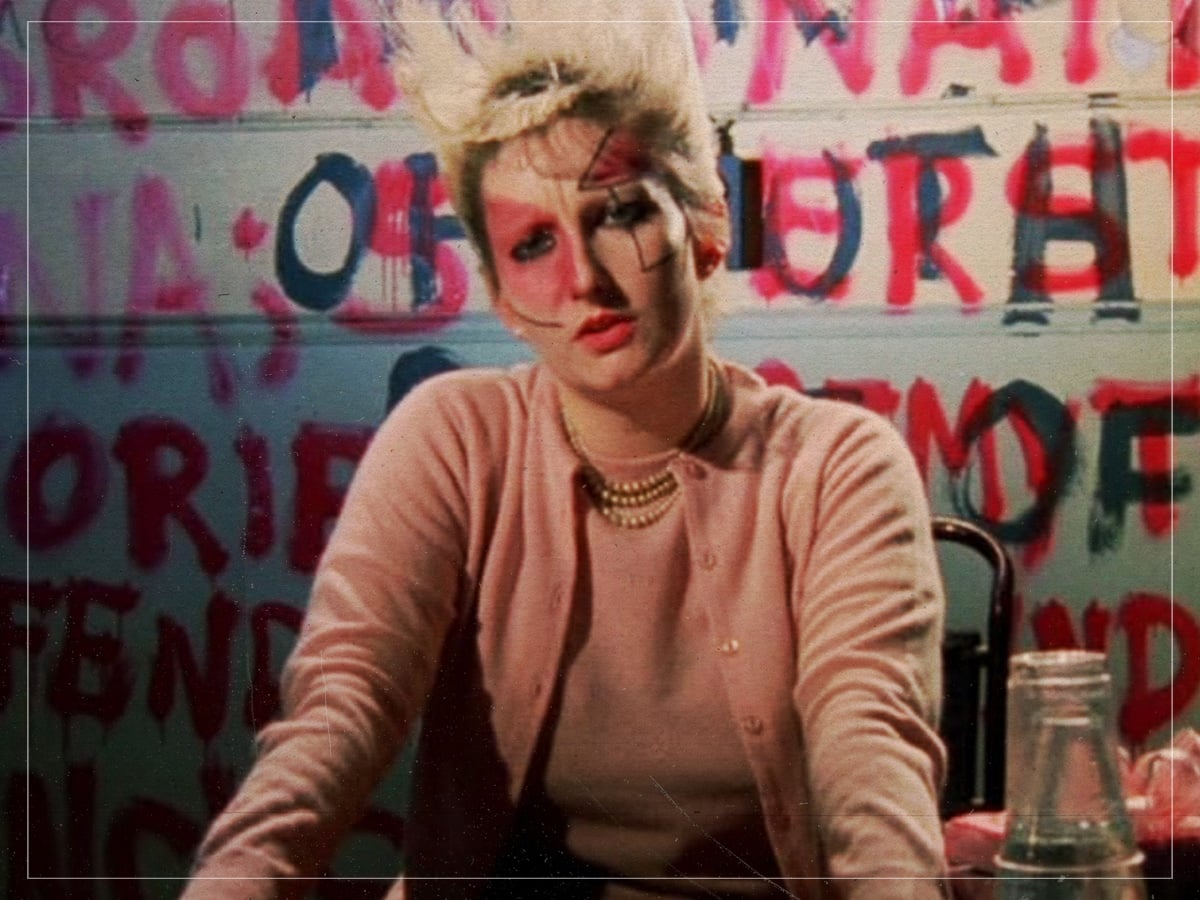
Derek Jarman has always taken a sly approach to his loaded political commentary, and Jubilee is a bizarre and frequently hilarious deconstruction of contemporary Britain. The time travel story involves Queen Elizabeth I, played by Jenny Runacre, being transported into the present day, where the nation has been overrun by nihilists, punks, and anarchists, leading to an attempted revolution that involves the current Queen Elizabeth II.
Released just one year after the actual silver jubilee of Great Britain’s monarch, Jubilee was a startlingly insightful look at the existence of a country’s ideological priorities being placed within the cold light of its reality. Although it was hardly the first British film to reflect upon the redundancy and insignificance of the Royal Family, it did find a creative way to use historical figures as representatives of antiquated values that are out of touch with reality.
‘Fantastic Planet’ (René Laloux, 1973)
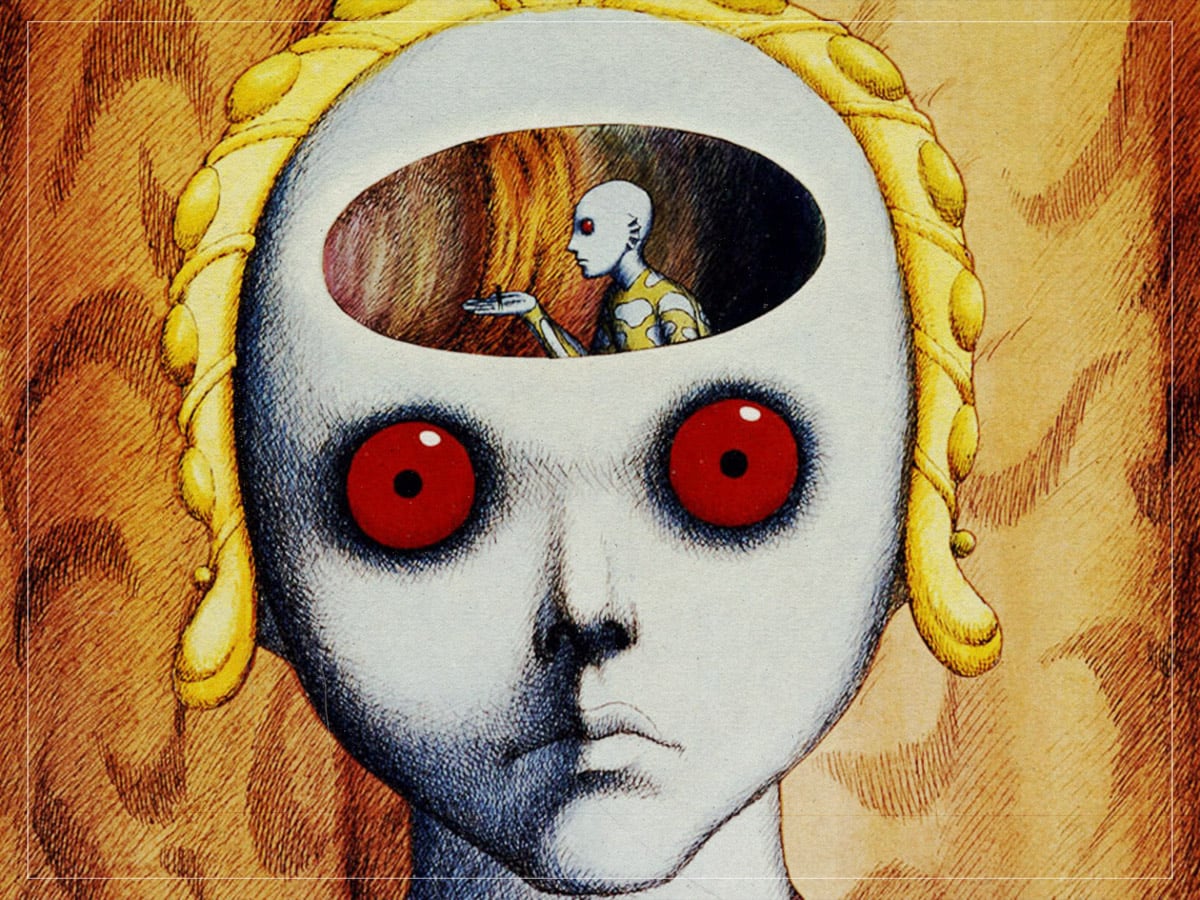
Animation is often a medium in which the most experimentation can be handled, given that there is literally no limit to what can be depicted other than the filmmaker’s imagination. The ‘70s marked a somewhat less creatively successful period for American studio animated films, but the French masterpiece Fantastic Planet offered a new perspective on science fiction that explored a post-human story with a dizzying array of sound, music, and visuals.
Fantastic Planet isn’t a conventional narrative, but it isn’t the type of profane, controversial ‘adult animation’ making up other films of the decade, such as the X-rated Fritz the Cat. Fantastic Planet is bold enough thanks to its choice of style, but its insights on sociology, anthropology, and society at large have made it a profound work of nuanced filmmaking that has allowed it to hold up just as well today.
‘THX-1138’ (George Lucas, 1973)
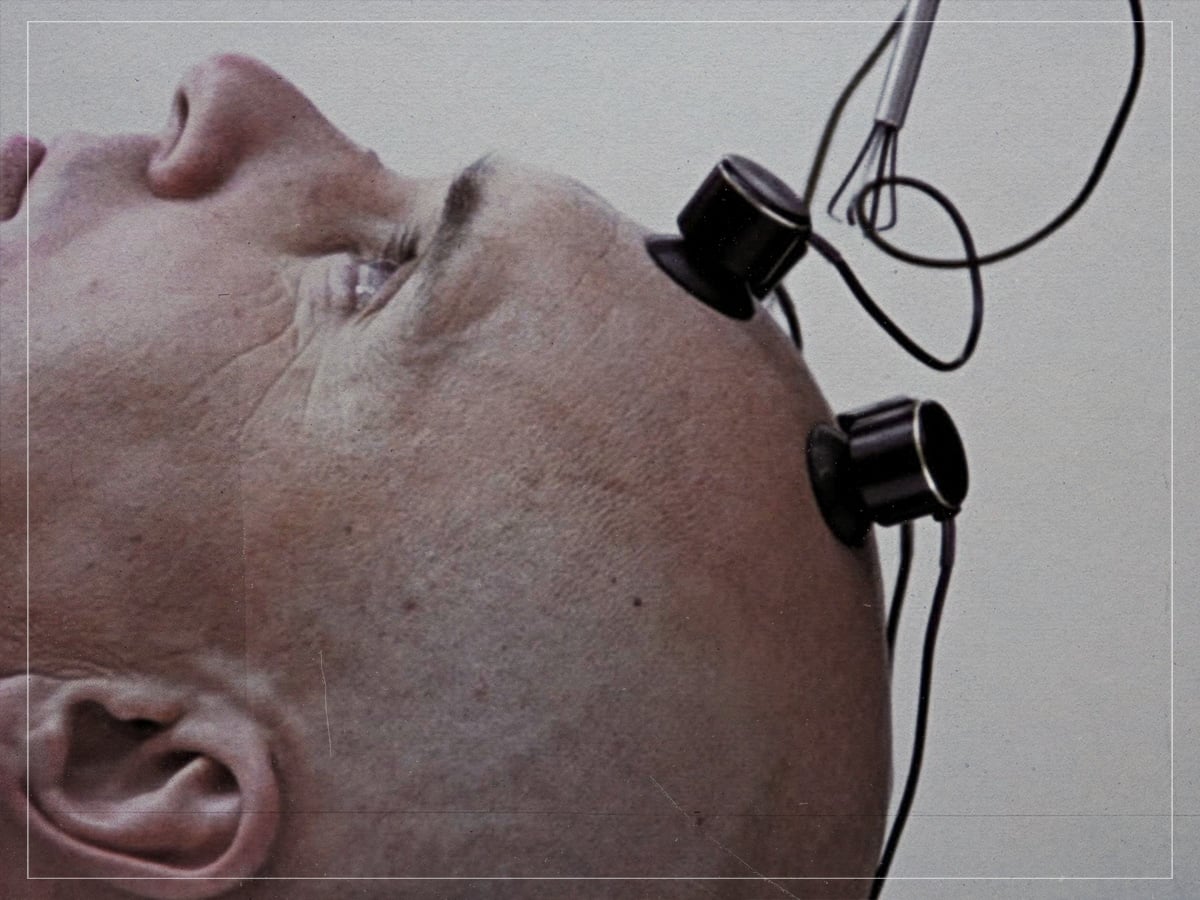
George Lucas was a film student with an interest in Soviet cinema, expressionism, and avant-garde storytelling long before he created the Star Wars franchise and dedicated nearly his entire career to the creation and preservation of his company, Lucasfilm. THX-1138 was based on Lucas’ award-winning 15-minute student short film, which turned him into a recognisable name within the industry, and was set within a totalitarian police state future where emotions and sexual relations were disbanded.
Lucas explored how the rise of militarism, nationalism, and social conservatism would lead to a scenario in which freedom of expression was destroyed entirely, and created an eye-popping work of terror about what it would be like to view the world in black-and-white. Although audiences rebelled against a film that seemed so opposed to traditional entertainment value, the fact that Lucas was able to weave a human story within his visceral masterclass might be the most impressive factor of THX-1138.
‘Aguirre, the Wrath of God’ (Werner Herzog, 1977)
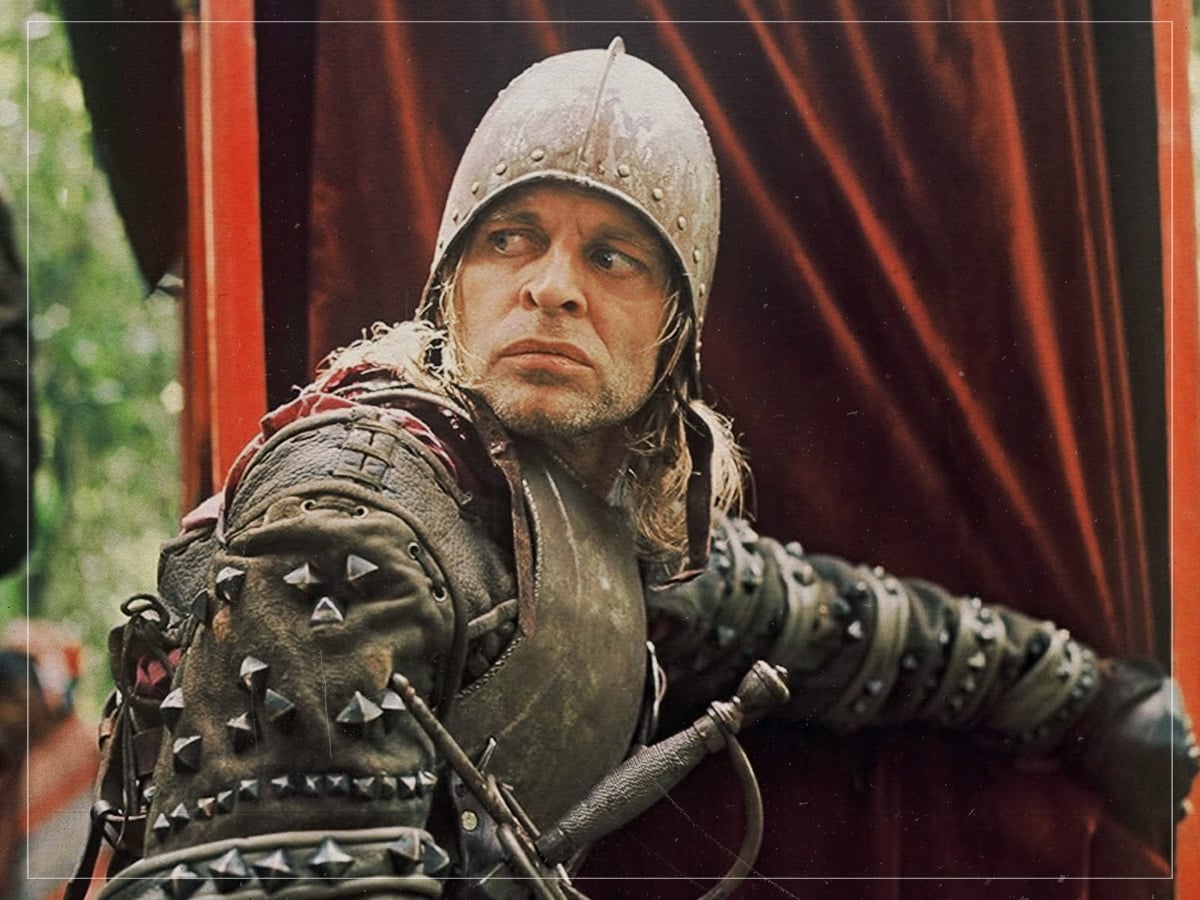
Werner Herzog excels at both narrative and documentary filmmaking, which always makes it fascinating when he is able to merge the two, such as in Aguirre, the Wrath of God, which is the story of conquistadors facing difficult survival conditions when exploring the Americas, but it was not structured like a classical Hollywood epic.
Herzog instead took a cinéma vérité approach to create a claustrophobic, intimate look at the route to madness, often using handheld camerawork for a more documentary-like appearance than a traditional narrative. It marked another instance in which he created an atmosphere of authenticity on set that made the result even more powerful, which meant that he actually pushed Klaus Kinski to the very edge, making his infuriated, unpredictable performance feel similar to the actual rage felt by these troubled explorers.
‘Picnic at Hanging Rock’ (Peter Weir, 1975)
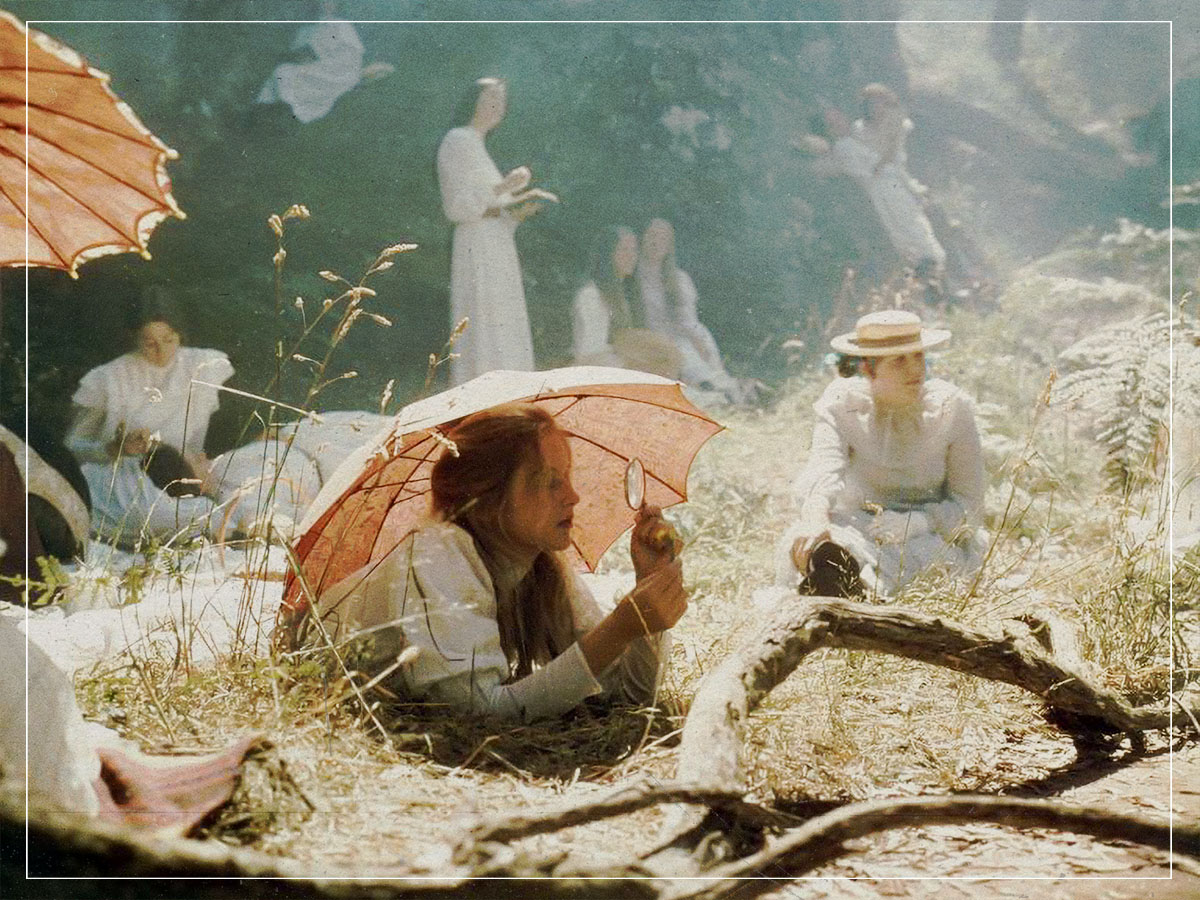
Peter Weir would later become one of Hollywood’s most reliable journeymen filmmakers, but he began his career during the rise of the Australian New Wave and its experimental leaning, and one of his defining works is Picnic at Hanging Rock. The film, based on the novel of the same name, recounts how several young schoolgirls went missing during a private school outing, and how the community responded to the shocking mystery, offering no definitive answers and forcing viewers to sit in discomfort while the suspense heightens.
It is a commentary on the idolisation of youth, particularly among women, as well as how society is wholly unprepared to give them autonomy, while also exploring how the search for justice often undermines the capacity for empathy, and although it’s one of the most influential Australian films ever, Picnic at Hanging Rock still feels like an anomaly.
‘The Bird with the Crystal Plumage’ (Dario Argento, 1970)
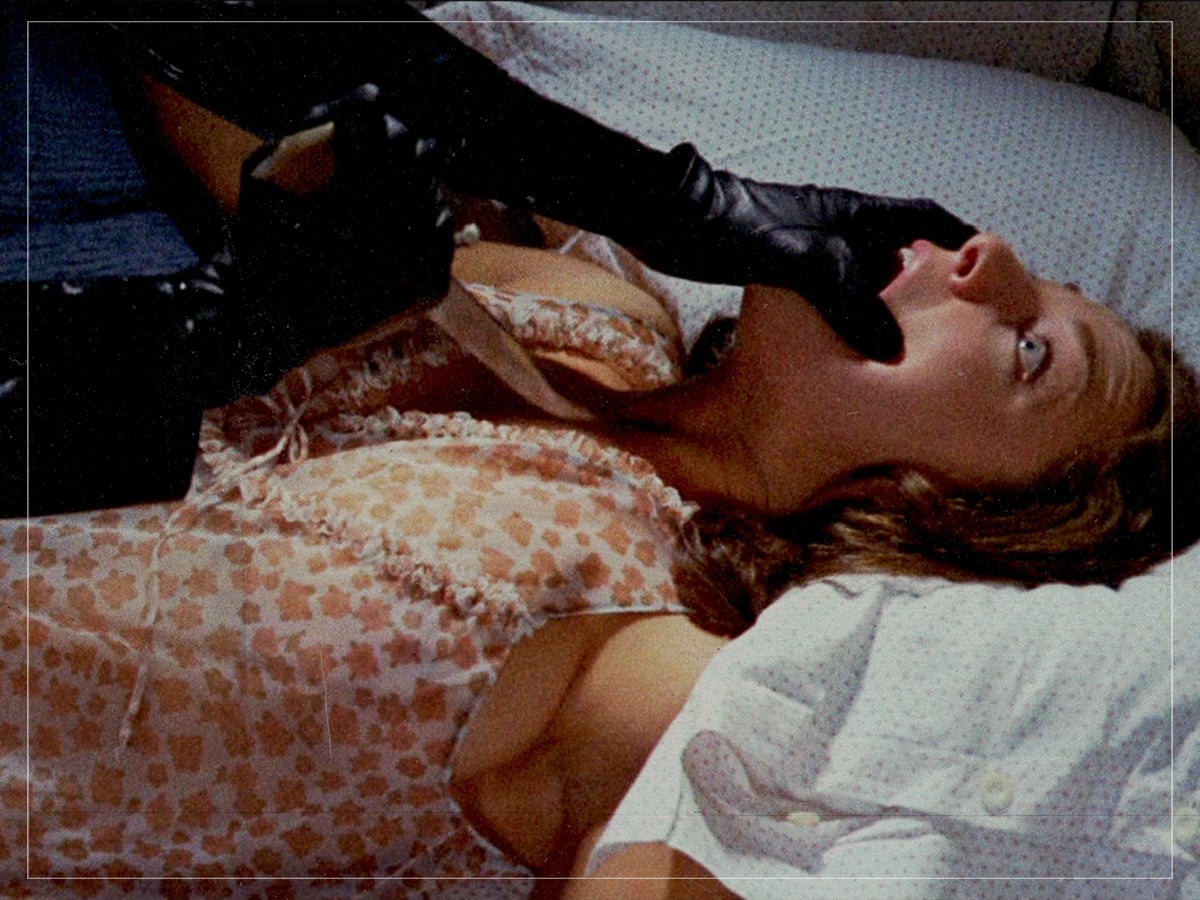
It’s easy to forget that Dario Argento was once considered to be one of Italy’s finest filmmakers before he turned into a self-parody with his excessive and tiresome attempts to recapture the initial genius of his early work. The Bird with the Crystal Plumage is a particularly strange exercise that solidified his status as the foremost director of giallo cinema, and while later films like Tenebrae and Suspiria might have been more accomplished emotionally, the former created a new language of hyperviolent expressionism in which there was an art to the brutality.
That Argento seemed to indulge in morbid themes might have earned him initial criticism, but The Bird with the Crystal Plumage was ahead of its time as a serial killer film, as it even preceded the release of Tobe Hooper’s The Texas Chain Saw Massacre.
