


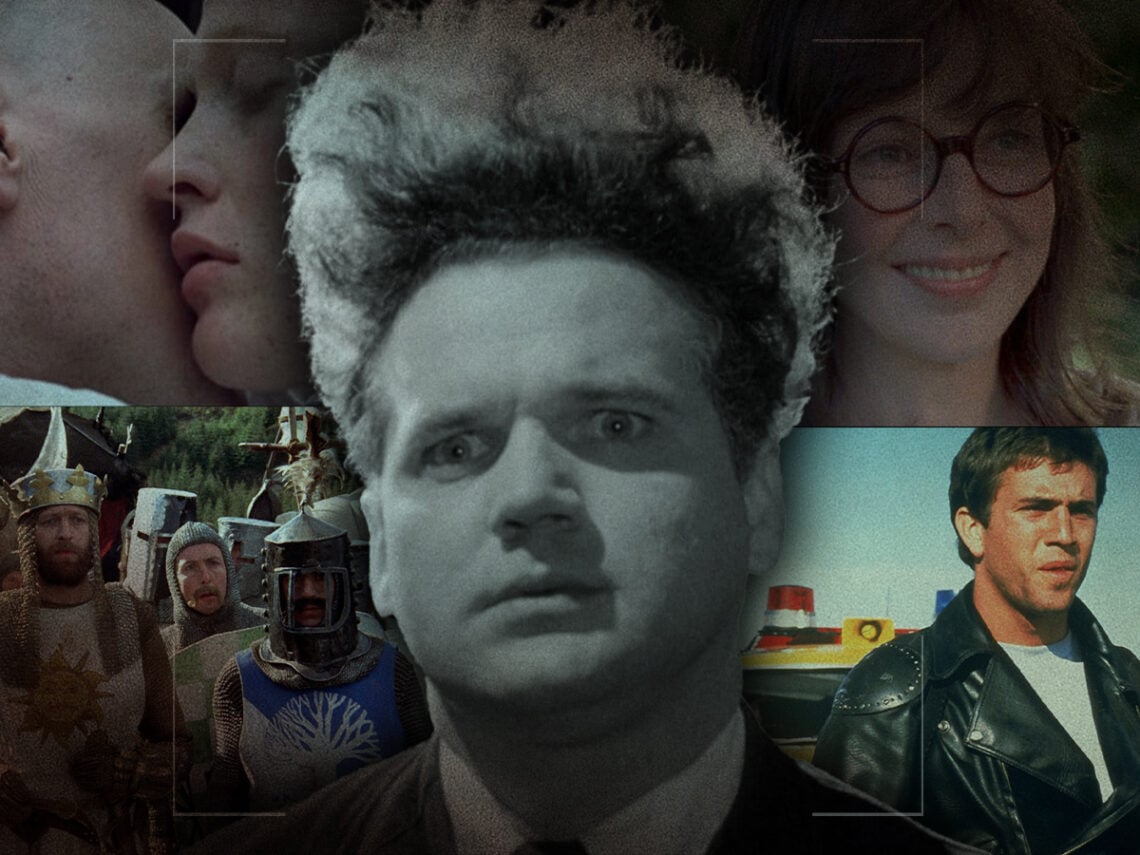
The 10 best debut movies of the 1970s

The 1970s were one of the most significant decades for new directors.
There’s a risk of over-mythologising the importance of a single decade, but the ‘70s were an era where American cinema was at its finest, and saw a rare convergence between popular opinion and critical sentiment.
There are certain directors who are regarded as being the most dominant within this ten-year span, but most of them made their first film in the decade prior; Martin Scorsese, William Friedkin, Francis Ford Coppola, Woody Allen, and Michael Ritchie were already in their second decade of filmmaking by the time that the New Hollywood era began in earnest.
Not every great director has an extraordinary debut, as it’s often a chance for an emerging artist to test their abilities before being given more resources to make their follow-up, such as Dark Star, which is one of John Carpenter’s weakest films. However, it showed the innovation he was capable of on a low budget, preparing him for the years that followed to smash it out of the park with Assault on Precinct 13 and Halloween.
There are also a number of debut films made by all-time great directors that are simply not very good, such as Hal Ashby’s The Landlord, Ivan Reitman’s Foxy Lady, Curtis Hanson’s Sweet Kill, Jonathan Demme’s Caged Heat, and Oliver Stone’s Seizure, which are only worth watching for die-hard fans of their work. A great debut doesn’t prove that a director’s career will live up to that premise, but it may serve as an indication of what they are capable of in the years to come.
The 10 best debut films from the 1970s
‘A New Leaf’ (Elaine May, 1971)
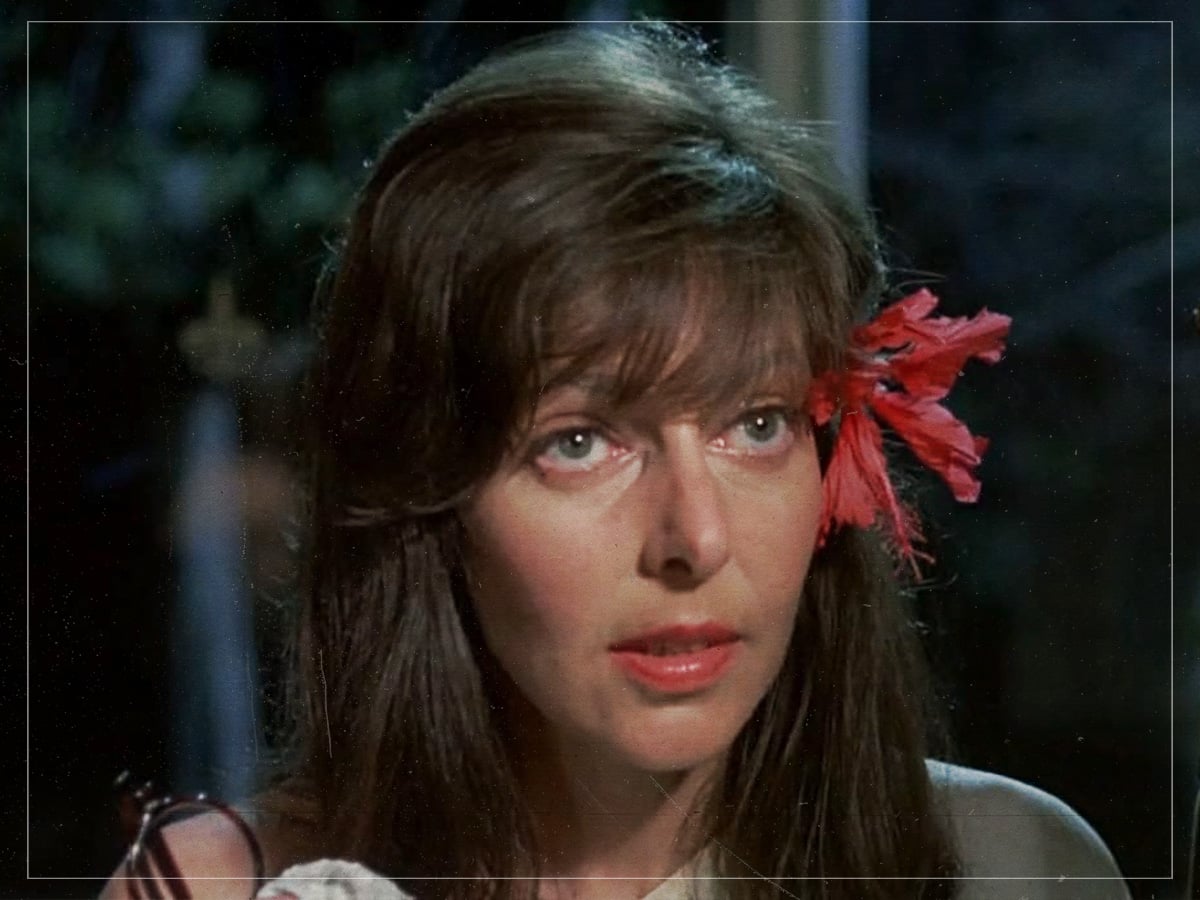
Elaine May was already an established icon of comedy who had toured as a stand-up with Mike Nichols before she stepped into feature filmmaking with A New Leaf, which saw Walter Matthau give one of his best performances as an embittered, lonely playboy who tries to marry a wealthy woman to steal her fortune, and while May tested many female leads for the role, the studio later pushed her to accept the part for herself.
May’s filmmaking would grow more complex in the years to come, but A New Leaf showed a remarkable amount of confidence, as it was willing to get into black humour and taboo subjects whilst still keeping a relatively light tone. Its brilliance is only another reminder of how unfortunate her unsubstantiated career was, as after Ishtar became a legendary disaster, she was placed in ‘director’s jail’ and was never able to make another film.
‘Play Misty For Me’ (Clint Eastwood, 1971)
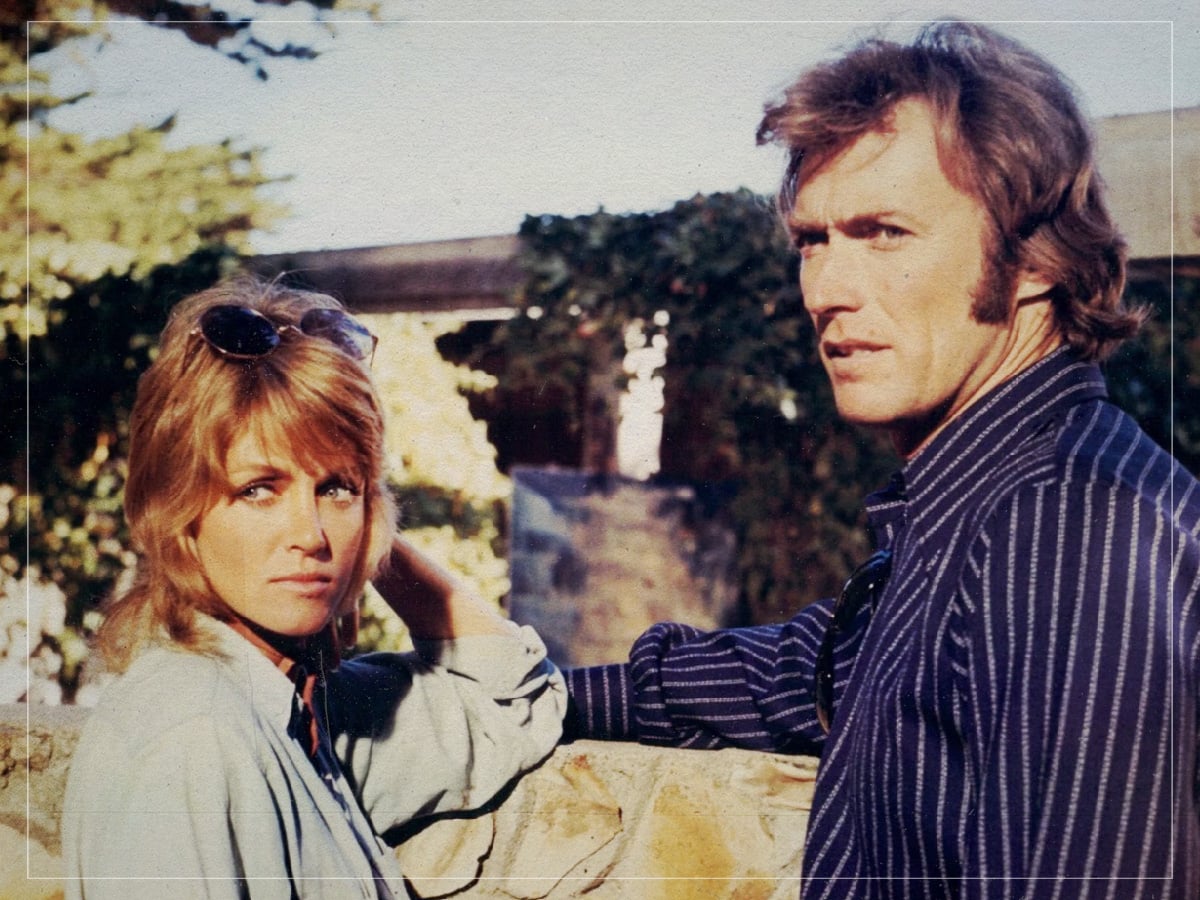
Clint Eastwood would become known for making westerns, war epics, and historical dramas over the course of his legendary career, but Play Misty For Me was an unusual debut that saw him dip his toes into psychological thriller territory. Eastwood has always had a good eye for casting himself, and he makes an interesting choice in Play Misty For Me to play a charismatic radio DJ who becomes the obsession of a dangerous fan, played by Jessica Walter in a rare dramatic role.
While Walter would become best known for comedic parts in Arrested Development and Archer, she’s terrific in a role that is simultaneously darkly hilarious and terrifying. Even though Eastwood has a reputation for being a fairly ‘old-fashioned’ filmmaker who tells fairly straightforward stories, Play Misty For Me tells a compelling story about the cult of toxic fandom that couldn’t be more relevant today.
‘Duel’ (Steven Spielberg, 1971)
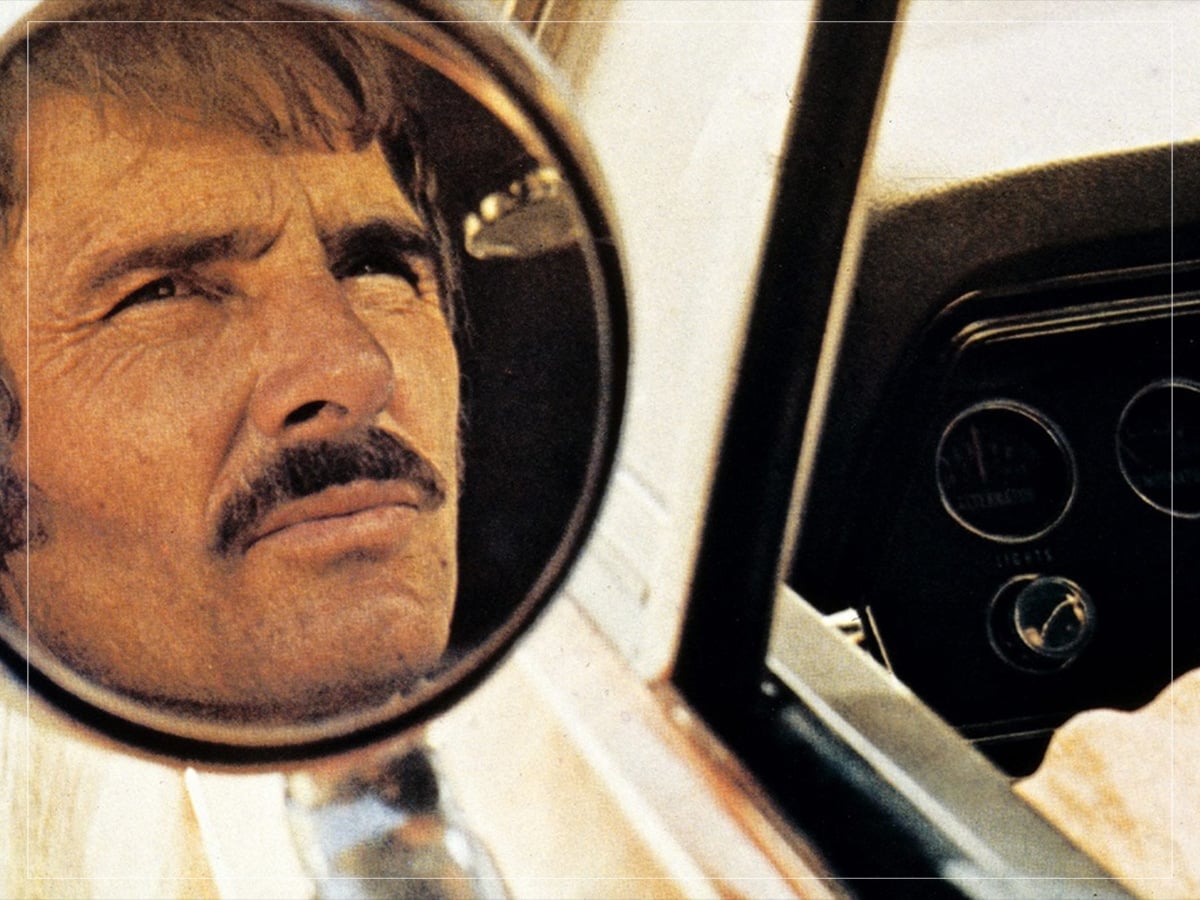
What exactly was Steven Spielberg’s directorial debut is somewhat up for debate; he made a few television films and shorts before 1971, and his childhood 40-minute short, Amblin’, even played in one theatre in his hometown. Although Duel was originally released on television, it was renowned for having more craft and style than anything else on regular channels, and received a theatrical release overseas.
Duel is included in most box sets of Spielberg’s body of work, and it’s a perfect distillation of the intensity and relentlessness he can use to create suspense. The simplicity of the film allowed it to become a universal story about the fear of isolation and the all-consuming banality of an open environment in which fate plays out. It’s been inspiring to see him be so open when discussing young filmmakers, considering his own humble roots working with low budgets.
‘Mad Max’ (George Miller, 1979)

George Miller began a franchise in 1979 that would span for 45 more years, and completely reshaped what the post-apocalyptic genre looks like, and although the series would become most famous for its epic action sequences and massive vehicles, the original Mad Max is a taut, suspenseful revenge thriller that featured a revelatory performance by Mel Gibson as a young police officer whose wife is murdered by a biker gang.
Miller was able to create an atmosphere of dread that pointed towards the collapse of society, and prophesied how a seemingly stable infrastructure could turn into a climactic neo-western future in which humanity fought over resources. It was a pulpy and often shocking exercise in style that became one of the defining films within the Australian New Wave movement that had begun with Peter Weir’s The Cars that Ate Paris, and turned Miller into a globally renowned storyteller.
‘Thunderbolt and Lightfoot’ (Michael Cimino, 1974)
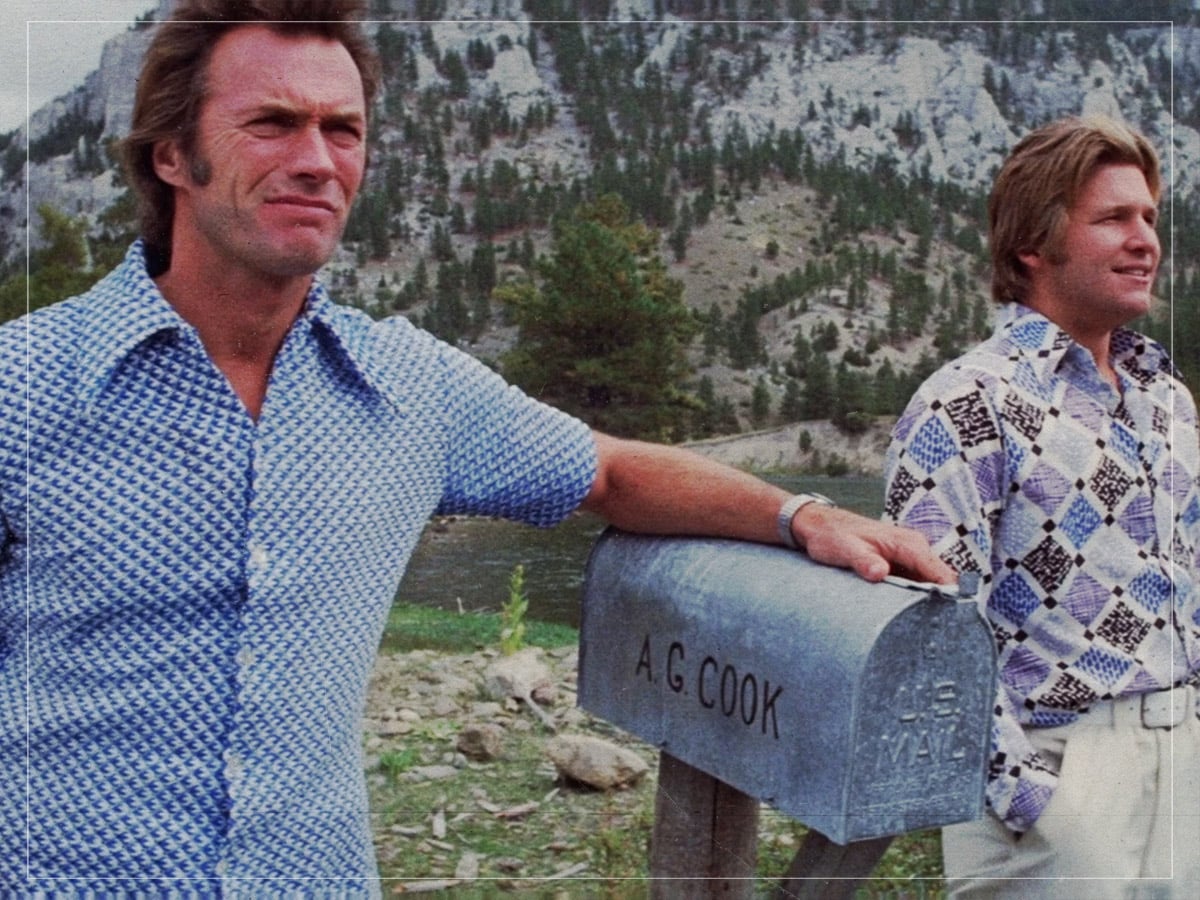
Michael Cimino had one of the most legendary ‘rise and fall’ careers of anyone in Hollywood history; he won the Academy Awards for ‘Best Picture’ and ‘Best Director’ for his Vietnam War masterpiece The Deer Hunter, but then got blamed for destroying the New Hollywood era when his ambitious western Heaven’s Gate was such a bomb that it destroyed United Artists.
When compared to the epics he would make later on, Cimino’s debut film Thunderbolt and Lightfoot might seem more lightweight, even though it is a surprisingly mature commentary on masculinity. Jeff Bridges and Clint Eastwood star as mismatched thieves on the run that form a shaky alliance as they are pursued by authorities, and while it begins as a rather buoyant adventure with no shortage of banter, Cimino is able to take the film into darker and a surprisingly moving territory.
‘Monty Python and the Holy Grail’ (Terry Jones and Terry Gilliam, 1975)
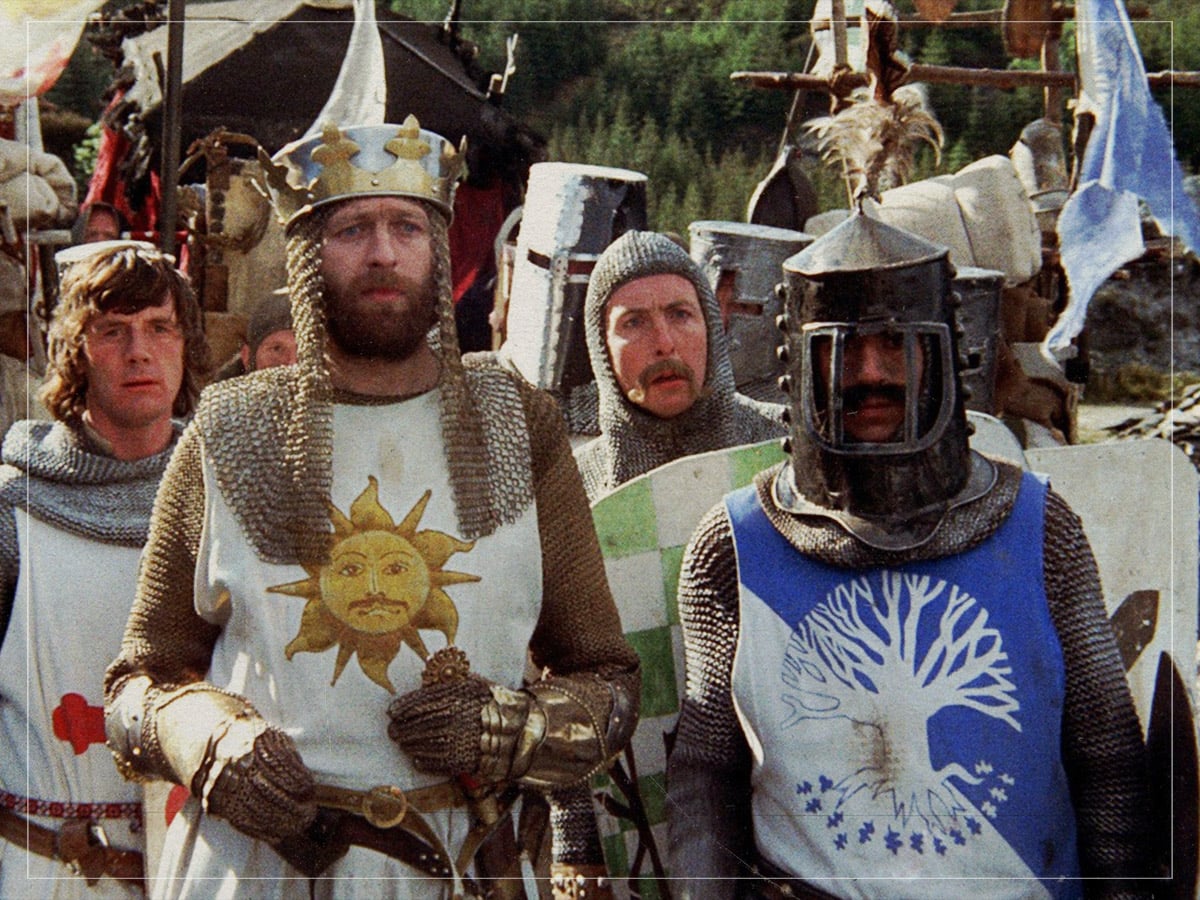
Terry Gilliam and Terry Jones had already made an all-time great TV comedy with Monty Python’s Flying Circus, and it only made sense to take their act to the big screen. What’s most surprising about Monty Python and the Holy Grail isn’t that it set the stage for generations more of spoof films, but that it actually was more faithful to the themes of Arthurian mythology than most other adaptations.
Holy Grail is a masterpiece in comedy, and one that combines lowbrow gags with a high-wire act of satire that demystifies the notion of chivalry within medieval times. Although Gilliam would become a much weirder and more experimental filmmaker when he started making films without the involvement of the other Monty Python members, this film is still the funniest thing that he has ever been involved with.
‘THX-1138’ (George Lucas, 1971)
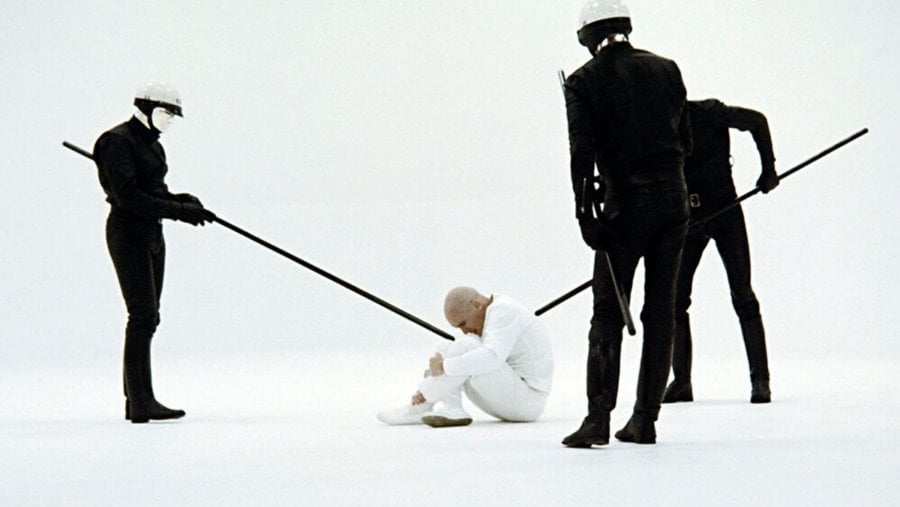
George Lucas was not always a mogul, as he started off as an avant-garde film student who wowed his classmates with a short film set in a dystopian future where emotion wasn’t permitted. This became the basis of the feature film adaptation THX-1138, a dizzying exploration of how a society terrified of individualism would transform into a totalitarian nightmare controlled by the state. The film was a brilliant feat of editing and directing that used minimalism to tell an anxiety-inducing escape story, featuring an early performance by Robert Duvall.
Although the way that Lucas crafts the story of radicalism and self-actualisation for his titular character would reappear within his work in both American Graffiti and Star Wars, THX-1138 is such a perfect, tiny masterpiece that it’s disappointing that he has only ever directed six feature films, and does not plan to make any more.
‘The Wicker Man’ (Robin Hardy, 1973)

Horror was having its best decade ever in the ‘70s, but The Wicker Man offered a distinct and terrifying new spin on the genre that was wholly unique from the possession and slasher films that followed in the wake of The Exorcist and Halloween, respectively. Robin Hardy’s masterpiece took advantage of the religious tension that was burgeoning throughout the countercultural movement to make a confrontative thriller about the conflict between Christianity and Paganism, resulting in a terrifying exploration of a radical society.
The imagery in The Wicker Man became the basis of nearly every folk horror film that followed, and it gave Christopher Lee an all-time great role as the vindictive Lord Summerisle, which was arguably even scarier than his role as Dracula in the various Hammer productions. Hardy had a solid career, but it’s hard to live up to the hype when his debut feature was an instant classic.
‘Badlands’ (Terrence Malick, 1973)
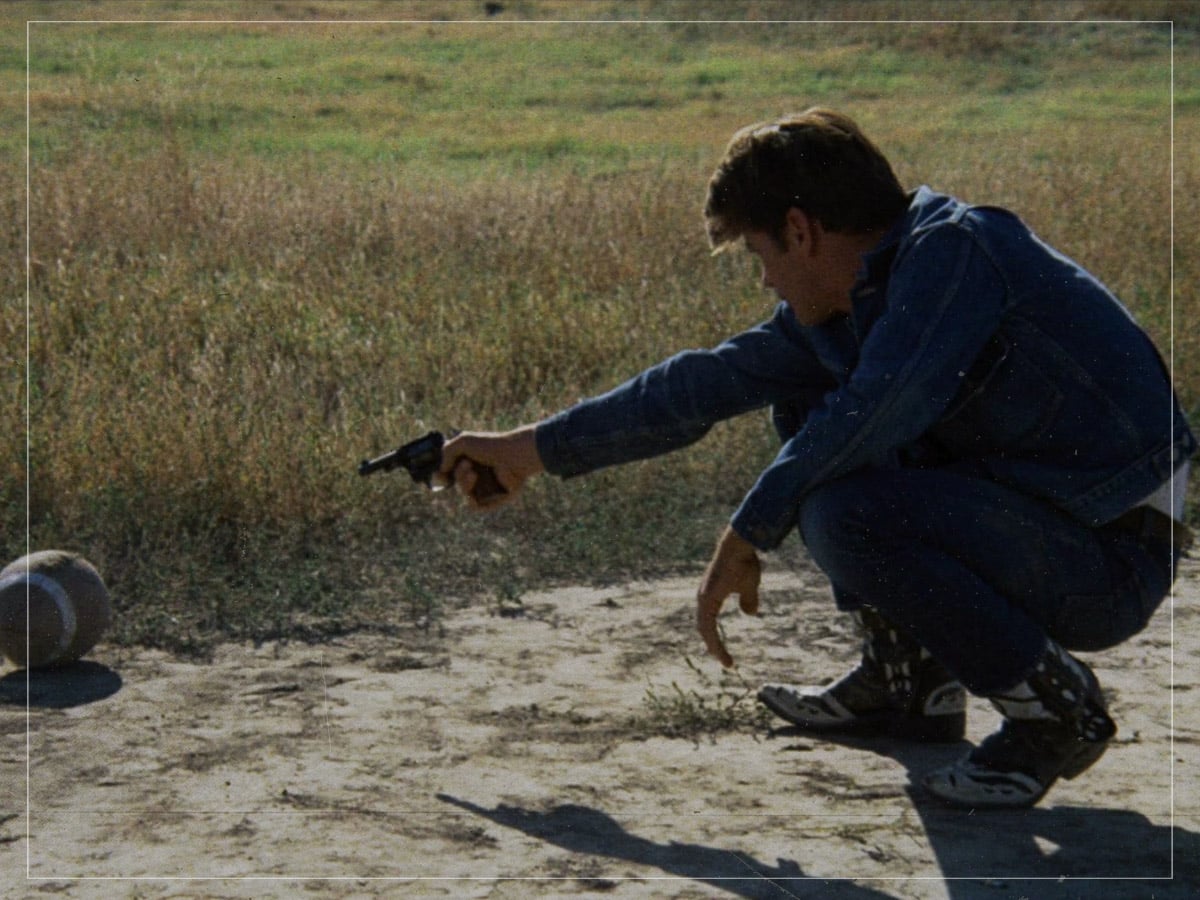
Terrence Malick is a filmmaker who has seemingly always been surrounded by mystery, given that he has taken massive breaks in between projects and notoriously has a very strange editing process. While it generated a number of comparisons to Bonnie & Clyde and The Sugarland Express, Badlands was a beautiful runaway romantic crime thriller that featured the naturalism and cosmic sensibilities that would make his subsequent work so intriguing.
Badlands is a grounded story with striking performances, including one by Martin Sheen that felt dangerous, unkempt, and darkly charismatic in a way that he never did with any of his other roles. The film is best viewed with the same sentiment in mind as what is true about the characters’ road trip adventure: the journey is far more compelling than the destination, even if all beautiful things are eventually forced to end.
‘Eraserhead’ (David Lynch, 1977)

David Lynch emerged as a fully-formed filmmaker who simply viewed the world in a unique way, making any of his observations about the profundity and mundanity of life compelling to watch. He certainly wasn’t the first surrealist filmmaker, but Lynch told a surprisingly straightforward story about a man caring for a sickly child that turned into an increasingly dark comedy that turned its eye towards horror, while keeping its human heart.
Eraserhead was more than just a midnight circuit sensation, but the announcement of an artist who was limited only by his own imagination. It’s the rare film that has held up for nearly 50 years and still can be unpacked for different layers of meaning, but doesn’t burden the audience with having to ‘solve it’. Lynch poured his entire heart into it, and the result was a brilliant debut for the ages.

Never Miss A Tale
The Far Out Clint Eastwood Newsletter
All the latest stories about Clint Eastwood from the independent voice of culture.
Straight to your inbox.