


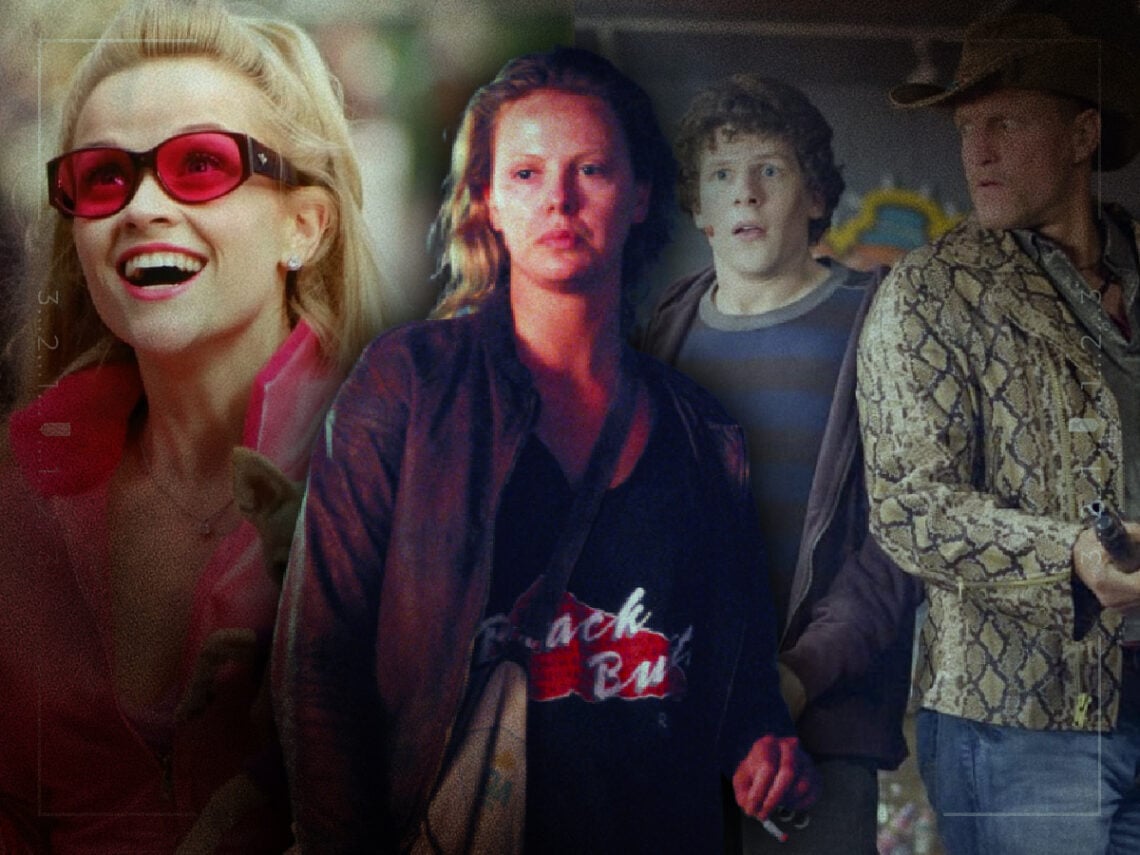
10 debuts so good they made you believe in a bad director

Even though Hollywood as it exists today is more centred on studio politics and the impediments placed upon creatives, a director is still the most important member of a film’s crew.
Countless people are involved with the production of a film, but it’s up to the person behind the film’s style, story, and sensibilities to combine all the crafts in a meaningful way; for directors looking to start their career off on a high note, there’s nothing more important than making a great debut feature.
Some directorial debuts were so strong that they kick-started their filmmakers’ careers, as was the case with Quentin Tarantino when Reservoir Dogs took the Sundance Film Festival by storm in 1992. Then, there are others who had to work to prove that they were better than the first film that they made, such as Joseph Kosinski, who may not have impressed too many people with Tron: Legacy, but was able to redeem himself with Top Gun: Maverick and F1.
Few things are worse than directors who completely fail to live up to their potential, as it’s hard not to at least partially root for someone who made a great first feature, even if everything else they’ve done is relatively disappointing, so here are ten names who came out of the box with stunning debuts only to flop their subsequent careers.
10 great debuts that made you believe in a bad director:
‘Chronicle’ (Josh Trank, 2012)<br>
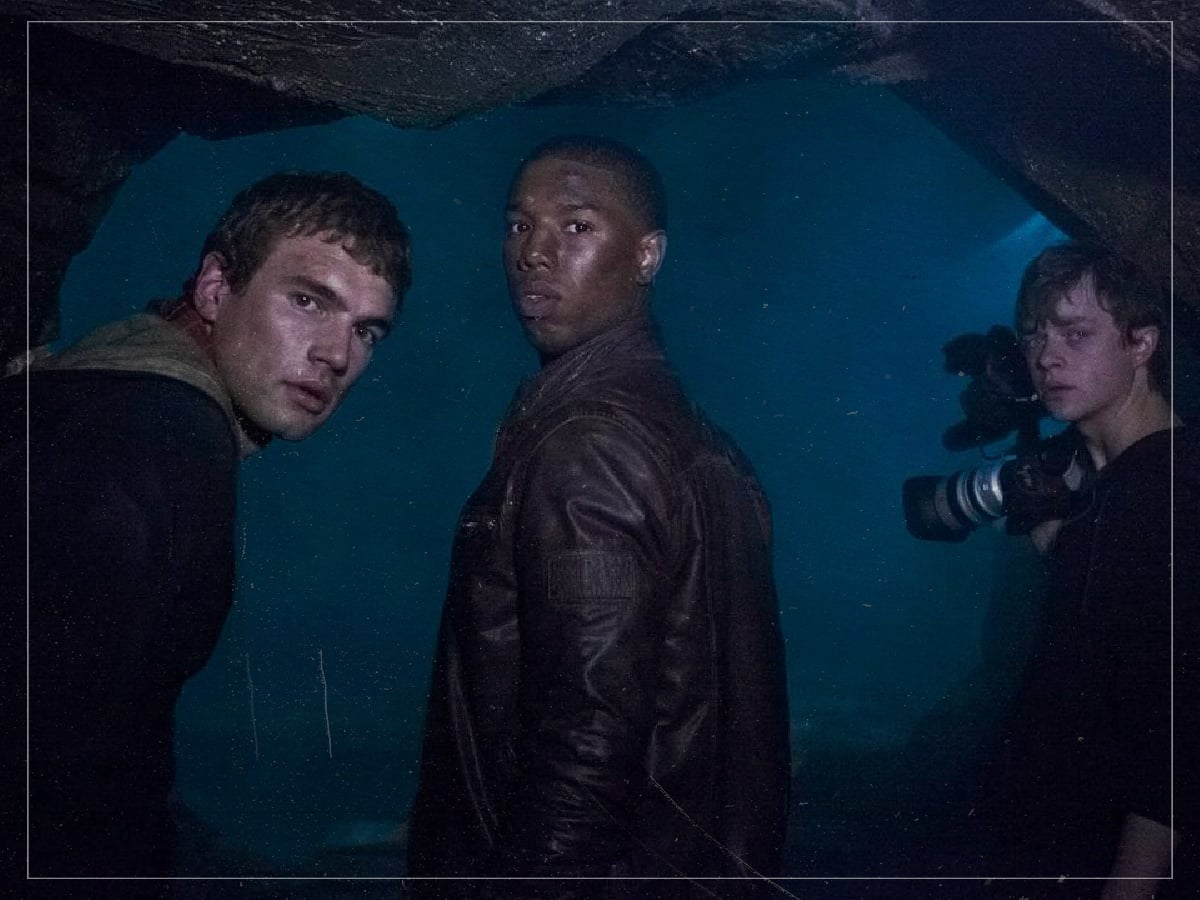
Chronicle was among the first found footage films to do something new with the genre, as it was not trying to replicate the jump scares of The Blair Witch Project or Paranormal Activity. By using the medium to tell an unconventional story about teenage mental health, Josh Trank made one of the coolest original superhero movies of the decade, and even managed to make stars out of Dane DeHaan and Michael B Jordan.
Unfortunately, Trank was unable to cope with the pressure of making a film with a higher budget, as his work on 20th Century Fox’s reboot of Fantastic Four in 2015 was infamously disastrous, and seemed to stain the careers of everyone involved. He attempted to mount a comeback five years later with the crime drama Capone, but the film was so garish and obnoxious that it suggested that Chronicle may have just been a fluke.
‘Zombieland’ (Ruben Fleischer, 2009)<br>
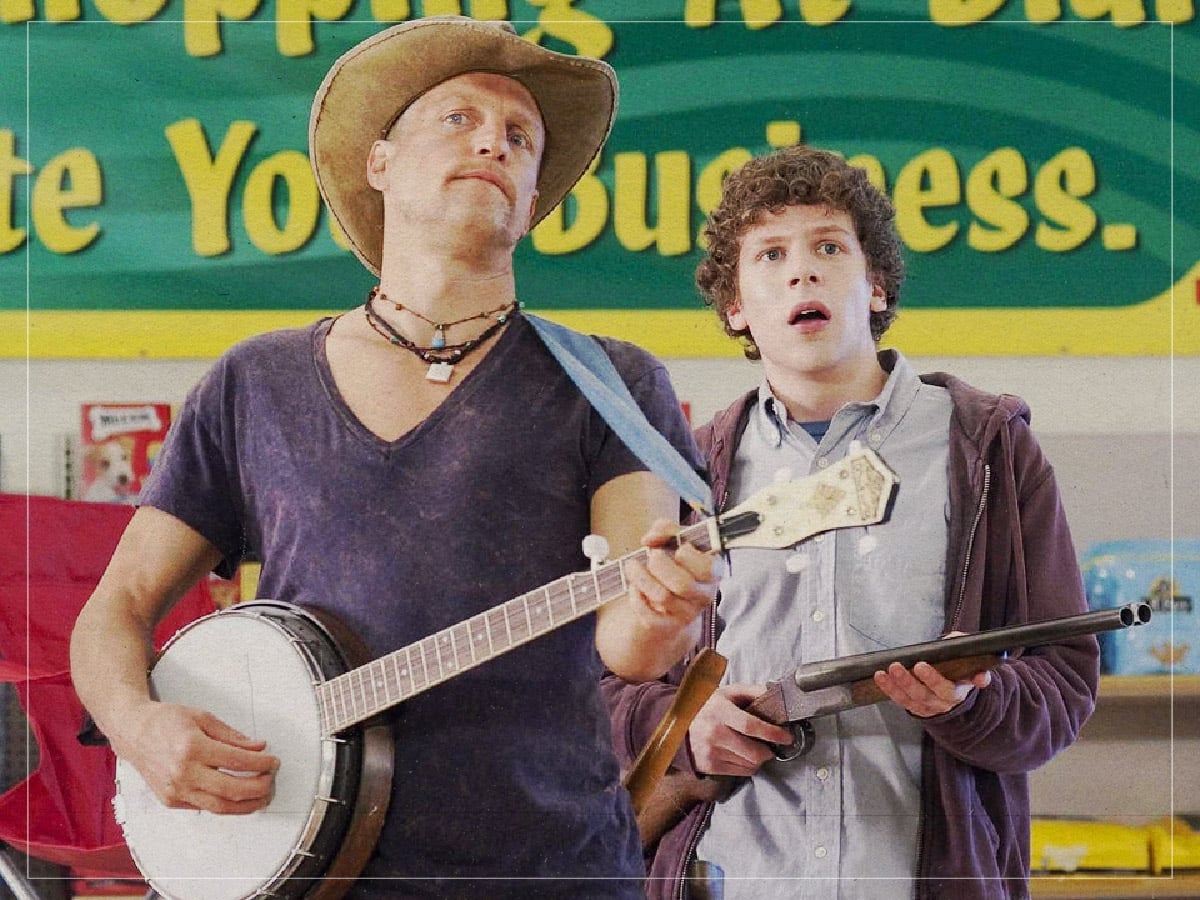
When it comes to contemporary zombie films, Zombieland was the perfect send-up to the genre that took every trope and twisted it in a comedic way, and even if the film is now best remembered for it’s hilarious Bill Murray cameo, where he played himself, director Ruben Fleischer did a great job at telling a story that was genuinely heartfelt with enough madness and gore to satisfy zombie fans.
What was so disappointing about his subsequent films is that they lacked the subversive edge of Zombieland and simply felt like generic studio endeavours for a hired hand. 30 Minutes or Less was a generic comedy that stole from better films, Venom was one of the most unwatchable Spider-Man spinoffs, and Gangster Squad was a pale imitation of Martin Scorsese’s work, but most unfortunate was the fact that Fleischer returned for the sequel Zombieland: Double Tap, which lacked the magic of the original.
‘Legally Blonde’ (Robert Luketic, 2001)<br>
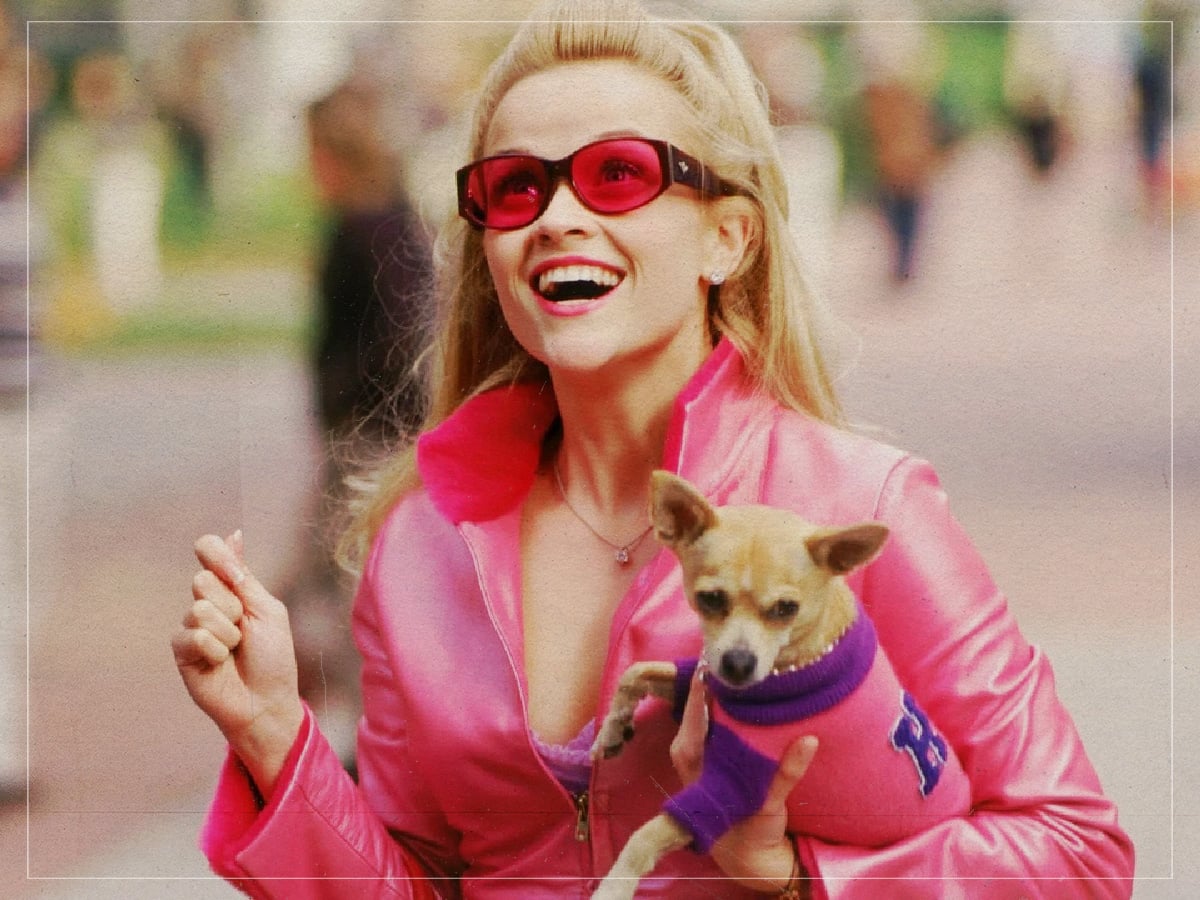
Legally Blonde may be a film that is easy to make fun of, but it was a true multi-generational hit that resonated with mainstream audiences by developing feminist themes in a compelling way. Although Reese Witherspoon gets a majority of the credit for creating an instantly iconic character, director Robert Luketic hit the right tone to make something that was funny, heartfelt, and incredibly self-aware.
Sadly, he hasn’t been able to replicate that success with the rest of his career, as he went on to direct a string of forgettable romantic comedies like The Ugly Truth, Win A Date With Ted Hamilton, Monster-in-Law, and The Wedding Year. Although Luketic’s gambling thriller 21 does have its defenders, his greatest sin was wasting the talents of Harrison Ford and Gary Oldman in Paranoia (reuniting for the first time since Air Force One), one of the worst thrillers of the 21st century.
‘Chicago’ (Rob Marshall, 2002)<br>
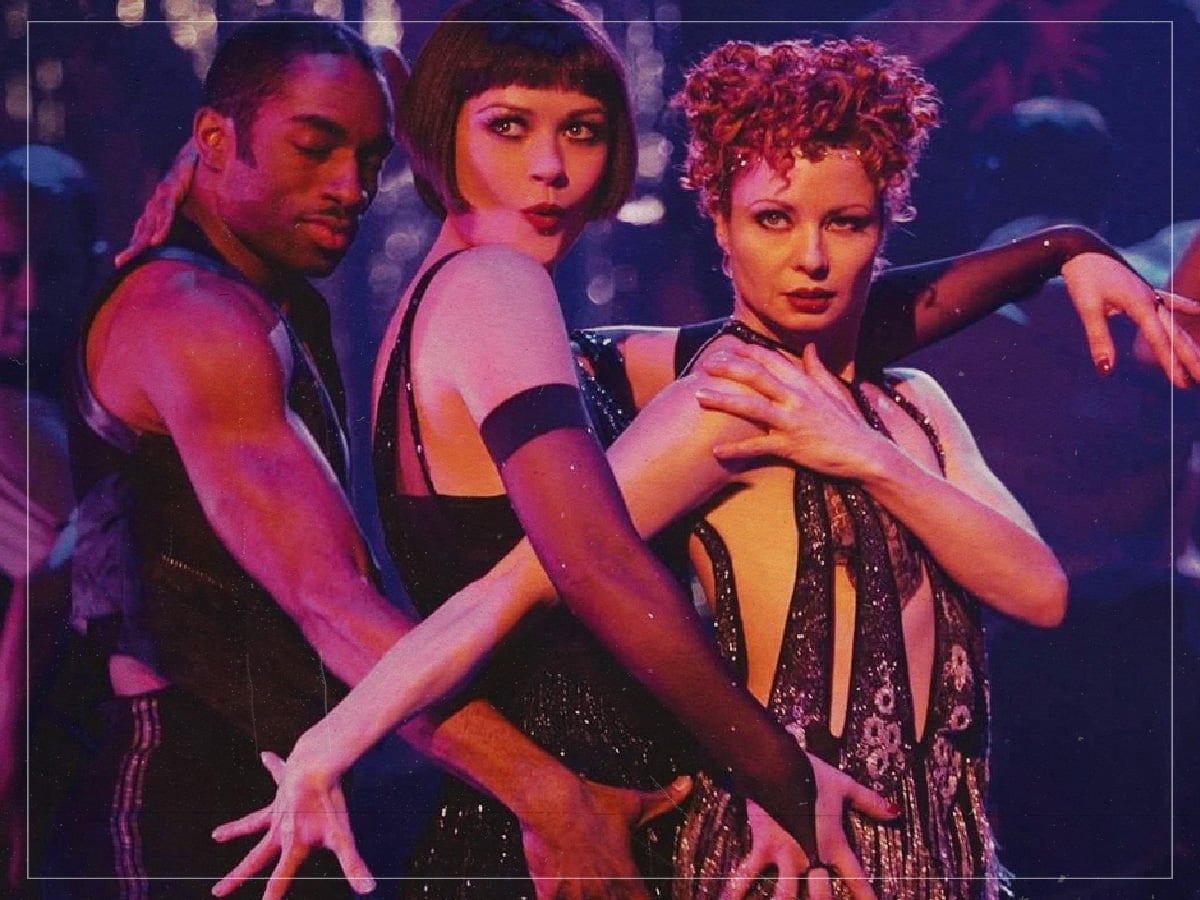
It’s not often that a director’s debut film is also the Academy Award winner for ‘Best Picture’, but Rob Marshall succeeded in bringing back Hollywood’s ‘razzle dazzle’ musicals with Chicago, which brought all the depth and complexity of the classic show. In addition to providing Catherine Zeta-Jones with the role of her career, the film made smart revisions to the stage play that took advantage of the medium and showed things that would never have been possible on stage.
What’s most baffling is that Marshall has never shown the same brilliance with any of his subsequent musicals, as Nine, Into the Woods, Mary Poppins Returns, and the live-action remake of The Little Mermaid were all bafflingly incompetent. He may deserve a bit of credit for stepping outside of his comfort zone to make Pirates of the Caribbean: On Stranger Tides, but the less said about the worst film in the franchise, the better.
‘Monster’ (Patty Jenkins, 2003)<br>
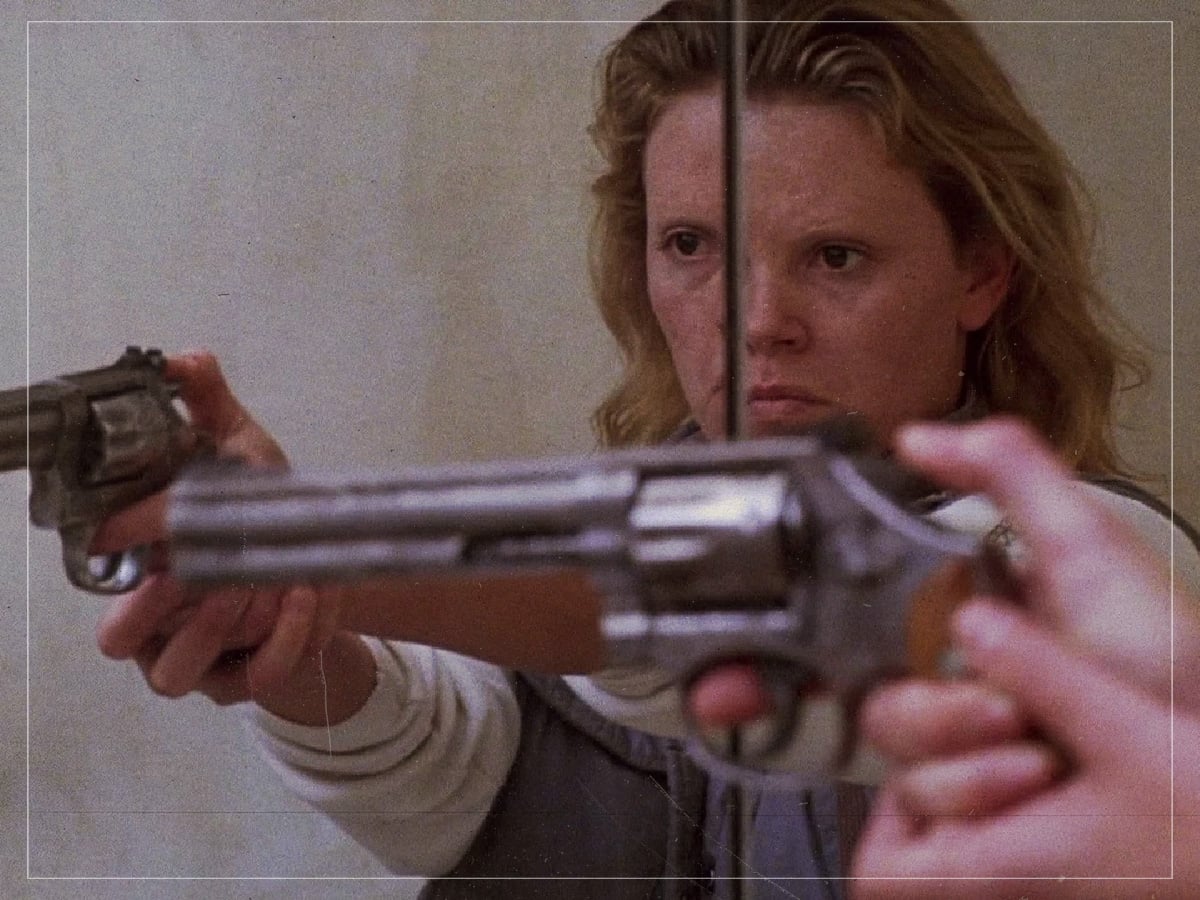
Monster seemed to announce the debut of a great new filmmaker in Patty Jenkins, as she flipped expectations of a serial killer movie by showing sympathy for a brutalised woman who lashes out in vengeance. While Charlize Theron won the Academy Award for ‘Best Actress’ for a transformative performance, Jenkins was unjustly snubbed in the ‘Best Director’ category, and since Hollywood has always been troubled when it comes to giving opportunities to female filmmakers, it took over a decade for Jenkins to finally return to making features when she directed Wonder Woman.
While it marked an improvement over the prior films in the DCEU, Wonder Woman still suffered from a generic story, a terrible lead performance, and one of the worst third acts in the history of the genre, with all these issues exacerbated in the disastrous sequel, Wonder Woman 1984, which essentially ended Jenkins’ career altogether.
‘District 9’ (Neill Blomkamp, 2009)<br>

When District 9 first debuted, it seemed like the type of science fiction that would become an instant classic and change the landscape of the genre altogether. It wasn’t uncommon for Neill Blomkamp’s name to be compared to that of George Lucas, Ridley Scott, or James Cameron, making anticipation for his next sci-fi film even greater.
It became clear over the next few films that the thoughtfulness that Blomkamp put into the real-life allusions in District 9 wasn’t something that he was able to repeat, as seen in Elysium which was a generic sci-fi action thriller with obvious commentary about healthcare, Chappie, an obnoxious retread of better robot stories, and Demonic that proved Blomkamp had lost his touch for horror altogether. Although he ventured outside of sci-fi with the biopic Gran Turismo, it didn’t indicate he had a secret talent that he had been keeping hidden.
‘Kalifornia’ (Dominic Sena, 1993)<br>
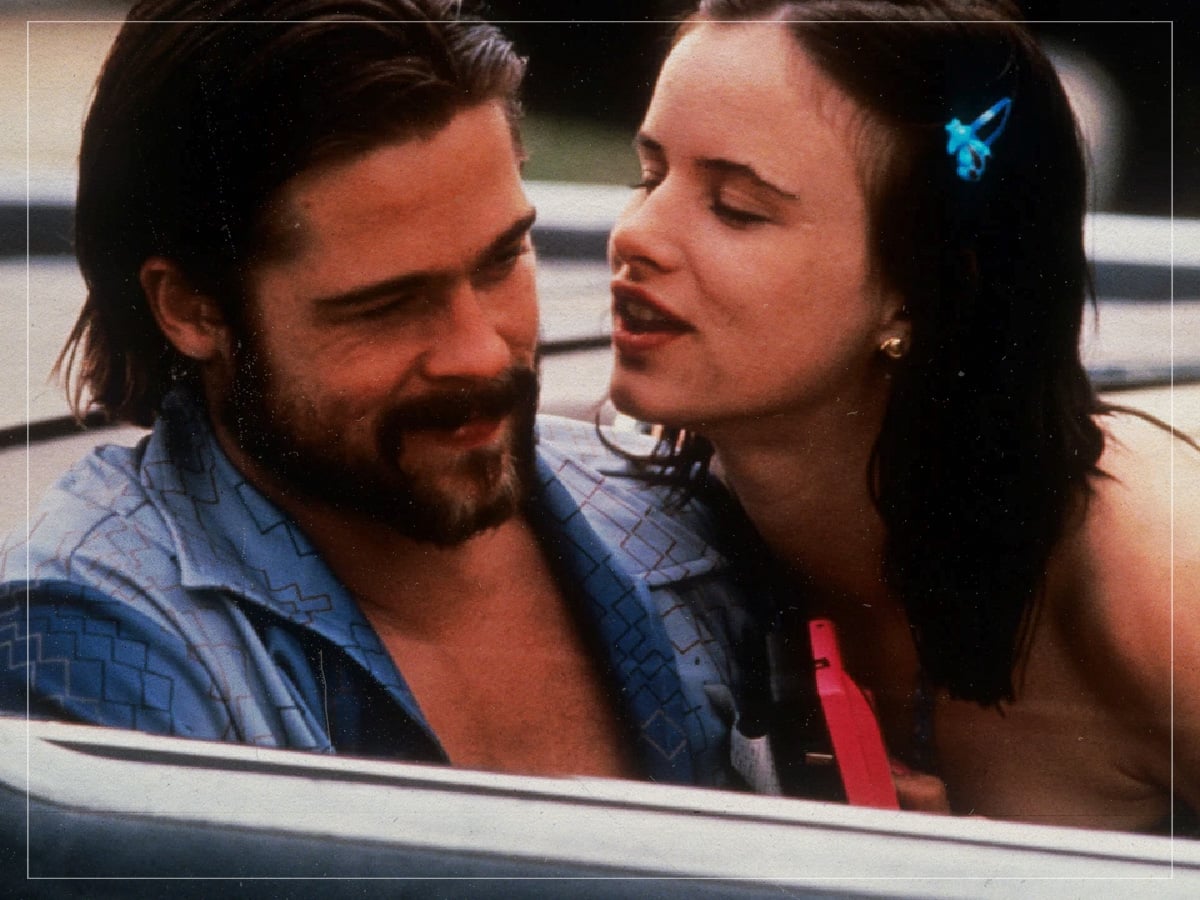
The ‘90s saw an uptick in serial killer films thanks to the success of The Silence of the Lambs and Se7en, but one of the more underrated thrillers within the subgenre was Kalifornia, which served as the directorial debut of Dominic Sena. The stark, brutal story of David Duchovny’s misbegotten journalist and the ruthless murderers he’s faced with, in the forms of Brad Pitt and Juliette Lewis, could have easily been mistaken for a B-movie, but Sena elevated the material with his precise, exacting approach.
Tragically, he followed up Kalifornia with Gone in 60 Seconds, a film that would be forgotten entirely if it wasn’t for the hilariously over-the-top performance by Nicolas Cage, but none of the inadvertent humour to be found in Gone in 60 Seconds were even present in any of Sena’s subsequent films, as Swordfish, Whiteout, and Season of the Witch were just outright unwatchable disasters.
‘The Damned United’ (Tom Hooper, 2009)<br>
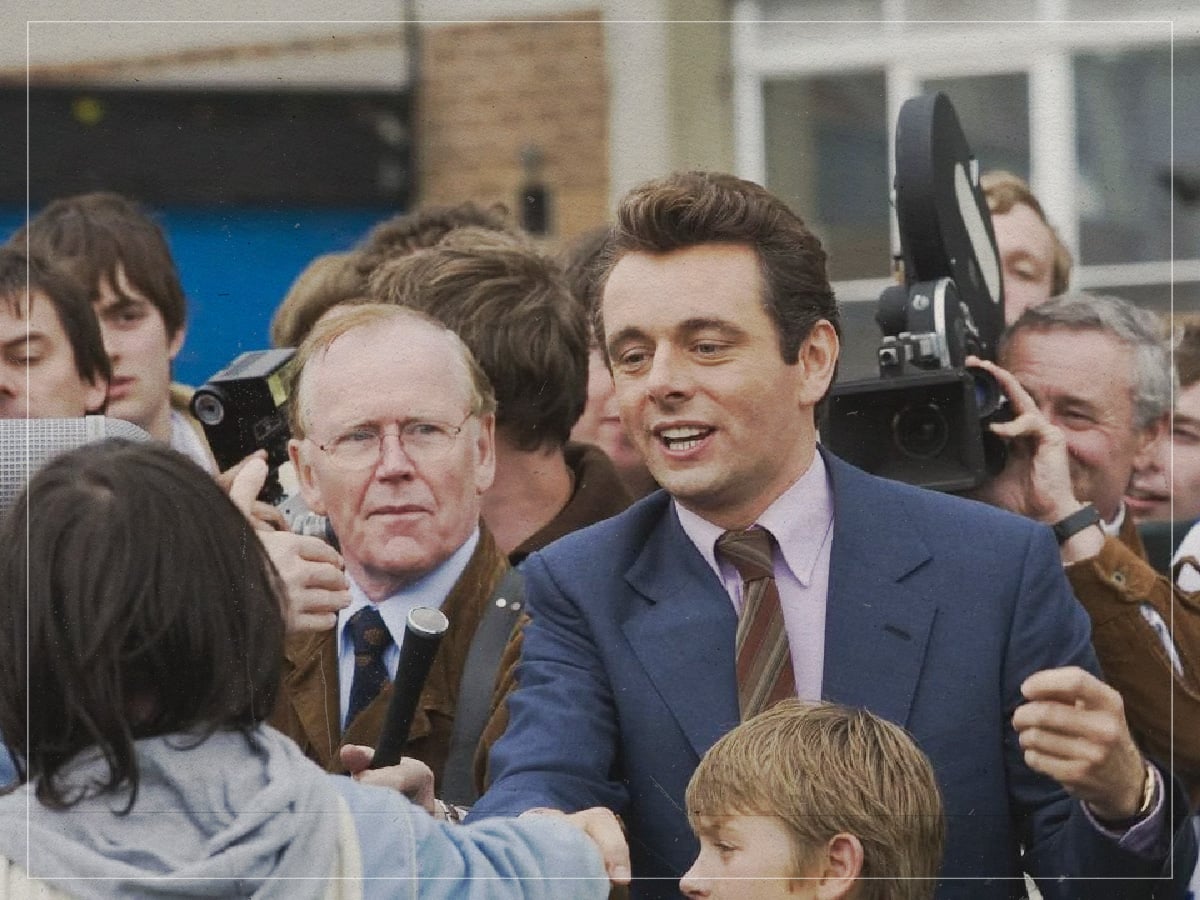
Rarely has there been a sharper divide between the taste of awards voters and actual cinephiles than with the work of Tom Hooper. Although his first film was technically the made-for-television version of Red Dust, he made his theatrical debut with The Damned United, a sharp and insightful examination of one of the most controversial seasons in the history of British football, reflecting a pure and inquisitive side to himself, who then seemed to spend the rest of his career pining for award attention.
Hooper may have won both ‘Best Picture’ and ‘Best Director’ for The King’s Speech, but the film is also cited as one of the worst Oscar winners of the century, especially considering that it beat out The Social Network, Inception, and Black Swan. Moreover, his adaptation of Les Misérables was another major Oscar contender that disappointed fans of the musical, and his biographical drama The Danish Girl was subjected to major controversy for its core transphobia. At least with Hooper’s latest film, Cats, everyone seemed to be united in the belief that it was one of the worst musicals ever made.
‘Monsters’ (Gareth Edwards, 2010)<br>
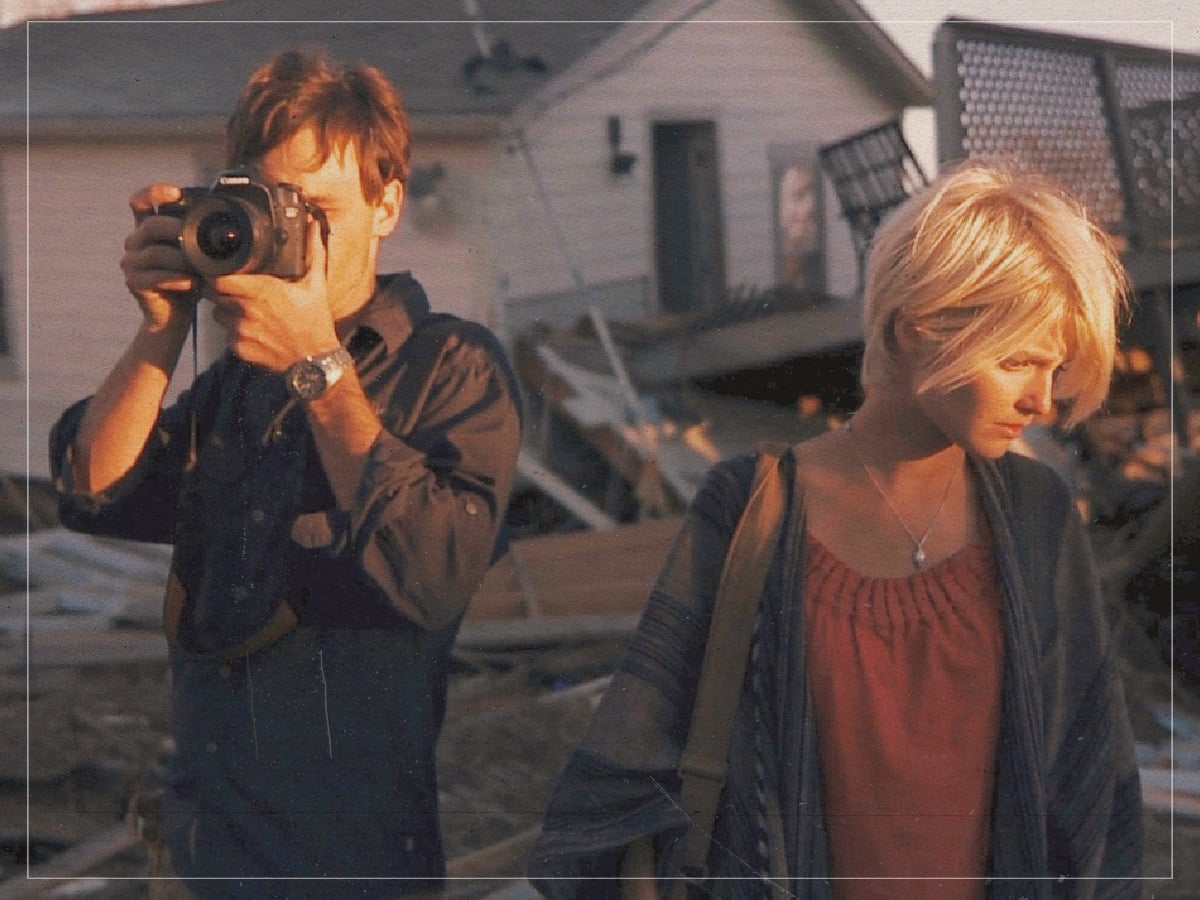
Gareth Edwards makes films that show that no amount of brilliant special effects can make up for poor storytelling and unengaging characters. His debut feature Monsters was a unique blend of post-apocalyptic, monster, and road trip movies, and exhibited his ability to do worldbuilding while still telling a personal story, but any of those nuances were lost by the time he started making films with significantly higher budgets.
Godzilla was a kaiju film that seemed ashamed to show any actual monster fights (and wasted the talents of the great Bryan Cranston), Rogue One: A Star Wars Story was so fraught with reshoots that any of its charms can be accredited to Tony Gilroy, The Creator was a visual masterwork that blatantly stole from other sci-fi classics, and Jurassic World Rebirth was a thunderous disappointment that ranked among the worst of 2025’s major releases.
‘Dawn of the Dead’ (Zack Snyder, 2004)<br>
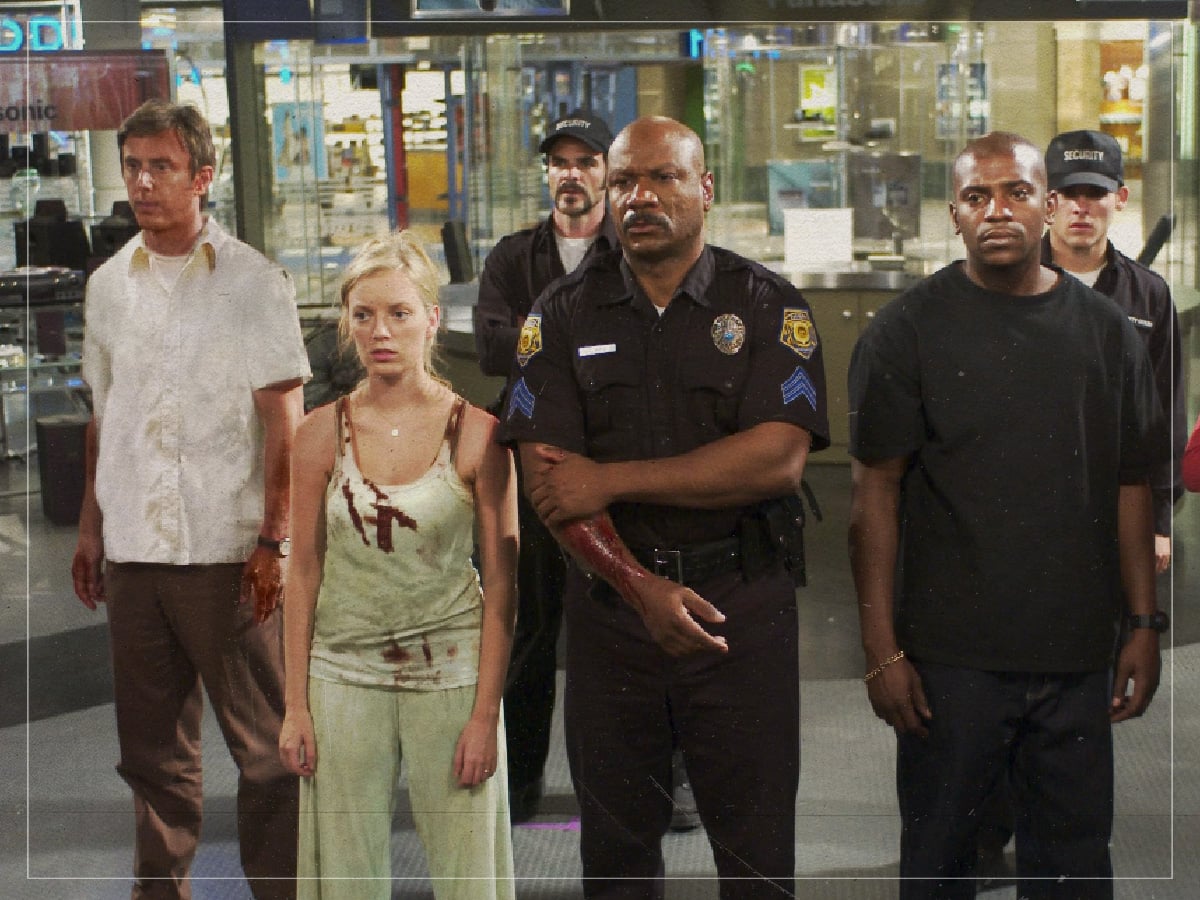
Zack Snyder seemingly had an impossible task on his hands when he was handed the reins to direct the remake of Dawn of the Dead, the original George Romero film that was such a definitive classic within zombie cinema that remaking it felt like a recipe for disappointment. However, Snyder delivered a slick, stylised reimagining that amped up the intensity even further, yet unfortunately, that style is something he clung onto, and his next films lacked any of the substance found within James Gunn’s script for Dawn of the Dead.
Beyond being blunt, confusing, and cynical in their worldview, Snyder’s films have sparked a toxic, highly reactionary fanbase that attacks and bullies anyone who dares to criticise his work. That being said, the two Rebel Moon films that he made for Netflix were so incomprehensible and boring that not even those who lobbied for the release of his director’s cut of Justice League could defend them.
