


The 10 worst movie moments of 2025

This has been a year that saw the release of several future classic films and more than a few out-of-nowhere hits, such that the highs of the year only make its disappointments stand out as even more glaring in comparison, many of which could be distilled to just a few miserable scenes.
Although the threat of a new media merger is certainly concerning, 2025 gave cinephiles a lot of reason to have hope. In addition to a solid slate of awards contenders like One Battle After Another and Marty Supreme, the year also featured well-received blockbusters like Superman and Zootopia 2. However, a year defined by extremes means that the films that missed the mark in 2025 felt like massive blunders that were indicative of major oversights.
There’s a clear difference between being ‘disappointing’ and ‘bad’: while films like Captain America: Brave New World and After the Hunt certainly didn’t live up to expectations, they’re not in the same category as the bottom-of-the-barrel disasters that showed a degree of incompetence unbefitting of a major studio production that received any attention or distribution.
Making a film is not an easy process, and the pressure on new releases to perform well and inspire hope for the future of the industry is considerable, especially if theatres themselves could be in danger very soon. That being said, there really isn’t an excuse for films to include scenes like these, because even audiences with no deeper knowledge of cinematic history deserve better.
The 10 worst movie sequences of 2025:
Cam goes on a massacre: ‘Him’ (Justin Tipping)<br>
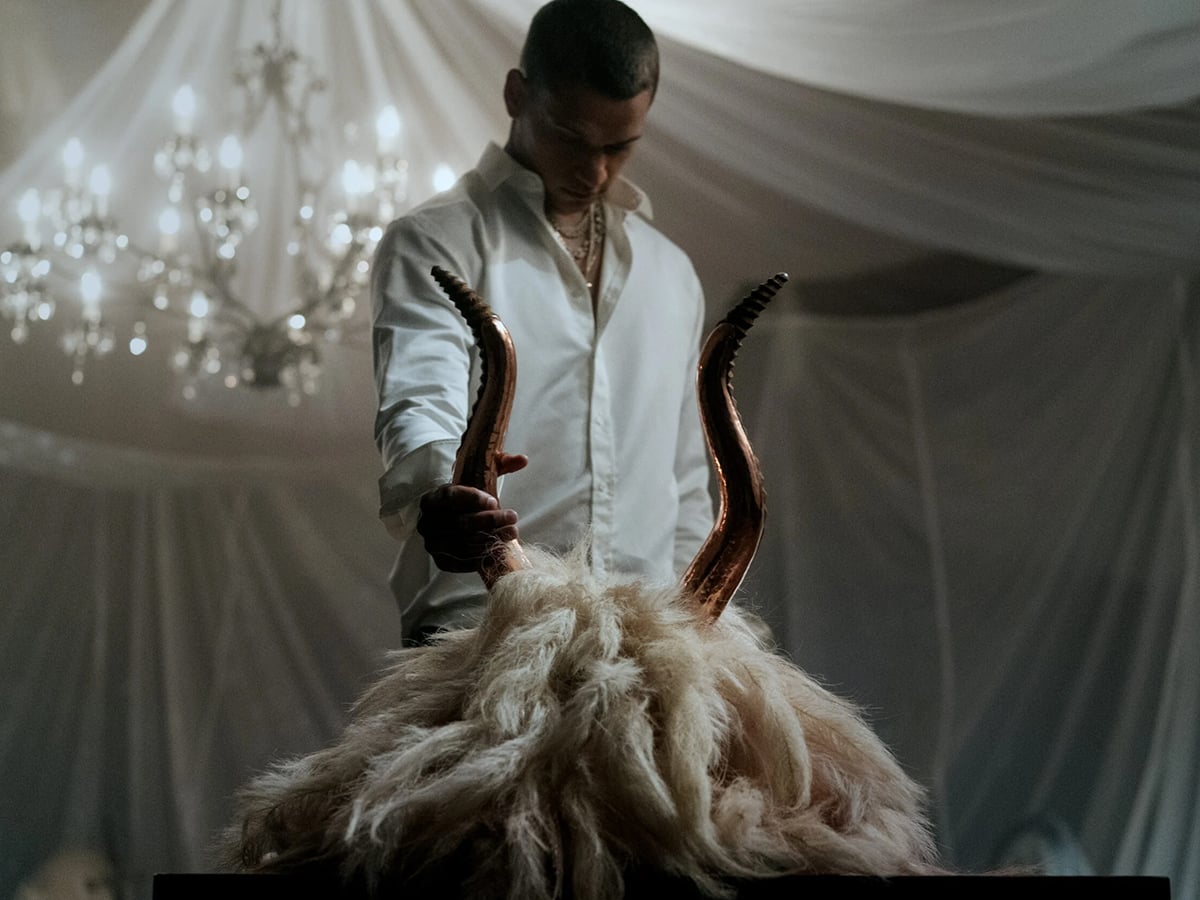
Him is one of the most baffling misfires of the year because it had a great concept centring on the aspiring football star Cam, who is motivated to join his football team by enduring the brutalistic training regime of quarterback Isaiah White, played by Marlon Wayans.
Unfortunately, Him is only able to express its deeper ideas about the abuses suffered by athletes and the presence of racism in the NFL in the most obvious ways possible, as the surrealist imagery used feels amateurish.
Even if the intention was to be ambiguous, the logic of the film goes out the window by the point that Cam turns into a psychopath and murders several owners and employees of the team that had been attempting to sign him. It’s predicated by a confusing twist regarding his father that doesn’t sync up with the established timeline, and indicates the film is more interested in delivering shocking moments than having anything to say.
The fountain’s power is unleashed: ‘Fountain of Youth’ (Guy Ritchie)<br>
Guy Ritchie hasn’t exactly been on his A-game in recent years, but even The Ministry of Gentlemanly Warfare, The Covenant, and Wrath of Man have a self-aware sense of fun that shows how he can put together a good action sequence with compelling banter.
It makes it all the more baffling that he could be responsible for a streaming release as incompetent and bland as The Fountain of Youth, which feels like a derivative collection of tropes done better in Raiders of the Lost Ark and National Treasure.
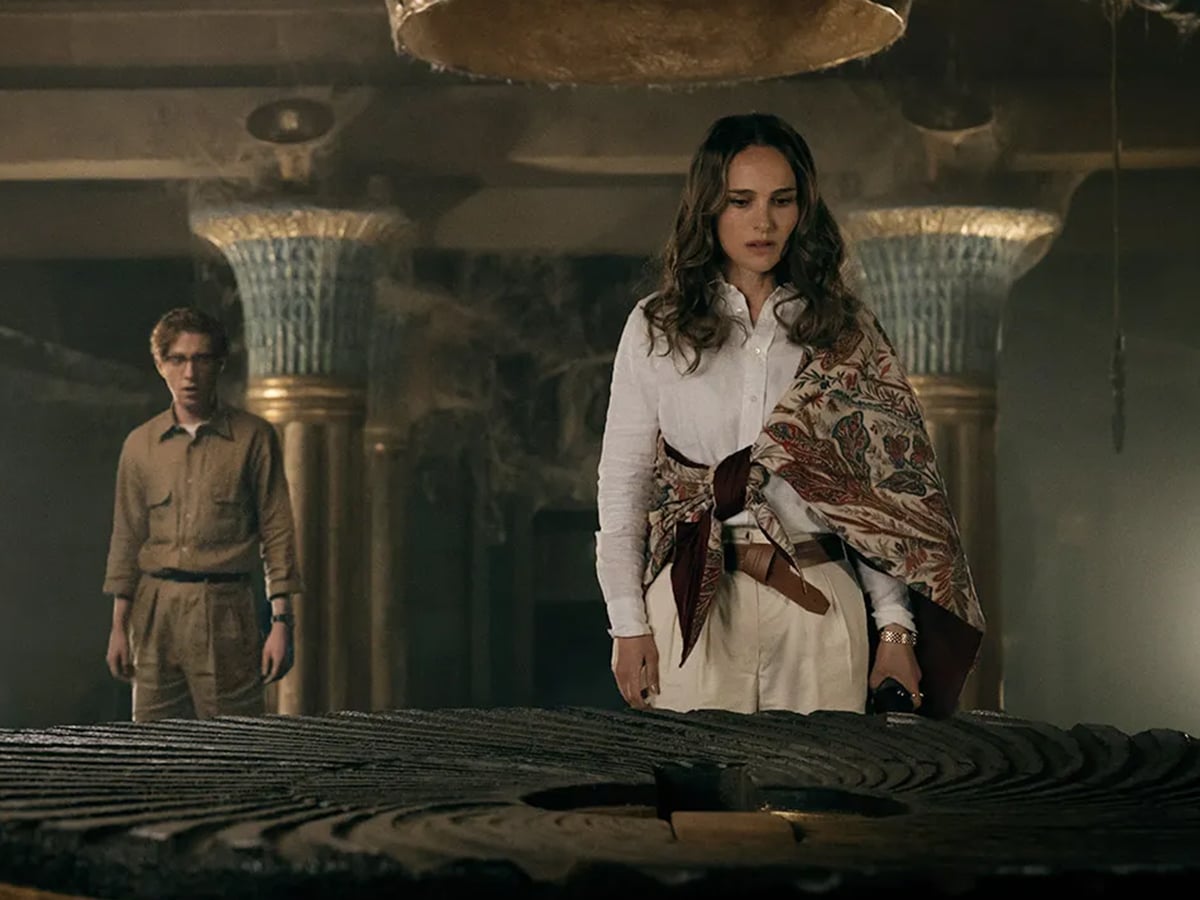
Fountain of Youth shows no interest in developing any of the lore behind the ancient artificial that it’s named after until the ending, in which the corporate raider Owen Carver, played by Domhnall Gleeson, betrays the group and tries to take the fountain’s power for himself. The film had not included any supernatural components until this point, in which Gleeson’s character is engulfed in a scene including such dated CGI that would have felt out-of-date even in 2007.
The twist reveal: ‘Honey Don’t!’ (Ethan Coen)<br>
After making their last film together, The Ballad of Buster Scruggs, the Coen brothers went their separate ways; Joel made a brilliant adaptation of The Tragedy of Macbeth that earned Denzel Washington an Academy Award nomination, and Ethan Coen directed the irritating, flimsy adventure-comedy Drive-Away Dolls, which he co-wrote with his wife Tricia Cooke.
If Drive-Away Dolls was so light on story that it felt unfit to be called a real movie, then Coen and Cookes’ follow-up Honey Don’t! made the mistake of actually trying.
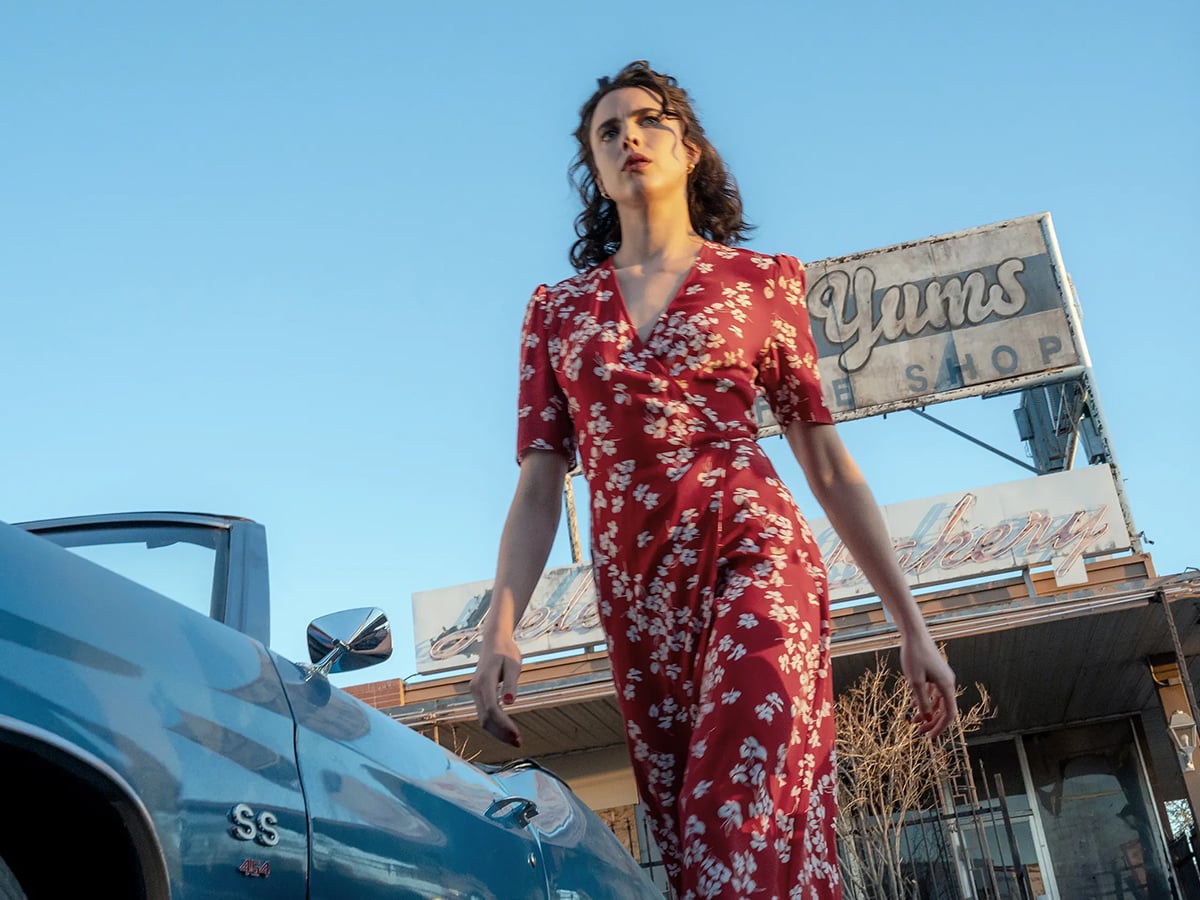
The mystery of two murdered sex workers is solved when the goody police contact Aubrey Plaza’s MG Falcone unloads her tragic backstory on her crush, private investigator Honey O’Donahue, played by Margaret Qualley, in a hamfisted scene that isn’t funny, disturbing, or shocking. It’s not only a disappointing conclusion to a mystery film that featured almost no detective work, but served as confirmation of which of the Coen brothers is the talented one.
Virginia’s abrupt death: ‘Happy Gilmore 2’ (Kyle Newacheck)<br>
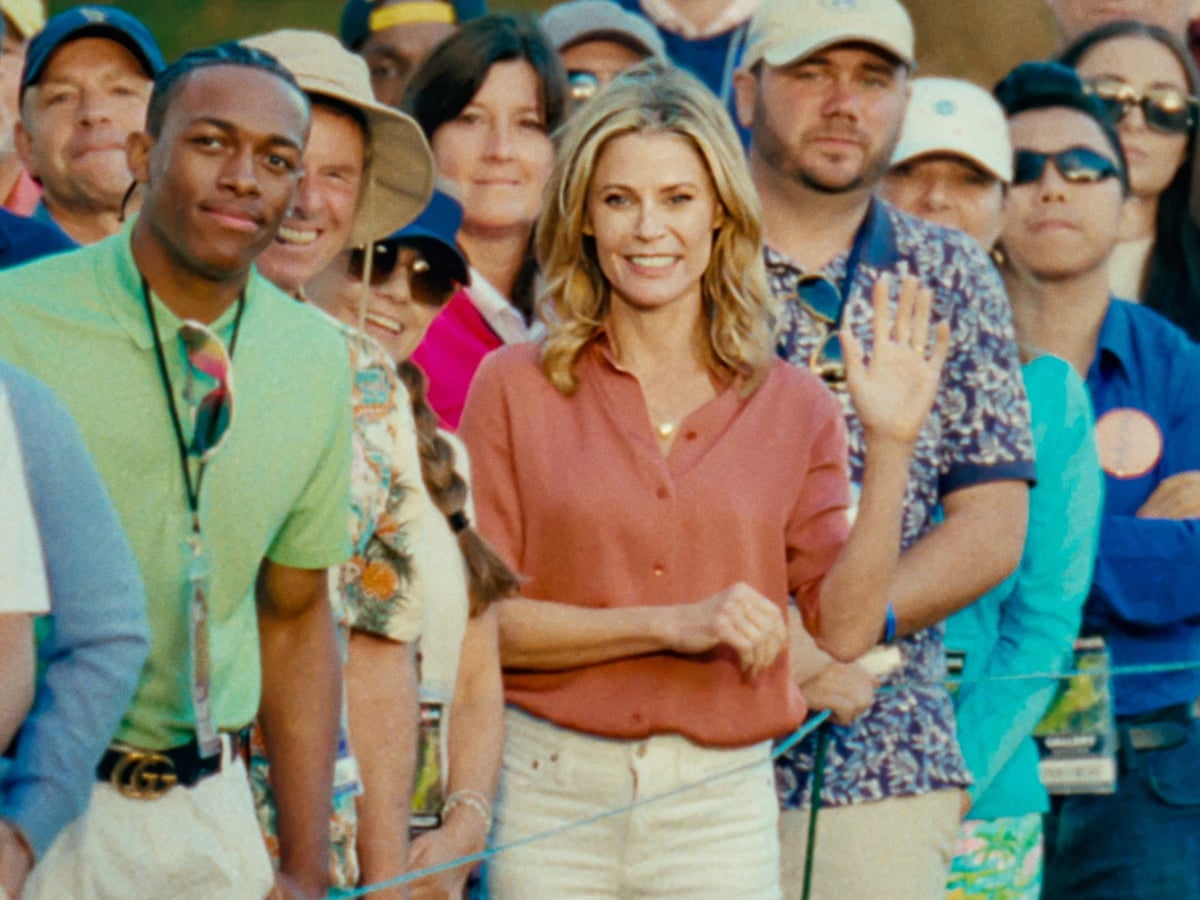
When considering that comedy sequels have a notoriously tricky track record, and that Adam Sandler has done some of the worst films of his career within his deal with Netflix, expectations for Happy Gilmore 2 weren’t exactly high.
Although a majority of the sequel includes lazy celebrity cameos and unfunny improv comedy, Happy Gilmore 2 makes a strange decision early on to kill off Virginia Venit, the love interest from the first film, who was played by Julie Bowen.
It’s not only a strange choice to begin a family-friendly comedy at a moment where the main character is indisputably responsible for the death of his lover, but downright disrespectful to Bowen, who waited 30 years to reprise her role for just a few minutes. What’s worse is that Virginia’s death serves as little more than a brief excuse for Happy to be in a depressive slump for the first hour of the film until he can be lured back into playing golf again.
Vito Genovese is incarcerated: ‘The Alto Knights’ (Barry Levinson)<br>
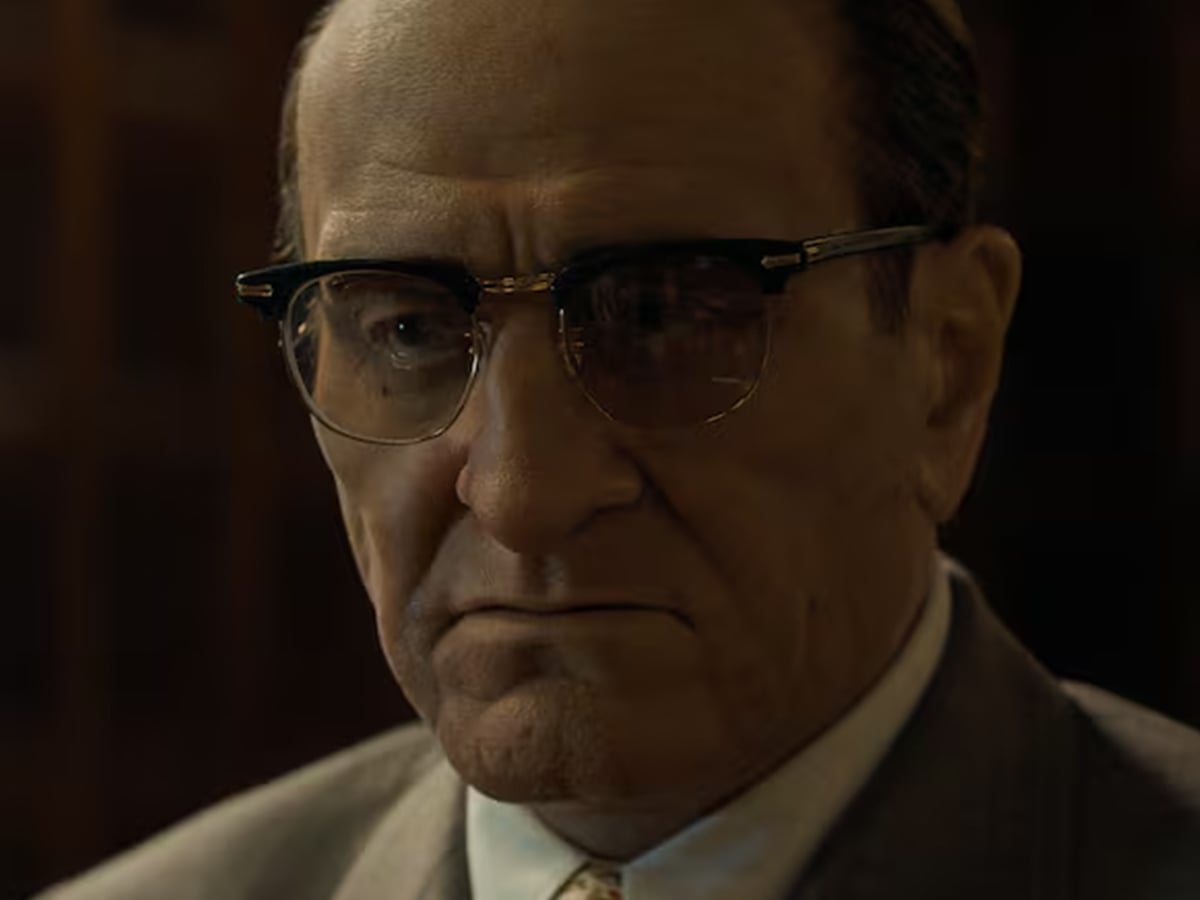
On paper, The Alto Knights seemed like a slam dunk, which saw Barry Levinson, the Academy Award-winning director behind Rain Man, Bugsy, and Wag the Dog, direct Robert De Niro in a throwback gangster movie about one of the most legendary rivalries in the history of the American mafia.
Although the decision to cast De Niro as both Frank Costello and Vito Genovese should have been a warning sign, it was hard to anticipate just how goofy it would be to see the legendary actor trying to share scenes with himself.
The lack of fanfare or dramatic tension in The Alto Knights is embodied by an inadvertently hilarious scene where the cops come to arrest Vito during a meeting with his fellow gangsters, in what might be the most non-climactic conclusion possible. There’s no sense of realism, and the idea that Costello was able to subsequently live a happy and prosperous life where he lived to a ripe old age feels like it could have been lifted from a parody.
Stephanie is introduced to Christy: ‘Another Simple Favor’ (Paul Feig)<br>
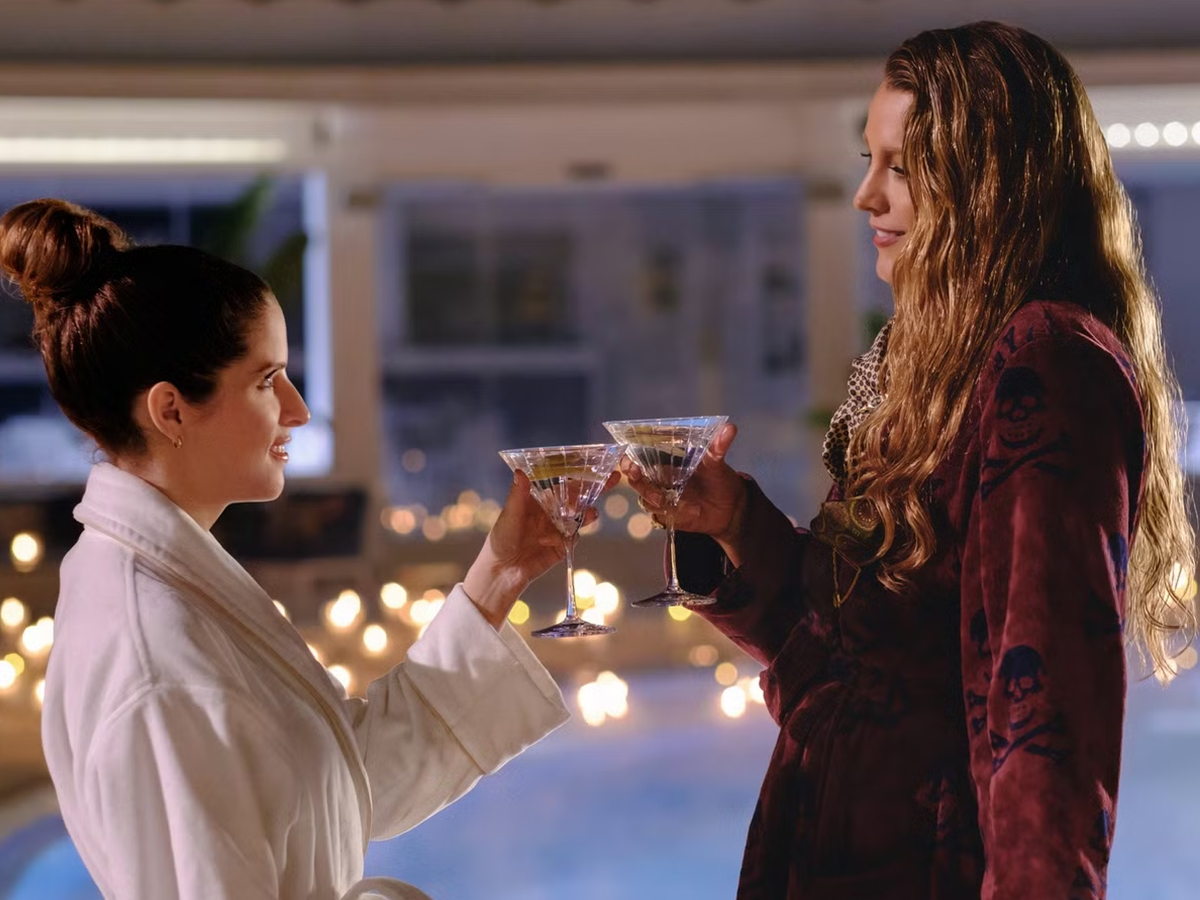
Although he is responsible for two of the funniest movies of the 21st century with Bridesmaids and Spy, Paul Feig has been on an unprecedented losing streak with Ghostbusters, Last Christmas, The School For Good and Evil, Jackpot, and this year’s The Housemaid.
The one bright spot in his recent filmography was the darkly comic thriller A Simple Favor, but Feig was still able to put a stain on its legacy by making an unnecessary and underwhelming sequel, where, if the first felt like a clever satire of twisty ‘beach read’ novels, the sequel includes clichés without any hint of self-awareness.
There’s nothing more aggravating than the reveal of an unexpected twin, and Another Simple Favor reveals that Blake Lively’s Hope McLanden is one of triplets, and that her identical sister Charity is trying to frame Stephanie, played by Anna Kendrick, for murder. Feig may have tried to defend Lively against backlash, but he doesn’t have an excuse for shamelessly returning to the same material and turning it into a legitimate version of what he was once hoping to satirise.
The Delgado family crashes on the island: ‘Jurassic World Rebirth’ (Gareth Edwards)
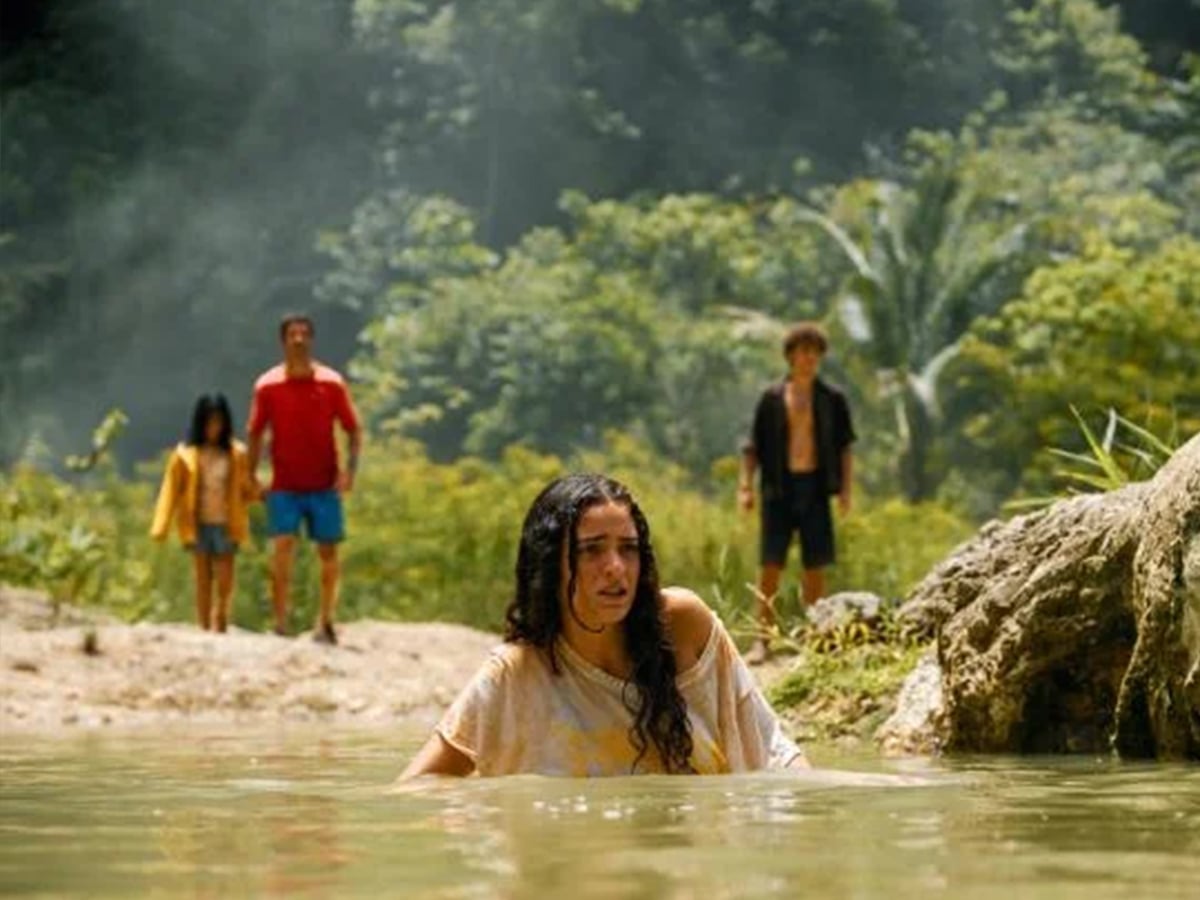
There hasn’t been a good film in the Jurassic Park franchise since the 1993 original, but Jurassic World Rebirth feels particularly egregious in how it shamelessly repeats plot points from its predecessors.
The sequel’s excuse for bringing characters back to the island is that dinosaurs might have DNA that could be used for medical advancements, even though every other entry in the series has shown the consequences of trying to play God.
Jurassic World Rebirth at least had a charismatic set of leads in Scarlett Johansson, Mahershala Ali, and Jonathan Bailey, but it made the baffling decision to cut to a family of obnoxious sailors who somehow manage to crash land in dangerous territory dominated by dinosaurs. It’s hard to believe that David Koepp, who also wrote the original film, thought that Jurassic Park fans would want to see more annoying teenagers who added nothing to the story and ultimately became irrelevant.
The flashback: ‘Wicked: For Good’ (Jon M Chu)<br>
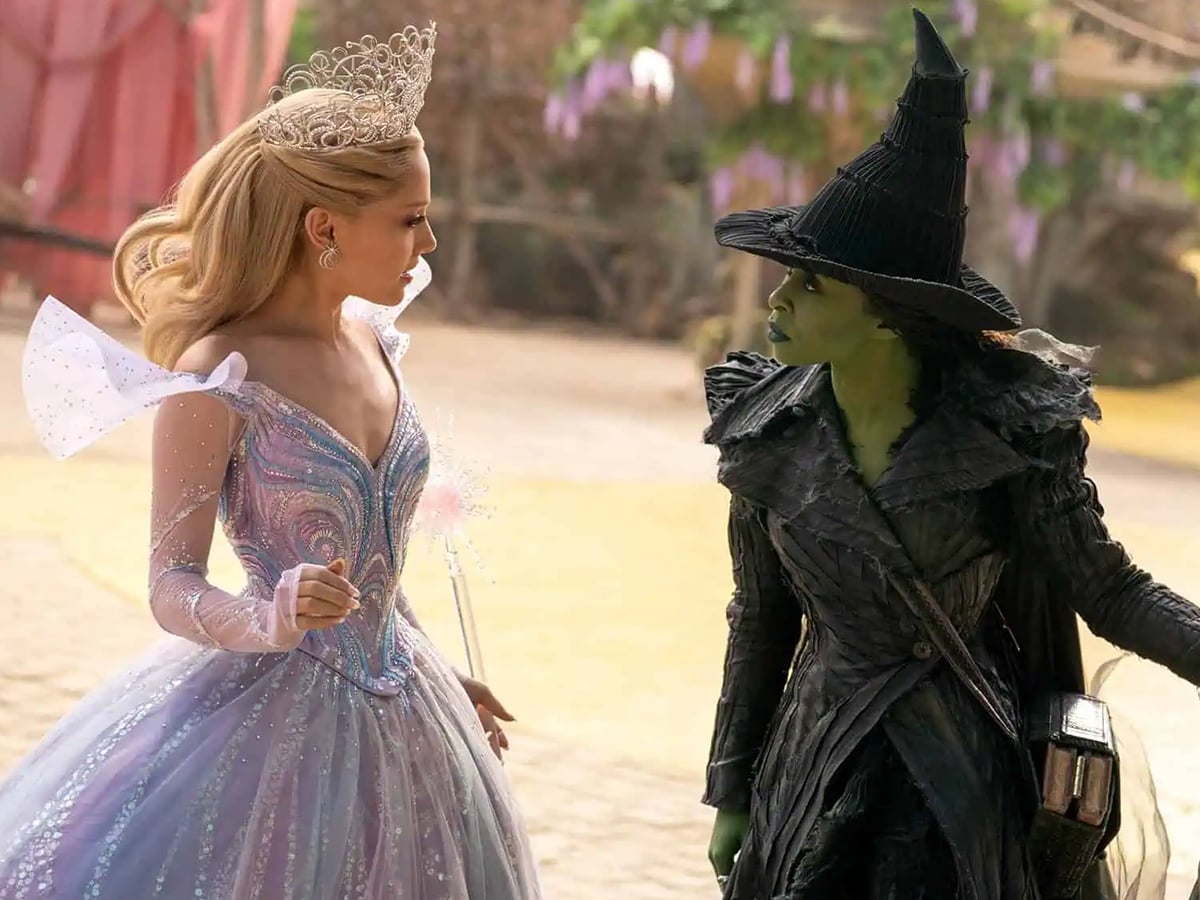
The entire Wicked project was such a colossal misfire that it’s hard to know where to begin; the films looks ugly and plastic, the subtext is overstated and obvious, the ties to The Wizard of Oz are awkward, and the decision to split the musical into two chapters resulted in a tonally misguided mess in which it was clear that director Jon M Chu didn’t have a grasp on the character motivations.
Although there are many dramatically inert moments in Wicked: For Good, it was clear that the sequel suffered from the fact that there was never the suggestion that Cynthia Erivo’s Elphaba, Ariana Grande’s Glinda, Jonathan Bailey’s Fiyero, and Ethan Slater’s Boq had been a closely-knit group of friends in the first film. Chu’s solution, thus, to include a few melodramatic flashback scenes of the characters having a picnic in a field, shot with horrific backlighting, was devoid of a clear point in the timeline in which this would have taken place and was beyond repulsive visually.
The real killer is revealed: ‘I Know What You Did Last Summer’ (Jennifer Kaitlyn Robinson)<br>
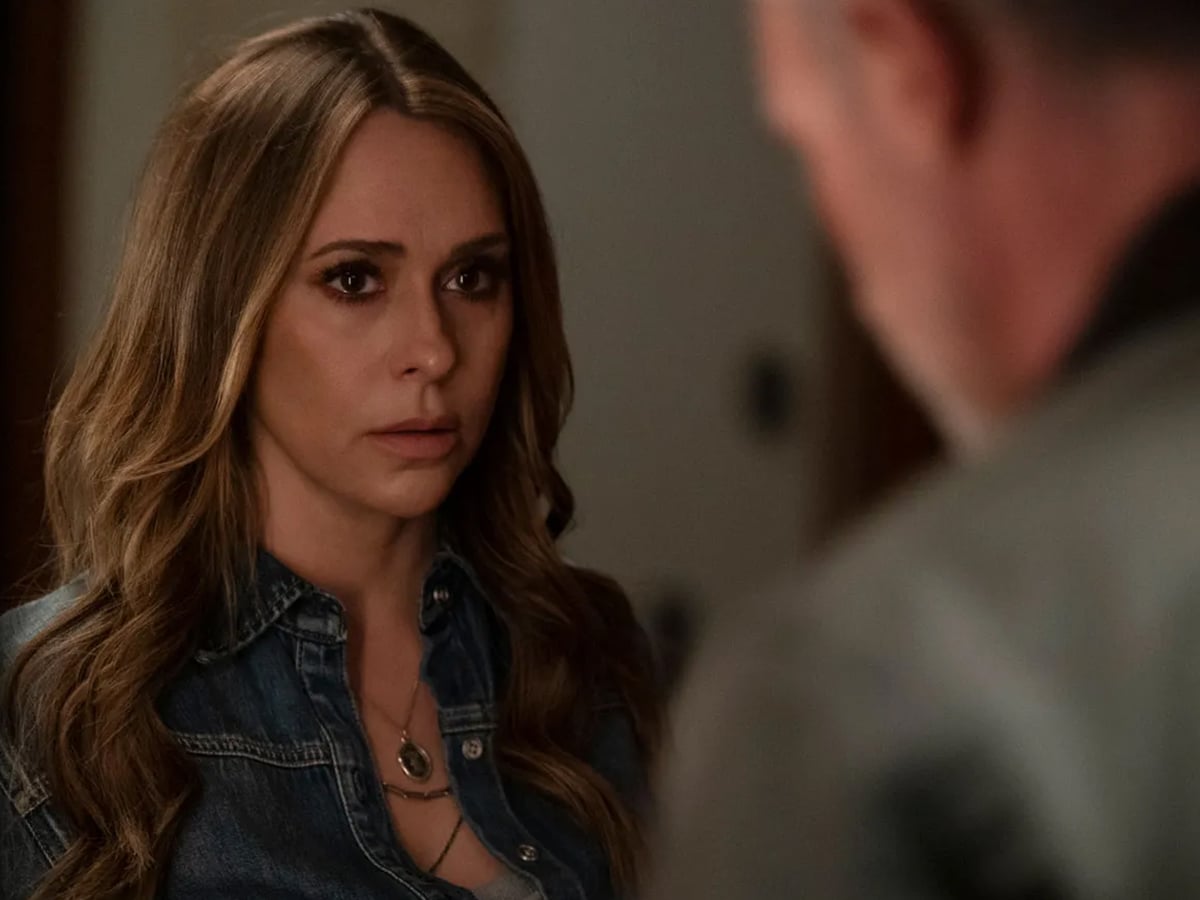
No one was really clamouring for a legacy sequel to I Know What You Did Last Summer, but considering that the recent revival of the Scream franchise was a smash hit, Columbia Pictures decided it was best to revamp another 1990s horror franchise written by Kevin Williamson.
Although this year’s I Know What You Did Last Summer is mostly focused on a new batch of teenage characters, it does include the return of Freddie Prinze Jr as Ray Bronson, who is inexplicitly revealed to be the new killer who has taken on the mantle of ‘The Fisherman’.
It’s a cheap reveal used for shock value, and Prinze Jr’s acting is hardly convincing, even if he can’t be blamed, given Ray’s confusing motivation. It’s hard to imagine why anyone would have thought this would be a good idea; fans of the original were probably upset by the character assassination of Ray, and younger viewers with no familiarity with the franchise were likely confused as to who Prinze Jr was playing and why they should care.
The crash landing: ‘Flight Risk’ (Mel Gibson)<br>
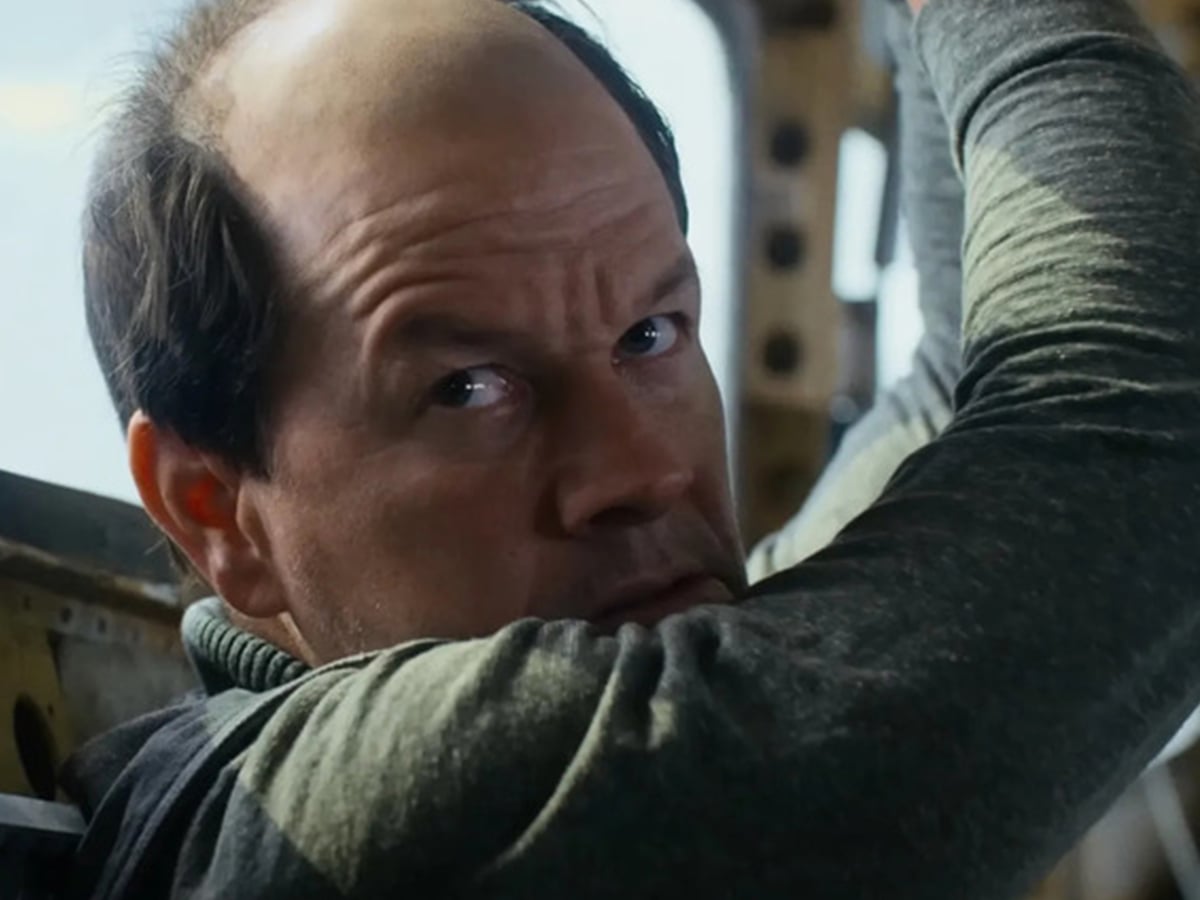
Mel Gibson is incapable of not starting some sort of controversy, but for all his faults, he’s a talented filmmaker who knows how to make action-packed historical epics. This makes it all the more confusing why he decided to make Flight Risk, a cheesy B-movie produced on a shoestring budget, which didn’t play to his strengths as a filmmaker at all.
Flight Risk feels like a film that was shot during Covid-19 lockdowns because it’s almost entirely set in an isolated cockpit where the US Marshal Madolyn Harris, played by Michelle Dockery, transports the mafia-adjacent accountant Winston, played by Topher Grace, only to discover that Mark Wahlberg’s pilot Daryl Booth is actually a psychopathic killer, making it such a mean-spirited and cheaply produced feature that it’s enjoyable in only a ‘so bad it’s good sense’.
However, the film’s CGI-ridden finale, in which the plane crashes onto a landing strip, is just downright embarrassing for everyone involved, making the whole endeavour a colossal confusion.
