


The 10 most disappointing movies of 2025

The film industry may be crumbling, but 2025 was a great year for cinema, with Ryan Coogler’s Sinners and Paul Thomas Anderson’s One Battle After Another defying impossibly high stakes and expectations by winning over audiences, critics, and a dire box office.
Both auteurs seemed poised for failure, striking out into the unknown by (in Coogler’s case) staking their reputation on a big-budget, original passion project and (in Anderson’s case) taking on the biggest budget of their career, and instead of becoming yet another example of Hollywood’s slow slide into bankruptcy and the end of the theatrical experience, these films were the real deal. With big emotions and even bigger visual spectacle, they had to be seen in the cinema, and audiences were more than happy to do so.
Inevitably, though, there were films that met the opposite fate; in order to be disappointed, you have to have relatively high expectations, so this is absolutely not a list of the worst movies of the year, such that in all but one case (looking at you, Guy Ritchie), it’s a list of movies that had enormous potential but couldn’t quite follow through, but this is not about disparaging some of our greatest filmmakers and actors or deriding noble failures.
Movies are hard to make, no matter the budget, and it can be impossible to tell whether you’re making a masterpiece or John Carter until it’s too late, but for the cinephiles of the world, it’s worth going through all the movies that seemed poised to be some of the best of the year, and figure out what went wrong.
The 10 big movie disappointments of 2025:
‘Spinal Tap II: The End Continues’

The shadow of a genre-defining movie that was released more than four decades ago is simply too enormous to do it justice, so it should not have come as a complete surprise when Spinal Tap II: The End Continues was released this year and confirmed that the scrappiness of the 1984 original cannot be matched. Even though Christopher Guest, Michael McKean, and Harry Shearer have lost none of their comedic genius or affinity for their rock and roll alter egos, this sequel feels far too calculated to spark the same gleeful guffaws as the first.
The film hangs loosely on the premise that the three members of the now-disbanded Spinal Tap are reuniting in New Orleans for one last gig, wherein they spend most of their time in a recording studio, hashing out their differences and rubbing elbows with the likes of Paul McCartney and Elton John, both of whom are so ham-fistedly shoe-horned in that they might as well have filmed their scenes against a green screen and been CGI-ed in in post-production.
While most of it in fact pretty pleasant, what is lacking is the sense of spontaneity and chaos that made the original Spinal Tap what it is, such that most of the jokes sound scripted, and it feels as though everyone simply crumbled under the weight of all those decades of acclaim and tried to plan out every moment to avoid failure, which sadly, had the opposite effect.
‘After the Hunt’
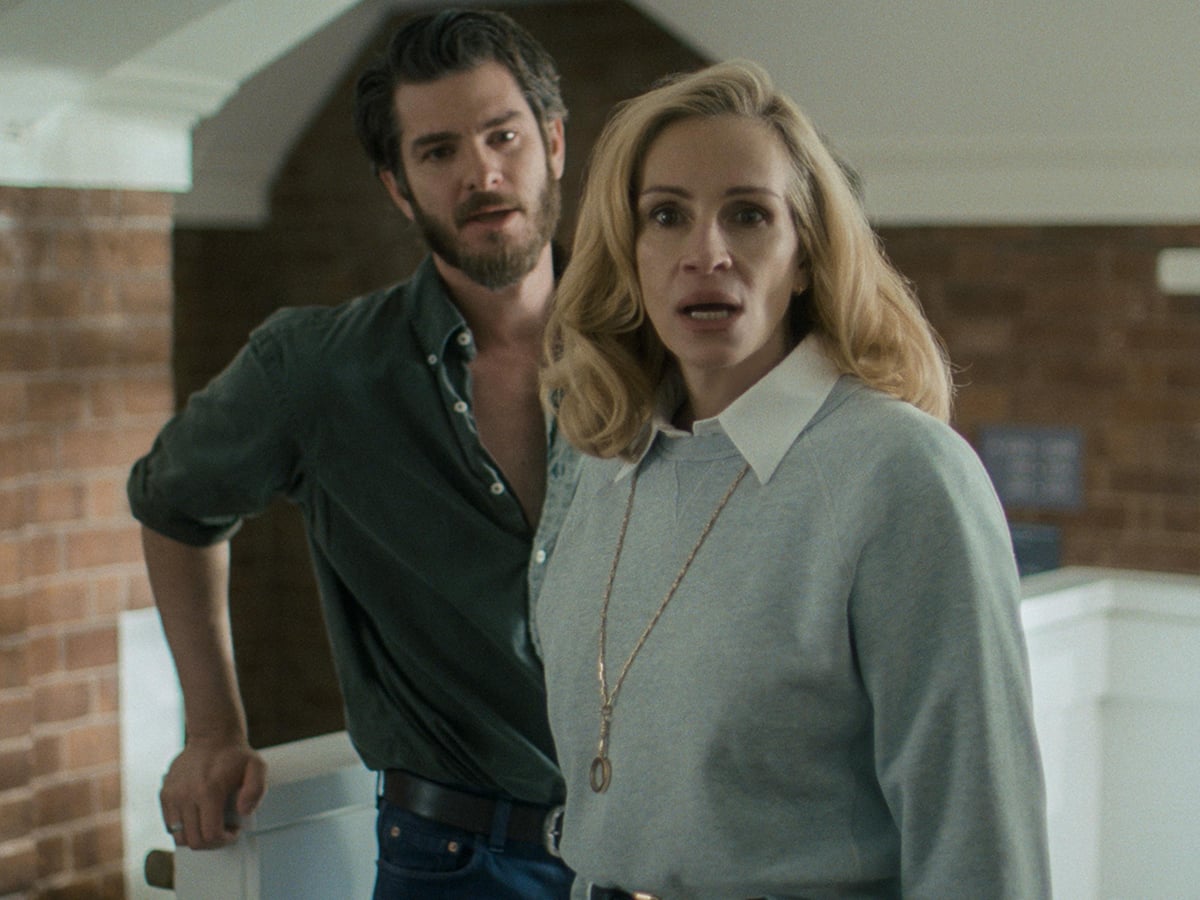
Luca Guadagnino thrives on stories full of sex, desire, and emotional intimacy, with Call Me By Your Name being one of the great films of the 21st century, and Challengers the sexiest movie about tennis ever made (a surprisingly high bar).
After the Hunt had all the potential to be just as torrid and tender as the rest of Guadagnino’s filmography, with an all-star cast of Ayo Edebiri, Julia Roberts, Andrew Garfield and Michael Stuhlbarg, set in the claustrophobic atmosphere of an elite American university, but instead, it ended up being an old-fashioned melodrama that fails to engage with the complex subjects it broaches.
Edebiri plays Maggie, a PhD student who accuses one of her professors, Garfield, of sexual assault after leaving a party hosted by her ethics lecturer, played by Roberts. The characters spend most of their time discussing, in florid paragraphs, the not-so-subtle parallels between their lives and the topic of their work, and it’s the heavy-handed set-up of Roberts as an ethics lecturer struggling to confront a moral dilemma that never hints at real complexity.
There are constant references to Gen Z’s political correctness, obsession with trigger warnings and victimhood, and the chasm between feminism of the older generation and intersectional feminism of the younger generation, but all of these are thorny topics that are never fully explored, simply name-checked and sped past, as if the screenwriter couldn’t actually find anything novel to say about them.
‘The End’
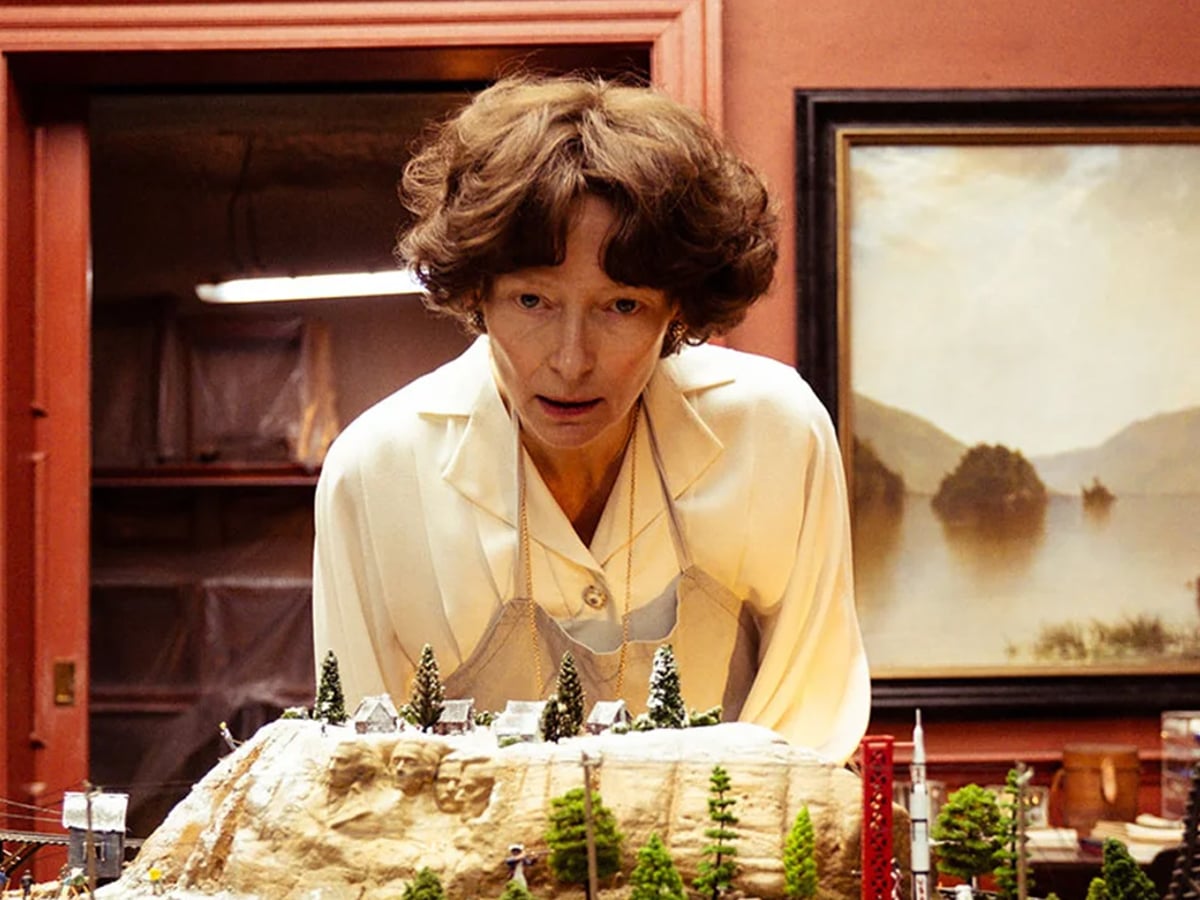
Joshua Oppenheimer stunned critics with his 2012 documentary The Act of Killing, in which he showed participants of the Indonesian mass killings of the 1960s re-enacting the torture and murder they had perpetrated, making for a bold and original take on the documentary form.
Thus, it was no surprise that he would try something equally bold when he moved into narrative filmmaking, which resulted in The End, a two-and-a-half-hour musical about the end of the world, in which a wealthy family lives in an underground bunker after the Earth has been destroyed, and when a lone survivor makes her way to their home, they can’t look away from the part they played in the catastrophe.
To be clear, we should all be applauding brash, original storytelling like this, but unfortunately, The End is so self-indulgent and pretentious that it’s hard to feel particularly impressed. The characters are forced to confront, in various ways, their responsibility for the destruction of the world, which falls into a repetitive, stilted, and meandering pattern, and although there is some level of wish fulfilment in seeing the uber-rich face the casualties of their actions, there is no satisfaction to be gained from watching them rehash things again and again in a series of forgettable musical numbers; it’s a noble failure that feels a lot less noble after you’ve sat through the whole 150 minutes.
‘Opus’
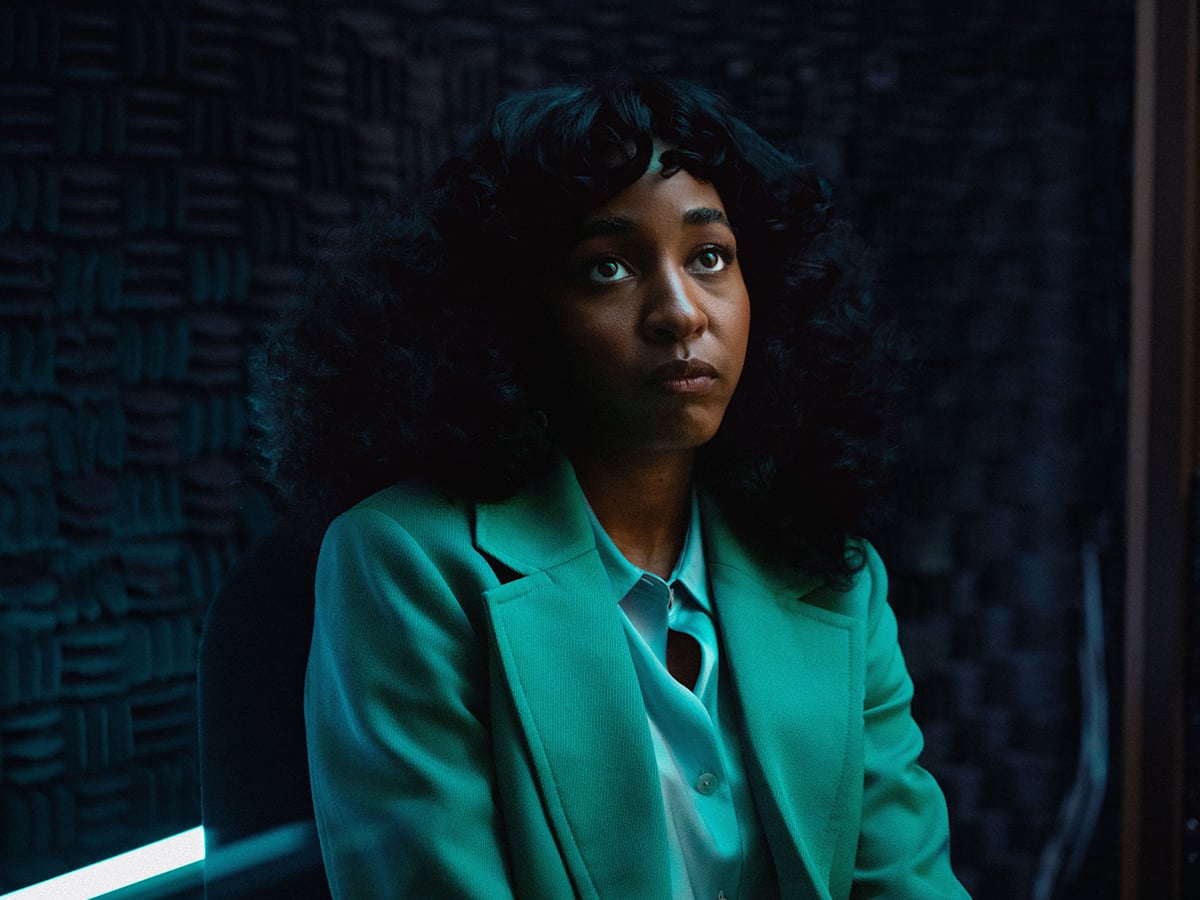
It’s rare that a first-time director lets you down, but it was hard not to have high hopes for Mark Anthony Green and his debut, Opus. Cameron Crowe went from Rolling Stone journalist to directing Say Anything…, Jerry Maguire, and Almost Famous, so it seemed fairly reasonable to hope that Green could go from GQ journalist to something similar, given that Opus also had a promising premise.
It stars Ayo Edebiri as an ambitious young culture journalist who wins the scoop of a lifetime when she’s invited, along with several other members of the press and cultural elite, to the ranch of a reclusive former pop sensation played by John Malkovich.
The set-up suggests another eat-the-rich style story with opulent sets and a deliciously campy performance from Malkovich, and while all of that is technically present, the film falls apart pretty quickly. Perhaps if it hadn’t strayed into horror territory, it could have kept its head above water, but the increasingly bizarre descent into satanic cult territory makes for a frustrating own-goal.
‘Eddington’
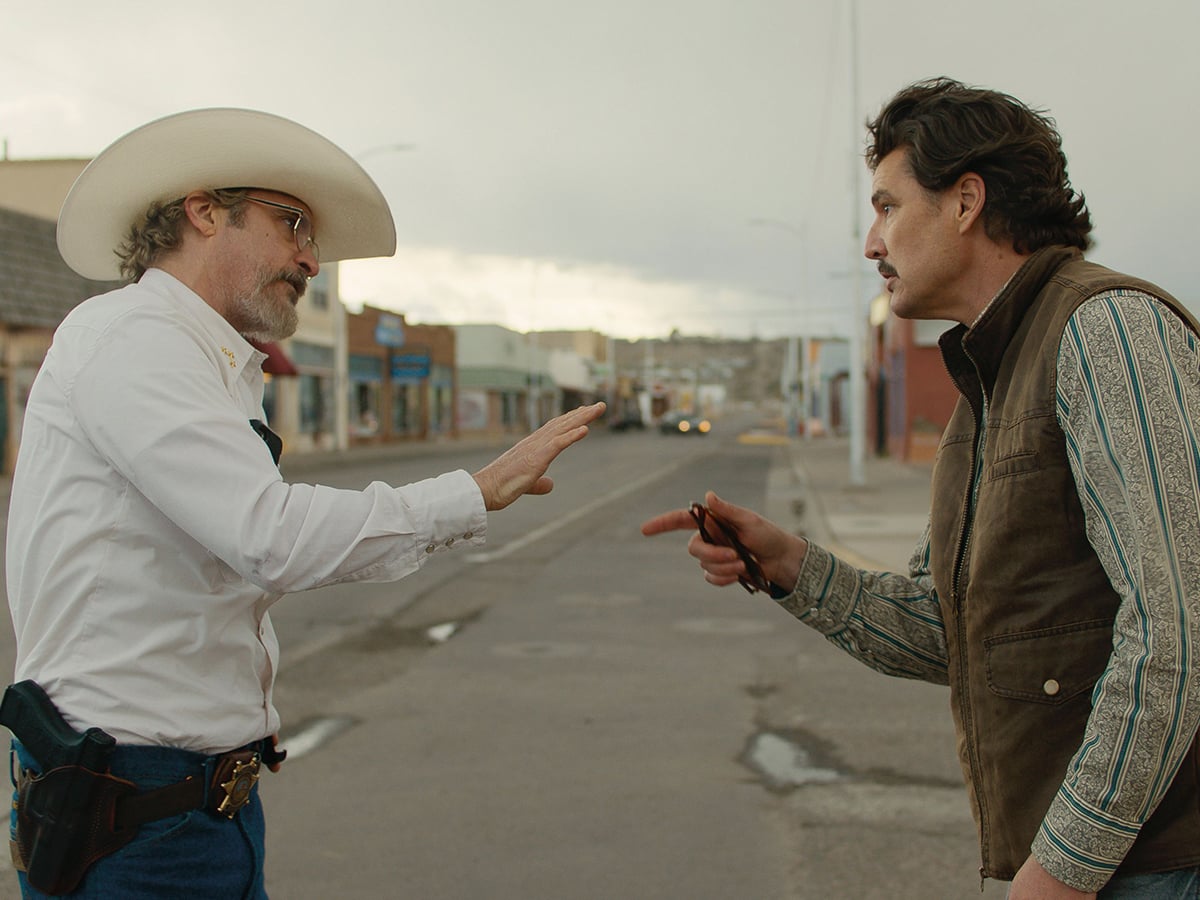
At his best, Ari Aster is polarising in a good way with films like Hereditary and Beau is Afraid, presenting characters who creep under your skin in horrifying and delightful ways, and no matter how much you want to stop watching, you can’t help but stick around to see what fresh hell exists in the next scene.
Eddington had the raw materials to be that on steroids, being set during the Covid-19 pandemic, it follows a scarring, divisive mayoral election in a small New Mexico town between Joaquin Phoenix’s sheriff and Pedro Pascal’s the incumbent mayor.
There is a lot to be said for capturing a snapshot of history as it’s happening, which Paul Thomas Anderson was arguably doing with One Battle After Another. However, Aster’s attempt at showcasing the clash between so-called ‘wokeness’ and far-right extremism comes across as smug and over-simplified, for there is a lot of literal finger-pointing and not much beyond that, making for exactly the sort of breathless, easy rage that you can find on social media any day of the week.
‘The Phoenician Scheme’
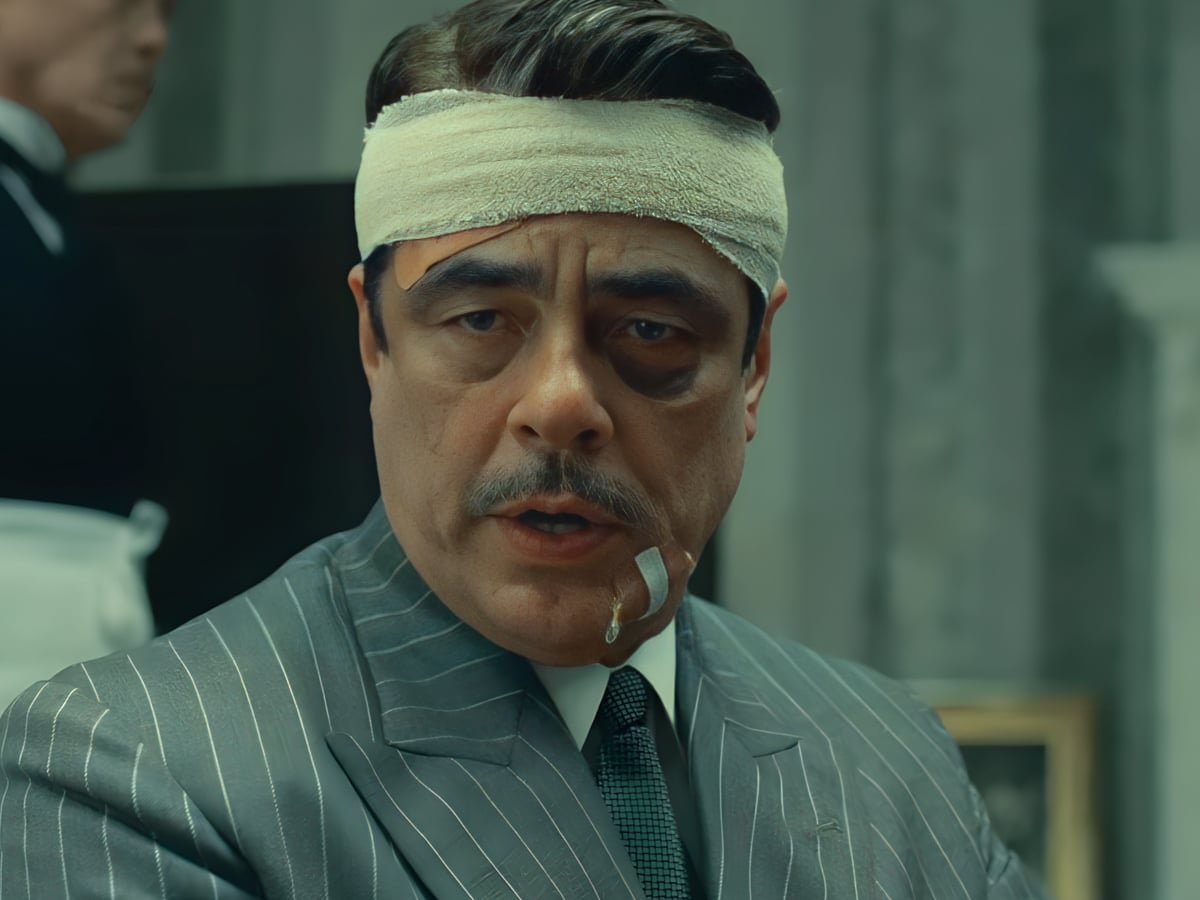
It has become a cliché to point out that Wes Anderson’s movies have become a parody of the director’s earlier work, but it is also a fact, such that The Phoenician Scheme boasts a stellar cast of Benicio Del Toro, Tom Hanks, Scarlett Johansson, and Michael Cera, but squanders most of them and you never once believe in any of their characters.
Del Toro stars as an arms dealer and international tycoon who narrowly escapes one of many assassination attempts and decides it’s time to teach his estranged daughter, played by Mia Threapleton, the ropes of his business, which forms the premise of the film, and while all Wes Anderson films are mannered, this one feels so wooden and lifeless that it’s hard to care about any of the convoluted plot machinations.
The actors spout their lines without a single facial expression or intonation, and move as if they were never granted the privilege of joints, and all the visual opulence is a complete waste in this light, which makes it hard not to look back on something like The Grand Budapest Hotel and wonder where along the way Anderson lost the desire to make his audiences feel something.
‘Jurassic World Rebirth’
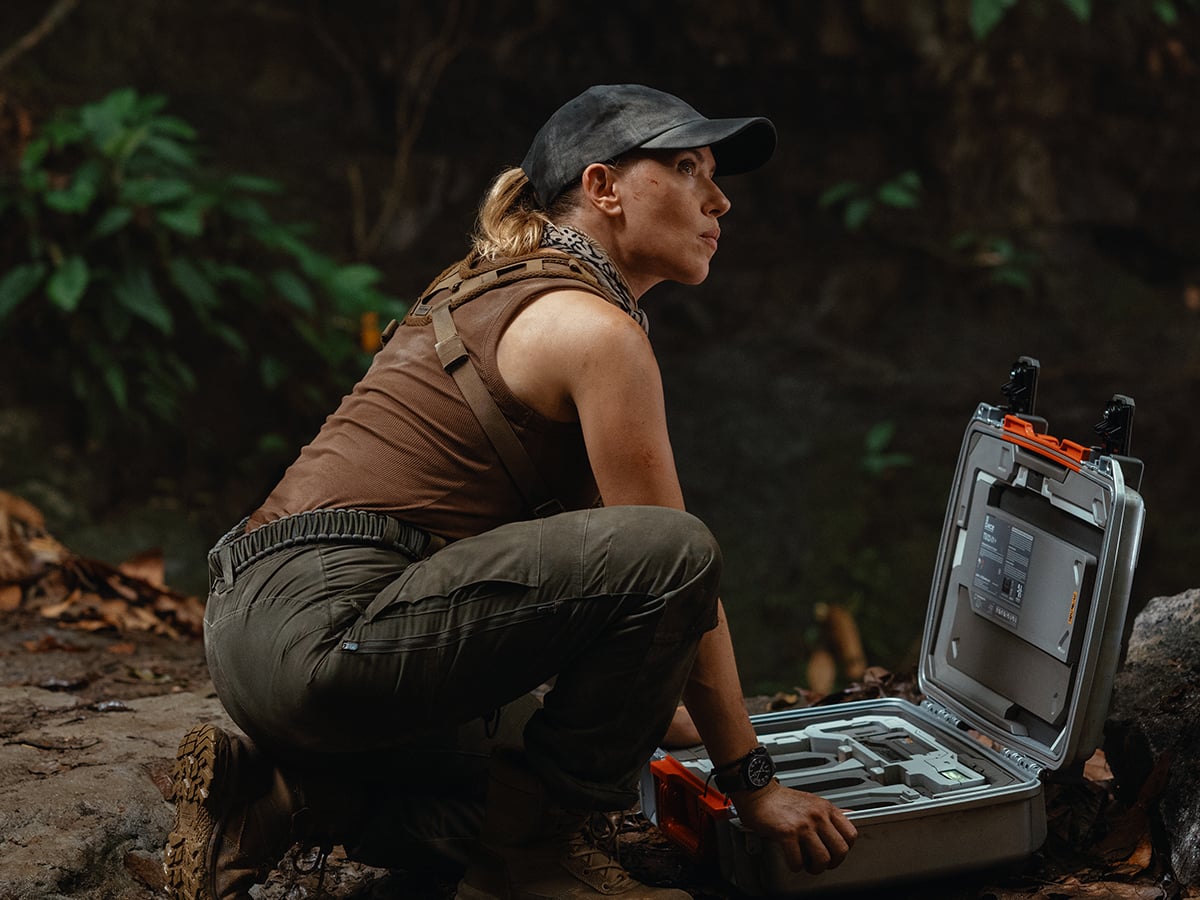
If you are not a Jurassic Park person, I understand that this year’s reboot may not have been important to you, but if you grew up in awe of Steven Spielberg’s dinosaur masterpiece and had to suffer through the Chris Prattification of the franchise, Jurassic World Rebirth seemed like a return to the good stuff.
An all-star cast, a director who specialises in special effects that actually seem real, and a script from the man who wrote the original Jurassic Park, what could possibly go wrong?
Most things, apparently, that while Scarlett Johansson and Jonathan Bailey brought the star power and Gareth Edwards brought his technical skills, David Koepp seems to have fed some plot ideas into ChatGPT and didn’t bother to edit the results.
The dialogue is laugh-out-loud stupid, and at no point do the characters seem real. Plus, akin to most action movies these days, the entire world looks fake, which really makes you wonder whether CGI has gotten any better since the first film was released three decades ago. Seriously, I challenge you to watch the 1995 film and the 2025 film back-to-back and decide which one looks more life-like, for I’m pretty sure you’ll say the former.
‘Fountain of Youth’
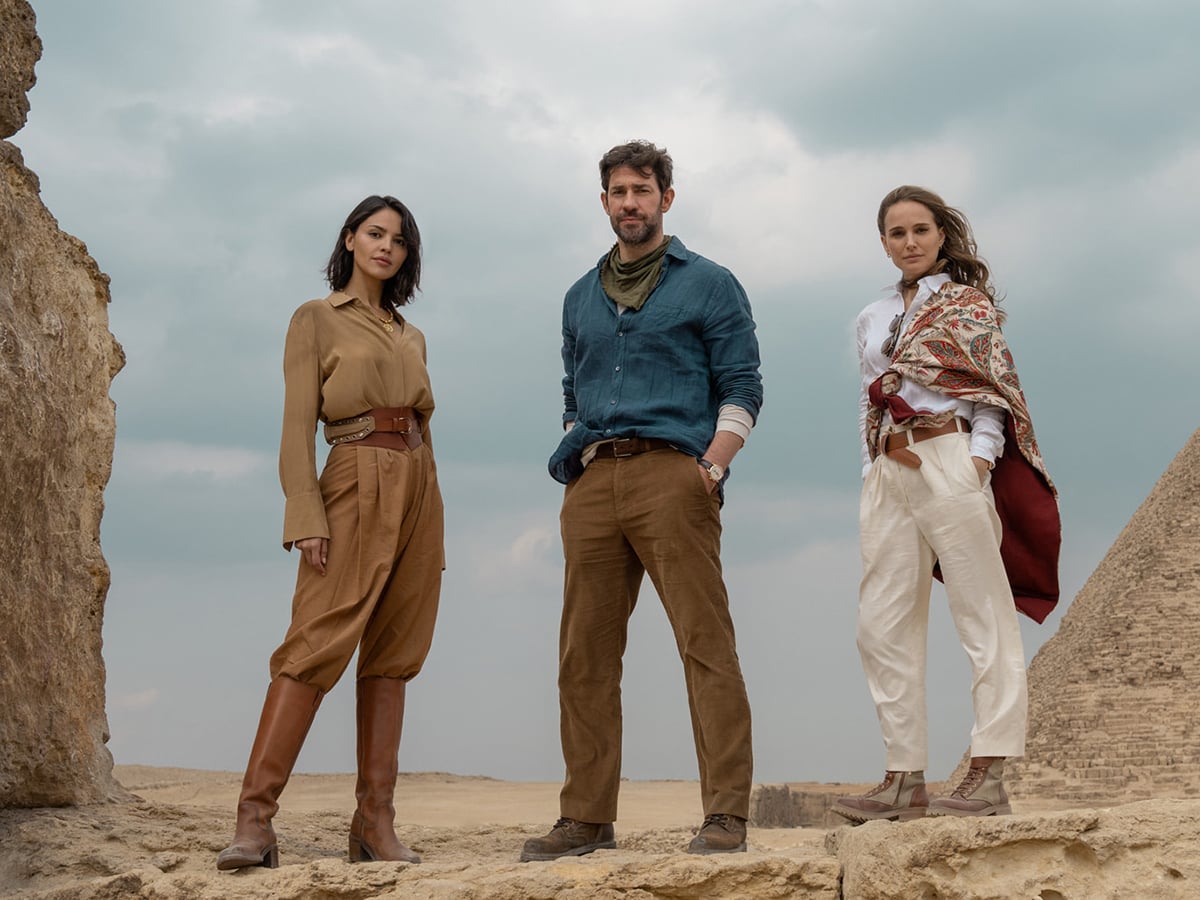
No one expects Guy Ritchie to win an Oscar (except for Guy Ritchie, perhaps), but even by his own thesaurus-fuelled standards, Fountain of Youth was a crashing letdown that sees John Krasinski play a Shein-level knockoff of Indiana Jones, on the hunt for the mythical Fountain of Youth, which he is convinced is hidden somewhere behind some paintings, and Natalie Portman plays his sister who like most women in this type of film, is a humourless harpy who doesn’t know how to have a good time.
The dialogue is laughable, the plot a series of clichés, and the only thing that does work is something that really shouldn’t, which is Krasinski and Portman showcasing some god-honest chemistry, and not the sibling chemistry that they should have, but something bordering on romantic.
There is no reason why these characters have to be siblings, which makes you wonder why they aren’t just romantic interests, and in a film with very little to think about, this question will really start to wear on you.
‘Mickey 17’
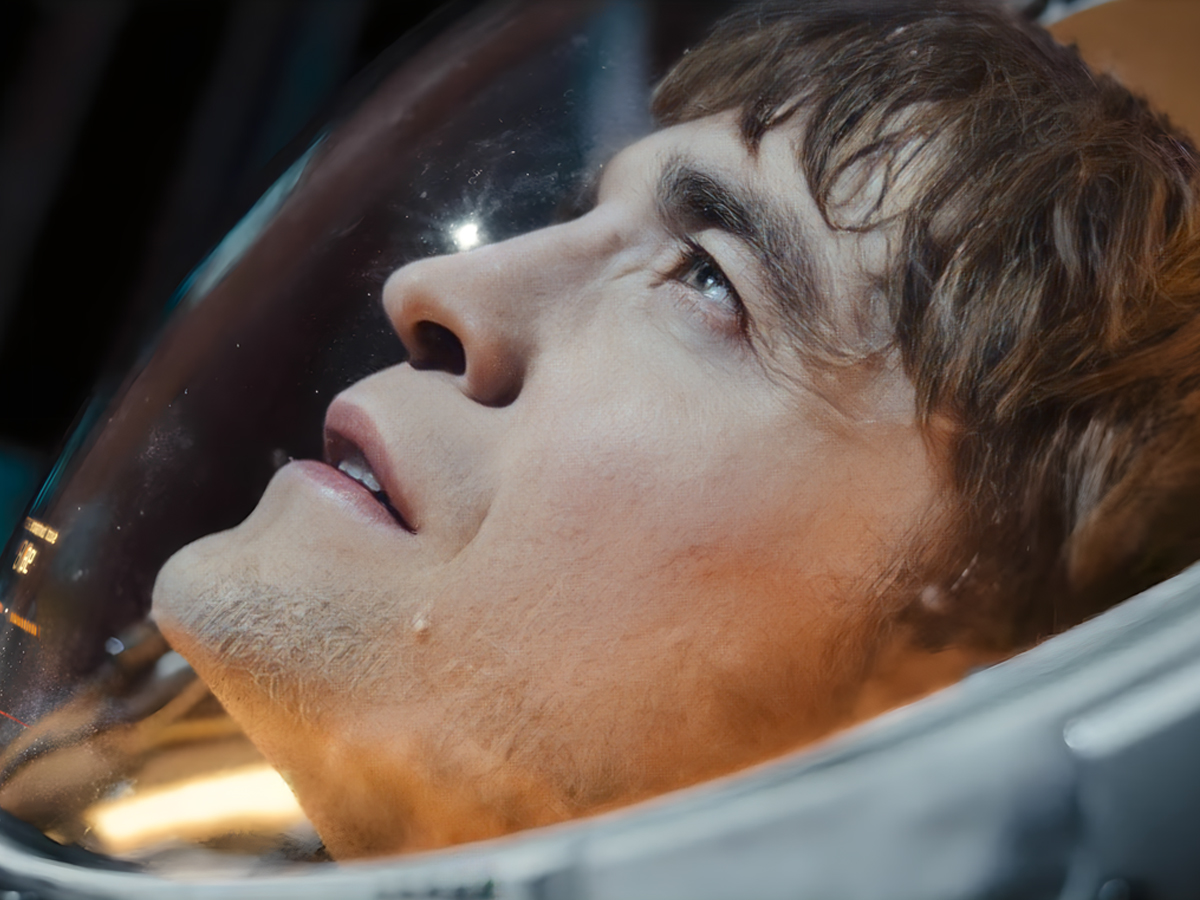
Bong Joon-ho won an Oscar for Parasite in 2020, a movie that depicted, through layers of allegory and a few jaw-on-the-floor twists, the class divide that haunts the modern world. It’s clever, stylish, and constantly surprising, and it became the first non-English language film to win ‘Best Picture’, and Mickey 17 takes on similar subject matter, relocating it to outer space.
Robert Pattinson plays the titular Mickey, an expendable worker who is sent into dangerous situations and cloned every time he predictably dies, and at some point, when he falls in love with a security guard named Nasha, played by Naomi Ackie, he starts to question why he has to keep getting slaughtered.
There are some cute CGI beasties, Mark Ruffalo plays Donald Trump, and Toni Colette hams it up for the camera in a way that hasn’t been done since Diving and John Waters collaborated, but it is also an interminable exercise in stating the obvious, time and again.
Perhaps the first mistake was making Robert Pattinson’s character unbelievably thick, wherein he is slow on the uptake, to say the least, and waiting for it to dawn on him that his life is shit takes half the runtime; thus, by the film gets around to hammering home the point that fascism is bad, you might already be sobbing with boredom.
‘A Big Bold Beautiful Journey’
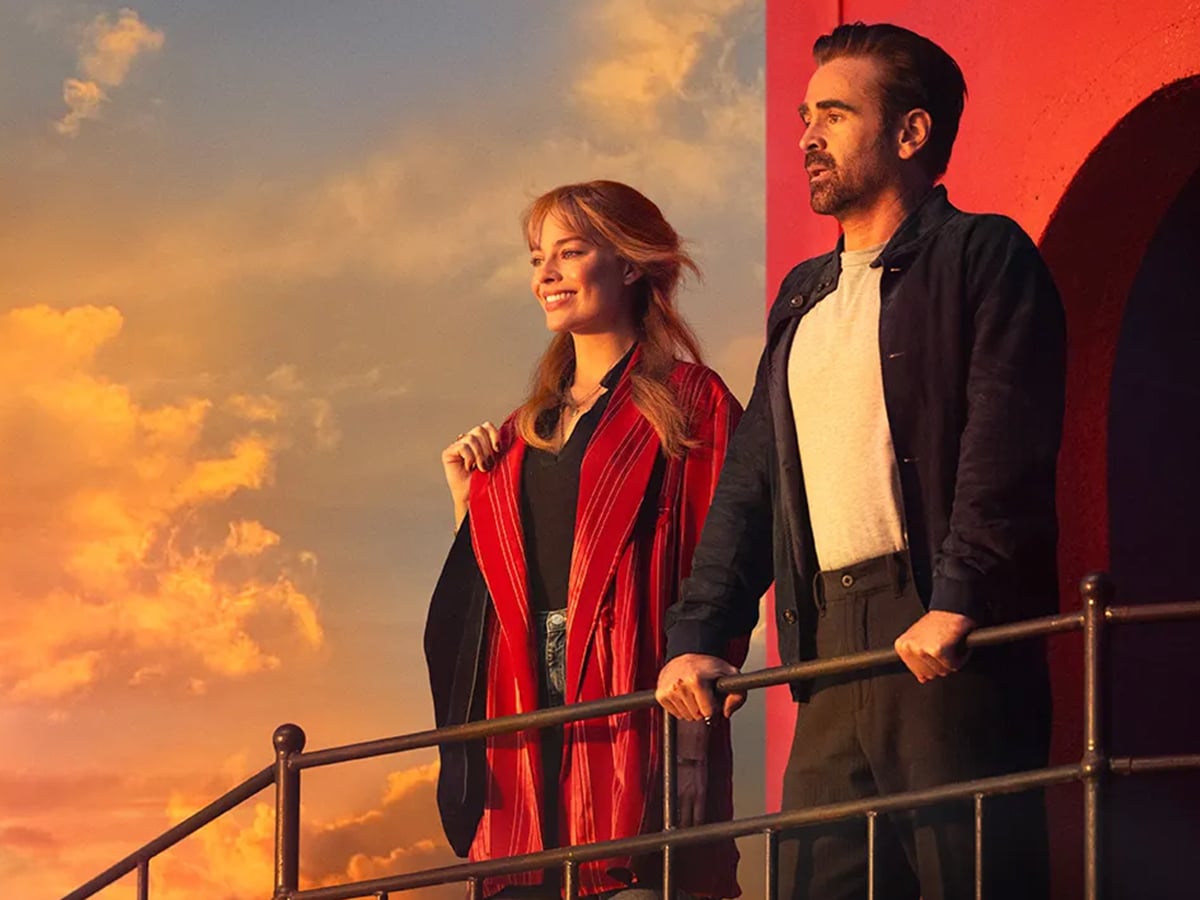
When the first trailers for Kogonada’s A Big Bold Beautiful Journey were released, it looked a lot like the Barbie trailers from two years before, a twee, colour-drenched monstrosity starring Margot Robbie that had no chance of winning over 21st-century audiences, but hey, it worked, so who’s to say that this time-hopping fantasy wouldn’t work as well?
Plus, it had Kogonada, a director known for making exquisitely crafted films that focus both on the minuteness of the real world, such as Columbus, and the emotional nuance of science fiction, like in After Yang, so success seemed inevitable.
Unfortunately, A Big Bold Beautiful Journey was exactly what it looked like, following two strangers, Robbie and Colin Ferrell, who embark on a fantastical journey through moments in their past via a car supplied by Phoebe Waller-Bridge and her unexplained German accent.
Rather than posit how such a thing might be possible, it flits around on the surface of its premise, doling out saccharine platitudes and aping cinematic classics like The Umbrellas of Cherbourg and Eternal Sunshine of the Spotless Mind without ever coming close to the darkness that made both those films successful.
