


‘Mickey 17’ movie review: a high-energy space drama from Bong Joon-ho

Talented and innovative director Bong Joon-ho has followed up his acclaimed 2019 feature, Parasite, with a unique outer space adventure, Mickey 17. A combination of classic science fiction, black comedy, and ethical philosophy, the film is a vision of the future that is both funny and bleak and uses a chaotic, farcical tale of planetary exploration to explore, among other things, the nature of personhood.
The film is adapted from the novel Mickey7 by Edward Ashton, who co-wrote the script with Bong. Set 30 years in the future, the story follows protagonist Mickey Barnes (Robert Pattinson) as he joins a team of colonists destined for the unpleasant but habitable planet Niflheim. Mickey has unwisely signed on as an ‘expendable’ – a lowly crew member who is sent to face the various hazards of the new planet before his colleagues and very likely die from some of them, allowing the colonists to learn from his experience and eliminate the risks. This works because of the ‘human printer’, a technology that allows the dead expendable to be remade, his memories digitally captured and restored to his newly printed brain. The film begins with the 17th copy of the original Mickey Barnes as the main character and narrator.
Bong’s version captures in grim but fascinating detail the privations and conflicts that might be involved in an interplanetary colony. The set design for the new planet is effective and alien without being outlandish. However, space exploration is merely a background to the central story of the multiple versions of Mickey and what happens when something unexpectedly goes wrong with the reprinting process.
The main plot deals with a philosophical question popularly known as the Tele-transport Paradox, which asks whether a hypothetical perfect duplicate of a person’s mind and body would be the same person or a separate person. Ashton once explained that his novel “looks at philosophical questions about what we are as humans and what consciousness means”. The writer explored the issue in Mickey7, and Bong was determined to take it still further.
While respectful of the original material, the director chose to change and expand the story in many directions. Bong held a lengthy meeting with the author, hoping to gain as much understanding as possible of the novel and its characters, making a point of asking Ashton to name any feature he considered indispensable to the story and promising to include it. Ashton has stated he was more than satisfied with the adaptation plans (he also wrote a sequel to the novel Antimatter Blues, inspired by plans for the film adaptation, in a cross-media case of one hand feeding the other).
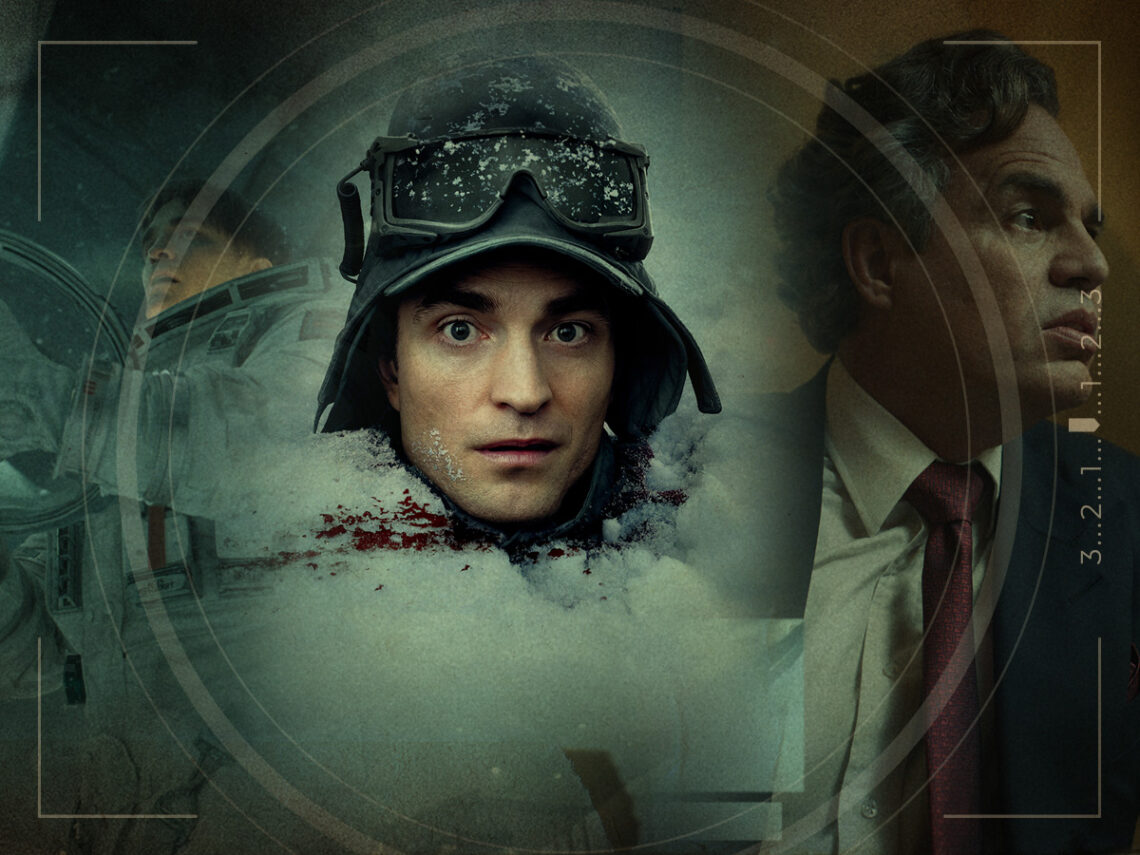
A highlight of the movie is the casting of Pattinson, who plays Mickey as naive, trusting, and what the actor described as simply “silly”, as he foolishly signs up for the position of expendable to escape the consequences of earlier bad decisions, and endures callous treatment by the crew as he goes through multiple deaths (filmed in unpleasantly graphic detail). Also excellent is Naomi Ackie (Blink Twice; Star Wars: The Rise of Skywalker), who perfectly balances his character as the more savvy Nasha, Mickey’s sole reliable companion on the station and a pivotal character; director Bong points to Nasha’s influence as key to the story’s outcome.
Steven Yeun (who previously worked with Bong Joon-ho in Okja) adds comedy and strife as Mickey’s dubious friend Timo. Pattinson’s ongoing voice-over narration of events and flashbacks that provide an explanation offers an amusingly innocent account of the often treacherous and unprincipled activity. His subtle approach to Mickey’s other ‘versions’ also provides interesting insights into the paradox at the heart of the story.
The film includes more than enough adventure and human drama as the colonists struggle to survive the harsh alien environment and deal with conflicts among themselves ranging from petty to life-threatening, and the presence of life on the new planet further complicates matters. The script also expands a great deal on the character of the colony’s leader, Marshall (Mark Ruffalo), a dark but amusing character in the inept despotic cult-leader category, whose erratic reign seems to parody aspects of present-day Earth politics. Toni Collette is also hilarious as Marshall’s wife, facilitator, and psychological crutch, Yifa.
Whether as high-energy space drama, ludicrous comedy of errors, or reflection on humanity, this strange and complicated story was put in the right hands. Bong Joon-ho brings it effectively and entertainingly to life.
