


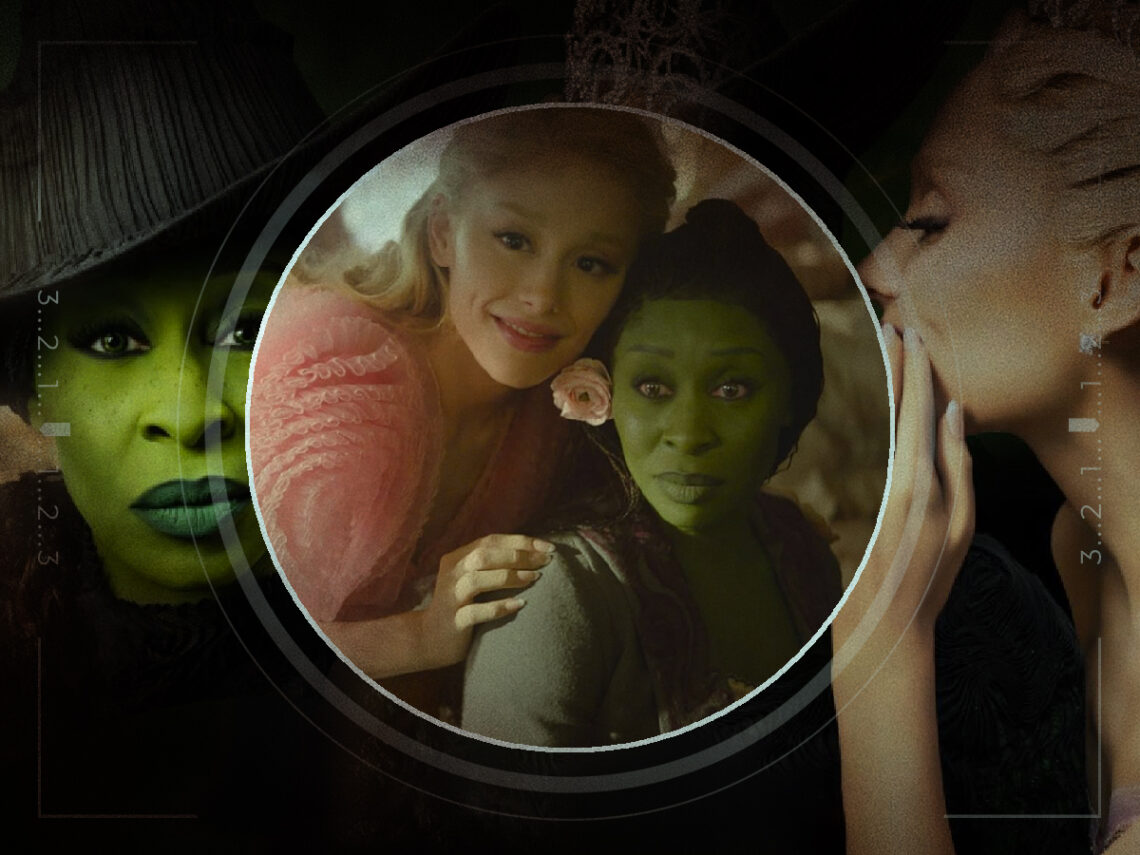
Hear Me Out: ‘Wicked’ is the death of cinema

Last week, my housemates somehow convinced me to watch Wicked. I’m admittedly not a big fan of musicals, but as a kid, I couldn’t get enough of Starlight Express and Hairspray, so if you present me with one that’s interesting enough, I’m open to it. I love Jacques Demy’s The Umbrellas of Cherbourg, after all.
But Wicked is not exactly The Umbrellas of Cherbourg. What I soon discovered is that John M Chu’s Wicked is basically a Marvel version of a musical, and everything it lacks in good musical numbers can’t even be salvaged by its visual appearance. It looks like shit.
Washed out and bland despite the fact it’s set in the same world as the gloriously Technicolor The Wizard of Oz, Wicked is a two-hour and 40-minute slog of exposition, told through endless musical numbers that are uninspiring, largely forgettable, and in some cases, performed with a rather lacklustre sensibility.
I couldn’t get over the final scene, in which Cynthia Erivo’s Elphaba, the Wicked Witch of the West, sings ‘Defying Gravity’ (although the performance is interrupted countless times) as she shoots across the sky while the likes of Glinda and Madame Morrible watch on. It’s meant to be an emotional moment, but as everything quietens with the same sensibility as an action movie trailer to allow Elphaba to deliver her iconic “Ohh woah ohh ohhh” riff, I couldn’t help but laugh.
Is this what modern cinema has come to? The way Elphaba is filmed flying across the sky is superhero-like, and it feels like an offcut from an MCU movie, which is only emphasised by the dramatic ‘To be continued’ that flashed upon the screen to tease Wicked: For Good.
The film, slightly shorter this time around, has just been released, and it’s safe to say that I will not be watching it, almost out of protest. Big blockbusters aren’t a new invention, of course, but the more we fawn over these cash-grab excuses for art, soulless despite their supposed emotional pull, the more we give into the capitalist movie-making machine that is destroying true artistry. I don’t want to sound pretentious – I love certain blockbusters, especially Titanic, and one of my all-time favourite movies is literally The Cat in the Hat – but Wicked and Wicked: For Good feel like the end times for great cinema.
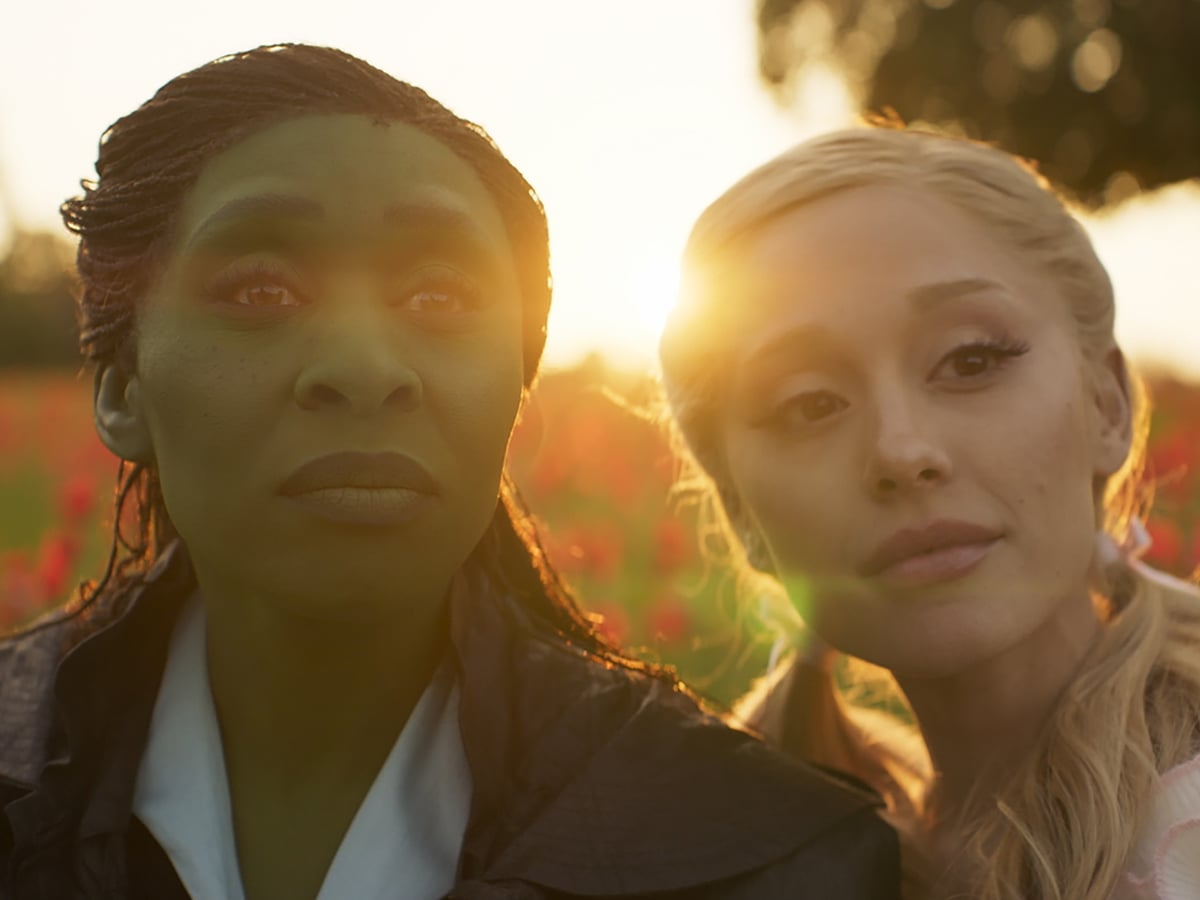
At least Titanic actually makes you cry, and it’s visually impressive. Wicked looks like someone with no concept of colour grading came in and ruined their one job. Imagine if it were illuminated in gorgeous Technicolour – even The Cat in the Hat is considerably more visually impressive than Wicked. When you’re making a movie that relies so much on creating an immersive world, it needs to lure you in. I was not interested in entering the world of Oz at all (and sidenote, why is the university called ‘Shiz’?).
Why can’t we have original ideas back? There have been some great new releases this year, from Paul Thomas Anderson’s expansive action thriller One Battle After Another to Harry Lighton’s gem of a debut, Pillion, a multifaceted gay BDSM biker comedy, but it’s Wicked: For Good that will surely triumph at the box office.
While its predecessor earned $759million, in less than a week since For Good was released (at the time of writing), it has made $237.8million. There’s certainly time for it to sneak into the top ten highest-grossing movies of 2025, which also includes a bunch of movies adapted from existing IP, like A Minecraft Movie, Lilo and Stitch, How to Train Your Dragon, Superman, and The Fantastic Four: First Steps.
Compare this with the highest-grossing movies of 1975, and you’ll get a shock. Jaws, One Flew Over the Cuckoo’s Nest, The Rocky Horror Picture Show, Dog Day Afternoon, and Tommy – all of which are creative, original, visually impressive, and actually enduring pieces of cinema. In 50 years’ time, will people say the same about Wicked? I don’t think so.
Sure, back then filmmakers were still making movies with profit in mind, but there’s clear artistry present that Wicked, laden with effects and sucked of life, does not have. Imagine how many thought-provoking and genuinely interesting films could be made with the combined budgets used on Wicked and its sequel (that’s $300million, to be precise).
Sadly, cinema seems to be moving further away from the glory days of New Hollywood – and even the Indiewood boom of the 1990s. It’s an incredibly sad state of affairs, particularly when we currently need challenging art more than ever.
