


10 ‘next big thing’ directors who vanished without a trace

The film industry currently operates in a way where directors are bigger draws than actors, but Hollywood is keen to ignore any filmmaker who flames out too quickly.
One of the more interesting trends in the contemporary entertainment infrastructure is that the notion of a ‘movie star’ doesn’t have as much value as it once did. While there was once a period in which a big name like George Clooney, Julia Roberts, Matt Damon, Russell Crowe, or Meryl Streep could single-handedly open a film, all of these stars have had a notable box office disaster in the last few years.
In place of actors, who are always proven to be replaceable, directors with true visions have succeeded in curating passionate fanbases. There’s no one with more power in the creative side of the industry right now than Christopher Nolan, with the hype for his upcoming epic The Odyssey so immense that it’s hard to imagine anyone not going to see the film just because of his involvement.
Although there are a handful of directors working today, like Jordan Peele, Greta Gerwig, Quentin Tarantino, Wes Anderson, and Paul Thomas Anderson, who have developed similarly passionate fanbases, there’s also a handful who have essentially become blacklisted after a few flops. Landing in director’s jail can be a difficult fate to overcome, especially when the industry is so keen to move on to the next generation of talent.
10 ‘next big thing’ directors who vanished:
Josh Trank<br>
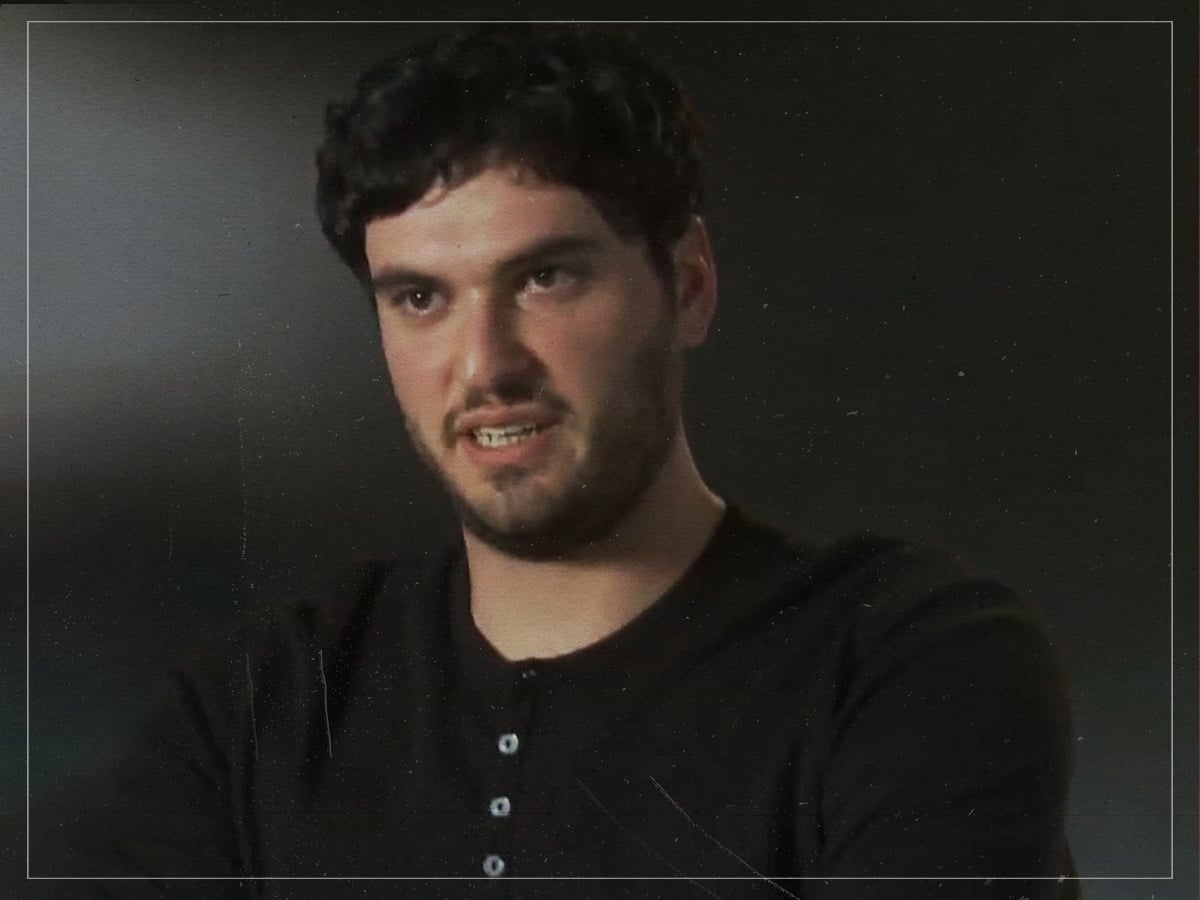
Josh Trank seemed to dip out of Hollywood’s favour in a record amount of time based on the inordinate circumstances surrounding his second feature.
His debut Chronicle was seen as an inventive new twist on the superhero origin story that combined the best aspects of the found footage genre, so it seemed like a no-brainer for 20th Century Fox to hire him as the director of their new Fantastic Four reboot.
However, the disastrous shoot resulted in many creative clashes between the studio and Trank, who was reportedly barred from the editing room after erratic behaviour, and was also fired from Disney while working on a new Star Wars spinoff film, citing “creative differences”.
Trank’s most recent film, the biopic Capone starring Tom Hardy as an older version of the mobster, was a box office disaster that received venomous reviews, so it seems unlikely that he’ll be making a comeback anytime soon.
Tim Miller<br>

Ryan Reynolds may have been the star and creative engine behind Deadpool, but it was director Tim Miller who kept the project together, even ending up receiving critical recognition for his work, as it became one of the few comic book to screen features to be nominated at the Golden Globes, DGA, WGA, and PGA awards.
However, creative clashes between Reynolds and Miller, who felt that the star was taking too much control, resulted in a new director being named for Deadpool 2 and Miller’s unceremonious exit.
Unfortunately for him, his next endeavour was met with similar creative difficulties because of the clashes he had with James Cameron while making Terminator: Dark Fate, which may have been the best film in the franchise since Cameron’s Terminator 2: Judgment Day.
Yet, the negative reaction to a major plot twist and massively underwhelming box office performance means that Miller has been out of work for several years now.
Bennett Miller<br>
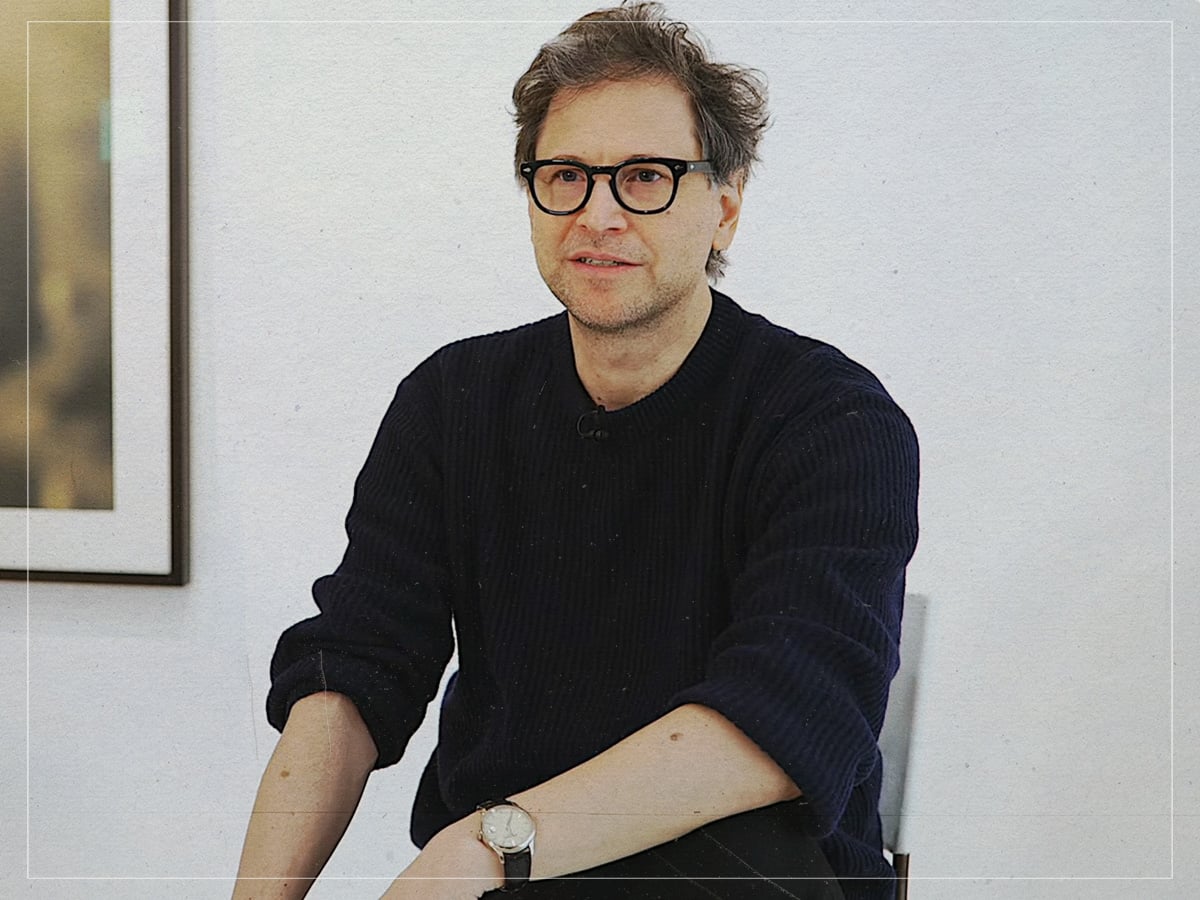
The case of Bennett Miller is one of the most fascinating instances of a director vanishing because his disappearance is somewhat inexplicable, and it hasn’t been due to a lack of hits, wherein his first narrative film, Capote, was a ‘Best Picture’ nominee that earned Philip Seymour Hoffman an Academy Award for ‘Best Actor’, and his second, Moneyball, was also ‘Best Picture’ nominated and became one of the highest-grossing films of Brad Pitt’s career.
He continued his streak of success with Foxcatcher, a biopic based on a shockingly true story, which earned him a ‘Best Director’ nomination, and also earned recognition for its stars, Steve Carell and Mark Ruffalo, but that was the last anyone heard of him.
Miller simply hasn’t made a new film since, despite obviously being one of the most prominent stars of his generation, and clearly being a filmmaker that actors love to work with. While rumours persist that he might be working on a documentary, nothing has yet come to fruition regarding his next project, and one can only hope he stages a comeback soon.
Richard Kelly<br>
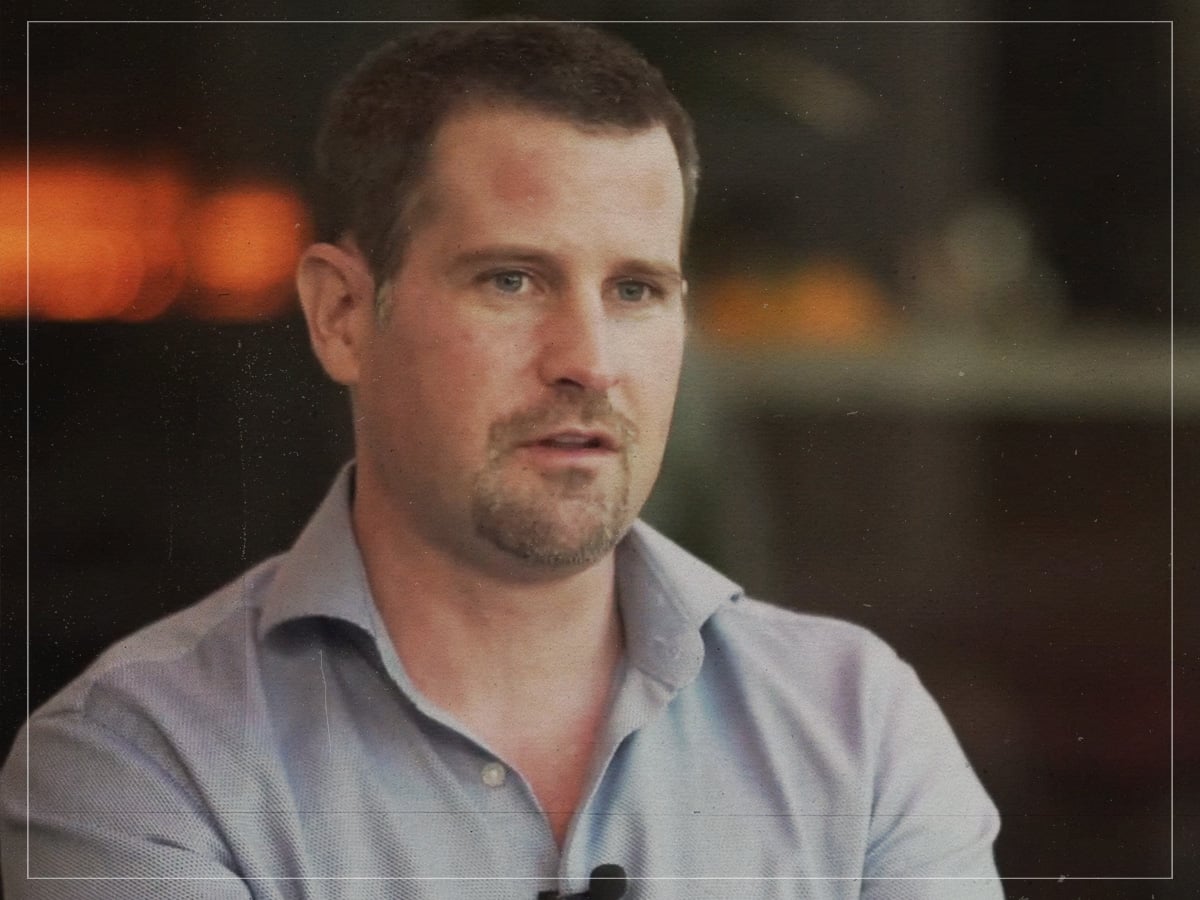
Richard Kelly might be one of the industry’s most classic examples of a director who peaked too early.
His debut film, Donnie Darko, was an instant cult classic that spawned dozens of theories and a passionate fanbase who worked to unpack the mysteries that were layered within the text, but his second film, Southland Tales, was a much stranger and more wacky science fiction satire that polarised critics when it debuted at the Cannes Film Festival in 2006. While it has now been recognised as a work of genius by cinephiles, the initial reception was so nasty that Kelly was taken down a notch or two.
His third film, The Box, was met with similarly tepid audience and critics’ scores, even if it did also end up finding a cult following, so while Kelly has teased the possibility of some sort of Southland Tales prequel or sequel, there haven’t been any recent updates on what he might be working on next.
Tomas Alfredson<br>
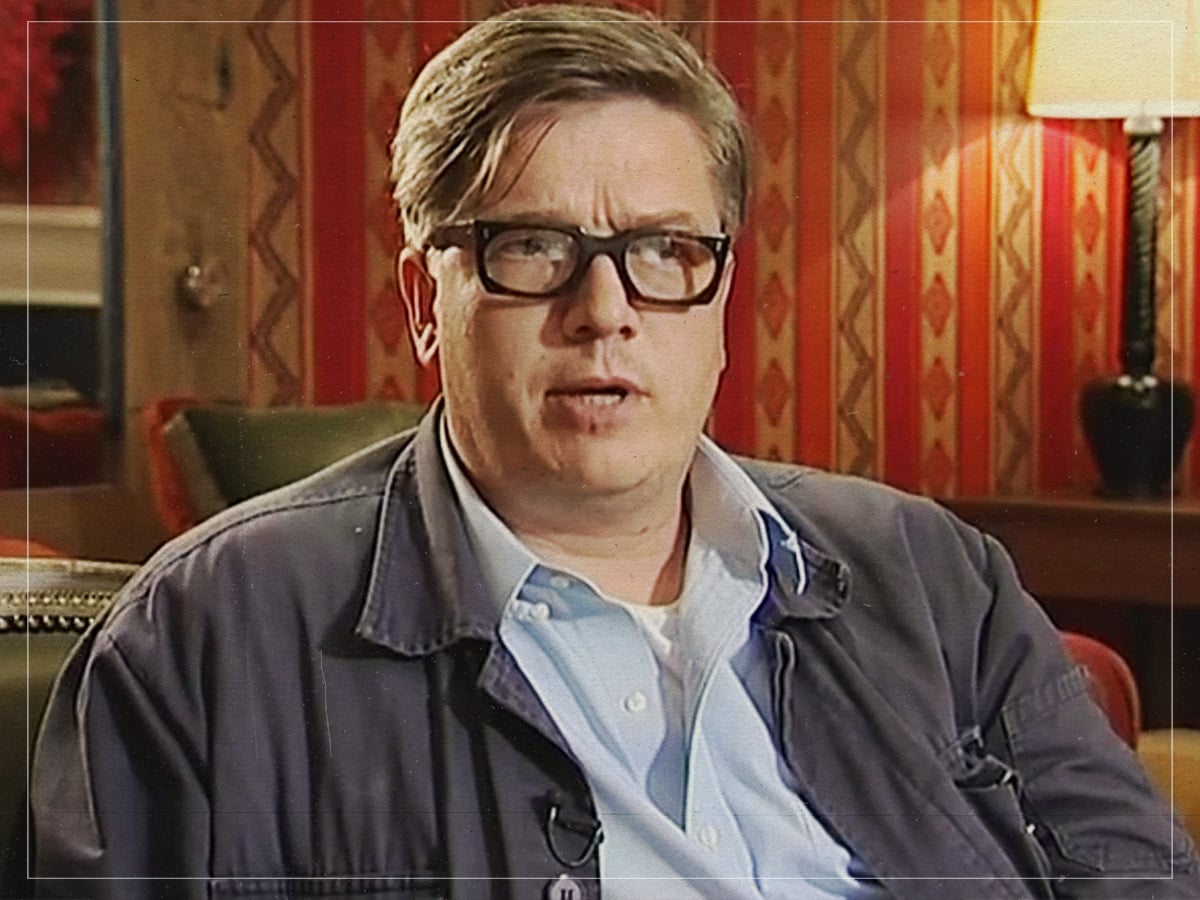
One of the bleakest aspects of the film industry is that a promising director can be essentially blackballed after one major flop, even if it was not their fault.
Tomas Alfredson announced himself as a master of British cinema thanks to two masterpieces, one of which was Let The Right One In, an acclaimed vampire film that eventually spawned an American remake with Matt Reeves’ Let Me In, and the other was Tinker Tailor Soldier Spy, which was hailed as the best adaptation of one of John le Carre’s most beloved novels.
Unfortunately, his next film was The Snowman, a noir mystery with a production so disastrous that it’s alleged that it did not even complete filming before being taken away from its director. Universal Pictures may have needed a ‘fall guy’ for the film’s disastrous reception, and unfortunately, Alfredson has remained in obscurity ever since the 2017 feature was trounced by critics.
Alex Proyas<br>
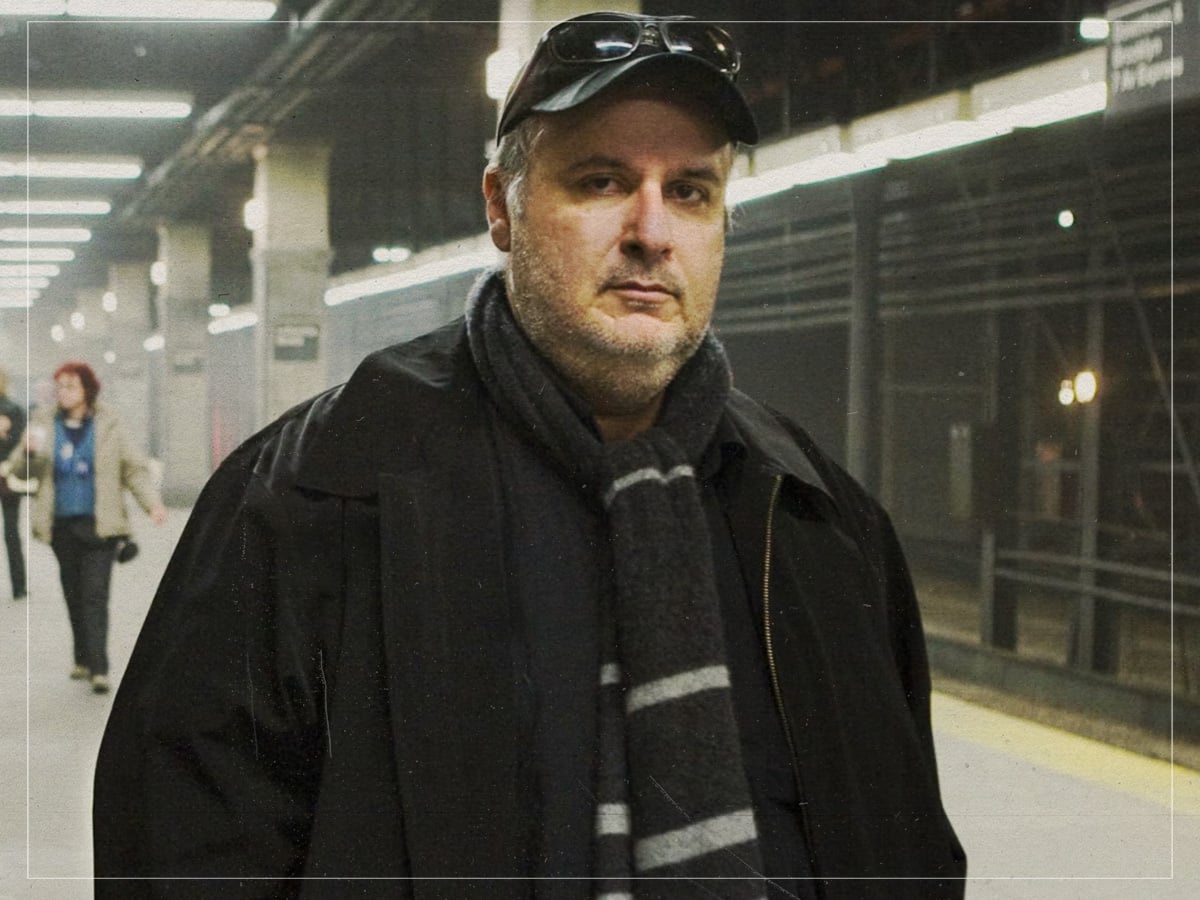
Alex Proyas seemed to be the next big cult director when his adaptation of The Crow became one of the biggest superhero films of the ‘90s, and influenced an entire generation of gothic revenge thrillers.
His subsequent Dark City was also hailed as a work of genius, and was even named by Roger Ebert as the best of 1998, after which he managed to deliver a few more hits in the form of I, Robot and Knowing. However, his career seemingly derailed when the epic mythology adventure Gods of Egypt became a massive embarrassment.
Beyond the fact that it bombed and earned negative reviews, Gods of Egypt sank Proyas even further when he began calling out critics for being biased. He has essentially been quiet ever since the debacle, although he did briefly speak out with his criticisms of the new remake of The Crow, which was a disaster even bigger than Gods of Egypt.
Martin Brest<br>
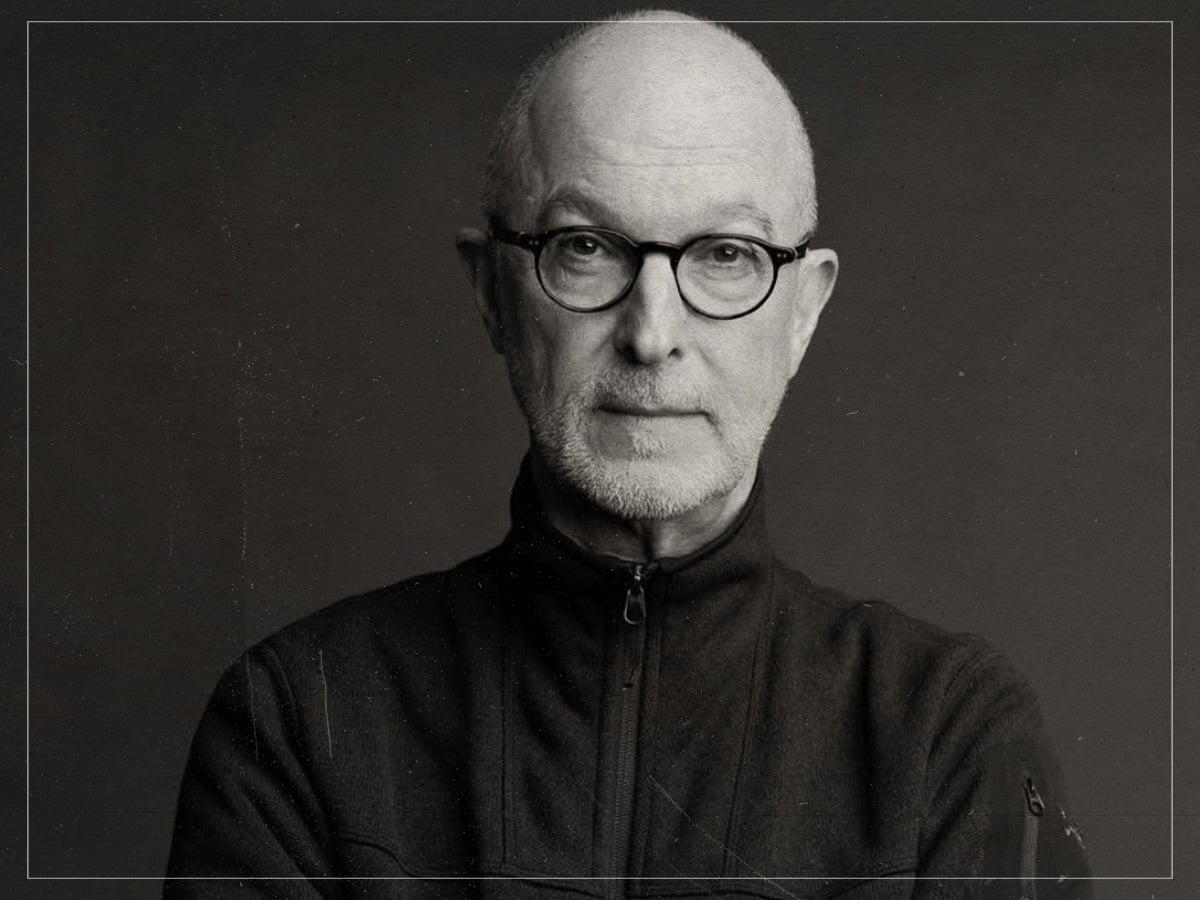
There may not be another living filmmaker who has had as significant highs and lows as Martin Brest.
Although his low-budget heist comedy Going in Style was a modest hit, he directed one of the biggest juggernauts of the ‘80s when Beverly Hills Cop both launched the career of Eddie Murphy and introduced a new subgenre of action-comedies. His streak continued when his drama Scent of a Woman became a major awards player and won Al Pacino the first Academy Award of his career, but after that, the lows hit severely.
His next film, Meet Joe Black, may have been received more tepidly, but he torpedoed any chance of a comeback when he directed Gigli, hailed by many as being one of the worst films ever made. It pretty much destroyed any goodwill that Brest had left, and became a project so widely mocked that his name has become associated with box office poison ever since.
Patty Jenkins<br>
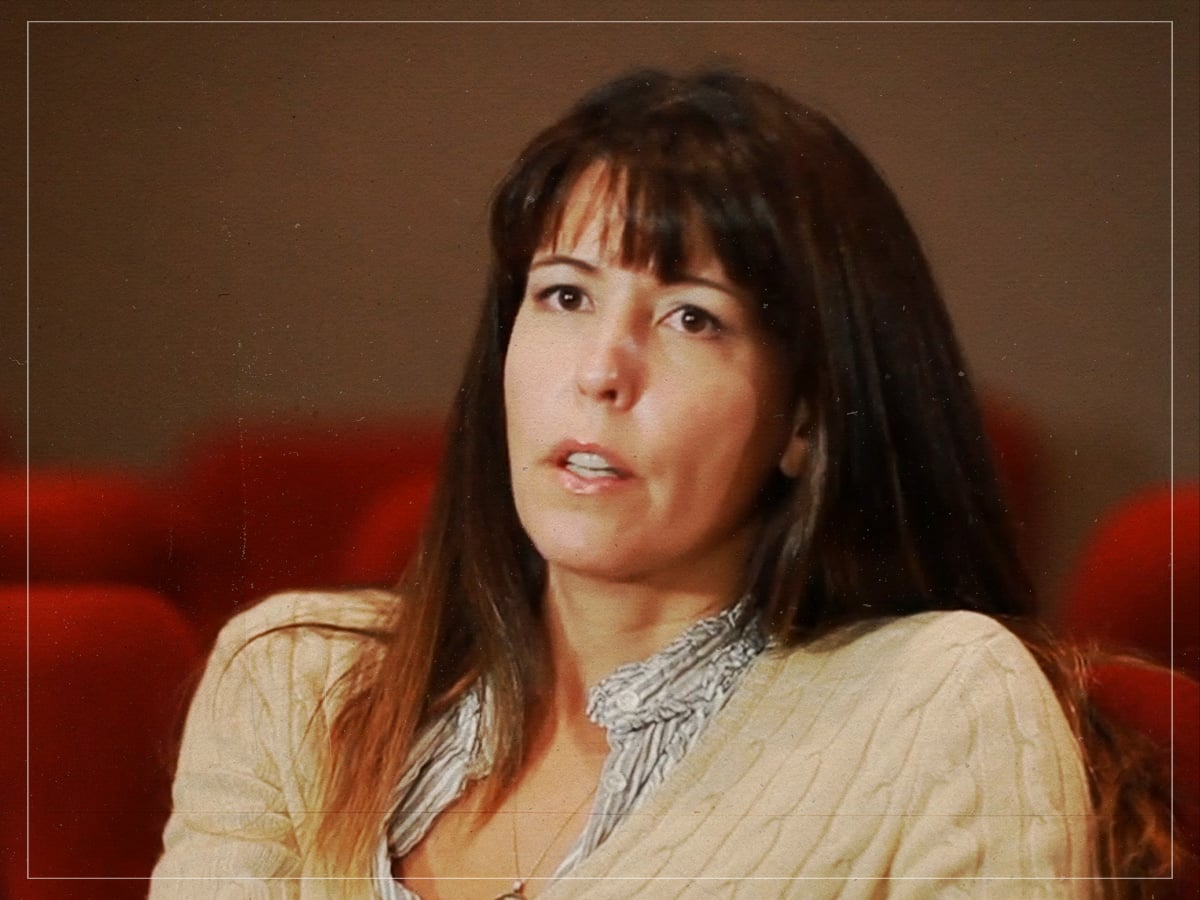
Patty Jenkins made a splash with her debut, Monster, a serial killer thriller that earned Charlize Theron her ‘Best Actress’ Oscar, but she struggled for years to get financing for her next project and was left directing only a few acclaimed TV episodes in the meantime.
However, her fate changed once she finally earned a major comeback with Wonder Woman, the first film in the DCEU to earn good reviews.
In hindsight, the hype for Wonder Woman was overstated, as it was a mediocre film that was boosted by how much it improved over Zack Snyder’s films, and how rare it was to see a female-fronted superhero origin story. However, Jenkins signed on to direct the sequel Wonder Woman 1984, a calamity that was so reviled that it essentially killed any momentum that Gal Gadot’s iteration of Diana Prince had moving forward in the franchise.
Amy Heckerling<br>
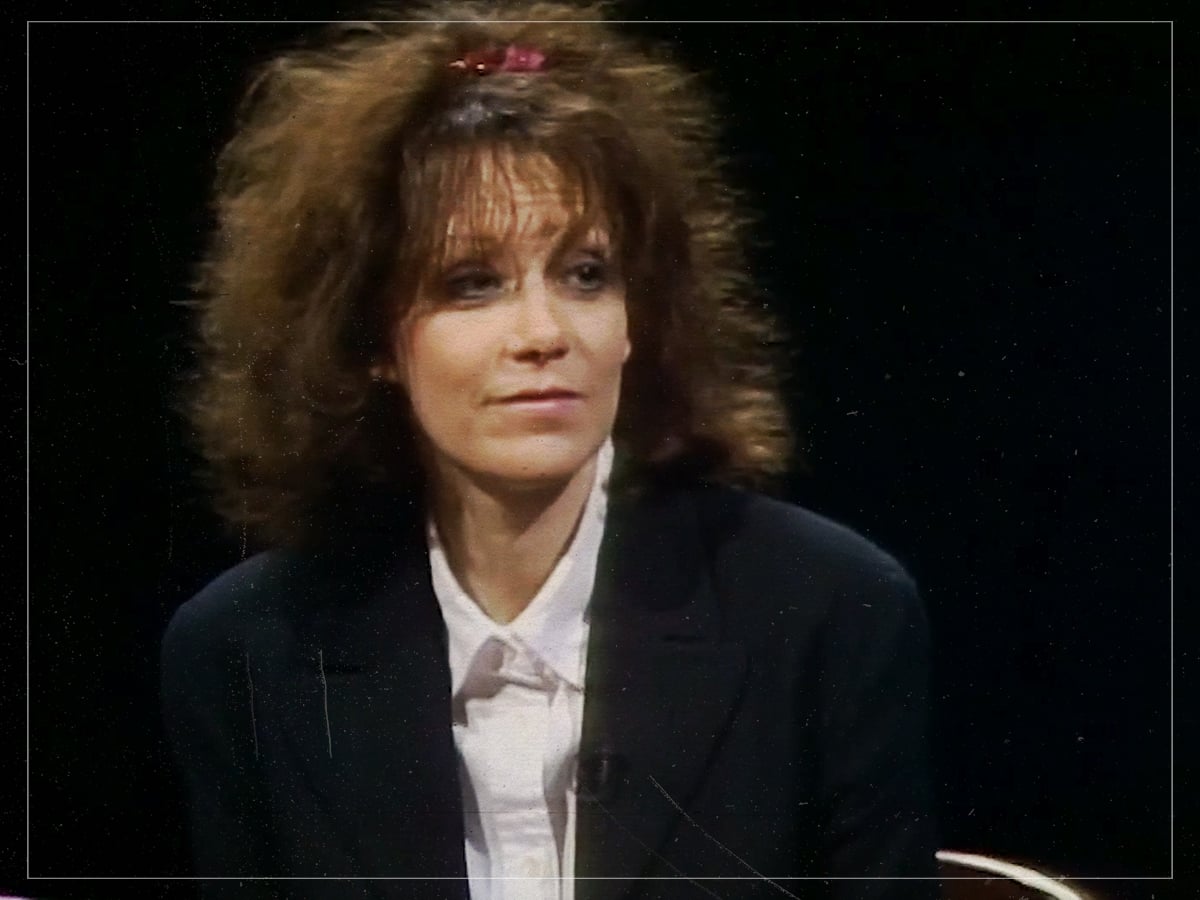
Although she may not be a household name, Amy Heckerling is the director behind many beloved comedy films, including Fast Times at Ridgemont High, Johnny Dangerously, National Lampoon’s European Vacation, and Clueless, which started a trend of high school comedies being adapted from classic novels.
While her film Look Who’s Talking, and its sequel Look Who’s Talking Too, weren’t exactly critical hits, they managed to reap enough profits for Heckerling to be seen as a consistent talent.
Regardless, her career seemed to collapse after her last two films, I Could Never Be Your Woman and Vamps, underperformed and earned only mediocre reviews, and although Heckerling has been able to direct some episodes of streaming shows like Red Oaks and Weird City in the years since, it doesn’t seem like she will get the chance to try her hand at another feature in the near future, which is a real shame when considering how great her first few classics are.
Robert Rodriguez<br>
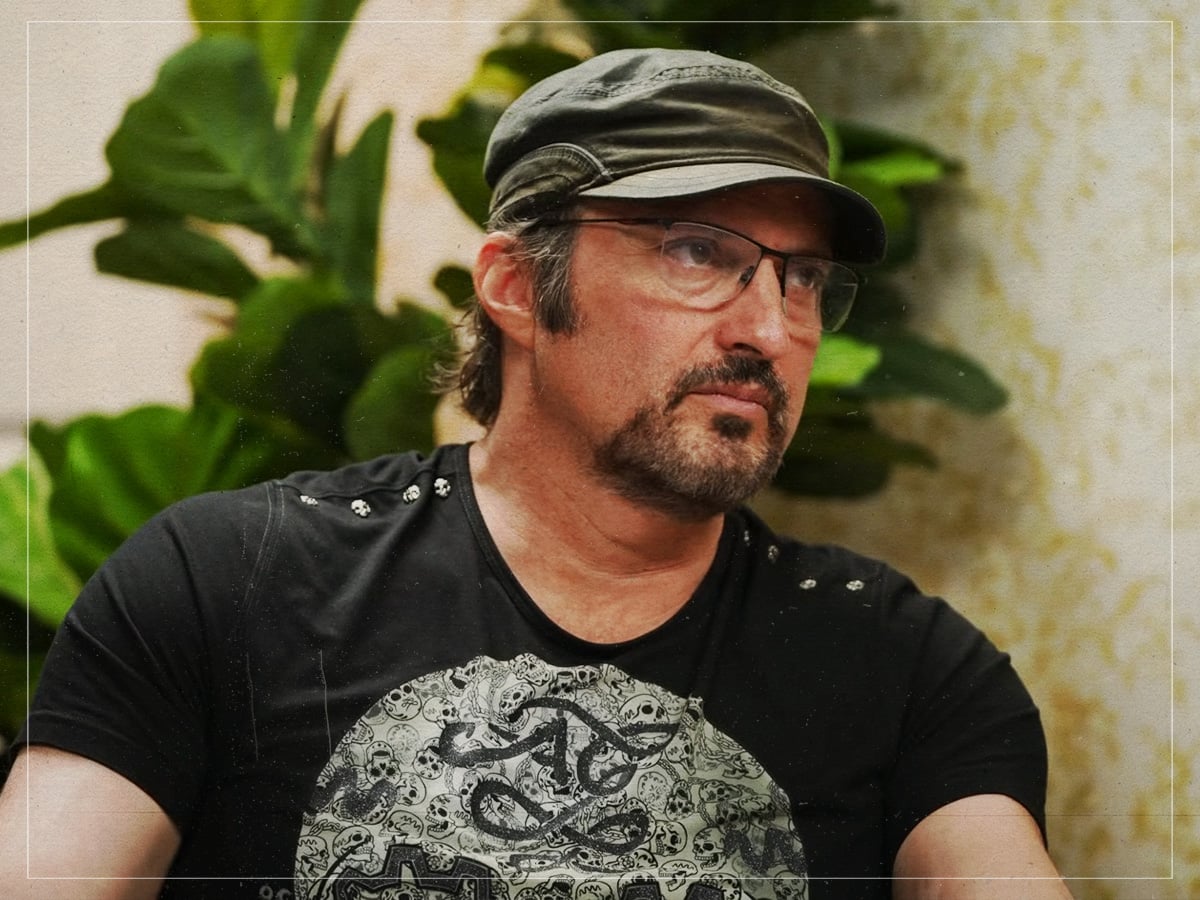
Robert Rodriguez is the rare filmmaker who is still fairly well known but hasn’t made anything worthwhile in years, having first made a name for himself when he poured all of his effort into the low-budget western El Mariachi, which he eventually made into the action classic Desperado, starring Antonio Banderas. After the subsequent success of From Dusk Till Dawn, The Faculty, and the Spy Kids films, it was easy to see why he was so frequently compared to his best friend and frequent collaborator, Quentin Tarantino.
However, his fall from grace isn’t more complicated than he’s been making terrible films, namely, in addition to instantly forgotten Netflix films like We Might Be Heroes and Spy Kids: Armageddon, Rodriguez directed one of Ben Affleck’s biggest bombs ever in Hypnotic.
While it seemed like he might have been able to make a comeback by directing episodes of a Star Wars streaming series, The Book of Boba Fett, it ended up being one of the worst-reviewed shows in the entire franchise, landing him for a long tenure of the director’s jail.
