


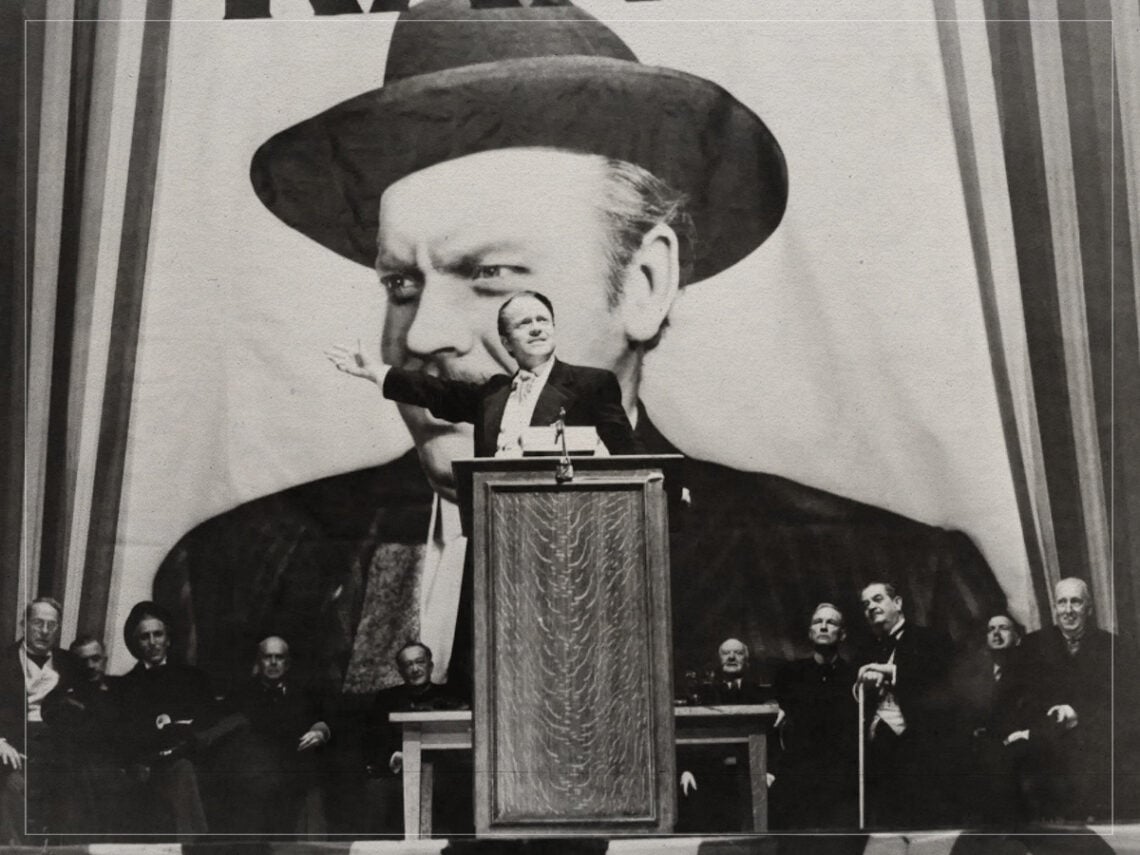
‘Citizen Kane’ at 85: the reason behind the low-key premiere of a timeless classic

Citizen Kane is the film of all films. While many great movies came before it, Orson Welles’ directorial debut often feels like a turning point, a beginning.
Hollywood was never the same once people recognised the film’s sheer greatness. Made by Welles when he was just 25 – and he starred in it, too – the film revolutionised form as a narrative device, with beautifully unique camera shots helping to create an immersive viewing experience like anything else that had come before it.
But the film wasn’t received to unanimous acclaim straight away. In fact, it didn’t even get a proper, lavish premiere. It’s not that Welles and RKO didn’t believe in the film, but rather, the movie faced considerable pushback from one of the men it was inspired by, William Randolph Hearst.
The newspaper publisher was a notorious figure, relishing in unethical journalistic practices that changed the media forever. Citizen Kane took inspiration from Hearst, as well as a few other media figures, like Joseph Pulitzer, resulting in the complicated protagonist Charles Foster Kane.
The character rises to become one of the richest men in the world, but his immoral business practices, such as salacious journalism, as well as his romantic affairs and ill treatment of women, cloud the narrative. He is a deeply flawed character, but his last word, ‘Rosebud’, becomes the mystery of the film, which reporter Jerry Thompson must figure out the meaning of.
Clearly, Hearst was not happy with such a problematic portrayal of a character he had directly influenced, because he ensured that the film was seen by as few as possible upon its release. So, instead of the movie being shown at a big fancy premiere, Hearst wielded his power to make sure that no significant theatre would show it. That’s how Citizen Kane wound up being screened in the former vaudeville hall, RKO Palace Theatre.
Hearst threatened many businesses that wanted to show the film, and he even used his power in the publishing industry to ban advertisements for Citizen Kane across his newspapers. With venues like Radio City Music Hall refusing to show the movie, it seemed like it was heading towards disaster. Could Citizen Kane find success after all?

With RKO unsure what to do about Hearst’s attempted ban of the film, they delayed its release, leaving Welles threatening to sue the studio. He even suggested the possibility of buying the rights to the film himself, but RKO finally gave in.
When it was finally released, some reviews were incredibly positive, like the one from the Guardian’s C A Lejeune, who called the movie “the most exciting film that ever came out of anywhere”. In the end, the brilliance of the film overrode this attempted censorship from Hearst, who even tried to buy the movie so he could destroy it.
Now, it’s one of the most acclaimed and influential films ever made, long outliving the controversial legacy of Hearst, who died a decade later. It was only the beginning of Welles’ career, though, and he continued to make films that would cement his legacy as a cinematic genius. Nothing ever came as close to pure brilliance as Citizen Kane, however, which left an indelible mark on Hollywood in spite of its initial controversial release.
