


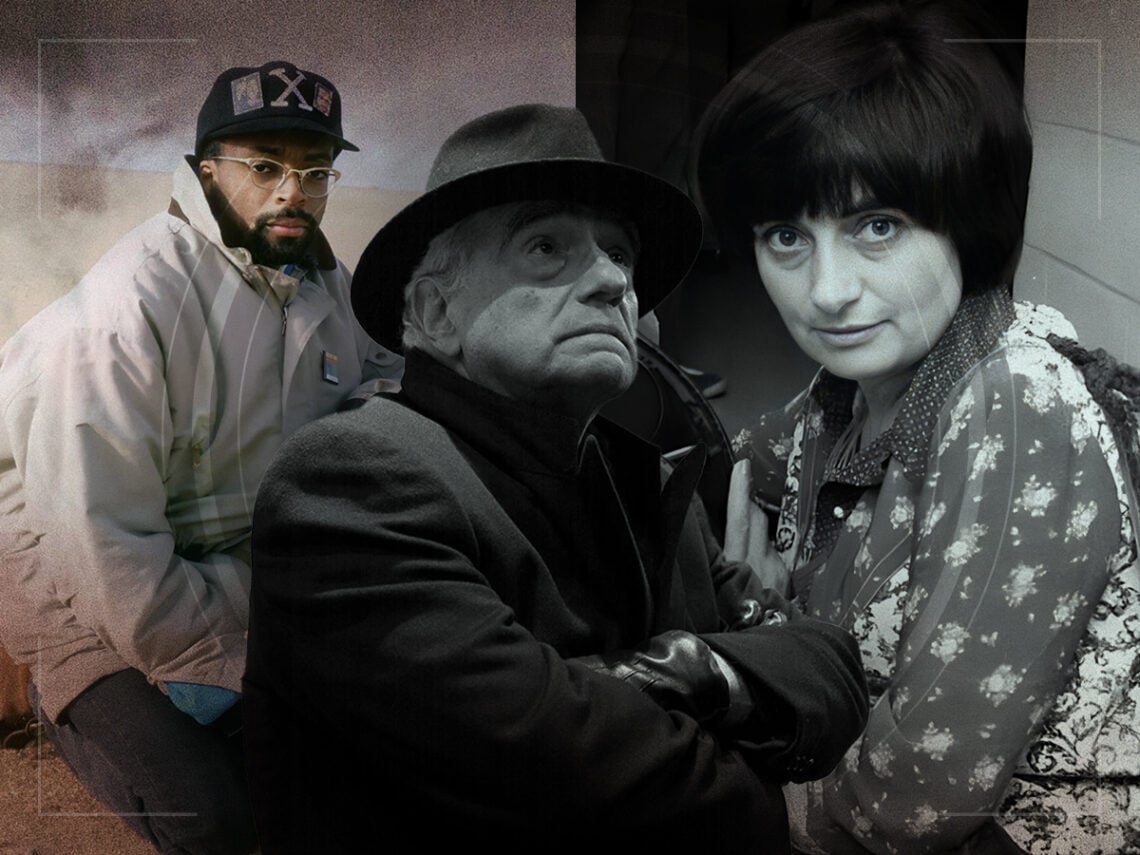
Five directors who excel at narrative and documentary filmmaking

Most directors tend to decide early on what sort of films they want to make, where some are drawn in by the glitz and glamour of fiction, others prefer the quiet dignity of telling real-life stories, and while there is some crossover, it doesn’t happen very often.
That’s what makes filmmakers like this lot so exciting, as despite the basic technical aspects of both disciplines being similar, there are vast differences between a great fictional movie and a powerful documentary, and mastering both is not an easy feat, yet it can be done.
Fascinatingly, there doesn’t seem to be much crossover between the five subjects we’ve chosen today, as they all approach their work in radically different ways, pursuing very different interests and championing a variety of causes.
Maybe that’s what makes them so exceptional, passion, so whether a story is true, based on the truth, or completely made up, these people want to tell it, and tell it well.
Five excellent narrative and documentary filmmakers:
Werner Herzog

I could dedicate this entire entry to all the mad things Werner Herzog has done across his career, but then we wouldn’t have any time to talk about his films. The shoe-eating, gunshot-surviving, non-French-speaking icon began his career with a number of icon narrative features.
Often featuring his close friend/worst enemy, Klaus Kinski, Herzog became known for his bold storytelling, deep philosophical overtones, and insane stunts. Take Fitzcarraldo, for example, where the director forced his cast and crew to haul an enormous steamship through a Peruvian jungle in an attempt to replicate the actions of the film’s real-life subject.
Given his dedication to accuracy, it’s no surprise that the mad German was also keen on factual filmmaking and has made 34 full-length documentaries, most of which are narrated by his unique, often-impossible voice. Notable examples include Grizzly Man, which tells the story of a man who lived alongside wild bears, and Encounters at the End of the World, an Oscar-nominated exploration of Antarctica and its human residents, standing as a true polymath, they don’t make ‘em like Herzog anymore, which is probably a good thing.
Agnès Varda

When it comes to pioneering women filmmakers, you have to talk about Agnès Varda, the Belgian-born genius who cut her teeth in 1950s France, first made a splash with her debut narrative feature, La Pointe Courte. The movie is now seen as a herald of the incoming French New Wave movement, one of the most important in film history, but not content with changing the world through her fictional storytelling, Varda then decided to unleash her talents on the world of non-fiction.
Her subjects ranged from the Black Panther Party to the French countryside to street art in Los Angeles, where she wasn’t averse to turning the camera on herself, making two films about her extraordinary career towards the end of her life.
Her mastery of both forms is most obvious in her 1962 film, Cléo from 5 to 7, and although the story of a lounge singer awaiting the results of a medical test is an invention, she filmed it as if it were real, creating a palpable illusion of connection between characters and audience, and hence, when she passed away in 2019 at the age of 90, tributes poured in from directors of all walks of life, proving her versatility and impact on the industry at large.
Spike Lee

There isn’t much to say about Spike Lee’s narrative work that hasn’t already been said, for few directors have shaped African-American cinema quite as much as he has. From revolutionary early outings like Do the Right Thing to modern triumphs like BlacKkKlansman, Lee’s stylish and uncompromising approach to storytelling has made him one of Hollywood’s most outspoken lightning rods, and given how often he incorporates real social issues into his work, it’s surprising that he hasn’t made more documentaries across his lengthy career, but the ones he has made have been superb.
Michael Jackson has provided the bespectacled auteur with plenty of material over the years, where as well as making two music videos for the ‘King of Pop’, Lee also helmed Bad 25, a retrospective on Jackson’s seminal album of the same name, and the ludicrously-titled Michael Jackson’s Journey from Motown to Off the Wall, which does exactly what it says on the tin.
His hardest-hitting factual film is 4 Little Girls, focusing on the events of the 16th Street Baptist Church bombing in 1962, offering a frank and harrowing exploration of racial violence and the impact it had on Black communities at the height of the Civil Rights movement.
Ava DuVernay

Ava DuVernay is a modern trailblazer who doesn’t get nearly as much credit as she deserves, even though she has made history on multiple occasions. Her biopic Selma, about Martin Luther King Jr and his famous march of the same name, led her to become the first African-American woman to be nominated for ‘Best Director’ at the Golden Globes, and then, she became the first Black woman to be given a budget of over $100million when she took the helm on the Disney movie A Wrinkle in Time, achieving all this despite not beginning her career until her mid-30s.
She also made her first full-length documentary in 2008, with This is the Life, telling the story of the Good Life Cafe, an influential hip hop venue that helped shape an alternative scene in the 1990s, and being a former emcee herself, got to the very heart of what made the Cafe so special through her own insight and powerful interviews with other musicians.
She followed this up with an exploration of the relationship between 20th century slavery and modern prison systems and how African-Americans are still held down by an industrial complex that continues to unevenly criminalise them in the form of 13th, which takes its title from the Thirteenth Amendment to the United States Constitution.
Martin Scorsese
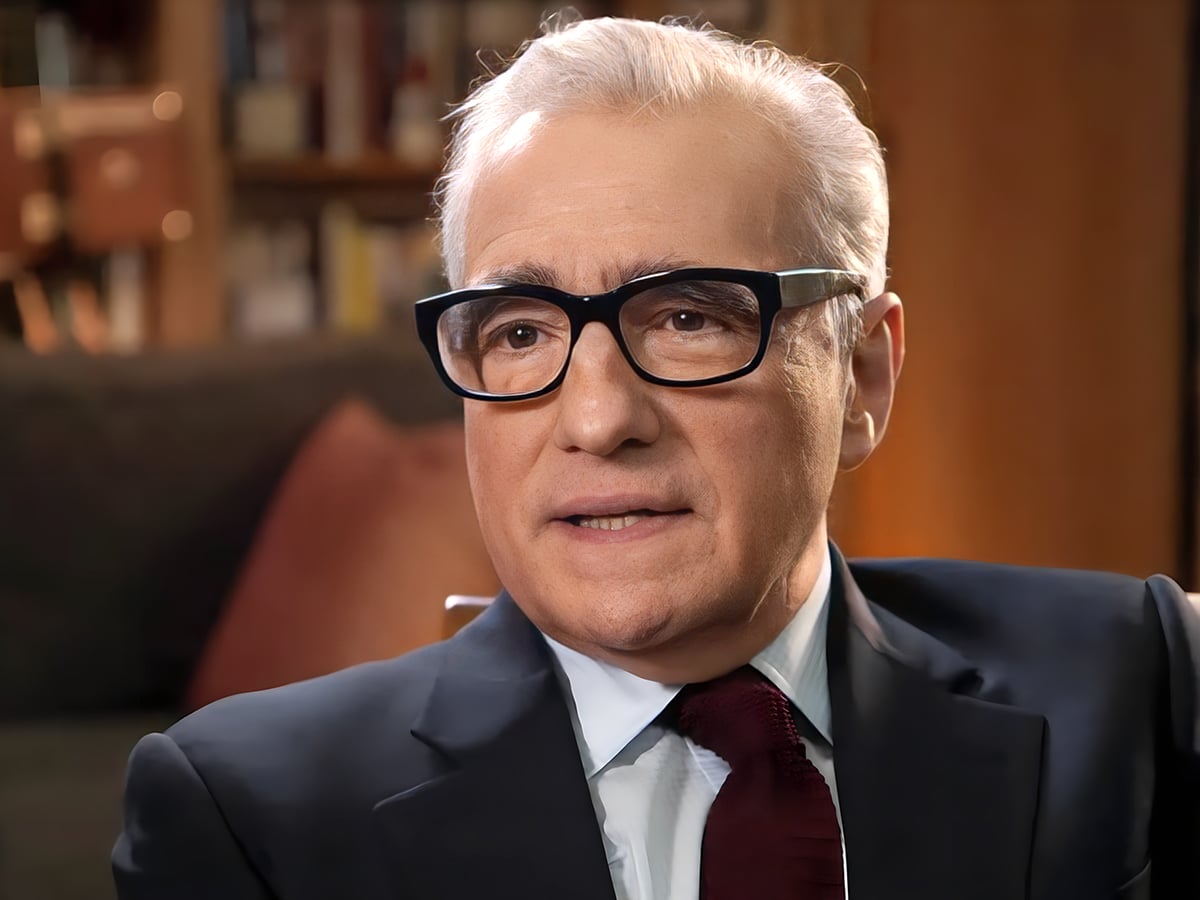
You wanna know what’s really hard? Writing a paragraph about Martin Scorsese’s filmography without sounding like AI. I could sit here and list off all the incredible movies he’s made over the course of seven different decades, I could tell you about how he’s shaped the very fabric of cinema with his groundbreaking approach to violence, masculinity, and spectacle, and I could tell you about how we were all too harsh on Hugo and should appreciate that the guy who made Goodfellas took a risk on making a kids’ film, but you don’t need me to do that.
An oft-overlooked aspect of the Oscar winner is his love of factual cinema. Alongside everything else he’s done, he’s somehow managed to find the time to make 16 feature-length documentaries, which can be mostly split into two categories: heritage and music. Scorsese has made a number of films about what it means to be Italian-American, including one simply called Italianamerican, and he’s also profiled such luminaries as George Harrison, The Band, and Bob Dylan (twice). Just when you thought you couldn’t love Scorsese any more, he reminds you he has an entirely separate part of his career for you to dive into, making for a true legend existing today.
