


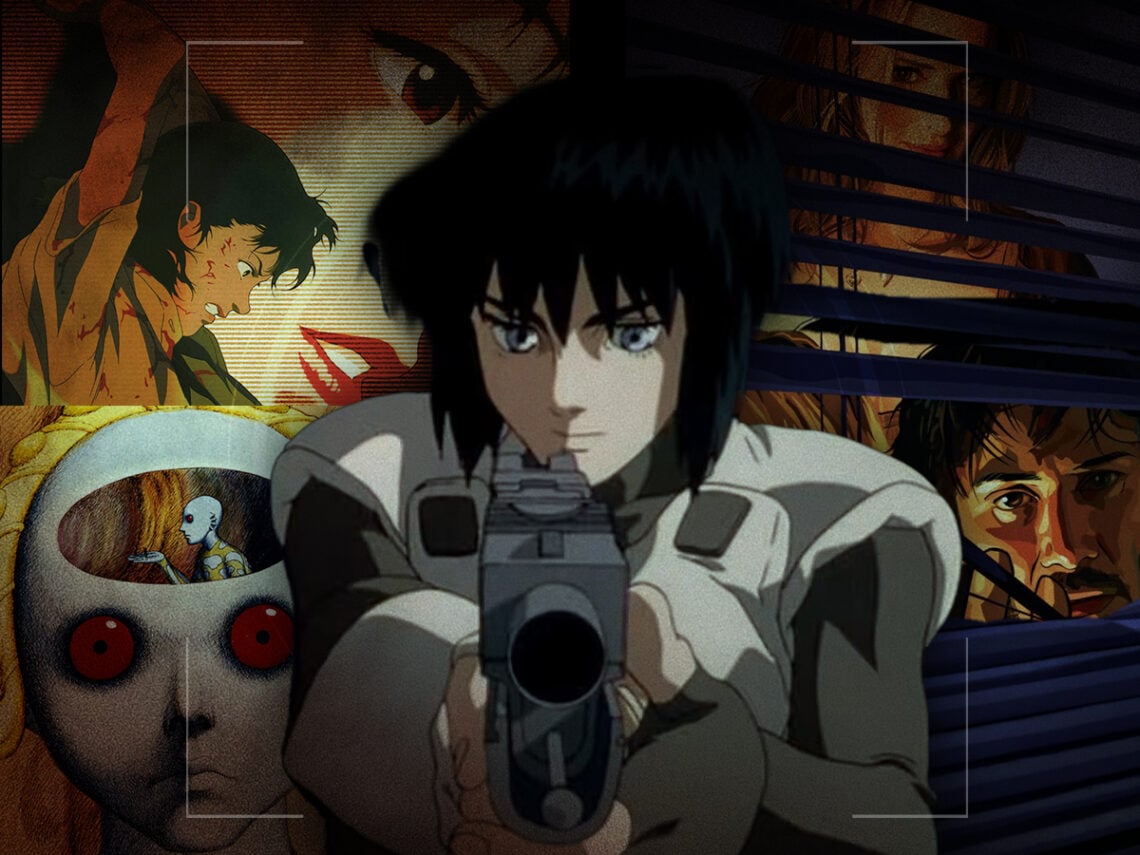
The 10 best animated movies you’d never let a child watch

Animation is a medium with which to tell different stories, and not a genre in its own right.
It shouldn’t come as a surprise that animation is often associated with more family-friendly entertainment, given that the emergence of cartoons and shorts is what initially propped up the industry. Walt Disney Pictures built its foundation as a company for people of all ages based on the viability of animated characters like Mickey Mouse, Donald Duck, and Goofy, and today, they still reign supreme at the box office with their new slate of franchises.
However, the earliest animated film ever made was a work of political satire, and other films made using the same medium have been used to address more adult themes. Animation is best used as a tool to depict imagery that could have never been replicated in live-action, but there’s no rule that says that it should be reduced to just what children can appreciate.
There are certain films that are ostensibly aimed at children that have value for adults, with Pixar’s body of work being a standout; it’s unlikely that younger children would understand the political subtext of The Incredibles, the environmental warning of Wall-E or the exploration of ageing in Up. There are also more mature films, like those of Hayao Miyazaki, that are aimed at older audiences, but can still be appreciated by children based on their visual appeal.
However, there are still some animated films out there that have nothing intended for a younger audience, as it would be considered downright irresponsible to show them to anyone who has not reached an age of maturity.
10 animated movies not for children:
‘South Park: Bigger, Longer and Uncut’ (Trey Parker and Matt Stone, 1999)
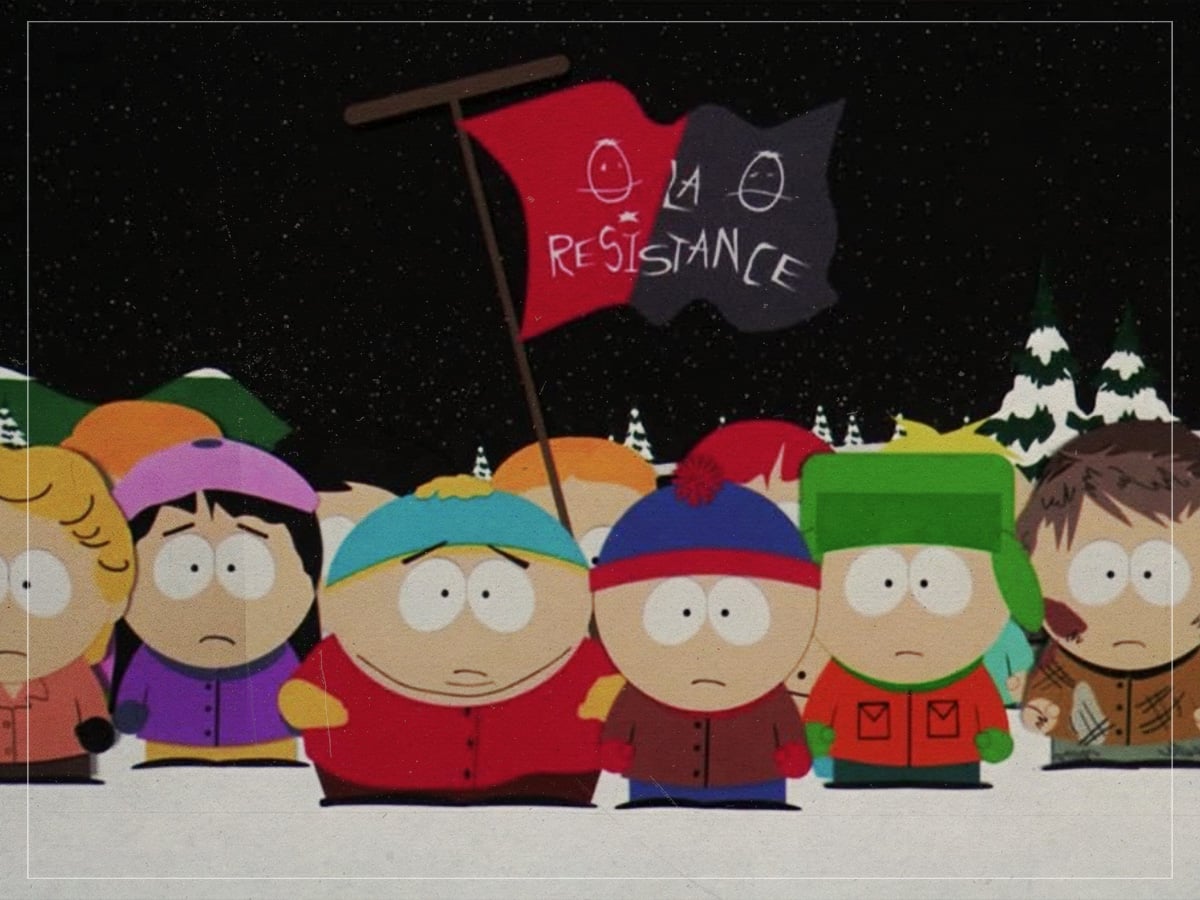
South Park has held up as a biting work of social satire that continues to be part of a broader cultural discussion, but the show was arguably at its peak in 1999 when Trey Parker and Matt Stone brought their universe to the big screen for the first time. South Park: Bigger, Longer and Uncut wasn’t just more filthy and R-rated than anything that they had been able to incorporate onto their Comedy Central show, but charged with purpose because it aimed at satirising the self-importance of censorship and the banning of art.
Given that it is about people rejecting things that offend them, South Park: Bigger, Longer and Uncut goes out of its way to insult as many demographics as it possibly can. It’s also a fairly great musical, proving Parker and Stone as talented songwriters well before they developed The Book of Mormon.
‘American Pop’ (Ralph Bashki, 1981)
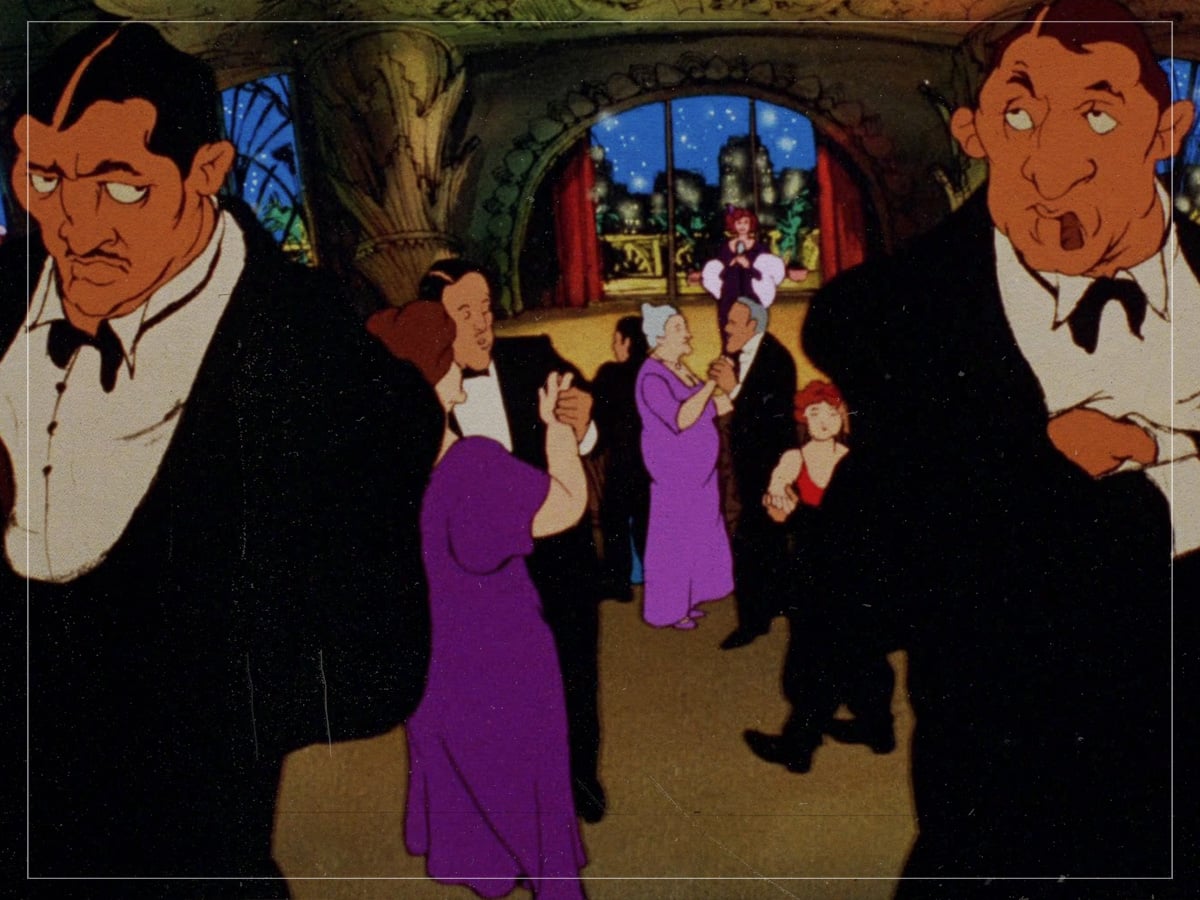
Ralph Bashki is an inventive animator who made a wide range of experimental films within the medium, such as Heavy Metal and the original version of The Lord of the Rings. Music has always been an important component in Bashki’s work, and American Pop was a unique project in which he explored the story of a family from Imperialist Russia as they entered the entertainment industry.
The film directly invokes parallels to pop music and even uses some of America’s most famous songs to tell its alternative version of history. Although his style of excess and willingness to incorporate graphic content would certainly make American Pop suited for an adult audience, there’s also a historical context that is needed to enjoy it. The film draws from both 20th-century history and pop culture that a child might not be fully aware of.
‘Perfect Blue’ (Satoshi Kon, 1997)
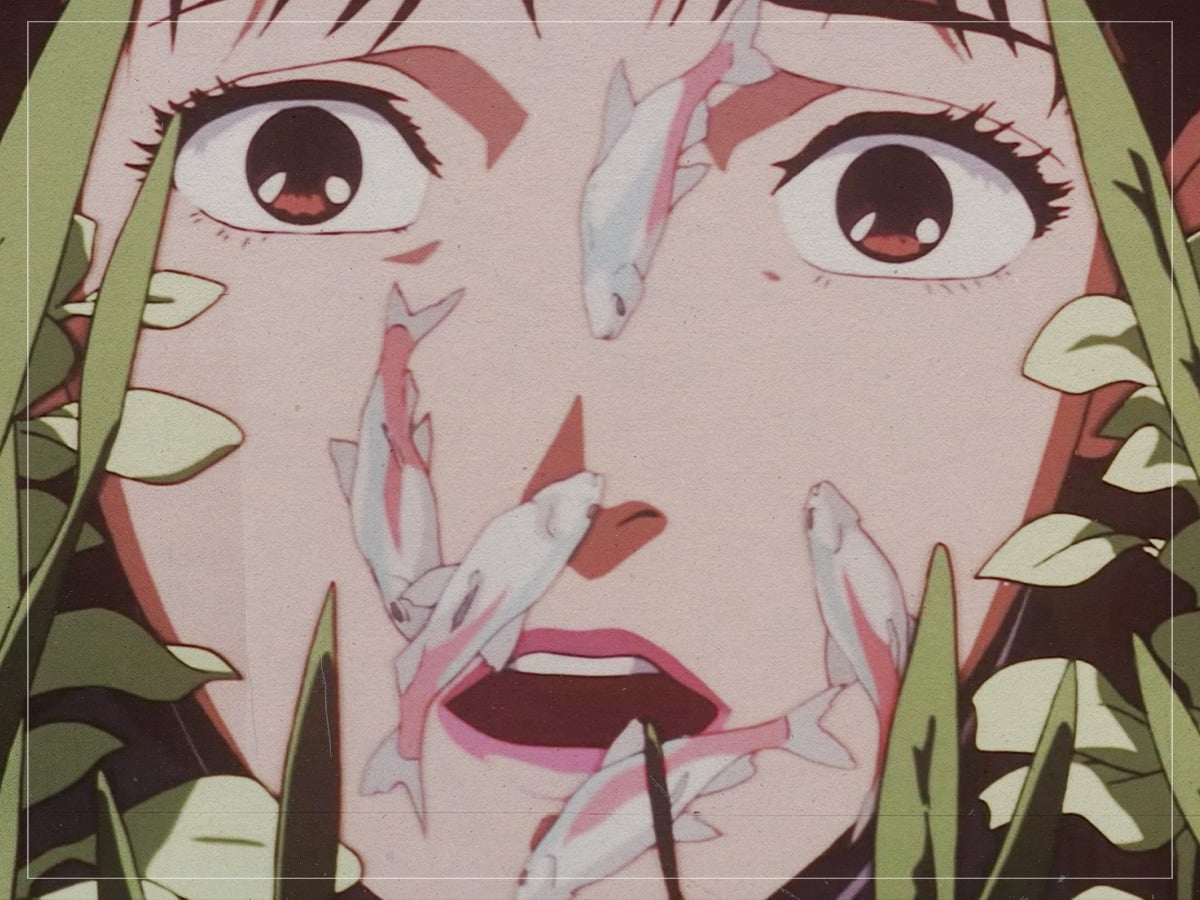
Satoshi Kon has one of the most tragically short careers of any contemporary filmmaker, as he sadly died after only making four features. While each of Kon’s films is a masterpiece in its own right, Perfect Blue was an incredible debut that still remains highly influential on both live-action and animated films.
The film examines the life of a pop star as she is preyed upon by the industry, all while being stalked by an obsessive fan. In many ways, Perfect Blue anticipated the development of the internet and how it would commodify celebrities and develop negative communities of fandom. It was due to an extremely graphic sexual assault scene that Perfect Blue earned a rare NC-17 rating from the MPAA, which limited the amount of marketing exposure it was allowed because of the restricted audience.
‘Flee’ (Jonas Poher Rasmussen, 2021)
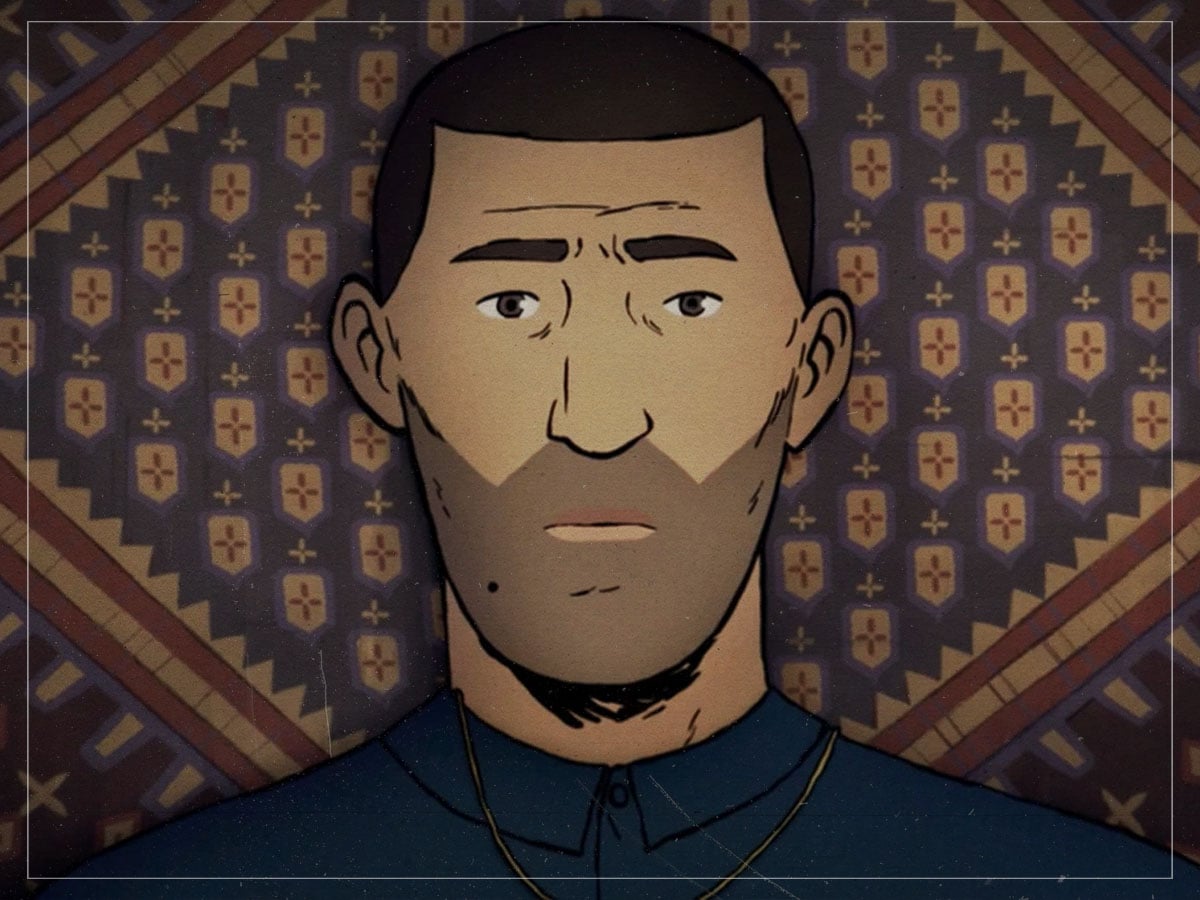
Flee set a rare record with the Academy Awards because it became the first film in history to be nominated for the triple crown of ‘Best Animated Feature’, ‘Best International Feature’, and ‘Best Documentary Feature’, telling the true story of Amin Nawabi, an Afghan man whose family was forced to escape their home country during the Soviet-Afghan War.
While highly important, Flee is intense and not for the faint of heart, exploring the pressures that Nawabi faced as he attempted to escape being drafted, as well as the persecution he faced for being a member of the LGBTQ+ community. The Oscars have increasingly become a venue for political statements, and Flee offered a timeless story about the plight of immigrants who are forced to take shelter in homes that don’t fully accept their cultures.
‘A Scanner Darkly’ (Richard Linklater, 2006)
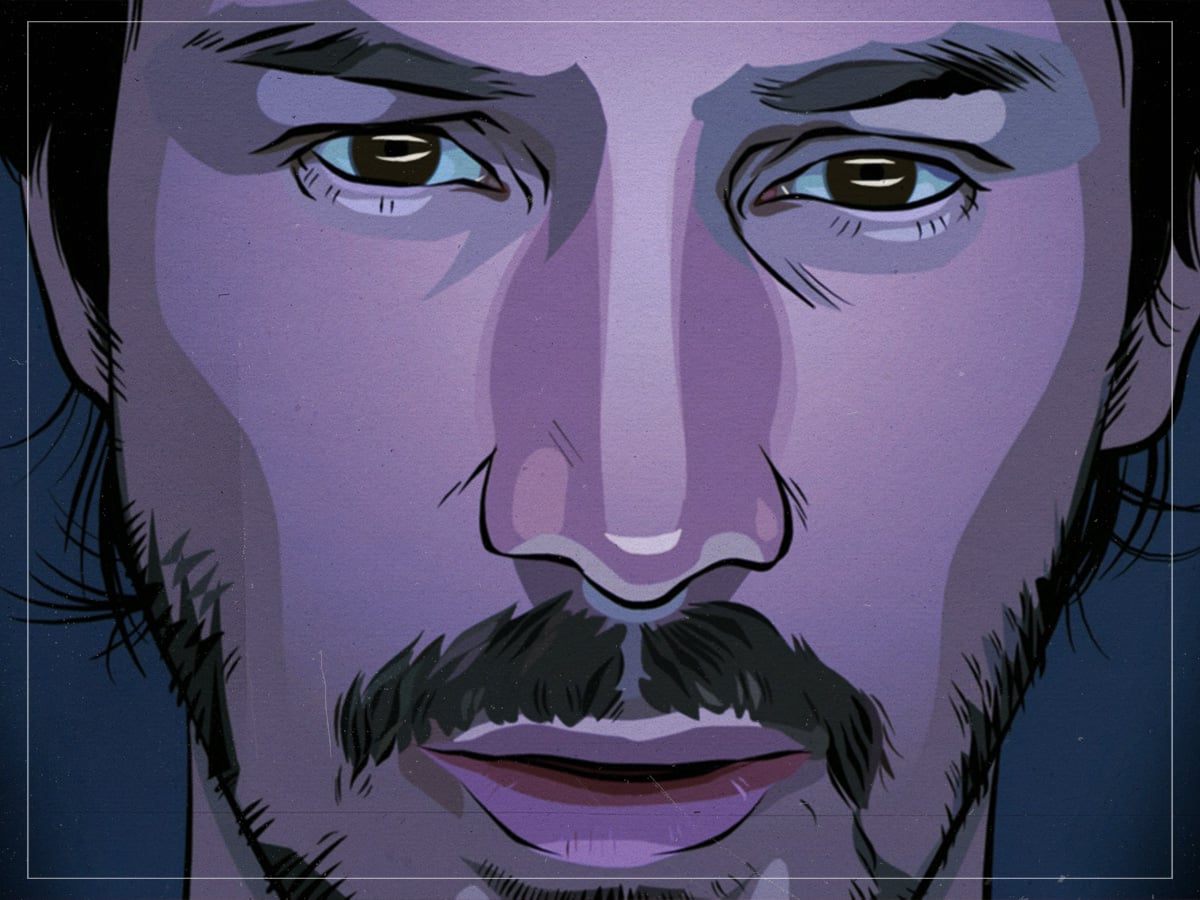
Richard Linklater is a filmmaker who always seems to surprise people with what his interests are, and A Scanner Darkly was part of an intriguing double-feature that he released in 2006. In the same year that he directed the political satire Fast Food Nation, he helmed his second animated feature with A Scanner Darkly, which used the rotoscoping technology to capture the faces and likenesses of the actors who were providing their vocal performances.
Based on a Philip K Dick story, it is a pulpy sci-fi thriller that stars Keanu Reeves as an undercover police officer who infiltrates a drug-smuggling operation in order to prevent a dangerous new item from spreading. It’s a multi-faceted study of addiction, police brutality, and the anxiety involved with technology that causes users to lose sight of the reality they exist in.
‘Pink Floyd: The Wall’ (Alan Parker, 1982)
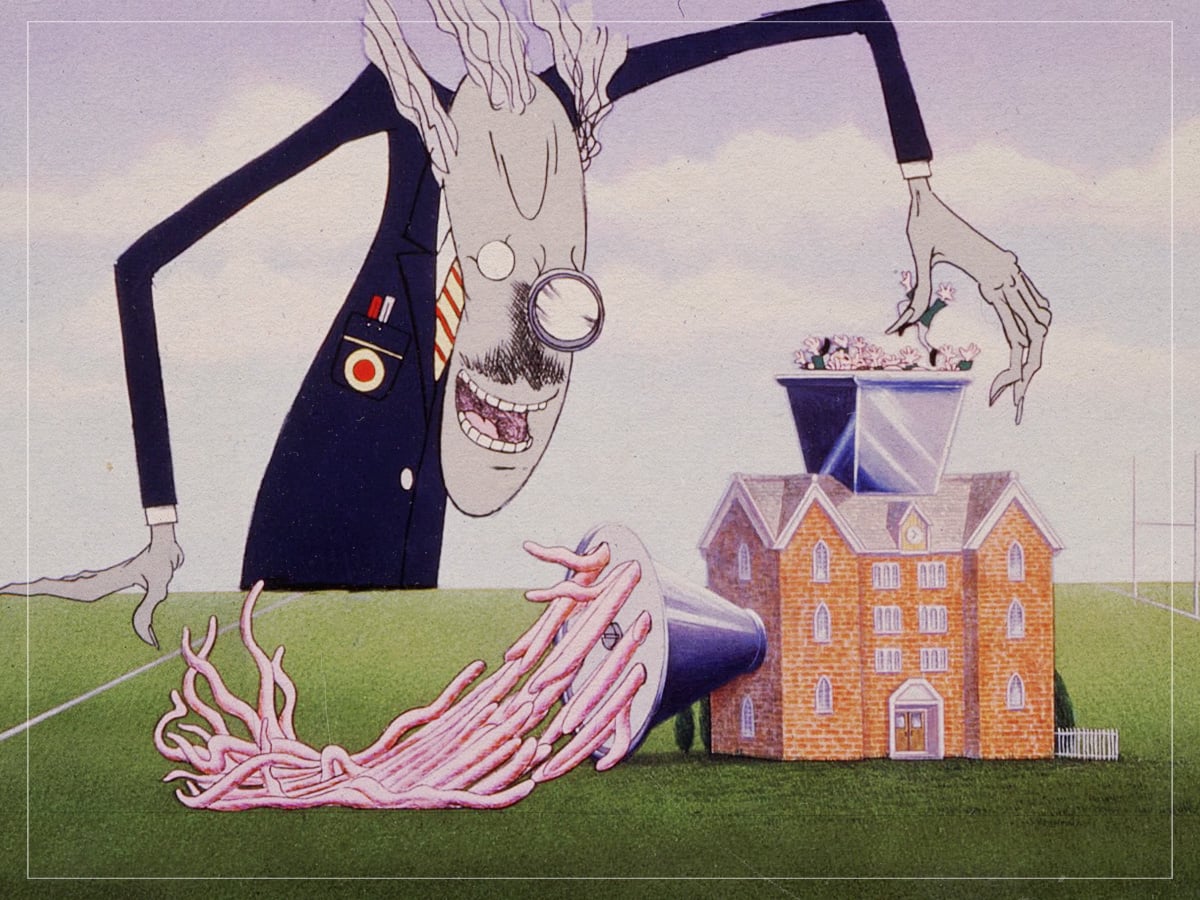
Pink Floyd is known for its eerie, prophetic lyrics and experimental production values, and it soon became clear that their album The Wall couldn’t be contained to an audio medium, and thus Pink Floyd: The Wall was born, an ambitious, surrealist work of arthouse filmmaking that used animation to conjure imagery inspired by the narrative of the album, offering clues that hinted at the lyrics’ themes of detachment, addiction, and disenfranchisement with the actions of Margaret Thatcher’s Britain.
If Pink Floyd: The Wall wasn’t already a dense, complex work of art that no child would be able to understand, its disturbing imagery would be enough to terrify them from the get-go. The film’s director, Alan Parker, is one of the most underrated in history, whose other credits include the brilliant British neo-noir Get Carter, the true crime drama Mississippi Burning, and the incredible music film The Commitments.
‘Anomalisa’ (Charlie Kaufman, 2015)
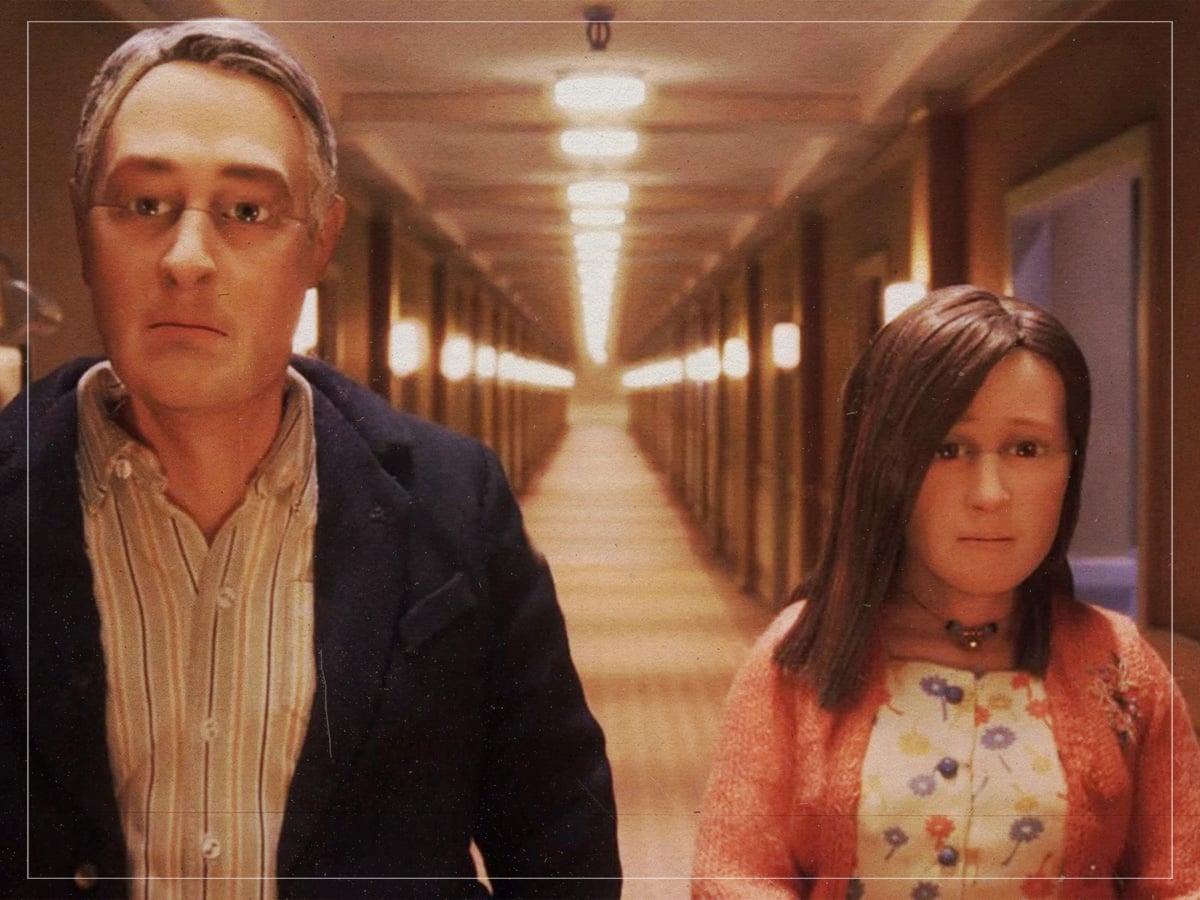
Charlie Kaufman had already made Synecoche, New York, a film that Roger Ebert cited as being the best of its decade, when he ventured into animation for the first time with his existential dark comedy Anomalisa. It’s a tragic film about a man (Richard Thewlis) in the midst of a midlife crisis who seems to find love for the first time in a woman (Jennifer Jason Leigh), all while feeling that he has let down his family and will always be unfulfilled in his profession.
The now-infamous R-rated puppet sex scene was enough to make it squarely for adults, but it’s also a film that deals with concerning issues in a realistic way, where few films have ever reckoned with the alienating feelings of dealing with depression so authentically, making Anomalisa a difficult film for sensitive viewers.
‘Ghost in the Shell’ (Mamoru Oshii, 1995)
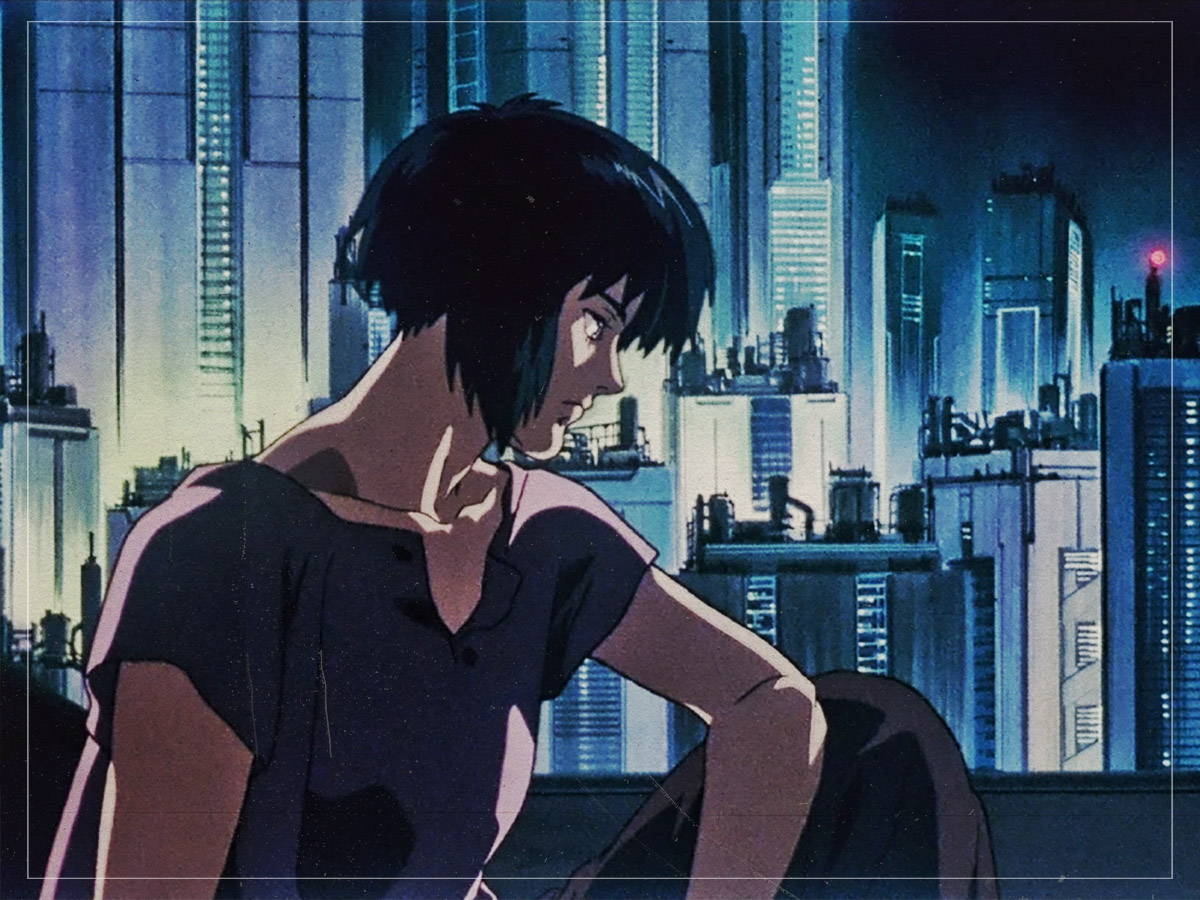
Science fiction was already going through a renaissance in the ‘90s thanks to Total Recall, Terminator 2: Judgment Day, 12 Monkeys, and later The Matrix, but anime also provided one of its definitive masterpieces with Ghost in the Shell, which not only proved to be the most groundbreaking work of cyberpunk fiction since the original Blade Runner, but it initiated a fascinating conversation about both gender identity and artificial intelligence that has made it even more relevant today.
The gory violence and graphic sexual content may be shocking, but they were important to include for the sake of the story, and is one of the many reasons why the sanitised, PG-13 live-action remake of Ghost in the Shell wasn’t as good as the original, other than the fact that it whitewashed the main character by casting Scarlett Johansson.
‘Fantastic Planet’ (René Laloux, 1973)
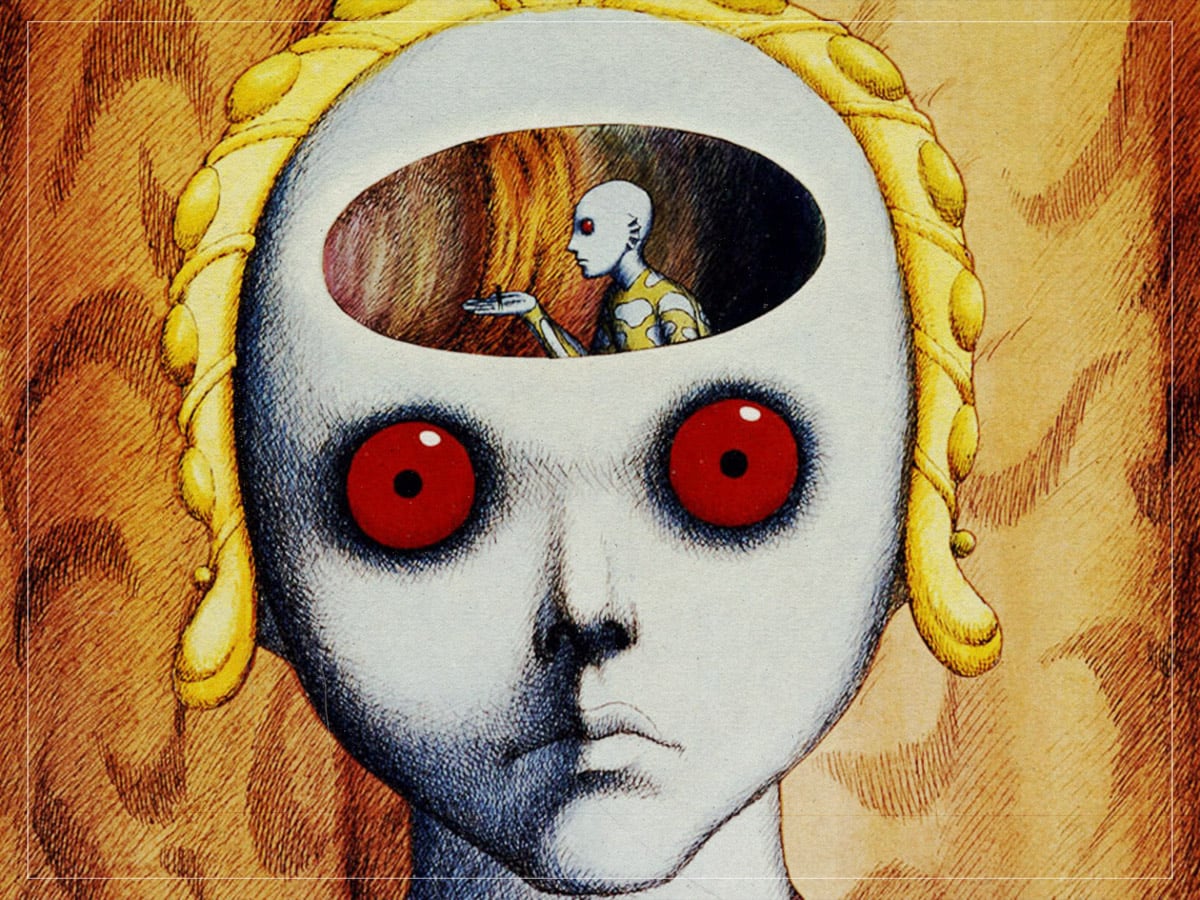
France has an eclectic film history that goes beyond the French New Wave movement of the ‘60s, as the next decade saw a rise in the nation’s animated wing. Fantastic Planet may look on its surface to be a kid-friendly animated film, but it is actually something more bizarre, with the surrealist science fiction story set on a mysterious planet where humans are considered to be animals by a towering race of blue aliens, and it contains metaphorical allusions to various political and philosophical concepts.
The very notion that mankind itself has no power because its fate is being controlled by a more powerful species might be disturbing for a child, but Fantastic Planet might also be too thematically overwhelming for a young mind to handle, wherein the film’s psychedelic sensibilities are best appreciated by those with an understanding of avant-garde art.
‘Memoir of a Snail’ (Adam Elliot, 2024)
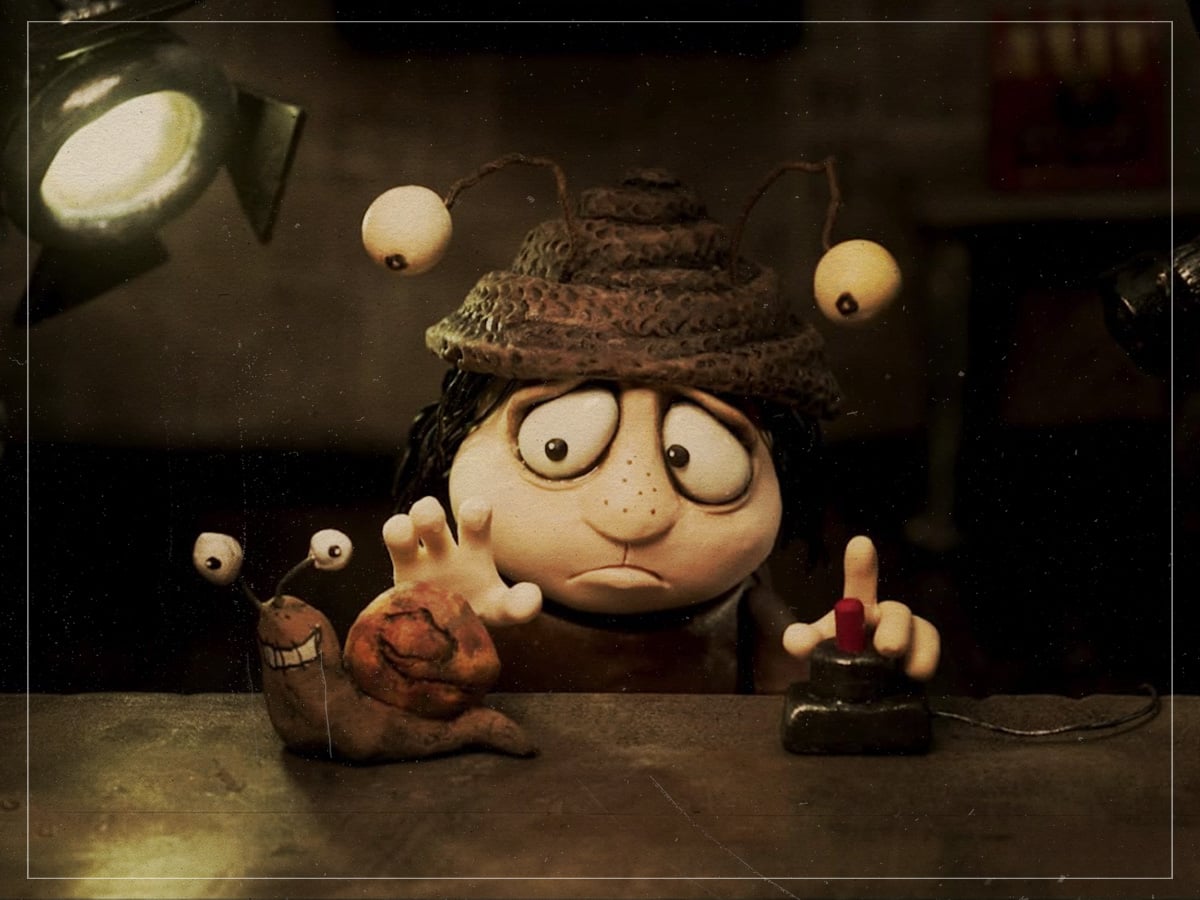
Stop motion is an increasingly popular form of animation that has taken off in recent years thanks to the output of Laika and the films of Wes Anderson, but Memoir of a Snail is a far more mature and grounded use of the style. Adam Elliot developed a profound story about the life of a seemingly normal woman, voiced by Succession’s Sarah Snook, after she is split from her brother and spends a lifetime dealing with those who don’t give her the respect she deserves.
The frankness that Memoir of a Snail has about loneliness and middle-aged malaise is tough to appreciate for those who haven’t had at least some life experiences. Although the animation itself is as beautiful and eye-popping as Elliot’s previous film, Mary & Max, this film moves at too slow a pace to be enjoyed by kids who’ve been used to watching Minions and The Super Mario Galaxy Movie.
